Spend The Night On A Florida Houseboat And Wake Up Surrounded By Manatees
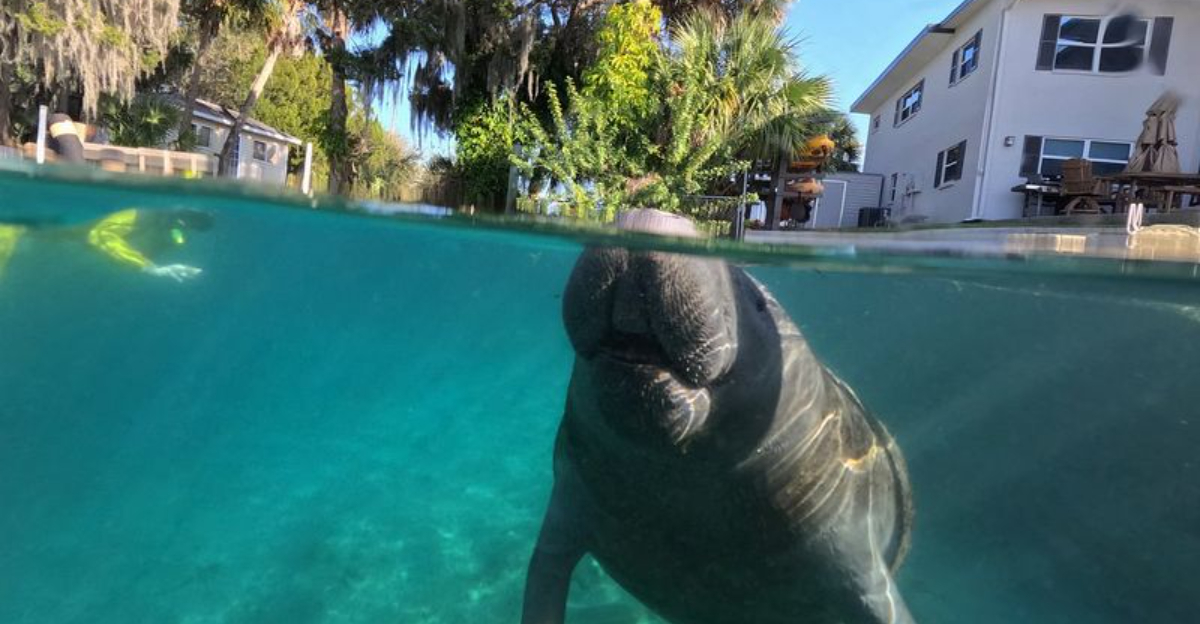
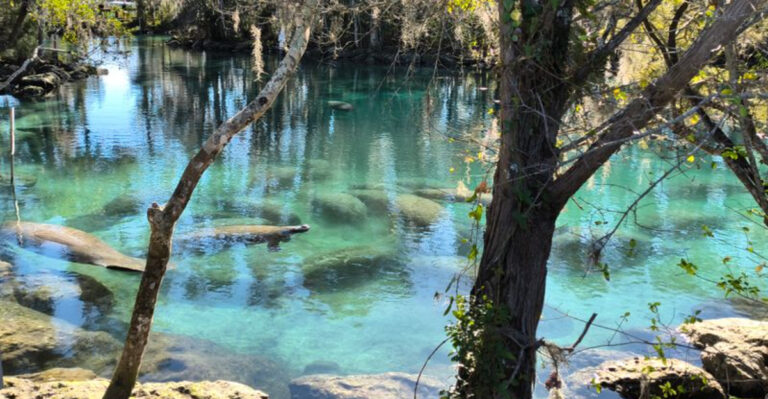
Crystal River is one of the only places in the world where you can legally swim with manatees, and spending the night on a houseboat takes that experience to a whole new level. Imagine waking up to gentle splashes and curious snouts poking above the water just feet from your floating bedroom. These gentle giants gather in the warm springs of Kings Bay year-round, but winter months bring hundreds of them seeking refuge from cooler Gulf waters.
A houseboat stay puts you right in the heart of manatee country, offering an unforgettable adventure that combines cozy accommodations with front-row seats to one of Florida’s most magical wildlife encounters.
1. Kings Bay: The Heart of Manatee Country
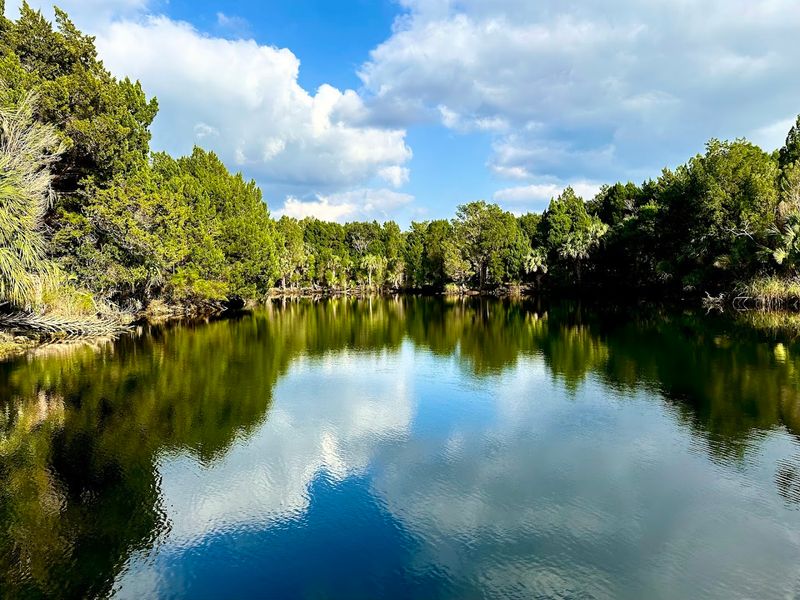
Kings Bay isn’t just any body of water. It’s fed by more than 70 natural springs that pump out 600 million gallons of crystal-clear, 72-degree water every single day. That constant temperature is exactly why manatees flock here when Gulf waters drop below their comfort zone.
The bay covers about 600 acres and connects to the Gulf of Mexico through a series of channels. During peak season from November through March, you might spot over 400 manatees lounging in these warm waters. They’re not just passing through either—many return year after year to the same spots.
Anchoring your houseboat in Kings Bay means you’re sleeping right where the action happens. Early morning is prime time for manatee watching since they’re most active then. You’ll see them surfacing to breathe, grazing on sea grass, or just floating lazily near the surface.
The water clarity here is incredible, sometimes offering visibility up to 50 feet down. That makes spotting manatees from your houseboat deck surprisingly easy. You don’t even need special equipment—just your eyes and maybe a pair of binoculars.
Local regulations protect these waters carefully, so you’ll need to follow no-wake zones and stay aware of sanctuary areas where boats can’t enter.
2. Three Sisters Springs: Your Backyard Wildlife Refuge
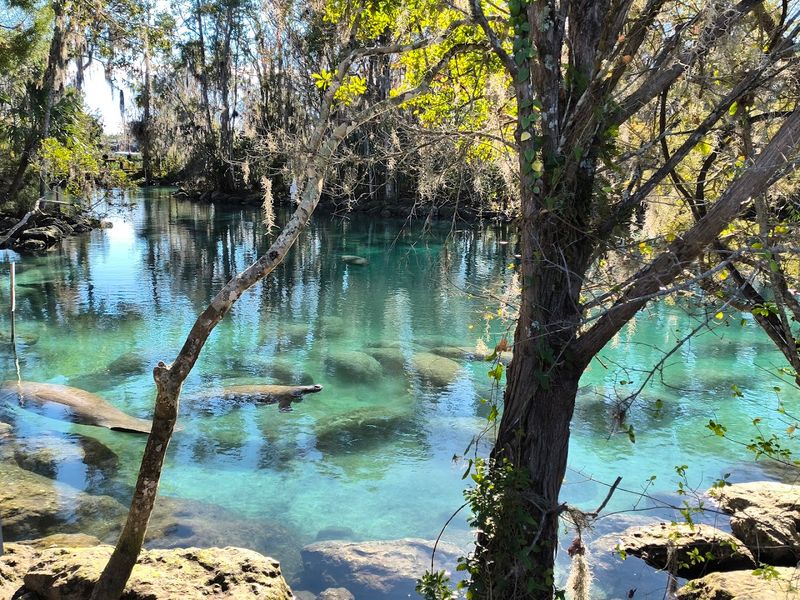
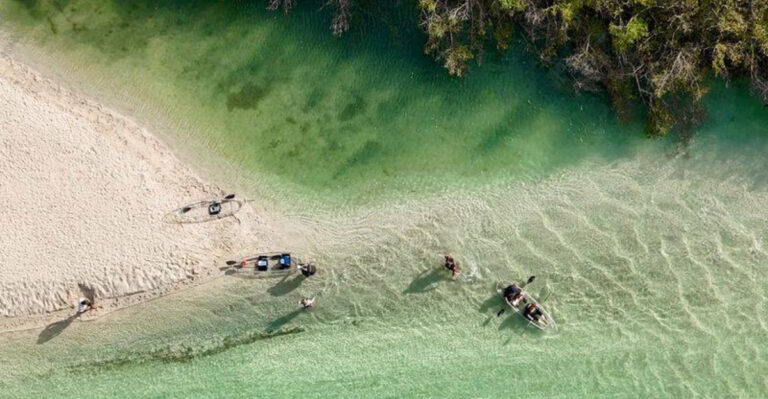
Just a short paddle or drift from most houseboat anchorages, Three Sisters Springs serves as a critical manatee sanctuary. This cluster of three interconnected springs creates a warm-water haven that attracts massive numbers of manatees during cold snaps. The springs maintain that perfect 72-degree temperature no matter what’s happening outside.
Boardwalks allow land-based visitors to observe from above, but being on a houseboat gives you water-level access to the magic. You can watch manatees swim right past your vessel as they move between the springs and the main bay. Some mornings you’ll count dozens gathered in tight groups, seeking warmth together.
The refuge has strict rules during manatee season to protect these vulnerable animals. Certain areas become off-limits to swimmers, but you can still observe from your boat. Rangers patrol regularly to ensure everyone follows guidelines, which helps keep the manatees safe and comfortable.
The spring water is so clear you can see manatees resting on the sandy bottom 15 feet down. They’ll surface every few minutes to breathe, creating gentle ripples across the glassy surface. Baby manatees often stick close to their mothers here, learning the ropes of spring life.
Photographers absolutely love this spot because the lighting and water clarity create stunning conditions for capturing these amazing creatures.
3. Houseboat Rentals: Floating Hotels With a View
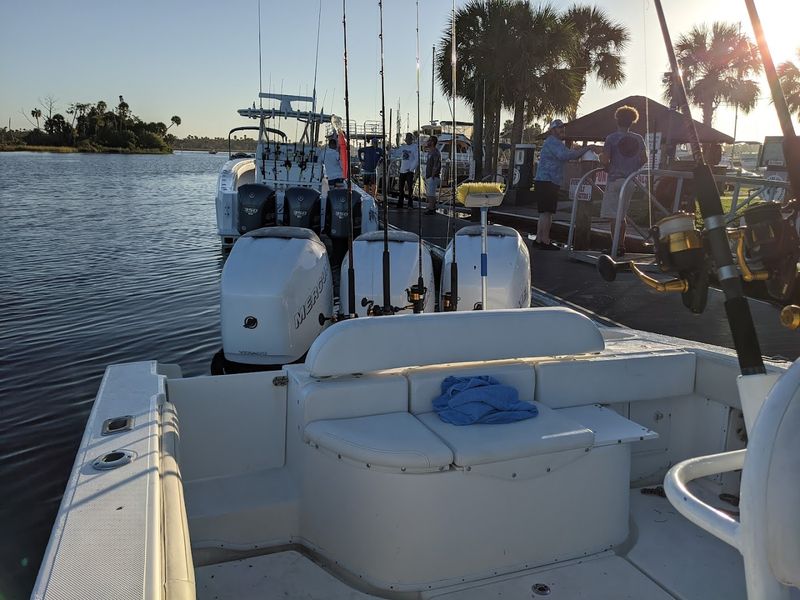
Crystal River’s houseboat rentals range from basic floating campers to luxury vessels with full kitchens, bathrooms, and air conditioning. Most sleep anywhere from four to ten people, making them perfect for families or groups of friends. You don’t need a boating license to rent one either—operators provide thorough instructions before you head out.
These aren’t speedboats, so don’t expect to zoom around. Houseboats cruise slowly, which is actually perfect for manatee watching and soaking in the scenery. Most have flat roofs or upper decks where you can sunbathe, stargaze, or scan the water for wildlife.
Inside, you’ll find surprisingly comfortable accommodations. Many feature full-size beds, functioning kitchens with refrigerators and stoves, and bathrooms with showers. Some even have TVs and WiFi, though you might want to unplug and enjoy nature instead.
The best part? You can anchor almost anywhere in Kings Bay that’s not restricted. Find a quiet cove, drop anchor, and that’s your home for the night.
Wake up naturally to sunlight sparkling on the water and manatees breathing nearby.
Rental companies typically provide safety equipment, anchors, and basic navigation tools. They’ll also brief you on local regulations and the best spots to anchor. Prices vary by season and boat size, but splitting costs among a group makes it surprisingly affordable.
4. Manatee Behavior: Understanding Your Neighbors
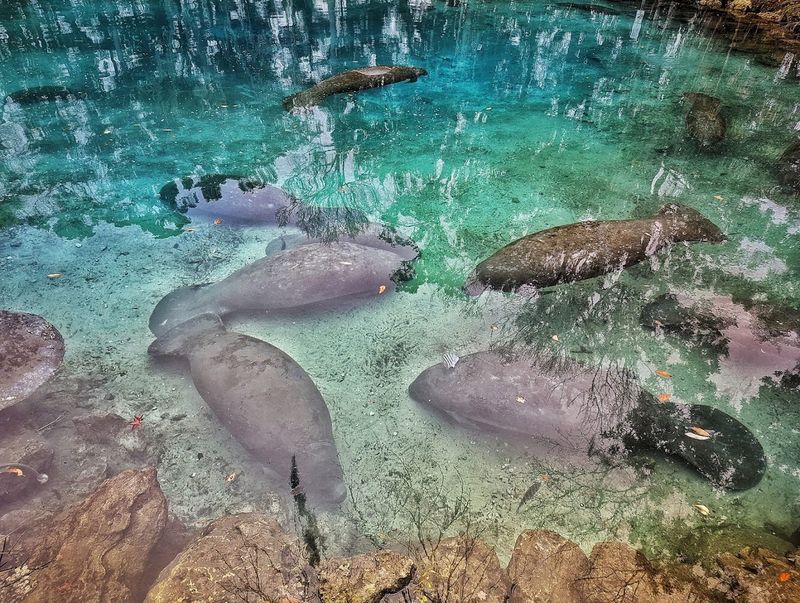
Manatees are basically the puppies of the sea—curious, gentle, and surprisingly playful. These marine mammals can weigh up to 1,200 pounds and stretch 10 feet long, but they’re complete vegetarians. They spend most of their day munching on sea grass and other aquatic plants, consuming up to 10 percent of their body weight daily.
You’ll notice they’re incredibly slow-moving, cruising at about 3 to 5 miles per hour normally. When startled, they can hit 15 miles per hour in short bursts, but they prefer taking life easy. Their paddle-shaped tails propel them forward while their flippers help them steer and even “walk” along the bottom.
Breathing is a deliberate act for manatees—they surface every three to five minutes when active, though they can hold their breath for up to 20 minutes while resting. You’ll hear that distinctive exhale sound early in the morning when multiple manatees are surfacing around your houseboat.
Despite their size, manatees are surprisingly graceful underwater. They roll, twist, and sometimes even do barrel rolls just for fun. Mothers are incredibly attentive to their calves, which stay with them for up to two years learning survival skills.
Their curiosity means they might approach your houseboat to investigate. Remember to look but don’t touch—it’s actually illegal to disturb them.
5. Swimming With Manatees: The Rules and Reality
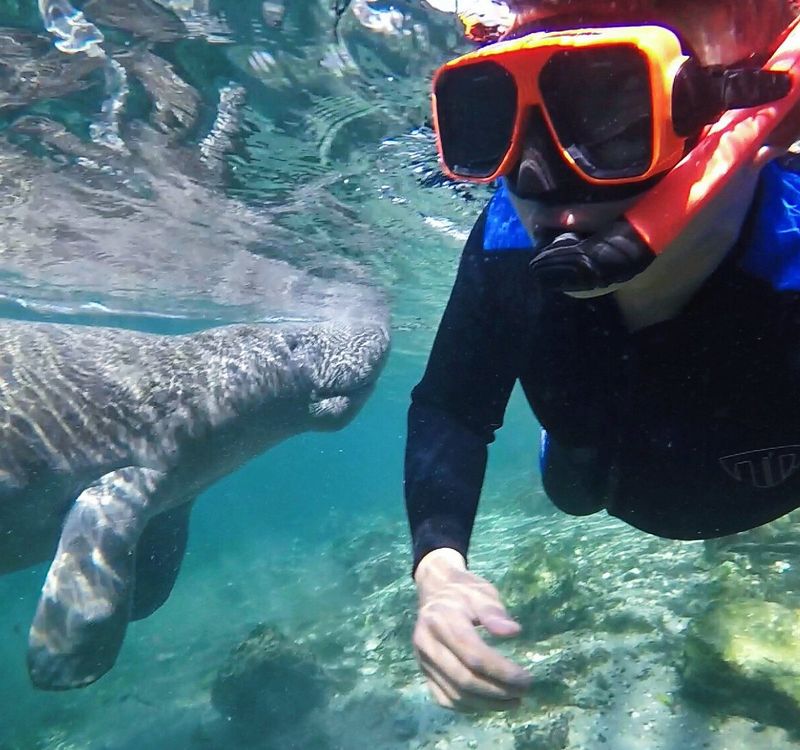
Crystal River is one of the few places where swimming with manatees is legal, but there are important rules to follow. The number one principle is passive observation—you can be in the water with them, but you can’t chase, touch, or disturb them. If a manatee approaches you on its own, that’s different, but you still shouldn’t reach out.
Most houseboat renters bring snorkel gear to slip into the water early morning when manatees are most active. The water temperature stays comfortable year-round thanks to those springs, so you won’t freeze even in January. Wetsuits help you stay warmer longer, extending your viewing time.
When you enter the water, move slowly and quietly. Loud splashing or quick movements can startle manatees and cause them to leave the area. Float at the surface and let them go about their business beneath you.
You’ll be amazed how close they’ll come when they’re comfortable.
Licensed tour operators can take you to the best swimming spots and explain proper etiquette. However, staying on a houseboat means you can potentially swim right from your vessel if manatees are nearby and conditions are appropriate. Just make sure you’re not in a restricted sanctuary area.
Underwater cameras capture incredible moments, but remember to stay present and enjoy the experience beyond your screen. These encounters create memories that last a lifetime.
6. Best Time to Visit: Timing Your Adventure
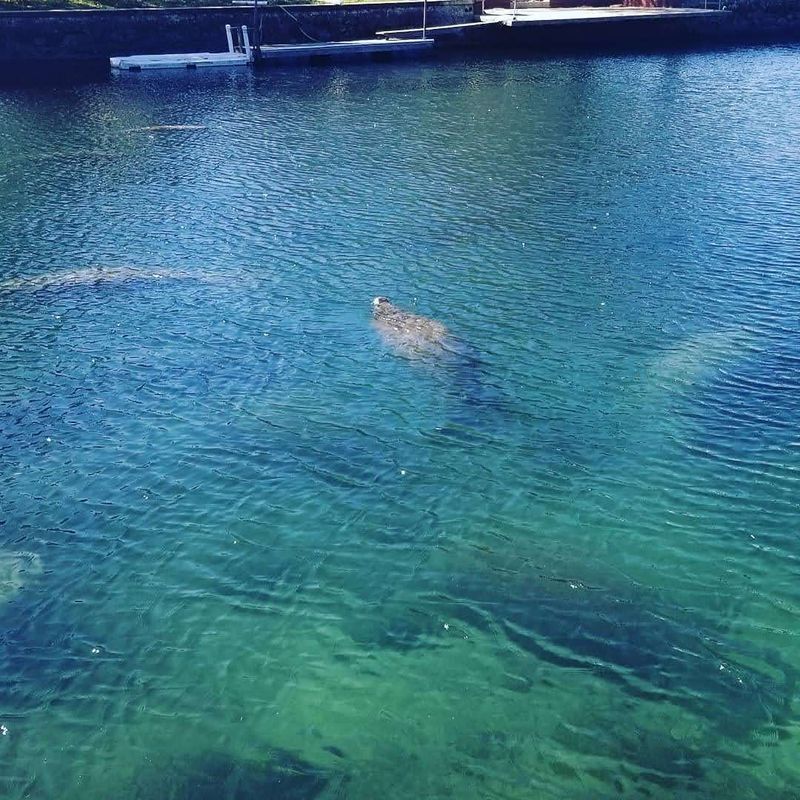
Peak manatee season runs from mid-November through March when cooler Gulf temperatures drive hundreds of manatees into Kings Bay’s warm springs. January and February typically see the highest numbers, sometimes over 500 manatees crowding into the area. If you want guaranteed manatee sightings, winter is your best bet.
Summer months bring fewer manatees since Gulf waters warm up and they spread out along the coast. However, summer offers its own advantages—lower rental prices, fewer crowds, and you’ll still see resident manatees who stick around year-round. The weather is warmer too, making swimming more comfortable without wetsuits.
Weekdays are always less crowded than weekends regardless of season. If you can swing a Monday through Thursday stay, you’ll have more peaceful waters and better anchoring spots. Holiday weekends get especially busy, so plan accordingly.
Weather matters beyond just temperature. Crystal River’s location on Florida’s west coast means it can get windy, especially during winter cold fronts. Check forecasts before your trip since rough conditions can make houseboat stays uncomfortable.
Calm, sunny days are ideal for both boating and manatee watching.
Book well in advance for winter visits since houseboat availability gets tight. Summer offers more last-minute options. Some rental companies offer multi-night discounts, which gives you more time to truly relax into the houseboat lifestyle and increases your chances of memorable manatee encounters.
7. What to Pack: Essentials for Houseboat Living
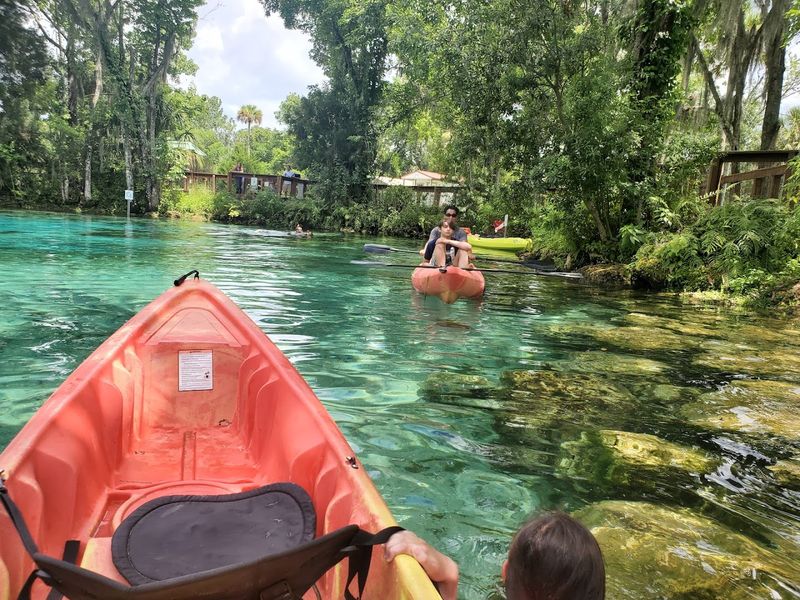
Packing for a houseboat stay requires thinking differently than a regular hotel trip. Soft-sided bags work better than hard suitcases since storage space can be limited. Bring layers of clothing since mornings can be cool even in Florida, but afternoons warm up quickly.
Snorkel gear is essential if you want to swim with manatees. Some rental companies provide it, but having your own properly-fitted mask and snorkel makes the experience much better. A wetsuit or rash guard protects from sun and keeps you warmer during extended swims.
Food and drinks are entirely your responsibility. Most houseboats have refrigerators and cooking facilities, so you can bring groceries and prepare meals onboard. Coolers with ice provide extra storage.
Don’t forget coffee supplies if you’re a morning person—watching sunrise with hot coffee while manatees surface nearby is pure magic.
Sun protection is critical since you’ll be on the water all day. Bring reef-safe sunscreen, hats, sunglasses, and UV-protective clothing. The sun reflects off the water, intensifying exposure.
Towels, both for swimming and showering, are usually not provided in abundance.
Waterproof bags or cases protect phones, cameras, and other electronics from inevitable splashes. Binoculars help spot manatees and birds from a distance. Bring trash bags to pack out everything you bring—keeping Kings Bay pristine is everyone’s responsibility.
Entertainment like cards, books, or fishing gear fills downtime perfectly.
8. Crystal River Archaeological State Park: Ancient History Nearby
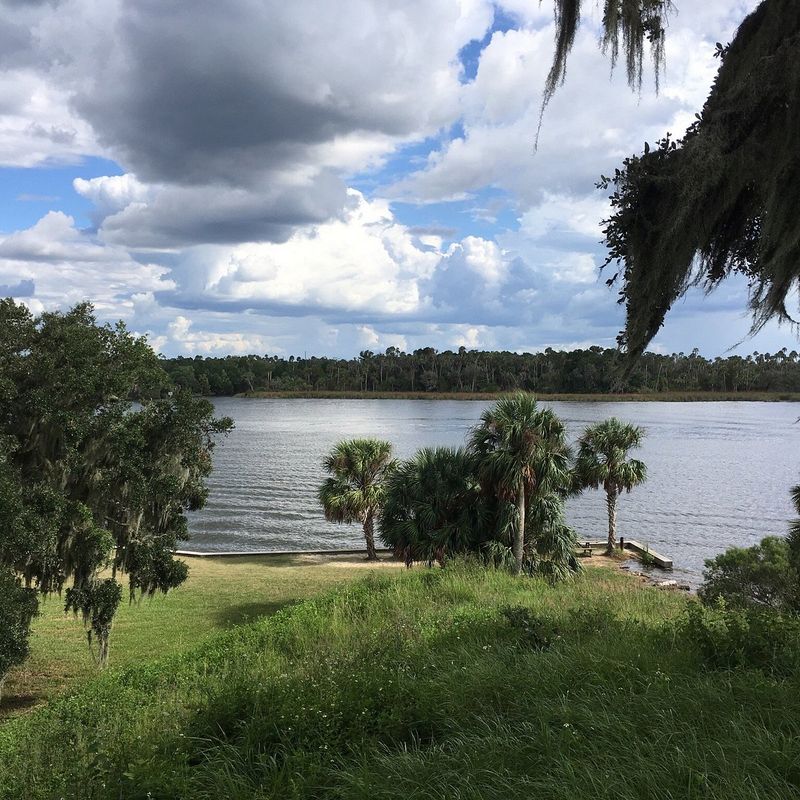
When you need a break from the water, Crystal River Archaeological State Park offers fascinating glimpses into Florida’s ancient past. This 61-acre site preserves one of the longest continuously occupied Native American sites in Florida, with evidence of human activity spanning 1,600 years. The complex includes burial mounds, temple mounds, and middens (trash heaps that tell archaeologists about daily life).
The park sits just a short drive from most houseboat launch points, making it an easy half-day excursion. Walking trails wind through the site with interpretive signs explaining the significance of different features. The main temple mound rises impressively above the landscape, offering views of the surrounding area.
Archaeologists believe this was an important ceremonial center where people from across the region gathered for rituals and trade. Artifacts found here include pottery, tools, and ornaments that show connections to cultures hundreds of miles away. The site museum displays some of these finds and explains the lives of the pre-Columbian people who built these structures.
Kids often find the mounds fascinating, especially when they learn people built them entirely by hand, one basket of dirt at a time. The park is relatively small, so you can explore thoroughly in a couple of hours. It provides valuable context about Crystal River’s human history that extends far beyond modern manatee tourism.
Admission is minimal, and the park offers picnic areas if you want to pack lunch and make an afternoon of it.