By Mid-November, Manatees Begin Gathering At This Crystal-Clear Florida Spring
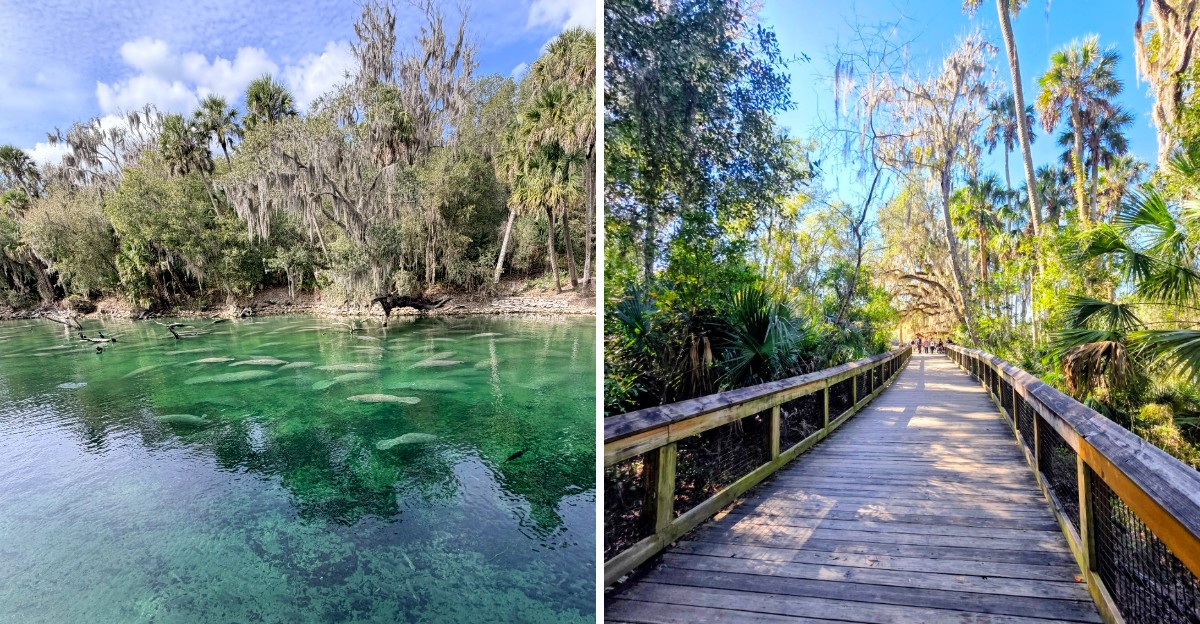
Hundreds of manatees can crowd into one small spring run on a single cold winter morning. The record count here has climbed past 700, which sounds like a typo until you see the photos.
The reason is simple. The spring water stays around 72 degrees all year, so when the river turns chilly, these big gray swimmers head straight for the warm bath.
I love that the whole show happens in water so clear you can count whiskers from a boardwalk. No boat or special gear required. You just stroll along and look down at a crowd of floating potatoes.
I can’t imagine a better reason to trade a cozy couch for a winter morning outdoors in Florida. So what does it take to catch the crowd at its peak, and what else is waiting nearby?
The Winter Crowd Arrives Right On Cue
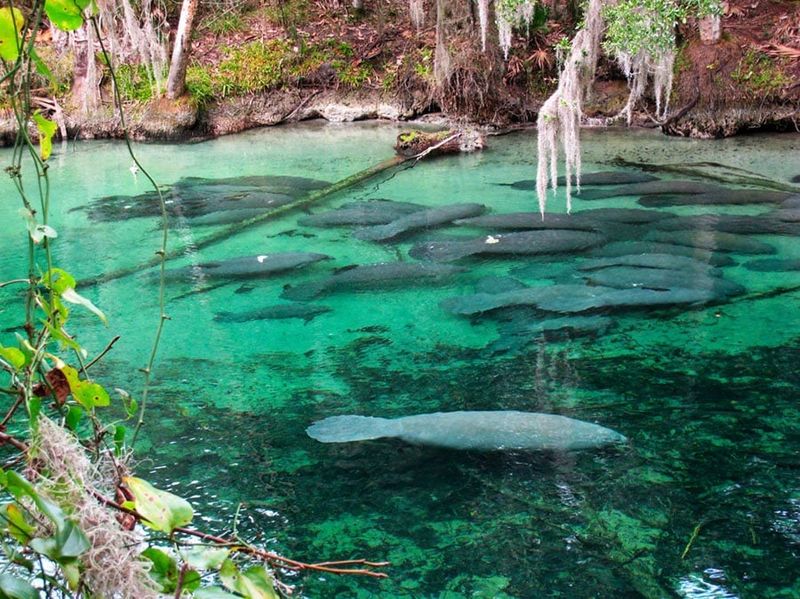
Manatee season at Blue Spring State Park usually runs from mid-November through March. That’s when the St. Johns River cools down and the spring becomes the warmest spot around.
The park sits in Orange City, Florida, and it serves as a designated winter refuge for West Indian manatees. Manatees can’t handle cold water for long, so they gather where the spring pumps out steady 72-degree water.
Counts can swing wildly from day to day. A mild week might bring a few dozen, while a cold snap can push the number into the hundreds. The park has recorded counts topping 700 in recent winters.
Those numbers weren’t always this big. Back in the early 1970s, researchers counted only a handful of manatees using the spring. Decades of protection helped turn that small group into a huge winter gathering.
Here’s a smart move for planning. Cold, crisp mornings after a chilly night tend to bring the best viewing. As the day warms, many manatees drift back out toward the river to feed.
So check the forecast, grab a jacket, and aim for an early start. The manatees keep their own schedule, but cold weather is a pretty strong hint.
A Boardwalk Built For Staring Straight Down
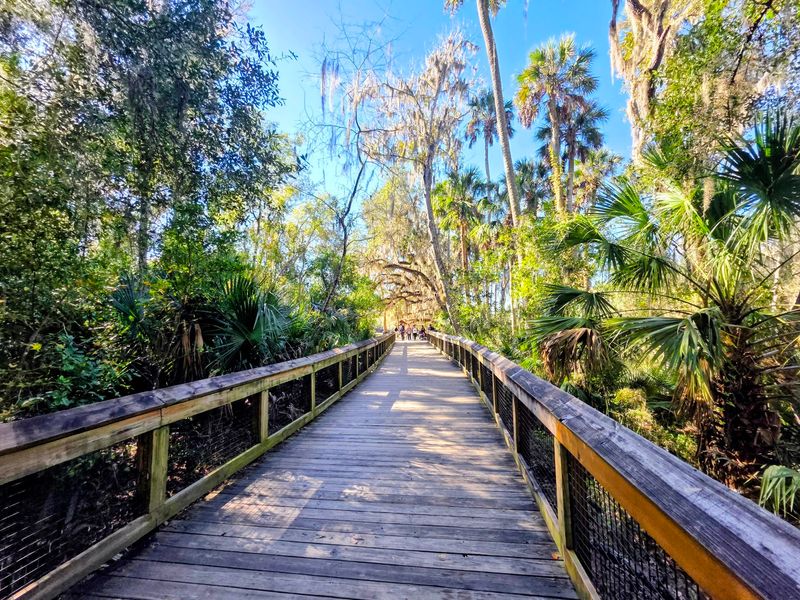
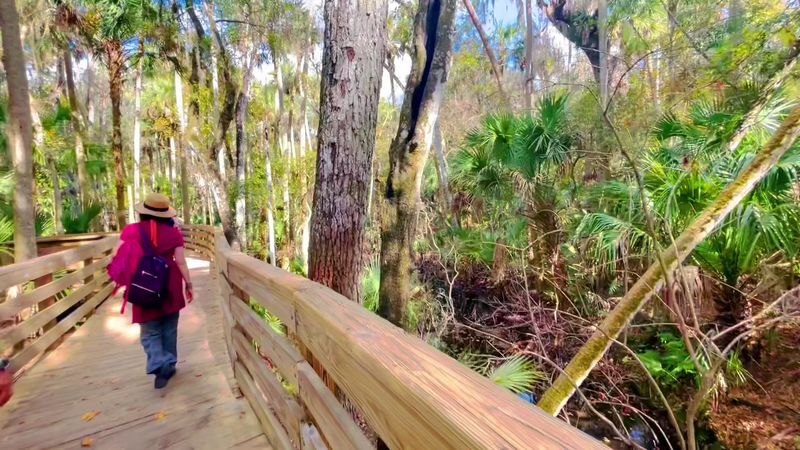
Good news for anyone who prefers dry socks. The best manatee viewing here happens from a long wooden boardwalk that follows the spring run.
The boardwalk stretches from the river all the way up to the spring head. Several overlooks let you lean on the railing and peer into water so clear it barely looks real.
On a busy winter day, the run below can look like a parking lot for gentle giants. You might spot a mother with a calf close by, or a manatee popping up its nose for a quick breath.
Bring patience along with your camera. Manatees rest for long stretches, then slowly roll or glide to a new spot. Watching that slow-motion routine is oddly relaxing, like nature’s version of a screensaver.
Polarized sunglasses help cut the glare on the water’s surface. They make it much easier to see shapes, scars, and tails below.
Many manatees carry scars from boat propellers. Researchers use those marks to identify individuals year after year. Some regulars have names and long histories with the spring, which makes each visit feel like a small reunion.
Swimming Takes A Break So The Guests Can Rest
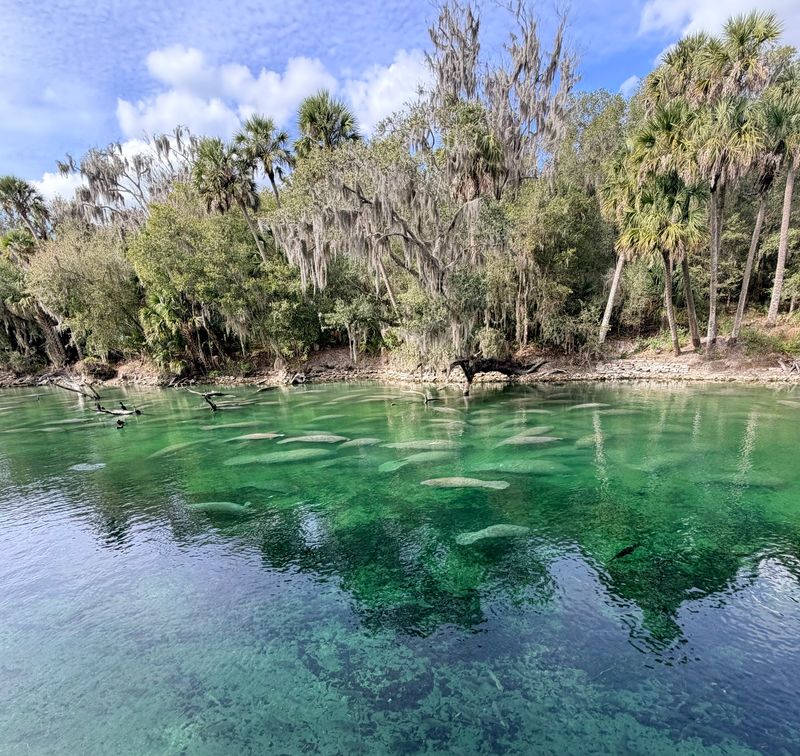
Summer swimmers might be surprised in winter. During manatee season, the spring run closes to swimming, snorkeling, and paddling.
It makes sense once you think about it. These animals come here to stay warm and conserve energy, and they need quiet water to do that.
When the manatees head back to the river in warmer months, the spring reopens for people. Then visitors can swim, snorkel, and tube in the cool, clear water. Divers with proper certification can also explore the spring at certain times.
Fair warning about that water. It stays around 72 degrees, which feels amazing in July and pretty brisk if you jump right in. Some deep spots exist near the spring boil, so weaker swimmers should stay cautious.
The neat part is how the same water serves two crowds. Winter belongs to the manatees, and summer belongs to the splashers.
Planning a swim trip? Check the park’s posted updates before you go, since rules can shift with manatee activity and water conditions. A quick look saves a long, disappointed drive home in a wet swimsuit.
Get A Ranger-Style Tour Right From The River
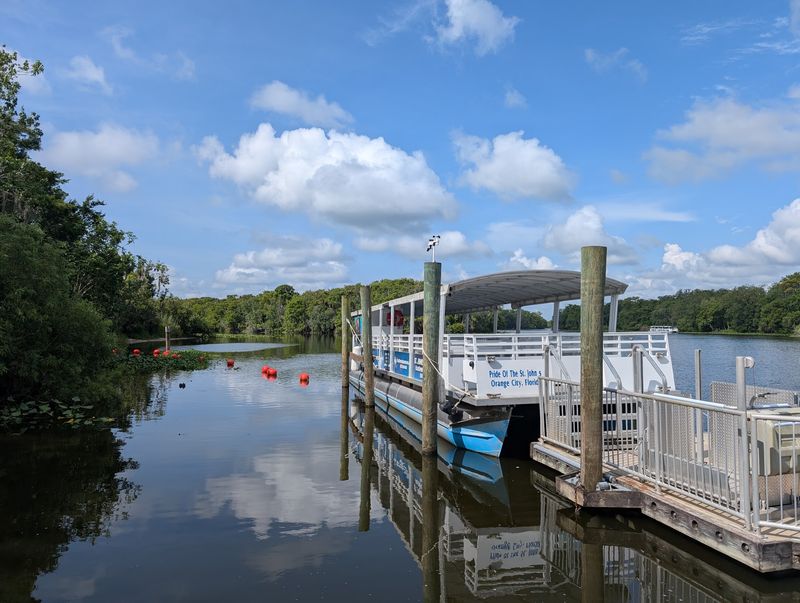
Some of the best stories at the park float by on the St. Johns River. A concessionaire offers narrated boat tours that cruise this historic waterway.
The St. Johns is one of the few major rivers in the United States that flows north. That fun fact alone makes for a good conversation starter on the dock.
Tours give you a look at wildlife that stays away from the busy spring area. Herons, egrets, ospreys, and alligators often make an appearance along the shoreline.
The guides share history and nature facts as you go. You’ll learn about the river’s role in Florida’s past and the animals that call it home.
Here’s a handy tip for winter visits. Entry lines can get long during manatee season, and the park sometimes closes the gate when it reaches capacity.
Booking a tour ahead can make planning easier. It also gives you a solid reason to arrive early, which is the best manatee strategy anyway.
Bring a light layer for the boat. River breezes on a cool morning feel a lot colder once you’re moving across open water.
Paddle Your Own Adventure Off The Spring Run
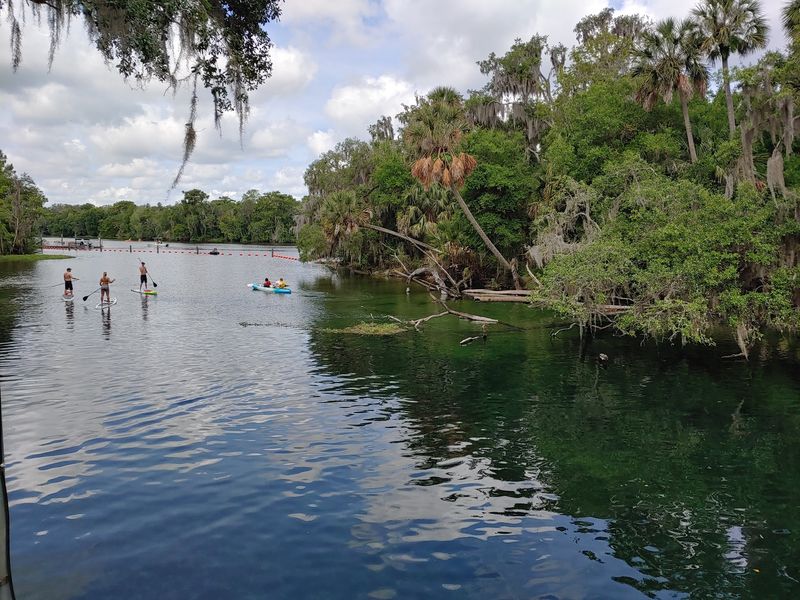
Kayaks, canoes, and paddleboards normally offer another way to explore the river, but the park’s French Landing boat ramp, canoe and kayak rentals, and launches are currently closed.
Paddlers head out onto the St. Johns River and nearby waterways. The spring run itself stays off-limits to boats, which keeps the main manatee area calm.
Out on the river, the pace slows way down. You might glide past turtles sunning on logs, wading birds, or an alligator pretending to be a log.
Give all wildlife plenty of space. Manatees are protected by state and federal laws, so look but don’t touch, chase, or feed them.
Rental hours have a cutoff in the afternoon, so plan accordingly. Showing up late could leave you standing on the dock, staring wistfully at the water.
Beginners can stick close to the launch area. More experienced paddlers can explore farther, though the river traffic and wind deserve some respect.
Pack water, sunscreen, and a dry bag for your phone. Even winter sun in Central Florida can sneak up on you during a long paddle.
A Riverside House With A Steamboat-Era Story
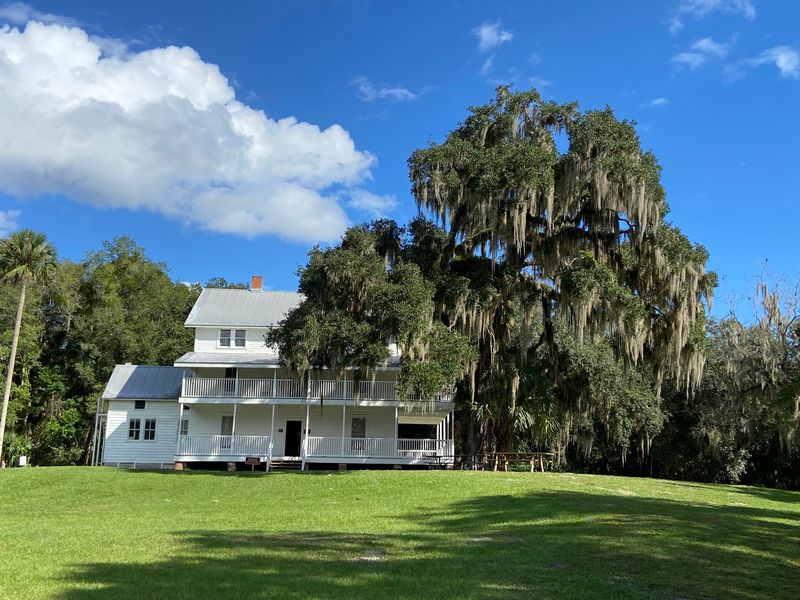
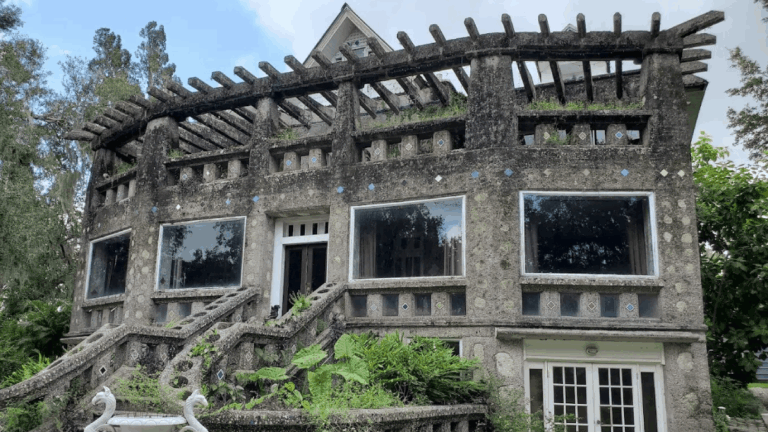
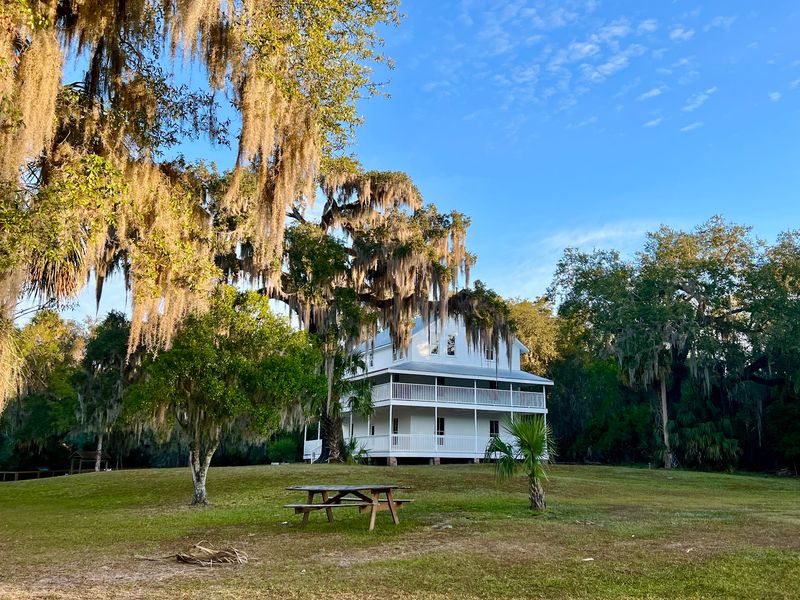
Long before manatee selfies, a family named Thursby built a home overlooking the river. Louis Thursby and his family settled here in the 1870s, and their house still stands in the park.
The Thursby House is a large frame home with wide porches. It sits on top of an old shell midden, a mound left behind by Native peoples who lived in the area long before.
Back then, steamboats were the main way to travel the St. Johns River. The Thursbys ran a landing where boats stopped to pick up goods and passengers.
Citrus groves grew nearby, and oranges headed north by steamboat. The river acted like a highway long before cars and interstates showed up.
Visitors can view the house and learn about life along the river during that era. It’s a nice break from wildlife watching, especially for history fans in the group.
Standing near the porch, it’s easy to picture boats whistling as they pulled up. Okay, maybe less easy if a kid is begging for snacks. Still, the history adds real depth to a day built around manatees.
Stretch Your Legs On A Trail Through Real Florida Woods
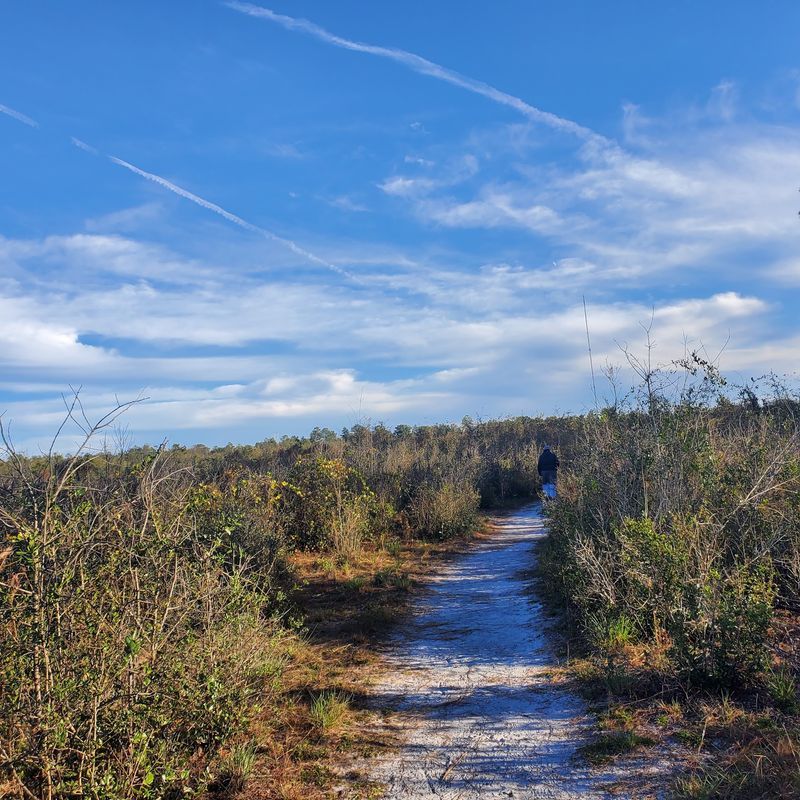
After all that standing and gazing, your legs will thank you for a walk. The Pine Island Trail offers a longer hike through quieter parts of the park.
The trail runs about 3.6 miles one way toward the St. Johns River. Plan for roughly 7.2 miles round trip if you go the whole distance.
The path winds through sand pine scrub, flatwoods, and marshy areas. It’s a good look at what Central Florida looked like before theme parks and highways.
Wildlife sightings vary along the way. Keep an eye out for birds, gopher tortoises, and other woodland critters going about their business.
The ground stays flat, but don’t be fooled. Florida humidity and sandy footing can make even a winter hike feel like a workout.
Bring plenty of water and wear sturdy shoes. Bug spray is a smart addition, especially in warmer months.
Not up for the full trek? Shorter paved paths near the main areas offer easy strolls under shady trees. They’re perfect for families with strollers or anyone who wants scenery without a big mileage goal.
Stay Overnight And Beat The Morning Rush
Early birds catch the manatees, and campers have the shortest commute of all. The park offers a full-facility campground plus a set of cabins.
Campsites include water and electricity, with restrooms and showers nearby. The cabins come with basic furnishings and a kitchen, making them a cozy pick for families.
Spending the night means you’re already inside when the day begins. That’s a big deal during winter, when the entrance line can stretch long and the gate may close once the park fills.
Reservations for camping and cabins go fast, especially during manatee season. Book well ahead through the Florida State Parks reservation system.
A quick heads-up for light sleepers. A rail line and nearby neighborhoods can add some noise, so earplugs might earn a spot in your bag.
Evenings at the park feel calmer once the day crowds head home. You might catch fish and wildlife in the spring as the light fades.
For backpackers, a primitive campsite sits along the Pine Island Trail. It’s a simple option for anyone who wants a quieter night under the stars.
Smart Planning Makes Manatee Day Way Smoother
A little prep goes a long way at this popular spot. The park is located at 2100 W French Ave, Orange City, FL 32763.
It sits about 30 miles north of Orlando, making it an easy day trip from Central Florida. Daytona Beach and DeLand are also close by.
Planning ahead is the golden rule in winter. Since July 15, 2026, all day-use visitors need a reservation to enter the park, and a confirmed reservation guarantees entry.
Inside, you’ll find picnic tables, grills, restrooms, a playground, and a concession area with snacks and a gift shop. Pack a lunch and grab a spot on the lawn after your boardwalk stroll.
The park also offers a pass system and admission fees per vehicle. Check the official Florida State Parks page before your trip for updates on hours, closures, and any reservation requirements.
Save the Thursby House and trails for midday. Manatees tend to be most visible in the cooler morning hours, so start with the boardwalk.
Dress in layers and bring binoculars if you have them. With a little planning, Blue Spring State Park might just become your new favorite winter tradition in Florida.