7 Florida Towns Where Life Has Always Revolved Around The Water
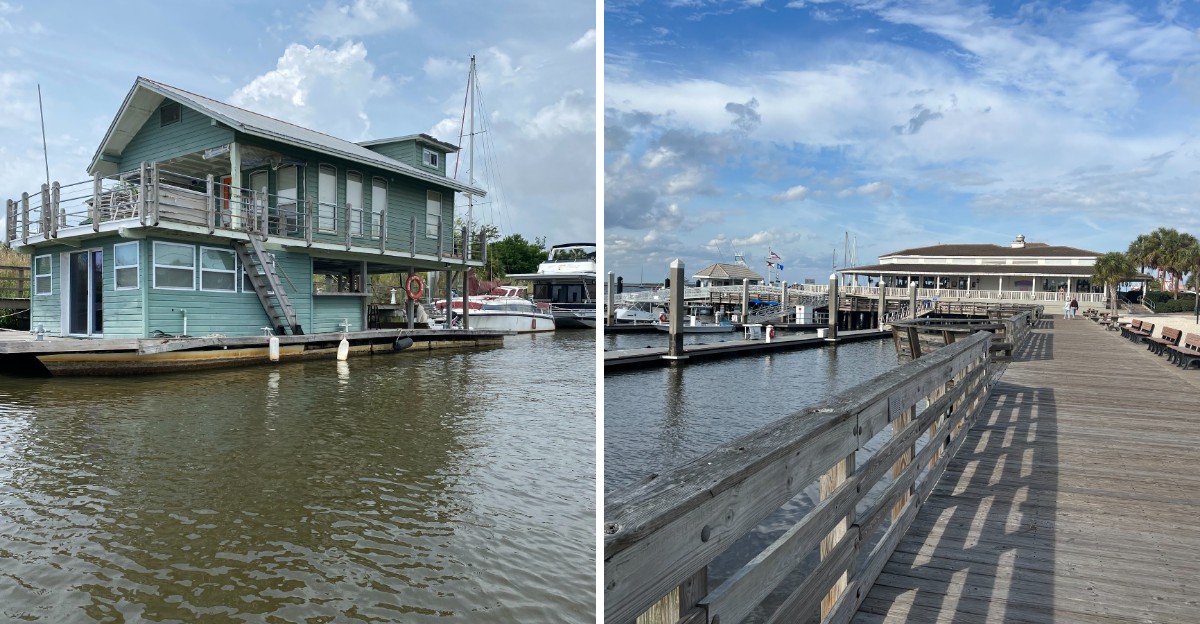
Each January 6, a crowd of teenage boys leaps into a chilly Florida bayou, all chasing one white cross tossed by a church leader. Whoever surfaces with it is said to earn a year of blessings.
That tradition goes back more than a century, tied to Greek sponge divers who reshaped a small Gulf Coast town. I love that a local custom built on sponges and saltwater can still feel this alive today.
It got me curious about other Florida places where the water does far more than look pretty for photos. Across the state, towns have built their food, jobs, festivals, and even holidays around docks, bays, and tides.
One built its fortune on oysters, another on shrimp boats, and one gave the world an early ice machine. So which one would you happily pack your flip-flops and sunscreen for first?
1. Apalachicola
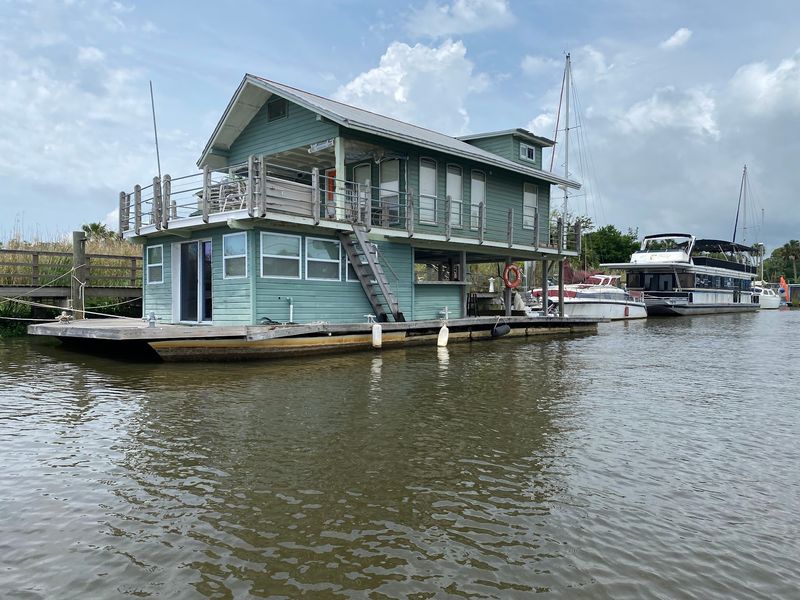
Few towns can claim that a doctor’s fever fix led to ice cubes, but Apalachicola can. In the 1840s, Dr. John Gorrie built a machine to cool the rooms of his sick patients.
He earned a patent for his ice-making machine in 1851. Today, the John Gorrie Museum State Park honors his work right in town.
The water shaped this place long before that, though. Sitting where the Apalachicola River meets the bay, the town grew as a busy cotton port in the 1800s.
Later, the bay became famous for its oysters, and the name Apalachicola turned into a seafood label. For generations, families worked the water with tongs and small boats.
After a five-year closure to help depleted oyster beds recover, Apalachicola Bay reopened to limited wild oyster harvesting on January 1, 2026. The carefully managed harvest now continues on selected reefs, reflecting how closely the town’s future remains tied to the health of its bay.
You can still stroll the historic downtown and the working waterfront along the river. Old brick buildings from the cotton days stand near the docks.
Want a smart plan? Pair a museum stop with a slow walk by the boats, then grab Gulf seafood nearby.
It’s a small town with a big, salty story. Bring curiosity and comfortable shoes.
Address: 46 6th Street, Apalachicola, FL 32320
2. Cedar Key
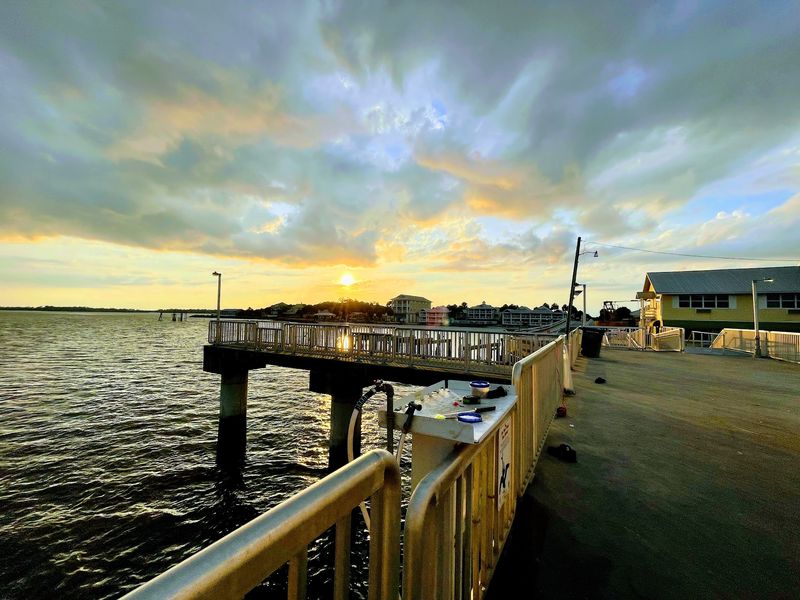
Clams are the quiet superstars of Cedar Key, a tiny island town on Florida’s Gulf Coast. After net fishing limits arrived in the 1990s, many local fishermen switched to farming clams in the water.
That shift turned the area into one of the top farm-raised clam producers in the country. Pretty clever comeback for a town of skilled watermen, right?
Long before clams, the town ran on other water-powered businesses. In the 1800s, a railroad linked Cedar Key to the Atlantic side of the state, making its port a busy shipping stop.
Pencil makers also prized the local cedar trees during that era. Mills here once shipped wood used for pencils far beyond Florida.
To get the full story, visit the Cedar Key Historical Society Museum downtown. Exhibits cover the island’s fishing, timber, and railroad days.
Cedar Key Museum State Park also offers exhibits about the island’s history and shell collections, although its historic Whitman House remains temporarily closed. The museum itself is open Friday through Sunday, so plan your visit accordingly.
Out on the water, the Cedar Keys National Wildlife Refuge protects a group of small islands. Birds use them for nesting, so some areas have seasonal closures.
Plan for slow days, sunset views from Dock Street, and plenty of seafood. Island time is the only clock that matters here.
Address: 609 2nd Street, Cedar Key, FL 32625
3. Tarpon Springs
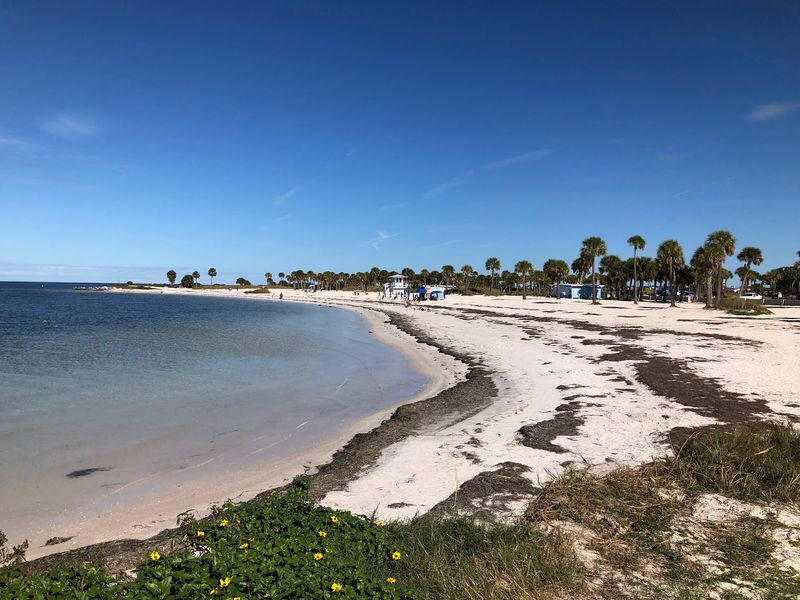
Sponges built this town, and not the yellow kind under your kitchen sink. Tarpon Springs became a sponge hub in the late 1800s, and Greek divers arrived in large numbers in the early 1900s.
Those divers brought their skills, their boats, and their culture from islands in Greece. Today, the town has one of the highest percentages of Greek Americans in the country.
Head to the Sponge Docks along Dodecanese Boulevard to see where the action has always happened. Sponge boats still tie up along the water, and shops sell natural sponges.
Spongeorama Sponge Factory offers a fun look at the industry’s past. It’s a quick stop that makes the whole waterfront make more sense.
Hungry? Greek bakeries and restaurants line the area, so baklava and gyros are easy to find.
The biggest splash comes each January 6 with the Epiphany celebration. Young men leap into Spring Bayou to retrieve a cross thrown by the archbishop.
The tradition here dates back to 1906, and huge crowds now gather to watch. It’s one of the largest Epiphany events in the Western Hemisphere.
Bring a camera for the colorful boats and a little patience for the pace. This town proves the Gulf can shape a whole culture, not only a menu.
Address: 510 Dodecanese Boulevard, Tarpon Springs, FL 34689
4. Key West
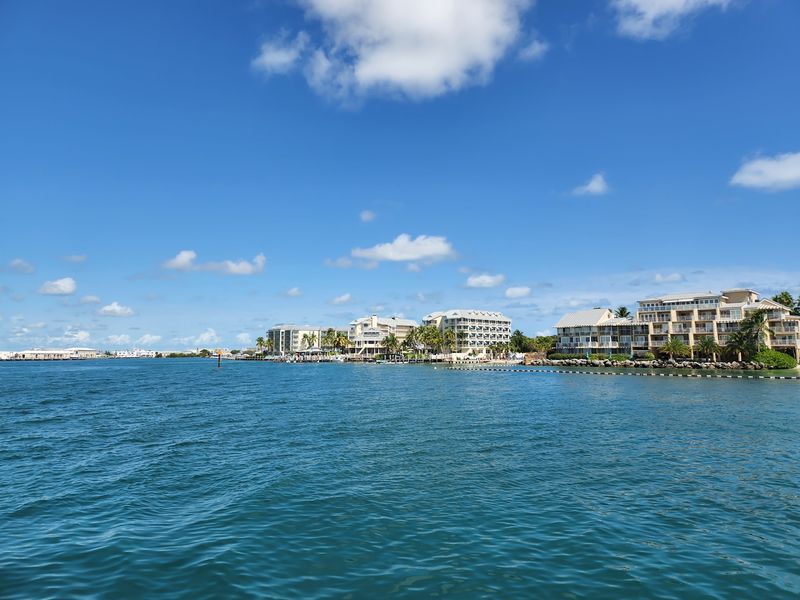
Shipwrecks once made Key West rich, which sounds like a pirate movie but is real history. In the 1800s, licensed wreckers raced out to save cargo from ships stuck on nearby reefs.
Salvaging those goods helped make the island one of the wealthiest towns per person in the country for a time. You can learn the story at the Key West Shipwreck Museum near Mallory Square.
Sponging, cigar making, and fishing also kept the island busy over the years. Shrimp boats later earned pink shrimp the nickname pink gold.
The ocean still sets the daily schedule here. Each evening, people gather at Mallory Square for the Sunset Celebration, with street performers, artists, and food vendors.
It’s part show, part sunset, and part people-watching contest. Arrive a bit early if you want a good spot by the water.
Boat trips head out to snorkel the reef, and fishing charters leave from the marinas. Dry Tortugas National Park, about 70 miles west, is reachable by ferry or seaplane.
Rather stay on land? The Key West Lighthouse lets you climb up for views across the island and water.
Key West sits at the southern end of the Overseas Highway, the road that hops across the Florida Keys. That drive alone feels like a boat trip on wheels.
Address: 400 Wall Street, Key West, FL 33040
5. Fernandina Beach
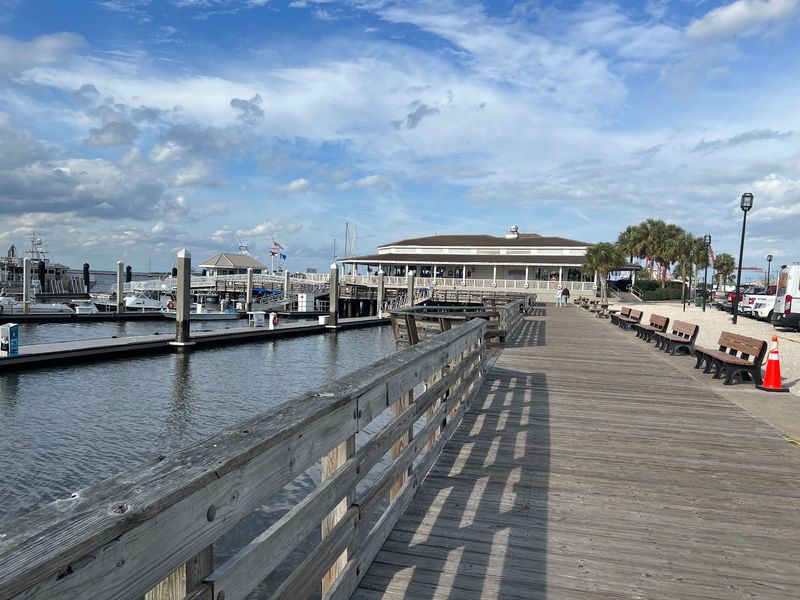
Your shrimp cocktail owes a little thanks to Fernandina Beach. The town is known as the birthplace of the modern shrimping industry, thanks to early 1900s advances in trawl nets and boats.
Local fishermen helped develop methods that spread across the South. The town celebrates that legacy each spring at the Isle of Eight Flags Shrimp Festival.
Speaking of flags, eight different ones have flown over Amelia Island through its history. France, Spain, Britain, and Mexico are among them, plus a few short-lived surprises.
That history pops up in the Centre Street historic district, packed with Victorian buildings. The street runs right down to the harbor, where shrimp boats have long docked.
Want the backstory? The Amelia Island Museum of History sits in the old Nassau County jail and covers centuries of local life.
Fort Clinch State Park guards the northern tip of the island, with a 19th century brick fort. Reenactors sometimes show what soldier life looked like there.
Beaches stretch along the Atlantic side, great for shell hunting and long walks. Sunsets over the marsh on the harbor side are worth catching too.
Fernandina Beach sits in the northeast corner of Florida, close to the Georgia line. Pack a light jacket for breezy winter evenings by the water.
Address: 233 South 3rd Street, Fernandina Beach, FL 32034
6. Everglades City
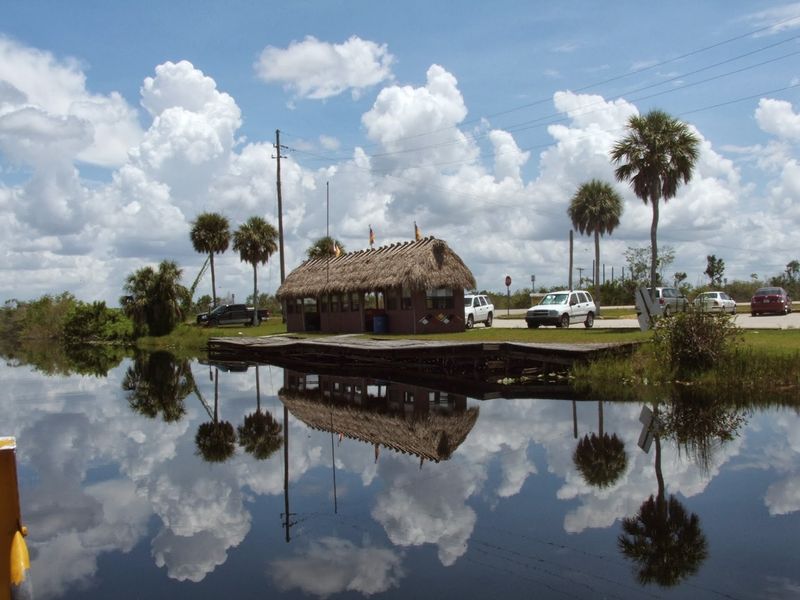
Stone crabs get star billing in Everglades City, which hosts a seafood festival each February. Crabbers here work the waters of the Ten Thousand Islands during stone crab season.
Only the claws are harvested, and the crabs go back in the water to regrow them. Season runs from October 15 to May 1.
The town sits at the edge of a maze of mangrove islands along the Gulf. That watery setting makes it a gateway to the western side of Everglades National Park.
Boat tours and kayak trips head into the mangroves, where you might spot dolphins, manatees, and wading birds. Airboat rides are popular in the area too.
History runs deep here. Barron Collier made the town the seat of Collier County in the 1920s, and the old courthouse area still anchors downtown.
The Museum of the Everglades is housed in a 1927 laundry building. Exhibits share stories of the people who lived along this remote coast.
Nearby Chokoloskee and its Historic Smallwood Store show how early traders swapped goods with settlers and Seminoles by boat. It’s a short drive across the causeway.
Bring bug spray, especially in warmer months, and plan around the tides for paddling. Out here, the water sets the schedule, and that’s part of the fun.
Address: 105 West Broadway Avenue, Everglades City, FL 34139
7. Islamorada
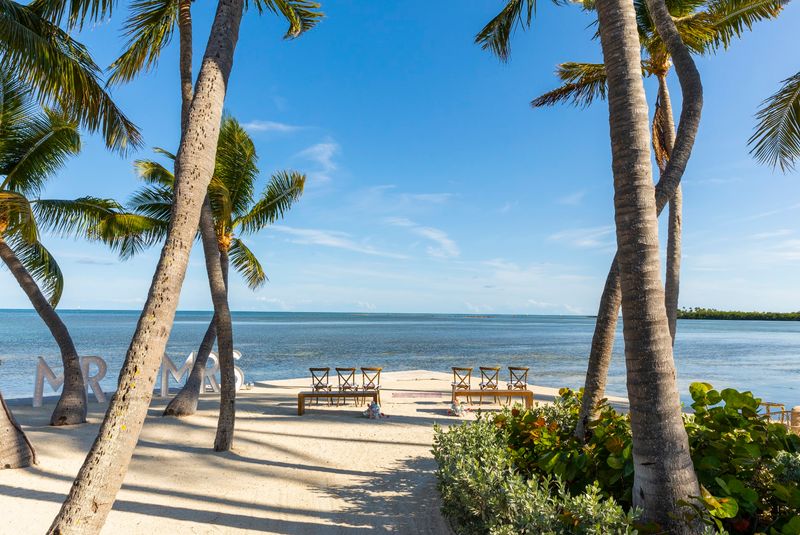
Bragging rights don’t get much bigger than calling yourself the Sportfishing Capital of the World. Islamorada wears that title proudly in the middle of the Florida Keys.
Charter boats head out for sailfish, tarpon, and bonefish. Anglers can fish the Atlantic side or the shallow flats of Florida Bay.
Life underwater gets its own spotlight at the History of Diving Museum. Old helmets and dive gear show how people explored the sea over centuries.
Feeling hands-on? Robbie’s of Islamorada is famous for letting visitors feed the giant tarpon that gather at its dock.
Those fish are huge, so hold on to that bucket. Pelicans tend to show up hoping for a snack too.
Islamorada is actually a village made up of several islands, including Upper and Lower Matecumbe Keys. Indian Key Historic State Park and Lignumvitae Key sit just offshore and are reachable by boat or kayak.
The area also carries a memorial to the 1935 Labor Day hurricane. The Hurricane Monument stands along the Overseas Highway and honors those lost in that storm.
Snorkelers can head out to nearby reefs in the Florida Keys National Marine Sanctuary. Clear water and colorful fish make it a favorite for families.
Pace yourself and plan at least one sunset on the bay side. After that, the fish stories basically write themselves.
Address: 82990 Overseas Highway, Islamorada, FL 33036