Dive Into 4,000 Years Of Underwater History At This Fascinating Islamorada Museum
A functional replica of Captain Nemo’s helmet from Disney’s 20,000 Leagues Under the Sea sits inside a small museum in the Florida Keys. It recreates the famous movie design and actually works.
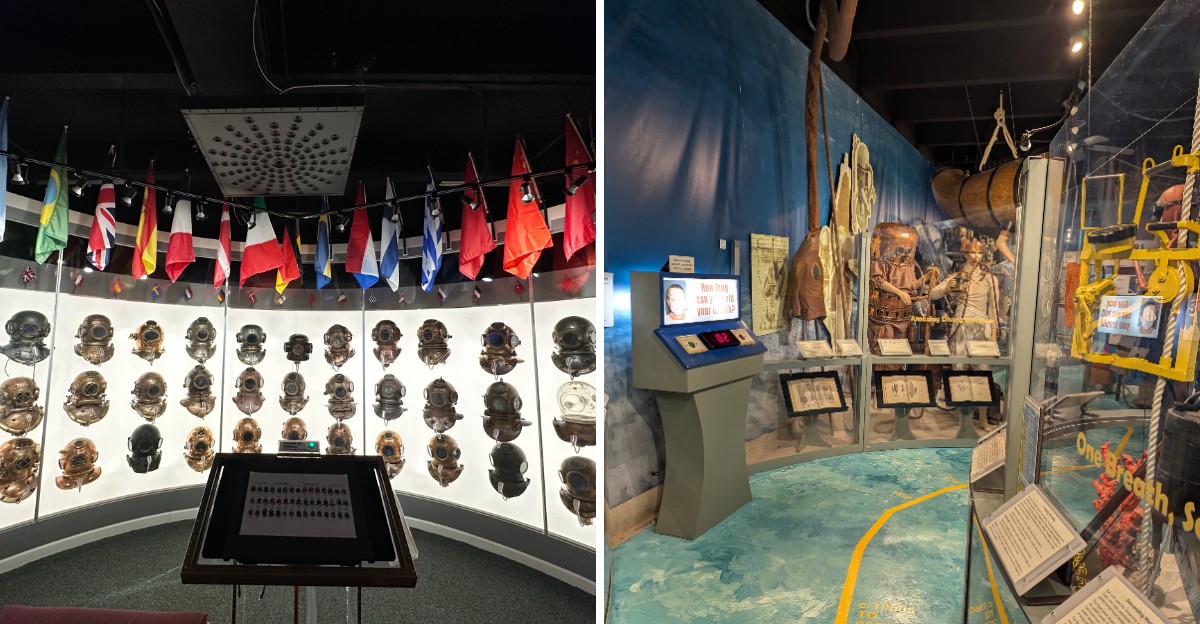
That helmet shares space with what the museum calls the largest public display of historic diving gear in the world. Two collectors spent about 40 years gathering it. I love that kind of devotion to one wonderfully specific obsession.
You’ll find brass helmets, odd early inventions, and a library worth lingering over. Some of the gadgets look like they belong in a steampunk movie. I can’t imagine climbing into a few of them on purpose.
Florida has plenty of beaches and boat trips competing for your day. So why would a museum about going underwater steal an afternoon? The answer starts with one very shiny wall of helmets.
A Wall Of Brass Helmets Will Stop You In Your Tracks
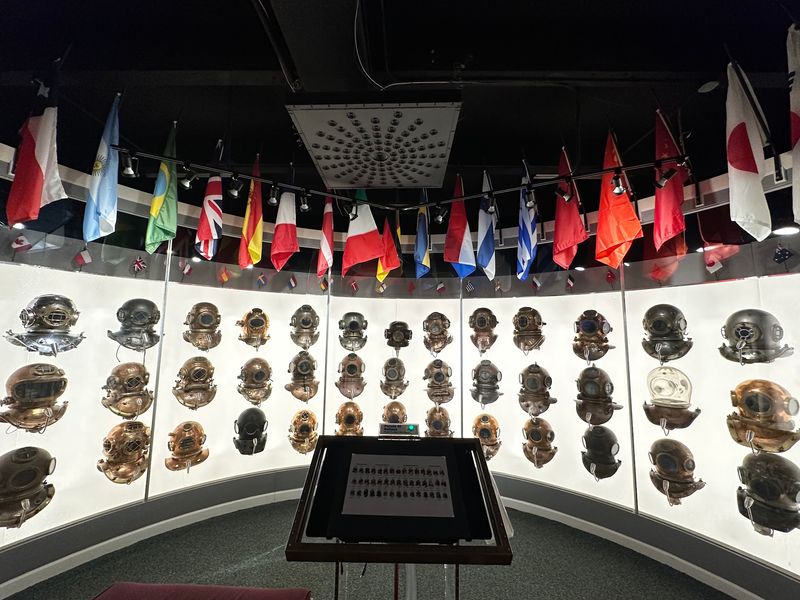
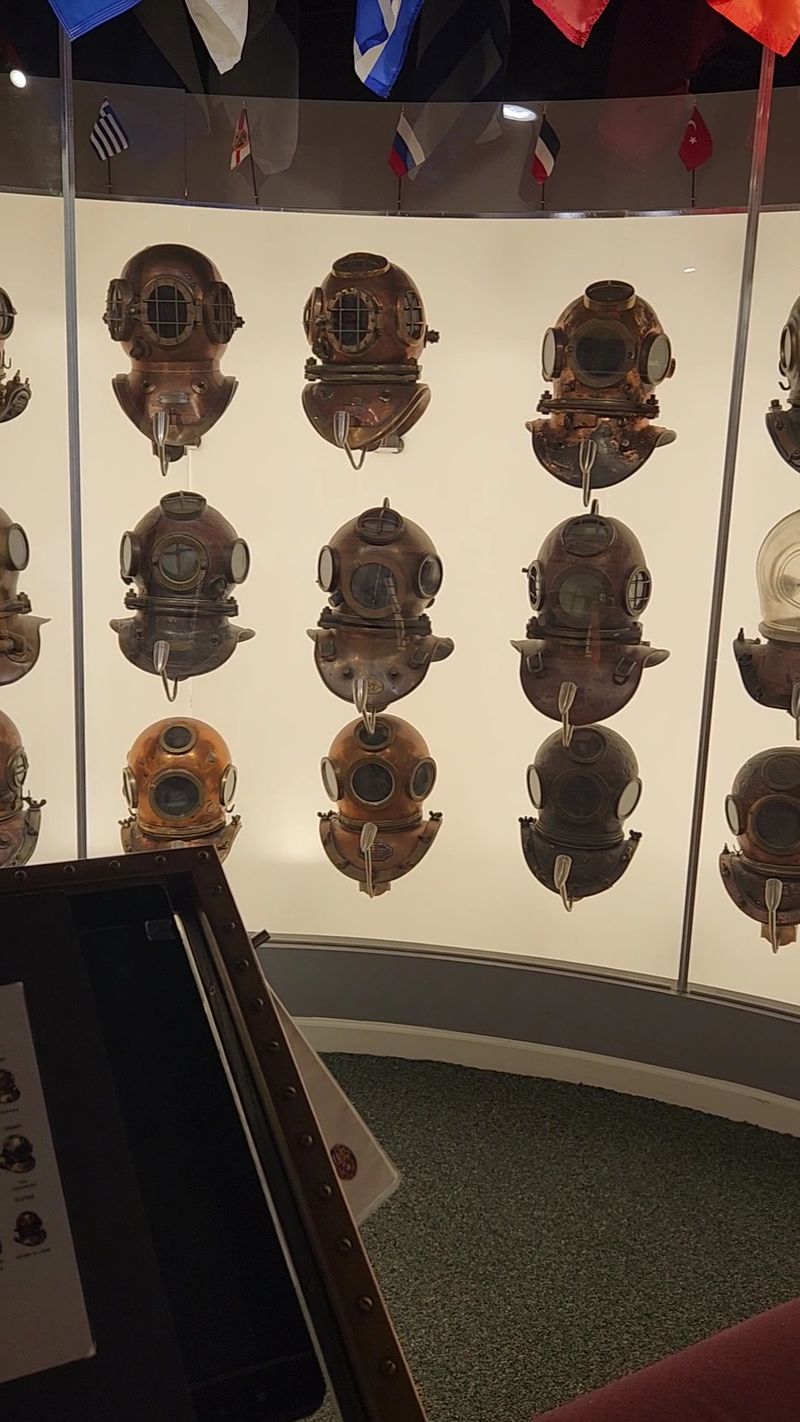
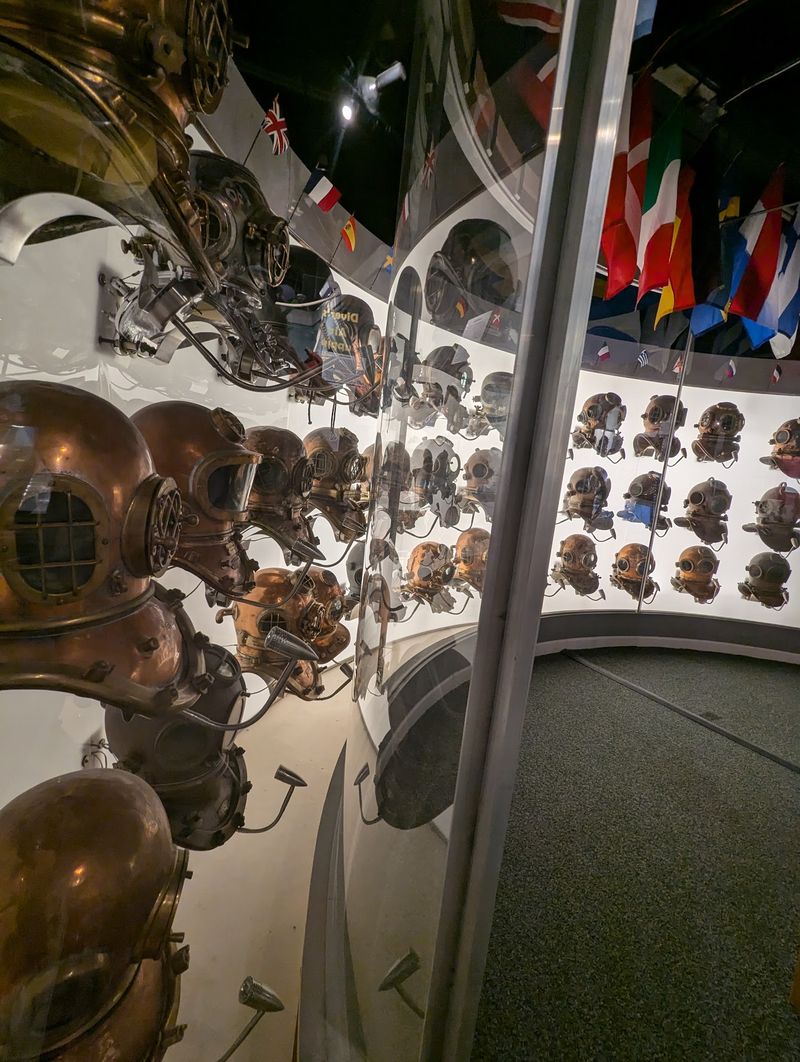
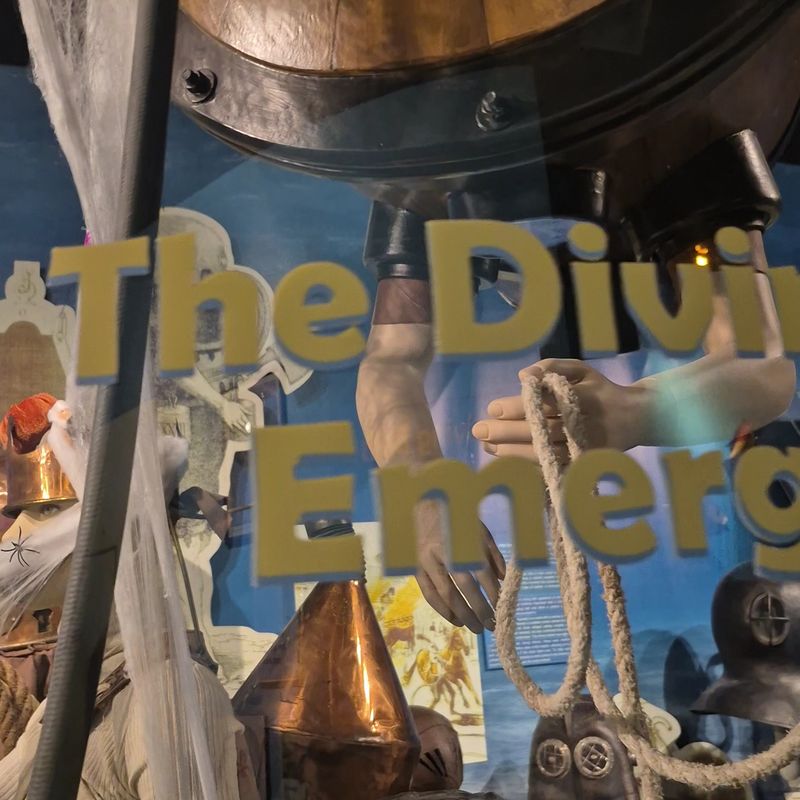
Helmets are the headliners here, and they know it. The History of Diving Museum in Islamorada shows off a collection of diving helmets from many countries and eras.
Each one tells a slightly different story about how people solved the same problem. How do you breathe while sitting on the sea floor? Every nation seemed to have its own answer.
Some helmets are round and polished like giant copper kettles. Others look boxy, heavy, and a little bit stubborn. Lining them up side by side makes the differences easy to spot, even for total beginners.
I like how a display like this turns engineering into something you can actually see. You don’t need a science degree to notice changes in windows, bolts, and air fittings. Your eyes do the learning before you even read the signs.
Take your time with this part of the museum. Look closely at the faceplates and imagine peering through that tiny glass at murky water. It’s a fun way to appreciate how brave early divers really were.
Families with curious kids should play a quick game of picking a favorite. Expect some lively debates.
Thousands Of Years Of Breath-Holding Bravery Start The Story
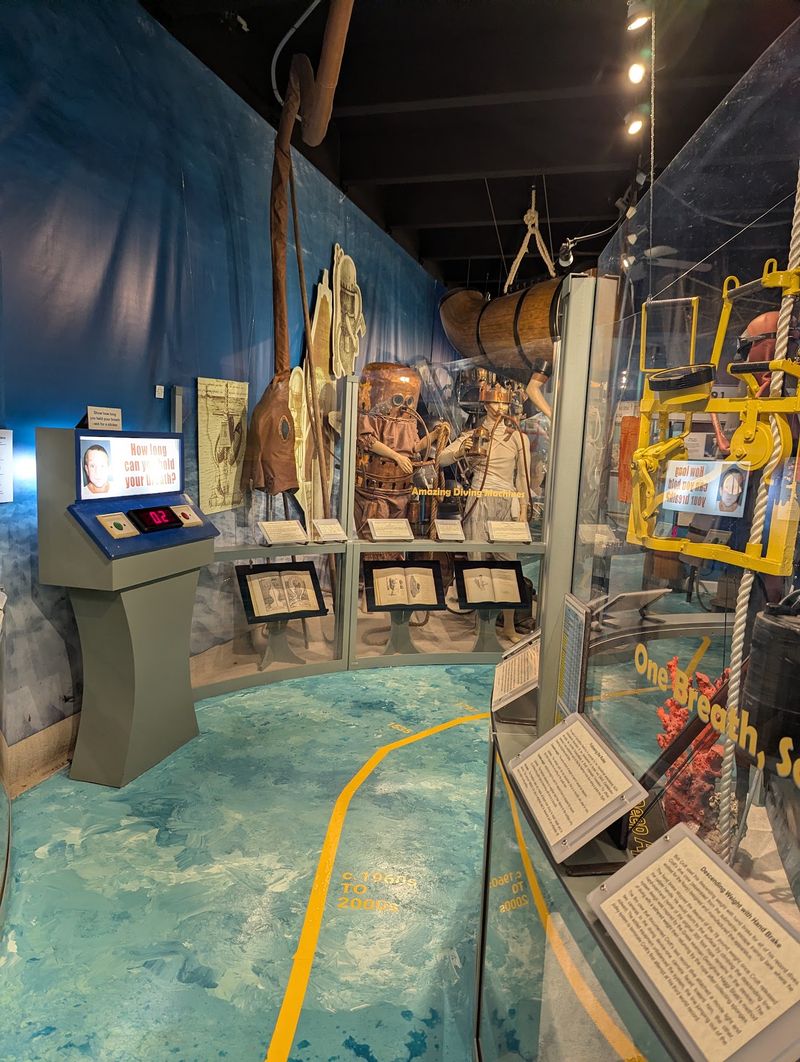
Long before scuba tanks, people were already chasing treasure beneath the waves. The museum traces humanity’s underwater adventures back thousands of years.
Early divers relied on lungs, courage, and a lot of practice. Freediving for sponges, pearls, and food was a real job. That history opens a window into how old our fascination with the sea truly is.
From there, the exhibits move into clever inventions. Diving bells trapped air so workers could stay below longer. Later designs pumped air down from the surface, which changed everything.
I believe this is the part that surprises most people. We tend to think diving began with modern gear and wetsuits. In reality, inventors were tinkering with underwater breathing for centuries.
The galleries cover freediving, commercial diving, deep-sea work, and recreational scuba. Following that path feels like flipping through a giant, three-dimensional history book. Each room nudges the story a little further forward.
Read a few of the placards along the way. They are short enough to keep things moving. Some of the backstories are wild enough that you’ll want to share them later at dinner.
Captain Nemo Fans Get A Real Movie Treasure
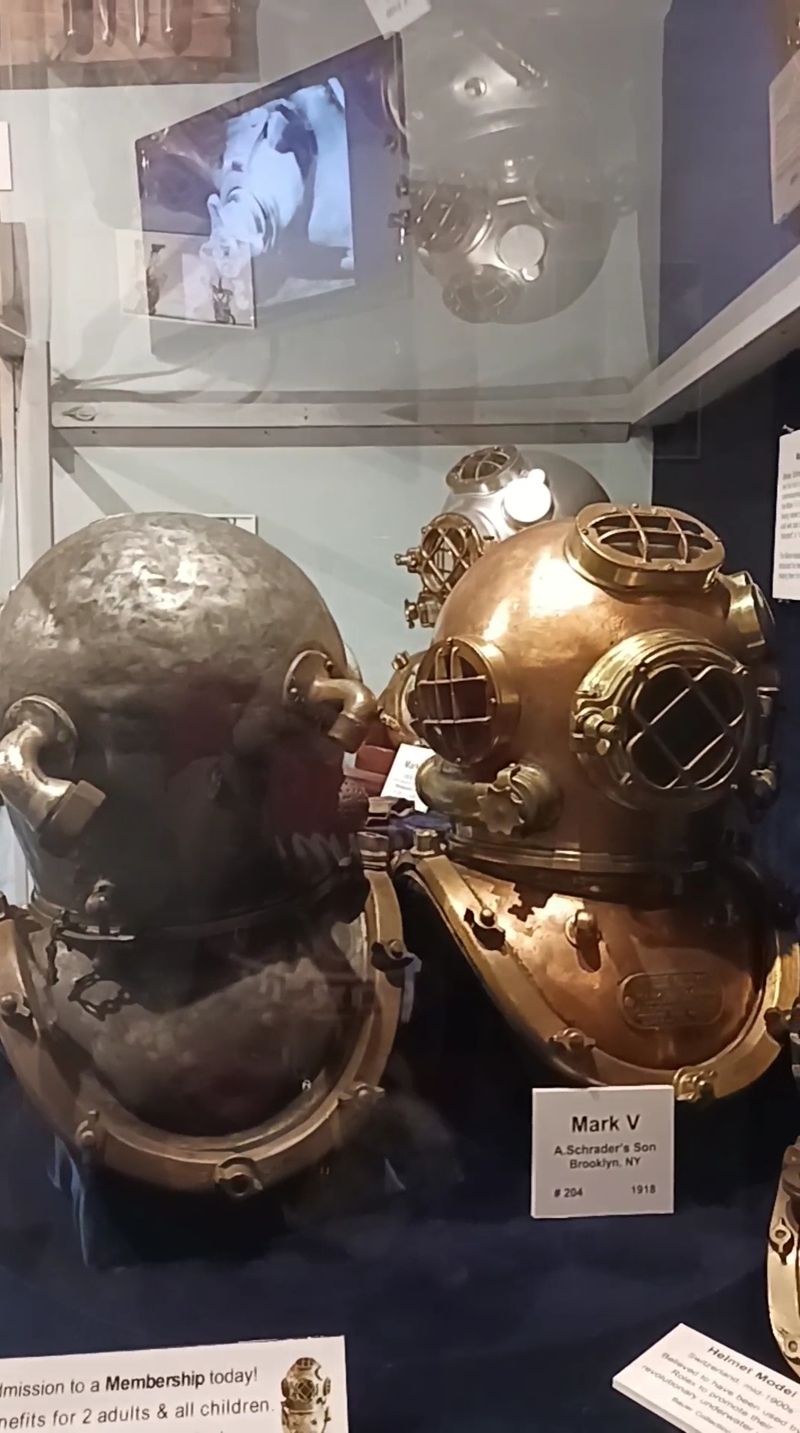
Hollywood left a little piece of itself in the Florida Keys. The museum displays a functional replica of Captain Nemo’s dive helmet from Disney’s 1954 film, 20,000 Leagues Under the Sea.
Here’s the fun twist. The replica is functional, which makes it a fun blend of movie magic and real diving engineering.
Nearby sits a model of the Nautilus, the famous submarine from the same film. It’s based on the work of Harper Goff, the designer behind the movie’s look. The model even includes lighting effects, so it glows like it’s ready to sail off.
If you grew up watching classic adventure movies, this corner might make you grin. Even younger visitors who never saw the film will enjoy the submarine’s strange, fishy shape. It looks like a sea creature made of iron.
Snap a photo here if photos are allowed during your visit. Then send it to the biggest movie buff you know. They’ll probably reply with a lot of exclamation points and maybe a little jealousy.
Your Visit Kicks Off With A Short Film Worth Catching
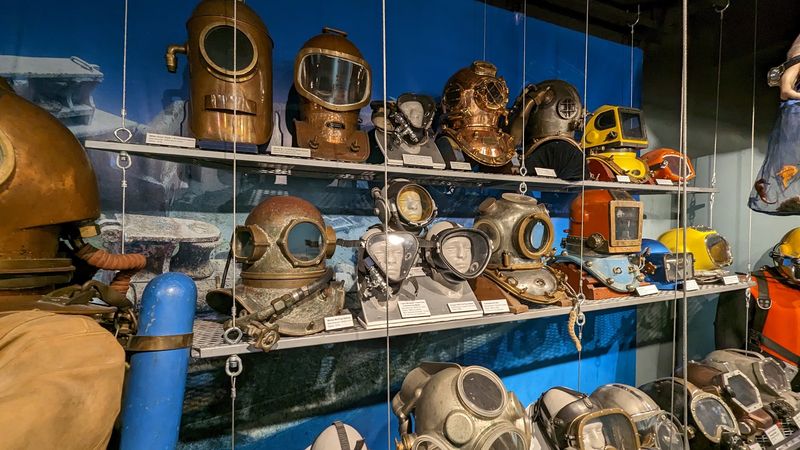
Movies usually come at the end of a day out. At this museum, one comes first.
Visits typically begin with a short film about the history of diving. It’s a smart warm-up that gives you the big picture before you start wandering. Think of it as a map for your brain.
After the film, the tour becomes self-guided. That means you can move at your own speed and linger wherever you like. Want ten minutes staring at one strange suit?
Go for it.
Videos also play throughout the galleries. They add motion and context to gear that otherwise just sits behind glass. Watching a helmet in action makes the real one in front of you feel a lot more alive.
Plan for at least an hour, and longer if you enjoy reading every sign. History fans can easily spend a good chunk of the afternoon here. Kids may move faster, so let them lead for a bit.
Arriving earlier in the day gives you a relaxed pace. Hours run from 10 AM to 5 PM daily, which fits nicely around a morning on the water.
Scavenger Hunts Turn Kids Into Underwater Detectives
Kids who claim museums are boring are about to lose that argument. The History of Diving Museum offers scavenger hunts that send visitors searching through the exhibits for clues.
An online version keeps things simple and modern. Grab your phone and start hunting. Suddenly every glass case becomes a puzzle instead of a lecture.
Seasonal hunts pop up too. In October, the museum has hosted a pumpkin hunt that adds a playful twist to the galleries. Hunting for hidden pumpkins among brass helmets is a delightfully odd combination.
I like how this sharpens everyone’s attention. You end up noticing tiny details you might have walked right past. Adults tend to get competitive too, so watch out.
Interactive exhibits add even more hands-on fun beyond the hunt. These are great for kids who learn best by doing rather than reading. Wiggly visitors finally get a reason to explore.
Very young children may not get much out of the detailed history. School-age kids, though, are a sweet spot. Bring them after a hot morning outside, and let the hunt do the entertaining.
Book Lovers Should Save Time For The Library
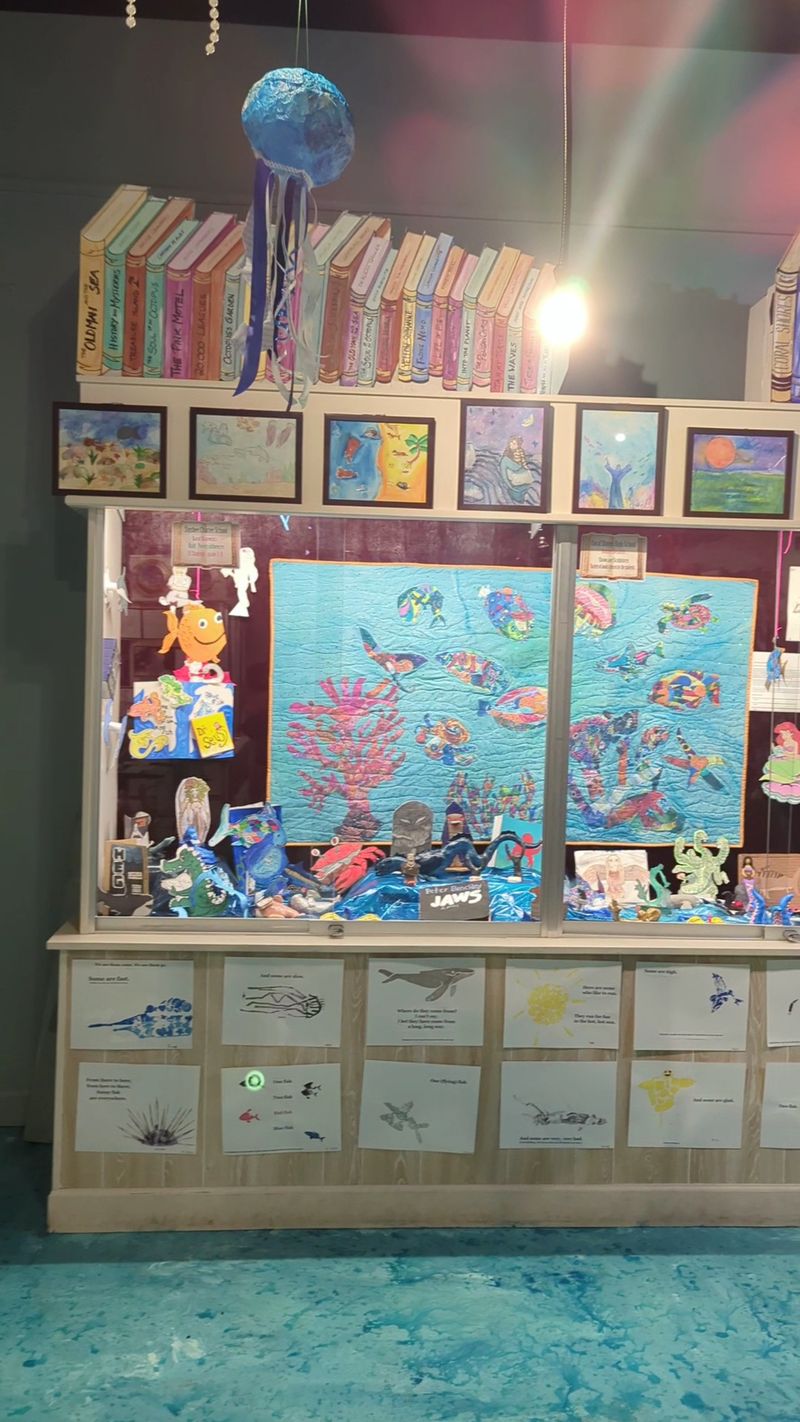
Brass gets the spotlight, but paper deserves a bow too. The museum’s library holds a remarkable collection of books tied to diving and the sea.
Founders Dr. Joe and Sally Bauer spent more than 40 years collecting and researching. The library grew alongside the gear. That’s a lifetime of curiosity packed onto shelves.
Browsing here feels like peeking into a scholar’s private study. You’ll spot titles on exploration, inventions, and underwater adventure. There may even be a few pop culture surprises hiding among the serious volumes.
Is it the flashiest room in the building? Maybe not. But for readers, it might be the most memorable.
Give yourself a few quiet minutes to explore. Read a spine or two and let your imagination wander. Old books about the ocean have a special charm that screens can’t copy.
The gift shop continues the bookish theme with books and souvenirs for sale. Used books have been part of the mix as well. Picking one up is a great way to stretch your museum day into a week of reading on the beach.
Some Stories Here Will Tug At Your Heart
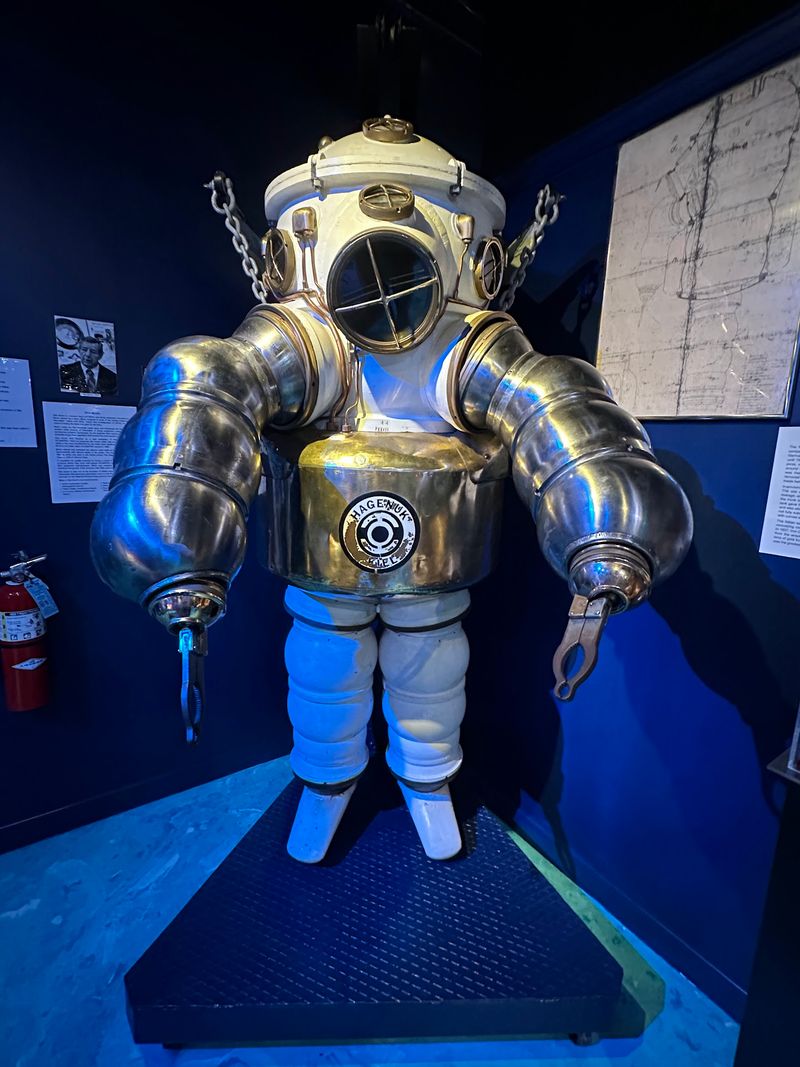
Gear is fascinating, but people are the real heartbeat of this place. Several exhibits highlight divers whose stories go far beyond equipment.
One standout features Matt Johnston, a young man with Duchenne muscular dystrophy who wanted to learn to scuba dive. His story is moving and full of determination. It shows how passion can carry someone further than anyone expected.
The museum also makes a point of including women in diving history. That’s a welcome touch, since many old tales skip them entirely. Seeing a fuller picture of who explored the deep feels fair and refreshing.
Moments like these give the collection real warmth. A helmet becomes more meaningful when you know the person who wore one. Facts stick better when there’s a face attached.
Spend a little extra time in these sections. They’re great conversation starters for families and friends. Ask each other which story stuck with you the most.
Accessibility matters here too, as the museum is wheelchair accessible. That fits nicely with exhibits that celebrate everyone’s right to explore. The ocean, after all, belongs to all of us.
Special Events Bring Experts Right To The Keys
New exhibits don’t just quietly appear here. The museum hosts openings and talks that turn a regular visit into something bigger.
A presentation series called Immerse Yourself brings in speakers from the diving world. One recent talk featured Dr. Matias Nochetto of the Divers Alert Network, better known as DAN. Hearing from a real expert adds a whole new layer.
Guided tours are offered on certain days as well. A tour gives you stories and details you might miss on your own. If the timing works, it’s a smart upgrade to your plans.
A small art gallery also highlights local artists. It’s a nice change of pace after so much brass and rubber. The ocean inspires paintings as easily as it inspires inventions.
Checking the event calendar before your trip pays off. You might land on a day with something special happening. That kind of luck makes a vacation story even better.
Active duty military members have been welcomed free of charge. It’s a thoughtful gesture worth knowing about. Confirm current policies before you go, since details can change.
An Easy Stop On The Road To Key West
Road trips through the Keys are all about the Overseas Highway. Conveniently, this museum sits right along it.
You’ll find the History of Diving Museum at 82990 Overseas Hwy, Islamorada, FL 33036. That’s mile marker territory, smack in the middle of a classic Florida drive. It makes a perfect pit stop between Miami and Key West.
The museum is open daily from 10 AM to 5 PM. Parking is plentiful, which is always a relief on a busy island route. No circling the block required.
Timing matters in the Keys. Midday sun can be intense, so an air-conditioned museum is a clever escape. Divers also love visiting after a morning trip, while everything they saw is still fresh.
Bad weather canceled your boat outing? This is a fantastic backup plan. You still get your ocean fix without getting wet.
Islamorada calls itself the sportfishing capital of the world, but this museum proves the town has range. Florida visitors chasing sun and sea should leave room for some history too. Your inner explorer will thank you, and so will your sunburn.