This Hidden Florida Museum Is Filled With Rare Race Cars and Forgotten Automotive History
A Porsche that won the 24 Hours of Daytona sits under the same roof as cars built in the 1800s. That combo alone made me stop scrolling.
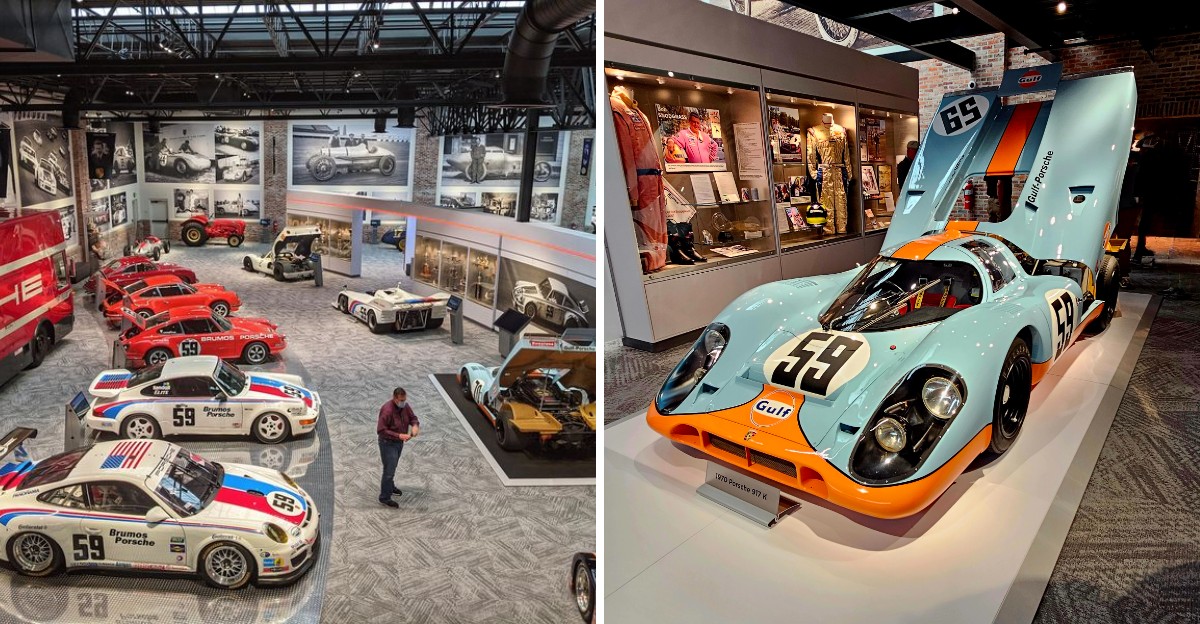
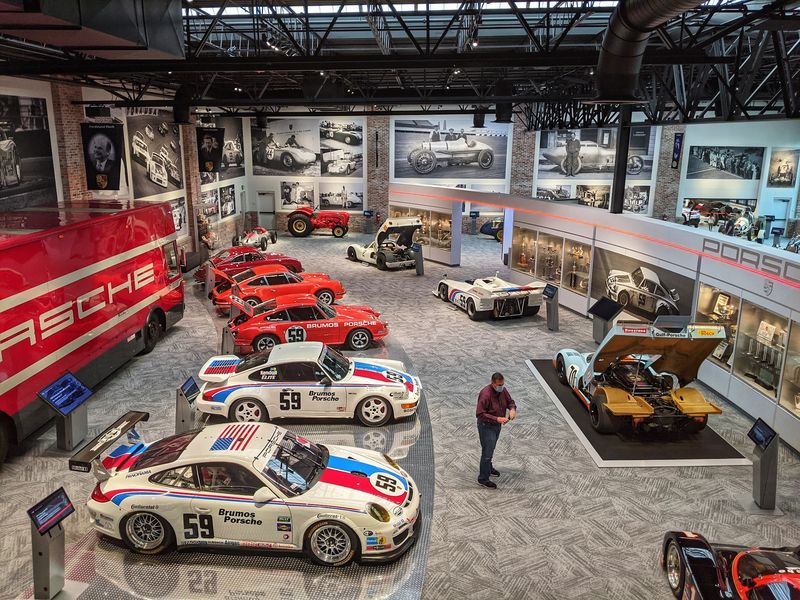
This place grew out of a racing team that wore a famous red, white, and blue paint scheme. Those colors became a legend on tracks around the world. I like how the museum treats that story with real pride instead of dusty glass cases.
And it sits in Florida, of all places, behind a custom metal gate near a quiet residential stretch. You won’t find roller coasters or costumed characters here. You’ll find rare race cars, early motorcars, and a working restoration shop you can actually peek into.
I can’t imagine a car fan leaving without a new favorite machine. So which one would steal your heart first?
1. A Racing Legend Finally Got A Home Worthy Of Its Trophies
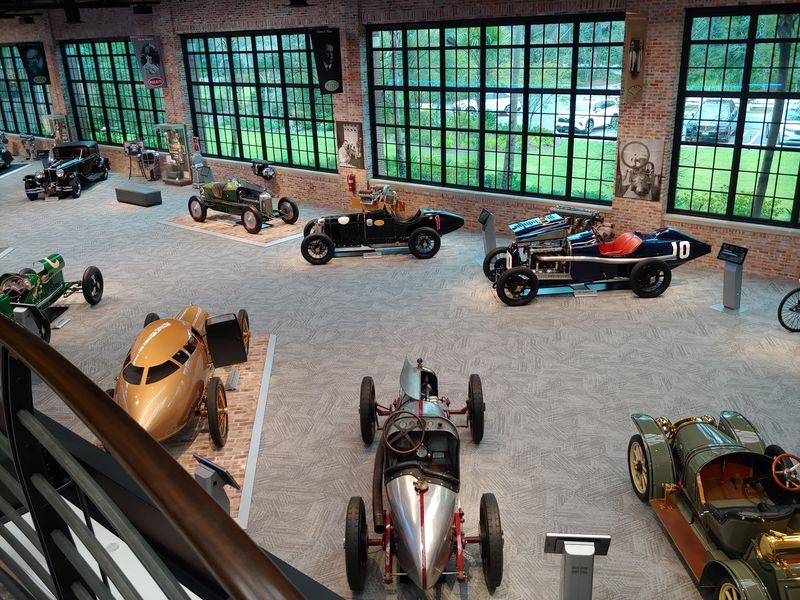
Few dealership names ever became racing royalty, but Brumos pulled it off. The Brumos Collection in Jacksonville celebrates that rise with a museum built around the team’s history.
Brumos Porsche started as a Jacksonville dealership and grew into a powerhouse on the track. Its cars racked up major endurance wins, including several at the 24 Hours of Daytona.
The museum opened in 2020, so it’s still fairly new. That explains why plenty of longtime Jacksonville folks are only now learning it exists.
Behind it all is a family deeply tied to Florida motorsports. The collection reflects years of careful saving, restoring, and showcasing machines that could easily have been lost to time.
What makes it fun is the mix of big racing moments and small personal details. You’ll see trophies, memorabilia, and the cars that actually earned the headlines.
Think of it as a scrapbook you can walk through. Except the pages have engines, and some of them are still driven now and then.
Even if you can’t tell a spark plug from a cupcake, the story pulls you in. Underdogs, speed, and hometown pride make for a pretty great plot, wouldn’t you say?
2. Those Red, White, and Blue Stripes Are Basically Racing Famous
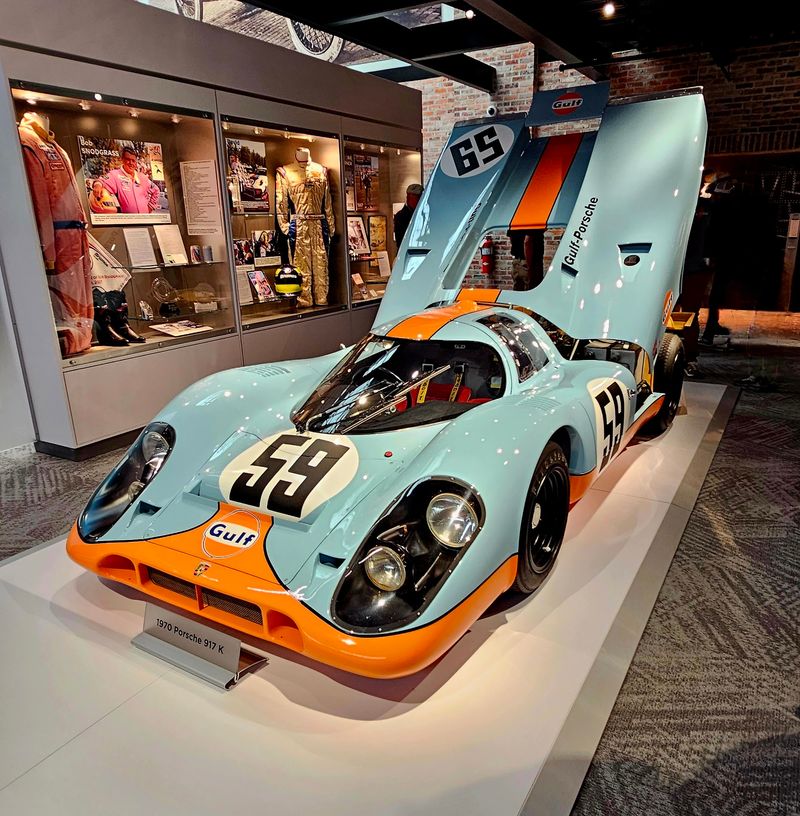
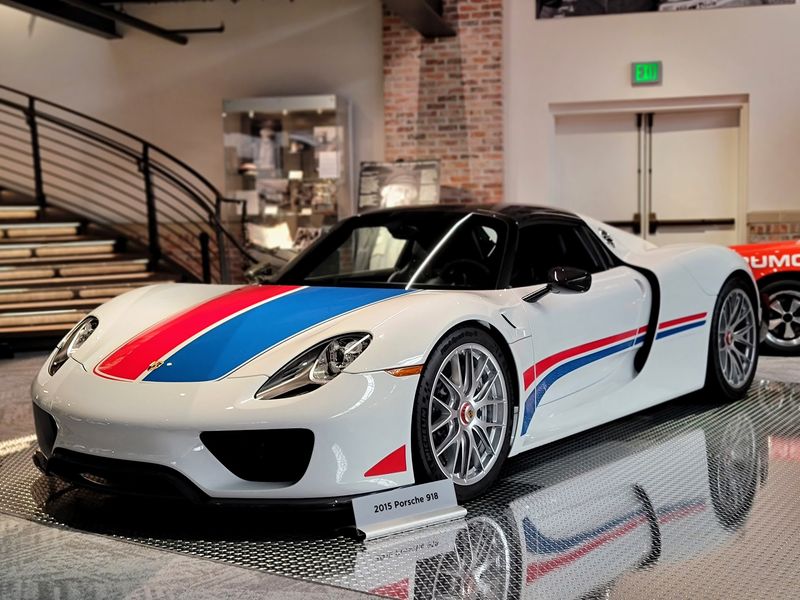
Red, white, and blue paint on a Porsche usually means one thing to racing fans. It means Brumos, and the museum shows off those famous colors proudly.
The Brumos livery became one of the most recognized paint schemes in endurance racing. The number 59 is closely linked to the team, and it pops up across the collection.
Seeing these cars up close is a treat. You can lean in, check out cockpits, and peer at engine bays without a velvet rope blocking your view.
The one rule is simple: look, but don’t touch. These machines carry real history, and fingerprints are not part of the restoration plan.
Each car has a story about the drivers, the races, and the wins. Some sat on podiums at Daytona, while others raced on famous tracks far beyond Florida.
Here’s a tip for photo lovers. Snap away, because pictures are welcome, and those bold stripes look fantastic on camera.
Kids who love toy race cars will likely freak out a little. Honestly, so might the grown-ups. Bright colors and speed have a way of turning everyone into a ten-year-old again.
3. Your Time Machine Is Parked In Chronological Order
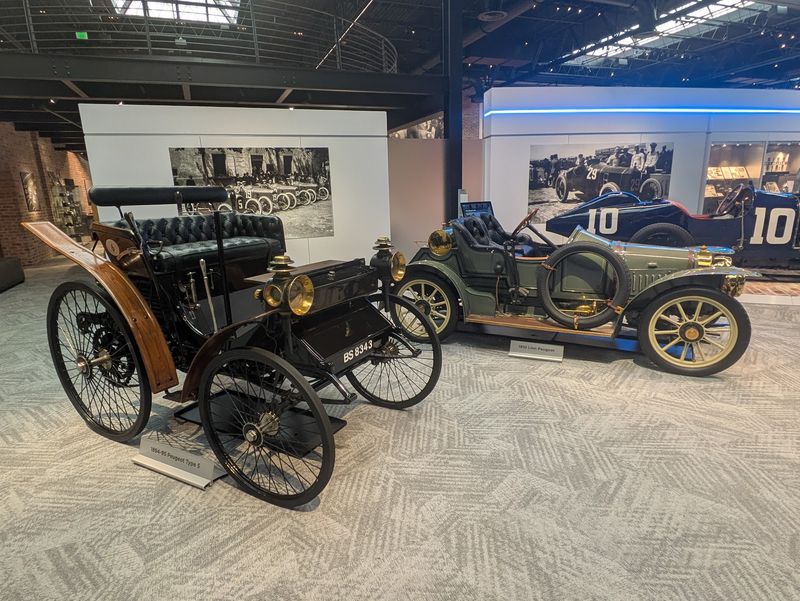
Cars from the 19th century kick things off here. That’s right, some of these vehicles are older than your great-great-grandparents’ wedding photos.
The displays move in a roughly chronological flow. As you walk, you basically watch the automobile grow up, from wobbly early inventions to sleek post-war racers.
It’s a clever way to learn without feeling like you’re in class. You notice wheels getting smaller, bodies getting lower, and engines getting a lot more serious.
Many of the cars are kept close to their original condition, including upholstery. That means the seats you see are a real peek into another era.
Beyond Porsche, the collection includes names like Bugatti and Alfa Romeo. Classic Miller race cars also make an appearance, which is a big deal for early racing fans.
A fun fact for the road: Miller engines dominated American racing for years in the early twentieth century. Spotting one in person feels like meeting a rock star from your grandpa’s playlist.
Take your time on this walk. The older cars especially reward slow looking, since so many tiny details tell you how people actually drove back then.
4. The Tablets Know More Car Trivia Than Your Uncle Does
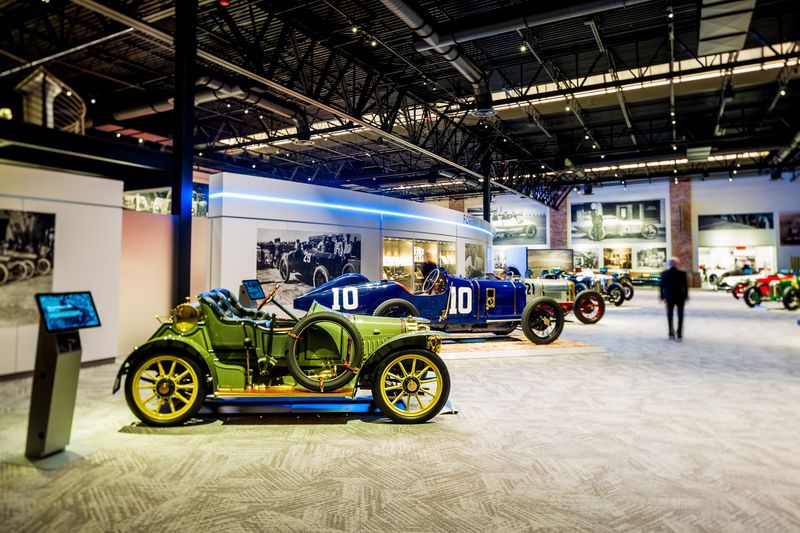
Every car comes with its own little digital library. Next to the vehicles, touchscreens share specs, history, and photo galleries you can scroll through at your own pace.
That setup is great for curious minds. You can learn horsepower numbers, race results, and backstories without waiting for a guided group.
Signs fill in the rest. Between screens and placards, you could read for hours and still not catch every detail.
The Brumos Collection also has friendly staff and volunteers on the floor. They’re known for being glad to answer questions and share stories about the cars.
So don’t be shy. Ask about a weird hood shape or a strange steering wheel, and you might get a tale you’d never find online.
Families can turn this into a game. Have each person pick a favorite car, read its history, then explain it to the group like a tiny tour guide.
Younger kids may not read every screen, and that’s okay. The photos alone are a blast, especially old racing shots that show these same cars covered in dust and glory.
5. Peek Into The Shop Where Old Cars Get A Second Life
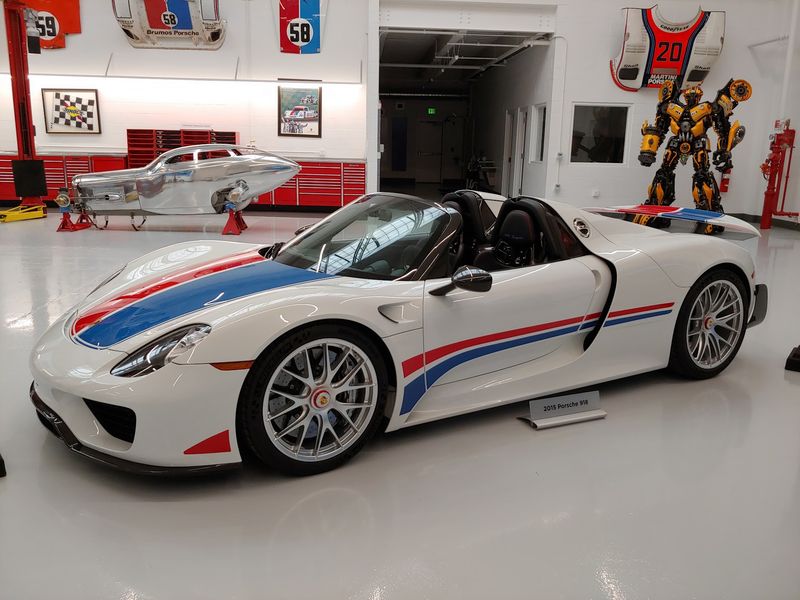
Most museums hide the repair work. Here, the garage is part of the show.
The team handles restoration and maintenance in-house. Their goal is keeping each car as close to original specs as possible, often using original-style materials.
Visitors can view the shop area and sometimes catch technicians at work. Watching a historic race car get careful attention is oddly relaxing, like a cooking show with wrenches.
This also explains why the cars look so pristine. They aren’t just parked and dusted once a year. Many are kept in running condition and driven from time to time.
For anyone who tinkers in a home garage, this part may be the highlight. You get a glimpse of the patience it takes to keep rare machines healthy.
Kids can learn something cool here too. Old cars need care, just like old houses or old books, and someone has to know how to do it right.
Fair warning: you may leave wanting to reorganize your own toolbox. Whether that urge lasts past the drive home is entirely between you and your messy garage shelf.
6. A Giant 76 Ball Greets You Before The Cars Even Do
A huge orange 76 ball sits on the grounds, and it’s hard to miss. That classic gas station icon makes a playful welcome before you even reach the front door.
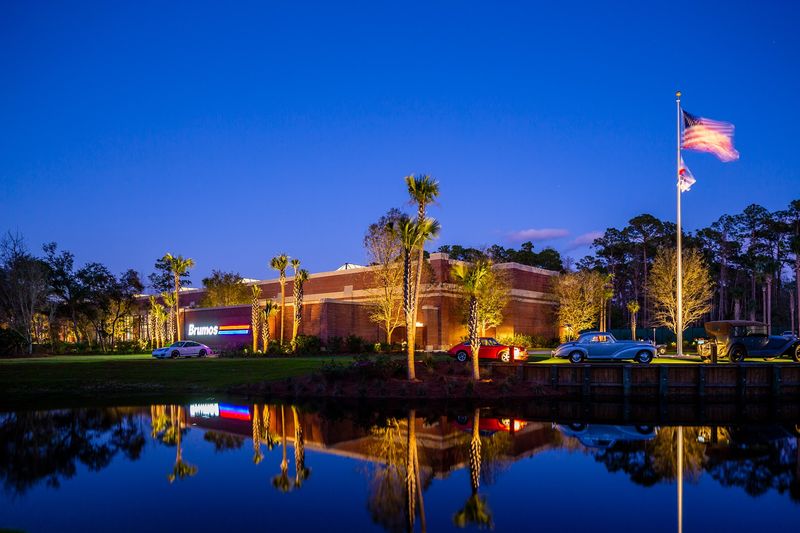
You’ll find the museum at 5159 San Pablo Rd S, Jacksonville, FL 32224. It sits in a residential part of town, so the custom metal gate helps mark the entrance.
Inside the gate, a lake with fountains adds a peaceful touch. It’s a calm, pretty setting that feels more like a private estate than a busy attraction.
Parking is available right out front. That’s a nice perk in Florida, where nobody enjoys a long sweaty walk across a hot lot.
The location is on the southern part of San Pablo Road. It’s an easy trip from much of Jacksonville and not far from the beaches.
Snap a photo by that 76 ball before heading in. It makes a fun picture, and it’s a cheerful nod to the days when gas stations had personality.
Grandparents might even share a story or two about filling up under signs just like it.
7. Plan Ahead, Because The Doors Aren’t Open Every Day
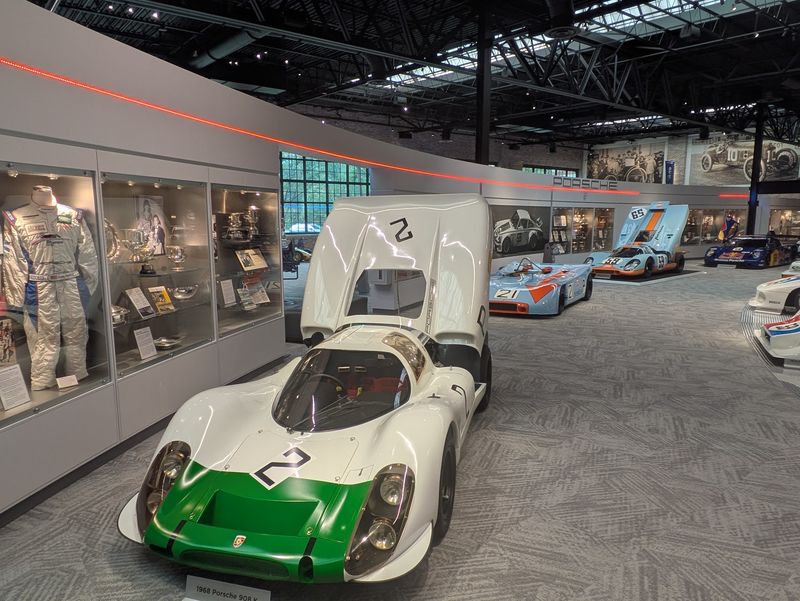
Timing matters with this one. The museum is open Thursday, Friday, and Saturday from 9 AM to 3 PM, and closed the rest of the week.
Booking ahead is a smart move. Reserving a time slot helps you avoid disappointment at the door.
Admission has separate rates for adults, seniors, military members, students, and kids. Check the museum’s booking page for current pricing before you go.
How long should you stay? Speed walkers can finish in about an hour, but readers and question-askers can easily spend two or three.
The whole experience is indoors and air-conditioned. In a Florida summer, that alone might be worth the trip.
Accessibility is another plus. The museum is wheelchair accessible throughout, and the size feels manageable rather than exhausting.
One more planning tip: only part of the collection is on display at once. Cars rotate from time to time, so a second visit may show you something new.
That makes it a great go-to when out-of-town guests arrive. You already know the drill, and they get a surprise outing they won’t expect.
8. Souvenirs With Actual Racing Street Cred
Licensed Brumos merchandise waits in the gift shop near the back of the museum. It’s the kind of souvenir that racing fans will actually wear, not shove in a drawer.
You’ll find items like T-shirts, hats, model cars, and key chains. Some pieces show off that famous striped look, which instantly signals good taste to fellow car nerds.
Model cars make especially fun keepsakes for kids. They can recreate a Daytona finish on the living room carpet, sound effects included.
Shopping online is also possible. That’s handy if you think of the perfect gift after you’ve already driven home.
Restrooms are located in the back area too. They’re known for being spotless, which is always a pleasant surprise at any attraction.
A quick tip for gift givers: car fans can be tricky to shop for. Something tied to a real Jacksonville racing legend feels personal and unique.
So save a few minutes before you leave. Browsing here gives you one last look at the Brumos story, plus something to remember it by when the tires hit the road again.
9. Group Outings and Events Get A Turbo Boost Here
Scout troops, car clubs, and curious groups have all found their way here. The museum offers tours for small and medium-sized groups, which makes learning feel like an adventure.
It’s a fresh idea for a field trip. Students get history, engineering, and science wrapped up in shiny packages with wheels.
The Brumos Collection also hosts special events. Its showroom can serve as a venue, which sounds like a dream backdrop for any celebration.
Imagine handing out awards next to a Daytona champion. Okay, no imagining required, because that kind of setting is actually available in Jacksonville.
For couples, it can be a creative date. One person might love the engines while the other enjoys the design, the colors, and the old photographs.
Reach out to the museum directly about group visits or event rentals. Their team can share options, availability, and what works best for your crowd.
Florida has plenty of beaches and theme parks. Yet a quiet hall filled with rare race cars might be the outing your group talks about longest, especially once someone picks a favorite and refuses to stop bragging about it.