A Surprising Jellyfish Problem Lurks at This Quiet Florida Gulf Beach
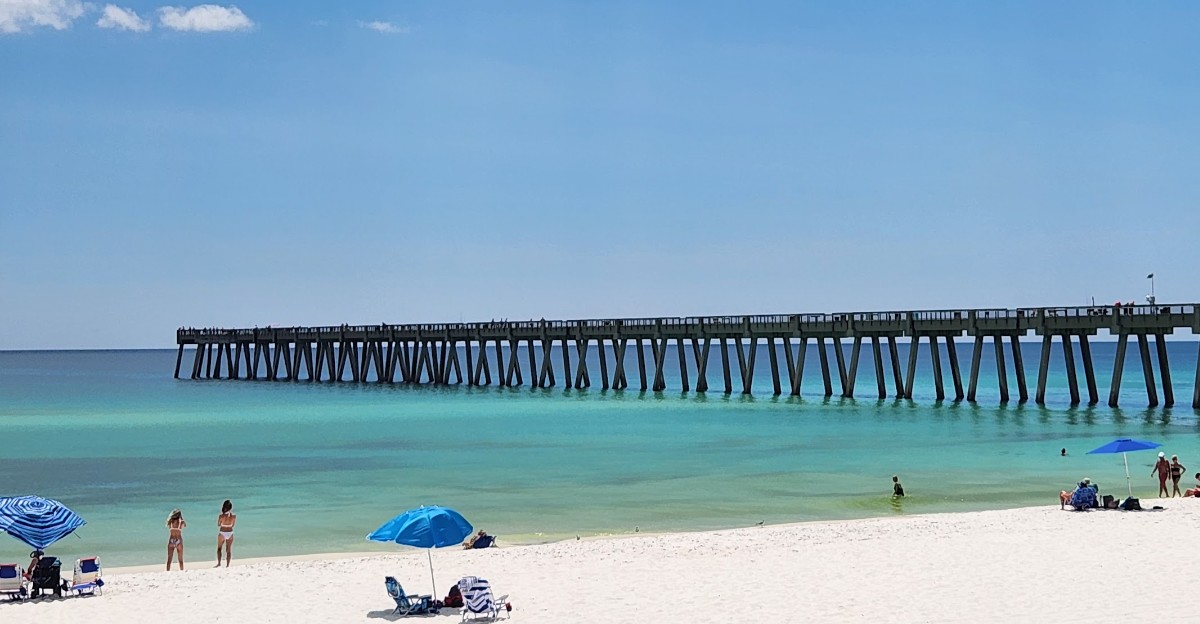
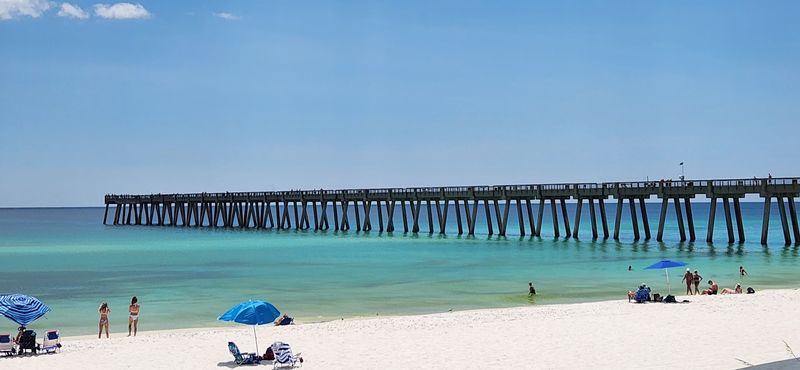
Navarre Beach Marine Park seems like paradise with its sugar-white sand and crystal-clear emerald waters, but there’s something visitors need to know before jumping in. Jellyfish blooms happen here more often than most beachgoers expect, turning a peaceful swim into an uncomfortable encounter. Understanding what you’re up against and how to stay safe can make the difference between a perfect beach day and a painful trip to the lifeguard station.
Moon Jellies Arrive in Massive Seasonal Swarms
Moon jellies show up at Navarre Beach in numbers that can shock first-time visitors. These translucent creatures drift in by the hundreds during certain times of year, creating what looks like floating plastic bags across the shallow waters. Their mild sting won’t send you to the hospital, but it’ll definitely ruin your afternoon if you’re not prepared.
The peak season runs from late spring through early fall when water temperatures climb and currents shift. Calm days actually increase your chances of encountering them because there’s less wave action to disperse the blooms. Lifeguards post jellyfish warnings on the beach flags, but many swimmers miss these alerts or underestimate the situation until it’s too late.
These jellies have four horseshoe-shaped gonads visible through their bell that make them easy to identify. They pulse gently through the water and can measure anywhere from two to fifteen inches across. Kids often want to touch them when they wash up on shore, which is exactly when most stings happen.
Local regulars know to check the waterline before setting up their beach chairs. If you see several moon jellies washed up on the sand, there are likely thousands more just offshore. The stings cause redness, itching, and a burning sensation that can last for hours without proper treatment.
Wearing a rash guard or thin wetsuit provides excellent protection if you’re determined to swim during bloom season. Some families bring vinegar in spray bottles as a precaution since it helps neutralize the venom. The marine park staff keeps jellyfish sting relief stations near the main beach access points, but they run out quickly on busy weekends when conditions bring in large numbers of these gelatinous visitors.
Portuguese Man O’ War Drift In After Storms
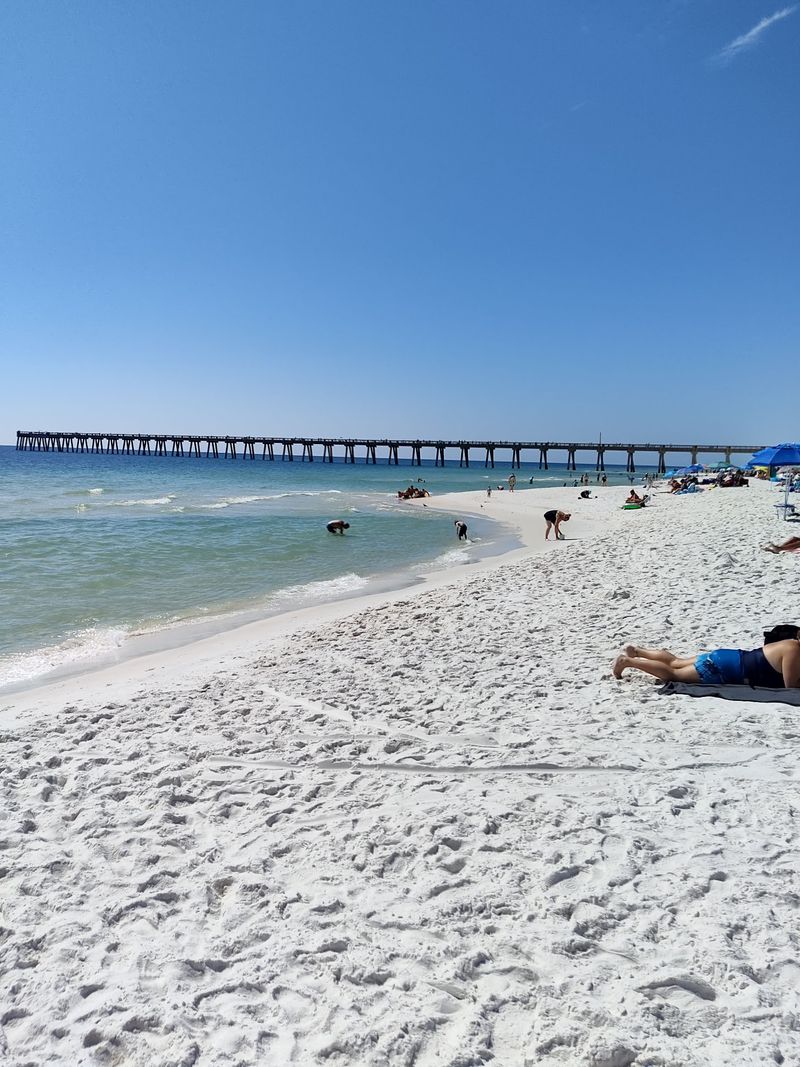
Portuguese man o’ war aren’t technically jellyfish, but that won’t matter when their tentacles wrap around your leg. These striking blue and purple creatures float on the surface with a gas-filled bladder that acts like a sail, and strong winds push them straight toward Navarre’s shoreline. After tropical storms or when sustained winds blow from the south, the beach can become littered with these dangerous visitors.
Their tentacles stretch up to thirty feet and pack a punch that feels like touching a live electrical wire. The venom can cause welts, severe pain, fever, and in rare cases, allergic reactions that require immediate medical attention. Even dead ones washed up on the beach remain venomous for weeks, so never let children poke at them with sticks or their bare feet.
The tricky part is that man o’ war often arrive when the water looks most inviting. Clear skies follow storms, and families rush to the beach without realizing what’s lurking in the surf. Lifeguards do their best to warn people, but these creatures can drift in quickly when conditions change.
Local fishing piers report sightings first since they extend out into deeper water. Checking recent beach reports on social media before your visit can save you from a painful experience. The Navarre Beach lifeguards post updates regularly when man o’ war are spotted in the area.
If you do get stung, don’t use freshwater to rinse the area because it makes the venom worse. Carefully remove any visible tentacles with a stick or shell, never with bare hands. Applying vinegar or a baking soda paste helps, but severe stings need professional medical evaluation.
The nearest urgent care is about fifteen minutes away in Gulf Breeze, which feels like an eternity when you’re dealing with the burning pain these creatures deliver.
Cannonball Jellies Create Thick Underwater Curtains
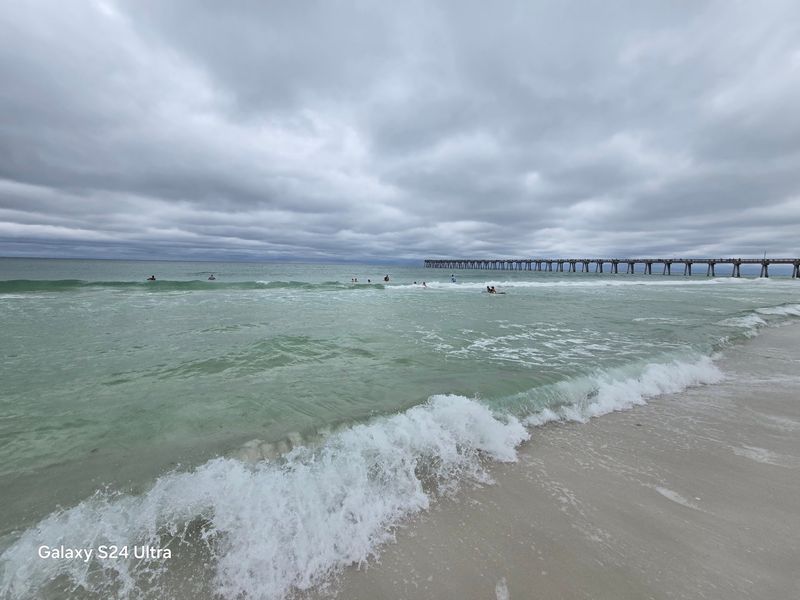
Cannonball jellyfish get their name from their round, dome-shaped bodies that look exactly like old-fashioned ammunition. At Navarre Beach, they sometimes appear in concentrations so thick you can barely see through the water. These brown or milky-white jellies don’t have the long trailing tentacles you might expect, which makes people think they’re harmless until they brush against one.
The sting is milder than a man o’ war but still unpleasant enough to cut your swim short. They release venom from small appendages around their mouth that cause itching and minor skin irritation. What makes them particularly troublesome is their sheer numbers when conditions bring them close to shore.
Swimmers often don’t realize they’re surrounded until they feel that first tingle. The jellies blend into the water column and can be nearly invisible in the surf zone where waves churn up sand. Snorkelers near the artificial reefs sometimes encounter walls of them drifting with the current.
These jellies actually serve an important purpose in the Gulf ecosystem. They feed on zooplankton and provide food for sea turtles, which is why you’ll often see loggerheads near Navarre during cannonball season. The problem is that humans and jellyfish are trying to use the same space at the same time.
Water clarity gives you the best clue about what’s waiting offshore. When the Gulf looks exceptionally murky or has a greenish tint, cannonball jellies are often the reason. They release mucus that clouds the water and reduces visibility to just a few feet.
Experienced locals wait a day or two after seeing these conditions before getting back in the water. The jellies move on quickly once currents shift, so patience usually pays off better than risking a swim through a cannonball curtain that’ll leave you itchy and frustrated for the rest of your beach day.
Red Flags Mean More Than Just Rough Water
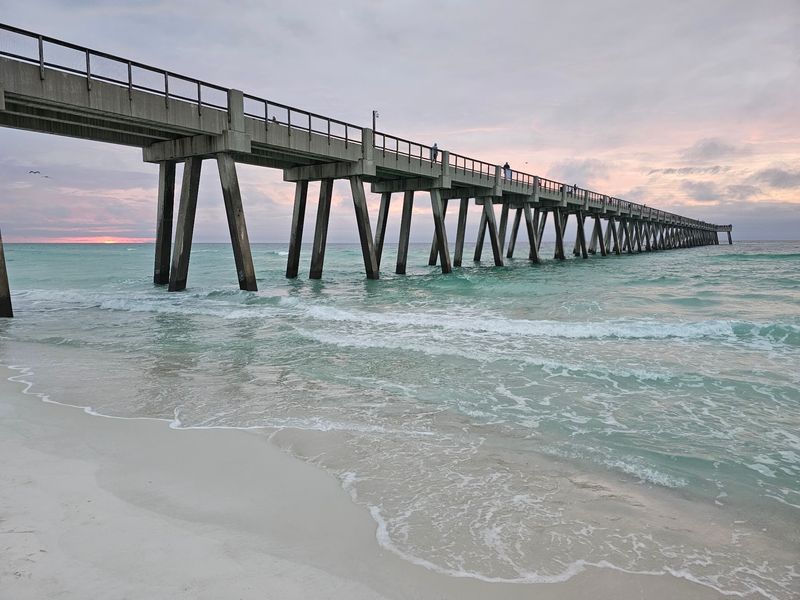
Most visitors know red flags signal dangerous surf conditions, but at Navarre Beach they also indicate jellyfish activity that makes swimming a bad idea. Lifeguards consider multiple factors when posting flags, and jellyfish blooms rank high on the list of hazards. Ignoring a red flag because the waves don’t look that bad could land you in a painful situation you didn’t see coming.
The flag system uses specific colors for different conditions. Red means high hazard with strong surf or dangerous marine life present. Purple flags specifically warn about jellyfish, stingrays, or other creatures, but they’re often used in combination with red.
Double red means the water is completely closed, which happens during the worst jellyfish invasions or after tropical weather.
Here’s what many tourists miss about the system. Flags can change multiple times throughout a single day as conditions shift. You might arrive in the morning under green flags and return from lunch to find red flags flying.
Wind direction, tide changes, and water temperature all influence when jellyfish move closer to shore.
Lifeguards have the best view of what’s actually in the water. They watch swimmers react to stings and track patterns throughout their shift. When they post a red or purple flag, they’ve usually already dealt with multiple jellyfish encounters.
Their job is to keep you safe, not to ruin your vacation plans.
Some visitors wade in anyway, thinking they’ll take their chances or that the warnings are overblown. This creates problems for everyone because lifeguards then have to perform rescues or provide first aid instead of monitoring other beachgoers. The marine park has excellent safety protocols, but they only work when people actually follow them.
Taking five seconds to check the flag status before entering the water shows respect for both the ocean’s power and the professionals working to protect you from its hidden dangers.
Artificial Reefs Attract Jellies Along With Fish
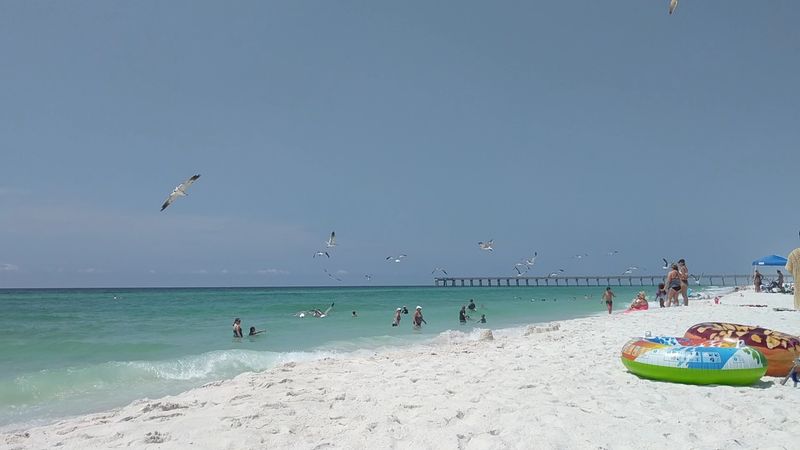
The artificial reefs near Navarre Beach create amazing snorkeling opportunities, but they also concentrate jellyfish populations in ways that catch swimmers off guard. These man-made structures attract baitfish and plankton, which in turn draw jellies looking for an easy meal. What starts as an exciting underwater adventure can quickly turn uncomfortable when you drift into a jellyfish feeding zone.
The reefs sit in relatively shallow water, making them accessible to snorkelers and divers of all skill levels. Concrete modules, sunken vessels, and specially designed reef balls provide habitat for marine life just offshore from the main beach area. On calm days, you can swim out to explore them without a boat.
The problem is that the same calm conditions that make snorkeling pleasant also allow jellyfish to congregate around the reefs. They drift in with the current and get trapped in the eddies created by the structures. Snorkelers focused on spotting fish often don’t notice jellies until they’re already tangled in tentacles.
Local dive shops and lifeguards recommend wearing full-coverage wetsuits or dive skins when exploring the reefs during summer months. The protection is worth the slight discomfort in warm water. Many experienced snorkelers also carry a small dive flag and stay alert to changes in water clarity that might signal approaching jellyfish.
The reefs are marked with buoys, but the jellies don’t respect those boundaries. They drift wherever currents take them, which means you might encounter them while swimming between the beach and the reef structures. Visibility becomes crucial for avoiding contact, and murky water makes that nearly impossible.
Despite the jellyfish risk, the reefs remain one of Navarre’s best features for marine life viewing. Timing your visit for cooler months or checking with lifeguards about current conditions helps you enjoy the reefs while minimizing unwanted encounters with the gelatinous locals who also call these structures home.
Sound Side Offers Safer Swimming During Bloom Season
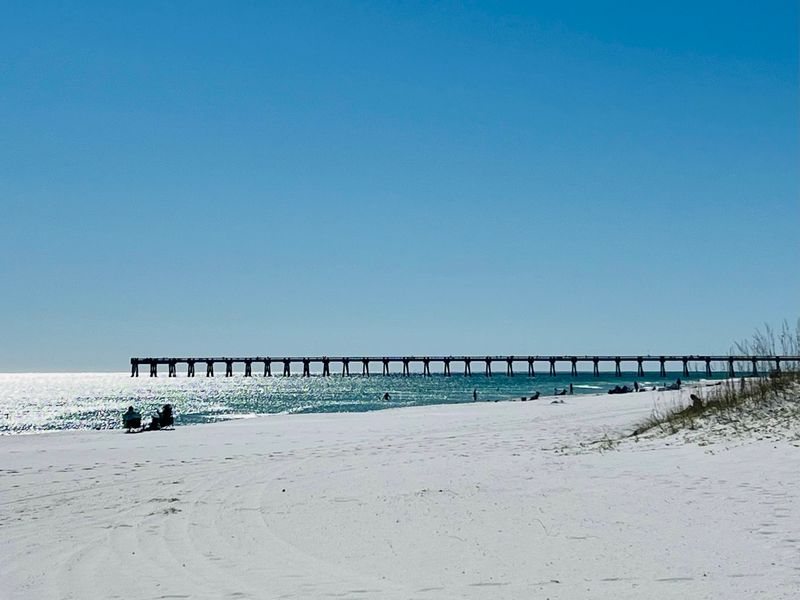
When jellyfish make the Gulf side uncomfortable, smart locals head to the sound side of Navarre Beach for safer swimming conditions. The Santa Rosa Sound provides a completely different aquatic environment with calmer, shallower water that rarely sees the same jellyfish problems plaguing the Gulf. It’s the secret weapon for families who refuse to let marine life ruin their beach vacation.
The sound side sits protected from the open ocean, which means the creatures that drift in from deep water don’t make it through. You’ll find gentle waves, warmer water temperatures, and sandy bottoms perfect for young children who want to splash around without worry. The marine park provides access to both sides, giving visitors options when conditions change.
Water depth stays manageable for hundreds of feet from shore on the sound side. Kids can wade out and still touch bottom, which gives parents peace of mind. The trade-off is that you won’t get those dramatic Gulf waves or the crystal-clear emerald water that makes Navarre famous, but safety trumps aesthetics when jellyfish are thick.
The sound attracts different marine life including small fish, crabs, and occasionally dolphins that cruise through the shallow channels. Kayakers and paddleboarders prefer this side year-round because conditions stay more predictable. During jellyfish season, you’ll notice the sound side gets noticeably more crowded as word spreads about Gulf conditions.
Facilities on the sound side include the same quality restrooms, showers, and parking that make Navarre Beach Marine Park so visitor-friendly. You’re not sacrificing amenities by choosing the calmer water. Some families split their time, checking Gulf conditions each morning and defaulting to the sound when flags indicate problems.
The key is knowing this option exists before you arrive. Many tourists stick to the Gulf side out of habit or because they don’t realize the park provides sound access. Taking a short walk across the narrow barrier island opens up an entirely different beach experience that lets you actually enjoy the water instead of worrying about what might be floating in it.
Proper Treatment Makes All The Difference
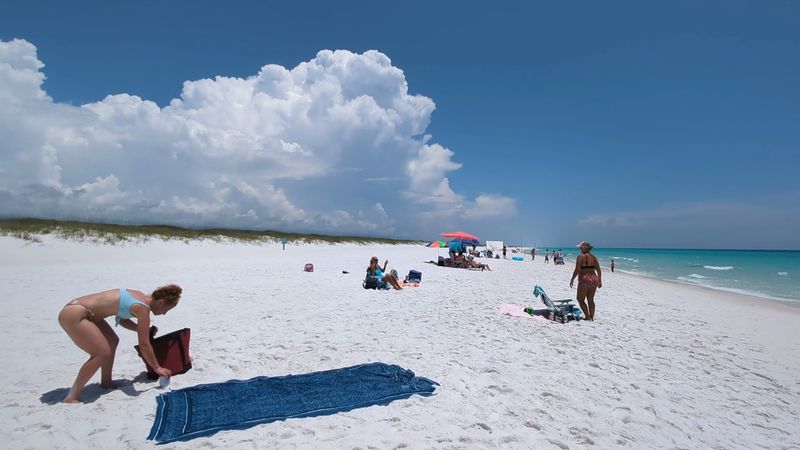
Getting stung by a jellyfish at Navarre Beach doesn’t have to ruin your entire trip if you know how to respond correctly. The wrong treatment can actually make the pain worse and extend your recovery time. Lifeguards see the same mistakes repeatedly from well-meaning beachgoers who rely on myths instead of science.
First rule is to get out of the water immediately and carefully remove any visible tentacles using a stick, shell, or gloved hand. Never use bare skin to pull off tentacles because you’ll just spread the venom to your hands. Rinse the affected area with vinegar or salt water, but absolutely never use fresh water because it causes the stinging cells to fire again.
The old myth about using urine needs to die. It doesn’t help and might actually worsen the sting depending on its composition. Hot water immersion works better than anything else for pain relief.
Soak the affected area in water as hot as you can tolerate for twenty to forty minutes.
The lifeguard stations at Navarre Beach Marine Park keep vinegar and hot water available for treating stings. They’ve dealt with hundreds of these situations and know exactly what works. Don’t be embarrassed to ask for help, even if the sting seems minor at first.
Some reactions worsen over time.
Watch for signs of allergic reaction including difficulty breathing, chest pain, or spreading hives. These symptoms require immediate emergency care. The park is equipped to handle basic first aid, but serious reactions need hospital attention.
Having someone’s medical information and knowing the location of the nearest emergency room before you even hit the beach is smart planning.
Over-the-counter pain relievers and hydrocortisone cream help with lingering discomfort after initial treatment. Most stings resolve within a few hours to a couple of days. Avoid scratching the affected area even though it itches because that can lead to infection.
Keeping the area clean and covered protects it while healing. The right response to a jellyfish sting means you might still salvage your beach day instead of spending it miserable in your hotel room.
Timing Your Visit Around Jellyfish Patterns
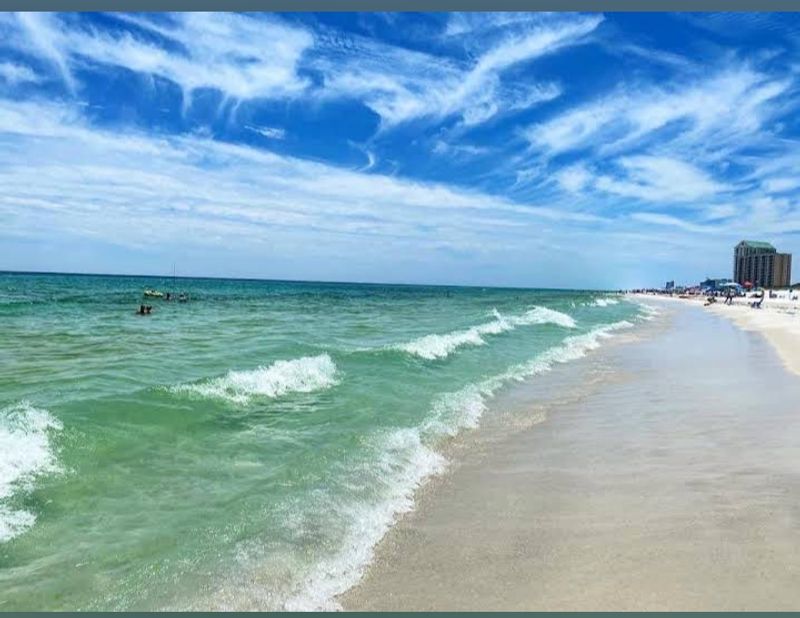
Smart planning can help you avoid the worst jellyfish encounters at Navarre Beach altogether. These creatures follow predictable patterns based on water temperature, wind direction, and seasonal cycles. Visitors who do a little homework before booking their trip significantly improve their chances of enjoying jellyfish-free swimming.
Fall and winter months bring the lowest jellyfish activity to the Gulf Coast. Water temperatures drop, and many species move to deeper, warmer waters offshore. Late October through March offers the best odds for clear swimming conditions, though you’ll need a wetsuit because the water gets chilly.
Spring break season coincides with the beginning of jellyfish migration back toward shore. April and May can go either way depending on yearly conditions. Summer brings peak jellyfish season with July and August seeing the highest concentrations of moon jellies and other species.
Wind direction matters more than most people realize. Sustained winds from the south or southeast push jellyfish toward shore, while north winds tend to keep them offshore. Checking the marine forecast for wind patterns helps you predict what you’ll encounter.
Several weather apps and websites provide specific jellyfish forecasts based on current conditions.
Following the Navarre Beach Marine Park social media accounts gives you real-time updates from people actually on the beach. Locals post warnings when jellyfish arrive in force, and lifeguards sometimes share official alerts. This crowdsourced information beats any forecast because it tells you exactly what’s happening right now.
Flexibility in your schedule helps tremendously. If you can adjust your beach days based on conditions rather than sticking to a rigid plan, you’ll have better experiences. Maybe Tuesday looks rough but Wednesday’s forecast shows shifting winds that’ll clear the jellies out.
Being willing to explore other Navarre attractions for a day or two while waiting for better water conditions shows wisdom that rigid vacation planning can’t match. The jellyfish will eventually move on, and the gorgeous water that makes Navarre Beach special will be waiting for you when conditions improve.