A Tiny $3 Museum Near Orlando Just Opened an Exhibit Filled With Carriages Dating Back to the 1790s
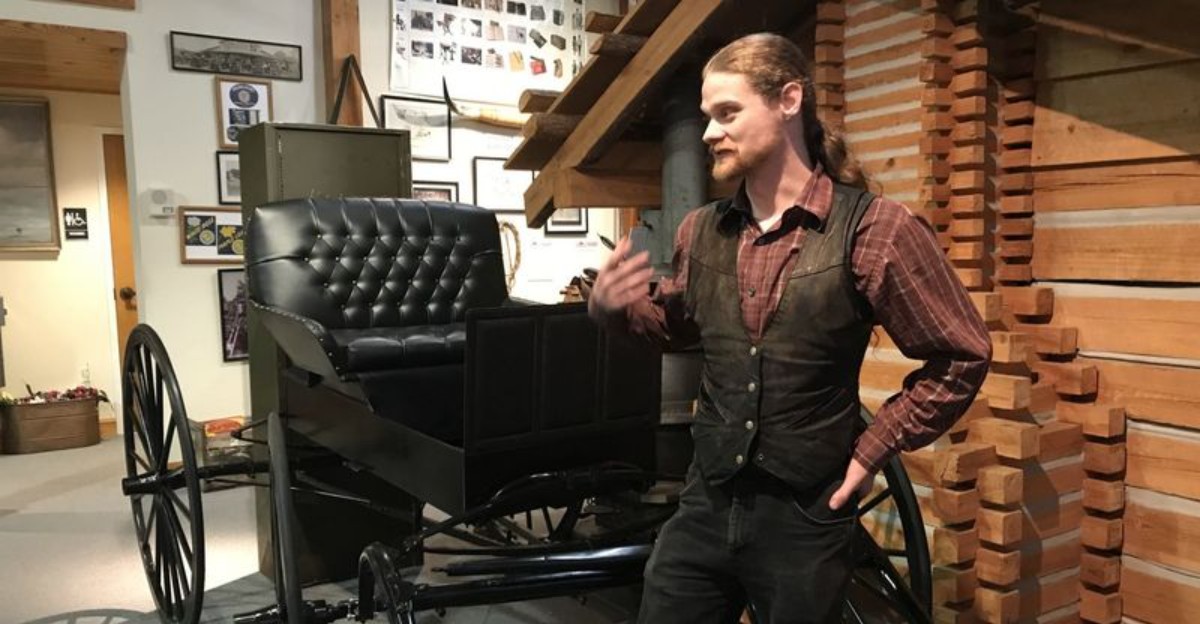
Forget the crowded theme parks and overpriced tourist traps. Just north of Orlando in Sanford, a charming little museum has quietly unveiled something spectacular: the Nygren Carriage Collection, featuring more than two dozen horse-drawn vehicles that roll straight out of American history. Some of these beauties date back to the 1790s, and you can see them all for just $3.
It’s the kind of authentic Florida experience that reminds you there’s so much more to Central Florida than roller coasters and resort hotels.
1. The Nygren Carriage Collection Arrives at Last
After years of anticipation, the Museum of Seminole County History has finally opened the Nygren Carriage Collection to the public. This isn’t just a handful of old buggies gathering dust. We’re talking about more than two dozen authentic horse-drawn vehicles that span centuries of American transportation history.
The collection comes from a Geneva man whose family generously donated these treasures after his passing. Each carriage tells its own story, from elegant Victorian-era coaches that once carried wealthy passengers through cobblestone streets to rugged farm wagons that hauled supplies across frontier landscapes. Some pieces date all the way back to the 1790s, making them older than Florida’s statehood.
Museum staff spent considerable time preparing the space to accommodate these sizeable artifacts. The carriages are now beautifully displayed with informative placards that explain their origins, uses, and the craftsmanship that went into building them. You’ll notice the intricate woodwork, hand-forged metal components, and leather details that reveal how much skill went into creating transportation before the automobile era.
For anyone who appreciates history, craftsmanship, or just wants to see something genuinely unique near Orlando, this collection delivers. It’s a rare chance to stand inches away from vehicles that carried people through completely different chapters of American life.
2. A Museum Housed in Florida’s Last Standing County Old Folks Home
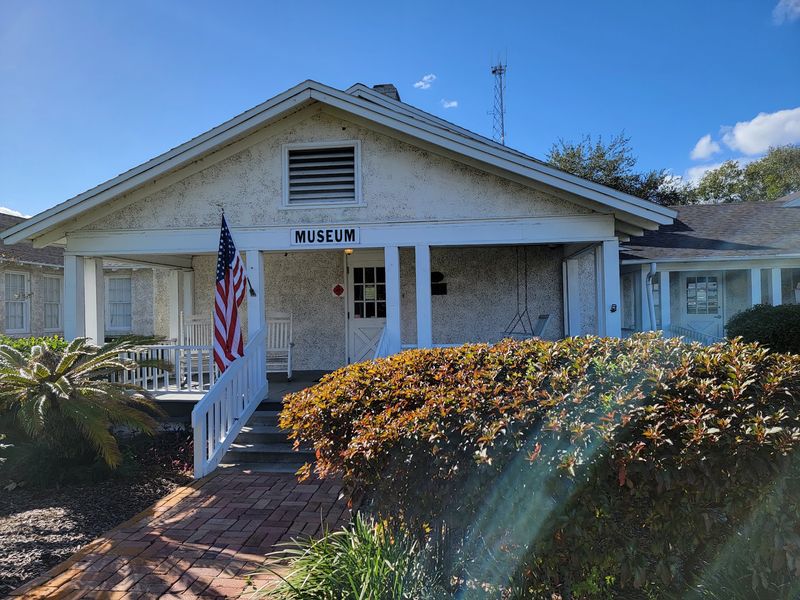
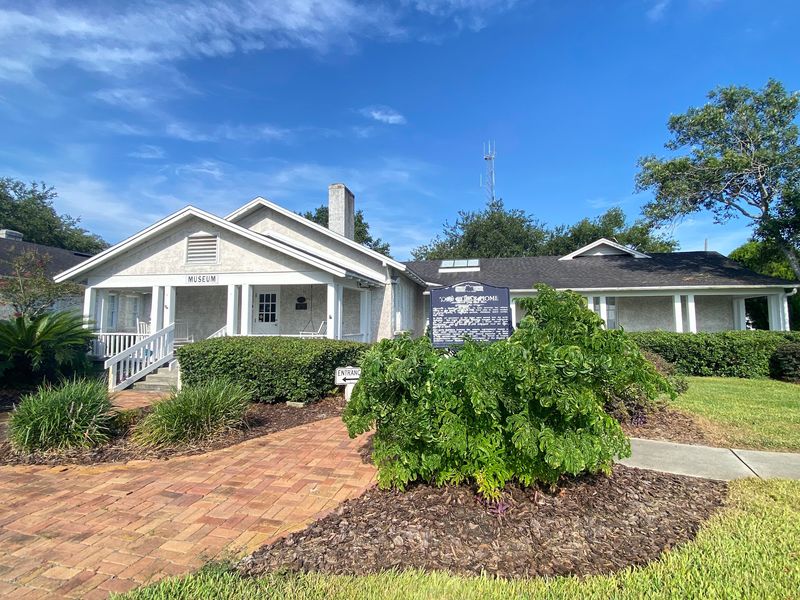
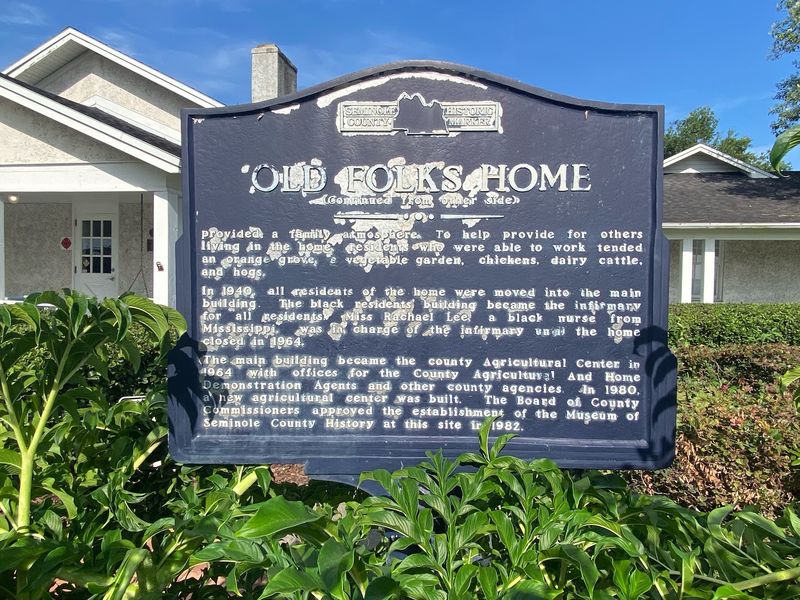
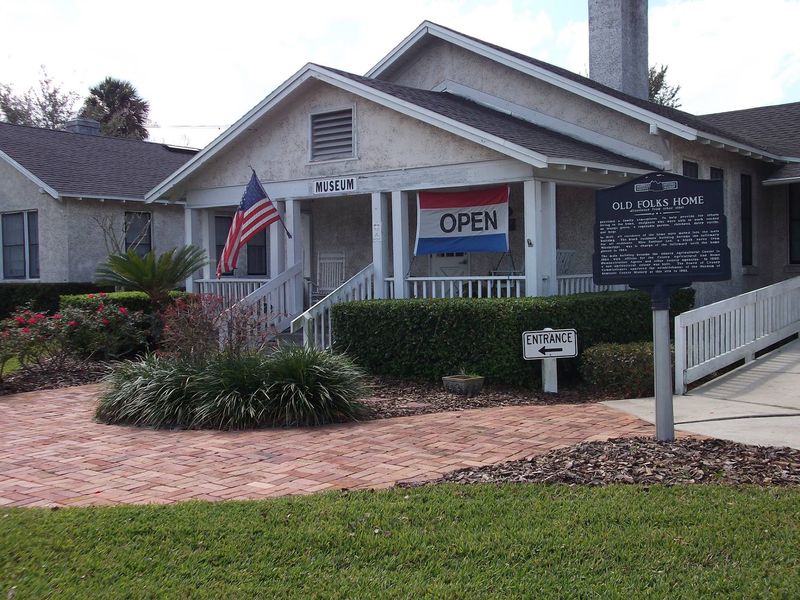
The museum itself sits inside a fascinating piece of Florida history. Built in 1926, this structure is believed to be the only county “Old Folks Home” still standing in the entire state. Before Social Security existed, counties had to care for residents who couldn’t support themselves, and Seminole County built this facility on 82 acres of farmland.
The building’s exterior features a distinctive finish called “pebble dash” that gives it a textured, almost rough-stone appearance. This unique architectural detail helped earn the building a spot on the National Register of Historic Places in 1999. Walking up to it feels like stepping back nearly a century.
Inside, the layout still hints at its original purpose. Residents once had private rooms and shared dining areas, separated by race as was unfortunately common in that era. Everyone who was able contributed to the home’s operations by tending orange groves, vegetable gardens, chickens, dairy cattle, and hogs right on the property.
Miss Rachael Lee, a Black nurse from Mississippi, ran the infirmary until the home closed in 1964. After that, the building served as an agricultural center before becoming the museum in 1982. Now it houses artifacts and stories from across Seminole County’s past, making it both exhibit and artifact at the same time.
3. Adult Admission Is Just $3 Plus Tax
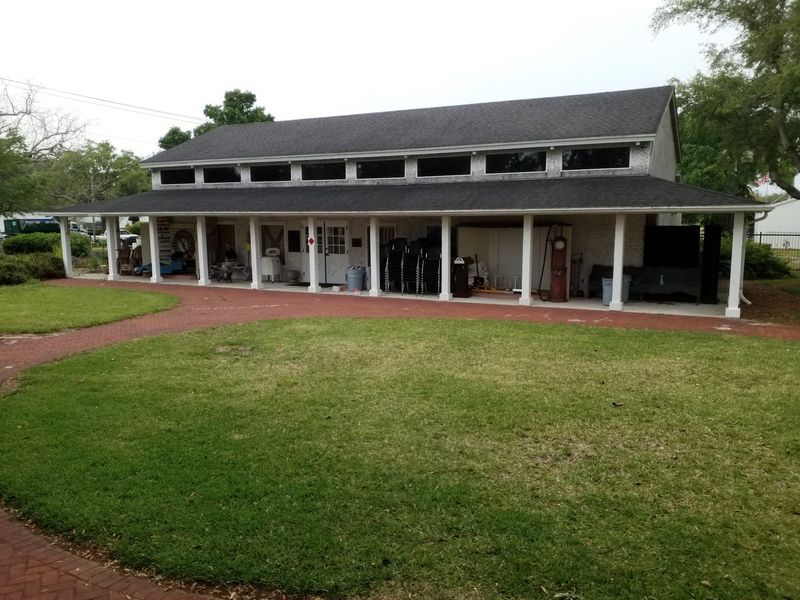
In an era when theme park tickets can run you well over $100 and even modest attractions charge $20 or more, the Museum of Seminole County History keeps things refreshingly affordable. Adult admission currently sits at just $3 plus tax. Students and veterans pay even less at $1, making this one of the best bargains in Central Florida.
That modest entry fee gets you access to the entire museum, including the brand-new carriage collection, rotating exhibits, and permanent displays covering everything from Native American artifacts to the region’s citrus and celery boom years. You’ll also see military memorabilia, railroad history, and even remnants of the famous Senator tree, a 3,500-year-old bald cypress that was once Florida’s oldest tree.
Most visitors spend 45 minutes to an hour exploring at their own pace, though history enthusiasts often linger longer. The museum operates Tuesday through Saturday from 10:00 AM to 5:00 PM, staying closed on Sundays and Mondays. There’s no need to rush through, and restrooms are available on-site.
Considering what you get for three bucks, it’s almost silly not to stop by if you’re anywhere near Sanford. The staff and volunteers are passionate about local history and happy to answer questions or share stories that aren’t on the display cards.
4. Passionate Staff Who Actually Know Their Stuff
One thing that sets this museum apart is the genuine enthusiasm of the people who run it. Multiple visitors rave about Bennett Lloyd, the museum coordinator, who leads tours and special programs with an infectious love for Seminole County history. Parents especially appreciate how he engages children, making history feel exciting rather than like a boring school assignment.
The staff and volunteers aren’t just standing around watching the clock. They’re deeply knowledgeable about the exhibits and eager to share fascinating anecdotes you won’t find on the placards alone. Ask a question about any artifact, and you’re likely to get a detailed, engaging answer that connects it to broader historical themes.
During guided tours, Lloyd and other educators bring the past to life with storytelling that holds attention across age groups. Some tours even include hands-on activities, like the spear-throwing demonstration that delighted one family’s elementary-aged boys. It’s the kind of personal touch that transforms a casual museum visit into a memorable educational experience.
The friendly, welcoming atmosphere makes first-time visitors feel comfortable asking questions or requesting more information about specific displays. Unlike larger institutions where you might feel like just another ticket number, this museum treats guests like neighbors who deserve quality time and attention. That hospitality leaves a lasting impression.
5. Exhibits That Cover the Real Central Florida Story
The Museum of Seminole County History doesn’t just skim the surface of local heritage. Its exhibits dig deep into the authentic roots of Central Florida, covering topics that theme parks and tourist brochures conveniently ignore. You’ll find early Native American artifacts that predate European contact, displays about the Seminole Wars that shaped the region, and detailed information about the massive citrus and celery industries that once dominated the local economy.
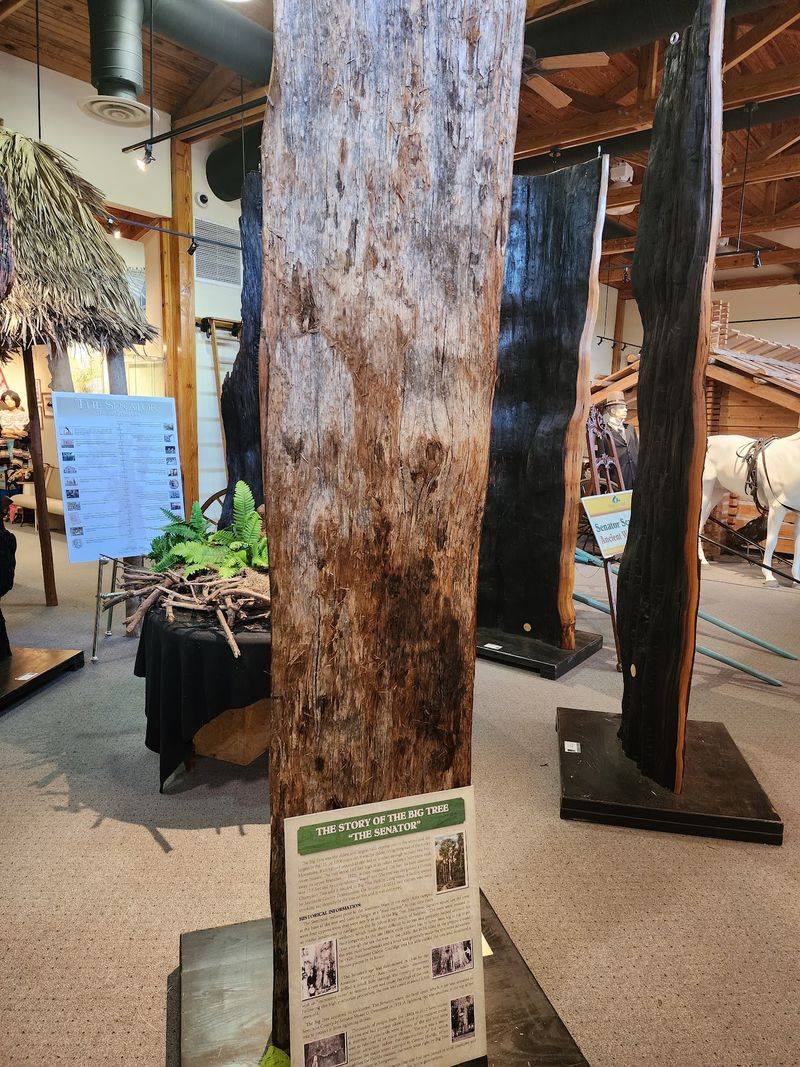
One particularly moving exhibit features remnants of the Senator tree, a 3,500-year-old bald cypress that stood in nearby Big Tree Park until a fire destroyed it in 2012. The museum displays massive sections of the trunk arranged to show the tree’s original circumference, along with beautiful items carved from the salvaged wood. Standing next to these pieces connects you to millennia of Florida history in a tangible way.
Other rooms explore railroad history, military contributions from local residents, and the daily lives of pioneers who settled this area. Historical photographs line the walls, showing what Sanford and surrounding towns looked like generations ago. The exhibits change periodically, with rotating displays that keep repeat visitors engaged.
Everything is presented with care and context, helping you understand not just what happened, but why it mattered and how it shaped the Central Florida we know today.
6. Perfect for Homeschool Groups and Field Trips
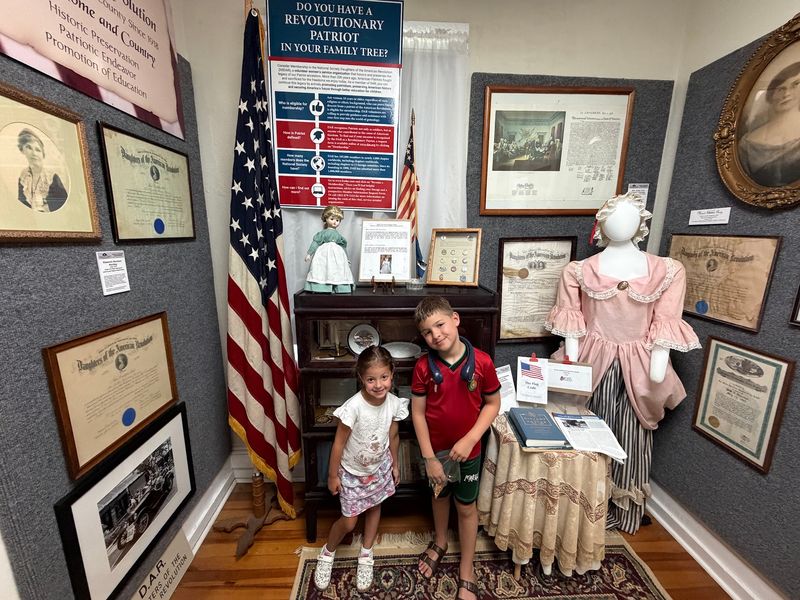
Teachers and homeschooling parents have discovered that the Museum of Seminole County History offers exceptional educational value for students of all ages. The museum regularly hosts field trips and has developed programs specifically designed to engage young learners with Florida history in hands-on, memorable ways.
History Camp is one popular offering, though it’s limited to children under 13. Kids who attend come away with detailed knowledge about Seminole County’s past, presented in ways that stick with them far better than textbook reading ever could. The museum coordinator’s teaching style keeps students engaged regardless of their age or prior interest in history.
One homeschooling family reported that their children of varying ages all stayed engaged throughout their visit, absorbing information about local history that connected to their broader studies. The guides understand how to adapt their presentations to different age groups, making the experience valuable whether you’re bringing kindergarteners or high schoolers.
Beyond regular tours, the museum hosts special events throughout the year. Past programs have included live historical reenactments, cultural celebrations like Santa Lucia Day highlighting Swedish immigrant heritage, and interactive demonstrations. These events transform the museum from a static display space into a living classroom where history feels immediate and relevant.
For educators seeking affordable, enriching field trip destinations near Orlando, this museum delivers substance without the chaos of larger attractions.
7. A Hidden Gem That Locals Are Starting to Discover
Despite being a 4.7-star rated attraction with over 120 reviews, the Museum of Seminole County History remains surprisingly under-visited compared to Central Florida’s more famous destinations. That’s actually part of its charm. You won’t fight crowds here or wait in lines.
Instead, you’ll enjoy a peaceful, contemplative experience where you can actually read every placard and study artifacts without being jostled.
The museum sits on lovely grounds at 300 Eslinger Way in Sanford, about a 30-minute drive north of downtown Orlando depending on traffic. It’s tucked away enough that you won’t stumble upon it accidentally, but easy to reach once you know it’s there. Free parking makes arrival stress-free.
Local residents who discover the museum often become repeat visitors, returning for new exhibits or bringing out-of-town guests who want to experience authentic Florida rather than manufactured entertainment. The quiet atmosphere creates space for genuine learning and reflection, something increasingly rare in our overstimulated world.
Some visitors admit they initially had low expectations for such an inexpensive, modest-sized museum. Nearly everyone leaves pleasantly surprised by how much history is packed into the space and how professionally everything is presented. It’s the kind of place that makes you wonder why more people don’t know about it yet.
8. More Than Just Carriages: The Full Museum Experience
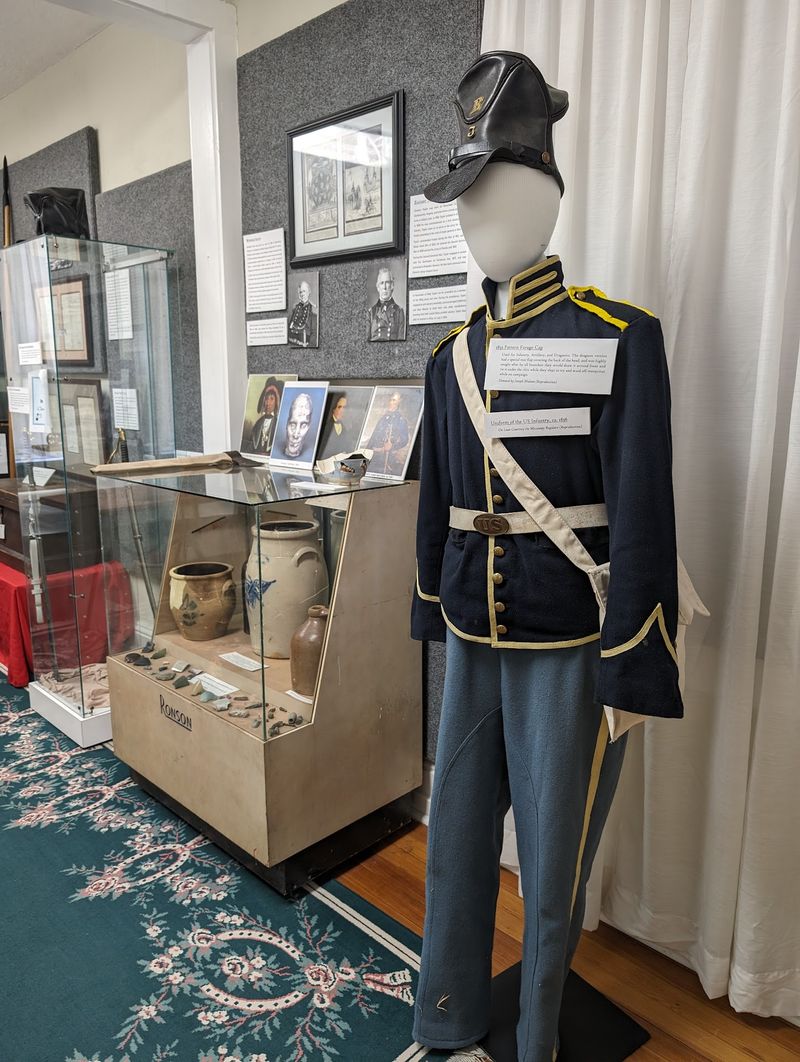
While the new carriage collection is certainly the headline attraction right now, limiting your visit to just those exhibits would mean missing out on the museum’s broader treasures. The permanent collection spans thousands of years of human history in this region, presented in thoughtfully curated displays throughout multiple rooms.
Art pieces from local artists add visual interest alongside historical photographs and documents. You’ll see everything from antique furniture and clothing to tools, household items, and personal belongings that reveal how daily life has changed over generations. Each city in Seminole County gets its own focused attention, helping visitors understand the distinct character and history of different communities.
The museum even utilizes unconventional spaces creatively. One visitor noted with amusement that even the ladies’ room features historical displays, showing the staff’s commitment to maximizing every square foot for educational purposes. A replica pioneer cabin demonstrates what frontier living conditions were actually like in Florida, giving modern visitors perspective on how much comfort and convenience we take for granted.
Special exhibits rotate every few months, giving repeat visitors fresh content to explore. Recent temporary displays have focused on everything from Swedish immigrant culture to America’s 250th anniversary preparations. This combination of permanent and changing exhibits ensures the museum stays relevant and engaging for both first-time guests and history enthusiasts who return regularly.