A Tiny Florida Spring With Caribbean-Blue Water Is Hiding Near The Suwannee River
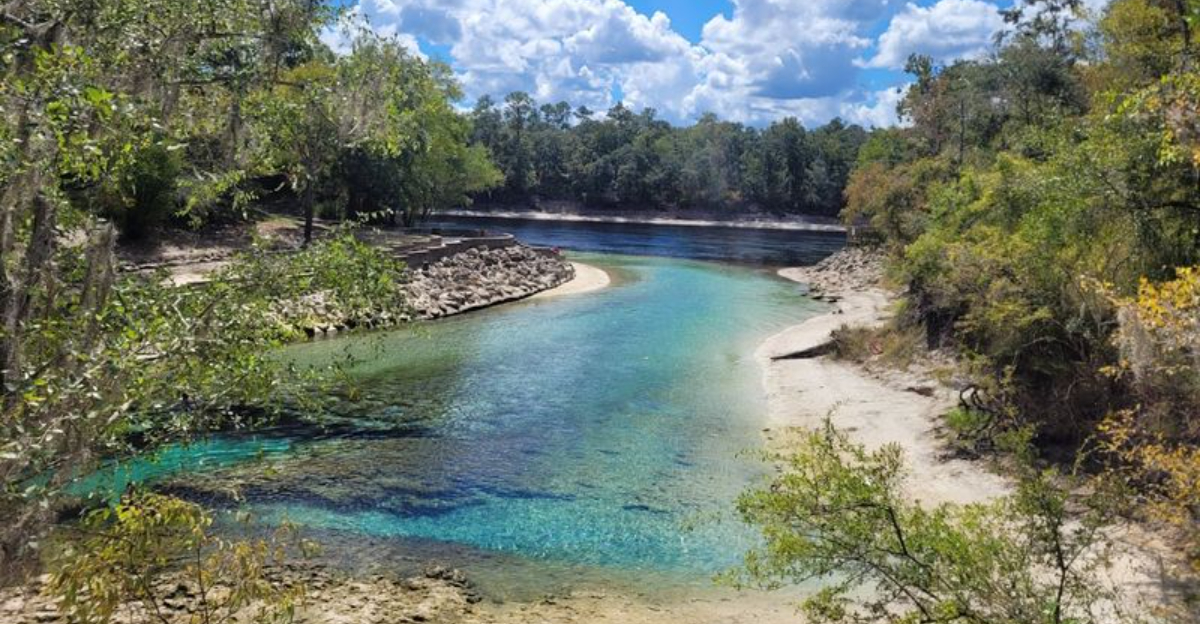
Tucked away in the quiet town of O’Brien, Little River Springs offers a slice of paradise that feels more like the Caribbean than North Florida. This hidden gem features crystal-clear turquoise water that flows directly into the legendary Suwannee River, creating a stunning natural playground perfect for families and adventure seekers alike. With its sandy beach area, accessible pathways, and remarkably clear spring water, this spot has become a favorite among locals who want to escape the crowds without sacrificing beauty or convenience.
1. That Unreal Caribbean-Blue Water Everyone’s Talking About
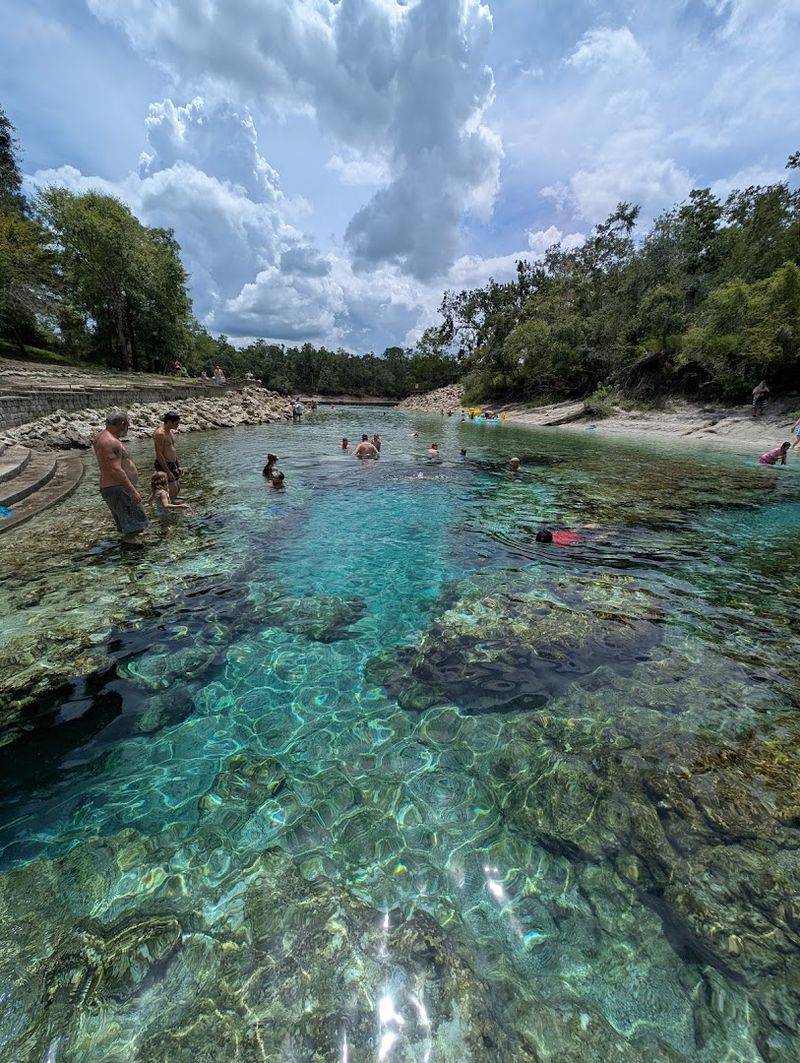
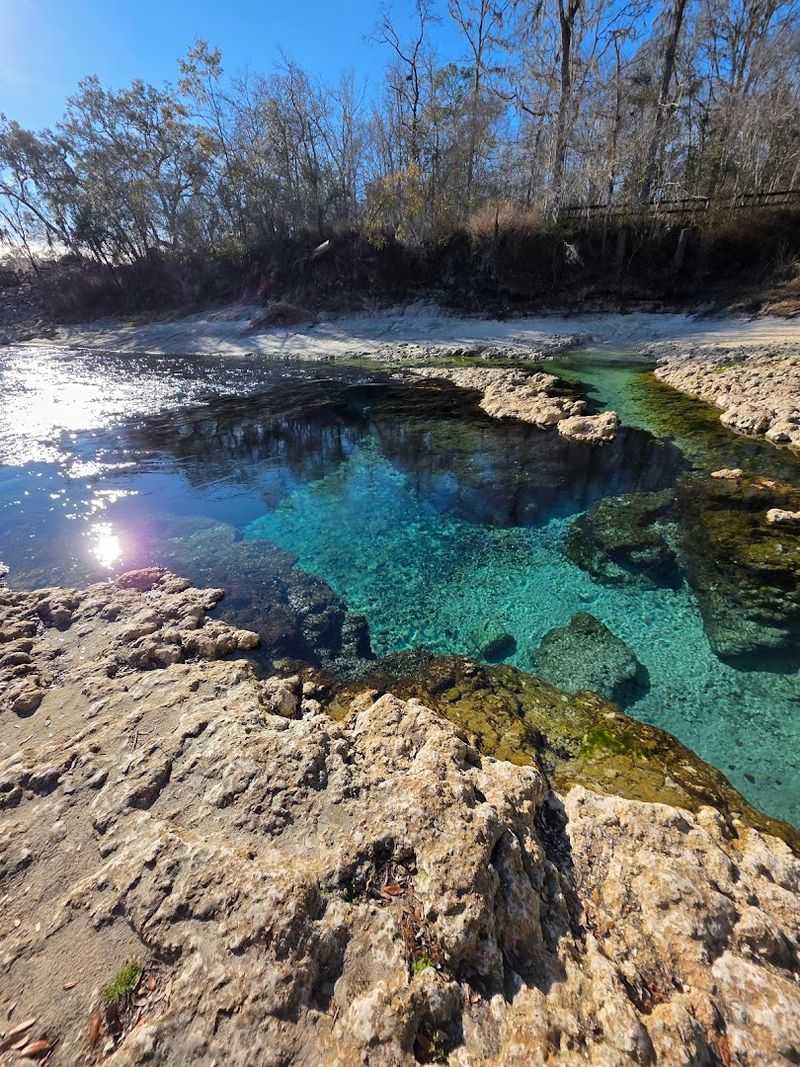
The first thing that’ll stop you in your tracks is the color. We’re talking water so blue and clear it looks photoshopped, except it’s completely real and waiting for you to jump in. The spring maintains a constant 72-degree temperature year-round, which means it feels refreshingly cool in summer and surprisingly warm during winter months.
That stunning clarity comes from the limestone aquifer system filtering the water naturally as it bubbles up from underground caves. You can see every detail on the white sandy bottom even when you’re floating over the deeper sections near the spring head, which drops to about 10-15 feet. Scuba divers regularly explore the cave system here, giving you something fascinating to watch from above.
What makes this spot extra special is where the crystal-clear spring water meets the tannin-stained Suwannee River. You get this dramatic line where turquoise collides with dark amber, creating two completely different swimming experiences just feet apart. Kids love playing in the shallow spring areas where visibility is perfect, while the river side offers warmer water if you get chilly from the spring’s constant coolness.
2. A Sandy Beach That Feels Like The Coast (But Way Better)
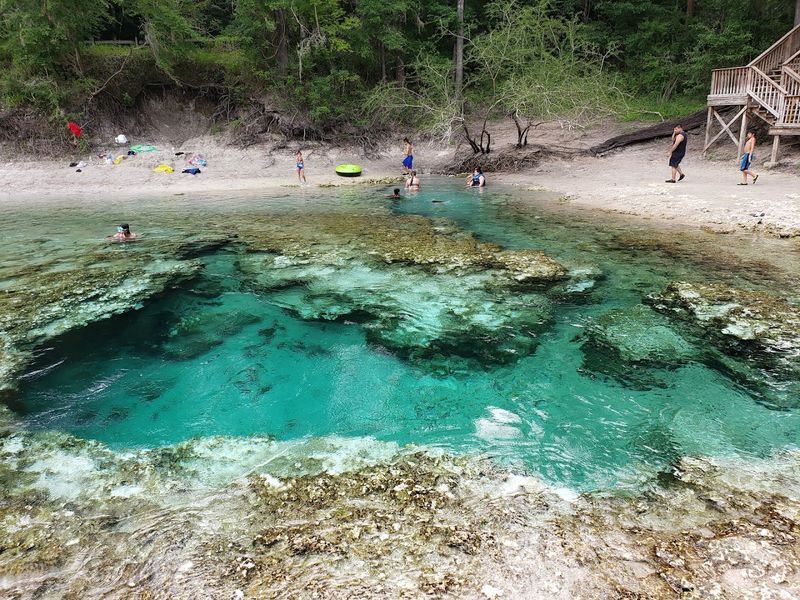
Forget fighting for towel space at crowded Gulf beaches. Little River Springs has its own gorgeous sandy beach right where the spring meets the Suwannee River, and it’s way less chaotic than any coastal spot you’ll find. The beach area is surprisingly spacious, giving families plenty of room to spread out with coolers, toys, and shade tents without feeling cramped.
This beach setup is perfect for parents with little ones because the water stays shallow for quite a distance. Toddlers can splash around safely while you actually relax instead of hovering nervously. The sand is soft and white, not rocky or muddy like some river spots tend to be.
During dry season, the water levels drop even lower, exposing more beach area and creating these cool mini-waterfalls where the spring spills into the river. It’s a completely different vibe than high-water months, but equally beautiful. Some visitors actually prefer the low-water conditions because you can walk along the exposed riverbank and see the cypress tree roots that are normally underwater.
Just remember to bring water shoes because the rocks around the spring head can be sharp underfoot.
3. Paved Pathways That Actually Make Sense
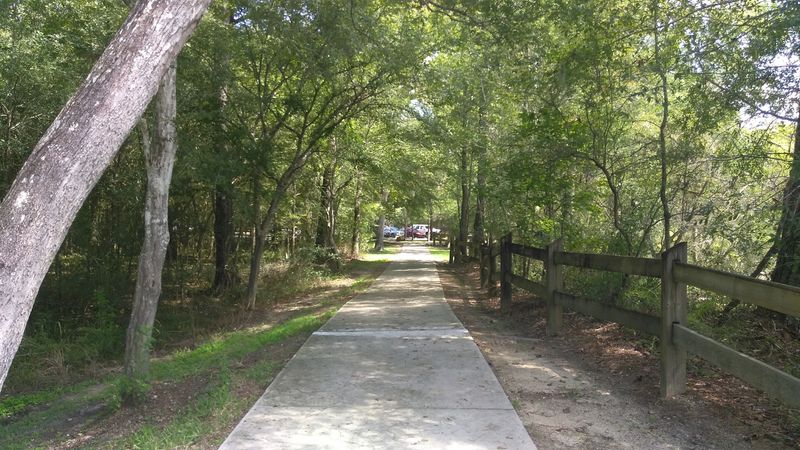
Here’s something you don’t find at every spring: thoughtfully designed paved walkways that make exploring ridiculously easy. The park features multiple staircases and ramps leading down to different sections of the spring, so you can access various swimming spots without scrambling down muddy banks or sketchy trails. It’s the kind of planning that makes a huge difference when you’re hauling gear or helping kids navigate.
The wheelchair ramp is a game-changer and pretty rare for Florida springs. People with mobility challenges can actually get down to the water and enjoy this natural wonder, which unfortunately isn’t possible at many other spring locations. County management has really stepped up the maintenance game here, keeping paths clear and safe.
Walking trails wind through the property, giving you nice views of the surrounding forest and the spring from different angles. These aren’t grueling hikes, just pleasant strolls through beautiful scenery that’s mostly shaded. You can easily explore the entire park in an afternoon while working up an appetite for a picnic.
The infrastructure here strikes a perfect balance between preserving the natural setting and making it genuinely accessible for everyone, not just hardcore outdoors types.
4. Why Early Birds Win At Little River
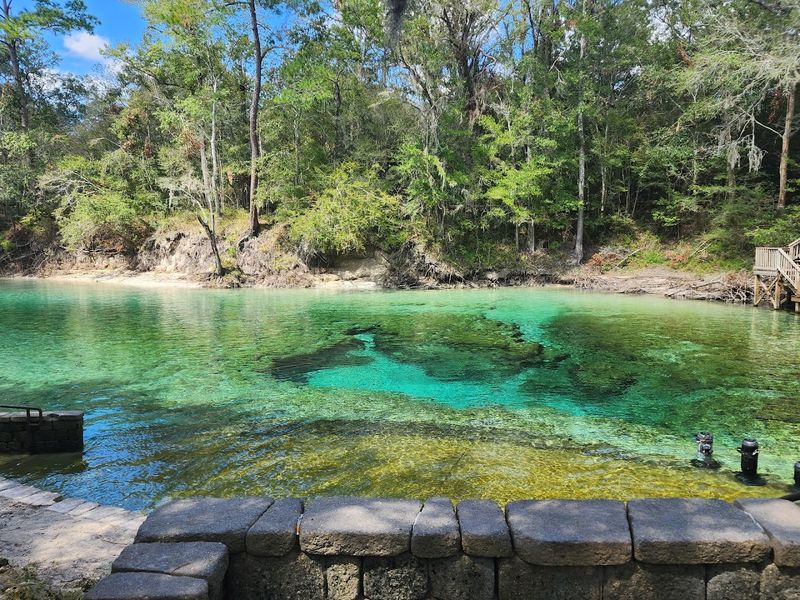
Timing is everything at Little River Springs, and getting there early transforms your entire experience. The parking lot isn’t massive, and during peak summer weekends, you might find yourself waiting at the gate if you roll in late morning. But show up when they open at 9 AM, and you could have this entire paradise practically to yourself for at least an hour or two.
Weekdays are your secret weapon for avoiding crowds altogether. Visitors consistently report having the whole spring to themselves on Tuesday or Wednesday mornings, especially once school is in session. That kind of solitude at a place this beautiful is pretty much unheard of at Florida’s more famous springs.
Early arrival also means you can claim your favorite picnic pavilion without drama. The park has three covered areas with tables, and they’re first-come, first-served. Getting there early lets you set up base camp for the day without worrying about finding shade later when the sun gets intense.
Plus, the morning light on that turquoise water is absolutely stunning for photos. The spring looks magical in those early hours before the midday sun gets harsh and the crowds arrive.
5. The Real Deal On Facilities And What To Bring
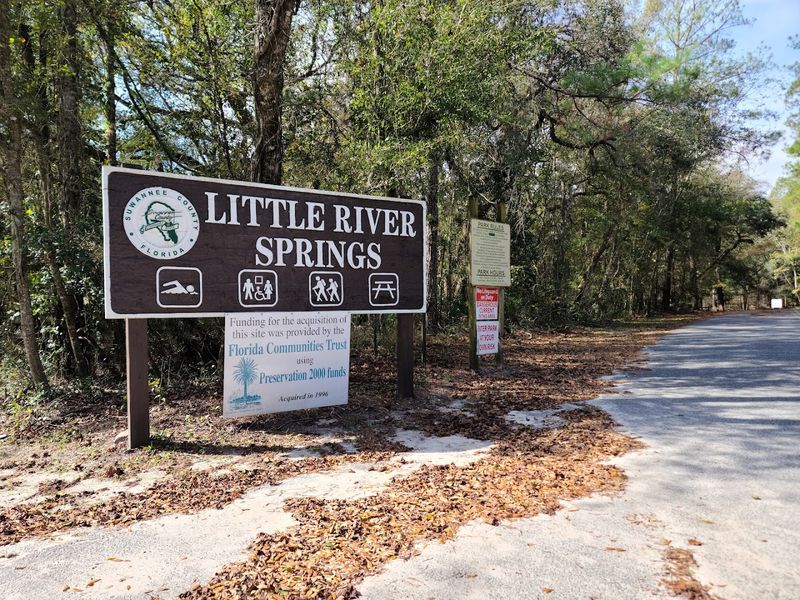
Let’s talk logistics because knowing what to expect makes your trip way smoother. Little River Springs uses porta-potties instead of flush toilets, which is honestly the only real downside to this place. They’re maintained and clean according to most reviews, but if you’re the type who needs proper restroom facilities, plan accordingly or hit up a gas station before arriving.
The entrance fee is five bucks per vehicle, and here’s the catch: they only take cards, no cash. Make sure you’ve got a working credit or debit card before you drive all the way out there. Veterans get in free, which is a nice touch.
The fee supports park maintenance, and honestly, the improvements show.
Pack a cooler with drinks and snacks because there’s nothing to buy on-site. The picnic pavilions have grills if you want to cook out, making this perfect for a full-day adventure. Bring water shoes for walking on rocks, plenty of sunscreen, and towels.
Consider packing a tent or canopy for extra shade on the beach since the pavilions might be claimed. Don’t forget your snorkel gear if you want to check out the spring head up close and personal.
6. When River Levels Change Everything
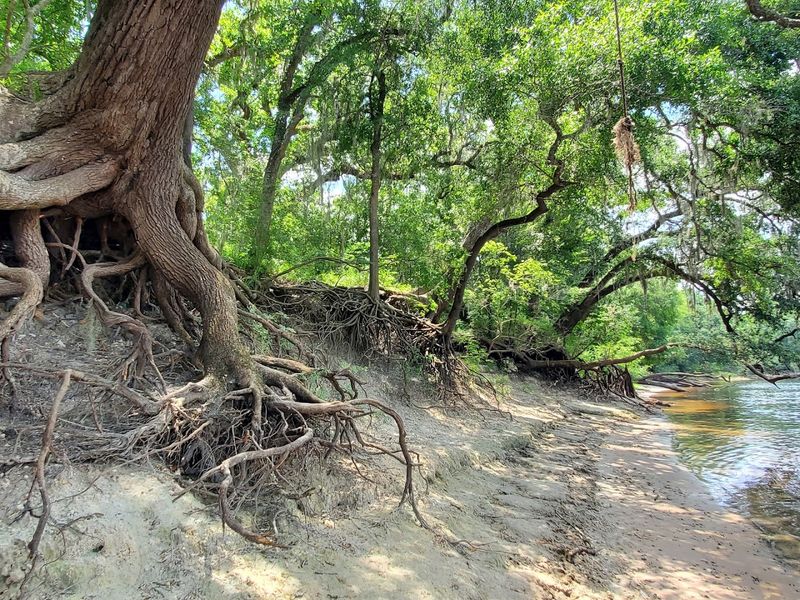
The Suwannee River has mood swings, and they dramatically affect what Little River Springs looks like when you visit. During high water periods, the river can actually back up into the spring area, reducing that crystal-clear visibility and making the beach smaller or even submerged. It’s still pretty, just different from those iconic turquoise photos you’ve probably seen online.
Low water conditions, which have been more common lately due to drought, create a completely unique experience. The river drops enough that you can walk along exposed banks and shoreline areas normally underwater. You’ll see cypress tree roots, interesting rock formations, and have access to parts of the landscape typically hidden beneath the surface.
Some visitors actually prefer this because it feels more exploratory and adventurous.
Smart move: call ahead to check current conditions before making the drive. The park phone number is listed, and staff can tell you what the river’s doing. This is especially important if you’re planning to bring kayaks, because launching can be nearly impossible during extreme low water.
The spring itself stays consistently beautiful regardless of river levels, but your overall experience definitely varies depending on whether the Suwannee is running high, low, or somewhere in between.
7. Cave Divers And The Deep Blue Mystery Below
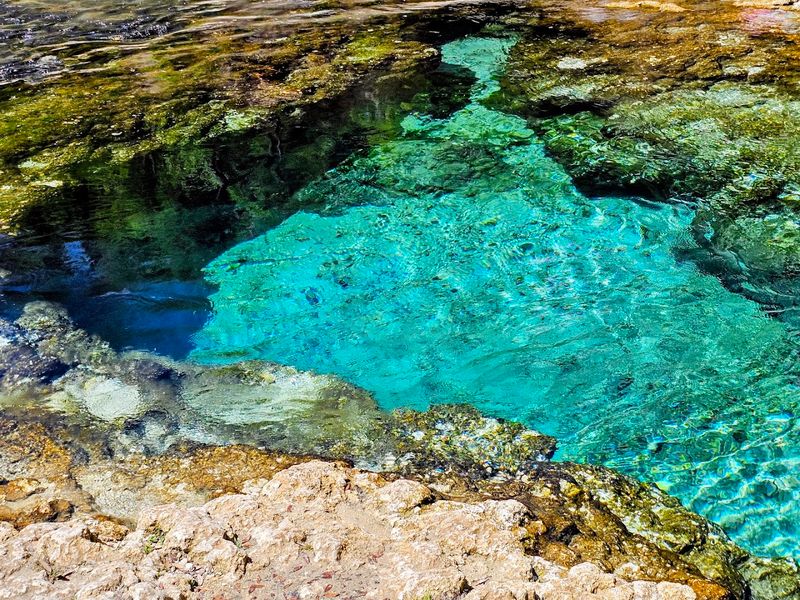
While you’re floating on the surface enjoying the view, there’s an entire underwater world happening beneath your feet. The spring head drops to about 10-15 feet and connects to an extensive cave system that certified cave divers regularly explore. Watching these divers gear up and disappear into the depths adds an element of adventure and mystery to your visit that most springs don’t offer.
Cave diving is serious business requiring special training and certification, so this isn’t something casual swimmers should attempt. But observing the divers is genuinely cool, especially for kids who get fascinated watching someone vanish into an underwater cave entrance. The spring produces a strong flow of water pumping up from these limestone caverns, creating that constant clarity and perfect temperature.
The depth and cave system mean there’s always something interesting happening below the surface. Snorkeling over the spring head gives you a peek into that deep blue void where the caves begin, which is both beautiful and slightly eerie. You might spot fish hanging around the entrance or see the sandy bottom giving way to darker depths.
It’s a reminder that Florida’s springs are connected to massive underground river systems we’re only beginning to fully understand and explore.
8. Why County Management Changed Everything
Long-time visitors will tell you that Little River Springs has transformed dramatically since Suwannee County took over management. What was once a somewhat neglected spot with overflowing trash and minimal upkeep has become a properly maintained park that actually reflects how special this natural resource is. That five-dollar entrance fee goes directly toward keeping the place clean, safe, and accessible.
You’ll notice the difference immediately in small details: trash isn’t overflowing, the pathways are maintained, and there’s usually a deputy on-site providing security. These improvements mean families can visit without worrying about sketchy conditions or unsafe situations. The park has gone from a local swimming hole to a legitimate destination that’s managed professionally while still maintaining its natural character.
The county has also tackled erosion issues near the spring head, asking visitors not to dig at walls that could be dangerous if they collapse. These protective measures ensure the spring stays beautiful and safe for future generations. Proper management has made Little River Springs more popular, which means it can get busier than the old days, but most visitors agree the tradeoff is worth it.
You’re getting a clean, safe, well-maintained natural area that still feels authentic and uncommercial, which is increasingly rare in Florida.