America’s First Gypsy Vanner Horses Arrived Through This Remarkable Ocala, Florida Farm
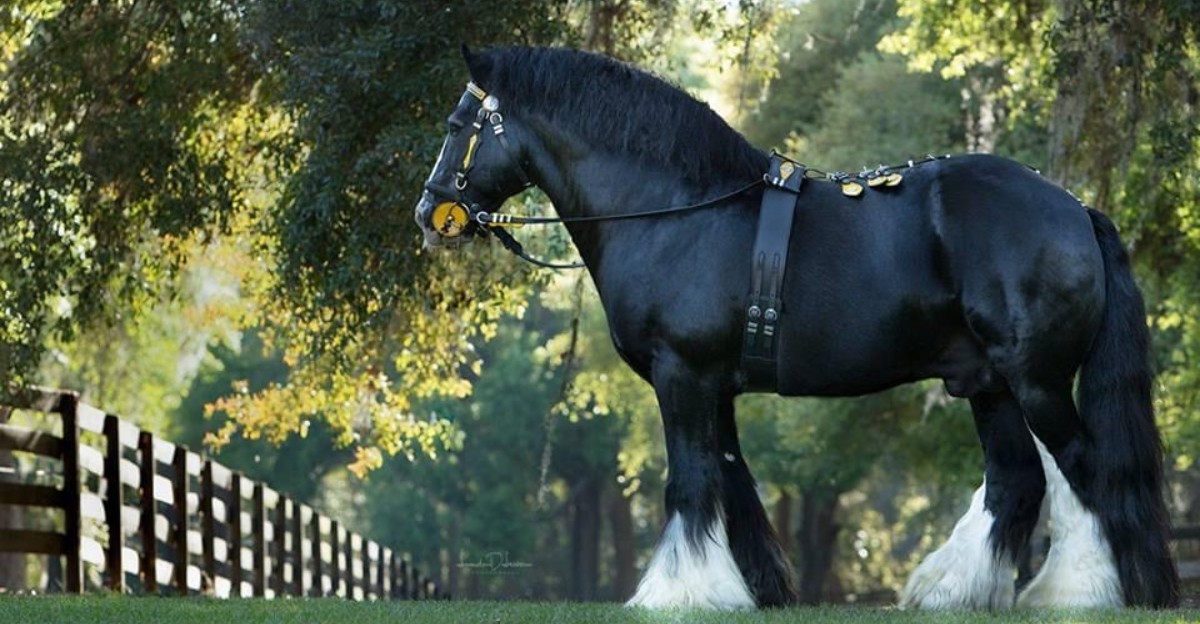
Ocala is famous for its deep equestrian roots, but one local farm holds a particularly fascinating place in American horse history. Gypsy Gold Horse Farm helped introduce the Gypsy Vanner horse to the United States, bringing attention to a breed known for its flowing manes, feathered legs, powerful build, and remarkably striking appearance. Today, visiting the farm feels like stepping into a different corner of Florida’s horse country.
Guests can learn how the breed was developed, hear the story behind its arrival in America, and see these distinctive horses up close in the rolling countryside outside Ocala. What makes Gypsy Gold especially memorable is that it offers more than beautiful scenery. The experience blends history, horsemanship, and a rare breed that many travelers may have only seen in photographs.
For anyone interested in horses, unusual Florida attractions, or places with a story that goes far beyond the ordinary, this farm delivers something genuinely different. In a state packed with theme parks and beaches, Gypsy Gold Horse Farm proves some of Florida’s most remarkable experiences are found far from the usual tourist trail.
A Story That Started in England
Every great farm has a beginning, and this one starts across the ocean. Long before Ocala, the owner’s teenage years and time in England set the stage. Guests hear how the very first horse came into his life and changed everything.
Reviewers keep calling the tale a unique adventure. One visitor said the owner shared the moment that changed his life forever. Another said they could listen to his stories all day long.
That kind of praise is rare for a farm visit.
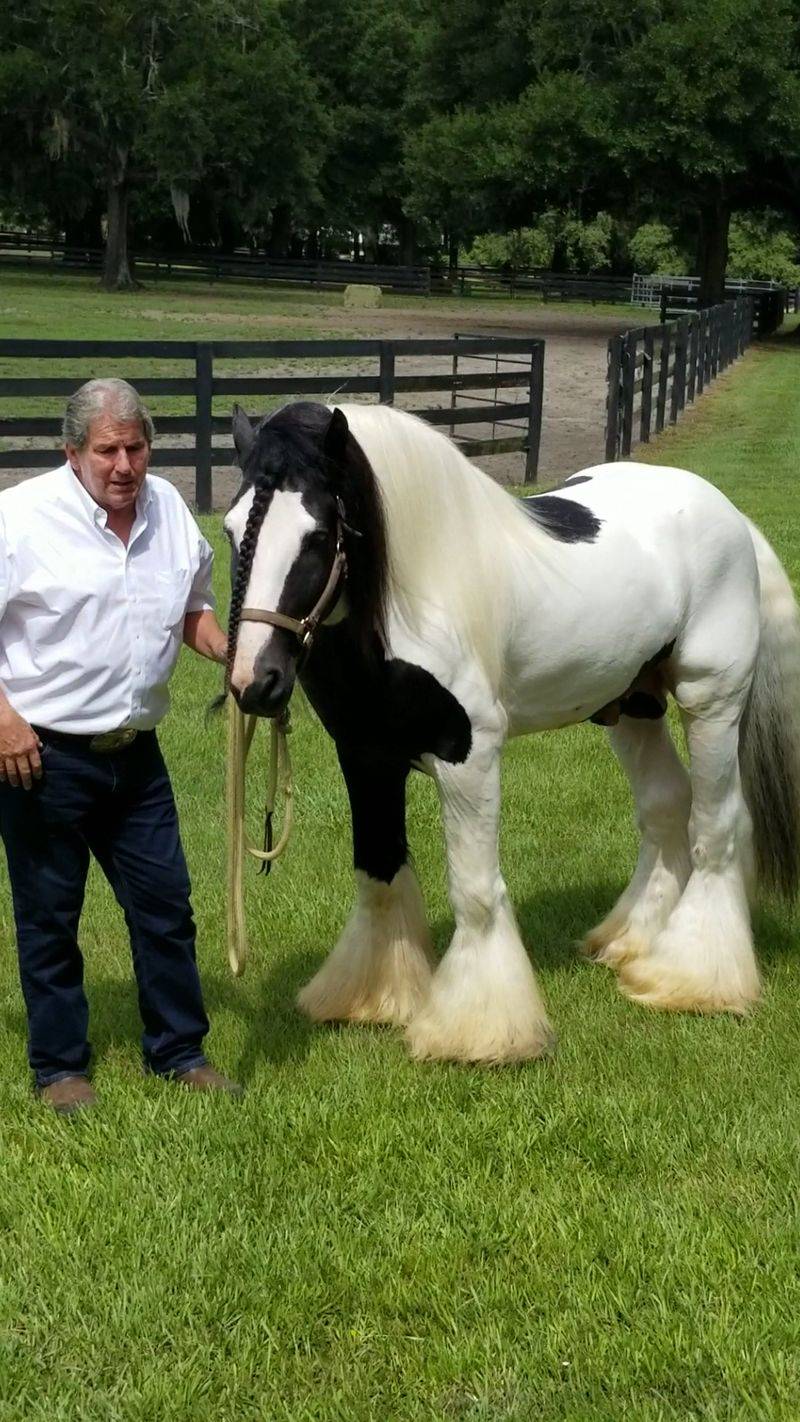
The story is told by Dennis Thompson, who runs the place with his wife Erin. He does not read from a script. He talks like a friend sharing a favorite memory, with jokes and details that stick in your mind.
Why does it matter? Because the horses feel different once you know where they came from. A black and white coat is pretty, but a coat with a history is unforgettable.
You start to see each animal as part of a long journey from England to Florida.
Here is a fun fact to carry with you. The Gypsy Vanner was bred by traveling families to pull colorful wagons, so the breed grew up close to people. That is why so many of these horses walk right up to strangers.
Plan to arrive a few minutes early so you can settle in and hear the opening chapter without rushing. Bring a notebook if you love details, because names, dates, and funny moments come fast. Kids often enjoy it too, since the tale sounds more like an adventure than a lesson.
By the time the walking part starts, you will already care about the herd. That is the secret sauce of this place. Story first, hooves second, and a whole lot of heart in between.
Many guests say they came for the horses but stayed for the storytelling. Give it your full attention and you may leave with a new hobby.
Meeting the Gypsy Vanners Up Close
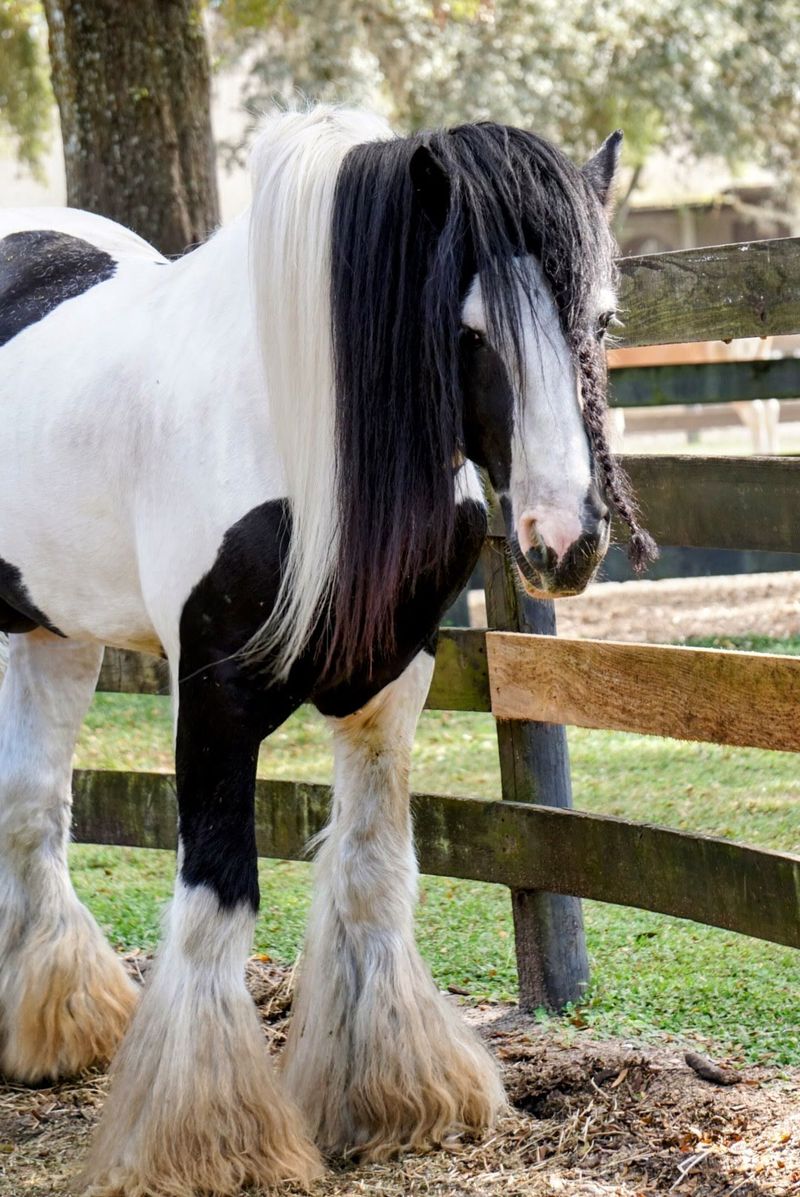
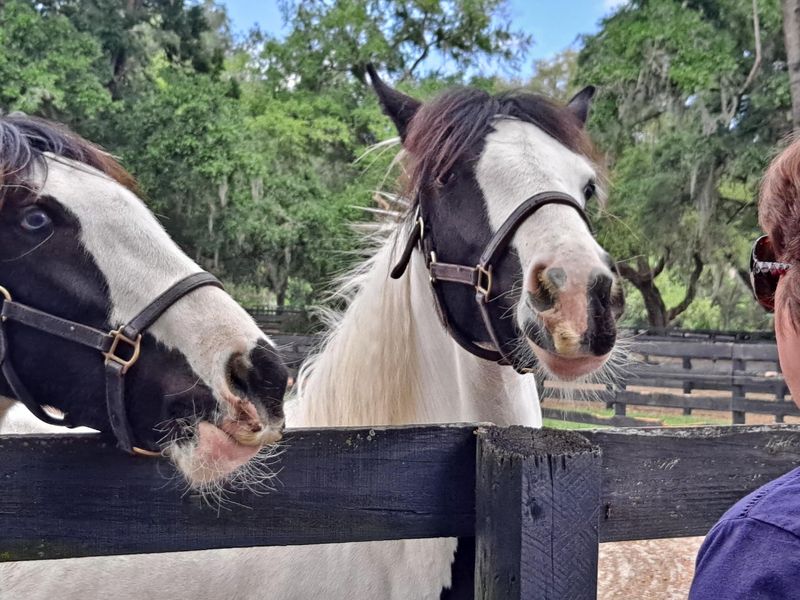
A horse with a mane like a waterfall and fluffy fur around its hooves. That is the Gypsy Vanner, and here you can stand close enough to count the patches on its coat. Visitors call the horses magnificent, majestic, and unlike anything they have seen.
Each horse has a name and a story, and the guides share them as you walk. You learn who is shy, who is bold, and who will nudge your pocket for a snack. It feels less like a zoo and more like meeting the neighbors.
One guest from Australia said the horses will love you if you bring treats. Another said you will never see this type of horse anywhere else. Those comments come up again and again in the reviews.
Look closely at the build. Gypsy Vanners are strong but compact, made to pull heavy wagons without losing their charm. Their thick feathering, sometimes called feather, is part of the breed’s signature look.
Photo fans should bring a phone with plenty of space. The mix of white, black, and brown patterns makes for postcard shots, especially in the soft light under the oaks. One visitor said they rarely take photos but could not stop here.
Move slowly and speak softly when a horse steps forward. Let them sniff your hand first, then offer a gentle pat on the neck. The staff will show you how, so no experience is needed.
Remember that these animals are well loved, and it shows in their shiny coats and calm eyes. Reviewers point out how well cared for the whole herd looks.
Leave time to just stand and watch. Sometimes the best moment is a horse simply looking back at you.
Carrots, Apples, and Snack Etiquette
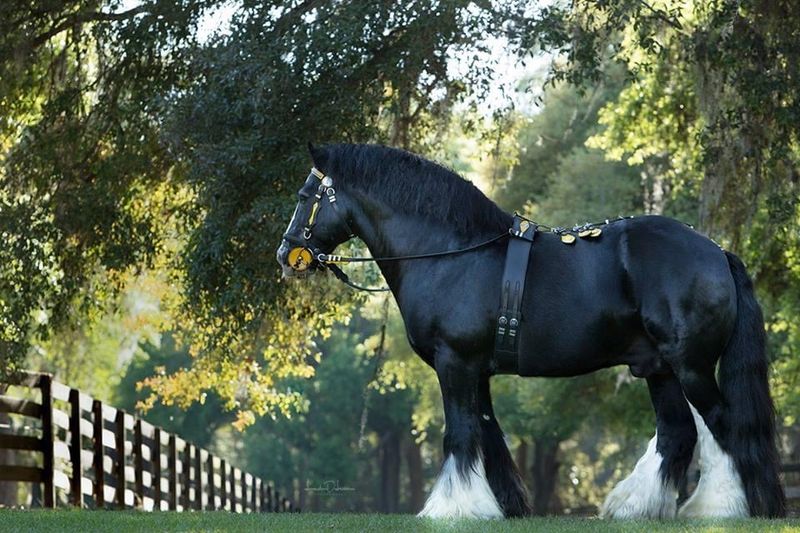
Bring carrots. Almost every reviewer says so, and the horses would agree. A bag of organic carrots and a bag of apples can make you the most popular person in the pasture.
One guest gave a smart tip: cut everything up before you arrive. Slices are easier for the horses and safer for little fingers. Flat, open hands work best, so nobody gets an accidental nibble.
Feeding time turns shy visitors into instant fans. Kids giggle when a big soft nose tickles their palm. Adults get just as excited, and no one is judging.
The mules and donkeys love treats too. Some fluffy donkeys follow guests around the whole tour, hoping for a handout. One reviewer said they were joined by donkeys the entire way.
Here is a quick etiquette guide. Wait your turn, keep your hand flat, and never wave food around like a flag. If a horse walks away, let it go and try again later.
Check with the staff before offering anything extra. They know each animal and can tell you what is fine to share. Their guidance keeps the herd happy and healthy.
Pack your snacks in a small bag so your hands stay free for petting and photos. A wet wipe or two will come in handy afterward. Horse slobber is real, and it is part of the charm.
The farm even offers cold snacks and drinks for hot days, which is a thoughtful touch. Still, the carrots are for the animals, so bring your own bag.
Donkeys, Mules, and Feathered Friends
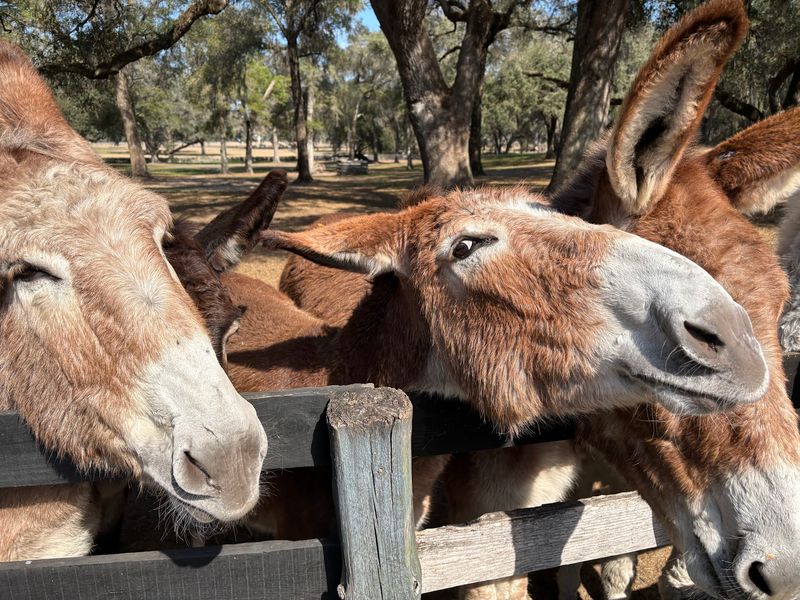
Plot twist: the horses are not the only stars. The donkeys keep stealing the spotlight, and the owners admit it themselves. Fluffy ones trot along beside you like tour guides with very big ears.
The farm has miniature donkeys, mammoth donkeys, and mules. Each type looks different, from pint-sized cuties to giants with serious stature. One reviewer called donkeys a personal favorite and planned a return to see the minis.
Then there are the parrots near the stables. Guests describe them as very entertaining, and yes, they can be loud and funny. They add a bit of tropical flair that fits Florida well.
There is also a sheep who keeps the horses company. It is a small detail, but it makes the farm feel like a real community. Animals here seem to have friends of every shape and size.
Overhead, hawks, owls, and songbirds move through the canopy of oaks. Bird lovers may want to bring binoculars for a bonus show. It turns a farm walk into a mini nature outing.
Fun fact: a mule is the child of a male donkey and a female horse. That mix gives mules strength and stamina, and often a sharp sense of humor. Ask the guides and they may share some stories.
Families with grandchildren say this part is a big hit. Kids love shouting hello to the birds and giggling at the donkeys. Everyone leaves with a favorite animal.
Give each critter a little time. The donkey you barely noticed at first might be the one you talk about all week.
Two Tours to Fit Your Day
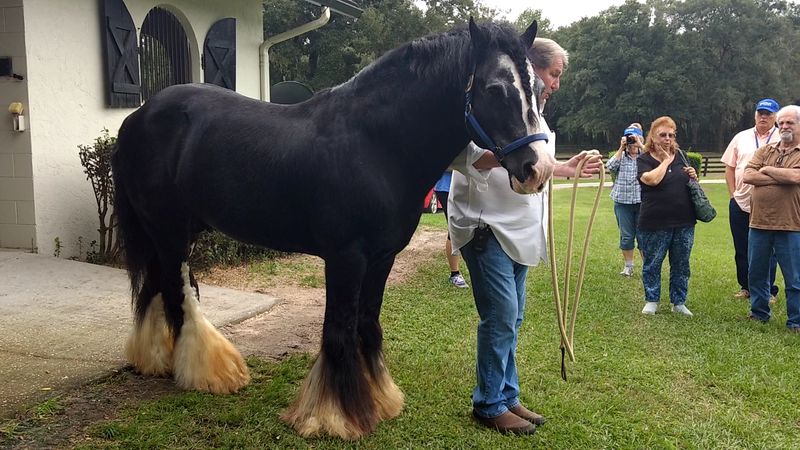
Short on time, or hungry for every detail? The farm has options. Reviewers mention a tour of about an hour that suits little kids, and a longer one that runs around two to two and a half hours.
The shorter walk is great for families with wiggly travelers. You still meet the horses, hear the main story, and get photos. It is a smart choice if patience runs thin.
The longer tour is for history fans. You hear more about the breed, the farm, and the people behind it. One guest said they only wished it lasted longer because they did not want to leave.
There is also a VIP option, with extras like meeting a Clydesdale foal. A guest shared that their group learned how horses are bred and matched to jobs. It is a treat for anyone who loves gentle giants.
The price gets lots of praise. One reviewer said you cannot beat it, and another called it well worth the money. That is a big deal for a family day out.
Book ahead when you can, since this stop is often ranked number one for tourists in Ocala. Check the website or call the farm at 352-307-3777 for current details. Hours run 9 AM to 5 PM most days, and Sunday is closed.
Pick a morning slot in summer, when Florida heat is kinder. Guests say the relaxed morning tour feels like a peaceful reset.
Whichever tour you choose, the same warm welcome comes with it. Friendly staff make everyone feel at home.
Easy Walking and Smart Packing
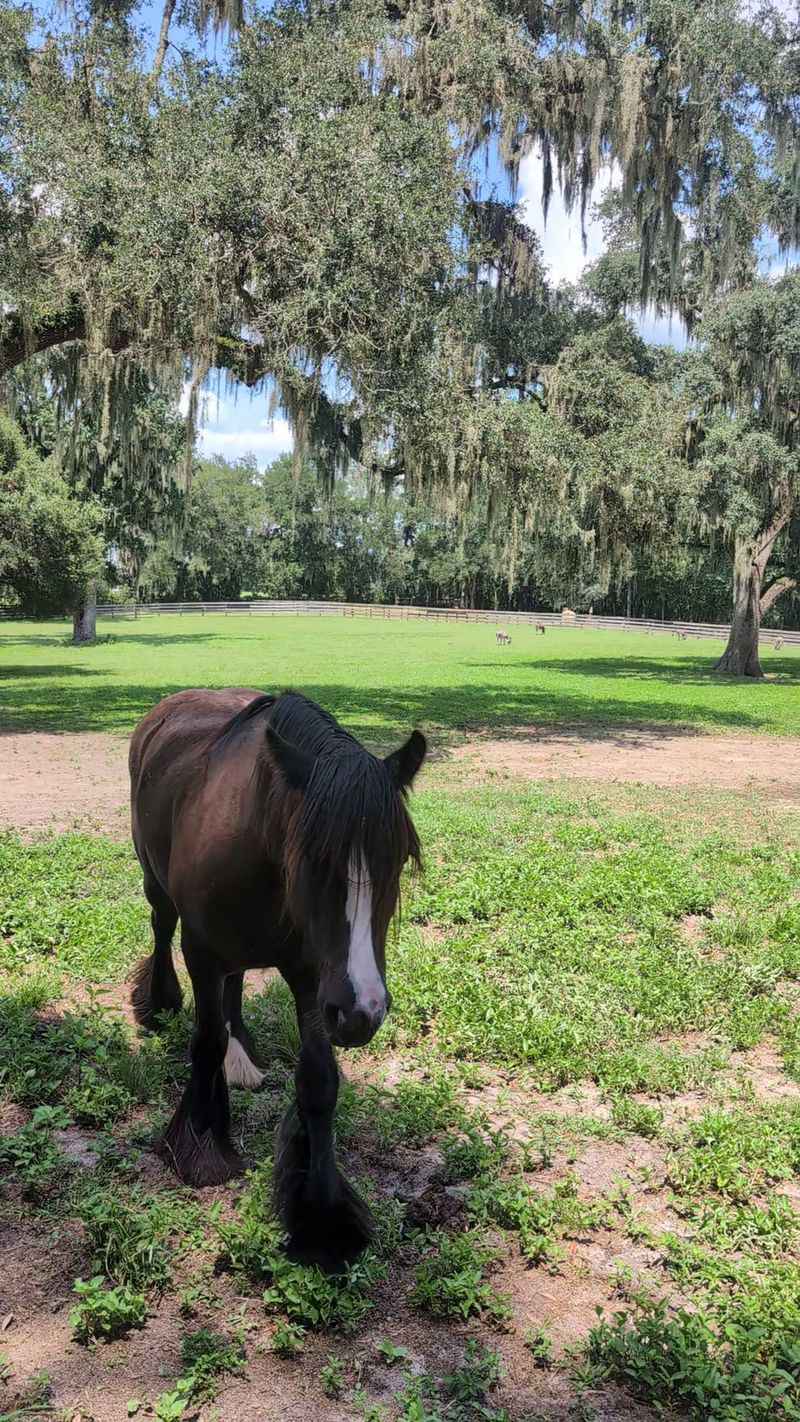
Good news for anyone worried about mobility. Reviewers say the grounds are easy to walk, even with a cane. One visitor said their partner, months after a knee replacement, moved around the grass with ease.
Still, footwear matters. The ground is a mix of sand and grass, so sturdy walking shoes are your best friend. Leave the flip-flops in the car.
Florida sun can be strong, so pack a hat and sunscreen. The oaks give plenty of shade, but you will spend time out in the open too. A refillable water bottle is a good idea.
Coffee is offered to guests on some mornings, and there are cold snacks and drinks on hot days. Those little touches make the farm feel like visiting relatives. Nobody rushes you.
Bring cash for the gift shop, which reviewers say is worth a peek. It is also online if you prefer to shop from home. Souvenirs make sweet gifts for horse lovers.
Do not forget the camera, and a spare battery. Between horses, donkeys, parrots, and the property itself, your photo roll will fill up fast. Reviewers call the grounds stunning and peaceful.
The farm sits at 12501 8th Ave in Ocala. Put it in your map app ahead of time so you can enjoy a stress-free arrival. Parking and check-in are simple.
A little planning means more time enjoying the animals. Pack light, dress for the weather, and let the day unfold.
A Family Place with a Big Heart
Some places feel like a business. This one feels like a family. Dennis and Erin Thompson greet guests warmly, and reviewers say they were made to feel at home.
The farm works for all ages. Grandparents bring grandchildren, couples come on date mornings, and visitors from far away drop in. One guest even said they were not a horse person and still loved the tour.
The owners reply personally to many reviews, thanking guests and inviting them back. They even promised to have the miniature donkeys ready for one returning family. Small gestures like that build loyal fans.
There is more than fun here. A quiet burial area honors horses that have passed, and guests say visiting it was moving. It shows how much the animals matter to the people who care for them.
Volunteering is also possible, according to one reviewer. If you live nearby, that could be a great way to spend time with the herd. Ask the staff about current opportunities.
With a 4.9 star rating from more than 500 reviews, the farm has earned its reputation. Guests use words like heartfelt, educational, and unforgettable. Tour mentions and friendly staff top the popular topics.
Plan a visit when you are near Ocala, and go in with an open heart. Bring carrots, curiosity, and someone you love. You may find yourself planning a return trip before you have even left the parking lot.