Before Disney Took Over Florida, These 9 Legendary Spots Ruled
Long before Mickey Mouse planted his flag in Central Florida, the Sunshine State already had a thriving tourism scene that drew visitors from around the world. From natural springs with mermaids to elaborate gardens and quirky castles, these attractions defined what it meant to visit Florida in the mid-20th century. While Disney World changed the state forever when it opened in 1971, these legendary spots had already spent decades showing travelers the magic of Florida, and many still operate today as beloved throwbacks to a simpler era of roadside tourism.
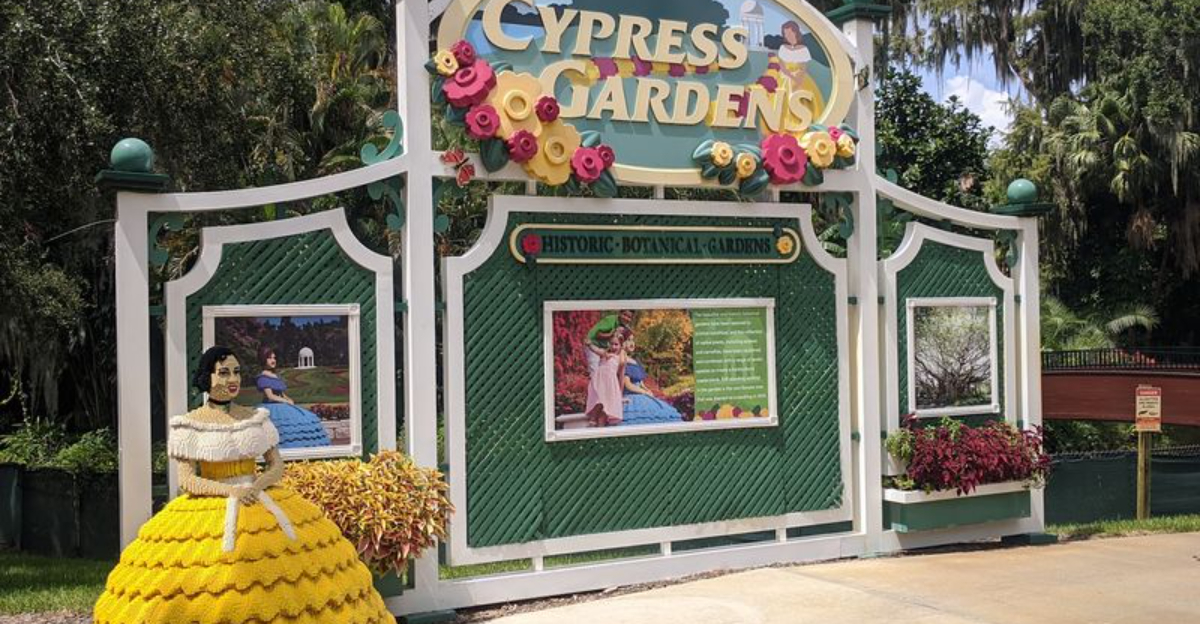
1. Cypress Gardens (Winter Haven)
Picture this: Southern belles in hoop skirts strolling through tropical gardens while water skiers launch themselves off ramps at breakneck speeds. That was Cypress Gardens, and it was absolutely wild. Opening in 1936, this attraction became Florida’s original theme park long before anyone knew what a theme park really was.
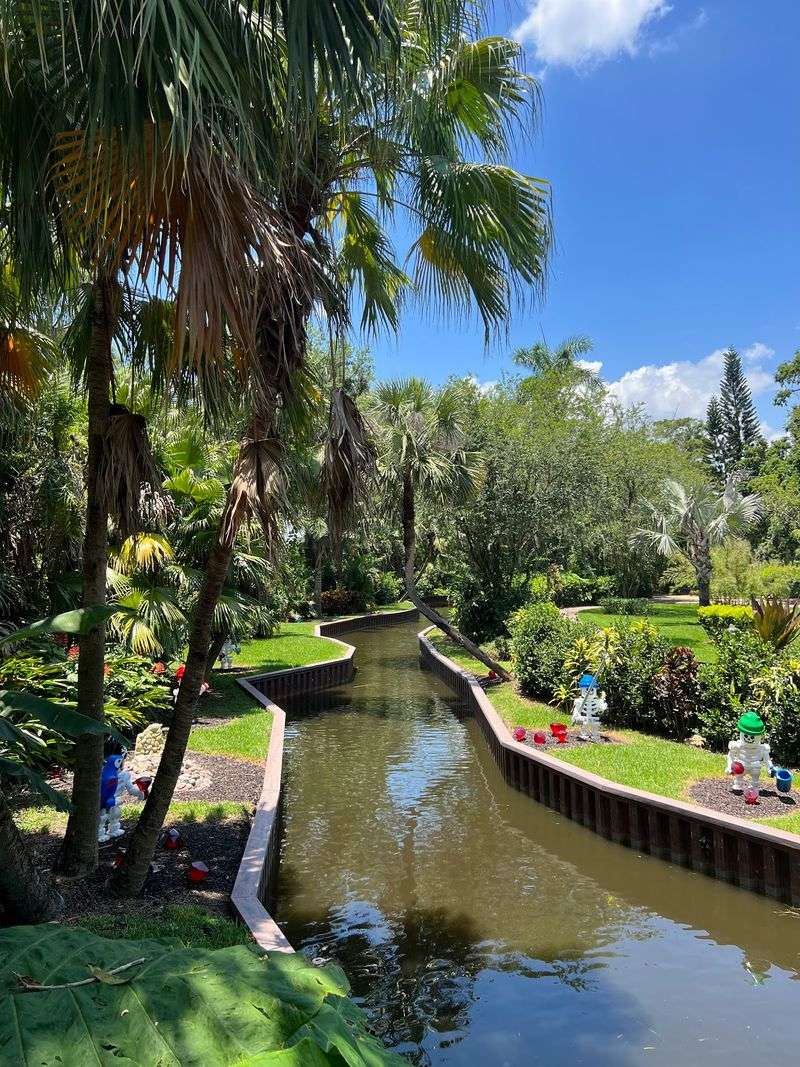
The gardens themselves covered 16 acres of meticulously landscaped beauty, with over 8,000 varieties of plants from 90 countries. Photographers loved the place because those costumed Southern belles posed for pictures all day long, creating that Old South fantasy that tourists couldn’t get enough of back then. The botanical displays were genuinely impressive, featuring exotic orchids, towering banyan trees, and themed gardens that changed with the seasons.
But the real showstopper was the water ski spectacle. Cypress Gardens essentially invented the sport of trick water skiing, and their shows became legendary across America. Skiers would form human pyramids, jump through flaming hoops, and perform death-defying stunts that made audiences gasp.
At its peak in the 1950s and 60s, Cypress Gardens was Florida’s most-visited attraction, pulling in celebrities and regular folks alike.
The park closed in 2009 but later reopened as part of Legoland Florida, preserving some of those gorgeous gardens for new generations to enjoy.
2. Silver Springs State Park (Ocala)
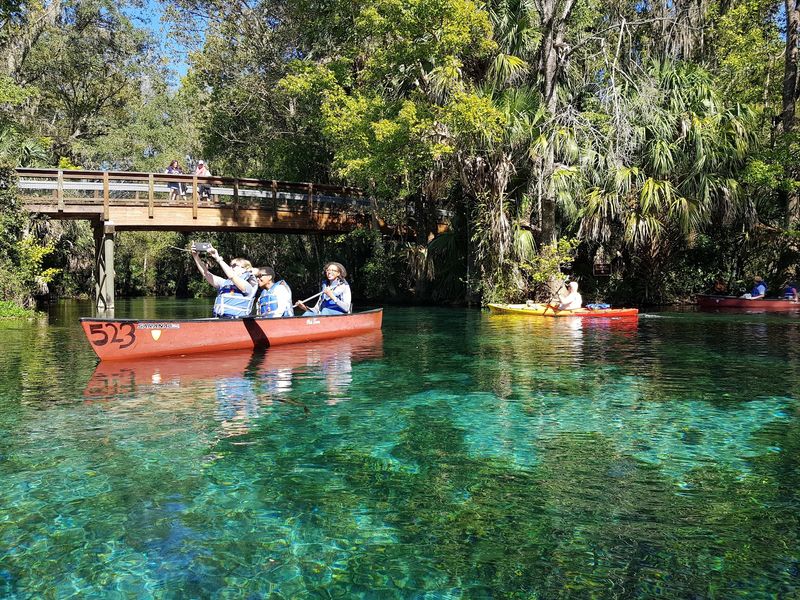
Glass-bottom boats gliding over water so clear you could count fish 80 feet down sounds like something out of a fantasy novel, but that’s exactly what Silver Springs delivered. Native Americans considered these springs sacred, and once you see that impossibly blue water bubbling up from limestone caverns, you understand why. The springs pump out over 550 million gallons of crystal-clear water every single day.
Hollywood discovered Silver Springs early, filming six Tarzan movies here between 1932 and 1942. Johnny Weissmuller swung through these very trees, and the Creature from the Black Lagoon lurked in these waters during the 1954 filming. Those glass-bottom boats became iconic, allowing tourists to peer into an underwater world without getting wet, which was revolutionary entertainment in the early 1900s.
The attraction peaked in the 1970s when it was pulling in over a million visitors annually. Families would spend entire days here, taking boat tours, watching wildlife shows, and exploring jungle trails. Ross Allen’s Reptile Institute operated on-site for decades, where brave handlers wrestled alligators and milked venomous snakes for rapt audiences.
Florida purchased the property in 2013, transforming it into a state park. You can still take those famous glass-bottom boat tours today, experiencing the same crystal-clear wonder that amazed visitors over a century ago.
3. Weeki Wachee Springs State Park (Weeki Wachee)
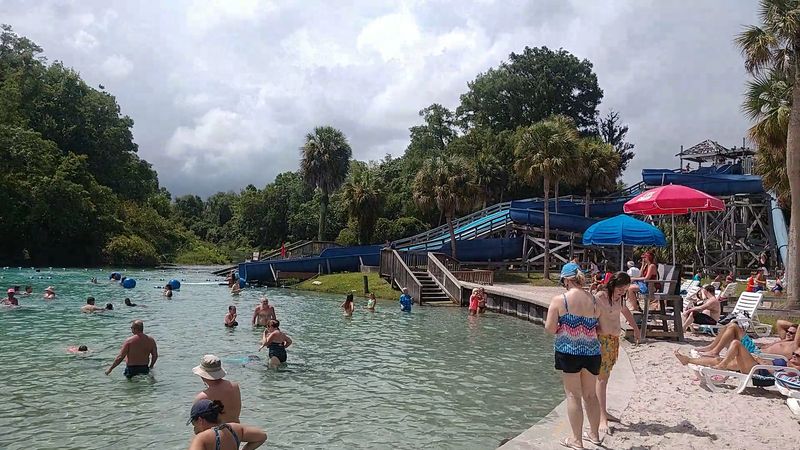
Mermaids. Real, live mermaids performing underwater ballet in a natural spring. If that doesn’t scream vintage Florida roadside attraction, nothing does.
Weeki Wachee opened in 1947 when former Navy frogman Newton Perry figured out how to turn a natural spring into an underwater theater, complete with air hoses hidden in the scenery so performers could breathe while staying submerged.
The mermaids became instant celebrities, appearing on television shows and in magazines throughout the 1950s and 60s. These weren’t just swimmers in costumes either. They performed complex routines, eating and drinking underwater, and even fighting off rubber alligators in elaborate shows.
The spring maintains a constant 74-degree temperature year-round, which sounds refreshing until you’re performing hour-long shows in that chilly water.
At its height, Weeki Wachee employed dozens of mermaids and attracted half a million visitors annually. The shows featured themes ranging from fairy tales to patriotic spectacles, all performed 16 feet underwater in the spring’s naturally clear water. ABC bought the attraction in the 1960s and expanded it with a beach area and wildlife shows.
Florida’s state park system took over in 2008, preserving this quirky slice of Americana. Professional mermaids still perform multiple shows daily, keeping alive a tradition that’s purely, wonderfully Florida. Kids today watch with the same wide-eyed amazement their grandparents did decades ago.
4. Bok Tower Gardens (Lake Wales)
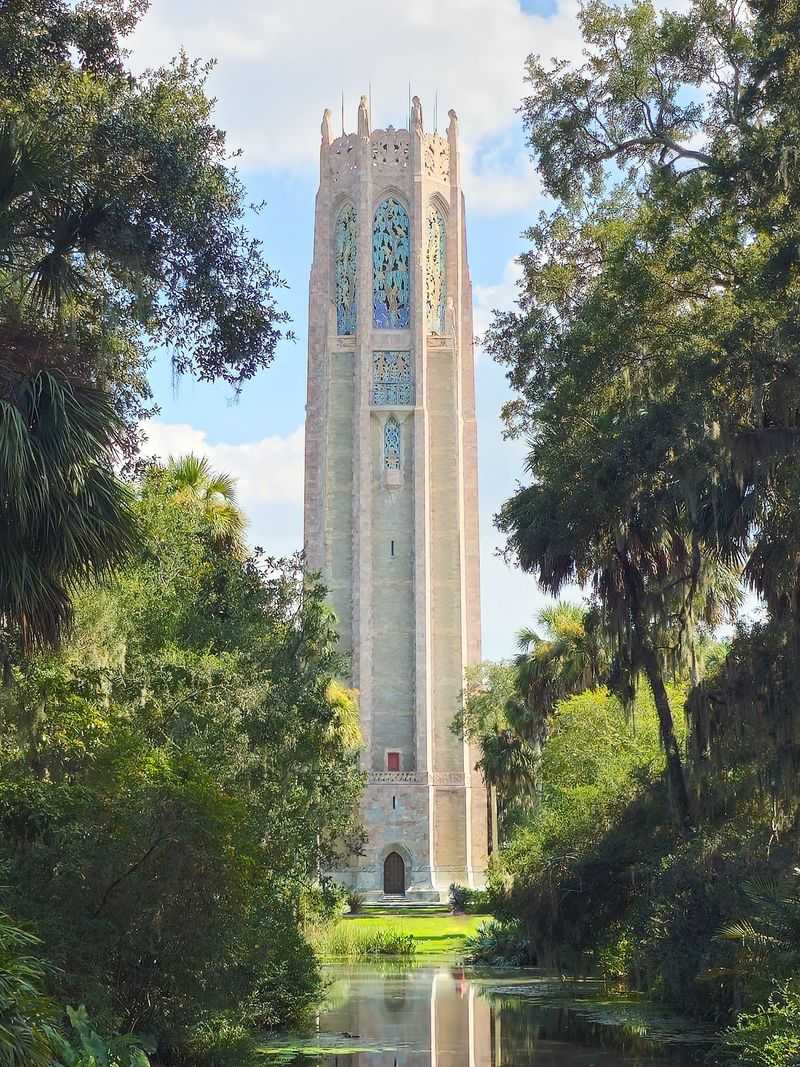
A 205-foot singing tower rising from Florida’s highest hill might seem out of place in the Sunshine State, but Edward Bok had a vision. The Dutch-born publisher created this sanctuary in the 1920s as a thank-you gift to America for the opportunities it gave him. He hired landscape architect Frederick Law Olmsted Jr., whose father designed Central Park, to transform 128 acres of sandy scrubland into a stunning garden.
The tower itself is an architectural marvel, covered in pink and gray marble with intricate carvings of Florida wildlife and plants. Inside hangs a 60-bell carillon that still plays daily concerts, filling the gardens with music that can be heard for miles. When it opened in 1929, President Calvin Coolidge dedicated the tower, calling it a place for contemplation and rest.
Unlike the flashier attractions popping up around Florida, Bok Tower Gardens offered something different: peace. Visitors walked shaded paths through azalea groves, reflected by tranquil ponds, and listened to carillon concerts echoing through ancient live oaks. The gardens never tried to compete with water ski shows or mermaid performances.
They didn’t need to.
The Depression and World War II slowed tourism everywhere, but Bok Tower Gardens persisted as a quiet refuge. Today it remains remarkably unchanged from Bok’s original vision, a National Historic Landmark that proves not every Florida attraction needed gimmicks to captivate visitors.
5. St. Augustine Historic District (St. Augustine)
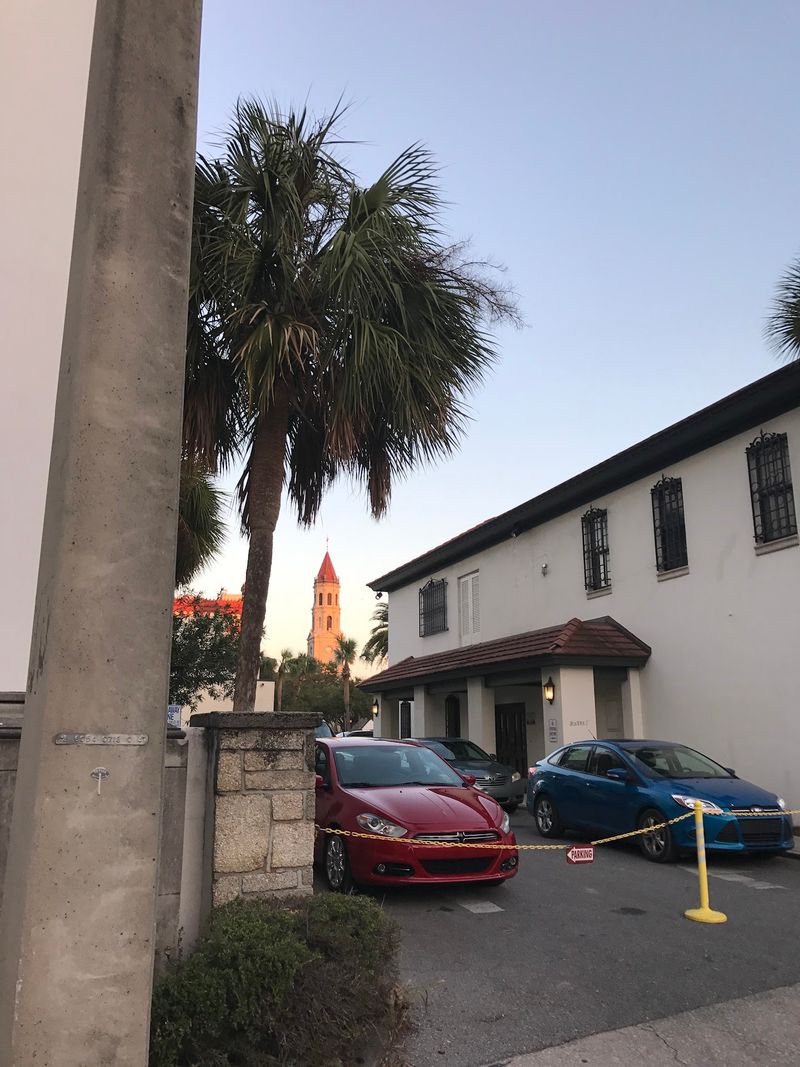
America’s oldest continuously occupied European settlement wasn’t built for tourists, but by the 1920s, St. Augustine had figured out how to turn 400 years of history into a major attraction. Founded by the Spanish in 1565, the city offered something no other Florida destination could: genuine, certified old stuff. The massive Castillo de San Marcos, completed in 1695, still dominates the waterfront with its coquina stone walls that absorbed cannonballs rather than shattering.
Henry Flagler turbocharged St. Augustine’s tourism appeal when he built the Ponce de Leon Hotel in 1888, a Spanish Renaissance masterpiece that attracted wealthy northerners seeking winter sunshine and historical charm. The hotel’s success sparked a building boom that created the distinctive architectural character the historic district maintains today. Narrow streets, wrought-iron balconies, and centuries-old buildings created an atmosphere unlike anywhere else in Florida.
Families in the 1950s and 60s wandered the same cobblestone streets, visited the oldest wooden schoolhouse, and toured the fortress where Spanish soldiers once kept watch. Roadside attractions like the Fountain of Youth Archaeological Park capitalized on the Ponce de Leon legend, letting tourists drink from the supposed magical spring. Alligator farms and wax museums added kitschy appeal to the legitimate history.
St. Augustine never needed reinvention because it had authenticity. While other Florida attractions came and went, this city kept drawing visitors with stories that stretched back before the Pilgrims landed at Plymouth Rock.
6. Vizcaya Museum & Gardens (Miami)
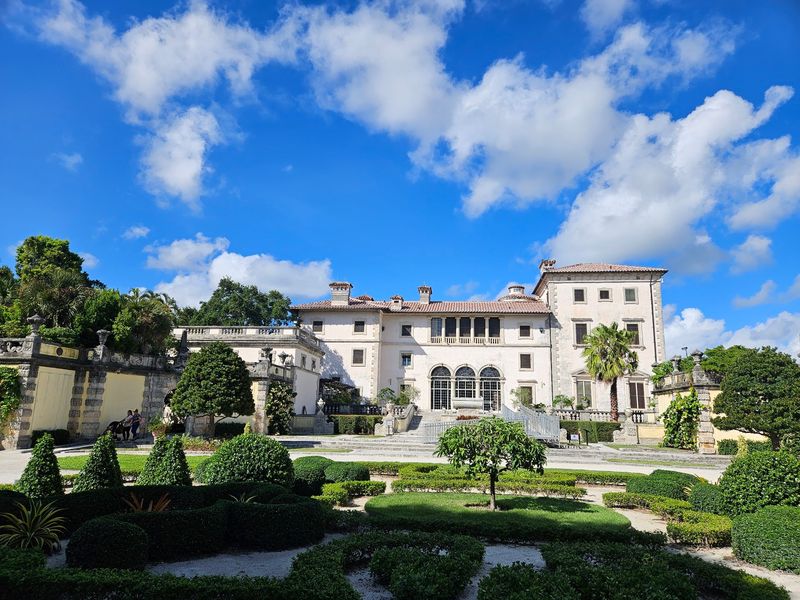
James Deering, vice president of International Harvester, spent millions building his winter estate on Biscayne Bay between 1914 and 1922, creating what became Miami’s most opulent tourist attraction. Vizcaya was never meant for the public initially. Deering wanted a European-style villa where he could escape Chicago winters, and he spared absolutely no expense making that fantasy real.
The 34-room mansion combined Italian Renaissance, Mediterranean Revival, and Baroque styles into something uniquely extravagant. Deering and his designers scoured Europe for authentic architectural elements, importing entire rooms, fountains, and decorative pieces. The result was a palace that looked centuries old despite being brand new, filled with antiques and art that actually were centuries old.
The formal gardens stretched across 10 acres, featuring elaborate fountains, sculptures, and geometrically perfect landscaping that seemed impossible in tropical Miami. Garden rooms led to secret grottos, ornate gazebos overlooked the bay, and manicured hedges created outdoor galleries. A stone barge anchored offshore served as a breakwater and architectural folly, visible from the mansion’s terraces.
Deering died in 1925, and his heirs eventually sold Vizcaya to Miami-Dade County in 1952. Opening as a museum transformed it into a major tourist draw, especially for visitors seeking sophistication rather than alligator wrestling. Vizcaya proved Florida could do refined culture just as well as roadside kitsch, attracting a different breed of tourist entirely.
7. The Ringling Museum of Art (Sarasota)
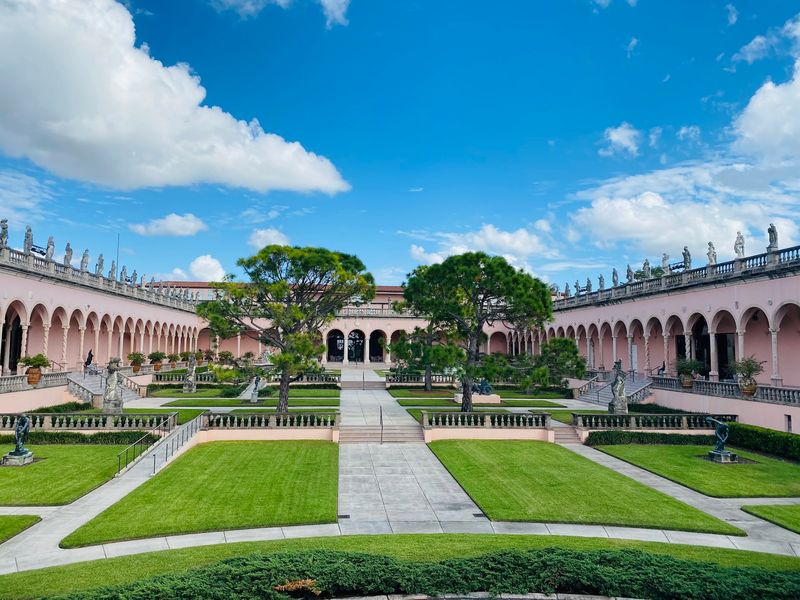
When circus magnate John Ringling chose Sarasota as his winter headquarters in 1919, he brought more than just big tops and elephants. He brought culture, money, and a vision that transformed a sleepy Gulf Coast town into Florida’s cultural capital. Ringling built Ca’ d’Zan, a 36,000-square-foot Venetian Gothic mansion on Sarasota Bay that looked like it belonged in Venice rather than Florida.
The name literally means “House of John” in Venetian dialect.
But Ringling’s real gift was his art museum, which opened in 1930. He’d spent years collecting old master paintings during European tours with his circus, amassing works by Rubens, Velázquez, and other baroque masters. The museum building itself mimicked an Italian villa, with open courtyards, formal gardens, and a replica of Michelangelo’s David greeting visitors.
Ringling wanted to bring world-class art to Florida, making culture accessible beyond big northern cities.
The circus museum, added later, celebrated the industry that built Ringling’s fortune. Vintage posters, elaborate parade wagons, and the world’s largest miniature circus captivated families who might not care about baroque paintings but loved sequined costumes and stories of death-defying performers. This combination of high art and popular entertainment perfectly captured Florida’s tourist appeal.
Ringling bequeathed the entire estate to Florida upon his death in 1936. Today it operates as the state art museum, still offering that unique blend of sophistication and spectacle that made it special from the beginning.
8. Coral Castle (Homestead)
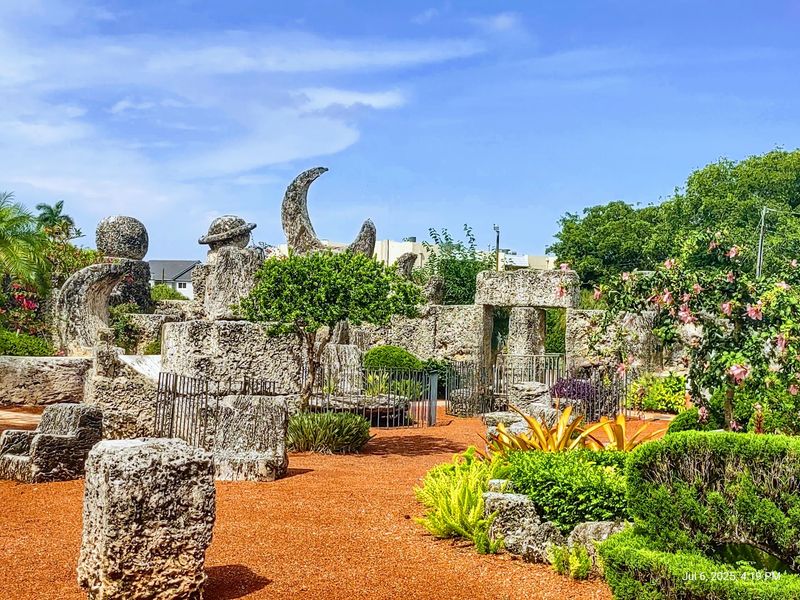
Edward Leedskalnin stood barely five feet tall and weighed 100 pounds, yet somehow he single-handedly quarried, carved, and erected over 1,100 tons of coral rock into an elaborate castle. Nobody ever saw him work. He labored only at night, using homemade tools and methods he never revealed.
When neighbors asked how he moved massive stones, some weighing several tons, he’d smile mysteriously and mention understanding the secrets of the pyramids.
Leedskalnin started building in Florida City in 1923, then moved the entire structure 10 miles to Homestead in 1936, again working alone and at night. The castle featured coral furniture, a sundial accurate to the minute, a nine-ton swinging gate balanced so perfectly a child could open it with one finger, and towers built from blocks fitted so precisely no mortar was needed. He carved everything from coral beds to bathtubs, creating a functioning home from solid rock.
The story behind the castle made it even more intriguing. Leedskalnin claimed he built it for Agnes Scuffs, his Latvian sweetheart who’d rejected him the day before their wedding. Whether that’s true or just good marketing, tourists ate it up.
After Leedskalnin’s death in 1951, Coral Castle became a full-fledged roadside attraction, drawing visitors fascinated by the mystery.
Engineers still debate how he accomplished this feat with primitive equipment. Coral Castle remains delightfully weird, a monument to obsession, heartbreak, and one man’s stubborn refusal to explain himself.
9. Sunken Gardens (St. Petersburg)
George Turner Sr. bought a piece of swampy sinkhole land in 1903 that everyone else considered worthless. He drained it, discovered incredibly fertile soil underneath, and started growing tropical plants that thrived in the protected basin. By 1935, he’d transformed that sunken lot into a botanical wonderland that became one of St. Petersburg’s biggest tourist draws.
The gardens sat 15 feet below street level, creating a microclimate perfect for exotic species that couldn’t survive elsewhere in Florida.
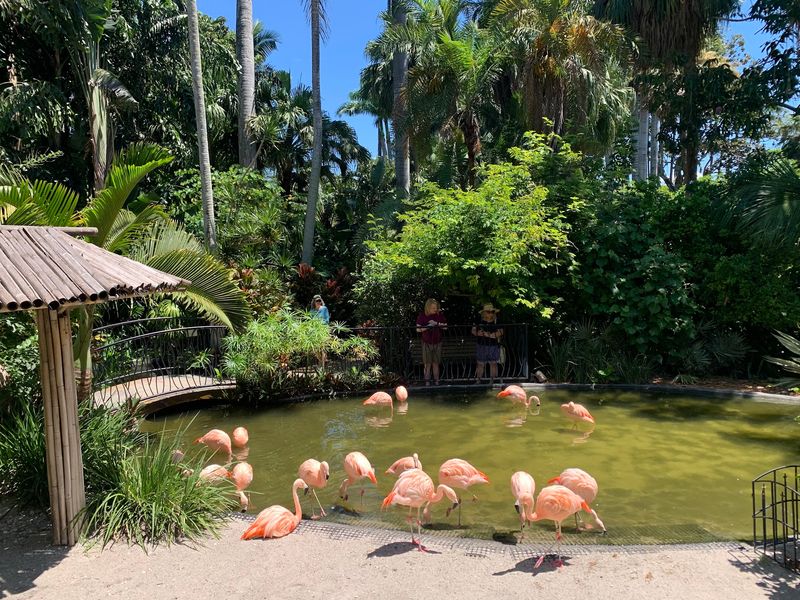
Winding brick pathways led visitors through thousands of tropical plants, past waterfalls and koi ponds, under canopies of massive ferns and flowering vines. Turner added flamingos, macaws, and other colorful birds that roamed freely, posing for photographs and occasionally stealing sandwiches from unsuspecting tourists. The gardens became famous for wedding ceremonies, with couples exchanging vows surrounded by orchids and royal palms while parrots squawked overhead.
During its peak years in the 1950s and 60s, Sunken Gardens attracted over 300,000 visitors annually. Families made it a regular stop on their St. Petersburg vacations, returning year after year to see what new plants had been added. The humid, jungle-like atmosphere provided welcome relief from Florida’s blazing sun, and kids loved feeding the flamingos and watching turtles sunbathe by the ponds.
The city of St. Petersburg purchased Sunken Gardens in 1999, saving it from developers. After restoration, it reopened as a city attraction, maintaining that old Florida charm that made it special decades ago.