Cross the “World’s Fishing-est Bridge” Into One of Florida’s Most Vibrant Arts Communities
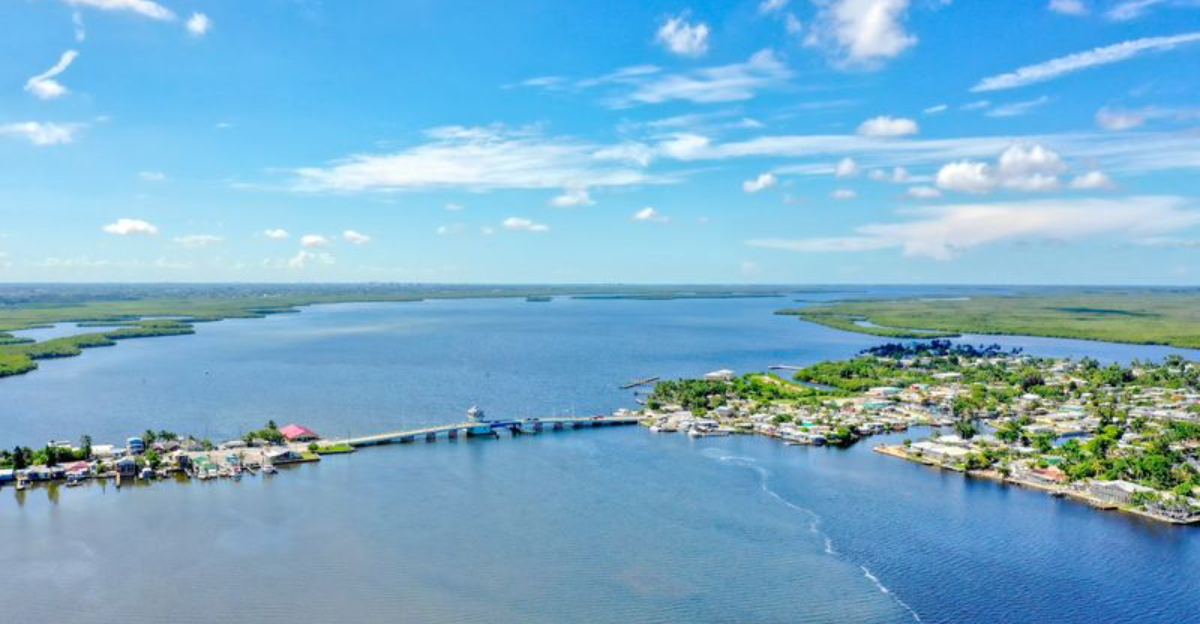
Matlacha Pass Bridge connects the mainland to Pine Island and serves as the gateway to one of Southwest Florida’s quirkiest hidden gems. This unassuming span over the turquoise waters has earned the playful nickname “World’s Fishing-est Bridge” thanks to the anglers who line its rails day and night, casting for snook, redfish, and whatever else swims through the pass. Beyond the fishing action, crossing this bridge transports you into Matlacha, a funky arts village bursting with colorful galleries, waterfront eateries, and island vibes that feel worlds away from typical Florida tourist traps.
1. A Bridge Built for Anglers and Adventurers
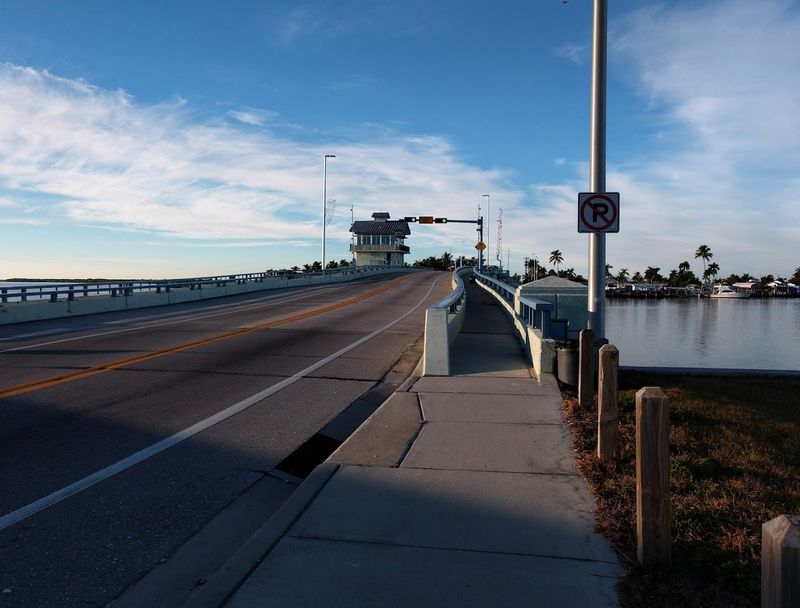
Fishing from a bridge might sound unusual, but locals and visitors have turned this stretch of Pine Island Road into Southwest Florida’s most popular free fishing spot. The updated structure includes dedicated walkways, making it safer for anglers to set up their rods while traffic flows past. You’ll find people here at all hours, from sunrise chasers hoping for a dawn bite to night owlers targeting species that feed after dark.
The variety of fish swimming through Matlacha Pass keeps things interesting. Snapper, snook, trout, redfish, black drum, catfish, tarpon, and even sharks cruise these waters depending on the season and tides. Seven Seas Bait and Tackle sits within walking distance if you need live shrimp or pinfish to sweeten your chances.
Parking can get tight on weekends, but anglers typically find spots if they arrive early or stay patient. The bridge added restrooms and fish cleaning stations after renovations, addressing two major concerns for anyone planning to spend hours on the water. Hurricane Ian tested this community hard, yet the bridge bounced back as a vital fishing hub.
Traffic moves steadily across both lanes, so watch for vehicles when crossing from one side to the other. The thrill of hooking something big makes the occasional wait worthwhile for those who love the challenge of bridge fishing.
2. Sunset Views That Stop Traffic
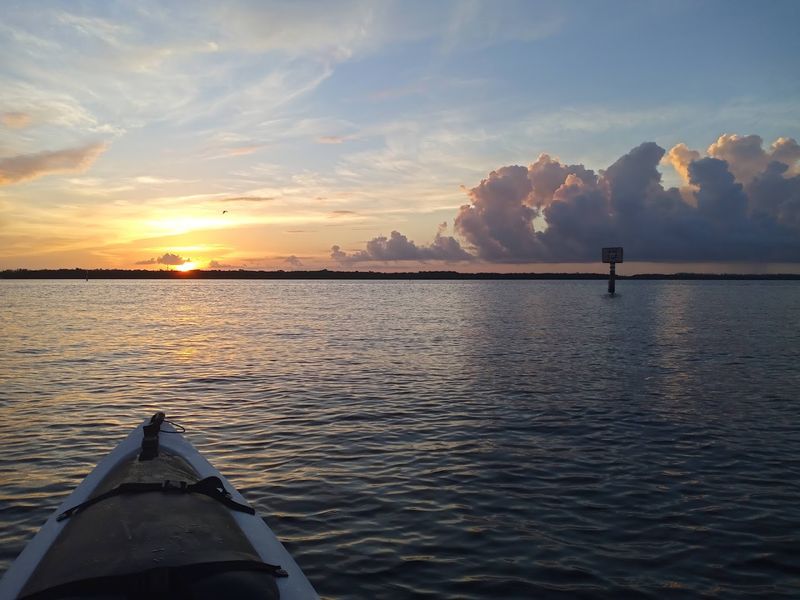
Photographers and romantics flock to this bridge when the sun begins its descent toward the Gulf of Mexico. The western exposure creates a natural theater where the sky explodes in shades of orange, pink, and purple that reflect off the calm pass waters. Couples pull over into the limited parking areas, cameras and phones ready to capture the show that unfolds differently every evening.
The unobstructed horizon makes this spot special compared to inland locations where trees or buildings block the view. Water acts as a mirror, doubling the color intensity and creating those postcard-perfect shots that fill Instagram feeds. Pelicans glide past in silhouette, adding natural elements to an already stunning scene.
Locals know the best viewing happens about thirty minutes before actual sunset when the light turns golden and soft. The changing seasons shift the sun’s position slightly, offering fresh perspectives throughout the year. Even visitors who don’t consider themselves photography enthusiasts find themselves pulling out their devices to document the moment.
The bridge’s elevation provides a vantage point that ground-level spots can’t match. Standing above the water as colors wash across the sky creates an immersive experience that feels both peaceful and energizing. This daily spectacle reminds everyone why Florida’s natural beauty draws millions of admirers, and it costs absolutely nothing to witness.
3. Gateway to Island Time and Matlacha’s Art Scene
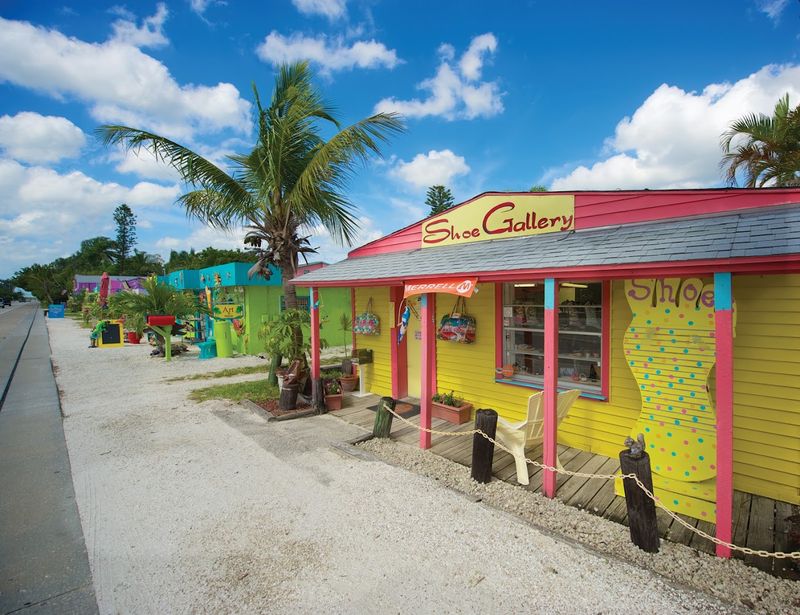
Crossing Matlacha Pass Bridge triggers an immediate shift in atmosphere that locals call “island time.” The pace slows, the colors brighten, and suddenly you’re surrounded by an arts community that thrives on creativity and individuality. Matlacha village greets visitors with buildings painted in eye-popping hues of turquoise, coral, lime green, and sunshine yellow, each one housing galleries, studios, or quirky shops.
Artists discovered this waterfront hamlet decades ago, drawn by affordable space and inspiring surroundings. Their presence transformed a sleepy fishing village into a cultural destination where original paintings, sculptures, jewelry, and handcrafted goods fill every storefront. Walking the main drag feels like exploring an outdoor art festival that never ends.
The community’s recovery from Hurricane Ian showcased its resilience and tight-knit spirit. Galleries reopened, fresh coats of paint went up, and the artistic heartbeat resumed stronger than before. Supporting these local businesses means directly helping people who chose this special place to live and create.
Unlike commercialized beach towns, Matlacha maintains an authentic, slightly eccentric character that can’t be manufactured. Street musicians sometimes play near the waterfront, adding soundtrack to your gallery hopping. The bridge serves as more than transportation—it’s a threshold between ordinary Florida and a pocket of genuine bohemian culture that refuses to conform to tourist expectations.
4. Marine Life Theater Below the Span
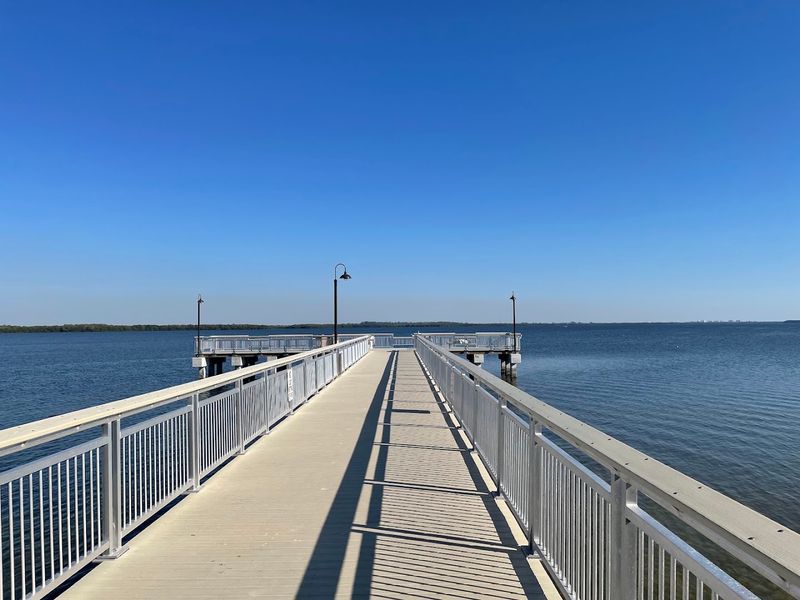
Peering over the bridge railing reveals an aquatic world teeming with activity that rivals any aquarium exhibit. Dolphins frequently cruise through the pass, their dorsal fins slicing the surface as they hunt for mullet and other baitfish. Manatees appear during cooler months, their massive gray bodies visible in the clear shallow water as they graze on seagrass beds.
Pelicans provide constant entertainment with their dramatic fishing technique, folding wings and plunging headfirst into the water with surprising force. Schools of baitfish create silvery clouds that swirl and dart in synchronized patterns, fleeing predators both above and below. Patient observers spot rays gliding along the sandy bottom, their wing-like fins propelling them gracefully through their underwater realm.
The pass functions as a highway for marine creatures moving between Pine Island Sound and the greater Gulf ecosystem. Tides push nutrients and smaller organisms through this channel, attracting larger species that know it as a reliable feeding ground. Seasonal migrations bring different visitors, from tarpon rolling at the surface to sharks patrolling the deeper cuts.
Bringing polarized sunglasses helps cut through surface glare, revealing details that regular lenses miss. Early morning and late afternoon offer the clearest water conditions when sediment settles and light angles improve visibility. This free wildlife watching beats paying admission to manufactured attractions every single time.
5. The Baitfish Buffet and Casting Opportunities
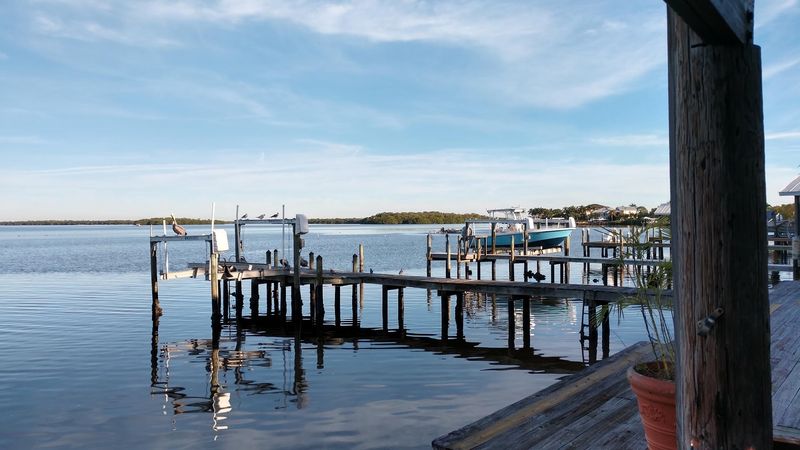
Smart anglers know that catching dinner often starts with catching breakfast—for the fish, that is. Matlacha Pass harbors abundant baitfish populations, making it prime territory for throw net enthusiasts who supply their own live bait. Ballyhoo, pilchards, and other small species congregate in the current, providing fresh ammunition for serious fishermen who understand that lively bait outperforms frozen options.
Watching an experienced net thrower work is mesmerizing. The weighted net flowers open in midair before collapsing onto the water’s surface, hopefully trapping dozens of frantic baitfish beneath its mesh. One good throw can supply enough bait for an entire fishing session, and the technique connects modern anglers to centuries-old fishing traditions.
Different baitfish species appear throughout the year, matching the feeding preferences of various gamefish. Pinfish work great for bottom feeders like snapper and grouper, while shinier options attract predators like snook and tarpon. The nearby bait shop stocks what you need if your throwing arm isn’t cooperating or time is limited.
Night fishing brings different baitfish to the surface, attracted by lights that anglers shine into the water. This nocturnal activity creates its own ecosystem, with larger predators following the food chain upward. The 24-hour access means you can match your fishing schedule to the tides and feeding patterns rather than arbitrary park hours.
6. Waterfront Dining and Local Flavor
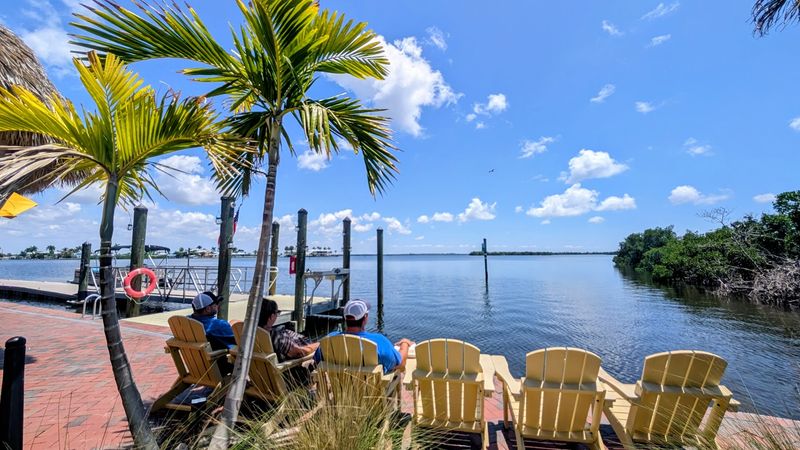
Hunger strikes fast when you’re breathing salt air and watching boats cruise past, and Matlacha delivers with waterfront eateries that serve what locals actually eat. Fresh grouper sandwiches, peel-and-eat shrimp, and conch fritters dominate menus alongside cold drinks that taste better when consumed with your toes in the sand or on a deck overlooking the water. These aren’t chain restaurants with corporate recipes—they’re family operations where the owner might deliver your plate personally.
The island’s recovery from Hurricane Ian means supporting these businesses carries extra significance. Every meal purchased helps families rebuild their dreams and keeps this unique community thriving. Servers share stories about the storm and the comeback, adding personal connection to your dining experience.
Casual dress codes reign supreme here. Nobody expects fancy attire when you’ve been fishing or gallery hopping in Florida heat. Flip-flops, shorts, and sun-kissed skin fit right in at establishments that prioritize good food over pretentious atmosphere.
Many spots offer outdoor seating where you can watch pelicans beg for scraps and boats navigate the channel.
Timing your meal around sunset creates a double feature of great food and spectacular views. The relaxed pace means service might move slower than mainland restaurants, but that’s intentional—you’re on island time now, and rushing contradicts the entire point of crossing that bridge into a different mindset.
7. Bridge Renovations and Modern Amenities
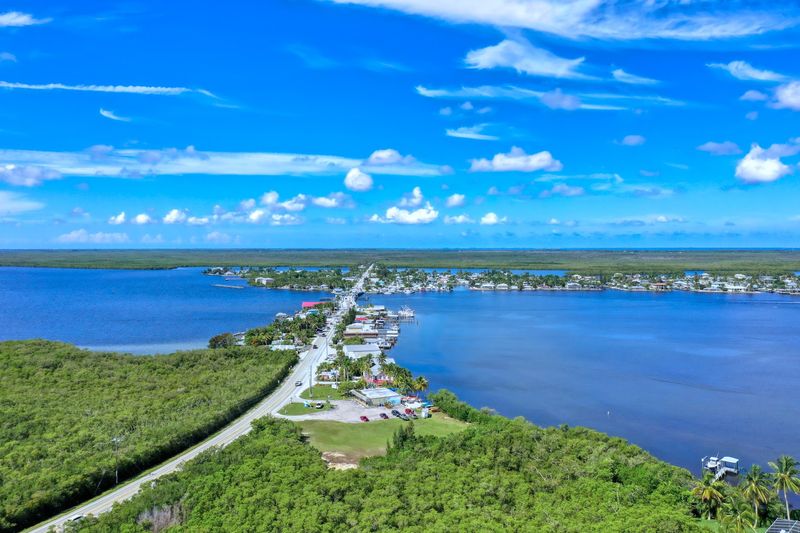
The current bridge represents a significant upgrade from its predecessor, addressing safety concerns and improving the experience for both drivers and anglers. Wider pedestrian areas separate foot traffic from vehicles, reducing the anxiety of fishing while cars zoom past inches away. The improved design maintains the bridge’s fishing tradition while acknowledging modern traffic volumes that older infrastructure couldn’t safely handle.
Added restrooms solved a problem that plagued the old bridge—nowhere to go during long fishing sessions. Clean facilities might seem like a small detail, but they make the difference between a comfortable day on the water and an uncomfortable situation. Fish cleaning stations let anglers process their catch properly rather than making a mess or wasting edible portions.
Better lighting improves safety for night fishermen who target species that feed after dark. The structural improvements also help the bridge withstand hurricane-force winds and storm surge that threaten coastal infrastructure. Hurricane Ian tested these enhancements, and the bridge survived to continue serving the community.
Some locals initially resisted changes, preferring the old bridge’s character over modern functionality. Time has softened most criticism as practical benefits became obvious. The updated span handles increased traffic flow to and from Pine Island while preserving the fishing culture that earned this crossing its unique reputation as potentially the world’s most fish-friendly bridge.
8. Year-Round Fishing Action and Seasonal Patterns
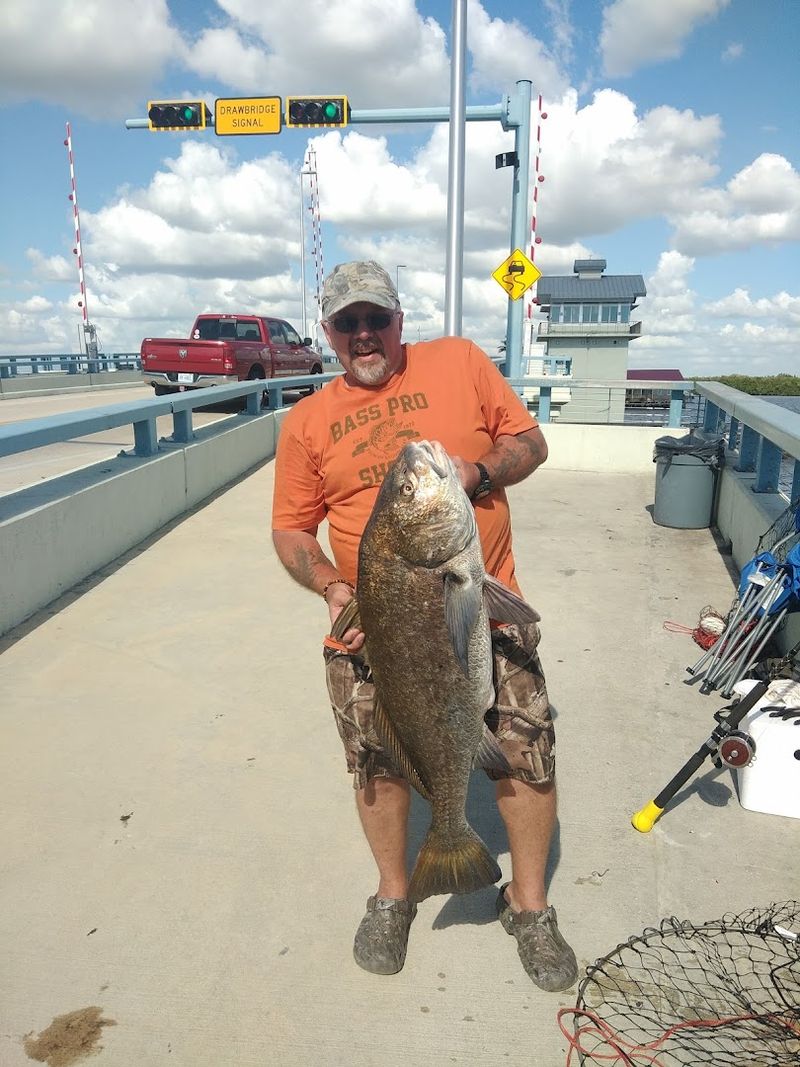
The beauty of Matlacha Pass fishing lies in its seasonal rotation of species that keeps the action fresh throughout the year. Winter months bring sheepshead and black drum to the bridge pilings, where they nibble barnacles and crustaceans. Spring ushers in snook and redfish that cruise the shallows hunting baitfish.
Summer heat brings tarpon and sharks that test tackle and patience with their size and power.
Fall transitions see Spanish mackerel and ladyfish schools moving through the pass, often creating surface-feeding frenzies that get anglers’ hearts racing. Each season requires different techniques, baits, and strategies, which keeps experienced fishermen engaged and gives beginners multiple chances to learn. Tide charts become required reading for serious anglers who understand that moving water triggers feeding behavior.
Moon phases influence fish activity, with full and new moons creating stronger tidal flows that concentrate baitfish and predators. Dawn and dusk typically produce the most strikes, though night fishing under bridge lights creates its own productive window. Water temperature, wind direction, and barometric pressure all factor into success rates.
Local knowledge helps tremendously, and bridge regulars often share tips with newcomers who show respect and genuine interest. Some anglers keep detailed logs tracking catches against environmental conditions, building personal databases that improve their success over time. The learning never stops, which explains why people return to this bridge year after year, decade after decade.