Explore 14 Florida State Parks Where June Offers Spectacular Wildlife and Natural Landscapes
June in Florida brings warm sunshine, longer days, and some of the best conditions for spotting wildlife and exploring natural wonders. State parks across the peninsula come alive with nesting birds, blooming wildflowers, and crystal-clear springs perfect for cooling off.
Whether you love hiking through coastal dunes, snorkeling over coral reefs, or watching for manatees in spring-fed rivers, Florida’s protected lands offer unforgettable adventures for every nature lover.
1. Bahia Honda State Park
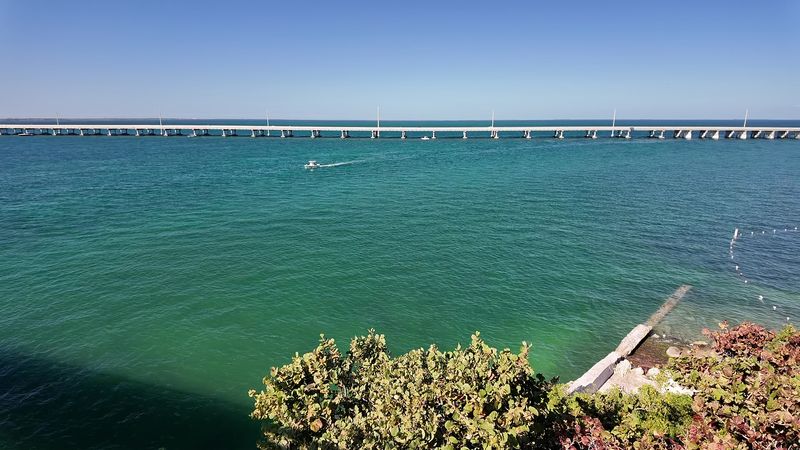
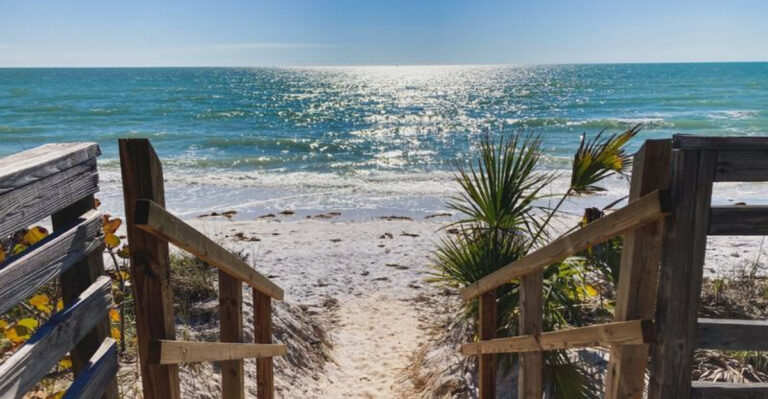
Tucked into the lower Florida Keys, Bahia Honda sits where the Atlantic meets the Gulf, creating waters so clear you can count fish from the shore. The park’s Sandspur Beach consistently ranks among the best in the entire state, with powder-soft sand that stays surprisingly cool even under the midday sun.
June visitors often have the beach nearly to themselves before summer crowds arrive in full force.
Snorkeling here reveals a living kaleidoscope of tropical fish, sea fans, and brain coral just offshore. The shallow waters stay calm and warm, making it perfect for beginners or families with younger children.
You might spot sergeant majors, parrotfish, and even the occasional nurse shark gliding peacefully along the bottom.
The historic Old Bahia Honda Bridge towers above the park, offering a unique backdrop for photos and a reminder of the Keys’ railroad past. Nature trails wind through coastal hammocks where great white herons nest and land crabs scuttle between mangrove roots.
Sunrise here paints the sky in shades of pink and orange that photographers dream about, while sunset brings equally stunning displays over the Gulf side.
2. Myakka River State Park
Stretching across 58 square miles of untamed wilderness, Myakka River holds the title as one of Florida’s oldest and largest state parks. The river itself flows dark and mysterious, stained the color of tea by tannins from cypress trees.
June transforms the wetlands into a wildlife spectacular, with alligators basking along every shoreline and wading birds hunting in the shallows.
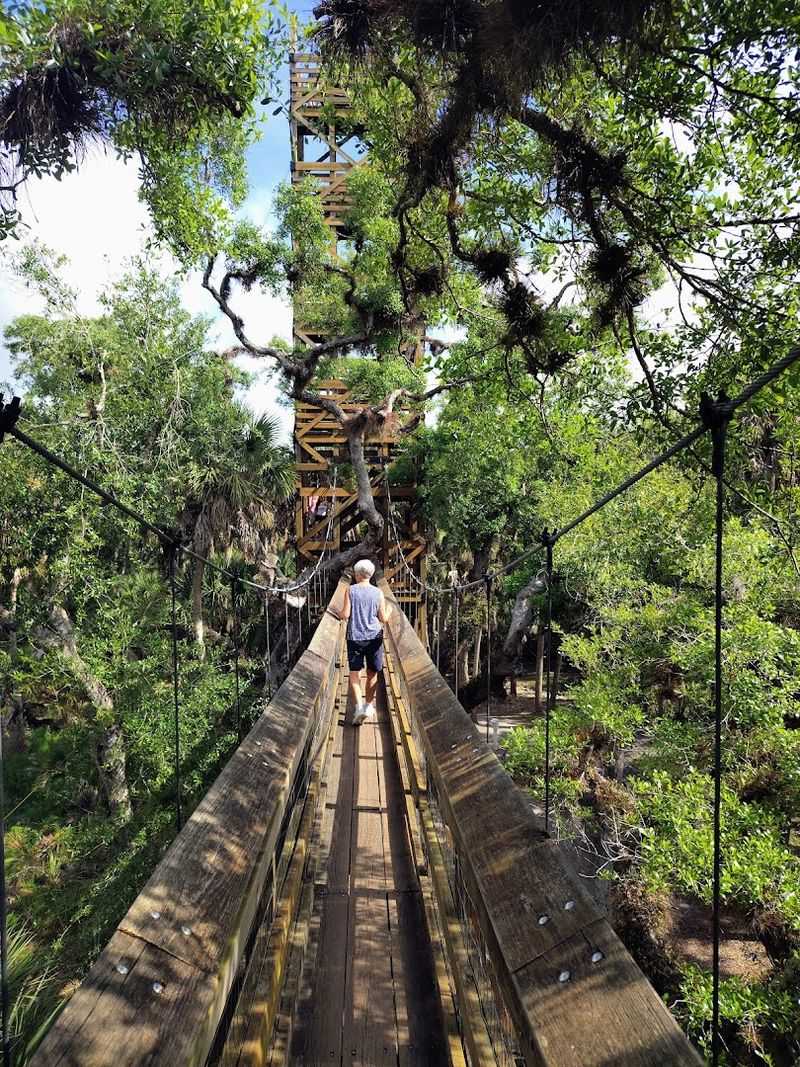
Climbing the park’s canopy walkway takes you 25 feet above the forest floor, where you can peer into treetops and spot birds most people only hear. The adjoining observation tower rises even higher, providing sweeping views across the river valley and surrounding prairie.
On clear June mornings, the vista seems to stretch forever.
Airboat tours skim across Upper Myakka Lake, bringing you face-to-face with gators, turtles, and dozens of bird species. Roseate spoonbills wade through the shallows, sweeping their bizarre bills back and forth.
Ospreys dive for fish while anhinga dry their wings in the sun, looking like prehistoric creatures. The park’s backcountry camping lets adventurous visitors spend nights surrounded by the sounds of barred owls and distant gator bellows echoing across the water.
3. Grayton Beach State Park
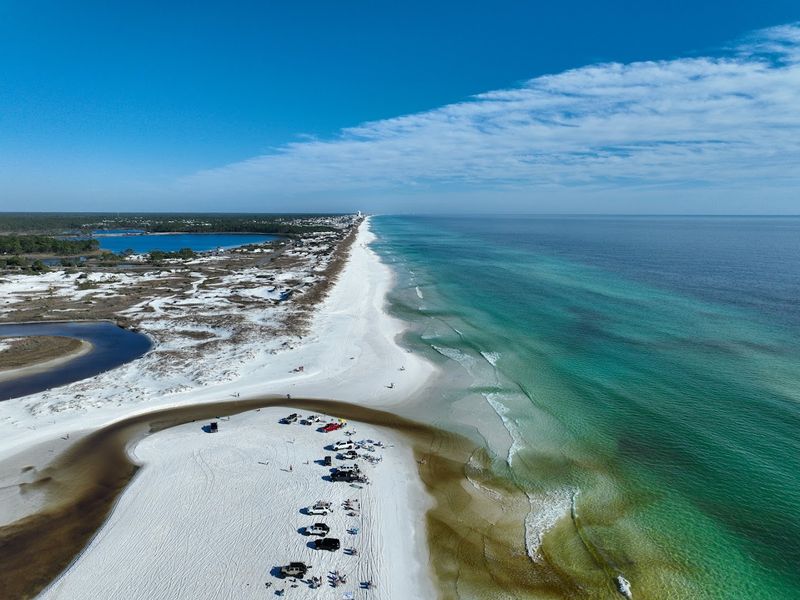
Nestled along Florida’s Emerald Coast, Grayton Beach protects one of the most pristine stretches of sugar-white sand anywhere in the state. The dunes here tower up to 30 feet high, held in place by waving sea oats that rustle in the constant Gulf breeze.
June brings warm but not scorching temperatures, with water clear enough to see your toes and schools of baitfish darting around your ankles.
Behind the beach, a rare coastal dune lake called Western Lake connects to the Gulf through a seasonal channel. These unusual formations exist in only a few places worldwide, creating brackish ecosystems where saltwater and freshwater mix.
Kayaking the lake reveals a completely different world from the beach, with herons stalking the shallows and turtles sunning on fallen logs.
The hiking trail loops through scrub forest where gopher tortoises dig their burrows and red-bellied woodpeckers hammer away at pine trees. Wildflowers dot the understory, attracting butterflies and bees.
After a day exploring, the nearby town of Seaside offers quirky architecture and local seafood, though many visitors prefer to simply watch the sunset paint the Gulf in brilliant oranges and purples from the park’s quiet shores.
4. John Pennekamp Coral Reef State Park
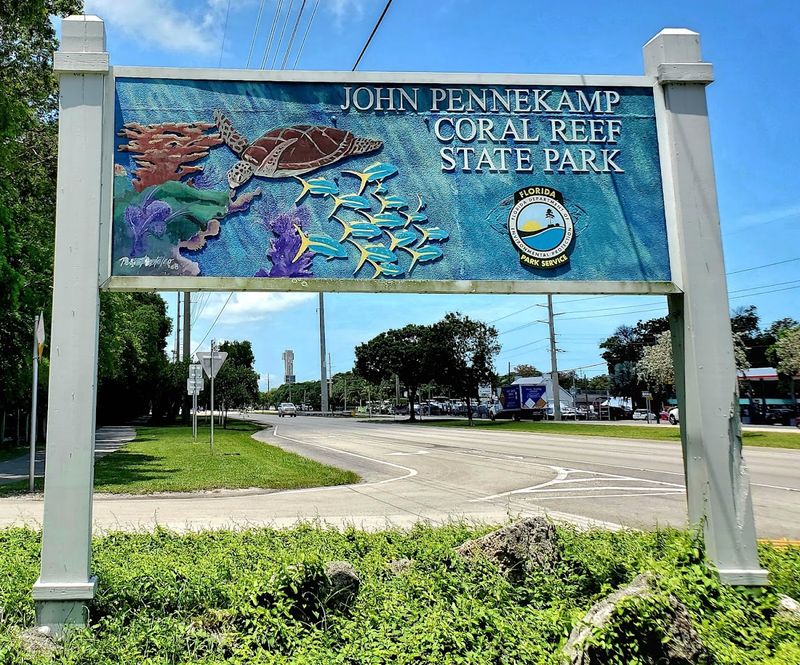
America’s first underwater park extends three miles into the Atlantic, protecting living coral reefs that have thrived here for thousands of years. Glass-bottom boat tours let non-swimmers peer into this aquatic wonderland, where parrotfish crunch on coral and angelfish drift past like living jewels.
June’s calm seas and excellent visibility make it prime time for snorkeling and diving adventures you’ll remember for years.
The park’s most famous resident sits 25 feet below the surface: a nine-foot bronze statue called Christ of the Abyss, arms raised toward the light filtering down from above. Divers from around the world come to visit this underwater shrine, surrounded by schools of yellowtail snapper and curious barracuda.
Snorkelers can view the statue from the surface on exceptionally clear days.
Back on land, mangrove forests line the shore, their tangled roots creating nurseries where baby fish hide from predators. Kayak trails wind through these quiet waterways, where you might surprise a great blue heron or spot a manatee grazing on sea grass.
The visitor center’s aquariums showcase reef creatures up close, perfect for identifying what you’ve seen during your underwater explorations of this tropical paradise.
5. Honeymoon Island State Park
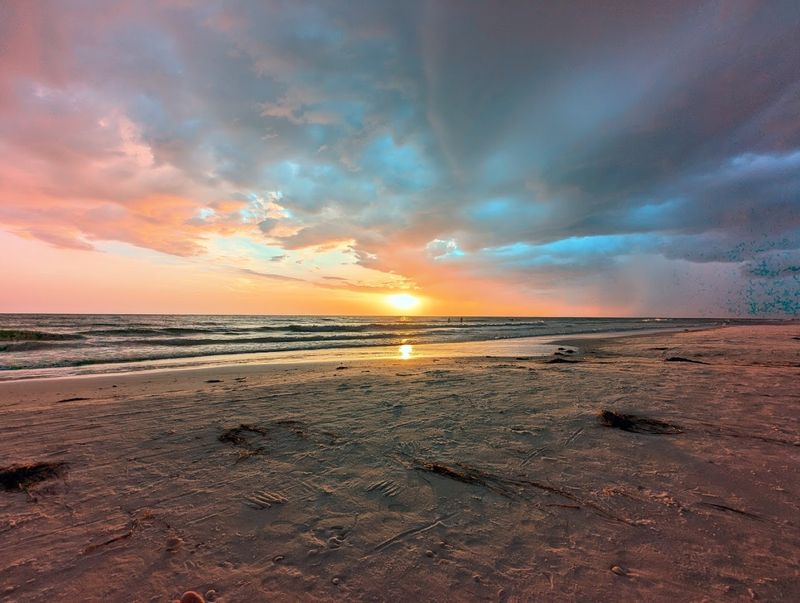
Connected to the mainland by a causeway, Honeymoon Island offers four miles of pristine Gulf beaches where the shelling ranks among Florida’s finest. June’s gentle tides wash up lightning whelks, sand dollars, and colorful coquinas that delight collectors of all ages.
The island got its unusual name in the 1940s when it served as a honeymoon destination for newlyweds staying in thatched-roof bungalows.
The Osprey Trail cuts through the island’s interior, passing through slash pine flatwoods where gopher tortoises lumber across the path. Ospreys nest atop dead snags, raising their chicks and teaching them to fish in the surrounding waters.
June brings baby birds of all kinds, from tiny songbirds to gangly young herons learning to hunt.
At the island’s northern tip, a ferry shuttles visitors to nearby Caladesi Island, another pristine barrier island accessible only by boat. Back on Honeymoon, the beach faces west, creating spectacular sunset views that turn the Gulf into liquid gold.
Dolphins frequently cruise just beyond the swimming area, their dorsal fins cutting through the calm water as they hunt for mullet and other fish in the productive Gulf waters.
6. Anastasia State Park
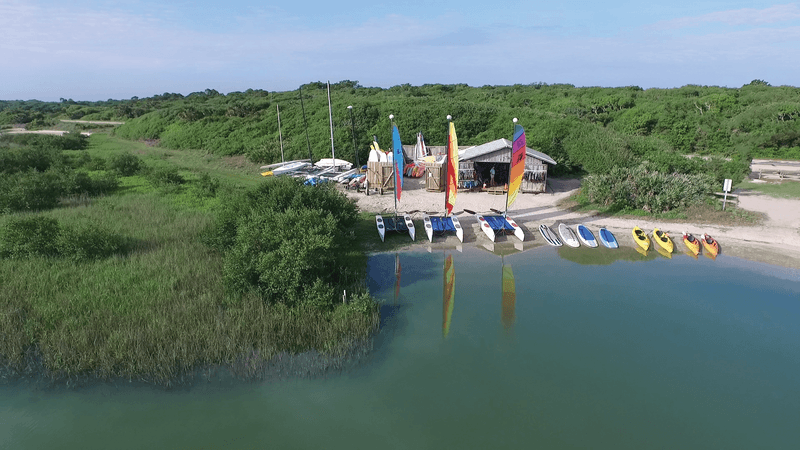
Just across the bridge from historic St. Augustine, Anastasia preserves an ancient landscape of coquina rock and towering dunes shaped by centuries of wind and waves. The beach here stretches for miles, wide and welcoming, with waves perfect for beginner surfers and boogie boarders.
June’s warm water and consistent swells attract families and wave-riders looking for gentle breaks and soft landings.
Salt Run, a tidal lagoon cutting through the park, offers completely different adventures from the ocean side. Kayakers and paddleboarders glide across calm waters, watching for dolphins, manatees, and stingrays cruising the shallows.
The lagoon’s sandy bottom and gentle currents make it ideal for children and anyone wanting to explore without fighting ocean waves.
Nature trails wind through maritime hammock forests where live oaks drip with Spanish moss and resurrection ferns spring to life after summer rains. Gopher tortoises dig extensive burrow systems that provide shelter for dozens of other species, from snakes to burrowing owls.
The park’s campground sits tucked among the dunes, close enough to hear waves while protected from wind, making it a favorite spot for RVers and tent campers exploring Florida’s oldest city and its natural surroundings.
7. Topsail Hill Preserve State Park
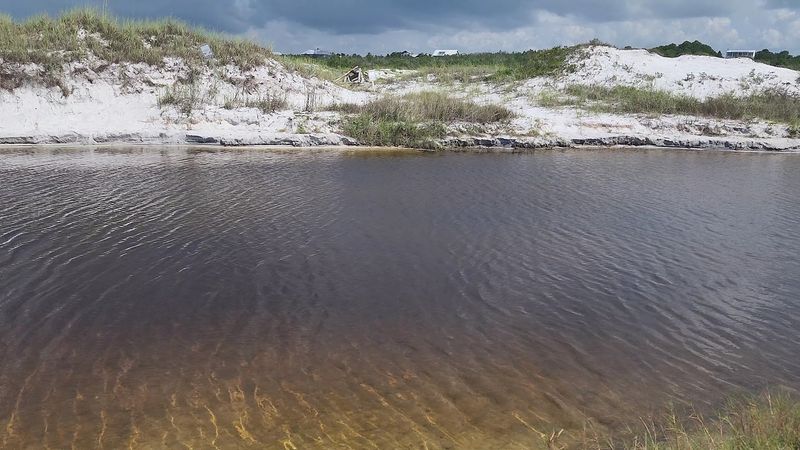
Some of the tallest sand dunes in Florida rise at Topsail Hill, with peaks reaching 25 feet above sea level and offering commanding views of the emerald Gulf waters. These ancient dunes, some over 10,000 years old, support rare plants found nowhere else in the region.
June brings wildflowers blooming across the dune faces, attracting butterflies and providing splashes of color against the brilliant white sand.
Three coastal dune lakes dot the preserve, their unusual brackish waters supporting unique ecosystems where freshwater and saltwater species coexist. Morris Lake and Campbell Lake offer excellent fishing for redfish and flounder, while their shores provide nesting habitat for least terns and other beach-nesting birds.
Kayaking these lakes feels like discovering a secret world hidden just behind the beach dunes.
The park limits daily visitors to protect its fragile ecosystems, meaning you’ll never face the crowds found at other Panhandle beaches. A tram shuttles guests from the parking area to the beach, preserving the dunes while ensuring everyone can access the stunning shoreline.
The preserve’s backcountry camping sites and modern cabins nestle among the dunes, offering overnight visitors the chance to experience sunset and sunrise over some of Florida’s most unspoiled coastal landscapes.
8. Ichetucknee Springs State Park
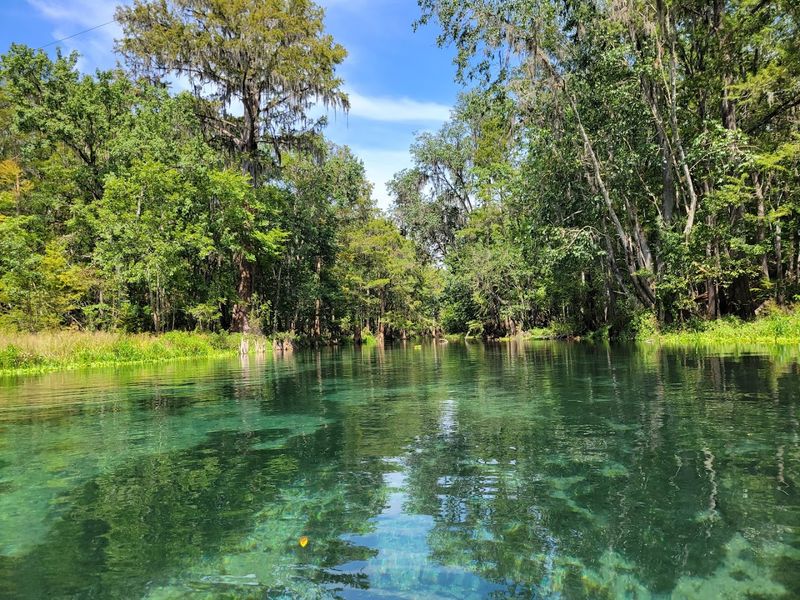
Fed by nine major springs, the Ichetucknee River flows crystal clear and a constant 72 degrees year-round, making June’s warm air temperatures perfect for a refreshing float. Thousands of visitors tube down this gentle river each summer, drifting past cypress trees and limestone outcroppings while staying comfortably cool.
The three-mile float takes about two hours at a lazy pace, with no paddling required as the current does all the work.
Snorkeling here reveals an underwater garden of eel grass swaying in the current, with bass, bream, and turtles gliding through the clear water. The springs themselves bubble up from below, creating boils on the surface where the 72-degree water erupts into the warmer river.
Diving down into these spring vents, you can feel the powerful flow pushing upward from the aquifer deep underground.
The upper section of the river, accessible only to swimmers and snorkelers in summer, offers quieter experiences away from the tubing crowds. Ancient cypress trees line the banks, their knees jutting from the water like wooden sculptures.
River otters play along the shores, and various herons stalk fish in the shallows, creating a peaceful natural corridor that feels worlds away from everyday life despite being just off the highway.
9. Weeki Wachee Springs State Park
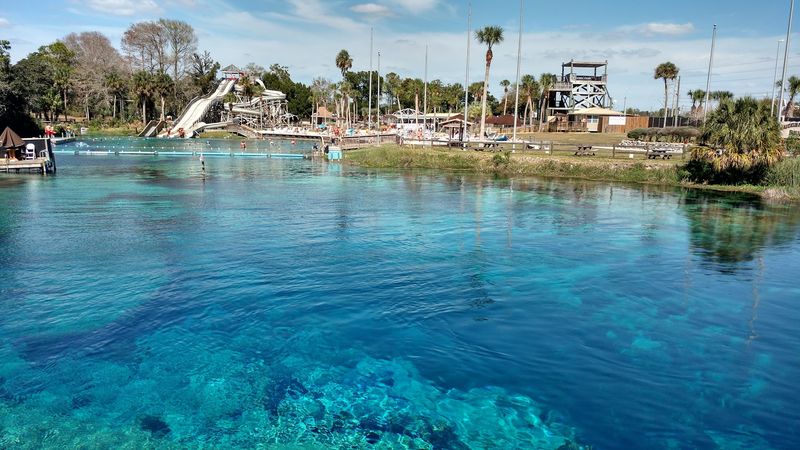
World-famous for its live mermaid shows performed underwater since 1947, Weeki Wachee combines vintage Florida roadside attraction charm with genuine natural beauty. The spring pumps 117 million gallons of clear water daily, creating a river perfect for paddling and wildlife watching.
June’s warm weather makes the 74-degree spring water feel refreshingly cool without the shock of winter swimming.
Beyond the mermaid theater, the spring-fed river winds five miles through untouched wilderness to the Gulf of Mexico. Kayaking or paddleboarding this route reveals a Florida few tourists ever see, with manatees often resting in the warm summer months and various wading birds hunting along the banks.
The water stays so clear you can watch fish swimming below your boat and count individual grains of sand on the bottom.
Buccaneer Bay, the park’s spring-fed water park, offers slides, swimming areas, and sandy beaches perfect for families wanting to cool off. The spring water stays the same temperature year-round, making even the deepest areas comfortable for swimming.
White ibis and wood storks often visit the park grounds, seemingly unconcerned by the human activity, while turtles sun themselves on logs along the river’s quieter stretches downstream from the main spring.
10. Wekiwa Springs State Park
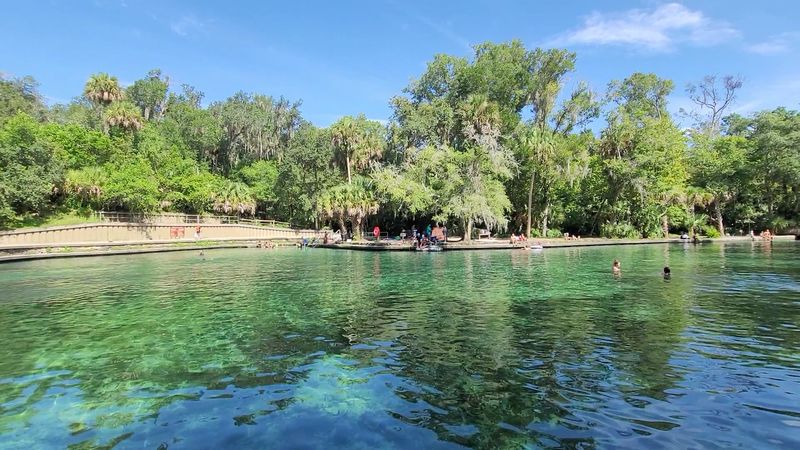
Just minutes from Orlando’s theme park chaos, Wekiwa offers a completely different Florida experience centered around a gorgeous spring pumping 42 million gallons of clear water daily. The spring pool itself invites swimmers to plunge into 72-degree water, with a sandy bottom and limestone ledges perfect for sitting and watching fish dart past.
June brings families looking to escape the heat without leaving Central Florida.
The Wekiva River, fed by the spring, meanders 16 miles through protected wilderness where black bears still roam and alligators sun on every bank. Canoe and kayak rentals make exploring easy, with the gentle current carrying you downstream past cypress swamps and hardwood hammocks.
Sandhill cranes stalk through the shallows, and if you’re lucky, you might spot a river otter family playing near the bank.
Hiking trails loop through various ecosystems, from sand pine scrub to floodplain forest, with the 13-mile trail system offering everything from short nature walks to challenging day hikes. White-tailed deer browse in the early morning, and wild turkeys strut through the underbrush.
The park’s popularity with locals means weekends can get crowded, but weekday visits often feel like having this natural oasis almost entirely to yourself despite its proximity to millions of residents.
11. Fort De Soto Park
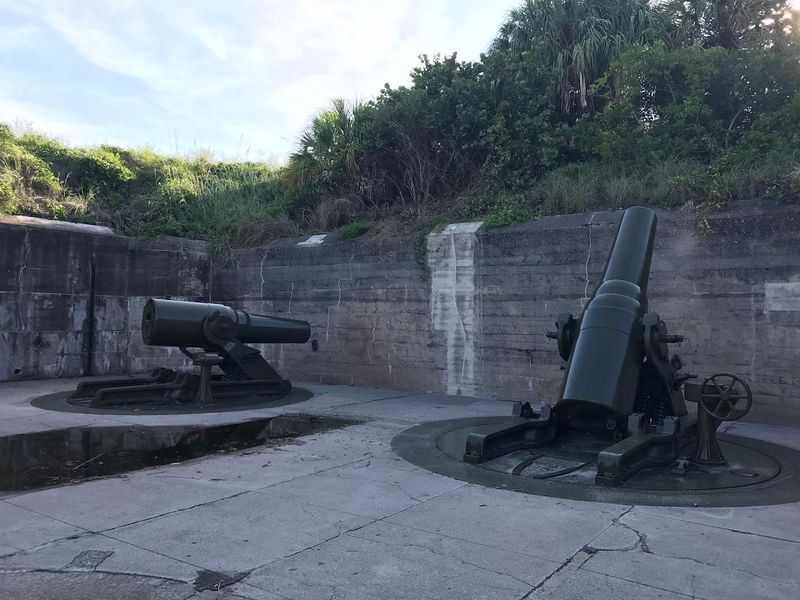
Spanning five interconnected islands at the mouth of Tampa Bay, Fort De Soto combines military history with some of the region’s finest beaches and bird-watching opportunities. The park’s North Beach regularly appears on lists of America’s top beaches, with soft white sand and calm waters protected by the surrounding islands.
June brings nesting least terns and black skimmers, their colonies roped off but easily viewed from nearby.
The historic fort itself, built in 1898, sits remarkably preserved with its mortars still pointing out over the bay. Walking through the structure offers both history lessons and shade from the midday sun.
The surrounding grounds attract migrating birds in spring and fall, while summer residents include roseate spoonbills, reddish egrets, and various herons hunting the shallow flats.
Two fishing piers extend into Tampa Bay, one reaching 1,000 feet into the Gulf and another 500 feet into the bay. Anglers catch snook, redfish, and tarpon depending on the season, while non-fishers walk the piers for spectacular views and dolphin sightings.
The park’s campground fills quickly, especially on weekends, with sites offering water views and easy access to beaches, trails, and the dog beach where four-legged friends can swim and play off-leash in designated areas.
12. St. Andrews State Park
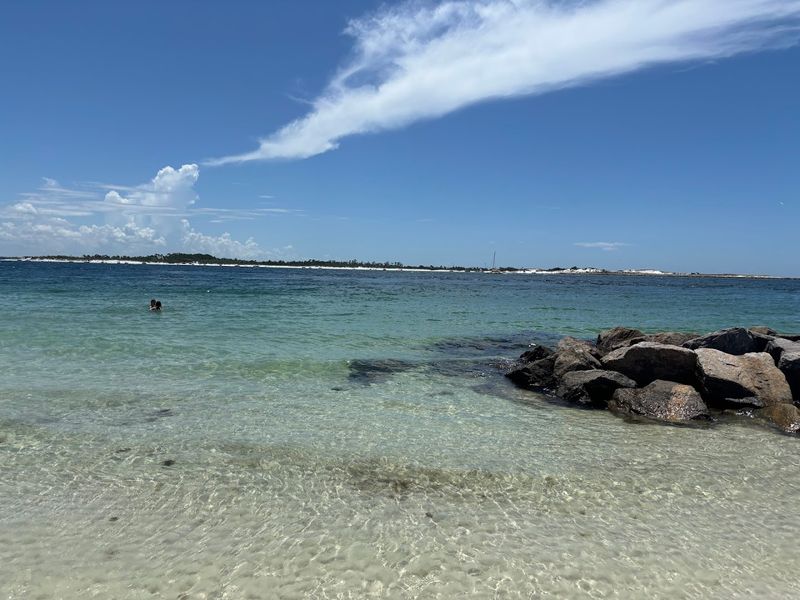
Guarding the entrance to St. Andrews Bay, this park occupies a peninsula where the Gulf of Mexico meets the bay in a collision of currents and marine life. The jetties extending into the Gulf Pass create some of the Panhandle’s best snorkeling, with rocks providing habitat for tropical fish, octopus, and even the occasional sea turtle.
June’s calm seas and warm water make snorkeling comfortable even for beginners nervous about the ocean.
Two distinct beaches offer different experiences: the Gulf side brings rolling waves and deeper water perfect for swimming and surfing, while the bay side stays calm and shallow, ideal for families with small children. Both feature brilliant white sand that squeaks beneath your feet and stays relatively cool even under the hot summer sun.
Nature trails wind through coastal scrub and dune habitats where ghost crabs scuttle into burrows and beach mice rustle through the sea oats. The remains of an old turpentine still hide in the maritime forest, reminding visitors of the area’s industrial past.
Alligators inhabit the freshwater ponds behind the dunes, and ospreys nest on platforms throughout the park. Shell Island, visible just across the pass, beckons adventurous visitors willing to rent a boat or kayak for the short paddle to this completely undeveloped barrier island.
13. Jonathan Dickinson State Park
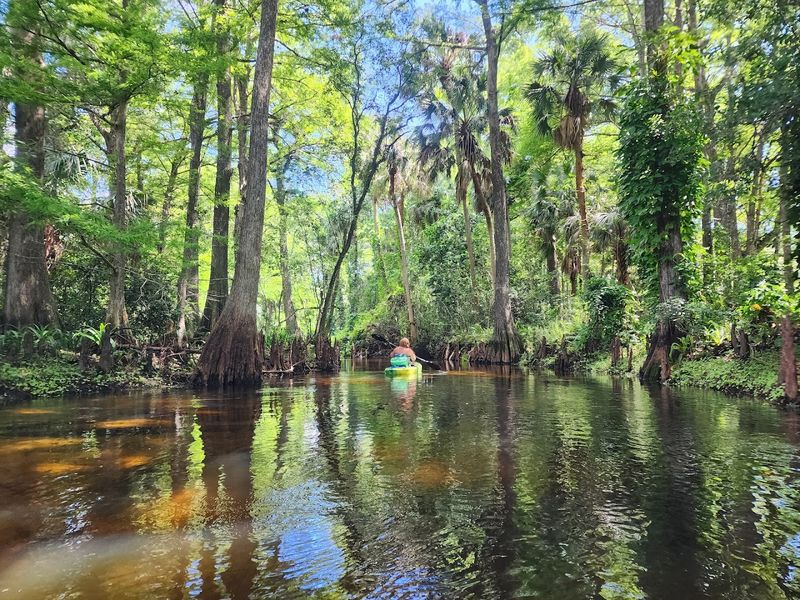
Named for a Quaker merchant shipwrecked here in 1696, Jonathan Dickinson protects the wild Loxahatchee River and surrounding ecosystems from encroaching development. The river, designated as a National Wild and Scenic River, winds through cypress swamps and mangrove forests where alligators lurk and manatees visit during warmer months.
June kayaking trips offer excellent chances to spot wildlife emerging in the early morning or late afternoon.
Climbing the observation tower atop Hobe Mountain (really just a 86-foot-tall ancient sand dune) provides panoramic views across the park’s diverse habitats. You can see the river snaking through the forest, spot the Atlantic Ocean in the distance, and watch hawks riding thermals overhead.
The short but steep trail to the summit passes through sand pine scrub, one of Florida’s rarest and most threatened ecosystems.
The park’s extensive trail system includes everything from short nature walks to the 60-mile Florida National Scenic Trail segment passing through the property. Mountain bikers love the challenging off-road trails winding through the scrub and flatwoods.
The park also offers cabin rentals and camping, with some sites situated right along the river. Boat tours on the Loxahatchee provide narrated trips upriver to Trapper Nelson’s restored pioneer homestead, where the legendary wildman lived off the land for decades.
14. Paynes Prairie Preserve State Park
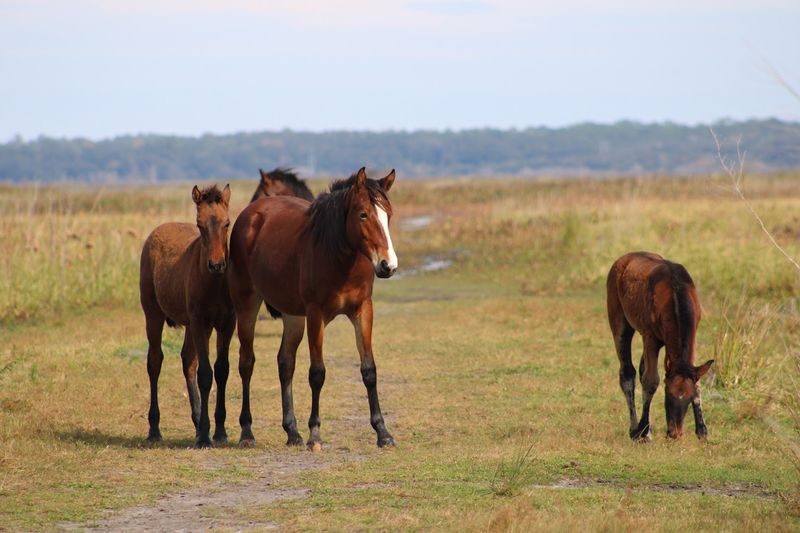
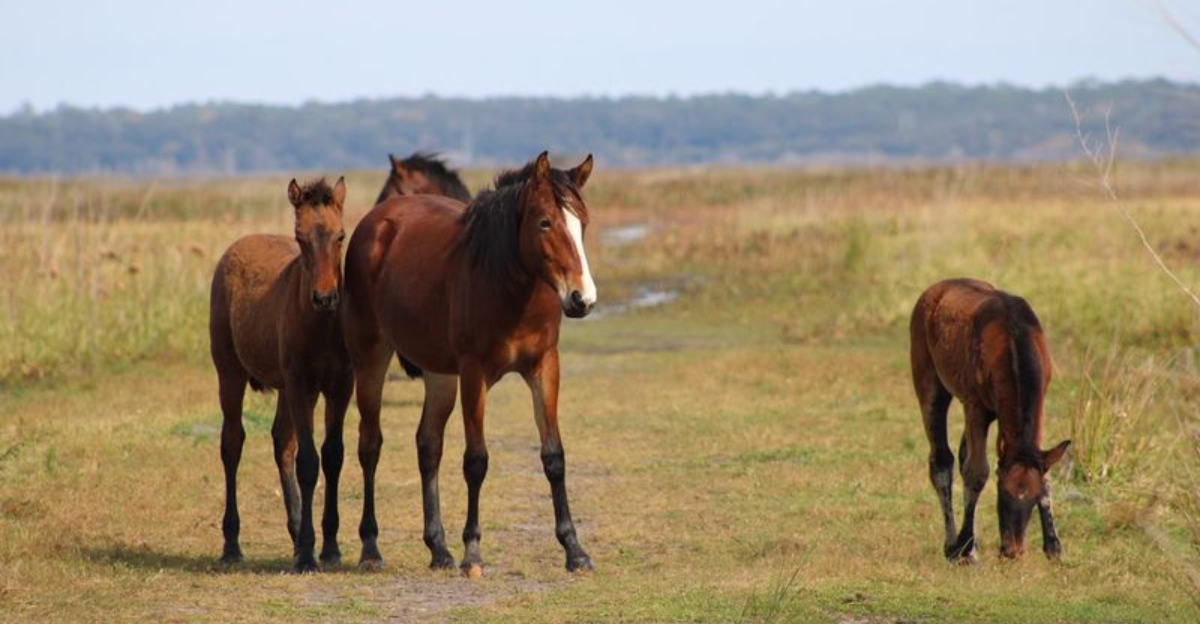
Stretching across 21,000 acres south of Gainesville, Paynes Prairie holds the distinction of being Florida’s first state preserve, protecting a vast bowl-shaped savanna unlike anywhere else in the state. Wild horses and bison roam freely across the grasslands, descendants of herds introduced to restore the prairie’s historic grazing ecology.
June mornings often find these large mammals grazing near the observation tower, creating scenes reminiscent of the Old West rather than typical Florida landscapes.
The La Chua Trail, perhaps Florida’s most alligator-dense hiking trail, leads through marsh and prairie to an observation platform overlooking Alachua Sink. Dozens of gators bask along the trail and in the water, close enough for incredible photos but safely separated from visitors by the boardwalk.
Wading birds stalk fish in the shallows while anhingas dry their wings on snags, creating a wildlife spectacle rivaling anything on nature documentaries.
The preserve’s 50-mile trail system attracts hikers, bikers, and horseback riders exploring diverse habitats from pine flatwoods to hardwood hammocks. Sandhill cranes nest in the prairie, their rolling calls echoing across the grasslands.
The observation tower provides sweeping views of the entire basin, where seasonal flooding creates a vast shallow lake or recedes to reveal the prairie grasses, depending on recent rainfall and the time of year.