Few People Know About the Stunning White-Sand Beaches at This Florida State Park
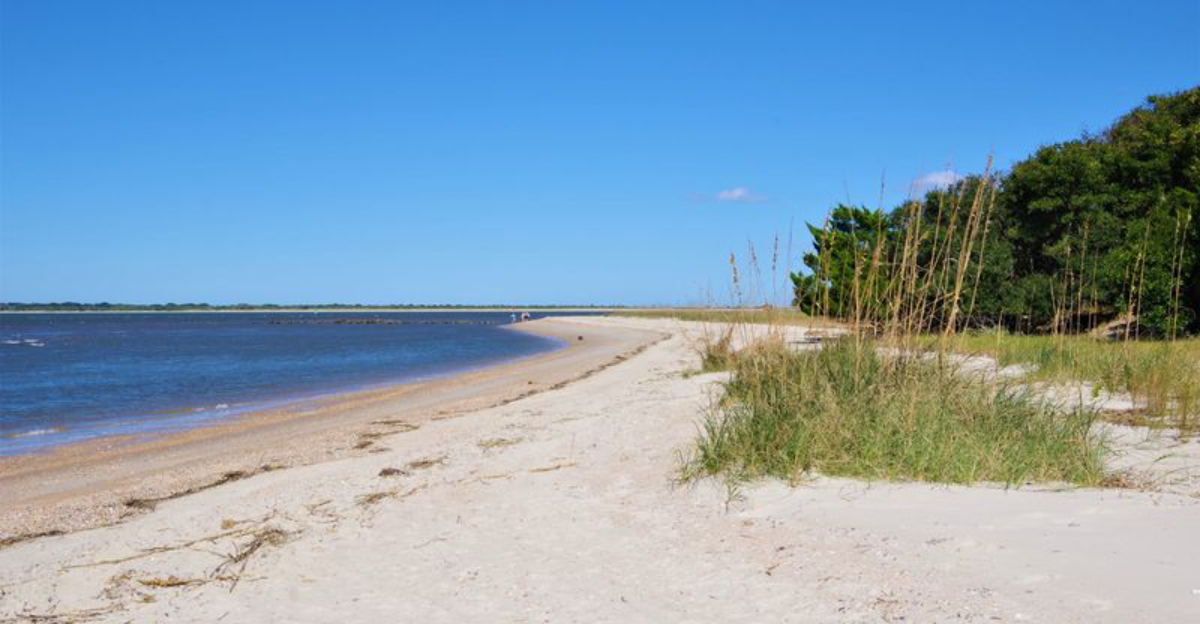
Tucked away on the northern tip of Amelia Island, Fort Clinch State Park hides some of Florida’s most beautiful and uncrowded beaches. While tourists flock to more famous coastal destinations, this historic park offers pristine white sand, fascinating wildlife, and peaceful shorelines that feel like your own private escape. Whether you’re hunting for shark teeth, watching dolphins play in the surf, or simply soaking up the sun without battling crowds, Fort Clinch delivers an authentic Florida beach experience that most visitors never discover.
1. Pristine White-Sand Shorelines That Rival Any Gulf Coast Beach
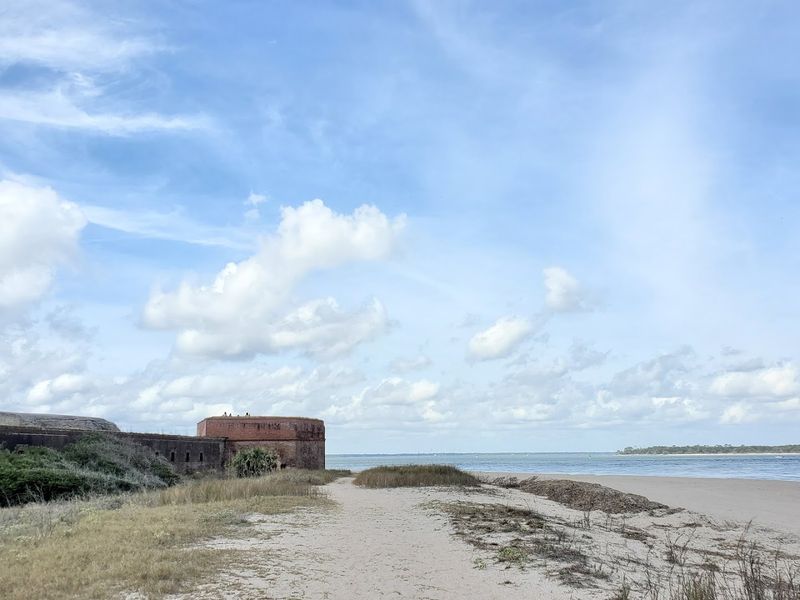
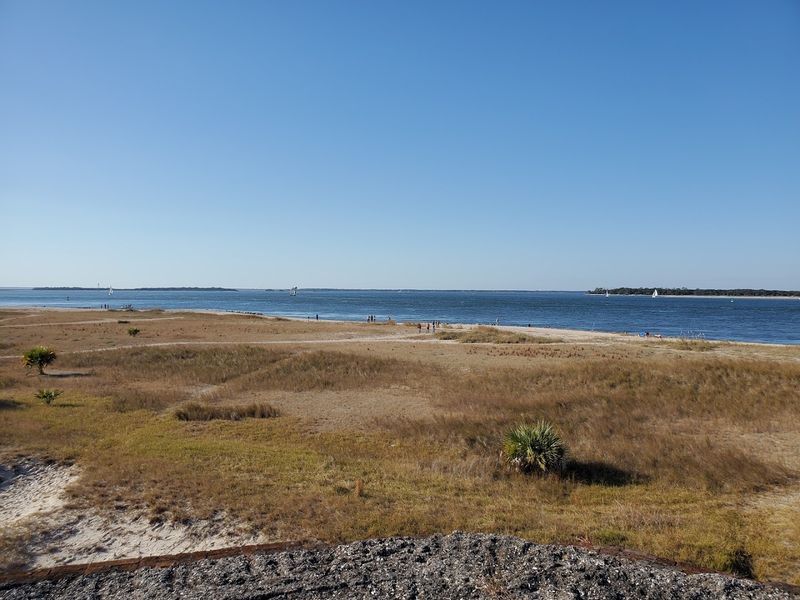
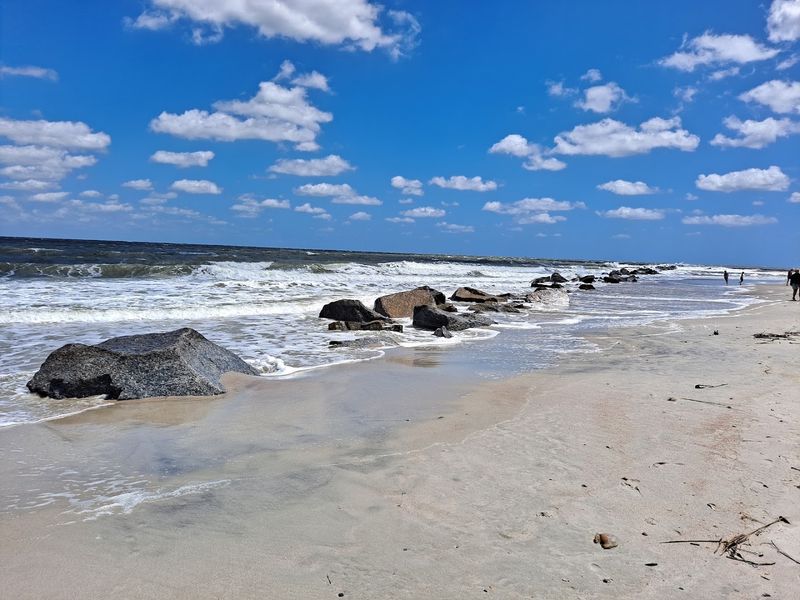
Most people associate Florida’s whitest beaches with the Gulf Coast, but Fort Clinch proves the Atlantic side has its own hidden gems. The park’s shoreline stretches along the northernmost point of Amelia Island, where soft white sand meets surprisingly clear water. Unlike the packed beaches just miles south in Fernandina Beach’s downtown area, these shores remain blissfully quiet even during peak season.
What makes these beaches truly special is their dual personality. On one side, you’ll find the ocean-facing strand perfect for swimming and sunbathing. Walk a bit further, and you’ll discover the inlet side where the St. Marys River meets the Atlantic, creating calmer waters ideal for families with young children.
The sand here feels powdery underfoot, and the beach stays remarkably clean thanks to dedicated park staff and respectful visitors. You won’t find vendors hawking souvenirs or beach chairs cluttering the landscape. Just pure, unspoiled coastline that looks much like it did centuries ago when the fort was first built.
Parking sits conveniently close to beach access points, so you won’t exhaust yourself hauling coolers and gear. Multiple boardwalks cross the dunes, protecting the fragile ecosystem while giving you easy entry to paradise. Best of all, the $6 per vehicle entrance fee keeps crowds manageable while maintaining this spectacular natural treasure.
2. World-Class Shark Tooth Hunting Right at Your Feet
Forget expensive treasure hunts or crowded fossil beaches down south. Fort Clinch offers some of the best shark tooth hunting in Florida, and most beachgoers walk right past them without realizing what’s beneath their feet. The northern location and unique currents bring ancient fossilized teeth washing ashore daily, creating a constantly replenishing supply of prehistoric souvenirs.
Train your eyes to spot the telltale black triangular shapes against the lighter sand, and you’ll start finding them everywhere. Early morning visits after high tide yield the best results, when fresh deposits haven’t been picked over yet. Some visitors report finding dozens of teeth in a single hour-long walk.
The teeth range from tiny slivers to impressive specimens several inches long, representing species that swam these waters millions of years ago. Kids absolutely love this natural scavenger hunt, and it adds an educational element to your beach day. Unlike shells that might house living creatures, shark teeth are guilt-free keepsakes that connect you to Florida’s ancient past.
Bring a small mesh bag or container to collect your finds, and consider bringing a sand sifter to really maximize your haul. The jetty area near the fort tends to concentrate teeth, though the entire beach produces results. Veterans recommend looking in the wet sand where waves recede, as the water helps the black teeth stand out more clearly against the white background.
3. Sunset Views From Historic Fort Walls That Take Your Breath Away
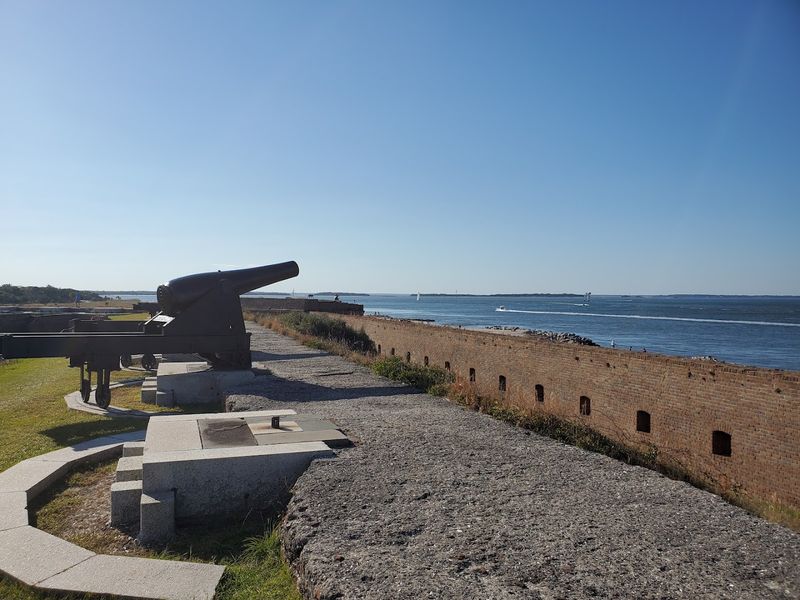
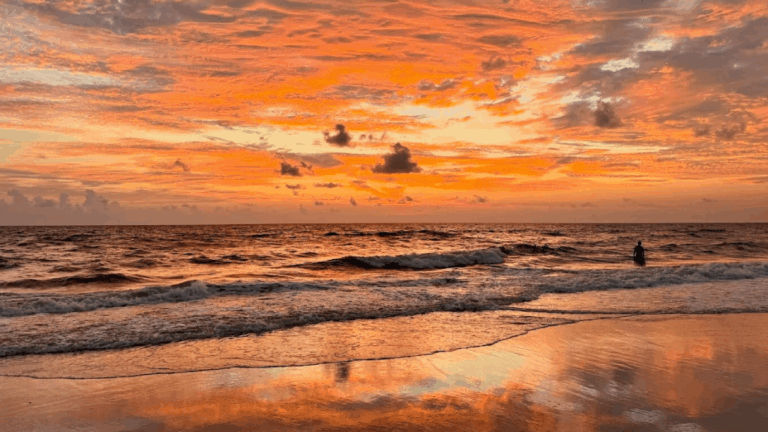
Climbing to the top of Fort Clinch as the sun begins its descent offers something magical that few visitors experience. From the elevated brick ramparts, you’ll witness sunsets that paint the sky in brilliant oranges, pinks, and purples while reflecting off the surrounding waters. The vantage point provides 360-degree views that showcase both the Atlantic Ocean and the Cumberland Sound inlet simultaneously.
The fort’s strategic position at the island’s northern tip means you’re watching the sun set over marshlands and waterways rather than directly into the ocean. This creates uniquely beautiful conditions where the fading light illuminates the entire landscape in golden hour perfection. Photographers find endless inspiration here, and even smartphone snapshots turn out stunning.
What really sets these sunsets apart is the lack of modern intrusions. No high-rise condos block your view, no beach bars blast music to interrupt the moment. Just historic brick walls, century-old cannons silhouetted against the sky, and nature putting on her evening show exactly as she has for thousands of years.
The fort charges just $2.50 per person to enter beyond the basic park admission, making this one of Florida’s best bargains for sunset viewing. Arrive about 45 minutes before sunset to explore the fort’s rooms and position yourself on the upper level. Bring a light jacket since breezes pick up as temperatures drop, and prepare for a memory that’ll outlast any souvenir.
4. Wildlife Encounters That Happen When You Least Expect Them
Drive slowly through Fort Clinch’s winding entrance road, and you’ll quickly understand why visitors rave about the wildlife here. White-tailed deer casually graze alongside the pavement, so accustomed to respectful park guests that they barely glance up as cars pass. Cardinals flash their brilliant red plumage from tree branches, while great horned owls nest in the maritime forest that shelters the park.
The real show happens along the shoreline and marshes. Dolphins regularly patrol the waters just offshore, their fins breaking the surface as they hunt for fish. Visitors report seeing them from the beach, the fishing pier, and especially from the fort’s elevated walls.
If you time your visit right, you might even spot a submarine from the nearby Kings Bay Naval Base gliding past the inlet.
Shorebirds work the tideline constantly, and patient observers can watch their feeding behaviors up close. Sandpipers scurry on impossibly fast legs, while pelicans dive-bomb the surf with surprising grace for such large birds. The jetty area attracts wading birds hunting in the calmer waters where river meets ocean.
Serious wildlife watchers should bring binoculars and visit during early morning or late afternoon when animals are most active. The park’s diverse ecosystems support everything from tiny fiddler crabs in the marshes to majestic ospreys circling overhead. Every visit offers different encounters, making each trip feel like a new adventure rather than a repeat experience.
5. Camping Steps Away From Your Own Private Beach Paradise
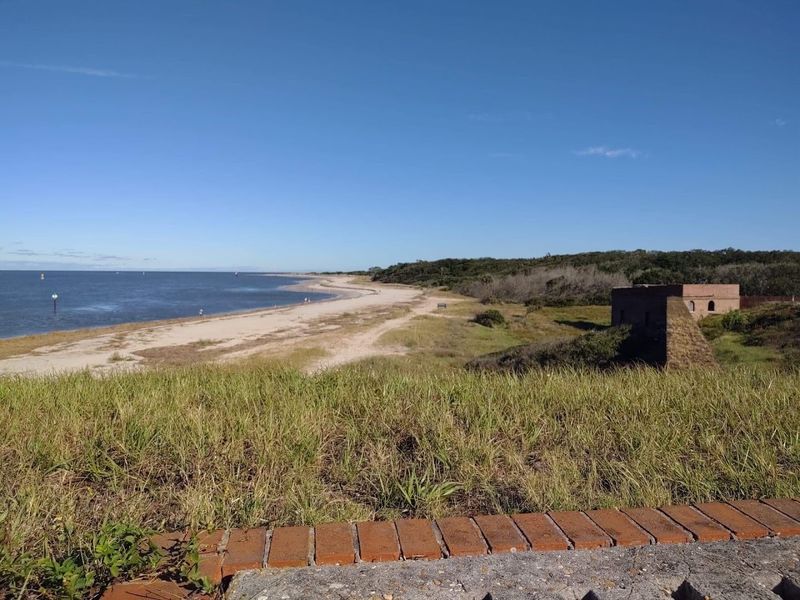
Imagine unzipping your tent to ocean breezes and the sound of waves greeting you each morning. Fort Clinch’s beachside camping loop makes this dream a reality, offering sites just a short boardwalk stroll from the sand. Unlike crowded commercial campgrounds where sites squeeze together like sardines, these spots provide genuine space and privacy among the coastal vegetation.
The beach loop accommodates both tent campers and RVs up to 30 amps, with water and electric hookups at each site. Reviewers consistently praise the cleanliness of the bathhouse, which features hot showers and well-maintained facilities. The mostly sand and grass sites drain well even after heavy rains, though one unlucky camper learned to check drainage after a particularly soggy night.
What really sells the experience is waking up to catch sunrise over the Atlantic, then watching sunset from the same beach just hours later. The short walk to the shore means you can easily make multiple beach trips throughout the day without the hassle of packing up and driving. Kids love the freedom to run back and forth between campsite and beach.
Wildlife viewing from your campsite adds another dimension to the camping experience. Deer wander through regularly, and lucky campers have spotted great horned owl families nesting nearby. The park’s size means a nearly 10-minute drive from entrance to campsites, creating a genuine sense of escape from civilization.
Book well ahead for beach loop sites, as they fill quickly, especially during pleasant weather months.
6. The Fishing Jetty Where Anglers Land Impressive Catches Year-Round
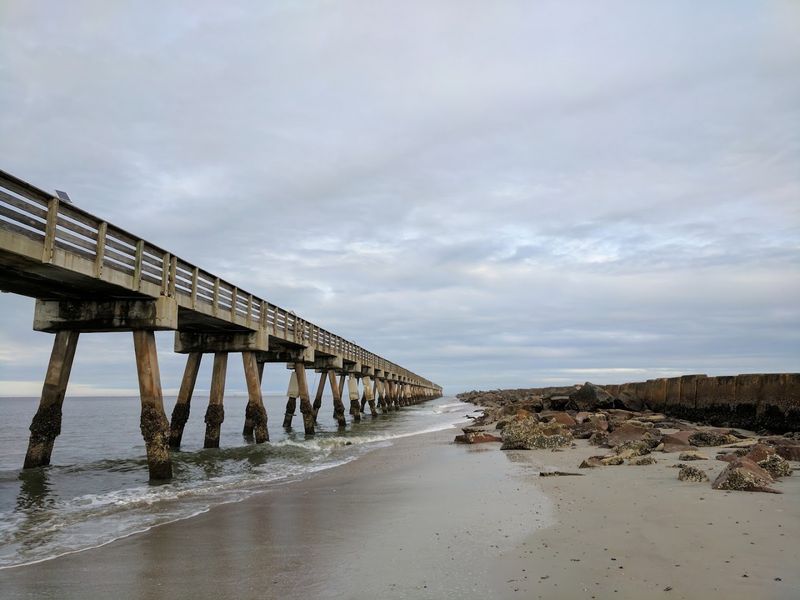
Walk out onto Fort Clinch’s fishing jetty, and you’ll join a community of anglers who know this spot produces results. The rocky structure extends into the convergence of river and ocean currents, creating ideal conditions for numerous fish species. Unlike many Florida fishing spots that require boats or expensive charters, this jetty gives shore-based anglers access to genuinely productive waters.
Year-round fishing means you’ll find action regardless of when you visit. Different seasons bring different species, from redfish and flounder to Spanish mackerel and even the occasional tarpon. The rocks provide habitat for smaller baitfish, which in turn attracts larger predators within casting distance.
Experienced jetty fishermen recommend coming prepared for the environment. The rocks can be slippery and uneven, so proper footwear matters more than fashion. Bring a cooler for your catch, plenty of water for yourself, and sun protection since shade is nonexistent out on the jetty.
The walk from parking to the productive end requires some effort, but the fish make it worthwhile.
Locals fish here regularly, and most are happy to share tips about what’s biting and which baits are working. The camaraderie among jetty regulars creates a welcoming atmosphere for visitors trying their luck. Just remember your Florida fishing license, follow size and bag limits, and respect fellow anglers by giving them space.
The $6 park entrance fee seems like a bargain when you’re reeling in dinner with a historic fort as your backdrop.
7. Nature Trails That Reveal Florida’s Coastal Ecosystems Up Close
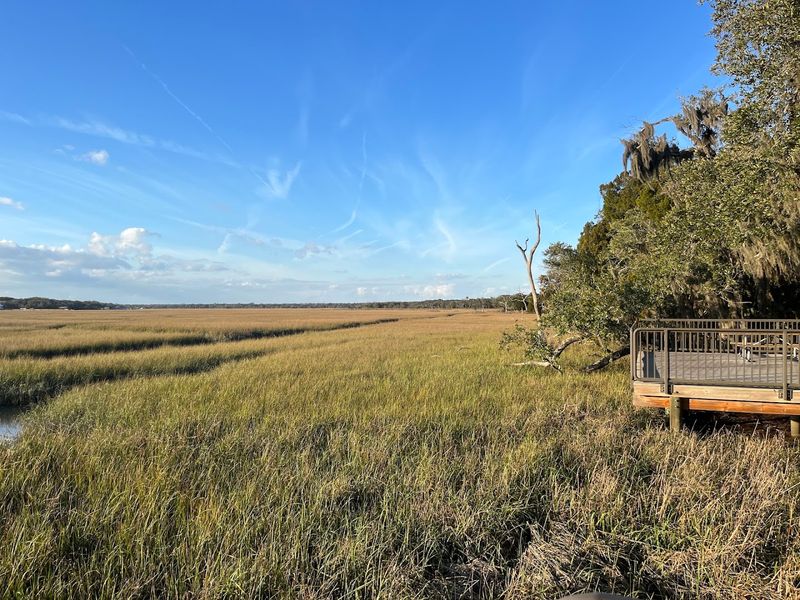
Beyond the beaches and fort, Fort Clinch hides a network of trails that showcase Florida’s diverse coastal habitats. These paths wind through maritime forests where live oaks draped in Spanish moss create natural canopies that provide welcome shade on hot days. Unlike the exposed beach areas, the trails offer cooler exploration options when the sun becomes too intense.
The Willow Pond Nature Trail proves particularly popular with families and casual hikers. This easy loop introduces visitors to the park’s plant and animal communities without requiring serious hiking skills or endurance. Interpretive signs along the way educate walkers about the ecosystem, turning a simple stroll into an outdoor classroom experience.
Birdwatchers especially appreciate the trails for the variety of species they reveal. Cardinals, as numerous reviewers mention, seem to flourish here, their bright red feathers standing out against the green forest backdrop. Patient observers might spot woodpeckers, warblers, and other songbirds that prefer the forest interior to open beach areas.
The trails also provide access to scenic overlooks where the forest meets the marshlands. These viewing areas come equipped with binoculars donated by nature enthusiasts, allowing everyone to get close-up views of distant birds and wildlife. Bring mosquito repellent during warmer months, as the shaded, moist environment that nurtures such rich biodiversity also supports healthy bug populations.
The trails prove that Fort Clinch offers much more than just beach experiences for visitors willing to explore beyond the obvious attractions.
8. A Historic Fort That Brings Civil War History to Life
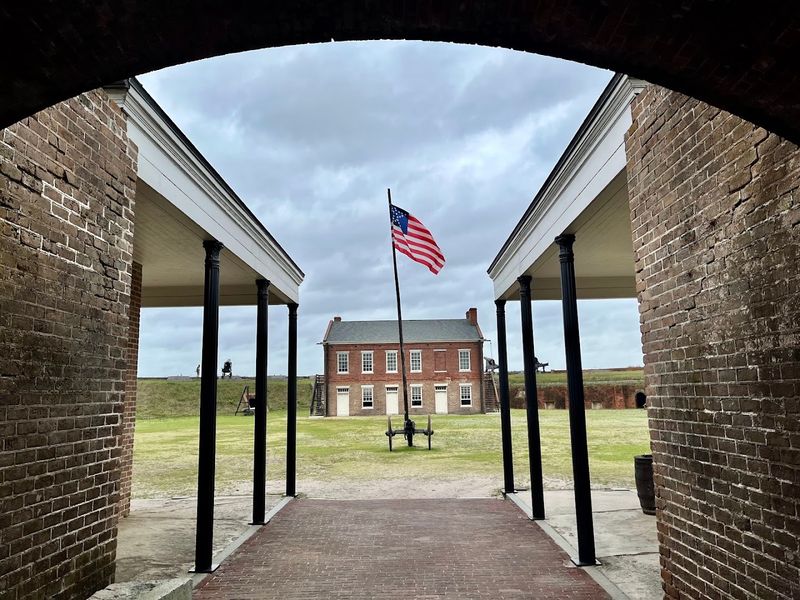
Step through Fort Clinch’s brick archways, and you’re walking into a remarkably preserved piece of American history. Construction began in 1847, and though the fort never saw actual combat, it played strategic roles during the Civil War and Spanish-American War. Today, it stands as one of the best-preserved 19th-century forts in the nation, offering visitors an authentic glimpse into military life from that era.
What makes Fort Clinch special is how accessible and explorable it remains. You can wander through soldiers’ barracks, peek into officers’ quarters, and climb onto the ramparts where massive cannons still point toward the sea. The fort hasn’t been sanitized into a sterile museum; instead, it feels alive with history, especially during living history demonstrations when reenactors in period uniforms bring the 1864 garrison to life.
The self-guided tour allows you to explore at your own pace, reading informative displays that explain the fort’s construction, purpose, and daily operations. Kids love the hands-on aspects, like examining the enormous cannons up close and imagining what life was like for soldiers stationed at this remote outpost. Some lucky visitors even witness mock “pirate invasions” staged for educational entertainment.
The small museum at the entrance provides context before you enter the fort proper, and the gift shop offers reasonably priced souvenirs and snacks. For just $2.50 beyond the park entrance fee, you get hours of exploration through brick tunnels, restored rooms, and strategic positions that once guarded Florida’s northeastern coast.