Few People Know About This Peaceful Catholic Shrine Hidden in Florida’s Oldest City
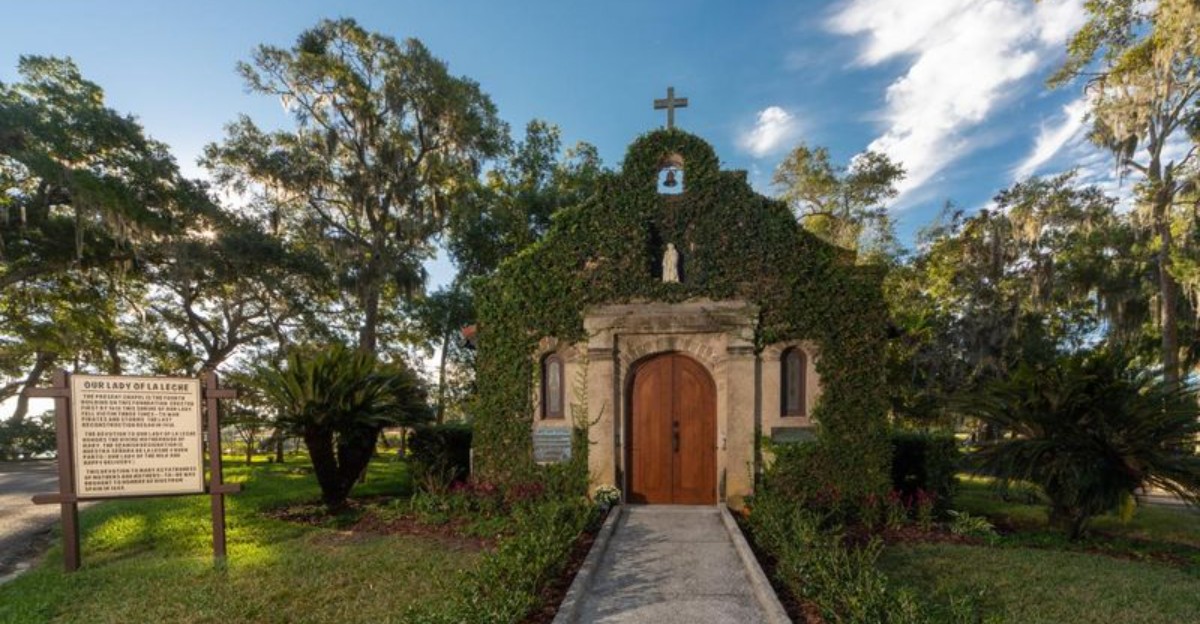
St. Augustine is famous for busy streets, old forts, and ghost tours. But just a short drive from the crowds sits a quiet spot beside Matanzas Bay. The National Shrine of Our Lady of La Leche is the oldest Marian shrine in the continental United States.
Here is a look at eight reasons this peaceful place deserves a spot on your Florida list.
1. The Oldest Marian Shrine in the Continental U.S.
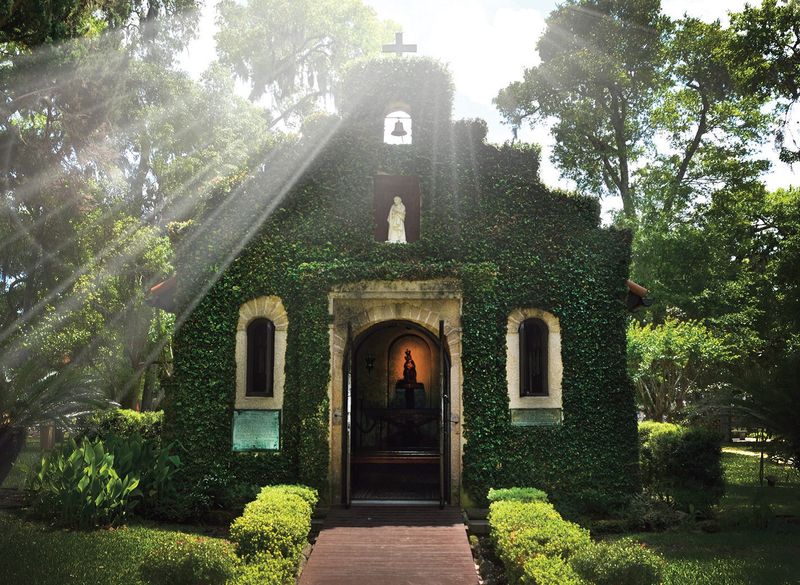
Picture a tiny chapel that has been part of Florida life since the early 1600s. That is the story here. The shrine honors Mary under the title Our Lady of La Leche, and it is known as the oldest Marian shrine in the continental United States.
Historians link its roots to roughly 1609 through the 1670s, when Spanish settlers and missionaries built a place of devotion in the young colony. Over the centuries the buildings changed, but the prayers never really stopped. Visitors today are joining a line of pilgrims that stretches back more than 400 years.
The name means Our Lady of the Milk. Many families have come to ask for help with pregnancy, birth, and children. One visitor wrote that they came twelve years ago to pray for two families, returned later to pray for more, and even gave thanks for the births of grandchildren.
You do not need to know all the history to feel it. The chapel is small, the air is quiet, and the walls seem to hold every whispered request. Stand inside for a minute and let the world slow down.
Many guests say that pause is the best souvenir they take home.
2. America’s Most Sacred Acre
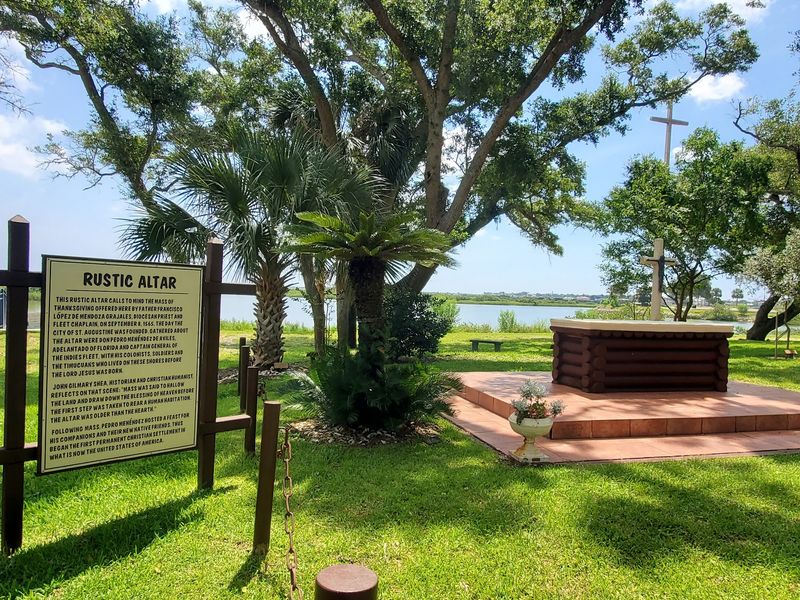
Some places earn a nickname the hard way. This 26-acre site along Matanzas Bay is often called America’s Most Sacred Acre. The name points to a small patch near the Rustic Altar and the Historic Chapel.
Archaeological research suggests this may be the very spot where the first Mass was celebrated in 1565, when Spanish settlers landed with Pedro Menendez. That makes it the cradle of Catholicism in what is now the continental United States. Later, the ground was also tied to missionaries who gave their lives for their faith.
Standing here feels different from reading about it in a textbook. The lawn is open, the bay sparkles nearby, and there are no big signs shouting for your attention. It is easy to picture ships resting offshore and settlers stepping onto the sand.
Take a slow lap around the altar area before wandering elsewhere. Read the markers, then look out across the water and try to imagine that first morning. Even visitors who describe themselves as not religious say the place hits them with a calm they did not expect.
History lands harder when it is quiet.
3. A 208-Foot Cross Over the Water
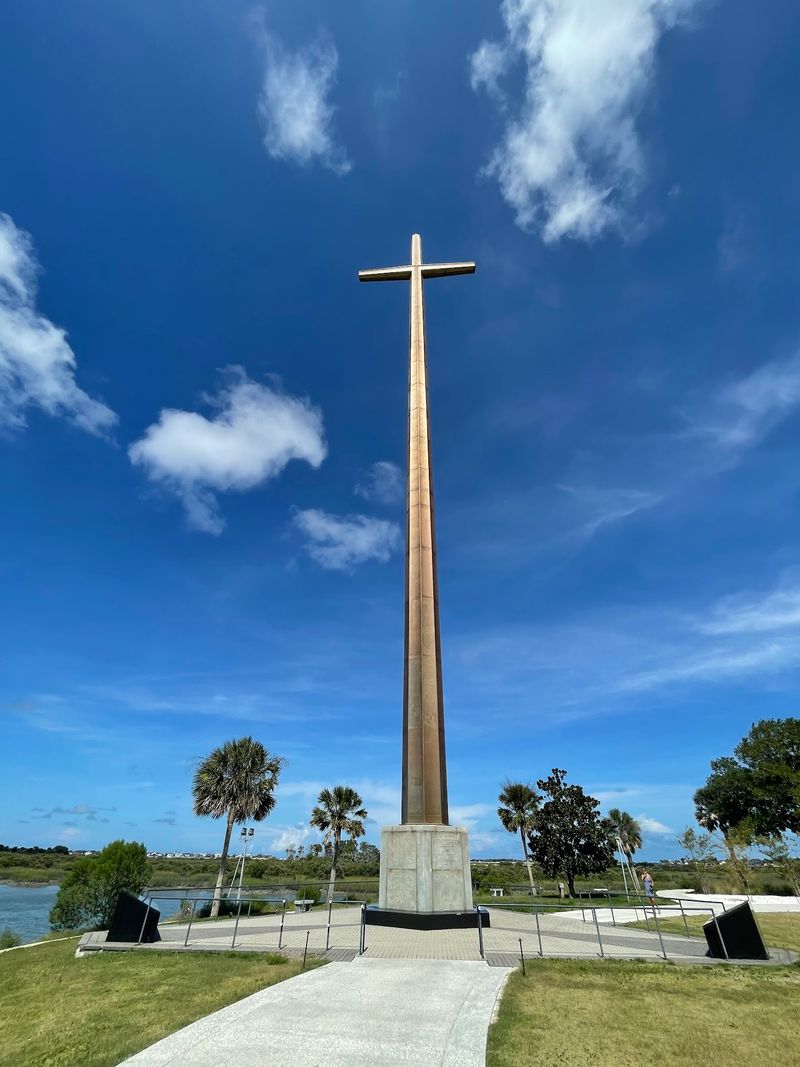
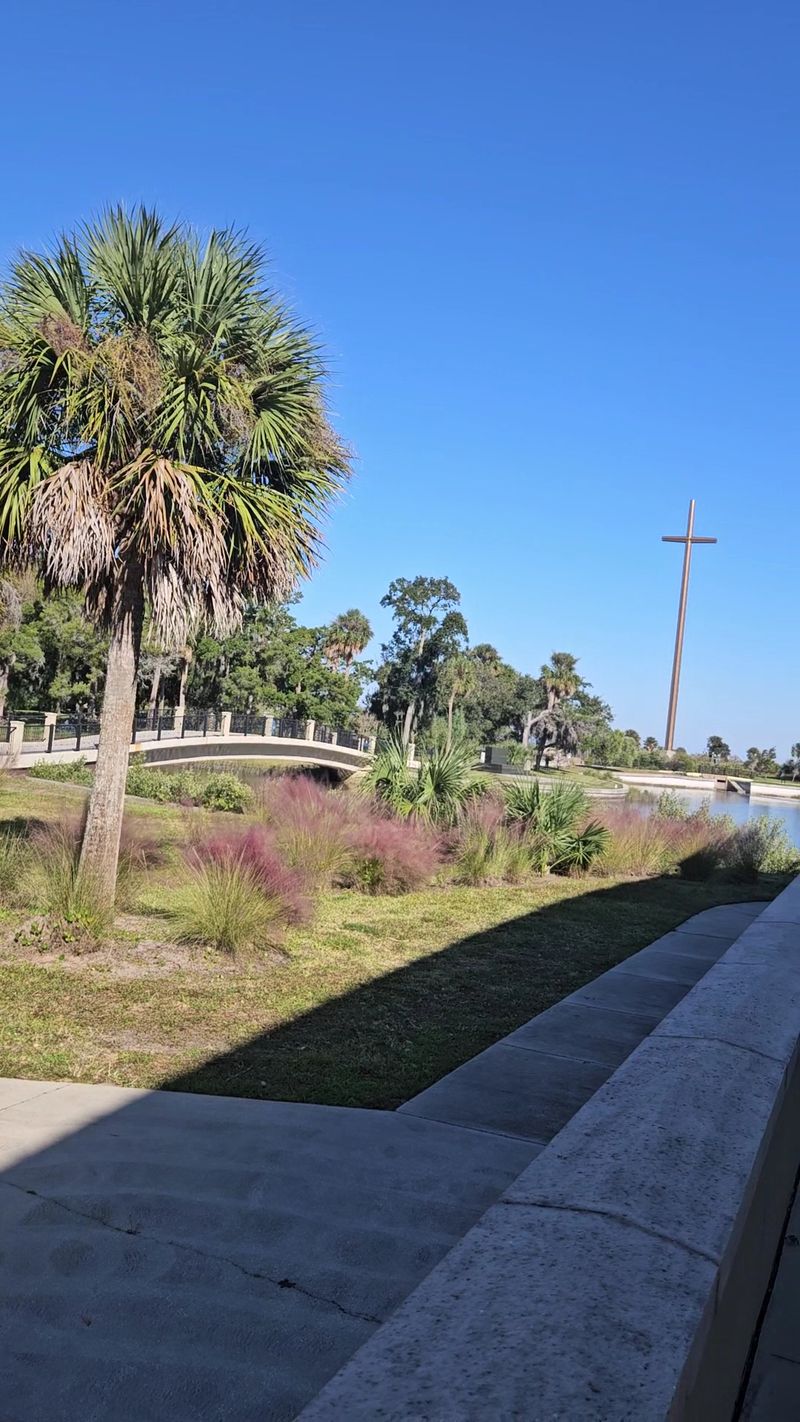
You will spot it before you park. A huge cross rises beside the bay, and it is the landmark most people remember first. Google lists it at about 204 feet, and it marks the place where the Spanish came ashore in 1565.
Walking out to it is half the fun. The path winds across the grounds, and the view opens up to boats, marsh grass, and shining water. Bring a camera, because the light around sunrise and late afternoon is gorgeous.
Wildlife likes this spot too. Reviewers have mentioned ospreys, egrets, and even dolphins surfacing right next to the cross. One visitor said a dolphin appeared while they were praying, which felt like a bonus blessing.
Up close, the size sinks in. Tilt your head back and you realize just how tall it stands against the sky. It looks impressive from the road, but standing at its base is what gives you the real sense of scale and quiet meaning.
Give yourself time to linger on the shoreline. Nobody is rushing you, and the breeze off the bay makes it easy to stay awhile.
4. The Rosary Garden and Walking Path
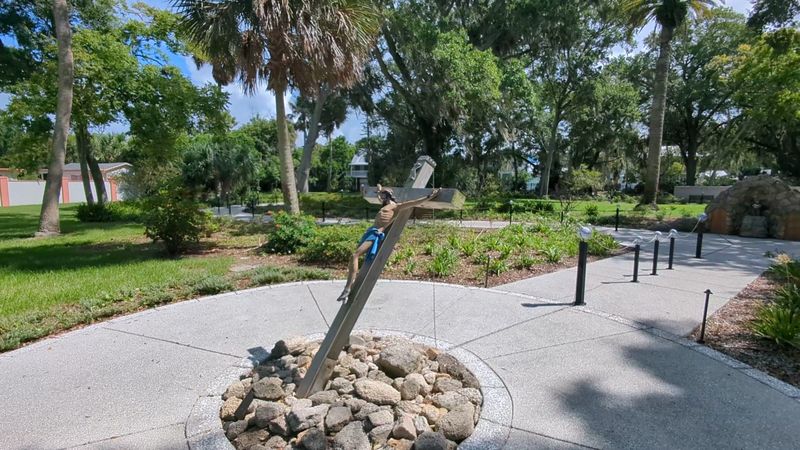
Here is a prayer tool you can actually walk through. The Rosary Garden lays out giant polished stone beads along a path, spaced so you can move from one to the next at a natural pace. One visitor said the spacing is perfect for saying a full rosary between the stones.
Families like it too. A reviewer who walked the Rosary Walk with relatives called it the perfect end to a week in St. Augustine. Kids can follow the beads like a trail, while adults settle into a quiet rhythm.
You do not have to be Catholic to enjoy the stroll. The garden is tidy, shaded in spots, and lined with plants that bloom in spring. Staff have even encouraged guests to return when the flowers come in.
If you want a simple plan, start at the first bead, walk slowly, and leave your phone in your pocket for the loop. The whole thing is easy on the legs and gentle on the mind. It also makes a fine reset after a morning of crowded sidewalks downtown.
5. The Small Chapel That Stops the World
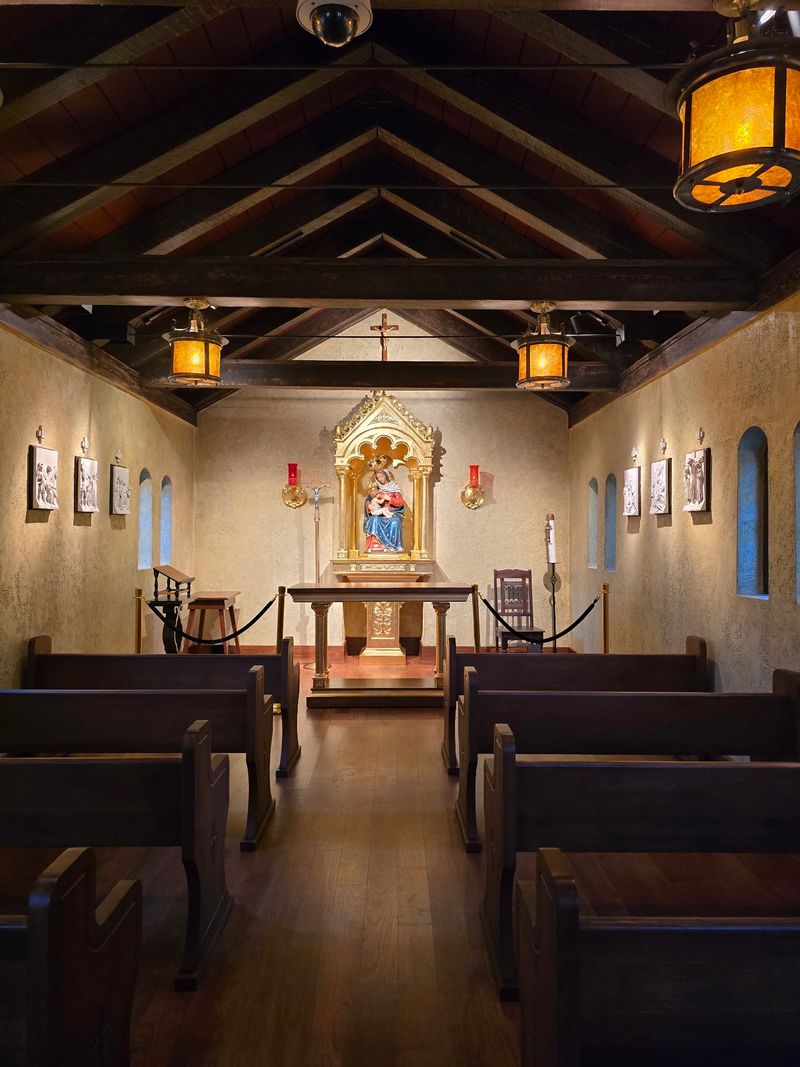
“When you enter, it’s like the whole world stops.” That is how one guest described the chapel, and plenty of others say the same. It is small, but the feeling inside is anything but.
Wooden pews, soft light, and a statue of Our Lady of La Leche set the mood. Visitors often light candles and sit for a while with their own thoughts. Staff members greet people warmly at the door, which adds to the welcome.
The chapel is known for prayers about motherhood, pregnancy, and family. You will see people of all ages sitting quietly, some with tears, some with smiles. It is a place where nobody asks questions.
A few etiquette tips help. Keep your voice low, silence your phone, and dress modestly out of respect. If a service is happening, wait outside until it ends.
There is also a visitor book near the entrance where you can sign your name. It is a small touch, but reading the notes from other travelers reminds you how far people come to sit in this little room.
6. A Museum That Sets the Stage
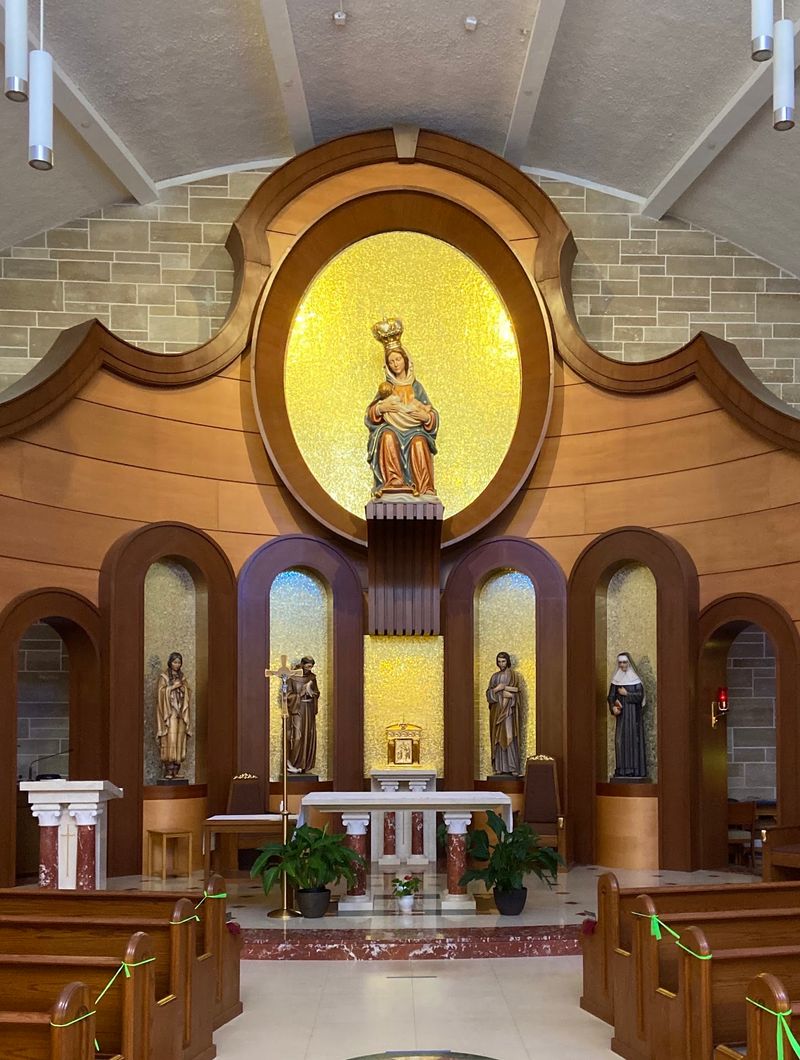
Start inside the museum, and the rest of the grounds make more sense. One visitor said they were glad they stopped there first, because the guides handed over a map and pointed out the best places to explore. Some guides are bilingual, which is a helpful bonus.
The exhibits cover the mission story, the first Mass, and daily life in early St. Augustine. You will see artifacts that bring the timeline to life, from old tools to religious items. The building is small, so you can finish in a short visit without feeling worn out.
Another reviewer came for the mission and left loving the graveyard and the La Leche Chapel too. That is exactly what a good introduction does. It sends you outside with curiosity instead of confusion.
There is a gift shop nearby if you want a keepsake, such as a rosary, a card, or a small book about local history. Ask the staff which trail to take if your time is short.
A few minutes of reading here can turn a nice walk into a story you actually understand.
7. Old Graves and Stations of the Cross
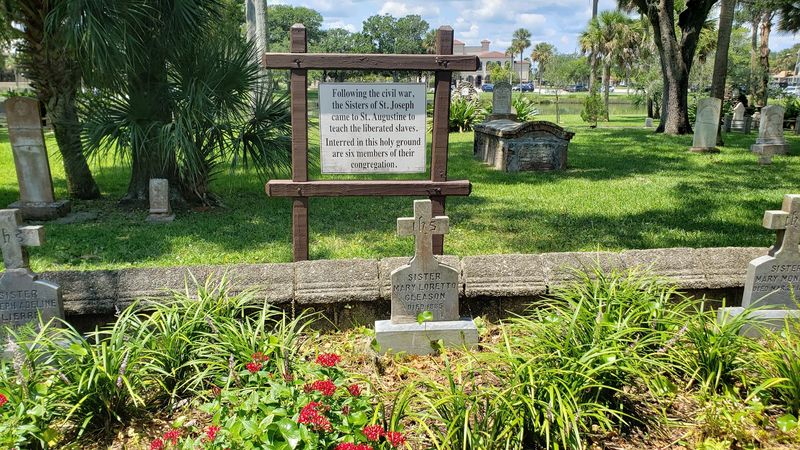
Some of the gravestones here date to the 1700s, and they are worth slowing down for. The old cemetery sits among tall oaks draped in Spanish moss, and the mix of shade and stillness feels almost storybook. Names and dates carved in weathered stone hint at the people who built this community.
Nearby, paths lead you past the Stations of the Cross. Each stop tells a piece of a larger story, and the trail is calm enough for reflection. One guest said the serenity of these walkways was the highlight of the whole trip.
Wear comfortable shoes, because the walking can add up. Bring water in the warmer months, since Florida sun does not care about your spiritual plans. Bug spray is smart in summer too.
Treat the cemetery gently. Stay on the paths, avoid touching the older stones, and keep photos respectful.
If you enjoy history, this is where it gets personal. A museum tells you what happened, but a row of old graves reminds you that real families lived it.
8. Easy Planning: Hours, Parking, and Best Times
Good news for budgets: admission is free, and the parking lot offers a free first hour according to visitors. The address is 101 San Marco Ave, and it sits a little north of the busiest downtown streets. That distance is exactly why it feels so quiet.
Hours run from 10 AM to 4 PM most days. Sundays start later, at noon, and still close at 4. Check the website at missionandshrine.org before you go, since schedules can shift for services or events.
Weekdays tend to be calmer. One reviewer visited midweek and found few people, which made reflection easy. Another wished they had not rushed, so plan at least a couple of hours if you can.
Spring is lovely when the gardens begin to bloom, and early mornings bring cooler air and softer light. Pack sunscreen, a hat, and a camera.
Wander the trails, sign the guest book, and leave a little room in your day for the unexpected. Many guests say they came for an hour and stayed much longer.