Florida’s Largest Science Playground Is Packed With Otters, IMAX Adventures, and Family Fun
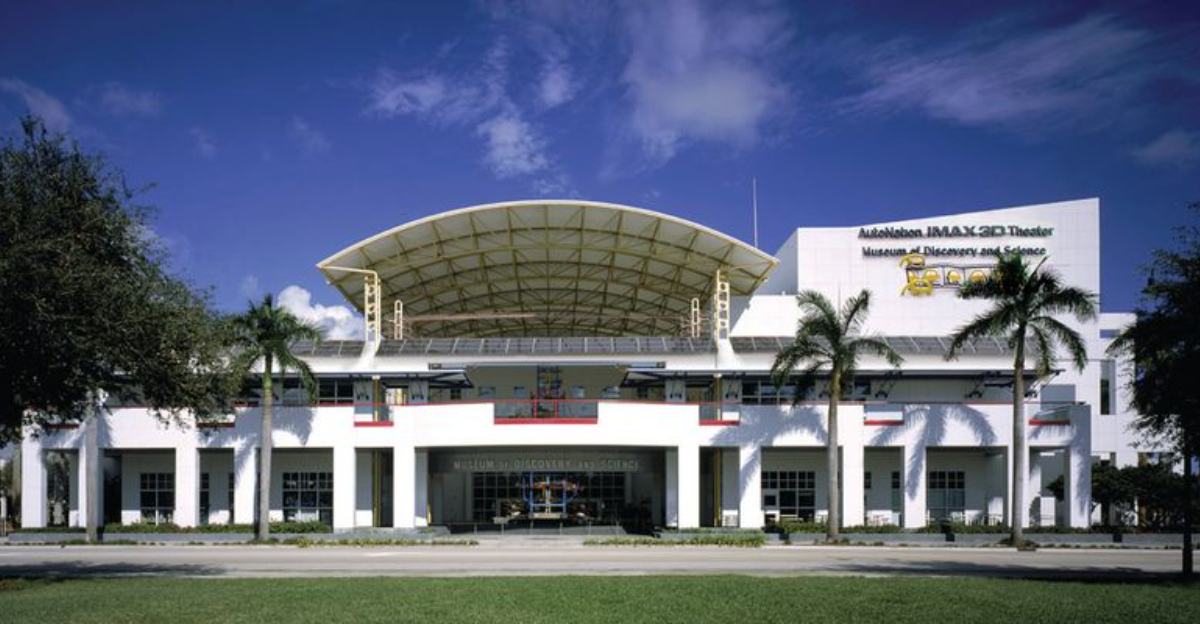
Downtown Fort Lauderdale hides a treasure that turns curiosity into full-blown excitement. The Museum of Discovery and Science sprawls across two floors of hands-on exhibits, live animals, and theater experiences that keep families exploring for hours.
Whether you’re chasing prehistoric Florida through time or getting face-to-face with a resident otter, this science center delivers way more than static displays behind glass.
Interactive Exhibits That Make Science Actually Fun
Walk through MODS and you’ll notice something right away—kids aren’t just staring at stuff. They’re building, experimenting, and getting their hands into everything.
The entire museum operates on the philosophy that touching beats reading every single time.
Second-floor exhibits focus on aviation, human biology, and construction challenges that let visitors create structures and test their engineering skills. Flight simulators occasionally go down for maintenance, but when they’re running, kids line up to pilot virtual aircraft through digital skies.
The aviation section features actual cockpits you can climb into, which beats any textbook lesson on aerodynamics.
Downstairs shifts focus to Florida-specific science. A hurricane simulator lets you feel wind speeds that would send patio furniture flying.
The coral reef exhibit explains why these underwater cities matter so much to coastal ecosystems, with colorful displays that make marine biology accessible to elementary schoolers.
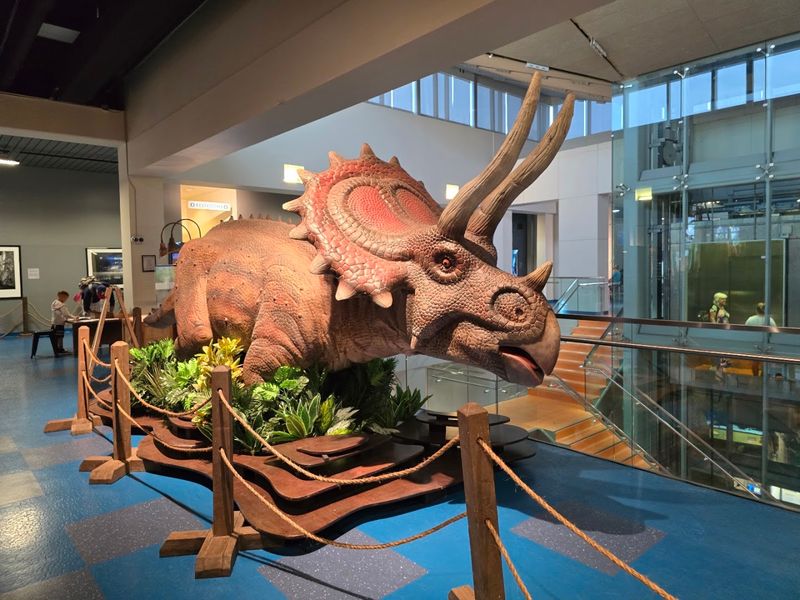
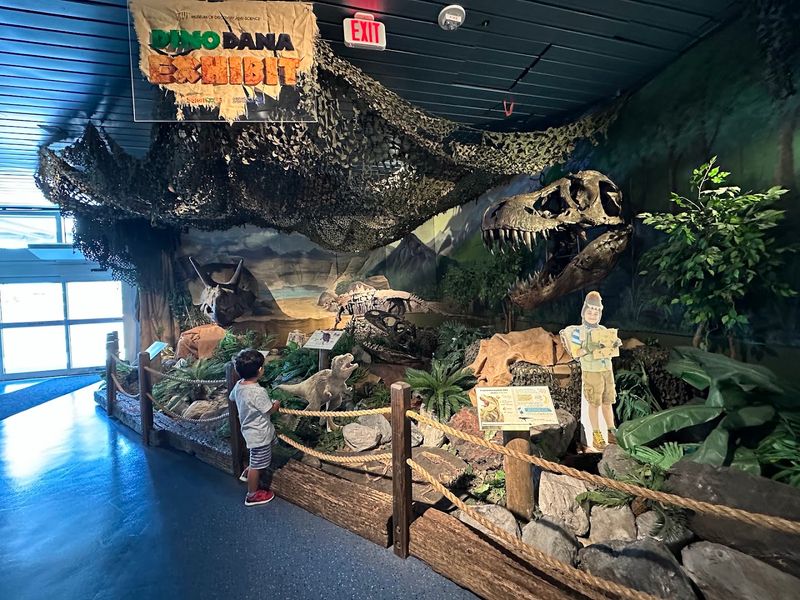
Prehistoric Florida gets its own section, complete with fossils and reconstructions showing what roamed these lands before strip malls and highways. Kids who think Florida only has beaches discover a much wilder history.
Throughout the museum, staff members and student interns circulate to answer questions and demonstrate experiments. Their enthusiasm makes a huge difference—they’re not just monitoring exhibits, they’re actively teaching.
Visitors consistently mention how helpful and knowledgeable these team members are, especially when explaining animal behaviors or scientific concepts.
The museum acknowledges some exhibits need updating, and renovation schedules are posted. Management responds transparently to feedback about non-functioning displays, which shows they’re listening.
New exhibits roll out regularly, keeping repeat visitors engaged. The balance between education and entertainment stays consistent—you learn without realizing you’re in a classroom.
That’s exactly what makes MODS work for families who want their kids to absorb knowledge while having an absolute blast.
Meet Joey the Bachelor Otter Living His Best Life
Joey arrived at MODS back in 2011 and quickly became one of the museum’s most beloved residents. This North American river otter lives solo, which raises questions from visitors who know otters typically hang in groups.
Museum staff addresses this directly—Joey’s comfortable with his bachelor lifestyle and receives excellent care tailored to his personality.
Watching Joey swim reveals why otters captivate audiences. He twists through the water with effortless grace, then pops up to investigate visitors through the glass.
His playful antics include juggling rocks, zooming through underwater tunnels, and occasionally just floating on his back like he’s on vacation.
The otter exhibit sits among other aquatic displays featuring Florida wildlife. Visitors get close-up views of Joey’s daily routine, including feeding times when staff explain his diet and natural behaviors.
Educational signage around the enclosure teaches about river otter conservation and their role in freshwater ecosystems.
Some guests express concern about Joey living alone, given otters’ social nature. MODS management responds thoughtfully to these worries, explaining that individual animals sometimes thrive with specialized care that considers their unique needs.
Not every otter fits the same mold, and Joey’s well-being gets monitored constantly by trained professionals.
The exhibit design lets you observe Joey from multiple angles, so even shorter visitors can watch him perform his underwater acrobatics. Parents appreciate how the setup accommodates different heights, though some taller tanks in the reptile section still pose challenges for little ones.
Joey represents just one piece of MODS’ living animal collection, but he’s definitely a highlight. Kids press their faces against the glass hoping to catch his attention, and he often obliges by swimming right up to greet them.
His presence transforms abstract lessons about aquatic mammals into something tangible and memorable. That connection makes all the difference when you’re trying to spark a child’s interest in wildlife conservation.
IMAX Theater Showing Films That Deserve the Big Screen
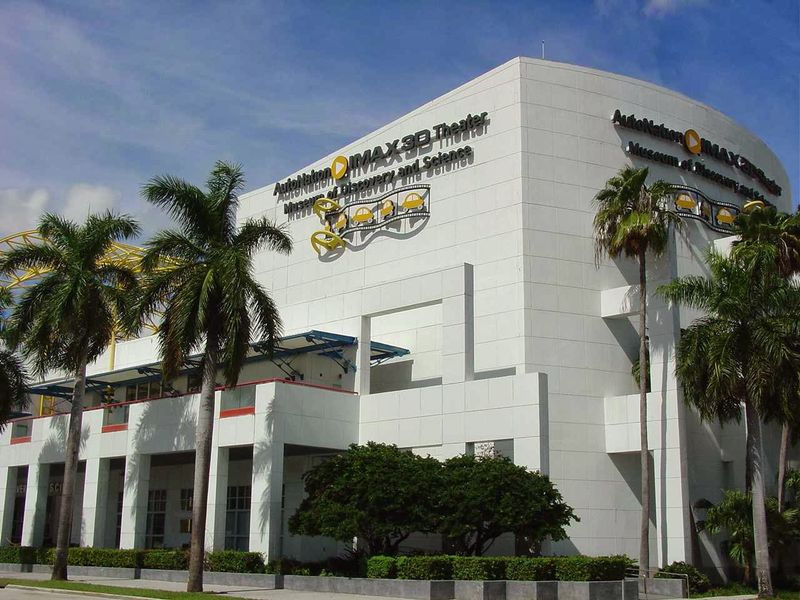
The AutoNation IMAX theater anchors the museum experience with a screen that makes home televisions look like postage stamps. This isn’t your neighborhood multiplex showing superhero movies—MODS programs educational films that actually benefit from massive projection and surround sound that rattles your ribcage.
One IMAX showing comes included with general admission, which represents serious value considering standalone IMAX tickets elsewhere. Films rotate regularly, covering topics from wild Asia to ocean exploration to space travel.
Recent visitors raved about Wild Asia, praising its stunning cinematography and educational content that kept both kids and adults engaged.
The theater itself features stadium seating that gives everyone clear sightlines. Chairs are comfortable enough for hour-long films, and the sound system delivers without being overwhelming for younger viewers.
Families appreciate that the film selection leans educational rather than commercial, aligning perfectly with the museum’s mission.
Timing your visit around IMAX showtimes maximizes your experience. Some families start with exhibits, break for the movie, then return to explore more.
Others catch the film first to energize kids before diving into hands-on activities. Either strategy works—just check the schedule when you arrive.
Additional 3D films cost extra beyond your included showing, but the upgraded experience often justifies the price. The 3D technology adds immersion that transforms nature documentaries into adventures where wildlife seems to swim or fly right past your seat.
Staff members help coordinate timing so families don’t miss their selected showtime while exploring exhibits. The theater location within the museum makes transitions easy—no rushing across parking lots or navigating multiple buildings.
You simply head to the designated area when your film starts.
Educational movies in IMAX format do something special. They take subjects that might seem dry on paper and present them with cinematic flair that holds attention.
Kids who squirm through classroom videos sit transfixed watching these films, absorbing information without resistance. That’s the magic of pairing education with top-tier presentation technology.
Aquatic Animals From Sharks to Stingrays Swimming Overhead
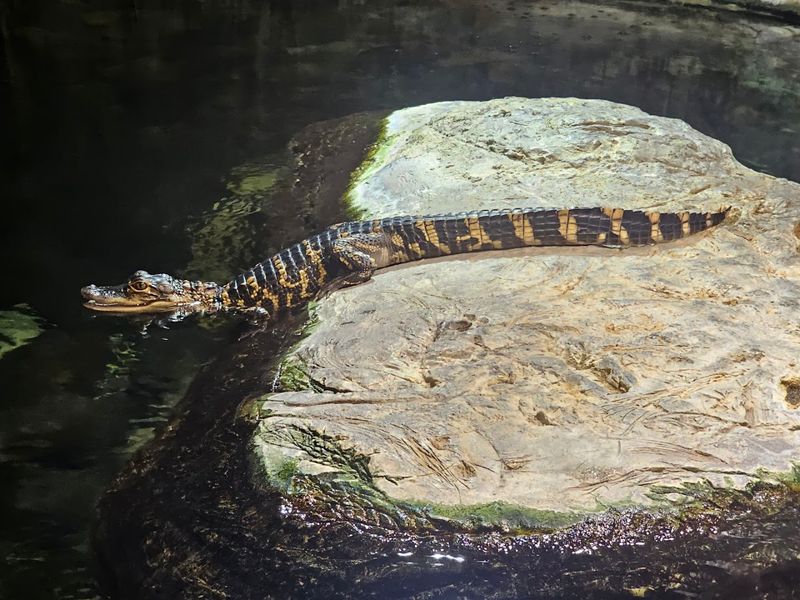
MODS’ aquatic exhibits bring underwater Florida into crystal-clear focus. Multiple tanks house everything from tiny tropical fish to intimidating alligators, creating an indoor ecosystem tour without getting wet.
The viewing windows position you right at water level, making you feel like you’re diving alongside the residents.
Sharks patrol their tank with prehistoric grace, reminding visitors that Florida waters host these apex predators year-round. Stingrays glide past with their distinctive flat bodies and graceful movements.
Puffer fish bob around looking perpetually surprised, while sea turtles like resident Giselle paddle through their space with ancient wisdom in their eyes.
Giselle the sea turtle serves as an ambassador for her species. Staff members share her rescue story and explain why she can’t return to the ocean.
These personal narratives transform animals from specimens into individuals with histories, creating emotional connections that drive conservation awareness.
The variety of species on display represents different Florida habitats—freshwater rivers, coastal estuaries, and offshore ocean environments. Educational panels explain each ecosystem’s unique characteristics and the challenges these animals face in the wild.
Kids learn that Florida’s waters contain way more than just swimming spots.
Viewing angles accommodate multiple heights, though some tanks still sit too high for the smallest visitors. Parents end up hoisting toddlers for better views, which can get tiring during extended visits.
The museum acknowledges this feedback and considers accessibility in ongoing renovations.
Feeding demonstrations happen on scheduled times, drawing crowds who want to watch meals in action. Staff members explain dietary needs and natural hunting behaviors while animals snap up their food.
These shows add dynamic energy to what could otherwise be passive observation.
The aquatic section connects directly to other exhibits exploring Florida’s natural history. You can trace the state’s story from prehistoric times through current conservation challenges, all while actual living examples swim beside you.
That layered approach—combining fossils, educational content, and live animals—creates a comprehensive learning experience that sticks with visitors long after they leave.
Reptile Collection Featuring Snakes, Spiders, and Gators
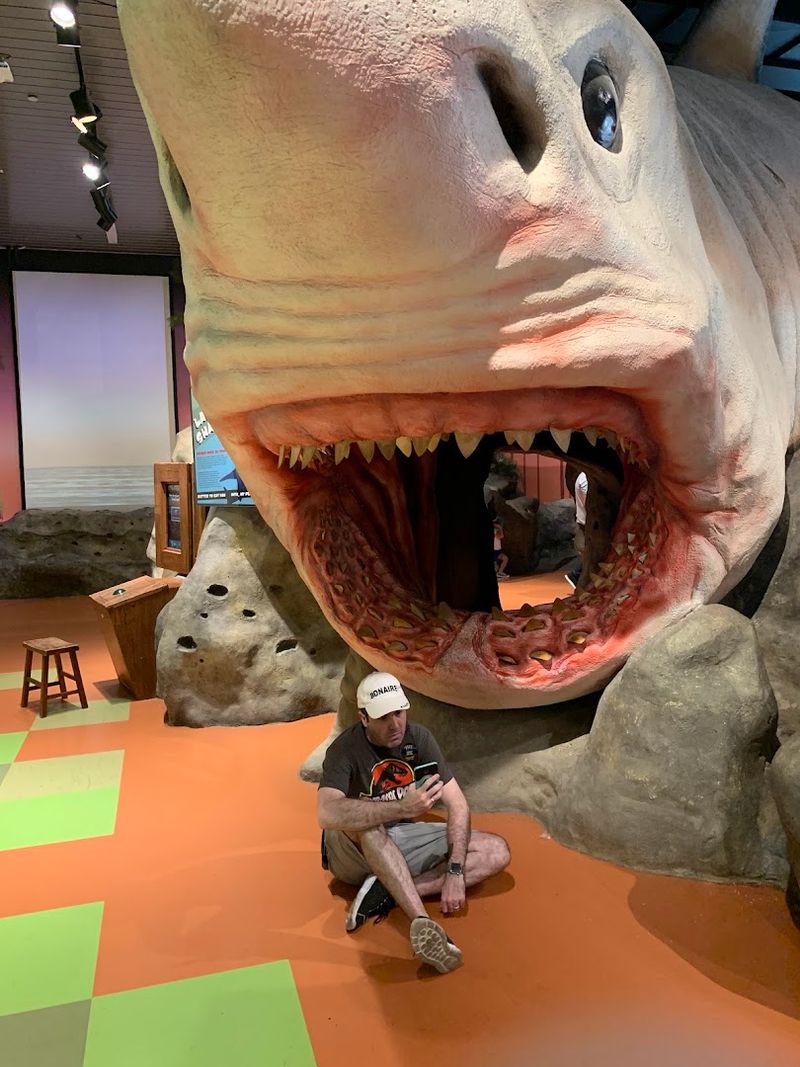
Florida’s reputation for wild reptiles gets fully explored in MODS’ dedicated reptile area. Glass terrariums line the walls, each housing species that call the Sunshine State home.
From harmless garden snakes to venomous varieties kept safely behind barriers, the collection represents the incredible diversity slithering through Florida’s ecosystems.
Alligators command attention as Florida’s most iconic reptiles. The museum’s gator residents demonstrate why these prehistoric survivors deserve respect and distance in the wild.
Watching them rest motionless, then suddenly snap into action, teaches kids that stillness doesn’t mean harmless.
Spider exhibits might make arachnophobes nervous, but they serve an important educational purpose. Many people fear spiders unnecessarily, while others underestimate actually dangerous species.
MODS helps visitors distinguish between harmless garden spiders and ones requiring caution, building knowledge that reduces both irrational fear and careless behavior.
Some terrariums sit mounted higher on walls, creating visibility challenges for shorter guests. Parents frequently lift children for better views, and the museum receives consistent feedback about this design issue.
Future renovations may address these sightlines to improve accessibility across all age groups.
Educational signage explains each species’ role in Florida’s ecosystem. Snakes control rodent populations, spiders manage insect numbers, and alligators maintain wetland health through their feeding and nesting behaviors.
These connections help visitors understand that even scary-looking creatures serve vital purposes.
Student interns and staff members station themselves near reptile exhibits during peak hours, ready to answer questions and share fascinating facts. Their enthusiasm proves contagious—kids who initially hesitated to approach the displays end up pressing close to learn more.
That personal interaction makes abstract concepts tangible and memorable.
The reptile section pairs perfectly with outdoor Everglades exhibits and prehistoric Florida displays. Visitors trace connections between ancient reptiles and modern descendants, understanding how these species adapted and survived across millions of years.
Florida’s current reptile population represents successful evolutionary strategies that continue working today. That long view helps kids appreciate that the snake in their backyard carries genetic heritage stretching back to dinosaur times.
Special Traveling Exhibits That Keep Changing the Experience
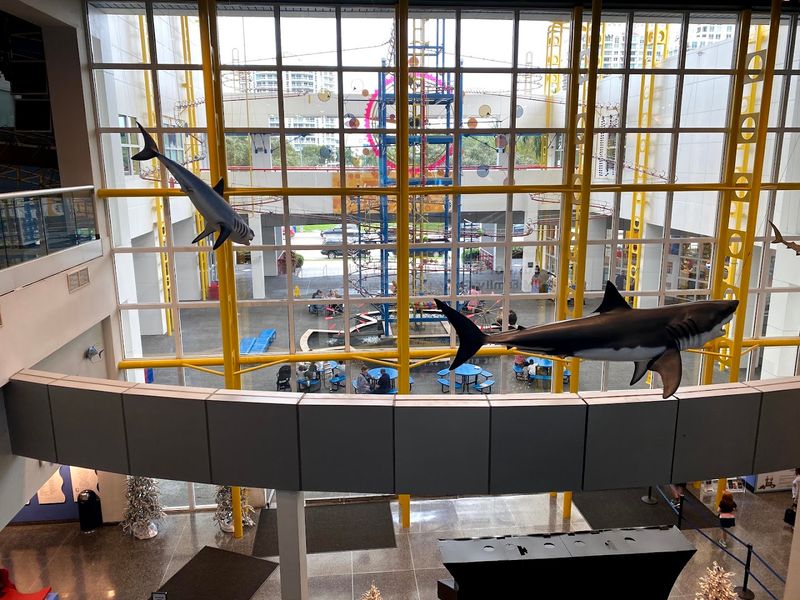
MODS refreshes its offerings regularly through rotating traveling exhibits that cover topics beyond the permanent collection. Recent guests encountered an extensive hockey exhibit that surprised and delighted sports fans.
These temporary installations keep the museum experience fresh for repeat visitors while introducing subjects that might not typically appear in science centers.
The hockey exhibit dove deep into the sport’s history, showcasing how equipment evolved from primitive skates and wooden sticks to modern high-tech gear. The Stanley Cup’s story got special attention, with displays honoring championship teams and legendary players.
Pittsburgh fans appreciated seeing Sidney Crosby featured among hockey greats, proving the exhibit covered the sport comprehensively.
These traveling shows get designed with the same interactive philosophy that guides MODS’ permanent exhibits. Visitors don’t just read about hockey—they test their slapshot speed, learn about ice physics, and explore the science behind skating.
That hands-on approach maintains consistency across all museum experiences.
Timing your visit to catch specific traveling exhibits requires checking MODS’ website or social media. Some installations stay for months, while others rotate more quickly.
Families planning visits around school breaks should verify what’s currently on display to maximize their experience.
The museum schedules major traveling exhibits to complement busy seasons. Summer break typically brings family-friendly installations that appeal to wide age ranges.
Management coordinates these shows with planned renovations of permanent exhibits, ensuring visitors always find plenty to explore despite ongoing improvements.
Past traveling exhibits have covered diverse topics—from natural disasters to space exploration to human anatomy. This variety means MODS offers something different each visit, even for locals who’ve been multiple times.
Annual memberships make particular sense for families who want to catch every new installation.
Exhibition spaces get designed to accommodate these temporary shows without disrupting permanent displays. The museum’s layout allows seamless integration of new content, maintaining traffic flow even during peak attendance.
Visitors can explore traveling exhibits as part of their natural progression through the building, rather than hunting for separate galleries. That thoughtful design keeps the experience cohesive regardless of what’s currently featured.
Affordable Access Through Museums for All and Special Programs

Admission prices at MODS can add up quickly for families—adults pay $28, kids cost $23, pushing a family of four past $100 before parking or food. That sticker shock hits hard in today’s economy, making educational outings feel financially out of reach.
But the museum offers programs that dramatically reduce these barriers.
The Museums for All initiative changes everything for families enrolled in WIC or similar assistance programs. Present your valid WIC card and photo ID at admission, and tickets drop to just $4 per person.
That transforms a $100+ outing into a $16 adventure, making regular visits actually feasible rather than once-a-year special occasions.
Bank of America cardholders catch breaks too. The bank partners with museums nationwide for free admission weekends, and MODS participates in this program.
Checking the schedule before visiting can save your entire admission cost—just bring your Bank of America card and valid ID on designated days.
These accessibility programs matter tremendously for families working within tight budgets. Educational experiences shouldn’t require financial sacrifice, and MODS recognizes that mission.
The museum operates as a nonprofit, meaning revenue supports operations and improvements rather than generating profit. Every dollar saved on admission can go toward parking, lunch, or souvenirs instead.
Beyond admission discounts, the museum includes one IMAX showing with general tickets. That bundled value adds significant worth—standalone IMAX tickets elsewhere often cost $15-20.
Families get premium entertainment included rather than facing another upcharge at the theater entrance.
Membership options provide additional savings for local families planning multiple visits. Annual passes pay for themselves after just a few trips, and members get perks like free parking vouchers and discounts at the gift shop.
Calculating cost-per-visit makes memberships obvious choices for Fort Lauderdale residents.
Some visitors still find MODS overpriced despite these programs, especially when exhibits aren’t functioning properly. The museum responds transparently to these concerns, acknowledging maintenance challenges while explaining renovation schedules.
That honest communication helps manage expectations while demonstrating commitment to improvement. Financial accessibility paired with quality experiences creates the combination families actually need.
Dedicated Spaces for Toddlers and Young Children to Explore Safely
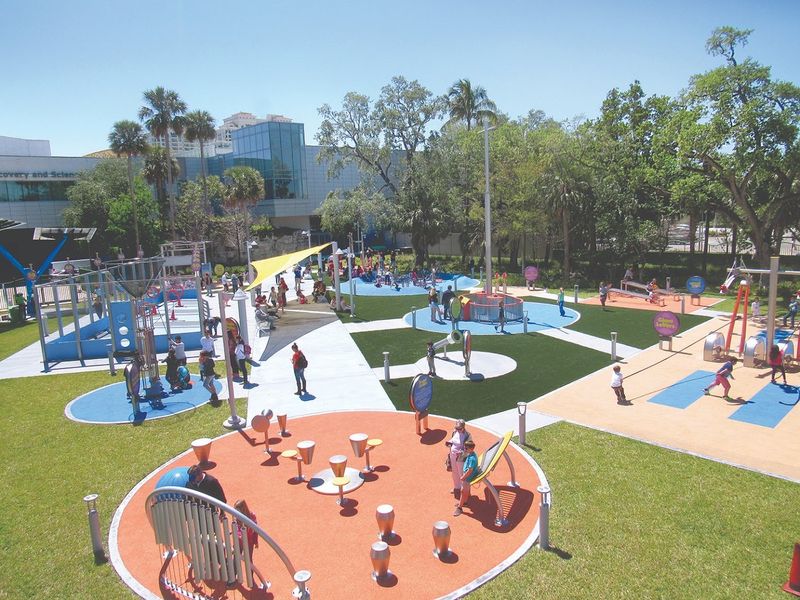
MODS doesn’t forget its youngest visitors. A dedicated area designed specifically for toddlers and preschoolers offers age-appropriate activities that let little ones explore without getting overwhelmed by exhibits meant for older kids.
This thoughtful separation means families with multiple ages can split up strategically or younger siblings don’t feel left out.
The toddler zone features scaled-down versions of popular exhibits—mini kitchens for pretend cooking, dress-up areas with doctor and emergency responder costumes, and an ambulance that kids can climb through. These imaginative play stations encourage creativity while introducing early concepts about community helpers and daily life.
Parents consistently praise the nursing room and family amenities. Private, comfortable spaces for feeding infants make extended visits feasible for families with babies.
Clean, well-maintained restrooms with changing tables handle the practical necessities that can make or break a museum trip with young children.
The outdoor splash pad becomes a highlight during warm weather—which in Florida means most of the year. Kids get soaked playing with water features while parents relax on nearby benches.
Bringing swimsuits and towels turns this into a bonus activity that extends your visit and burns off excess energy.
These youngest-focused areas get included with general admission, not charged separately. Families don’t face decisions about whether add-on experiences fit their budget—toddlers access everything older siblings enjoy, just in formats appropriate for their developmental stage.
Staff members monitor these spaces to ensure safety and assist parents as needed. Their presence means caregivers can relax slightly rather than maintaining constant high-alert supervision.
That support matters tremendously when managing multiple children or visiting solo with a toddler.
Some families spend their entire visit in these younger-kid zones, especially with children under four. The museum respects that choice—you don’t need to rush through every exhibit to get your money’s worth.
If your toddler found their perfect spot and wants to stay there, that’s completely valid. The goal is engagement and learning, however that looks for your specific child.
These dedicated spaces acknowledge that meaningful museum experiences come in many forms.
Downtown Location With Waterfront Views and Nearby Esplanade Park
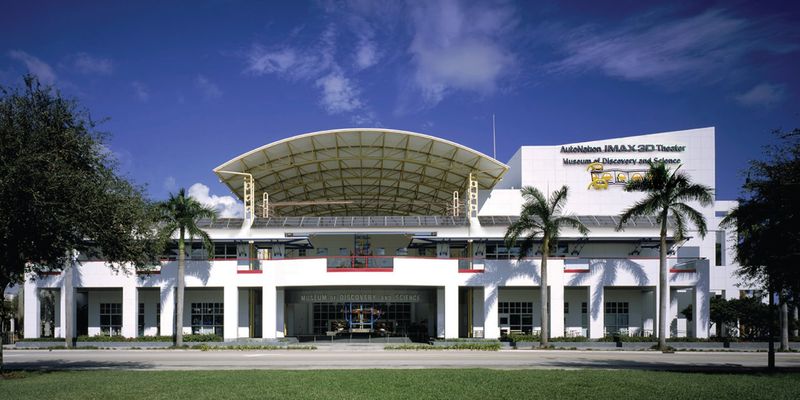
MODS sits at 401 SW 2nd Street in the heart of downtown Fort Lauderdale, making it accessible from major highways and public transportation. The urban location puts you within walking distance of restaurants, shops, and other attractions that can round out a full day in the city.
Families visiting from other parts of Florida can build entire itineraries around this central spot.
The museum building features a balcony overlooking the New River waterfront. Stepping outside for fresh air and water views provides a nice break between exhibit floors.
These moments of calm help prevent the sensory overload that sometimes hits kids in busy museums.
Directly across the street, Esplanade Park offers green space perfect for post-museum energy release. Kids who’ve been inside for hours can run, play, and decompress in the park before heading home.
The proximity means you don’t need to drive somewhere else for outdoor time—just walk across the street.
Parking presents the main logistical challenge. MODS doesn’t operate its own garage, instead directing visitors to the city-run Government Central Parking Garage nearby.
Rates vary but expect around $10-25 depending on duration and current pricing. Some visitors find street parking a few blocks away for less, though availability isn’t guaranteed during peak times.
The parking app sometimes requires purchasing more hours than you’ll actually use, which frustrates budget-conscious families already paying substantial admission fees. This represents a common complaint in reviews, though the museum can’t control city parking policies.
Planning for parking costs ahead of time prevents unpleasant surprises.
Downtown Fort Lauderdale offers dining options for every budget and preference. Families can pack lunches and eat in the museum’s designated areas, grab fast food nearby, or sit down for nicer meals at riverfront restaurants.
The cafe inside MODS serves basic options—reviews praise the curly fries while warning that some items like wraps arrive soggy.
The urban setting means MODS fits naturally into larger South Florida adventures. Combine your museum visit with beach time, shopping, or exploring other Fort Lauderdale attractions.
That flexibility makes the drive worthwhile even for families traveling from Miami, West Palm Beach, or inland communities.