Florida’s Most Relaxing Beach Town Has Emerald Water, Soft Sand, And Miles Of Scenic Trails
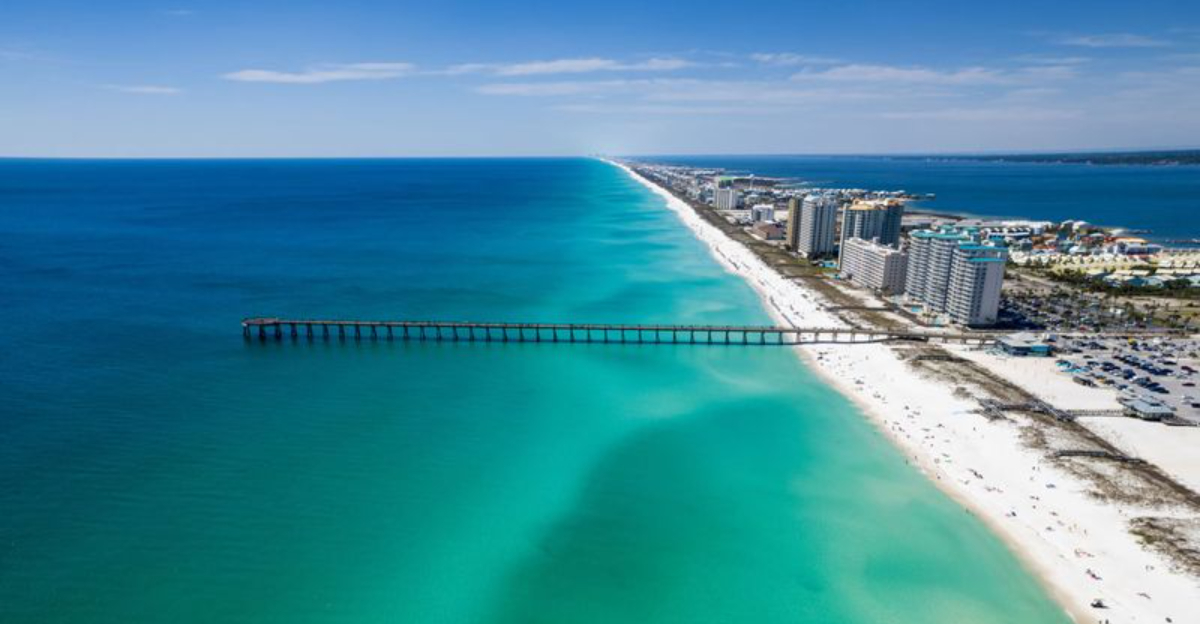
Navarre Beach sits tucked between Pensacola Beach and Destin, offering something rare along Florida’s crowded coastline: genuine peace and quiet. This under-the-radar gem boasts sugar-white sand, water so green it looks photoshopped, and trails that wind through untouched coastal ecosystems. While nearby beach towns overflow with high-rises and tourist traps, Navarre keeps things refreshingly low-key, making it the perfect escape for anyone craving authentic Gulf Coast beauty without the chaos.
1. The Emerald Waters That Make Navarre Beach Famous
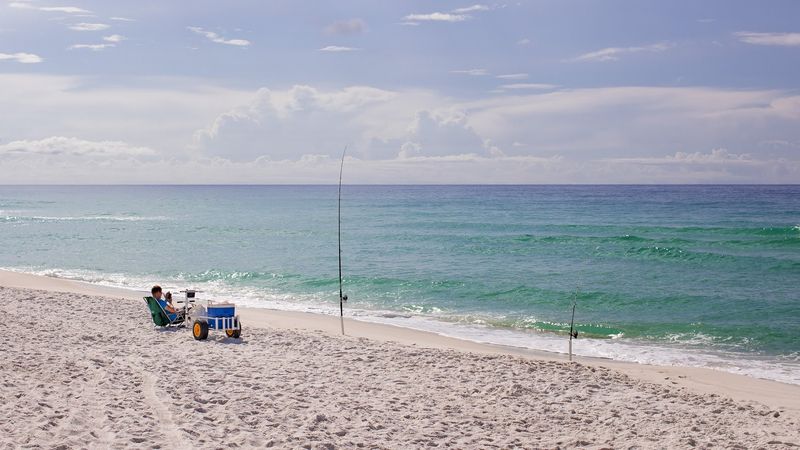
The water here isn’t just pretty—it’s downright mesmerizing. Thanks to shallow nearshore depths and fine quartz sand, the Gulf takes on that trademark emerald glow that photographers dream about. On calm days, you can see straight through to your toes even when you’re waist-deep.
Unlike murkier Atlantic beaches, Navarre’s gentle wave action keeps sediment settled on the bottom where it belongs. The result? Water clarity that rivals the Caribbean, minus the passport and plane ticket.
Early morning visits offer the best visibility, when the sun hits the water at just the right angle to showcase those jewel tones.
Summer brings the brightest greens, though spring and fall still deliver that signature color. The shallow sandbars extend far from shore, creating safe swimming zones perfect for families. You’ll spot small fish darting around your ankles and the occasional stingray gliding past.
Local photographers camp out at sunrise to catch the water’s color shift from deep teal to brilliant emerald as daylight spreads across the Gulf. That Instagram-worthy view? It’s real, unfiltered, and waiting just steps from the public beach access points.
Bring your waterproof camera—you’ll want proof that water this stunning actually exists in Florida.
2. Sugar-Soft Sand That Squeaks Beneath Your Feet
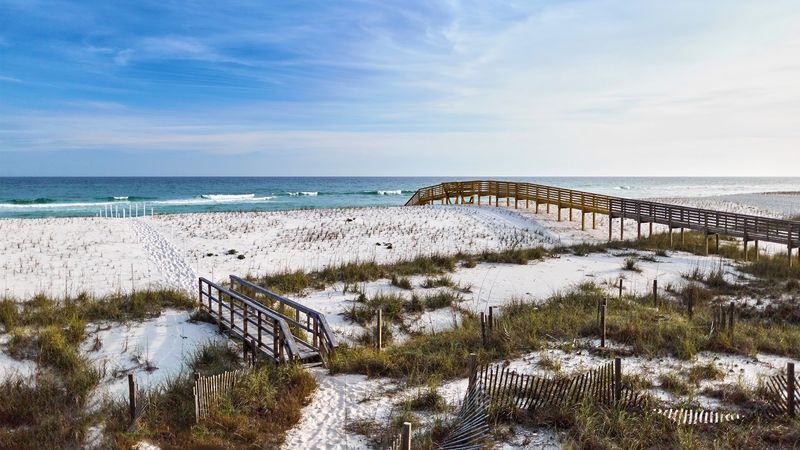
Walk barefoot across Navarre’s shoreline and you’ll hear it—that distinctive squeak that happens when sand is this pure. The quartz crystals here are ground so fine they feel more like powder than grit. No rocks, no shells cutting your feet, just miles of soft white perfection.
This sand came from the Appalachian Mountains thousands of years ago, weathered and washed downstream until rivers deposited it along the Gulf Coast. The journey rounded every sharp edge, creating beaches that feel like walking on flour. Kids love making sandcastles because the fine texture packs beautifully when wet.
Unlike darker Florida beaches that absorb heat and turn into foot-scorching nightmares by noon, Navarre’s white sand reflects sunlight. You can actually walk the beach comfortably during midday summer hours. Smart beachgoers still bring flip-flops, but the sand here stays noticeably cooler than its darker counterparts.
The consistency stays uniform for miles in both directions, so beach walks never get rocky or uncomfortable. After rain, the packed sand near the waterline becomes perfect for jogging or biking. Local runners hit the beach at low tide when the hard-packed strip widens to create a natural track that stretches for ages without interruption.
3. Navarre Beach Pier Extends Into The Gulf
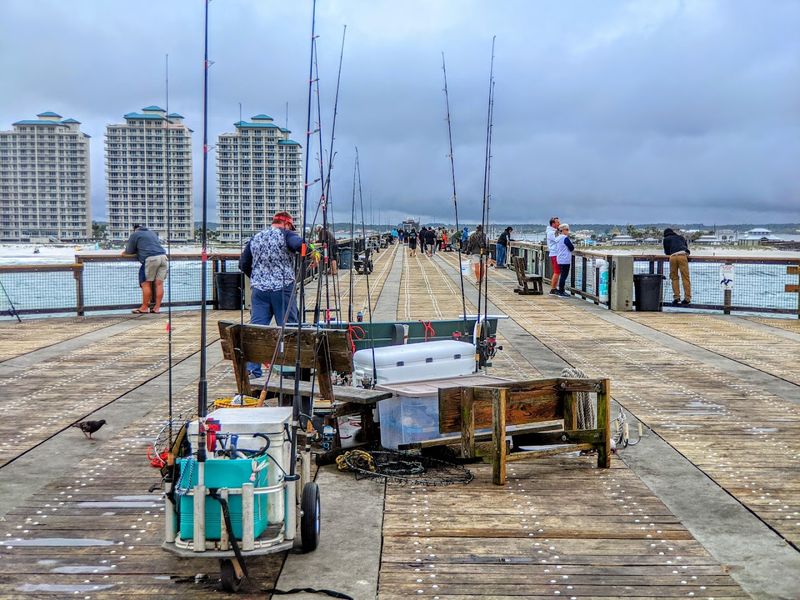
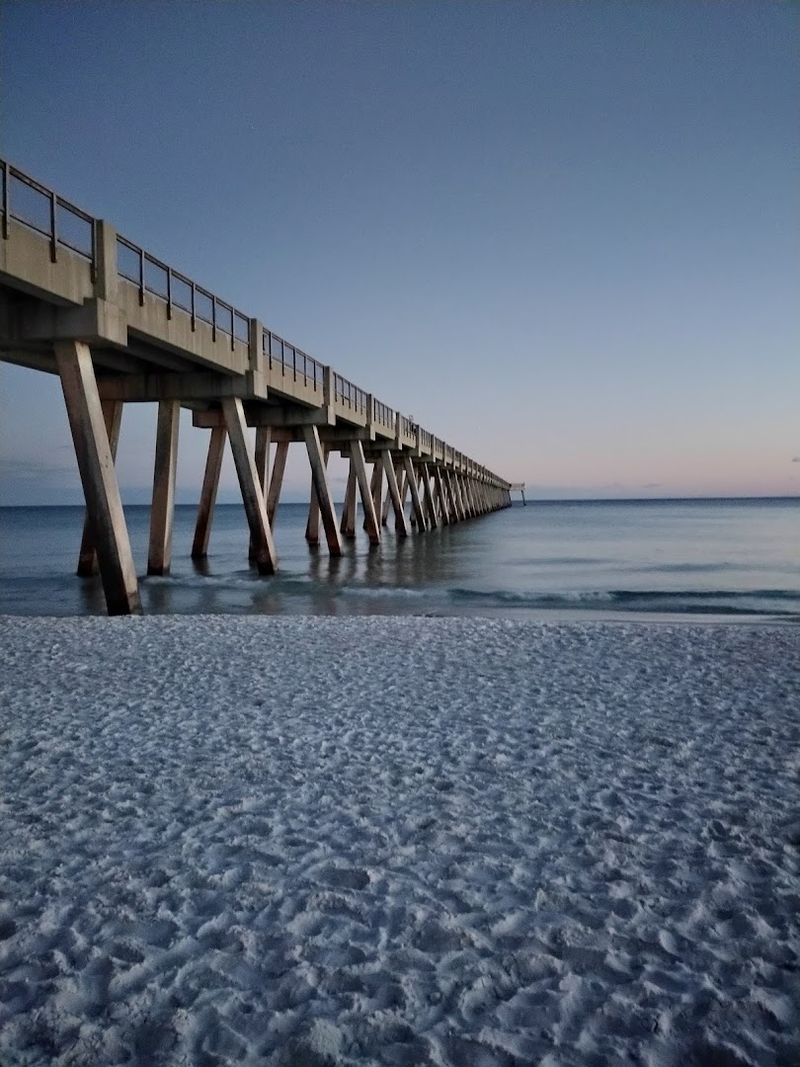
Stretching 1,545 feet into the Gulf, this concrete and steel structure ranks as one of Florida’s longest piers. Anglers line the railings year-round, dropping lines for redfish, king mackerel, and Spanish mackerel depending on the season. You don’t need a fishing license to cast from the pier, which saves visitors the hassle of paperwork.
The walk out costs just a few dollars, and it’s worth every penny for the views alone. From the end, you’re surrounded by nothing but emerald water and sky, with dolphins often surfacing nearby. Pelicans perch on the railings like they own the place, occasionally swooping down to snatch baitfish.
Early risers catch spectacular sunrises from the pier’s eastern vantage point, when the sky explodes in pinks and oranges over the water. The pier also houses a small shop selling bait, tackle, snacks, and cold drinks. Restrooms sit near the entrance, making it family-friendly for longer visits.
Storm damage has forced repairs over the years, but locals always rally to rebuild this beloved landmark. The current structure withstands Gulf weather better than its predecessors, with reinforced pilings driven deep into the sand. Night fishing brings its own magic—glowing plankton sometimes lights up the water, and the beach lights create a peaceful backdrop for casting lines under the stars.
4. Gulf Islands National Seashore Protects Natural Beauty
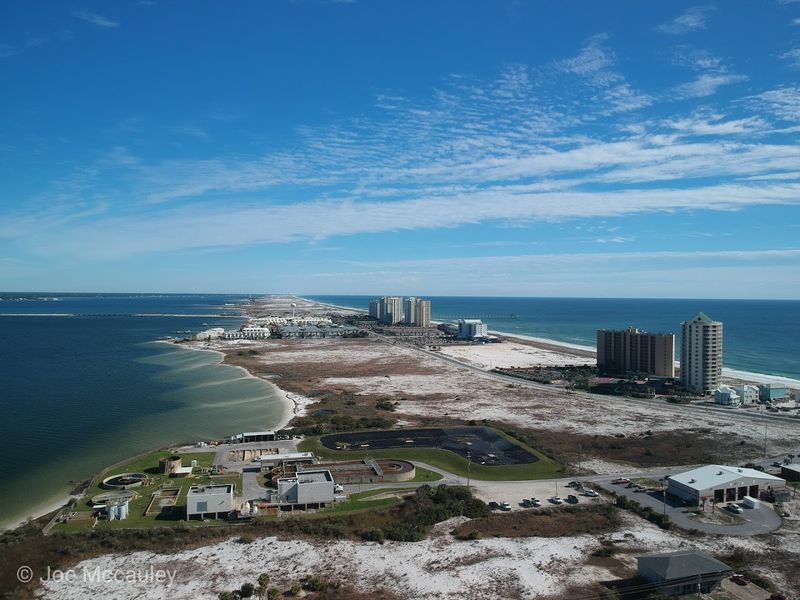
Most of Navarre Beach falls within Gulf Islands National Seashore boundaries, which explains why you won’t find walls of condos blocking sunset views. This protected status keeps development minimal and nature abundant. The park stretches along 12 miles of coastline here, preserving dunes, maritime forests, and nesting grounds for sea turtles and shorebirds.
Rangers patrol regularly to protect nesting areas, especially during summer when loggerhead turtles lumber ashore to lay eggs. Roped-off zones mark active nests, and volunteers conduct nighttime patrols to monitor hatchlings making their dash to the sea. Visitors who respect these boundaries help ensure future turtle generations return to these beaches.
The national seashore designation means no beach driving, no loud parties, and no commercial development on protected stretches. What you get instead: quiet beaches where wildlife outnumbers people most days. Ospreys nest in dead pines along the dunes, and ghost crabs scuttle across the sand at dusk.
Park entry requires a small fee, collected at the main entrance station. That money funds beach maintenance, wildlife protection programs, and ranger services. Free days happen several times yearly, usually around major holidays.
The protected status also means stricter rules about removing anything natural—leave the shells and driftwood for others to enjoy and for the ecosystem to use.
5. Scenic Trails Wind Through Coastal Ecosystems
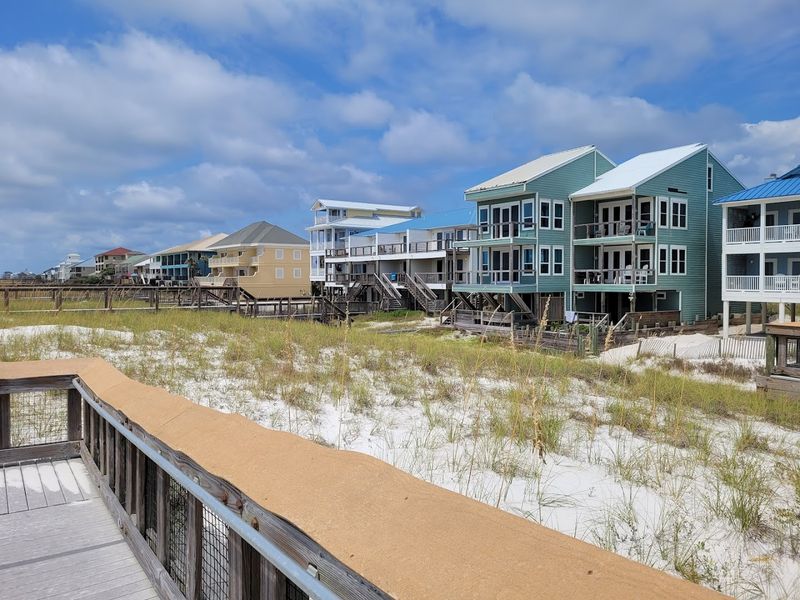
Forget the idea that beach towns only offer sand and surf. Navarre’s trail system showcases coastal habitats most visitors never see. The Navarre Beach Sea Turtle Conservation Center sits adjacent to a short nature trail that loops through dune vegetation, with interpretive signs explaining how these plants stabilize sand and provide habitat.
Longer trails await at nearby locations within the national seashore boundaries. Boardwalks protect fragile dunes while giving hikers elevated views of the coastal landscape. Sea oats wave in the breeze, their roots holding sand in place against storms.
You’ll spot different ecosystems within minutes—from beach to dunes to maritime scrub forest.
Birdwatchers bring binoculars to catch glimpses of species that migrate through or nest here. Least terns, snowy plovers, and black skimmers all call these protected areas home during breeding season. The trails stay relatively flat and easy, suitable for families with younger children who can handle a mile or two of walking.
Summer heat makes morning or evening hikes more comfortable, though the sea breeze provides natural air conditioning even at midday. Bring water regardless—the sun reflects hard off white sand, and shade is scarce on open dune trails. Interpretive programs led by park rangers happen regularly during peak season, offering deeper insights into the ecosystems these trails traverse.
Check the visitor center for current schedules.
6. Uncrowded Beaches Offer Actual Elbow Room
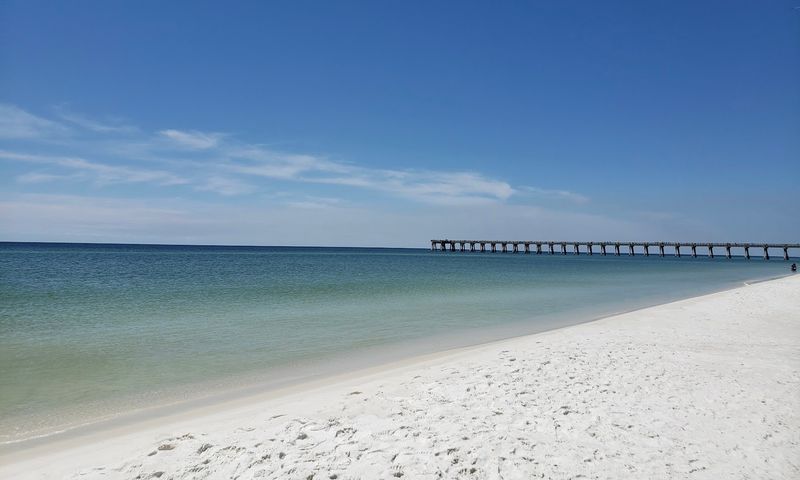
Here’s what sets Navarre apart from its famous neighbors: space. Lots of it. While Destin and Pensacola Beach pack shoulder-to-shoulder crowds during spring break and summer weekends, Navarre maintains a refreshingly empty feel.
You can stake out a spot without sitting on top of strangers or listening to someone else’s music blaring from portable speakers.
The lack of high-rise hotels means fewer people funnel onto the beach each morning. Most visitors are day-trippers from nearby towns or families renting the scattered beach houses tucked behind the dunes. Weekdays feel practically deserted, even during peak summer months.
You might walk a mile and pass only a handful of other beachgoers.
This breathing room matters when you want to actually relax instead of navigating obstacle courses of umbrellas and coolers. Kids can run and play without constantly dodging other groups. Building sandcastles becomes a genuine activity rather than a space negotiation.
The sound of waves actually competes with—and often wins against—human noise.
Local regulations limiting commercial beach activities help maintain this peaceful vibe. You won’t find parasailing operators, jet ski rentals, or beach bars pumping out party music. What you will find: families teaching toddlers to boogie board, couples walking hand-in-hand at sunset, and solo visitors reading books under umbrellas without interruption.
It’s beach life the way it used to be everywhere before crowds discovered paradise.
7. Navarre Beach Marine Science Station Educates Visitors
This compact facility punches above its weight in terms of educational value. Run by local marine science enthusiasts and volunteers, the center focuses heavily on sea turtle conservation. Touch tanks let kids get hands-on with hermit crabs, sea stars, and other tide pool creatures.
Staff members enthusiastically answer questions and share facts about Gulf Coast marine life.
The sea turtle hospital occupies a significant portion of the center, where injured or sick turtles receive treatment before release. Viewing windows let visitors watch rehabilitating turtles swim in large tanks. Educational panels explain threats turtles face—boat strikes, fishing line entanglement, and habitat loss among them.
The center’s work directly contributes to species survival along this coast.
Admission costs less than a fancy coffee, making it an affordable rainy-day activity or educational stop between beach sessions. The gift shop sells ocean-themed items, with proceeds supporting conservation programs. During nesting season, the center offers guided turtle walks—nighttime beach excursions where participants might witness females laying eggs or hatchlings emerging from nests.
Programs change seasonally, so checking their schedule before visiting makes sense. School groups frequently tour during spring, but the center never feels overcrowded thanks to staggered entry times. The staff’s genuine passion for marine conservation shines through every interaction.
Kids leave understanding why protecting beaches matters and how their actions impact wildlife. It’s the kind of experience that sticks with families long after vacation ends.
8. Local Dining Keeps Things Casual And Fresh
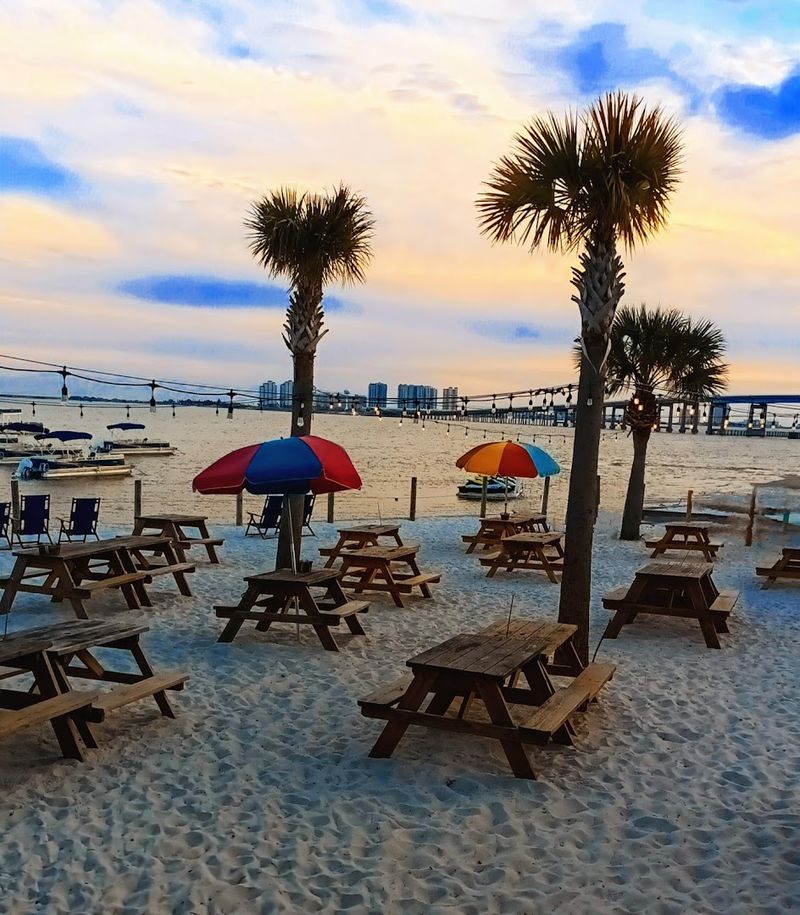
Forget white tablecloths and dress codes—Navarre’s food scene embraces flip-flops and sandy feet. Most restaurants sit within easy walking distance of beach access points, with outdoor patios offering Gulf breezes and sunset views. Fresh seafood dominates menus, with grouper, snapper, and shrimp caught locally and served simply prepared.
Juana’s Pagodas stands out as a local institution, serving massive portions of seafood and Mexican fusion dishes since the 1990s. The tiki-bar atmosphere and waterfront location make it popular for lunch and dinner. Windjammers on the Pier delivers exactly what the name promises—casual dining right on the pier with fishing rods visible through the windows.
Smaller spots like Broussard’s Cajun Cuisine bring Louisiana flavors to the Gulf Coast, with gumbo and po’boys that satisfy cravings for spice and comfort. The Slippery Mermaid Sushi Bar surprises visitors who don’t expect quality sushi at a beach town, but fresh Gulf fish translates beautifully into creative rolls. Most establishments maintain reasonable prices compared to resort-town neighbors.
Food trucks and casual takeout joints cluster near the main beach access, perfect for grabbing fish tacos or burgers before heading back to the sand. Several places offer online ordering for beach picnics. The local vibe extends to service—servers chat about fishing conditions and recommend their actual favorite menu items rather than pushing expensive specials.
It’s refreshingly authentic in a world of manufactured beach-town experiences.