Florida’s Oldest Restaurant Still Serves Tradition in the Heart of Tampa
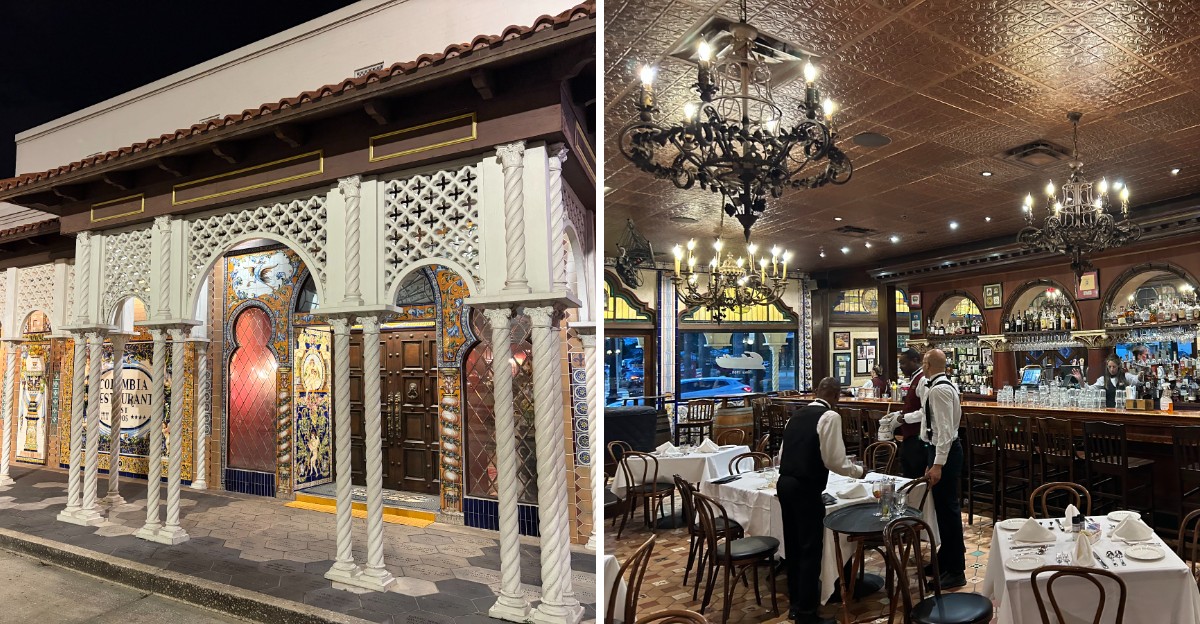
Walking into Columbia Restaurant in Ybor City feels like stepping through a time portal straight into 1905, when immigrant Casimiro Hernandez Sr. opened a corner cafe that would become Florida’s oldest restaurant. More than 120 years later, this Spanish culinary landmark still packs its sprawling dining rooms with locals celebrating quinceañeras, tourists hunting for authentic paella, and families passing down traditions one 1905 salad at a time. The handmade tiles covering the walls, the flamenco dancers twirling across the floor, and the aroma of fresh Cuban bread wafting through fifteen ornate dining rooms prove that some things really do get better with age.
A Living Museum Where Every Tile Tells a Story
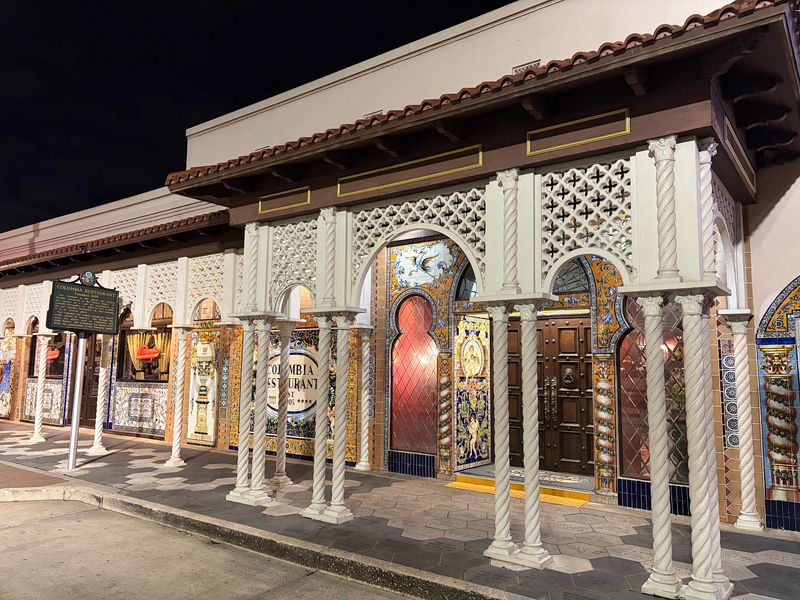
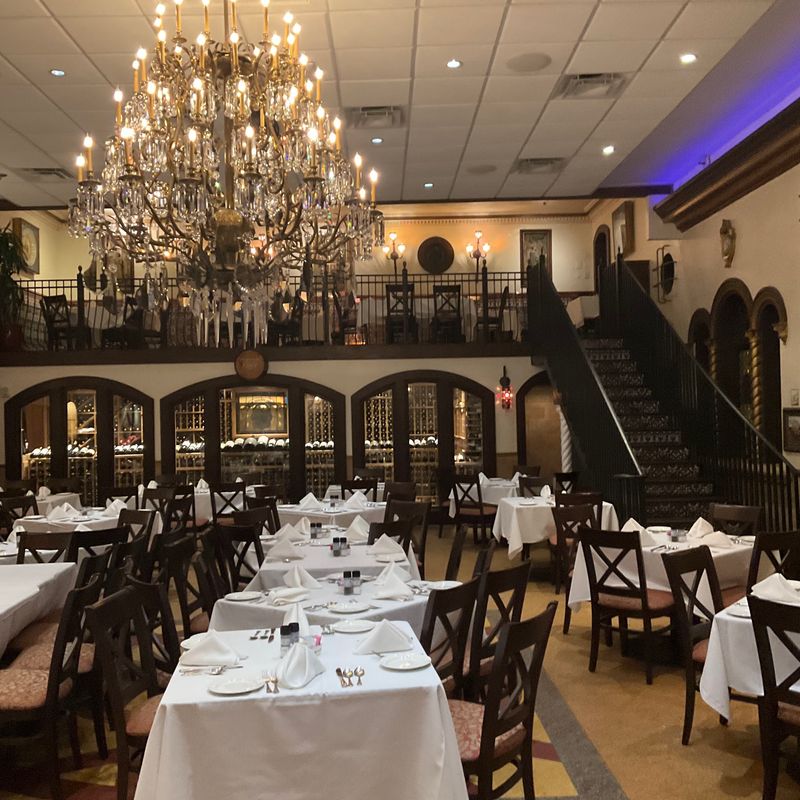
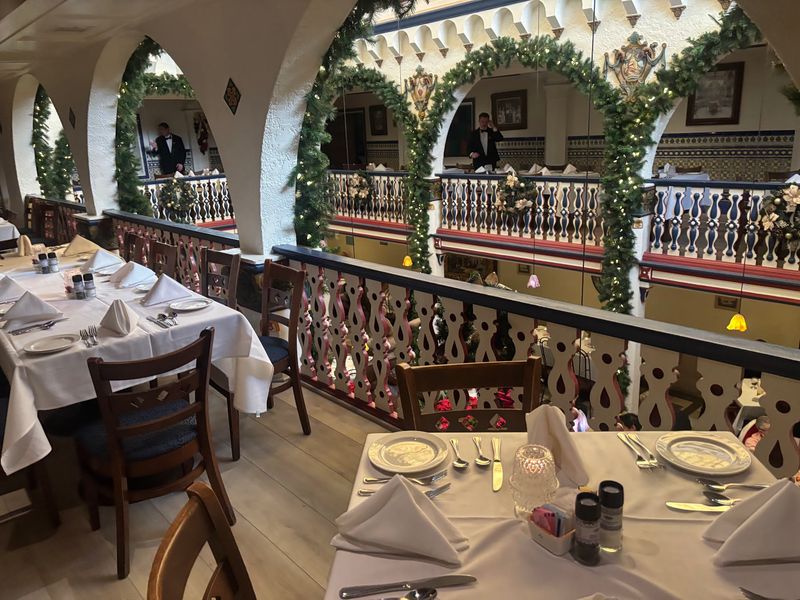
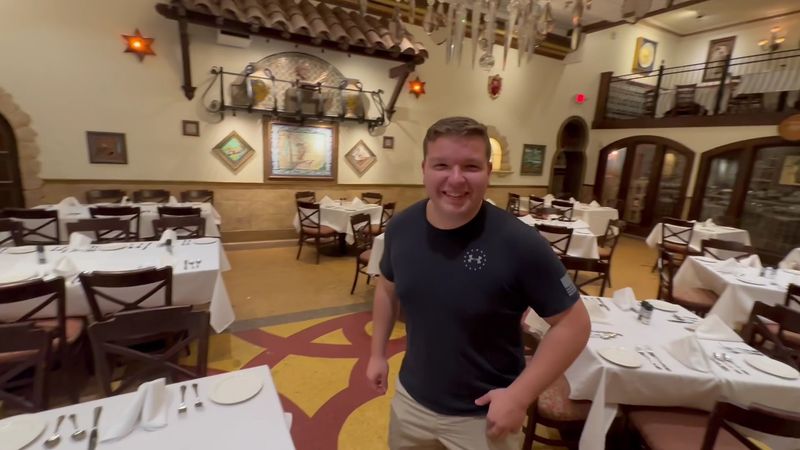
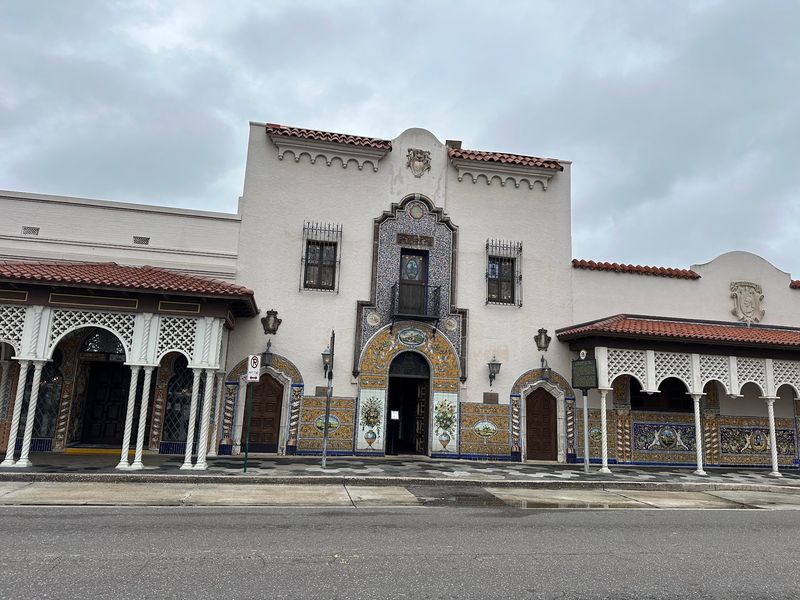
Most restaurants hang a few vintage photos and call it atmosphere. Columbia Restaurant turned its entire building into a work of art that took five generations to perfect. Walking through the fifteen dining rooms feels like exploring a Spanish palace, with hand-painted tiles depicting scenes from Don Quixote covering walls from floor to ceiling.
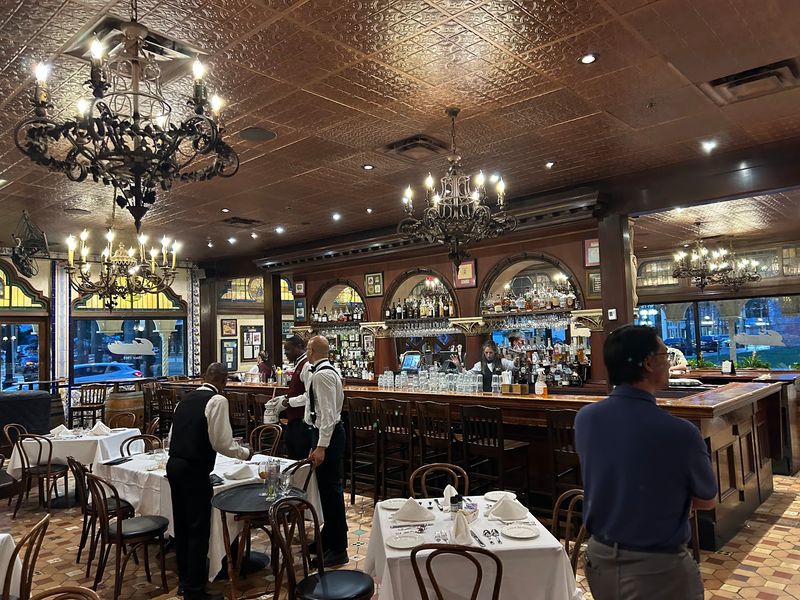
Massive crystal chandeliers catch the light overhead while archways lead you deeper into rooms that each have their own personality and story.
The restaurant sprawls across an entire city block now, a far cry from the 60-seat corner cafe where Casimiro Hernandez first served Cuban coffee to cigar workers in 1905. His great-grandson Richard Gonzmart runs things today, but the family never forgot where they came from. Every expansion added more Spanish colonial architecture, more intricate tilework, and more space for the crowds that never stopped coming.
You can spend a solid hour just wandering around looking at details most people miss. Staff members love giving impromptu tours, pointing out hidden tile mosaics and explaining which dining room hosted which famous visitor over the decades. The Don Quixote theme pops up everywhere once you start looking, from tiny corner details to massive wall murals that took artisans months to complete.
History buffs go nuts for the wine cellar tours that some managers offer lucky guests. The cellar holds thousands of bottles and enough stories to fill a book. One guest mentioned getting a personal tour from manager Garrett, who clearly knew every corner of the building’s past.
That kind of genuine pride in the restaurant’s heritage makes eating here feel like more than just dinner.
The building itself earned a spot on the National Register of Historic Places, which makes sense when you see the craftsmanship involved. Every renovation preserved original elements while adding modern comfort. White linen tablecloths contrast beautifully with the colorful tiles, creating an elegant vibe that never feels stuffy or pretentious despite all that history surrounding you.
The Legendary 1905 Salad Made Tableside Since Forever
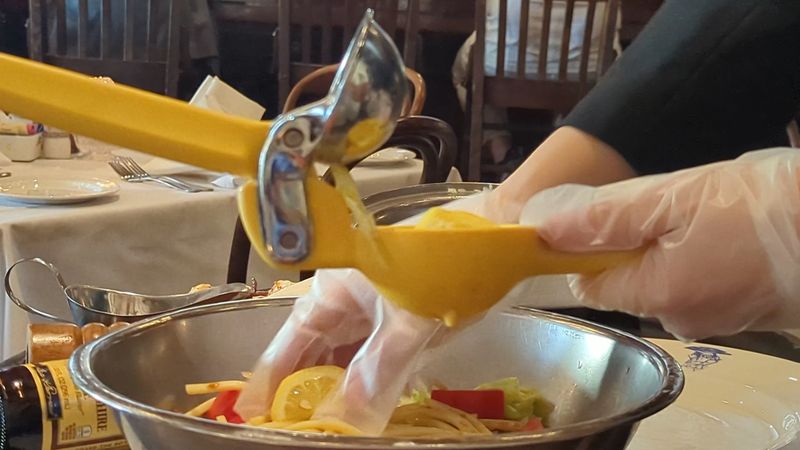
Watching servers prepare the 1905 salad at your table ranks among Tampa’s best free shows. They roll up with a wooden bowl, a bottle of Worcestershire sauce, and enough confidence to make tossing lettuce look like performance art. The recipe hasn’t changed since founder Casimiro Hernandez created it in 1905, naming the salad after the year he opened his restaurant.
That kind of consistency deserves respect in a world where restaurants change menus every season.
The ingredients sound simple until you taste how they work together. Crisp romaine lettuce gets layered with julienned baked ham, Swiss cheese, tomatoes, olives, and Romano cheese. Then comes the magic part where servers add the original dressing made with garlic, Worcestershire sauce, lemon juice, and Spanish olive oil.
They toss everything right there while explaining the history, making you feel like part of a tradition that’s fed millions of people over twelve decades.
Regulars order this salad every single visit, and reviewers consistently call it a must-have even when they’re too full for another bite. One diner admitted she liked the salad even more than her Cuban sandwich, which says something considering how good those sandwiches are. The portions run generous enough to share, though most people guard their bowl like treasure once they taste that tangy dressing coating every leaf.
The tableside preparation isn’t just for show. Mixing the salad right before serving keeps the lettuce crisp and prevents the dressing from making everything soggy. Servers have the routine down to a science, explaining ingredients while their hands work on autopilot.
Some guests specifically request certain servers known for their salad-making skills and entertaining commentary during the process.
First-timers sometimes skip the salad thinking it’s just lettuce, which might be the biggest mistake you can make at Columbia. The combination of flavors hits different than any salad you’ve tried elsewhere. That Worcestershire-based dressing creates a savory punch that wakes up your taste buds and prepares them for whatever comes next.
Paella That Proves Why Spanish Food Conquered Florida
Columbia’s paella a la Valenciana arrives at your table looking like edible artwork. The massive pan overflows with bright yellow saffron rice studded with lobster tail, mussels, clams, shrimp, chicken, and chorizo. A carved lemon perched on top adds the perfect citrus finish when squeezed over the whole beautiful mess.
This isn’t some watered-down American interpretation either, it’s the real deal prepared the way Valencia intended.
The rice makes or breaks paella, and Columbia figured out the secret decades ago. Each grain absorbs the seafood broth and saffron without turning mushy or sticky. The bottom layer develops a slight crust called socarrat that paella purists hunt for like gold.
Generous portions of seafood mean every spoonful tastes a little different, keeping your taste buds interested from first bite to last.
One reviewer called it a visual and culinary powerhouse, which nails the experience perfectly. The dish shows up hot and dramatic, demanding attention from neighboring tables. Portions run massive enough to feed two or three people easily, though sharing feels harder once you start eating.
The combination of textures from tender seafood to slightly crispy rice creates complexity that keeps you coming back for another forkful.
Ordering paella means committing to a feast, not a quick meal. The kitchen takes time preparing each pan fresh, layering flavors that can’t be rushed. Regulars suggest making it your centerpiece dish rather than ordering a bunch of other entrees.
The richness and portion size pretty much guarantee you’ll be rolling out of there satisfied but possibly uncomfortably full.
The Valencia-style preparation respects tradition while using fresh Gulf seafood that gives the dish a distinctly Florida twist. Lobster tail isn’t traditional in every paella recipe, but Columbia adds it anyway because why not make something great even better. The chicken and chorizo balance the seafood with savory depth, while the saffron ties everything together with that unmistakable golden color and subtle earthy flavor that screams authentic Spanish cooking.
Cuban Sandwiches That Started a Tampa Tradition
Tampa claims it invented the Cuban sandwich, not Miami, and Columbia Restaurant has been serving proof since the early 1900s. Their version piles slow-roasted pork, glazed ham, Swiss cheese, pickles, and mustard onto locally baked Cuban bread that arrives warm with a crispy crust. The whole thing gets pressed until the cheese melts and the flavors marry into something that makes you understand why people argue about sandwich geography.
The bread comes from a local bakery and shows up fresh daily, which matters more than most people realize. That slightly sweet, pillowy interior contrasts perfectly with the crunchy pressed exterior. Every bite delivers the right balance of ingredients without one flavor dominating the others.
The pickles add tang, the mustard brings sharpness, and the two types of pork create layers of savory richness that work together instead of competing.
Lunch crowds pack the place partly because the half-and-half option lets you pair a Cuban with the famous 1905 salad. Multiple reviewers mentioned choosing this combo and leaving completely satisfied. The sandwich holds together well even when pressed thin, preventing the filling from squirting out the sides like some sloppy versions served elsewhere.
Columbia takes pride in construction quality, making sure each sandwich meets standards set over a century ago.
Purists appreciate that Columbia keeps the recipe traditional without adding unnecessary ingredients. No lettuce, no tomatoes, no mayo, just the classic combination that cigar workers ate for lunch back when Ybor City rolled more cigars than anywhere else in the world. That historical connection makes every bite taste a little more significant, like you’re participating in Tampa culture rather than just eating lunch.
The crisp crust makes noise when you bite down, which sounds weird to mention but actually matters. That crunch signals freshness and proper pressing technique. Inside stays warm and gooey from melted cheese while the roasted pork practically falls apart.
Some sandwiches you forget five minutes after eating, but Columbia’s version sticks in your memory long enough to plan your next visit around it.
Flamenco Shows That Turn Dinner Into an Event
Monday and Saturday nights transform Columbia Restaurant into a flamenco theater where dinner comes with a side of Spanish culture. Dancers in elaborate costumes command the floor with footwork so fast it sounds like machine-gun fire. The music swells, guitars wail, and suddenly you’re not in Tampa anymore but transported to some passionate corner of Andalusia where emotions run hot and dancing solves everything.
The costumes alone justify the show. Layers of ruffled fabric in bold colors swirl and snap as dancers spin, creating visual drama that photographs beautifully. Male dancers in traditional vests and tight pants stomp rhythms that shake the floor while female dancers use their hands and arms to tell stories without words.
The combination of movement, music, and costume creates a sensory experience that makes regular dinner seem boring by comparison.
Booking a table for show nights requires advance reservations because locals and tourists both pack the place. The dancers perform with genuine skill and obvious passion, not the half-hearted entertainment some restaurants trot out for tourists. One reviewer called them incredibly talented, which undersells it.
These performers train for years to master flamenco’s complex rhythms and emotional intensity.
The show fits perfectly with Columbia’s Spanish heritage, adding cultural context to your meal. Between courses, you can watch centuries-old art forms performed by people who clearly love what they do. The music ranges from mournful guitar solos to upbeat numbers that make sitting still feel impossible.
Some guests get pulled into the performance, clapping along or even joining dancers for a moment of impromptu participation.
Timing your visit around show nights takes planning but pays off with memories that last longer than the food coma. The performances usually run about an hour, giving you plenty of time to eat while enjoying the entertainment. Tables near the dance floor offer the best views but fill up fastest.
Even from farther back, the energy and sound carry through the room, making everyone feel included in the celebration of Spanish culture that’s been part of Columbia’s identity since day one.
Spanish Bean Soup That Warms More Than Your Stomach
Columbia’s Spanish bean soup shows up steaming hot in a bowl that looks deceptively simple until you taste it. White beans swim in a rich broth flavored with chorizo, potatoes, and spices that took generations to perfect. The soup tastes hearty enough to anchor a meal but light enough not to ruin your appetite for everything else coming.
One reviewer specifically praised how well the restaurant executes this dish, calling it delicious when done right.
The bean-to-broth ratio hits that sweet spot where every spoonful delivers substance without feeling like you’re eating paste. Chunks of chorizo add smoky, spicy notes that wake up the otherwise mild beans. Potatoes provide texture contrast while soaking up flavors from the broth.
The whole combination creates comfort food that works equally well on Tampa’s rare cold days or hot summer nights when air conditioning makes you crave something warm.
Ordering the soup as a starter makes strategic sense because it’s filling without being heavy. The portion size runs generous enough to share or save room for entrees. Some guests make it their whole lunch on lighter eating days, pairing it with crusty Cuban bread for dipping.
That bread soaks up the flavorful broth like a sponge, turning simple soup into something that feels more substantial.
The recipe stays true to Spanish origins while using ingredients that work in Florida’s climate and culinary landscape. Columbia’s kitchen staff prepares batches fresh daily, never serving yesterday’s soup reheated. That commitment to freshness shows in every bowl, where beans maintain their shape and texture instead of dissolving into mush.
The broth tastes complex, layered with flavors that build on each other rather than competing.
First-timers sometimes overlook soup in favor of flashier dishes, but regulars know better. The Spanish bean soup represents everything Columbia does well, taking simple ingredients and treating them with respect and skill. It won’t show up on Instagram as often as the paella, but it’ll stick in your memory as the kind of honest, well-executed food that keeps restaurants thriving for 120 years.
Bread Pudding That Converts Non-Believers
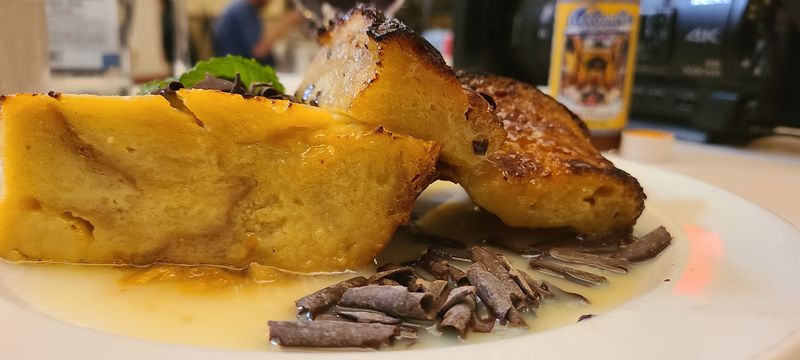
One reviewer admitted hating bread pudding their entire life until trying Columbia’s version, which tells you everything you need to know. This dessert arrives warm with a texture that defies expectations, soft and creamy instead of chunky like soggy croutons glued together. Rich chocolate covers the top while Bacardi rum sauce adds boozy sweetness that brings the whole thing together.
Multiple reviews specifically mention ordering this dessert, and several call it the best part of their meal.
The texture makes all the difference between good bread pudding and the mushy disasters most places serve. Columbia somehow achieves a consistency closer to custard than bread, smooth and velvety without any weird jiggly qualities. The chocolate layer adds richness without overwhelming the subtle flavors underneath.
When the rum sauce hits the warm pudding, it soaks in and creates pockets of intense flavor that surprise you with every bite.
Sharing makes sense given how rich this dessert runs, though many people end up eating more than planned. That converted bread pudding hater mentioned eating almost half despite claiming to despise the stuff. The combination of flavors and textures creates something greater than the sum of its parts.
Even when you’re stuffed from dinner, somehow room appears for a few more bites of this magic.
The rum sauce deserves its own praise, light enough not to overpower but present enough to add that distinctive Bacardi kick. Some guests request extra sauce on the side, which servers happily provide. The sauce works as a flavor amplifier, highlighting the chocolate and bringing out subtle notes in the pudding that you might miss otherwise.
Temperature matters too, arriving warm enough to be comforting but not so hot it burns your mouth.
One guest noted their bread pudding tasted slightly burnt or bitter, which shows even great restaurants have off nights. But the overwhelming majority of reviews praise this dessert as mandatory ordering. The kitchen clearly takes pride in this dish, maintaining quality standards that turn skeptics into believers and make regulars save room no matter how full dinner leaves them.
Service That Makes 1,700 Seats Feel Personal
Columbia Restaurant seats 1,700 people across fifteen dining rooms, which sounds like a recipe for impersonal factory service. Instead, servers like Alfredo, Maria, Erin, and Kalea earn praise in reviews for making massive crowds feel like intimate gatherings. These hospitality professionals don’t just take orders, they share history, offer genuine recommendations, and somehow remember details that make you feel like the only table that matters.
One family drove from Bradenton specifically to sit in Alfredo’s section again after a previous visit.
The servers know their stuff beyond just memorizing menu items. They explain dish origins, suggest pairings, and guide first-timers through ordering without being pushy or condescending. Erin earned specific praise for being a wealth of information about both restaurant and menu.
That kind of knowledge comes from training and genuine interest in the place’s history. When servers clearly love their job, it shows in every interaction.
Management backs up the front-line staff with tours, special touches, and attention to detail that elevates good service to memorable experiences. Manager Garrett took guests to the wine cellar for the full experience. The entire kitchen staff sang happy birthday to one guest’s sister-in-law.
These aren’t corporate-mandated gestures but authentic expressions of hospitality that money can’t buy or train into people who don’t care.
Bar staff handles the overflow crowds with equal skill, mixing proper mojitos while chatting about the restaurant’s history. Bartender Kim received compliments for her recommendations and historical knowledge. Even during peak rushes when the place packs wall-to-wall with hungry people, service maintains quality without making guests feel rushed.
The staff masters that delicate balance between attentive and intrusive.
Multiple reviews mention servers being warm, bubbly, friendly, and genuinely enjoying their work. That positive energy spreads through the dining rooms, creating atmosphere beyond what decor alone could achieve. When your server takes pride in working at Florida’s oldest restaurant, you can’t help but feel that pride too.
The combination of skilled service and authentic enthusiasm turns a meal into an experience worth driving across town or even across the state to repeat.