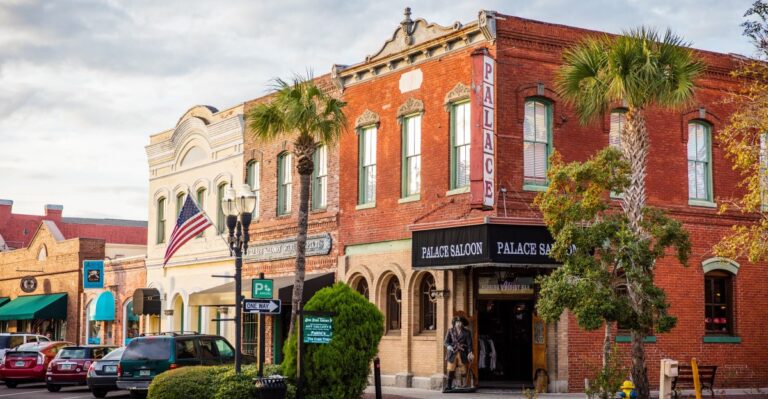
Get Up Close To Historic Army Vehicles At This Fascinating Florida Military Museum
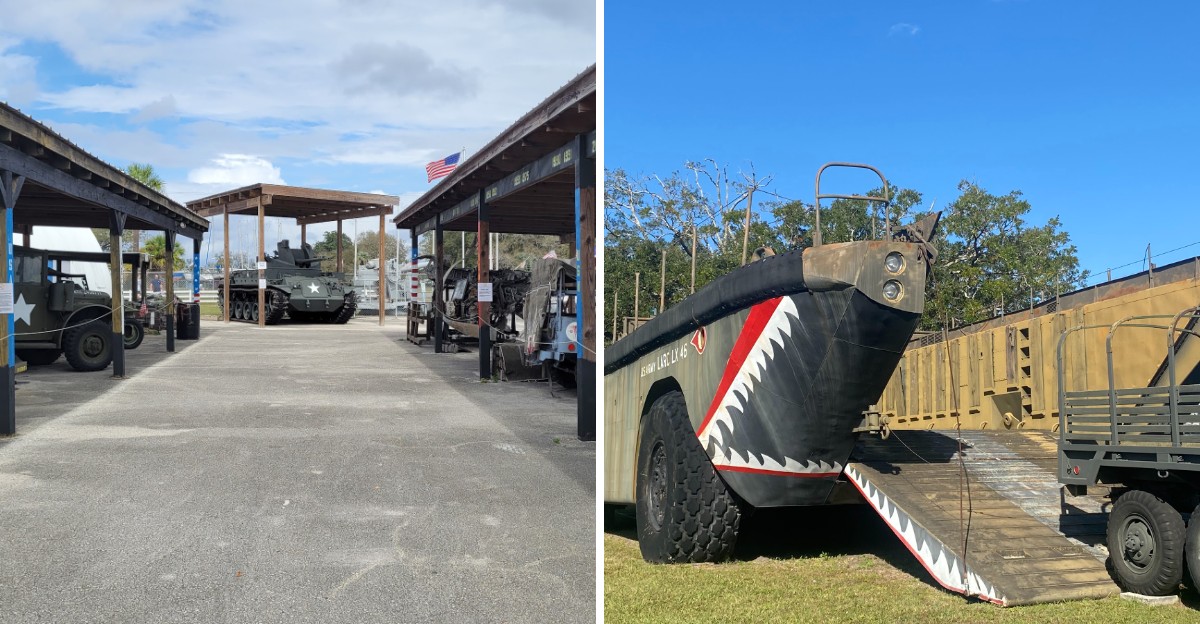
A tank parks outside this museum, and nobody charges you a dime to go see it. Admission policies may vary, so check the museum’s current information before visiting.
Inside, the collection keeps going. Weapons, uniforms, personal gear, and detailed scale models fill the rooms. There’s even a helicopter simulator that kids reportedly refuse to leave.
I like how this place grew out of pure dedication. Volunteers, many of them veterans, set up and maintain the exhibits themselves. That kind of care shows up in every display case.
This small Florida spot also tells the story of its own hometown, which once had a big role in military history. I can’t imagine a better way to spend a slow weekday morning. So how much history can one modest building really hold?
Say Hello To The Tank Before You Even Reach The Door
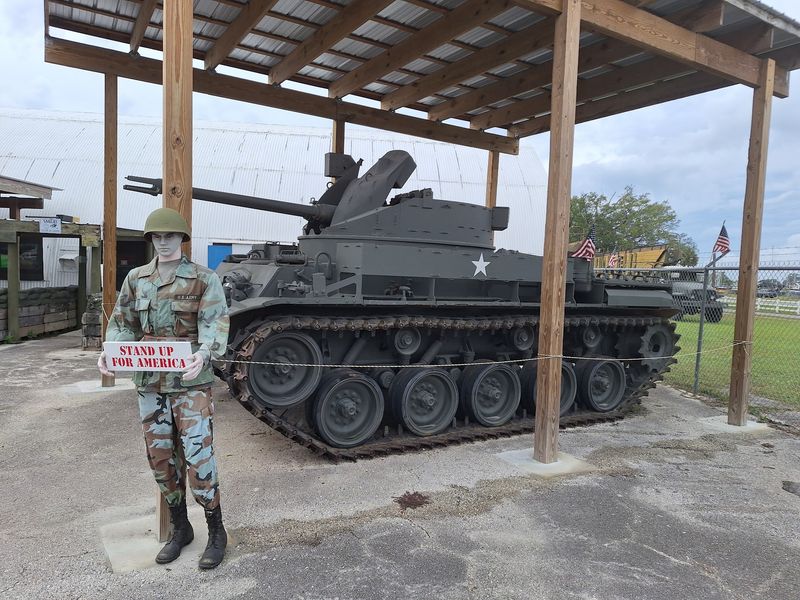
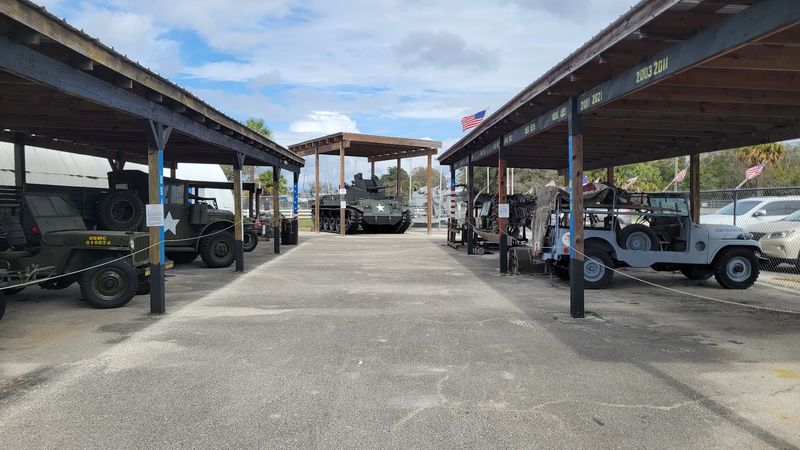
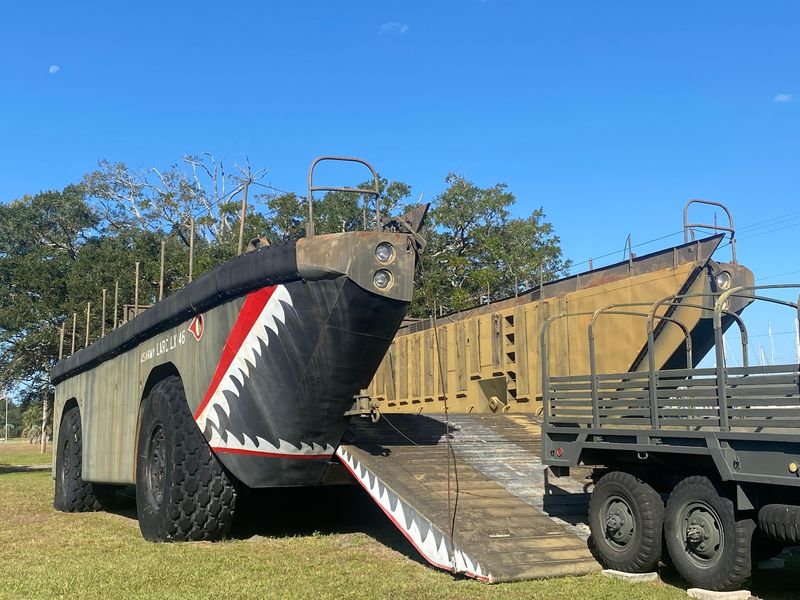
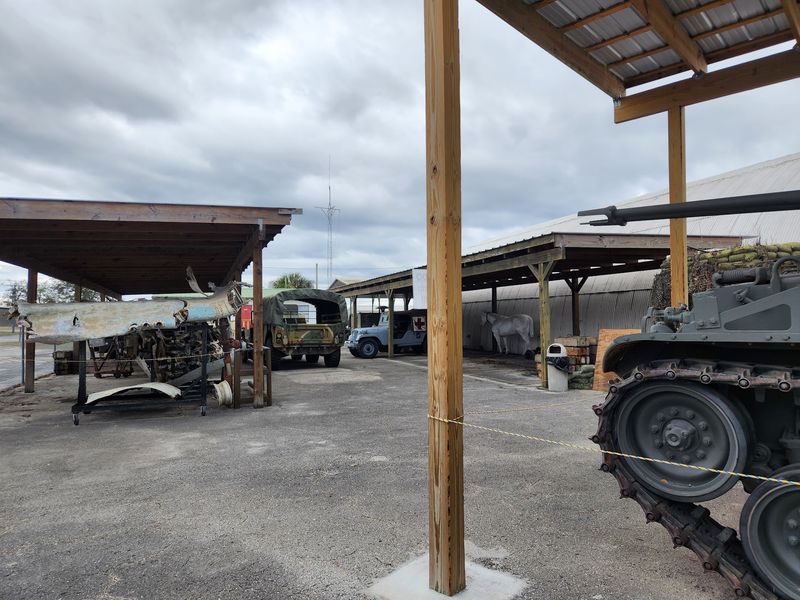
Most museums greet you with a lobby. The Military Museum of North Florida greets you with a tank and a lineup of jeeps.
Those vehicles are the big stars here, and they earn the spotlight. You can walk around them and study the treads, hatches, and rugged frames up close. Photos of them are basically mandatory.
Military jeeps were built for tough jobs on rough ground. Seeing one in person shows how simple and sturdy the design really was. No fancy cup holders, no heated seats, just pure function.
The tank is a whole different level of impressive. Its size alone makes you wonder how crews fit inside and managed to work. Kids tend to stare at it like it might start rolling any second.
Give yourself a few minutes out here before heading indoors. Walk all the way around each vehicle and notice the small details. Markings, rivets, and wheel designs all tell part of the story.
Bring a camera or a charged phone for this stop. These vehicles make a great backdrop for family photos. Just remember they’re historic pieces, so admire with respect and keep little climbers in check.
Your Wallet Gets A Day Off Here
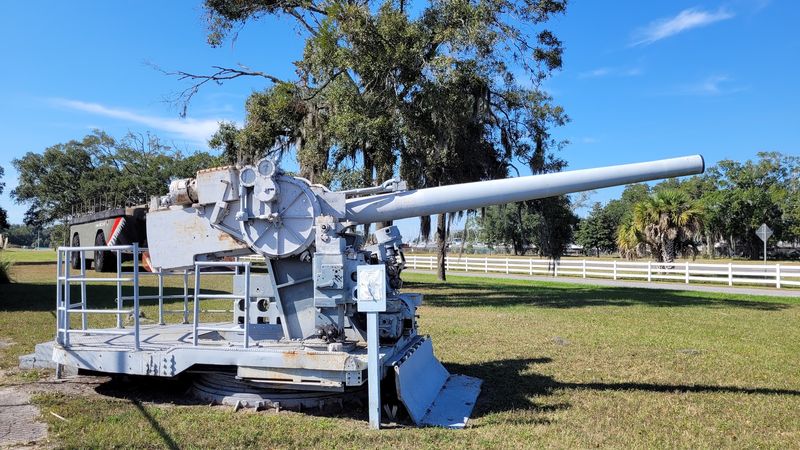
Admission information can vary, so confirm the museum’s current policy before your visit.
Check the museum’s current admission information before arriving, since policies may vary. That makes it an easy pick for families, students, and anyone traveling on a tight budget. It also makes a fantastic last-minute plan.
Of course, keeping a museum running isn’t free. Lights, upkeep, and display care all cost money. That’s where donations come in, and they truly help keep the doors open.
Think of your donation as a thank-you for the experience. Even a small amount supports the volunteers and the exhibits. Nobody hands you a bill, but it’s a kind gesture worth making.
Plan your visit around the schedule, since hours are limited. The museum opens Wednesday through Saturday from 10 AM to 3 PM. It’s closed Sunday, Monday, and Tuesday.
Arriving earlier in the day gives you more breathing room. That way you won’t feel rushed near closing time. A relaxed pace makes the displays easier to enjoy. Plus you’ll have time left over for lunch somewhere nearby afterward.
Volunteers With Real Stories Keep Everything Running
Behind every display case stands a team of dedicated volunteers. Many of them are veterans who know military life firsthand.
They handle the setup and upkeep of the exhibits themselves. That’s a huge amount of work for people giving their own time. The result feels personal rather than corporate.
The museum is supported by dedicated volunteers who help preserve and share military history. Their knowledge adds depth you won’t get from a placard alone. Questions about an object or an era are welcome.
Got a curious kid with a hundred questions? Pace them a little and let the volunteers share what they know. Good conversations often happen when folks feel there’s room to talk.
Here’s a bonus for anyone who wants to give back. The museum is always looking for more volunteers. You can stop by and fill out a form if you’d like to help.
Veterans may also have memorabilia from their own service. The staff welcomes inquiries about possible donations. Your old uniform or photos could someday help tell a bigger story. It’s a meaningful way to make sure personal history isn’t lost in a closet.
Centuries Of American Service Fit Under One Roof
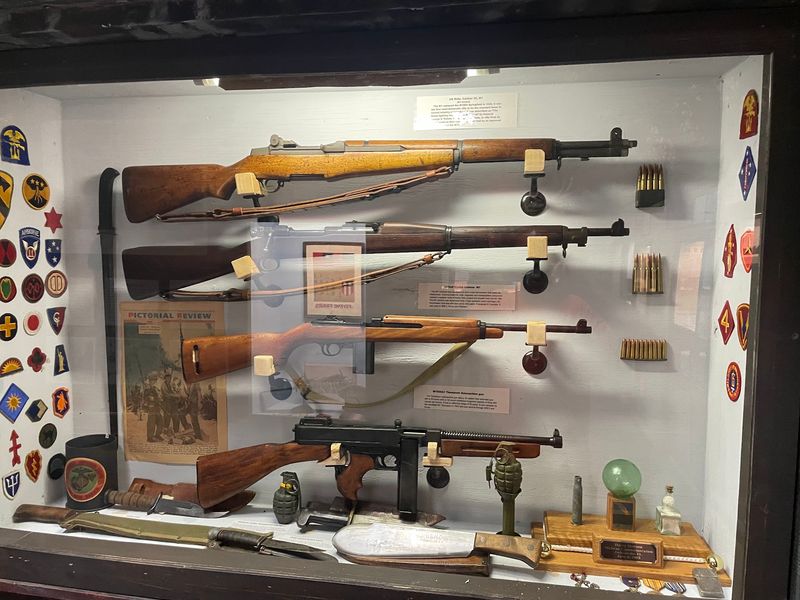
Revolutionary War items share space with gear from much more recent conflicts. That range is a big part of the fun.
The collection covers American military history across many eras. You can trace how uniforms, weapons, and equipment changed over time. Muskets and modern gear look like they come from different planets.
Weapon and equipment displays are a major highlight. Personal gear pieces also stand out, including items you may not spot in bigger museums. Each case rewards a slow, careful look.
Reading the labels pays off here. Small details explain who used an item and why it mattered. Skipping them means missing the best stories.
Plan on spending about an hour or more inside. Many folks take 60 to 90 minutes, and history fans can easily linger longer. The space is modest, but it’s packed tight.
Wear comfortable shoes and take your time. A good strategy is to pick a favorite era and study it closely. Then breeze through the rest and circle back to anything that catches your eye. You’ll leave knowing far more than you expected.
Tiny Soldiers And Scale Models Steal The Show
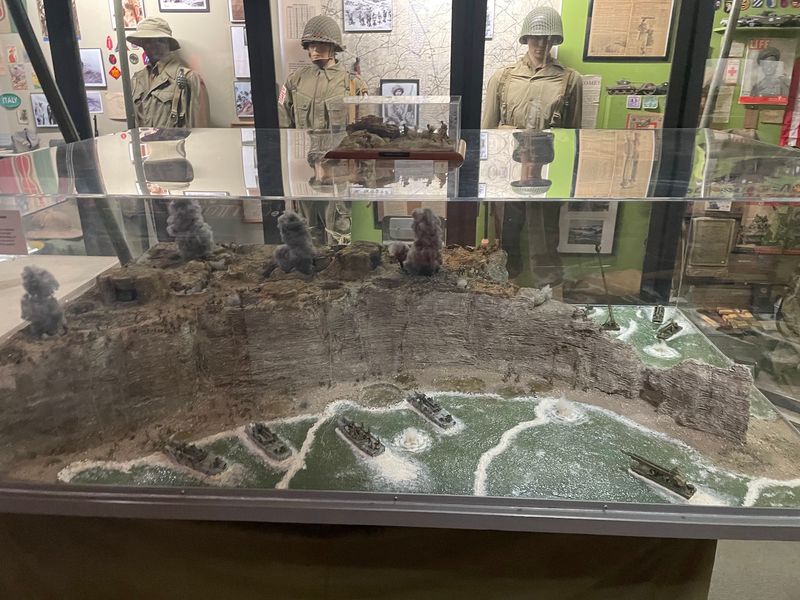
Miniatures might be the sneakiest highlight of the whole visit. The dioramas and scale models here are seriously detailed.
Each scene captures a moment in history on a small scale. Tiny vehicles, figures, and landscapes come together like frozen snapshots. It’s amazing how much story fits on one tabletop.
Model builders will feel right at home. The craftsmanship shows patience most of us can only dream about. Painting one tiny boot sounds stressful enough.
For kids, dioramas make history easier to picture. Seeing a full scene beats reading about it in a textbook. Point out small details and turn it into a game of spot the hidden item.
Adults get plenty out of them too. The models show how equipment looked in action, not just sitting still. That context makes the full-size vehicles outside even more interesting.
Lean in close, but keep hands off the glass. These displays took serious time to build. A gentle approach keeps them looking sharp for the next visitor. Bring reading glasses if you need them, because the tiniest details are often the coolest ones to catch.
Good Luck Getting The Kids Out Of The Helicopter Simulator
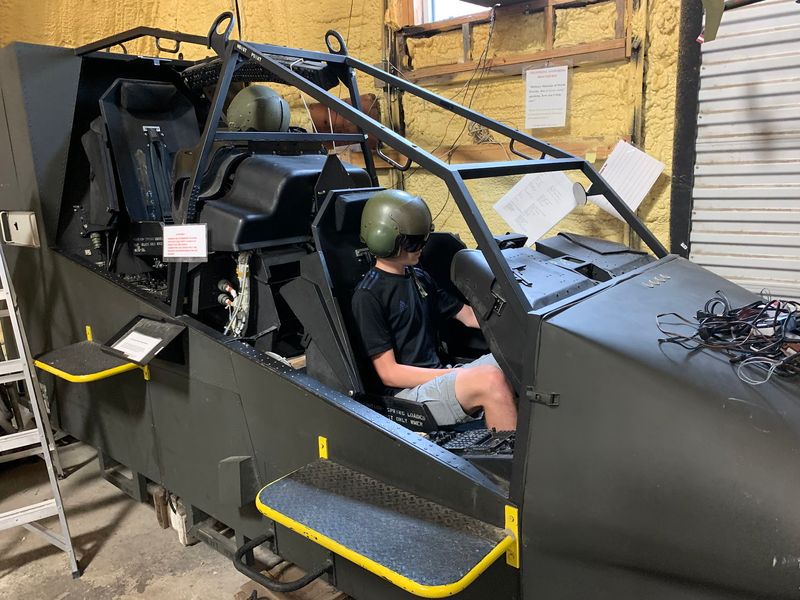
Parents, consider yourselves warned. The helicopter simulator has a reputation for swallowing children whole.
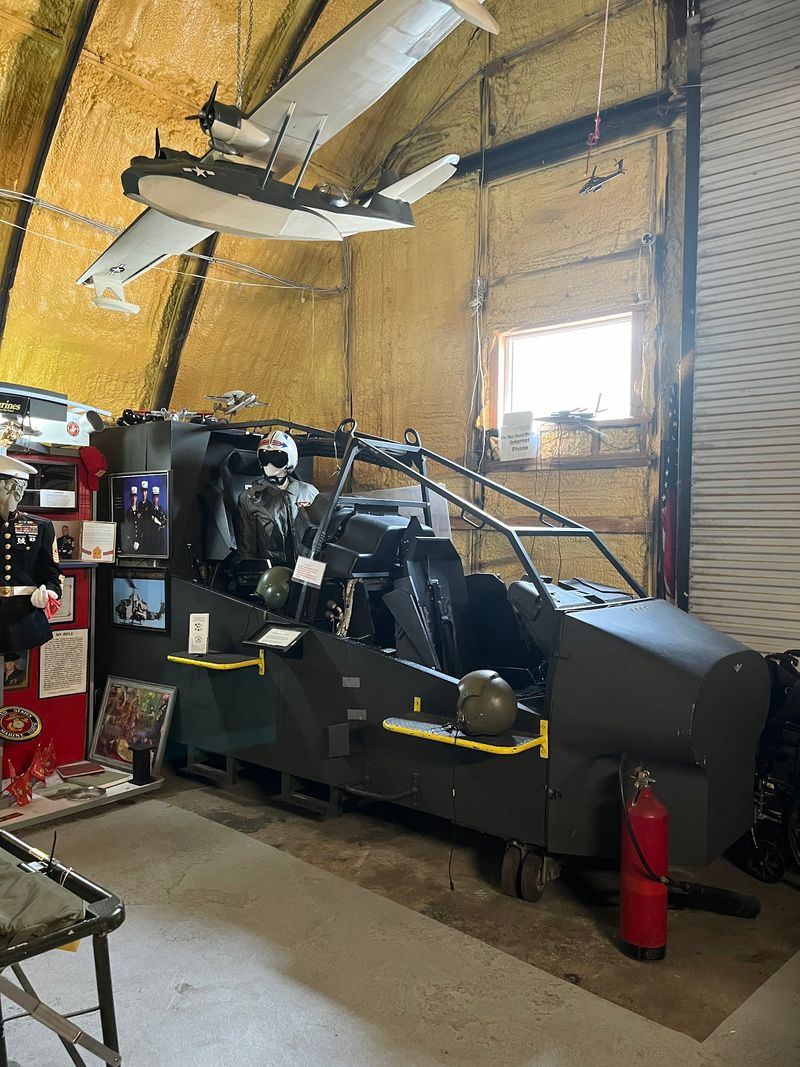
It gives young visitors a hands-on way to connect with the museum. After looking at so many display cases, a seat at the controls feels like a reward. Pretend missions are guaranteed.
Some families report kids staying in it for an hour. They only climbed out when another family showed up. That says plenty about its pulling power.
Sharing is the polite move if others are waiting. Set a friendly timer before your kids hop in. It saves an argument later and keeps things fair.
The simulator also makes a smart strategy for parents. Let kids play while adults finish reading a nearby display. Everyone wins, at least for a few minutes.
Field trips and family outings both benefit from this feature. It balances learning with play in a natural way. Kids leave talking about flying, and that sparks questions about real aviation history. A child who loved the simulator might be the one asking for library books next week.
The Town Itself Has A Surprising Military Backstory
Green Cove Springs looks like a quiet riverside town today. Its military past, however, catches plenty of people off guard.
The area once served as a military base, and the museum helps share that story. Local history adds a hometown layer to the national exhibits. It turns a general history lesson into something rooted right here.
The volunteers clearly care about this part of the past. They work to preserve the community’s role and their own service experiences. That focus gives the museum a distinct identity.
Spend some time with any locally focused displays. They connect the big events of history to real places nearby. Suddenly the town around you feels a lot more interesting.
Bring this knowledge with you as you explore the area. Driving around afterward feels different once you know the backstory. You’ll look at the riverfront with fresh eyes.
Visitors from out of state often find this part memorable. Florida history usually means beaches and theme parks to outsiders. Learning about a local base offers a refreshing change of pace. It’s the kind of detail that makes you sound smart at dinner.
Save A Few Minutes For The Gift Shop Treasures
A great gift shop is the cherry on top of any museum trip. Thankfully, this one comes with that cherry.
Browsing the shop is a nice way to wrap up your visit. Souvenirs help kids remember what they learned. They also make thoughtful gifts for the history buff in your life.
Shopping here also supports the museum’s mission. Every purchase helps cover costs that free admission doesn’t. It’s shopping with a purpose, which feels pretty good.
Keep an eye out for a bonus surprise. The museum has been known to offer a box of free military books. Bookworms, that’s your cue to look around carefully.
Free reading material makes a fun extra for history fans. Pick something that matches the era you liked most. It’s a great way to keep learning at home.
Set a small budget before you go in if kids are along. That keeps choices simple and the mood cheerful. A little patch or toy can go a long way. Then everyone heads home with a reminder of the tanks, jeeps, and stories they explored.
Finding Your Way To Roland Avenue Is The Easy Part
Plenty of people drive past this spot for years before stopping. Don’t let that be you.
The Military Museum of North Florida sits at 990 Roland Ave, Green Cove Springs, FL 32043. It’s in Clay County, south of Jacksonville along the St. Johns River area. The drive makes for an easy day trip in Northeast Florida.
Check the calendar before you head out. Doors open Wednesday through Saturday, 10 AM to 3 PM. Showing up on a Monday means admiring the tank from the parking lot.
The museum also hosts events sponsored by veteran groups. Organizations like the VFW and the American Legion have been involved. Those gatherings add extra meaning to the space.
School groups and families both find plenty to enjoy here. A morning visit pairs nicely with lunch in town afterward. It’s a relaxed plan that doesn’t require a full day.
Before leaving, drop a donation in the box if you can. Then take one more look at those jeeps outside. Free history this good deserves a little love back. You might just find yourself planning a return trip before you reach the car.