Good Luck Finding Beaches Prettier Than These 8 Florida Stunners
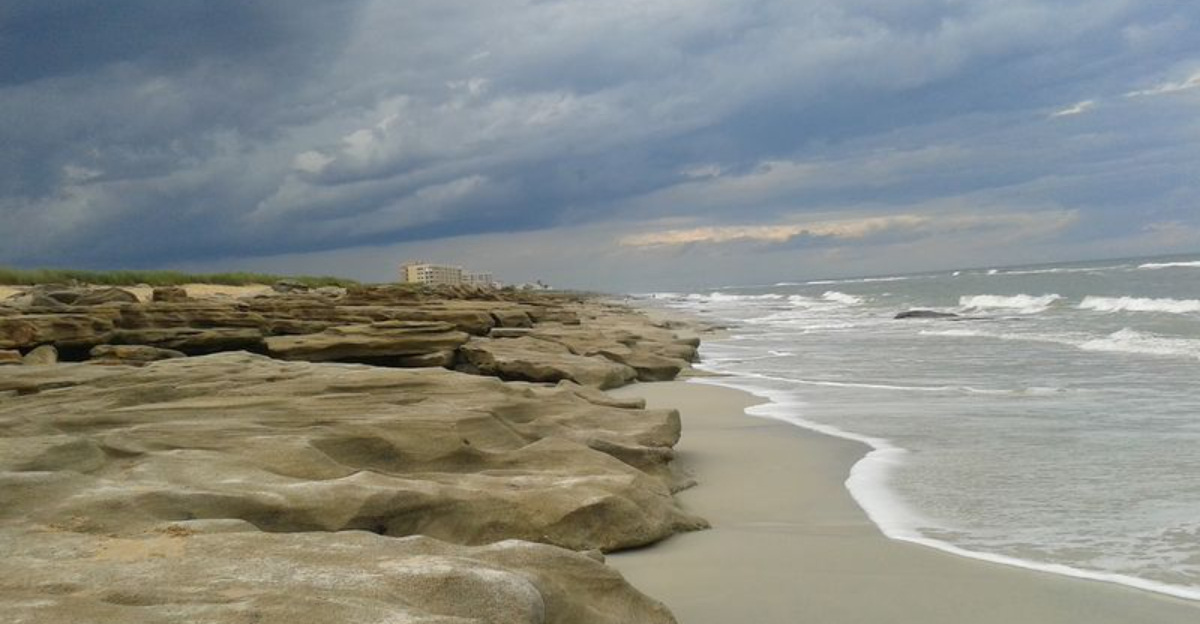
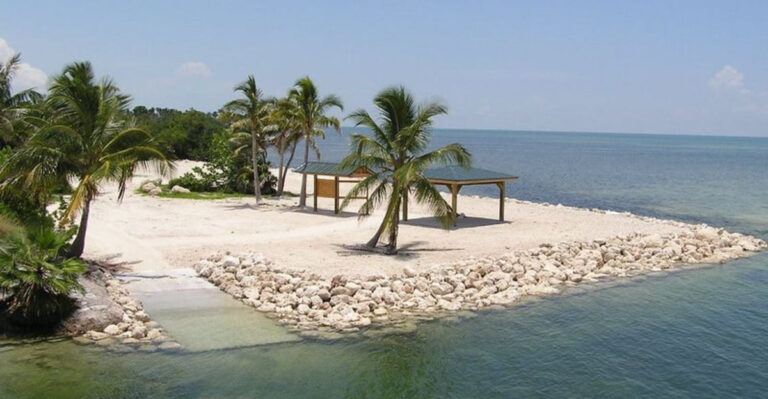
Florida has more than a thousand miles of coastline, but only a handful of beaches look so stunning they stop you mid-step and make you rethink your entire vacation itinerary. These eight spots showcase the state’s most jaw-dropping sand, surf, and scenery, from emerald waves crashing against ancient limestone to turquoise shallows so clear you can count your toes from twenty feet away. Whether you prefer isolated barrier islands or dramatic rocky shores, this list covers the beaches that make even longtime Floridians pause and pull out their cameras.
1. Bahia Honda State Park (Big Pine Key)
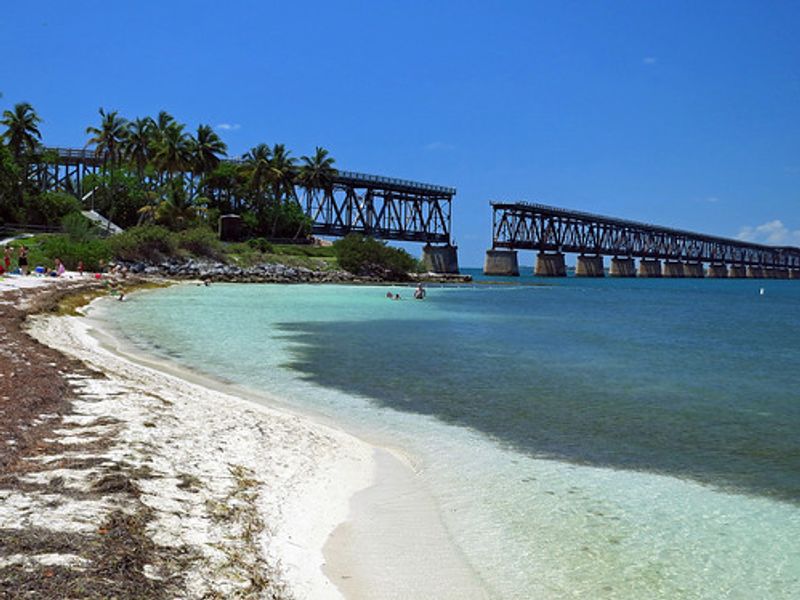
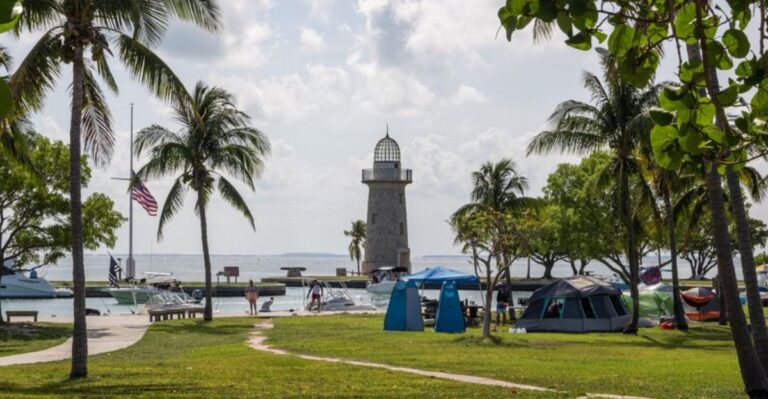
Most people picture the Caribbean when they imagine perfect tropical water, but Bahia Honda delivers that same dreamy turquoise without leaving U.S. soil. The shallows glow in shades of blue and green you’d swear were Photoshopped, and the sandbars stretch far enough that wading feels like walking on liquid glass.
Palm trees lean over the shoreline like they’re posing for postcards. The historic Bahia Honda Bridge arches overhead, adding a rusty, weathered contrast to all that brilliant color. Sunset here doesn’t just paint the sky; it turns the entire beach into a golden-hour paradise that makes you forget your phone exists.
Snorkeling off the shore reveals coral formations and tropical fish darting through the shallows. The park’s three beaches offer different vibes, from family-friendly Sandspur to the more secluded Calusa. Arrive early on weekends because parking fills fast, especially during peak season.
The camping here ranks among Florida’s best if you want to wake up steps from that unreal water. Even a short visit makes it clear why this spot consistently lands on
2. Caladesi Island State Park (Dunedin)
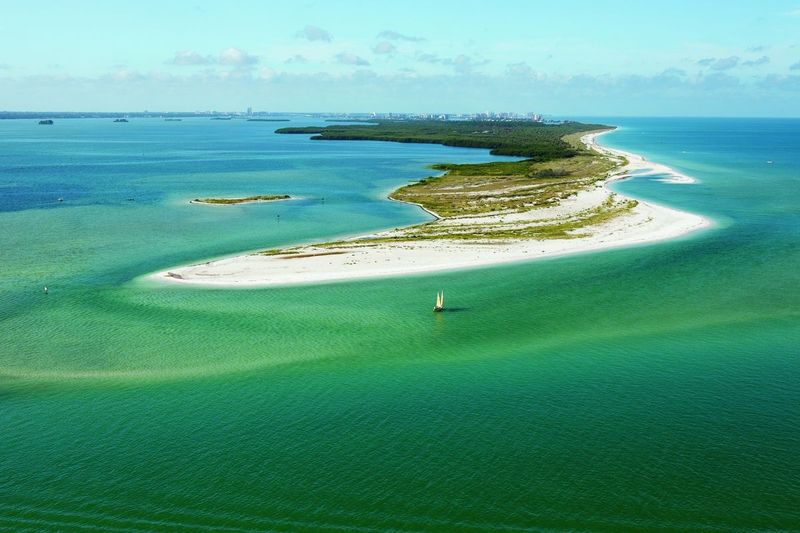
Reaching Caladesi requires a ferry ride or private boat, which immediately filters out the crowds and preserves the island’s untouched character. No high-rises loom behind the dunes, no beach bars blast music, and no jet skis buzz past your towel. Just three miles of pale sand, rolling dunes, and Gulf water that shifts from aquamarine to deep blue as you wade deeper.
The island’s interior hides a kayak trail through mangrove tunnels where herons stalk the shallows and dolphins occasionally surface nearby. Sea oats sway across the dunes, and the beach feels like it hasn’t changed much since Spanish explorers first mapped this coast. It’s the kind of place that makes you understand why people get obsessed with barrier islands.
Shells wash up in surprising variety, especially after storms. The park provides picnic shelters and a small café, but most visitors bring their own supplies and claim a spot far from the ferry dock. Low tide reveals sandbars perfect for shallow wading.
Hurricane damage occasionally reshapes the shoreline, but nature always seems to rebuild Caladesi into something beautiful. Pack everything you need because once you’re here, leaving feels like a mistake you’ll regret immediately.
3. Grayton Beach State Park (Santa Rosa Beach)
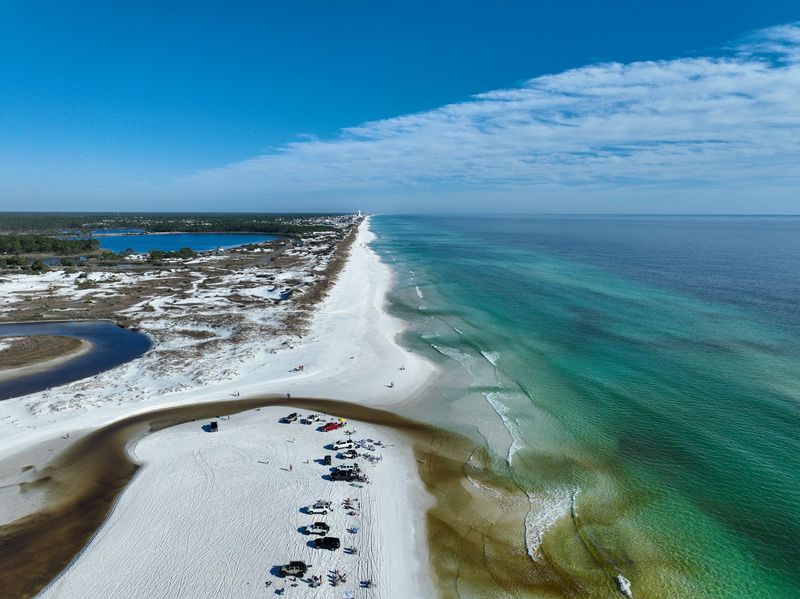
Powdery white sand squeaks under your feet at Grayton Beach, a sensation that feels oddly satisfying and slightly strange. The Gulf glows emerald green on sunny days, a color so vivid it looks fake until you wade in and realize the water really does look that incredible. Behind the beach, rare coastal dune lakes create brackish ecosystems found in only a few places worldwide.
Western Lake sits just inland, separated from the Gulf by a narrow strip of sand that occasionally breaches during storms. The lake’s dark, tea-colored water contrasts sharply with the bright emerald surf, and paddling between the two environments feels like visiting different planets. Herons and ospreys hunt along the lake’s edges while beachgoers float in the Gulf just yards away.
The park’s boardwalks wind through dunes covered in rosemary and sea oats. Grayton Beach village sits nearby, offering quirky restaurants and local art galleries if you need a break from sand and sun. The state park section stays quieter than the public beach access points.
Early mornings here feel almost spiritual, with mist rising off the lake and the beach empty except for shorebirds. Summer weekends get busy, but even then, the park’s natural beauty overwhelms the crowds.
4. Dr. Julian G. Bruce St. George Island State Park (St. George Island)
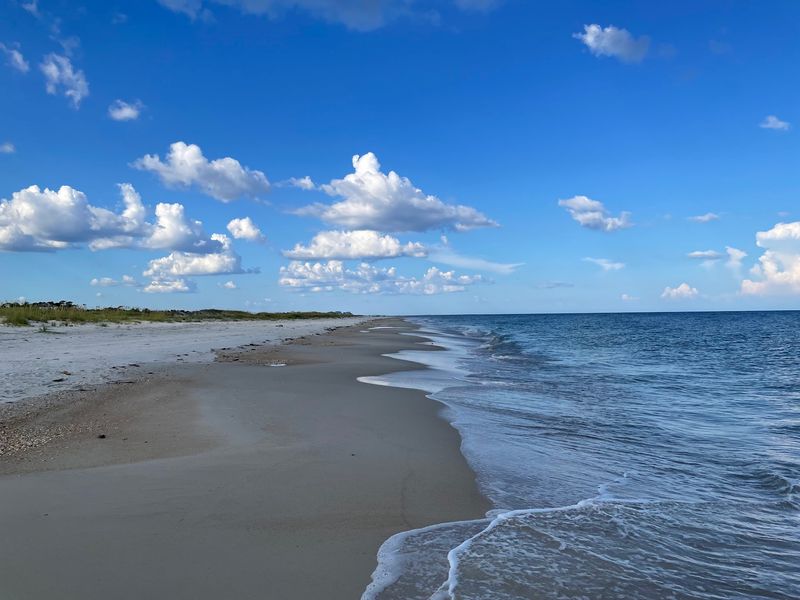
Nine miles of undeveloped shoreline make up this park on St. George Island’s eastern tip, where sugary sand stretches so far in both directions you could walk for an hour without retracing your steps. The Gulf shimmers emerald and turquoise depending on the light, and the dunes rise tall enough to block any view of civilization. It’s wilderness beach at its finest.
Shorebirds outnumber people most days, especially if you hike past the main parking areas. Least terns nest in the dunes during summer, and loggerhead turtles crawl ashore at night to lay eggs in the soft sand. The park protects critical habitat while still letting visitors experience one of Florida’s most beautiful stretches of coast.
Primitive camping puts you steps from the water, though you’ll need to haul gear from the parking area. The bayside offers calmer water and excellent paddling through salt marshes where dolphins hunt. Sunset from the Gulf side paints the sky in shades that make you forget every beach you’ve ever visited.
The island sits far enough from major cities that it never feels overrun. Even holiday weekends leave plenty of empty sand. Bring everything you need because services are minimal, and that’s exactly what makes this place so special.
5. Blowing Rocks Preserve (Hobe Sound)
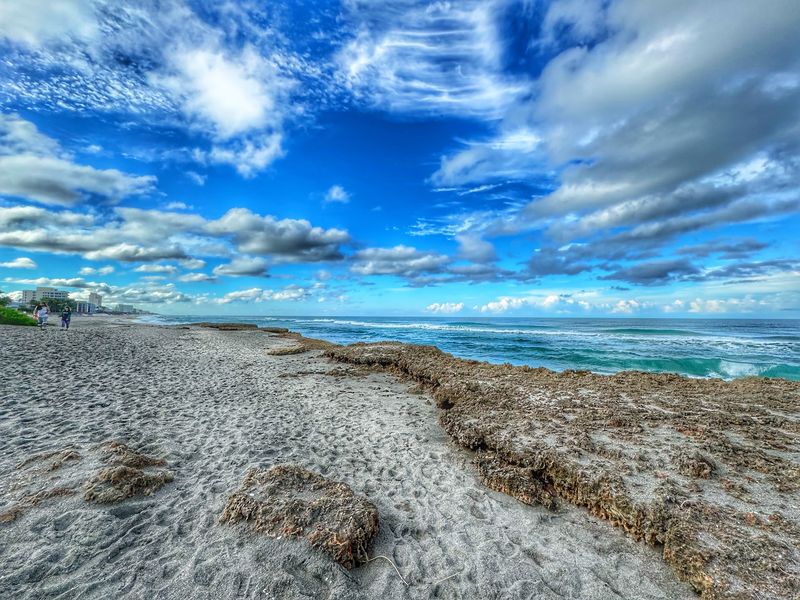
Waves slam into Anastasia limestone with enough force to send seawater rocketing skyward, sometimes reaching heights of 50 feet when conditions align perfectly. This preserve protects the largest limestone outcropping on Florida’s Atlantic coast, creating a shoreline that looks nothing like the state’s typical sandy beaches. Rough, pitted rock formations create tidal pools, ledges, and channels where water surges and retreats with hypnotic rhythm.
High tide during strong easterly winds produces the most dramatic blowhole displays. Water funnels through cracks and cavities in the rock, then explodes upward in spectacular geysers that drench anyone standing too close. Even calm days reveal fascinating geology, with fossilized shells embedded in the limestone and tiny crabs scuttling through shallow pools.
The preserve’s interior trails wind through coastal hammock and mangrove wetlands. Sea turtles nest on the small sandy beach sections during summer, and the Nature Conservancy manages the property to protect both marine and terrestrial ecosystems. It’s not a place for sunbathing or swimming, but for experiencing Florida’s wild side.
Sunrise here looks especially beautiful when low light catches the spray and creates rainbows in the mist. Wear sturdy shoes because the limestone is sharp and uneven. This spot proves Florida beaches can be rugged and dramatic, not just soft and sandy.
6. North Beach at Fort De Soto Park (Tierra Verde)
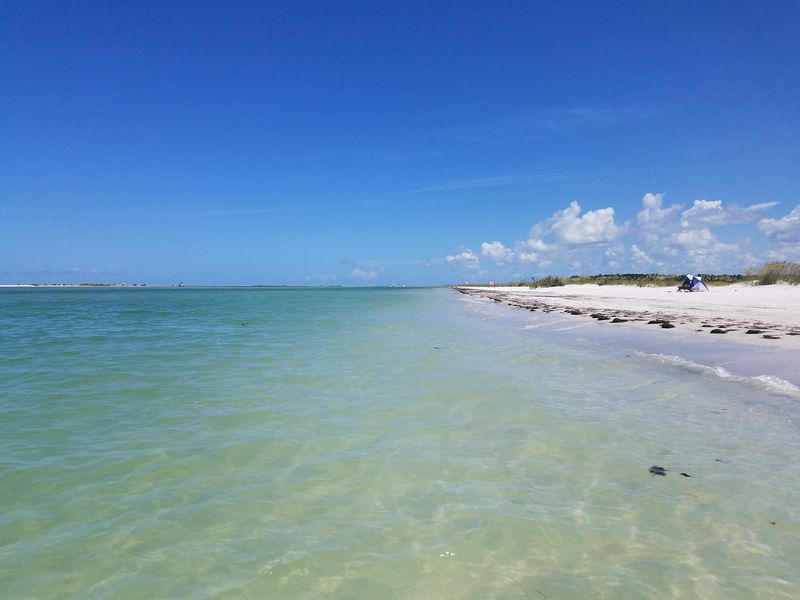
Five interconnected keys make up Fort De Soto Park, and North Beach claims the crown as the most visually stunning section. Curving sandbars wrap around calm, blue-green shallows that stay shallow enough for wading surprisingly far from shore. Palm trees dot the beach, and the view from the water reveals layer after layer of natural island scenery without a single high-rise interrupting the horizon.
Families love the gentle waves and gradual depth, while photographers obsess over the way afternoon light catches the sandbars and creates patterns in the shallows. The beach faces multiple directions, so you can find sun or shade depending on the time of day. Kayakers launch from the shore and paddle through mangrove tunnels just beyond the swimming area.
The park offers more than just beach time, with historic fort ruins, fishing piers, and bike trails connecting the keys. But North Beach remains the main attraction, consistently rated among America’s best beaches by travel experts who actually visit these places instead of just copying other lists.
Weekends draw big crowds, especially from nearby Tampa and St. Petersburg. Arrive early to snag parking close to the beach, or visit on weekdays when the park feels almost peaceful. The natural beauty here makes you forget you’re minutes from urban sprawl.
7. Washington Oaks Gardens State Park Beach (Palm Coast)
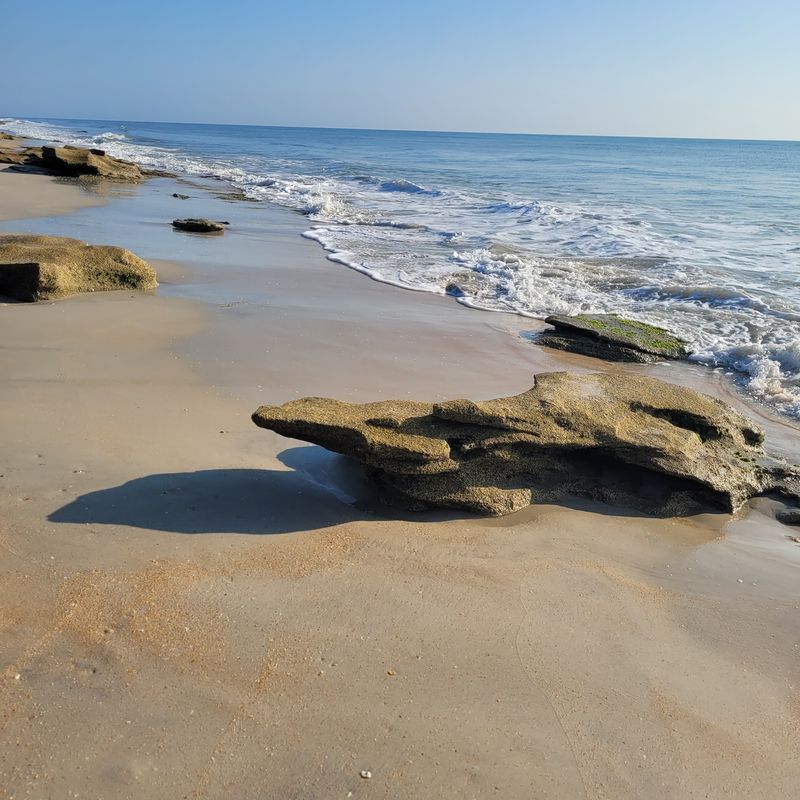
Coquina rock formations dominate this Atlantic beach, creating a landscape that looks more like coastal Maine than typical Florida. Massive ledges and outcroppings line the shore, forming pools, channels, and platforms where waves crash and spray with satisfying force. The rocks glow golden and orange in certain light, and their pitted surfaces hold tiny ecosystems of crabs, snails, and trapped fish.
This isn’t a beach for swimming or sunbathing. It’s a beach for exploring, photographing, and experiencing a completely different side of Florida’s coast. At low tide, the rocky shelves extend far into the surf, revealing intricate patterns carved by centuries of wave action.
High tide brings dramatic wave crashes that send spray flying across the rocks.
The park’s formal gardens inland offer a completely different experience, with ornamental plants and manicured paths that feel worlds away from the wild beach. Most visitors split time between both areas, though the beach tends to steal the show with its unusual geology and photogenic scenery.
Sunrise photographers love this spot because the rocks create natural leading lines and the eastward view catches first light beautifully. Wear water shoes if you plan to explore the formations because the coquina is sharp and covered in barnacles. This beach proves Florida’s coastline holds surprises beyond endless sand.
8. Rosamond Johnson Beach (Perdido Key)
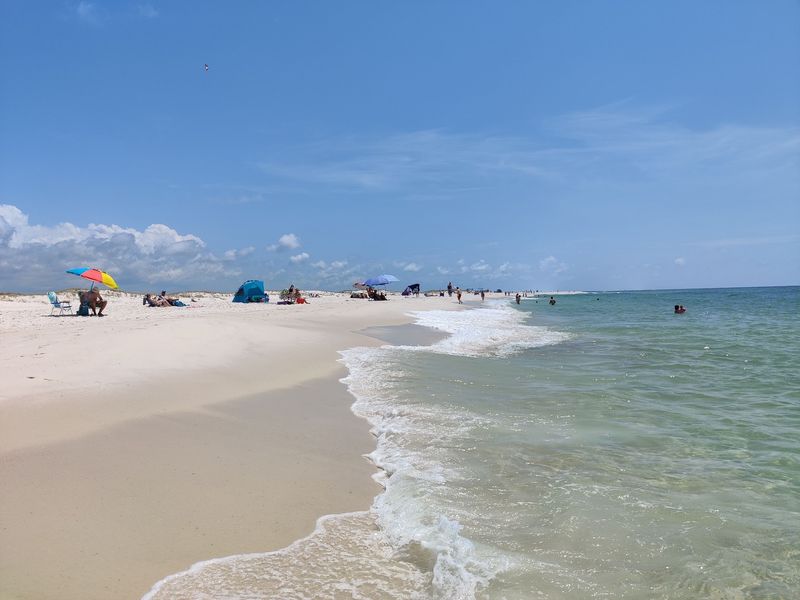
Bright white dunes rise behind clear, emerald Gulf water along this protected stretch of national seashore where development stops and nature takes over. Multiple beach access points line Perdido Key’s southern shore, but Rosamond Johnson Beach offers some of the most stunning combinations of sugar-white sand and impossibly clear water. The lack of high-rises and beach bars lets the natural beauty dominate.
The Gulf shimmers in shades of green and blue that look tropical enough to rival any Caribbean destination. Sand so fine it feels like powder sticks to wet skin, and the gentle slope into the water makes wading effortless. Even summer crowds can’t diminish the beauty here because the protected status limits how many structures can crowd the shoreline.
Perdido Key sits at Florida’s western edge, where the Panhandle meets Alabama. The name means