I Still Can’t Believe This 2-Acre Farm Is Hiding in Downtown Tampa
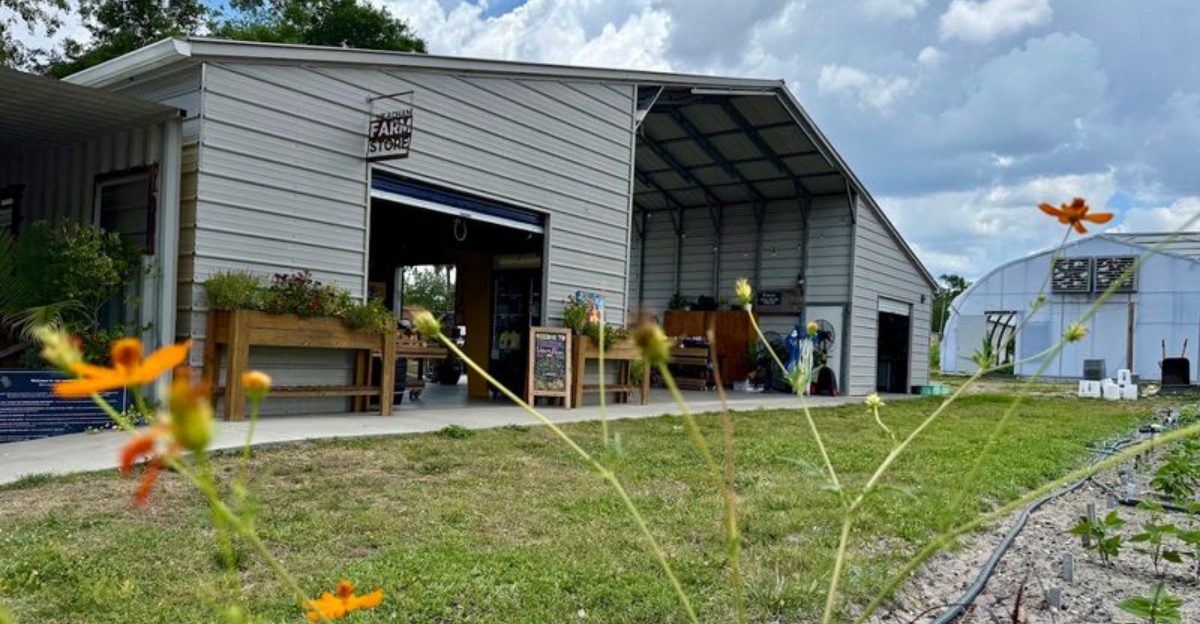
Right in the middle of downtown Tampa, where you’d expect to find more parking lots and office buildings, there’s a working farm that grows actual food. Meacham Urban Farm sits on two acres near the heart of the city, proving you don’t need to drive out to the countryside to find fresh, organic produce. This little green oasis has been quietly feeding Tampa residents with vegetables, eggs, and locally sourced meats while building a community around seasonal eating and sustainable farming.
1. Organic Produce Growing Steps from Skyscrapers
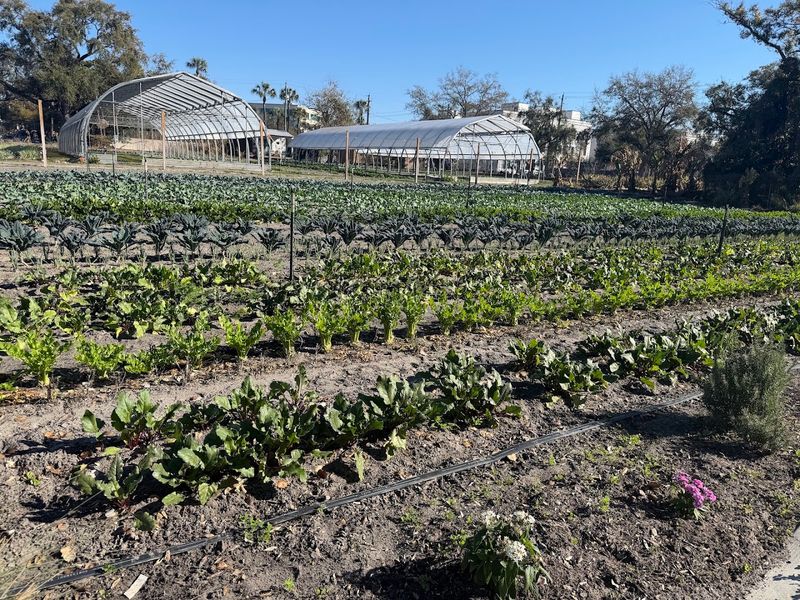
Walking through rows of leafy greens and colorful vegetables while downtown buildings tower in the background feels almost surreal. Meacham grows seasonal organic produce right on site, which means what you buy was literally just picked from the ground nearby. The selection changes based on what’s thriving at the moment, so you might find vibrant tomatoes in summer or crisp lettuce during cooler months.
Everything here is grown without synthetic pesticides or chemicals, which makes a huge difference in taste. People who shop regularly at the farm say the vegetables actually taste like vegetables should, not the bland versions you find at big grocery stores. The flavor difference comes from the soil quality and the fact that produce doesn’t sit in trucks for days before reaching your plate.
The farm operates on limited hours, mainly Thursday through Monday with varying times, so planning your visit matters. They’re closed on Tuesdays and Wednesdays, giving the team time to tend the crops and prepare for market days. Saturdays and Sundays from 8 AM to 2 PM are the busiest times, when the community really shows up to support local agriculture and grab the freshest picks of the week.
2. Pasture-Raised Eggs and Grass-Fed Meats
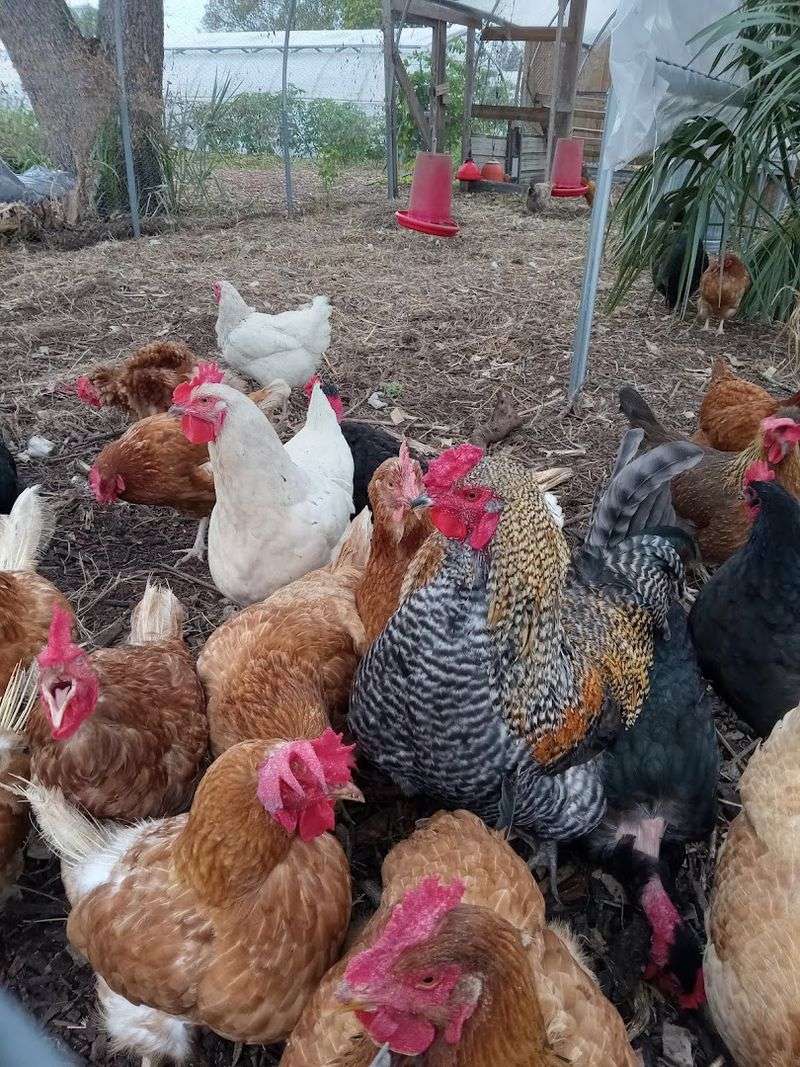
Beyond vegetables, Meacham has become a trusted source for high-quality protein that comes from animals raised the right way. They sell pasture-raised eggs that have those deep orange yolks you only get when chickens actually eat bugs and grass instead of just grain. The difference is noticeable both in color and richness when you crack one open for breakfast.
The farm also partners with local ranchers to offer grass-fed beef and pasture-raised chicken, meaning the meat comes from animals that lived outdoors and ate their natural diet. This matters not just for animal welfare but also for the nutritional quality and flavor of what ends up on your dinner table. Customers consistently mention trusting Meacham’s sourcing practices because the team is transparent about where everything comes from.
Yes, these products cost more than conventional grocery store options, and some reviews mention sticker shock at twelve dollars for a dozen eggs. But you’re paying for the real cost of ethical farming practices that don’t cut corners. The animals live better lives, the farmers get fair compensation, and you get food that hasn’t been pumped full of antibiotics or raised in cramped industrial conditions that harm both animals and the environment.
3. Raw Dairy Products You Can’t Find Everywhere
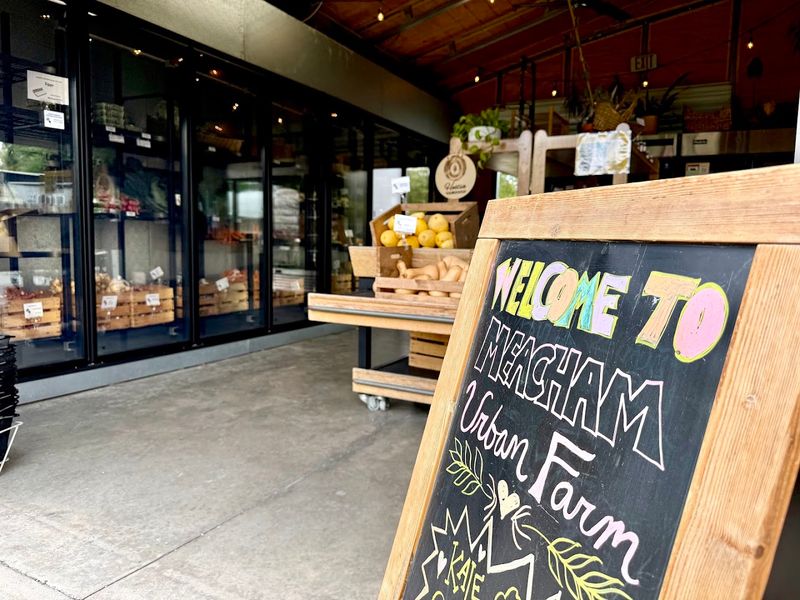
Finding raw dairy in Florida isn’t easy, but Meacham stocks it for people who want milk that hasn’t been homogenized or pasteurized. Raw milk fans swear by its taste and digestibility, though it’s definitely not for everyone. The farm carries raw milk along with other dairy items that come from local sources where cows graze on actual pasture.
One reviewer specifically called out the chocolate milk as their favorite item, which says something about quality when even the flavored versions stand out. The dairy selection also includes items like butter and cream that taste completely different from mass-produced versions. These products come from small dairies that prioritize animal health and milk quality over maximum production volume.
Because raw dairy is a niche product with specific storage requirements, availability can vary based on what the partnering farms deliver each week. The farm store has refrigerator cases stocked with these products alongside the vegetables and meats. If you’ve never tried raw dairy before, the staff can explain the differences and help you decide if it’s something you want to explore, though they’ll also remind you that it requires careful handling at home to stay fresh and safe.
4. Artisan Sourdough Bread and Fermented Foods
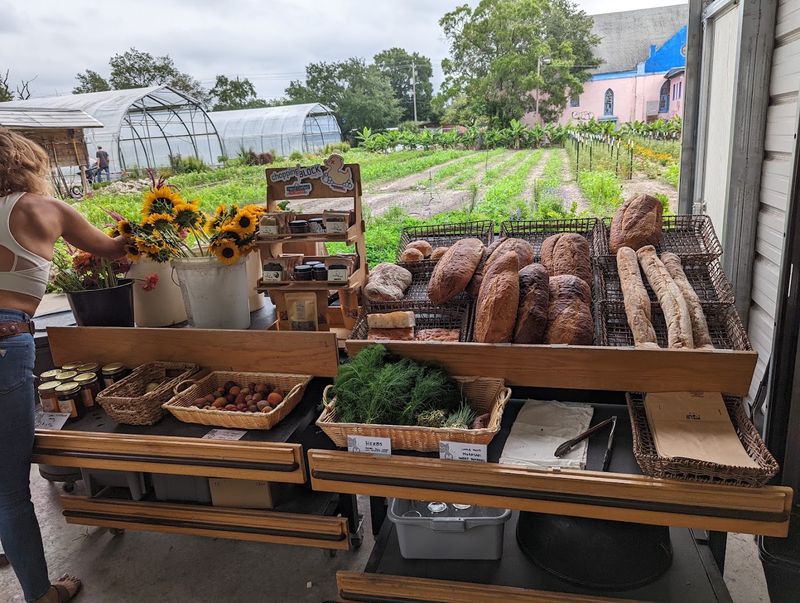
Real sourdough bread made with wild yeast and long fermentation has become trendy, but Meacham has been offering it since long before it was cool. The bread here develops that tangy flavor and chewy texture through traditional methods that take time and skill. At around twenty dollars per loaf according to one review, it’s definitely a splurge, but you’re getting a product that can’t be replicated by commercial bakeries using shortcuts.
The farm also stocks fermented foods like sauerkraut and kombucha, which fit perfectly with their whole-food philosophy. Fermentation is one of the oldest food preservation methods, and these products offer probiotic benefits along with unique flavors. They even host educational workshops where you can learn to make sauerkraut yourself, turning food shopping into an opportunity to build actual skills.
These artisan products represent what Meacham is really about—connecting people with food that requires knowledge, patience, and care to produce. You won’t find cheap prices here because cheap food usually means someone or something paid the real cost elsewhere. The customers who keep coming back understand they’re supporting small producers who refuse to compromise on quality or cut corners to compete with industrial food prices that don’t reflect true production costs.
5. Community Events That Bring Neighbors Together
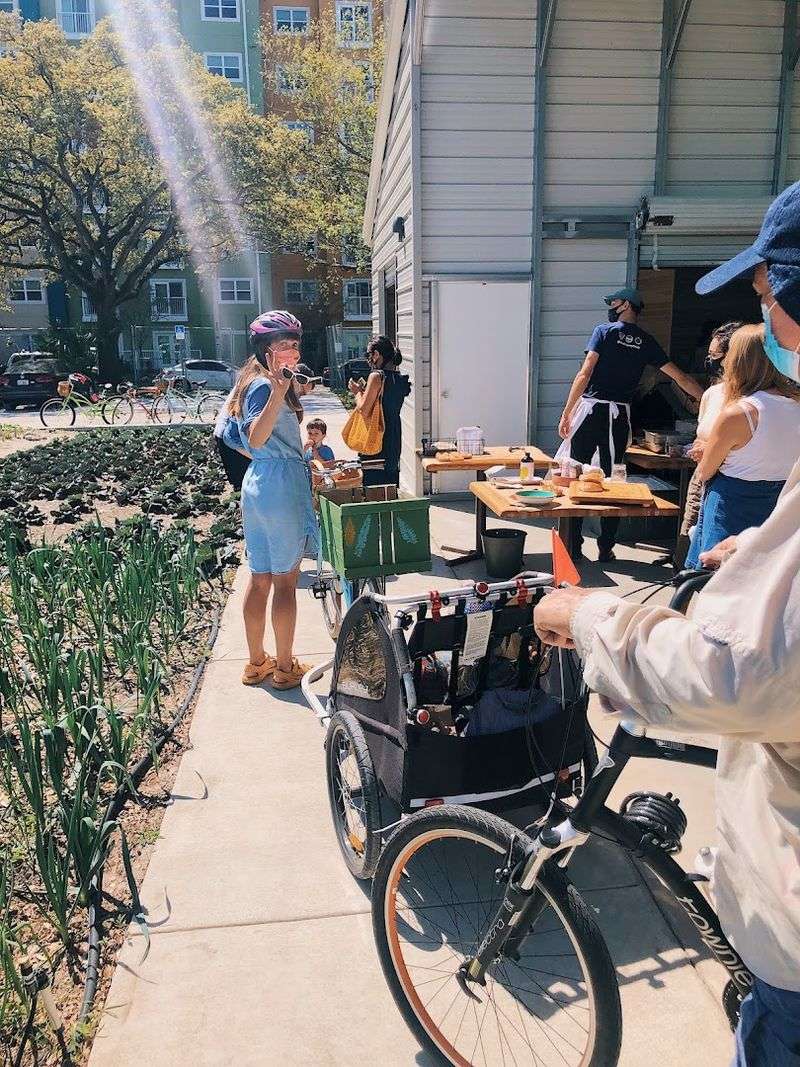
Meacham doesn’t just sell food—they’ve created a gathering place where Tampa residents connect over shared meals and learning experiences. Their monthly Sunday Supper brings the community together for farm-to-table dinners where the menu features whatever’s growing at the farm that season. These aren’t stuffy events; they’re casual gatherings where neighbors meet neighbors while enjoying food grown just steps away from the dinner table.
The Spring Harvest Dinner takes things up a notch with cocktails, live music, and a feast celebrating the season’s bounty. One couple from Riverview mentioned attending multiple events and loving the community atmosphere each time. These dinners sell out quickly because they offer something restaurants can’t replicate—a direct connection between the people who grow your food and the people eating it.
Beyond dinners, the farm hosts educational workshops on topics like fermentation and seasonal cooking, turning food knowledge into a shared experience rather than something you learn alone from YouTube. One reviewer even hosted their alumni group’s holiday party at the farm, which was transformed into a winter wonderland for the occasion. The combination of beautiful outdoor space, incredible food, and genuine community feeling makes Meacham a venue for celebrations that actually mean something beyond just renting a generic event space.
6. Volunteering and Composting Programs
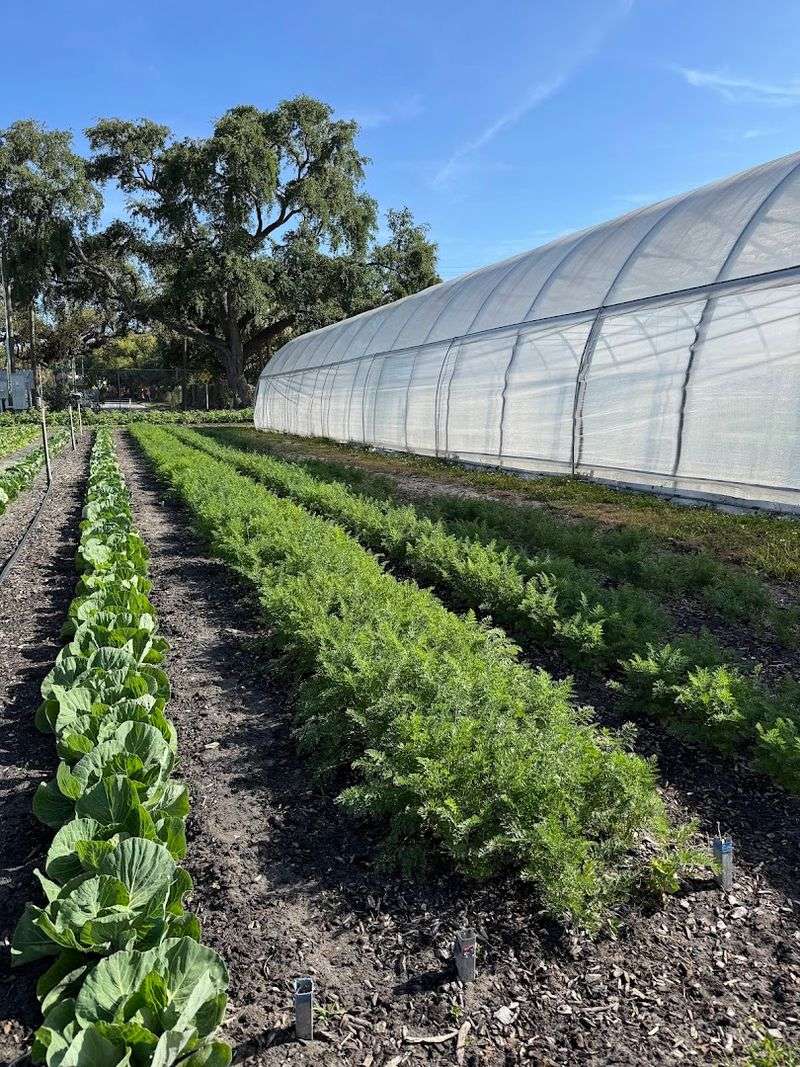
Getting your hands dirty at Meacham is easier than you might think—they offer volunteering opportunities every Friday for people who want to learn about farming while helping out. This isn’t just free labor for the farm; it’s a chance to understand where food actually comes from and what it takes to grow it. Spending a morning planting seeds or harvesting vegetables gives you a completely different perspective on that five-dollar bunch of kale.
The farm also runs a community composting system, which addresses one of urban living’s biggest challenges—what to do with food scraps. Instead of sending organic matter to landfills where it creates methane, community members can bring their vegetable peels and coffee grounds to Meacham. That waste gets turned into rich compost that feeds the soil, which grows more food, creating a closed loop that makes way more sense than our typical linear system.
These programs show that Meacham sees itself as more than just a business selling premium products. They’re actively trying to rebuild the connection between people and their food while teaching sustainable practices that anyone can adopt. The farm accepts SNAP benefits too, making an effort to serve the whole community rather than just people who can easily afford organic prices, though accessibility remains a challenge given the overall cost structure.
7. Seasonal Availability Means Planning Your Visit
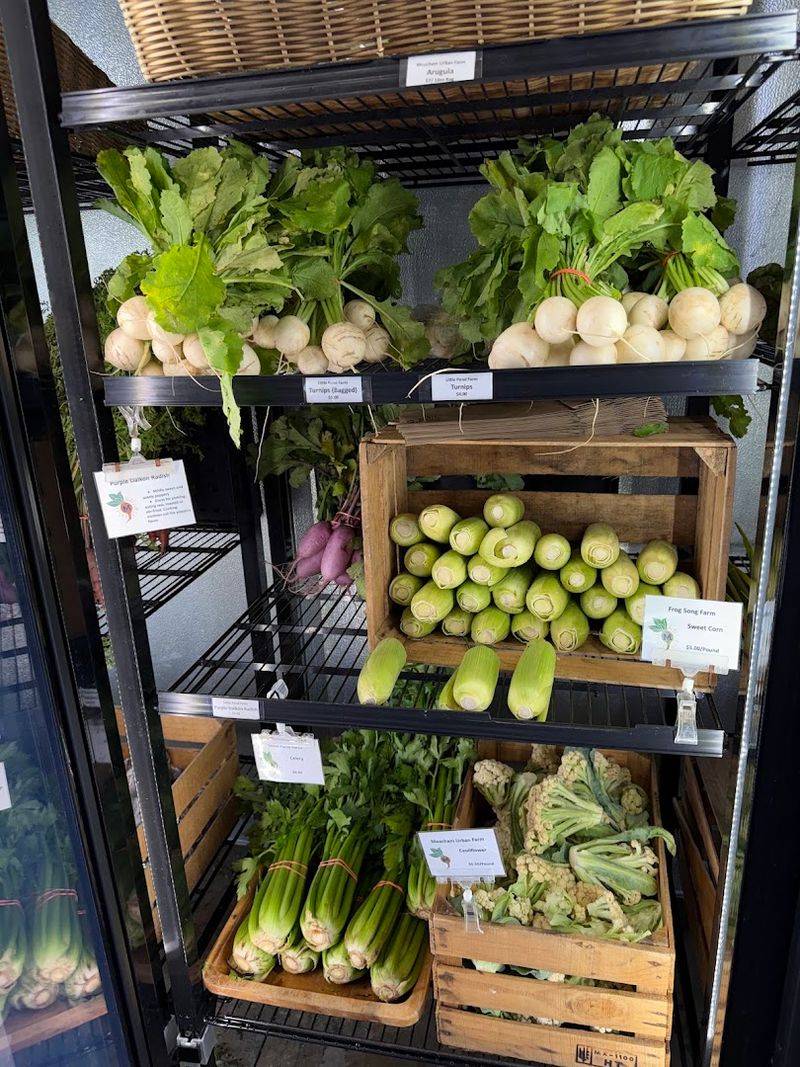
One of the biggest adjustments for people used to supermarket shopping is that Meacham doesn’t have everything all the time. Their inventory depends entirely on what’s in season and what their partner farms can provide that week. A disappointed reviewer mentioned showing up to find no tomatoes, cucumbers, or lettuce—just potatoes and expensive bread.
This wasn’t poor management; it was simply the reality of seasonal eating in a region where summer heat makes growing certain crops nearly impossible.
Florida’s growing seasons differ dramatically from northern states, with our coolest months being prime vegetable time while summer focuses on heat-loving crops. If you show up expecting a supermarket experience with full shelves year-round, you’ll likely leave frustrated. But if you adjust your expectations and plan meals around what’s actually thriving, you’ll eat better food and understand why strawberries taste amazing in March but terrible in July.
The farm’s limited hours also require planning—they’re only open Thursday through Monday with different hours each day. Saturdays and Sundays offer the longest windows at eight hours, while weekday afternoons provide just four-hour slots. This schedule reflects the reality of running a small farm where the same people growing food also need to sell it, which doesn’t leave room for the convenience of staying open all day every day like a corporate grocery chain.
8. Premium Prices Reflect Real Farming Costs
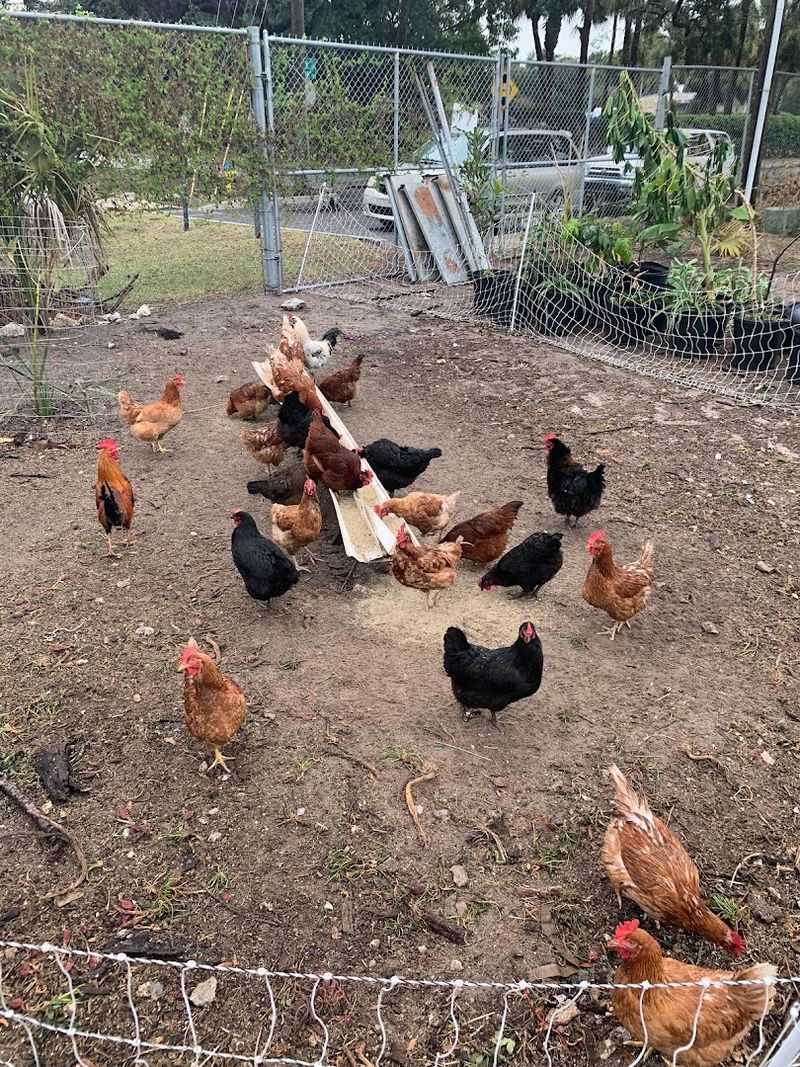
Multiple reviews mention the high prices at Meacham, with some people saying the costs put regular shopping there out of reach for their budget. This isn’t surprising—when you pay farmers fairly, raise animals ethically, and grow food without chemical shortcuts, it costs more than industrial agriculture that externalizes environmental and health costs. That twelve-dollar dozen eggs represents the actual cost of letting chickens live as chickens should, not the artificially low price created by cramming thousands of birds into cages.
Whether these prices make sense depends entirely on your priorities and financial situation. Some customers happily pay premium prices because they value knowing exactly where their food comes from and supporting farming practices they believe in. Others find the costs prohibitive even if they appreciate the mission, which is a completely valid response.
The farm isn’t trying to be elitist, but they also can’t compete with conventional grocery prices without compromising the practices that make their food different.
The farm does accept SNAP benefits, showing some effort toward accessibility, though the overall price structure still creates barriers for many families. This tension between sustainable farming and affordability doesn’t have easy answers. Industrial agriculture is cheap partly because society pays hidden costs through environmental damage, poor worker conditions, and public health problems.
Meacham’s prices reflect farming done right, but that doesn’t make them affordable for everyone who wants to eat this way.