I’d Keep These 10 Florida Islands Secret, but They’re Too Good Not to Share
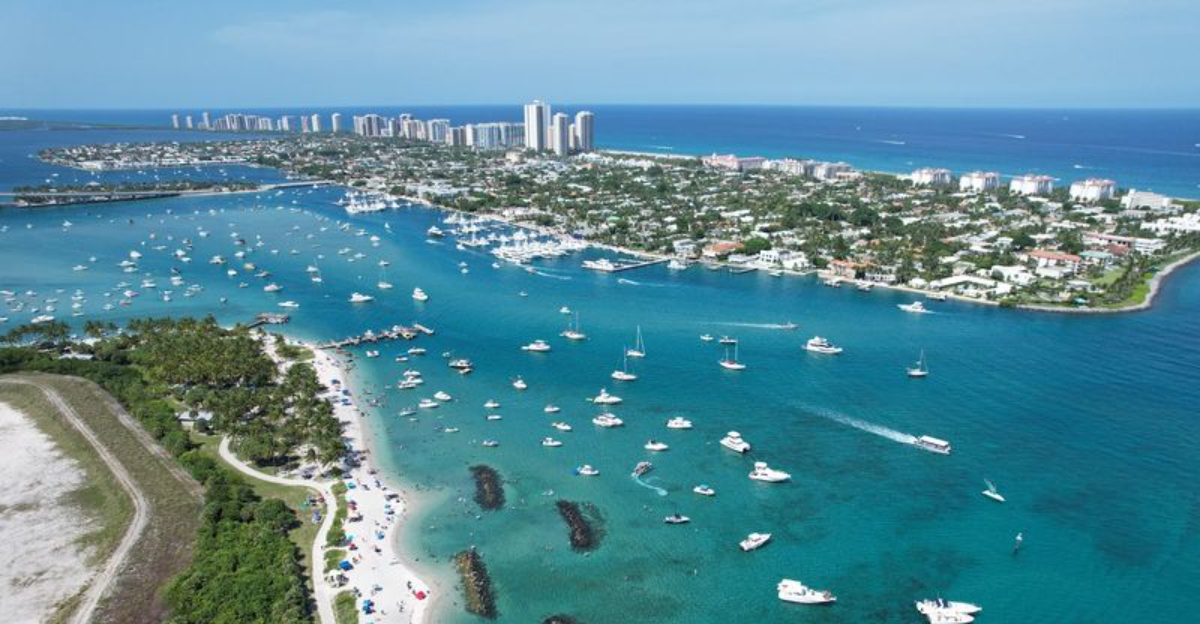
Florida has more than 4,500 islands scattered along its coastline, but most visitors never venture beyond the usual suspects. While everyone else crowds onto the same busy beaches, a handful of barrier islands and offshore sanctuaries remain beautifully overlooked. These places feel like stepping into old Florida—the version with soft sand, clear water, and nothing but nature for miles.
I’ve spent years exploring these hidden gems, and honestly, part of me wants to keep them to myself forever.
1. Cayo Costa Island (Boca Grande)
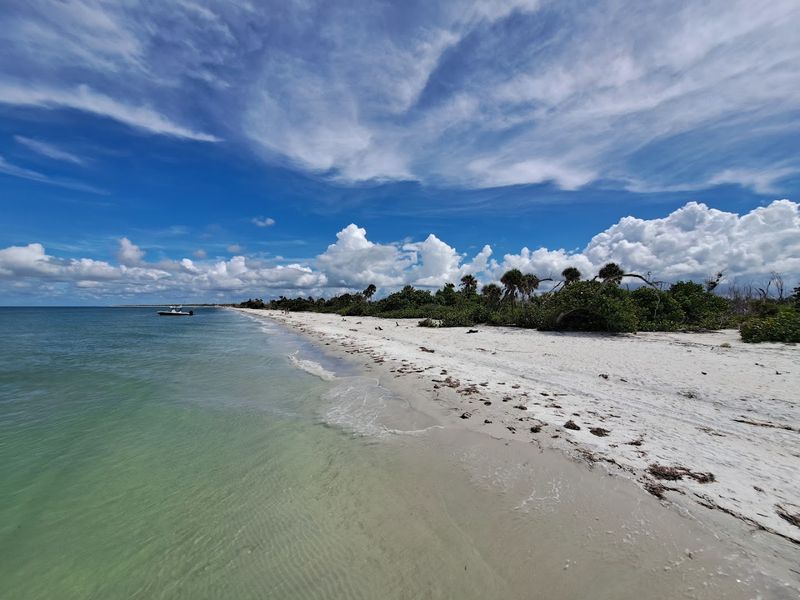
Arriving at Cayo Costa feels like landing on a different planet—one where humans forgot to build anything. Nine miles of untouched shoreline stretch in both directions, backed by pine forests and mangroves instead of condos. The Gulf water here glows that impossible shade of turquoise you usually only see in postcards, and the sand is so soft it squeaks under your feet.
Since no roads connect this barrier island to the mainland, you’ll need a boat to get here. Private vessels can dock at designated areas, and that boat-only access keeps the crowds wonderfully thin. Most days, you might spot a handful of other beachgoers scattered across miles of sand—that’s it.
Shelling here ranks among the best in Florida. After storms, the beach becomes a treasure hunt of lightning whelks, sand dollars, and fighting conchs. Bring a mesh bag and prepare to spend hours bent over, scanning the wrack line.
The island offers primitive camping if you want to stay overnight, plus rustic cabins managed by the state park. Just remember: no stores, no restaurants, no WiFi. Pack everything you need, including plenty of water.
The beach remains open to visitors, though facilities are limited. It’s raw Florida at its finest—exactly why people keep coming back.
2. Caladesi Island (Dunedin)
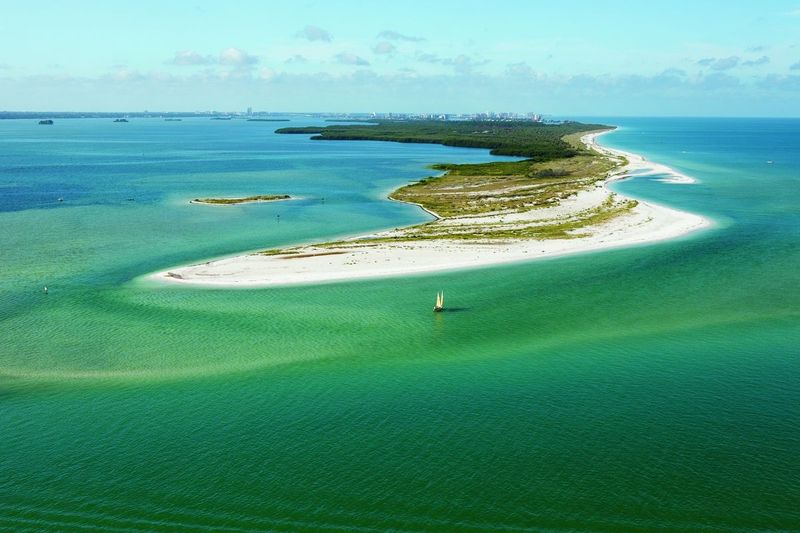
Most people racing toward Clearwater Beach have no idea this slice of paradise exists just offshore. Caladesi Island sits quietly behind Honeymoon Island, offering everything the mainland beaches promise but with about 90% fewer people. The sand here is powder-soft, the kind that makes you want to dig your toes in and never leave.
Getting here requires either a private boat or the ferry from Honeymoon Island State Park. Ferry service resumed on June 29, 2026, after a temporary closure, so you can now hop aboard and arrive within minutes. That short boat ride acts as a natural filter—only people willing to make the extra effort show up, keeping the crowds manageable.
Beyond the beach, Caladesi offers three miles of mangrove trails winding through the island’s interior. These shaded paths take you past fiddler crabs, ospreys, and the occasional gopher tortoise. It’s the perfect escape when the midday sun gets too intense.
The island has picnic pavilions, restrooms, and a small concession stand near the marina. Unlike its undeveloped neighbors, Caladesi provides just enough amenities to make a day trip comfortable without ruining the natural vibe. Bring snorkeling gear—the water stays clear year-round, and you’ll spot plenty of fish cruising the shallow flats near shore.
3. Don Pedro Island (Placida)
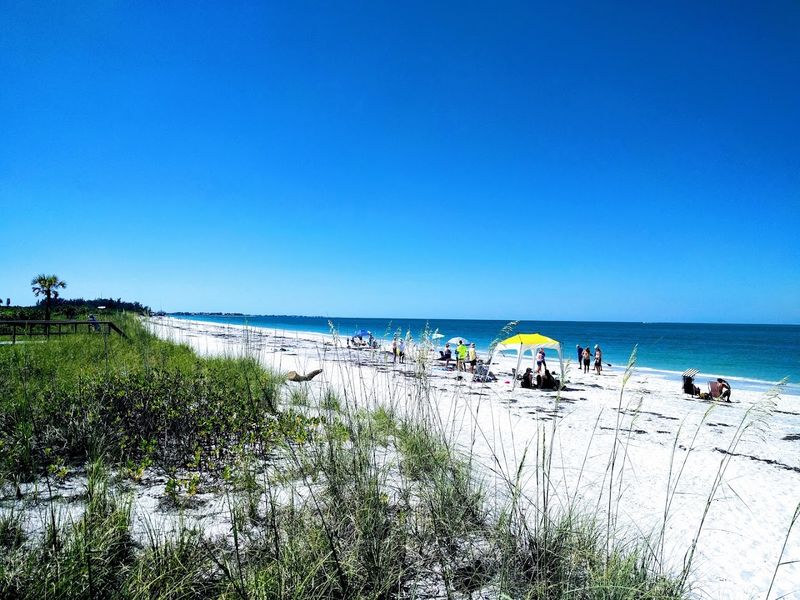
Some islands make you work for the solitude, and Don Pedro Island definitely falls into that category. This boat-only barrier island sits between Little Gasparilla and Palm Island, accessible solely by private watercraft. No bridge, no ferry, no shortcuts—just you, your boat, and miles of uncrowded Gulf beaches waiting on the other side.
The moment you step onto the sand, you’ll notice the difference. The beach stretches wide and empty, interrupted only by the occasional beach house tucked into the dunes. Mangrove channels cut through the island’s interior, creating perfect kayaking routes where herons stalk the shallows and dolphins surface without warning.
Shelling here rivals anywhere else on Florida’s Gulf Coast. After high tide, the beach becomes a scavenger hunt of olive shells, angel wings, and colorful coquinas. Bring a bucket and prepare to fill it—you’ll find treasures every few steps.
Fair warning: the island remains open to visitors, but its dock and facilities are currently unavailable. That means you’ll need to anchor offshore and wade in, or beach your boat on the sand. Pack a cooler, bring plenty of sunscreen, and plan to spend the entire day.
There’s nowhere to buy anything once you arrive. The removed feeling is exactly what makes Don Pedro special—it’s Florida before the developers showed up.
4. Shell Key (Tierra Verde)
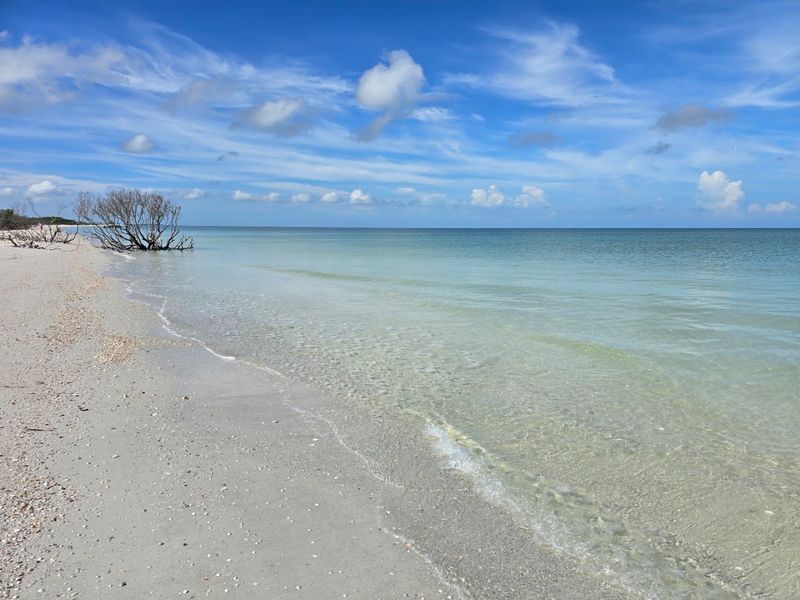
Paddling toward Shell Key feels like entering a nature documentary. This undeveloped preserve sits just offshore from Tierra Verde, close enough to reach by kayak but worlds away from the mainland’s noise. No hotels, no paved roads, no beach bars—just sand, water, and birds everywhere you look.
The island serves as critical habitat for nesting shorebirds, which means public access gets restricted to designated areas during breeding season. Rangers take this seriously, and for good reason—these beaches host threatened species that need protection. Stay within the marked zones, and you’ll still have plenty of room to explore without disturbing the wildlife.
Shallow water surrounds most of the island, making it perfect for wading, swimming, and watching small fish dart around your ankles. The clarity here surprises first-time visitors—you can often see the sandy bottom even in waist-deep water. Bring snorkel gear and you’ll spot crabs, rays, and the occasional sea turtle cruising past.
Primitive camping is allowed in specific areas, but you’ll need a permit and must pack out everything you bring in. No facilities exist anywhere on the island—no restrooms, no water fountains, nothing. It’s completely undeveloped, which is precisely the point.
Most visitors arrive by kayak, paddleboard, or small boat, spending a few hours beachcombing before heading back. The birdwatching alone makes the trip worthwhile.
5. Egmont Key (St. Petersburg)
History buffs and beach lovers rarely find common ground, but Egmont Key manages to satisfy both. This island sanctuary sits at the mouth of Tampa Bay, accessible only by private boat or ferry from Fort De Soto Park. The beaches alone would justify the trip—soft sand, clear water, and far fewer people than mainland alternatives.
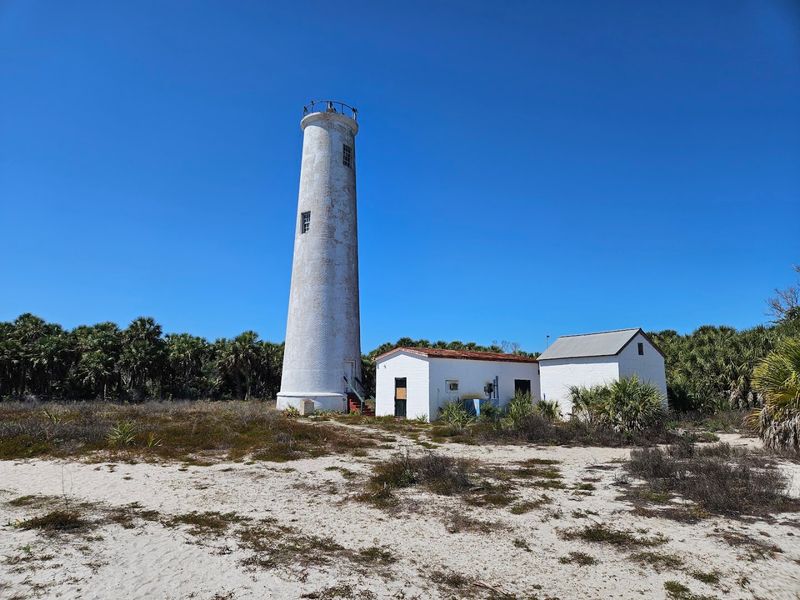
Then you wander inland and stumble across the ruins of Fort Dade, a Spanish-American War installation that once housed hundreds of soldiers. Crumbling brick walls emerge from the vegetation, along with old gun batteries and the island’s historic lighthouse still standing watch over the Gulf. It’s surreal walking through these abandoned structures with the sound of waves in the background.
The entire island operates as a national wildlife refuge, so expect to share the beach with gopher tortoises, nesting sea turtles, and countless shorebirds. Rangers patrol regularly, ensuring visitors respect the protected areas and wildlife. Most people concentrate near the ferry landing, but if you walk south, the crowds thin out quickly.
Snorkeling around the island’s north end reveals scattered artifacts and plenty of marine life. The water stays clear most of the year, and you’ll spot everything from small sharks to massive schools of baitfish. Pack a lunch, bring plenty of water, and plan to spend several hours.
There’s nothing to buy on the island—just ruins, beaches, and nature in every direction.
6. Peanut Island (Riviera Beach)
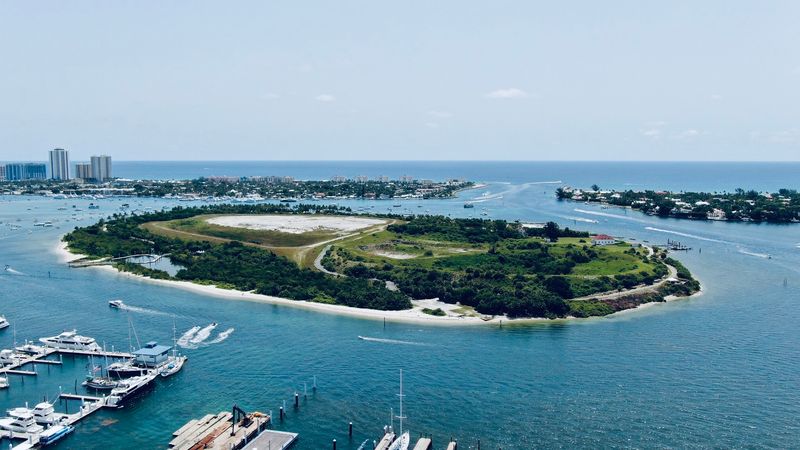
Don’t let the quirky name fool you—Peanut Island delivers surprisingly good water quality and a laid-back vibe that feels miles from civilization, despite sitting just minutes from the mainland. This 80-acre island sits in Lake Worth Lagoon, easily reached by water taxi or private boat from Riviera Beach. The proximity makes it perfect for day trips, but many visitors camp overnight to catch the sunrise over the Intracoastal.
The water here stays clearer than you’d expect for an urban island. Snorkeling around the shoreline reveals plenty of small fish, crabs, and the occasional manatee drifting past. Swimming is excellent too—the beach slopes gently, making it safe for kids and strong enough swimmers alike.
Beyond the beach, the island offers walking paths that loop through Australian pines and past picnic areas. You can also tour the Kennedy Bunker, a Cold War-era fallout shelter built for President John F. Kennedy.
It’s a fascinating piece of history tucked beneath the island, open for guided tours on weekends.
Campsites are available for overnight stays, complete with grills and restroom facilities. Unlike the more remote islands on this list, Peanut Island provides amenities—water, electricity at some sites, and even a small snack bar on busy weekends. It strikes a nice balance between accessible and peaceful, offering an island escape without requiring a major expedition to get there.
7. Gasparilla Island (Boca Grande)
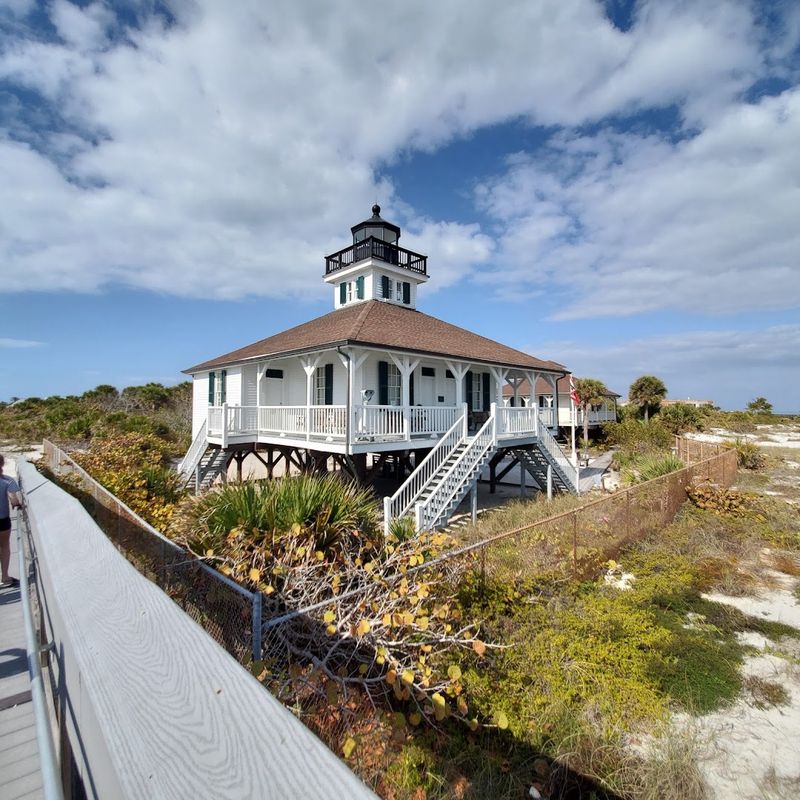
Stepping onto Gasparilla Island feels like traveling backward through time—past the chain restaurants, past the high-rises, all the way back to when Florida meant pastel cottages and quiet streets. Boca Grande occupies the southern tip of this barrier island, and somehow it’s managed to resist the overdevelopment that swallowed so many coastal towns.
The restored Port Boca Grande Lighthouse stands as the island’s most recognizable landmark. Built in 1890, this white structure now houses a small museum documenting the area’s history. Climb to the top for panoramic views of the Gulf, or simply walk the surrounding beach where the water glows that perfect shade of blue-green.
Unlike most islands on this list, Gasparilla connects to the mainland via the Boca Grande Causeway, so you can drive here. That accessibility hasn’t ruined the charm—strict building codes and a fiercely protective community have kept the island refreshingly low-key. You’ll find boutique shops, local restaurants, and beaches that never feel overcrowded, even during peak season.
Tarpon fishing made Boca Grande famous decades ago, and anglers still flock here every spring when the silver kings migrate through Boca Grande Pass. Even if you don’t fish, watching these massive fish roll at the surface is impressive. Rent a bike and explore the island’s quiet streets—it’s the best way to appreciate the old Florida atmosphere that somehow survived.
8. Pigeon Key (Marathon)
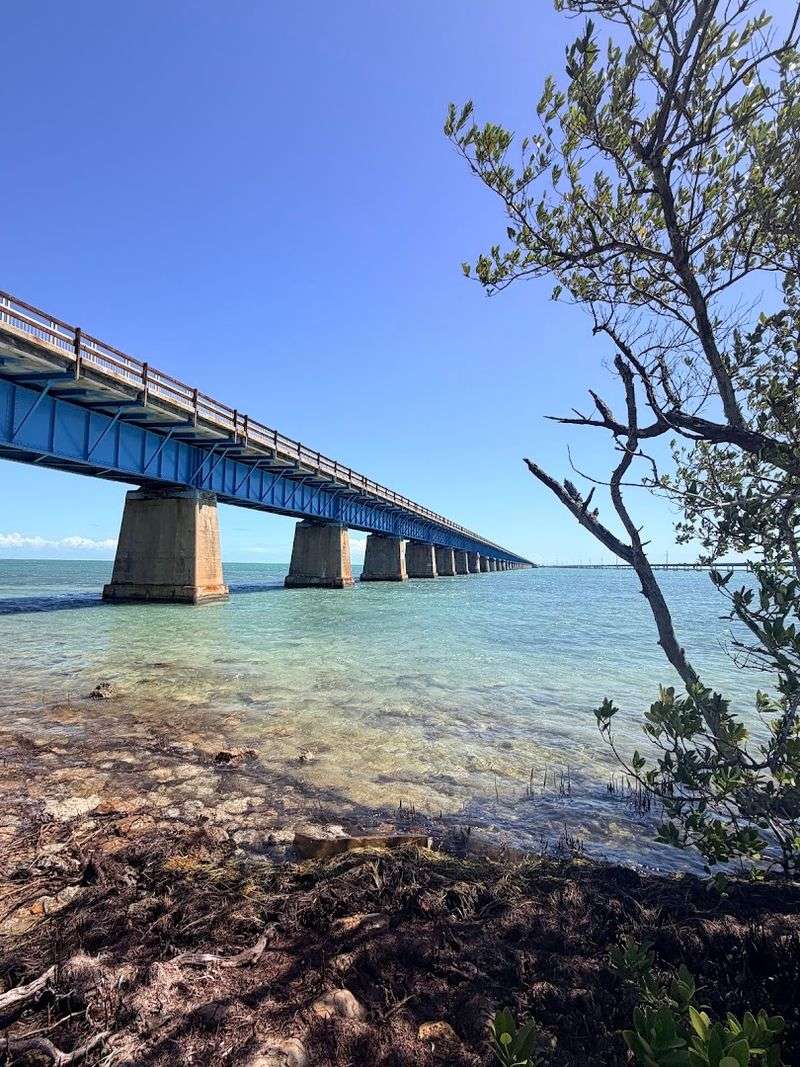
Pigeon Key sits like a time capsule beneath the Old Seven Mile Bridge, five acres of history surrounded by some of the clearest water in the Florida Keys. This tiny island once housed workers building Henry Flagler’s Overseas Railroad in the early 1900s, and several original buildings still stand, beautifully restored and open for tours.
Getting here is half the fun. You can walk or bike across the Old Seven Mile Bridge from Marathon, or catch the small train that shuttles visitors back and forth. The bridge itself offers stunning views—turquoise water stretching to the horizon, with Pigeon Key growing larger as you approach.
Once you arrive, guided tours take you through the workers’ village, explaining how crews built the impossible railroad across open ocean. The stories are fascinating—tales of hurricanes, engineering challenges, and the sheer determination required to connect the Keys to the mainland. Between tours, you’re free to explore the island’s beaches and snorkel the surrounding waters.
The snorkeling here ranks among the best in the Middle Keys. The water stays shallow and clear, with coral heads scattered across the sandy bottom. You’ll spot colorful reef fish, lobsters hiding in crevices, and rays gliding over the grass flats.
Bring your own gear—nothing is available for rent on the island. Pack a lunch too, since there’s nowhere to buy food. It’s a small island with big history, perfect for anyone who loves old Florida stories mixed with crystal-clear swimming.
9. Garden Key (Key West)
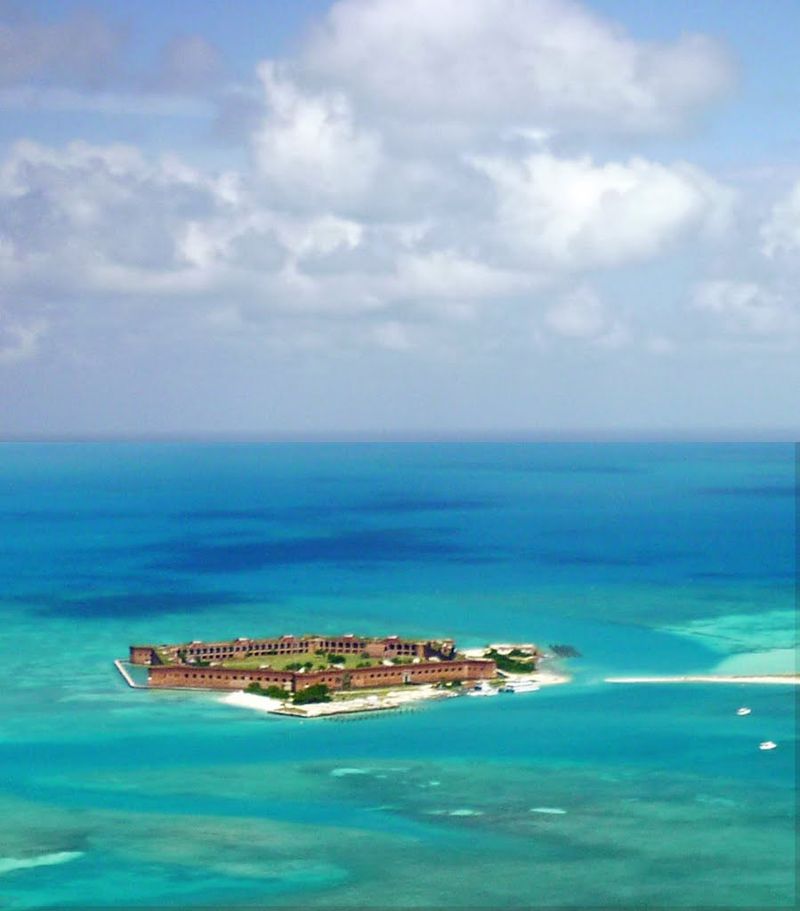
Garden Key sits 70 miles west of Key West, so far offshore that the journey feels like sailing off the edge of the map. Part of Dry Tortugas National Park, this remote island is dominated by Fort Jefferson—an enormous hexagonal fortress with brick walls rising straight from the water. The fort alone is worth the trip, but the snorkeling around Garden Key might be even better.
Getting here requires commitment. You can book a seaplane from Key West, which takes about 40 minutes and offers incredible aerial views, or catch the ferry, which takes roughly two hours each way. Either option costs a decent chunk of money, but most visitors agree the experience justifies the expense.
The water surrounding Garden Key is absurdly clear—the kind of visibility where you can see fish swimming 30 feet below your boat. The snorkeling trails circle the fort’s moat wall, where coral formations host sergeant majors, parrotfish, snappers, and the occasional sea turtle. The marine life here thrives because of the island’s isolation and protected status.
Fort Jefferson itself is massive—the largest brick structure in the Western Hemisphere. You can tour the interior, climb to the upper levels, and learn about its history as a Civil War prison. Dr. Samuel Mudd, who treated John Wilkes Booth’s broken leg, was imprisoned here for four years.
Pack snacks and plenty of water—a small visitor center sells limited items, but choices are minimal and prices reflect the remote location.
10. Little Gasparilla Island (Placida)
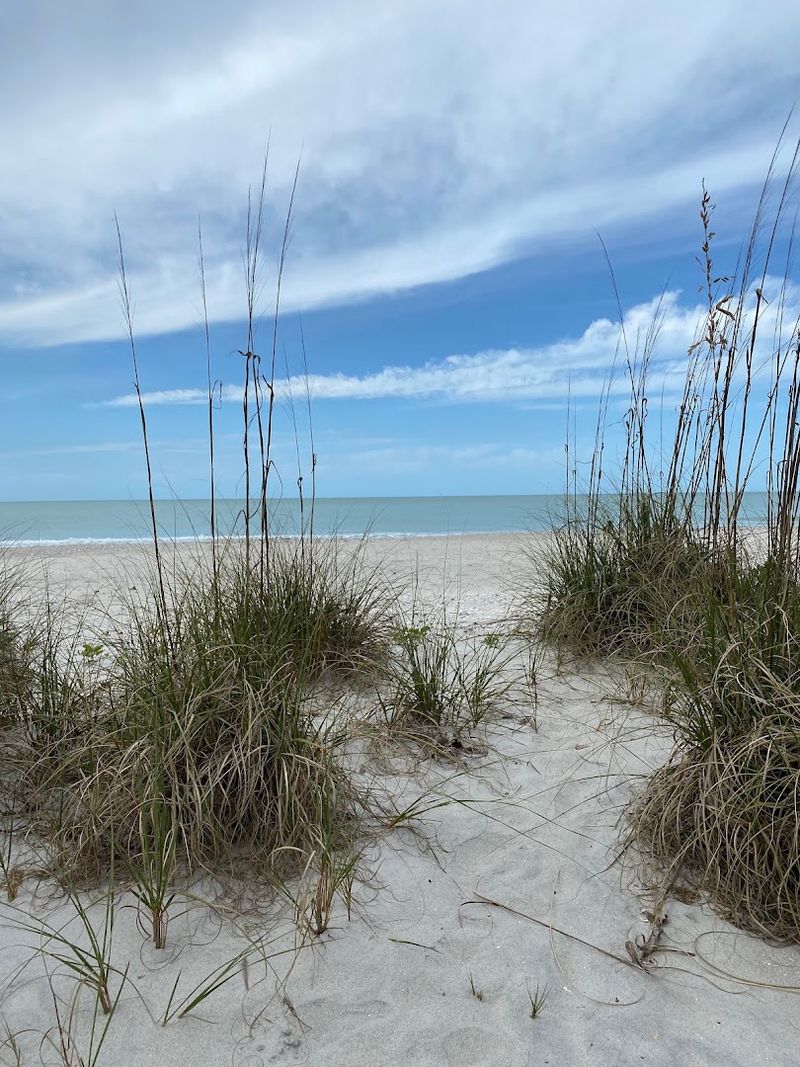
Cars don’t exist on Little Gasparilla Island—not because they’re banned, but because there are literally no roads to drive them on. Sandy paths wind between beach cottages, golf carts sit parked beside docks, and the loudest sound you’ll hear is waves breaking on the Gulf shore. This car-free barrier island operates on island time, where nobody rushes and everyone waves.
Getting here requires a boat, either private or via water taxi from Placida. The short ride drops you at one of several docks scattered along the island’s bay side. From there, sandy paths lead through low-key residential areas toward the Gulf beaches stretching along the western shore.
The beaches here stay wonderfully uncrowded compared to mainland alternatives. Part of the island chain includes Don Pedro Island State Park, accessible only by boat and offering even more secluded beach space. Shelling is excellent after storms, and the shallow Gulf water stays warm most of the year.
Most structures on Little Gasparilla are vacation rentals—cottages and small homes available for weekly stays. A few lucky residents live here year-round, embracing the isolation and the slower pace. There are no stores, no restaurants, no gas stations—just homes, beaches, and nature.
Visitors typically bring groceries and supplies from the mainland, settling in for peaceful days of swimming, shelling, and doing absolutely nothing. It’s the kind of place where you unplug completely, whether you planned to or not.