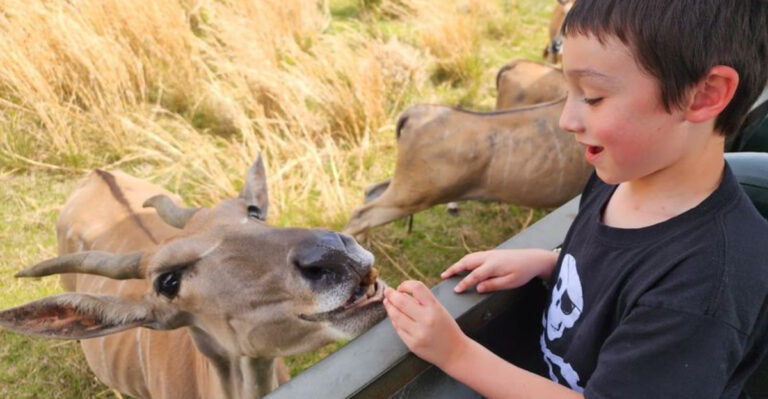
Inside the Florida State Park Known for Up-Close Wildlife Encounters
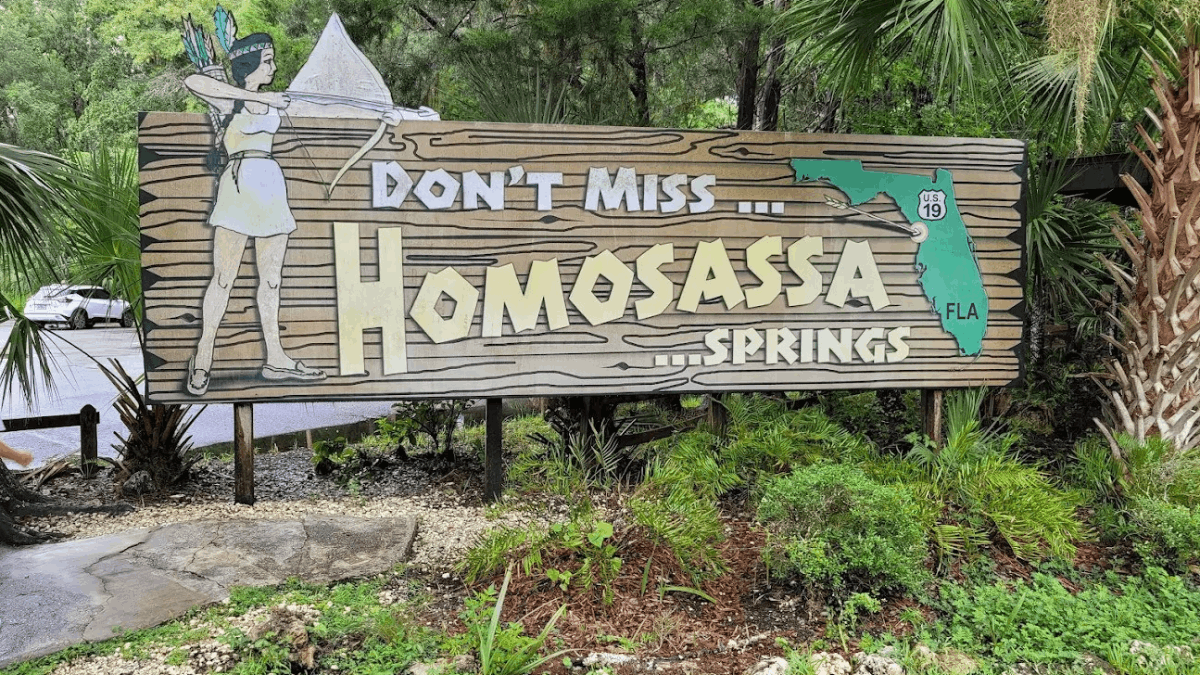
Tucked away in Homosassa, Florida, sits a wildlife park unlike any other in the state. Ellie Schiller Homosassa Springs Wildlife State Park offers visitors a rare chance to see manatees, black bears, Florida panthers, and dozens of other native animals in natural settings.
With an underwater observatory, shaded boardwalks, and knowledgeable rangers, this park creates unforgettable encounters that bring you face-to-face with Florida’s incredible wildlife.
Welcome to Homosassa Springs: One of Florida’s Most Unique Wildlife Parks
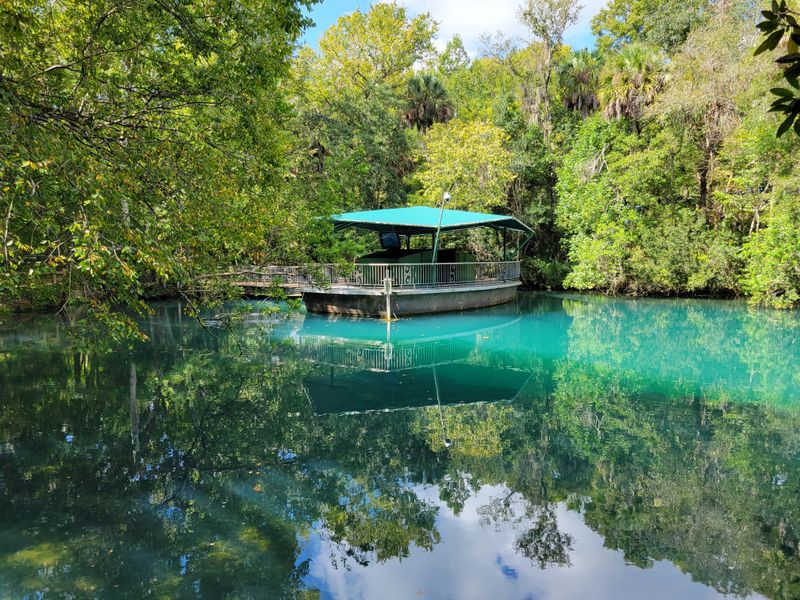
Homosassa Springs stands out among Florida’s many attractions because it focuses entirely on native wildlife that calls the Sunshine State home. Unlike traditional zoos that showcase animals from around the world, this state park dedicates itself to creatures you’d find naturally in Florida’s rivers, forests, and wetlands. Many residents here are rescues that couldn’t survive in the wild due to injuries or other circumstances.
Located at 4150 S Suncoast Blvd in Homosassa, the park opened its gates decades ago and has since become a beloved destination for families and nature lovers. The facility earned its reputation through dedicated conservation efforts and educational programs.
Open daily from 9 AM to 5:30 PM, the park welcomes guests year-round.
Why Wildlife Encounters Feel So Close at This State Park
Something magical happens when you walk through Homosassa Springs that sets it apart from typical wildlife experiences. The animals live in spacious, naturalistic enclosures designed to mimic their actual habitats, creating an immersive environment where barriers feel minimal. Boardwalks wind through hammocks and marshes, placing you right in the middle of the ecosystem rather than viewing from afar.
Rangers and staff members position themselves throughout the park, ready to share fascinating facts and answer questions. Educational presentations happen daily, including manatee feeding demonstrations that draw crowds. These scheduled talks help visitors understand conservation challenges facing Florida wildlife.
The park’s layout encourages slow exploration along a main loop trail that’s entirely wheelchair accessible. Rest areas and observation decks provide perfect spots to pause and watch animal behaviors unfold naturally.
Meet the Residents: Manatees, Panthers, Black Bears, and More
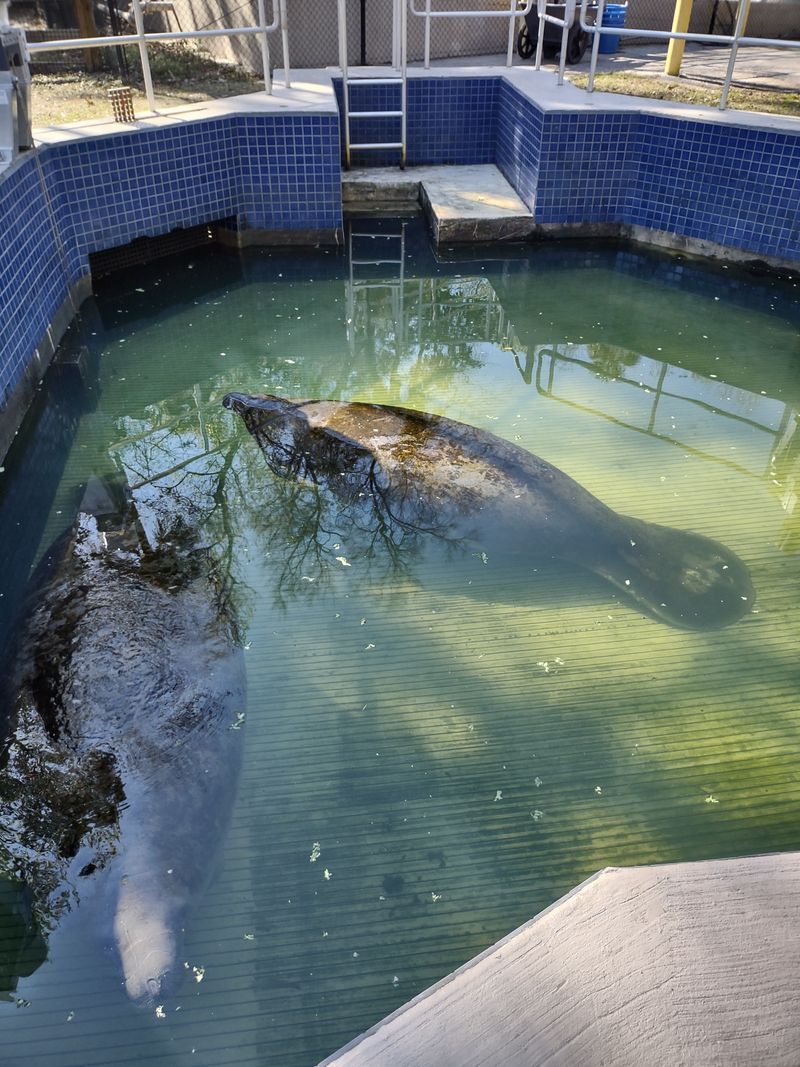
Manatees reign as the park’s most famous residents, with multiple individuals calling the crystal-clear spring their permanent home. These gentle giants swim gracefully through the water, often approaching the viewing areas where visitors can see their whiskered faces and paddle-like flippers in remarkable detail. During cooler months, wild manatees also seek refuge in the warm spring waters, increasing sighting opportunities.
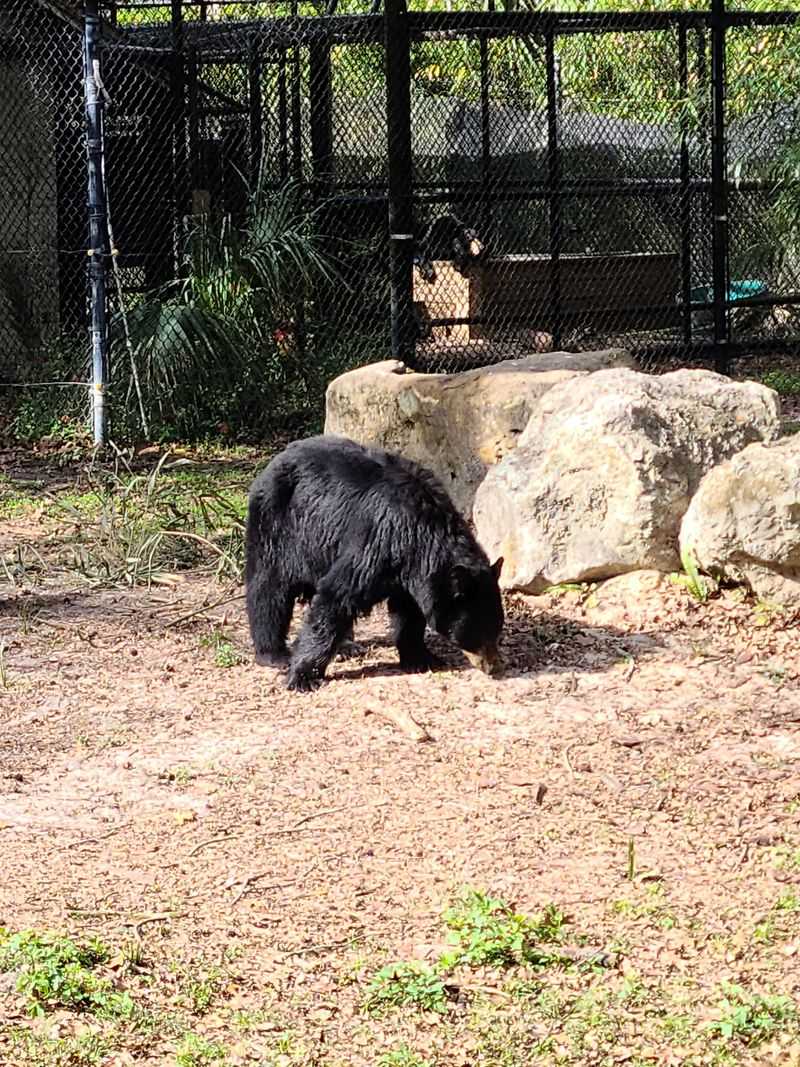
The Florida panther exhibit showcases one of the state’s most endangered species. These magnificent cats pace along natural pathways or rest on elevated platforms within their spacious habitat. Black bears occupy another popular area, demonstrating behaviors like foraging and climbing that reflect their wild counterparts.
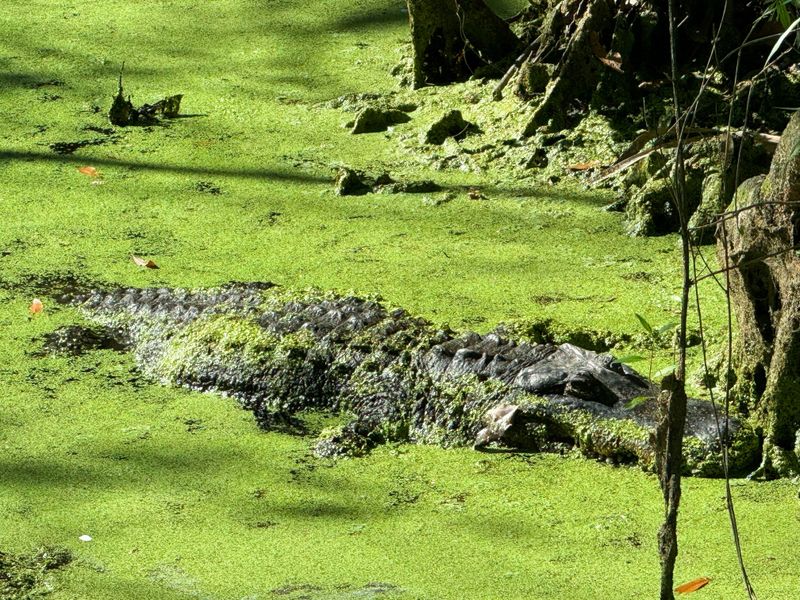
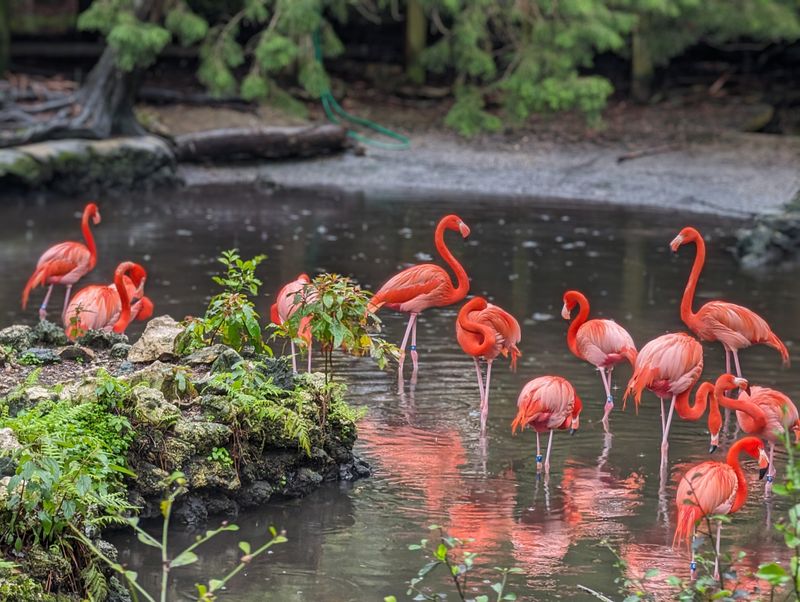
Bird enthusiasts find plenty to admire in the avian sanctuary, home to flamingos, owls, hawks, and eagles. Alligators bask along waterways, bobcats prowl their territories, and endangered red wolves howl occasionally. Every animal has a story about why they live at the park rather than in the wild.
The Underwater Observatory: Seeing Wildlife From a Whole New Angle
Picture descending stairs into a submerged viewing room where windows open directly into the spring itself. That’s exactly what the underwater observatory, affectionately called the Fish Bowl, offers visitors. This unique structure sits below the surface, providing 360-degree views of the aquatic world that most people never witness.
Manatees often swim right up to the glass, allowing you to see every detail of their massive bodies and surprisingly expressive faces. Schools of snook, sheepshead, and other fish swirl around the observatory in mesmerizing patterns. The spring’s incredible clarity means visibility stays excellent throughout the year.
This attraction consistently ranks as visitors’ favorite feature, though it occasionally closes for maintenance or after storm damage. When operational, rangers sometimes give talks inside the observatory, explaining the spring ecosystem and answering questions.
Getting Around the Park: Boats, Boardwalks, and Scenic Trails
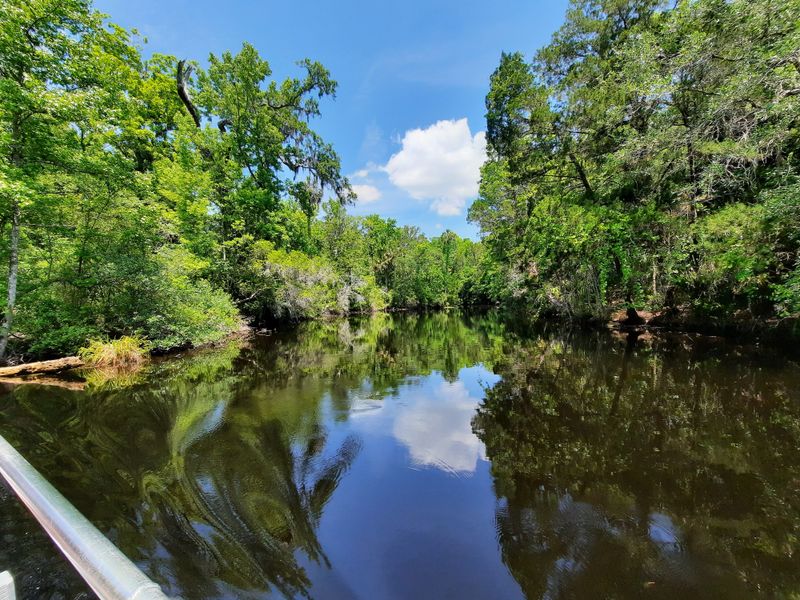
Your adventure begins at the main entrance parking area, but the actual wildlife park sits about a quarter-mile away. Visitors choose between a scenic boat ride or a tram to reach the park’s main section. The short cruise along Pepper Creek offers glimpses of natural Florida while a guide shares historical tidbits about the area.
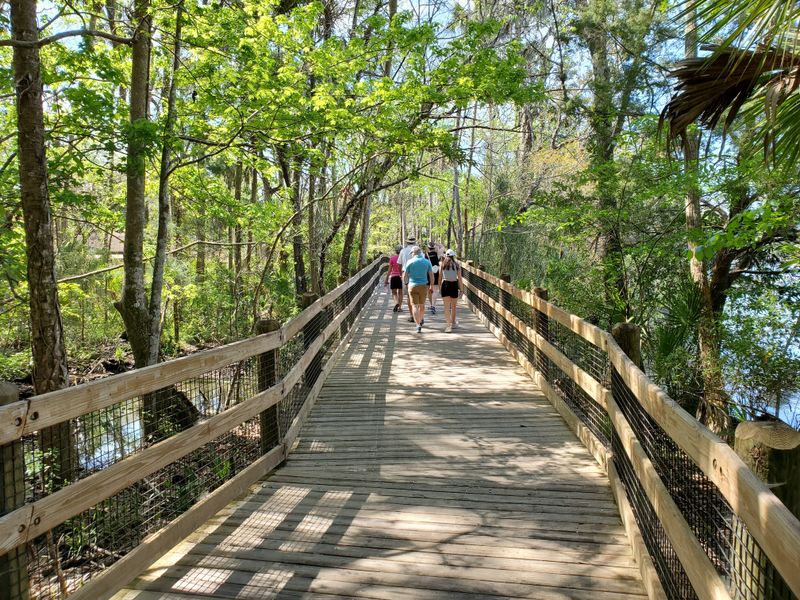
Once inside, the Wildlife Walk forms a one-mile loop along shaded boardwalks that meander through diverse habitats. The elevated pathways protect sensitive ecosystems while giving you excellent viewing angles of animal enclosures.
Best Times to Visit for the Closest Wildlife Encounters
Mornings generally provide the most active wildlife viewing, especially during Florida’s warmer months when animals seek shade by afternoon. Arriving when the gates open at 9 AM means you’ll encounter fewer crowds and catch feeding times for various species.
Winter months from November through March bring cooler temperatures that make walking more comfortable for visitors. This season also attracts wild manatees seeking the spring’s constant 72-degree water temperature, potentially doubling the number of these marine mammals you’ll see. Bird activity increases during winter as migratory species join year-round residents.
Weekdays tend to be less crowded than weekends, giving you more personal space at popular exhibits like the underwater observatory and panther habitat.
Know Before You Go: Tickets, Hours, and Visitor Tips
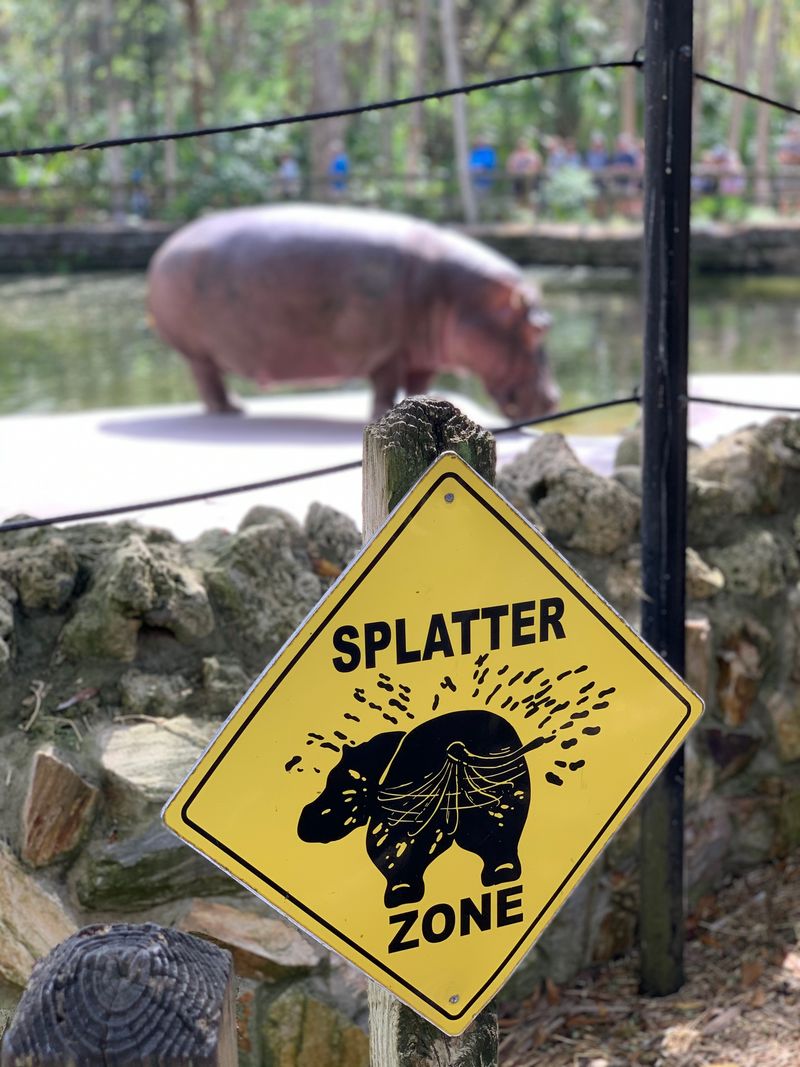
Admission fees remain reasonable, with most visitors commenting that the experience far exceeds the cost. Purchase tickets at the visitor center gift shop before boarding your boat or tram. The park operates seven days weekly from 9 AM until 5:30 PM, giving you plenty of daylight hours for exploration.
Comfortable walking shoes are absolutely essential since you’ll cover about a mile on boardwalks. Florida’s weather demands sunscreen, hats, and water bottles even during the winter months.
Recent hurricanes caused some temporary closures of buildings and exhibits, so checking the park’s website before visiting ensures you know what’s currently available. Every admission dollar supports wildlife care and conservation efforts, making your visit meaningful beyond just entertainment value.
Is Homosassa Springs Wildlife State Park Worth the Trip? Final Thoughts
This isn’t a massive theme park requiring full-day commitment, but rather a peaceful half-day experience perfect for families, couples, or solo nature enthusiasts. The manageable size means children won’t become overwhelmed or exhausted, while adults appreciate the educational value and conservation mission.
What makes Homosassa Springs special is its authenticity. You’re supporting a facility dedicated to protecting Florida’s native wildlife rather than simply entertaining crowds.
The park offers something increasingly rare in modern Florida: a glimpse of old Florida before development consumed natural spaces. Whether you’re a state resident or tourist, experiencing manatees through the underwater observatory or watching a Florida panther prowl creates memories that last far beyond your visit.
For anyone interested in wildlife, nature, or conservation, this park absolutely deserves a spot on your itinerary.