It Kills Me That More People Don’t Know These 9 Old Florida Spots Still Exist
Florida has a reputation for being all about shiny new theme parks and modern resorts, but some of the best experiences here have been around for decades. Hidden across the state are roadside attractions, family-run fish camps, and spring-fed parks that have barely changed since the 1940s and 50s. These places offer a glimpse into what Florida tourism looked like before the mega-developments took over, and they’re still open for visitors who want something more authentic and laid-back.
1. Silver Springs State Park (Silver Springs)
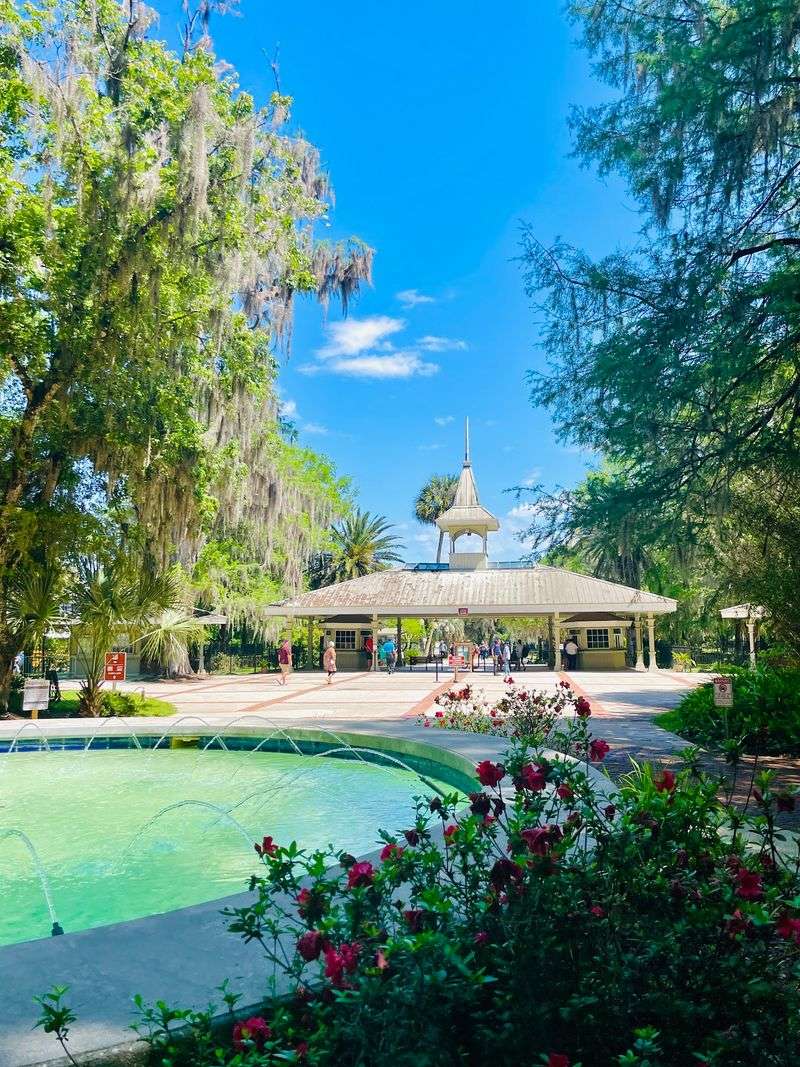
Glass-bottom boats gliding over impossibly clear water have been the main attraction here since the late 1800s. That makes Silver Springs one of the oldest continuously operating tourist sites in the entire state. The springs pump out more than 550 million gallons of water daily, creating visibility so perfect you can see fish, turtles, and aquatic plants from the boat without getting wet.
Tours still run every day, and the experience feels remarkably similar to what visitors enjoyed over a century ago. The boats themselves have been updated for safety, but the concept remains unchanged. You sit on benches, peer through the glass panels in the floor, and watch Florida’s underwater world drift by beneath you.
Beyond the boat rides, the park offers kayaking, hiking trails, and a museum that covers the springs’ role in early Hollywood. Dozens of Tarzan movies and other films were shot here because of the water clarity. The whole place has this wonderfully preserved mid-century vibe, with shaded picnic areas and old signage that somehow survived the rush to modernize everything.
Admission is affordable, parking is easy, and the lack of flashy gimmicks makes it feel like a genuine step back in time. It’s proof that sometimes the simplest attractions age the best.
2. Weeki Wachee Springs State Park (Weeki Wachee)
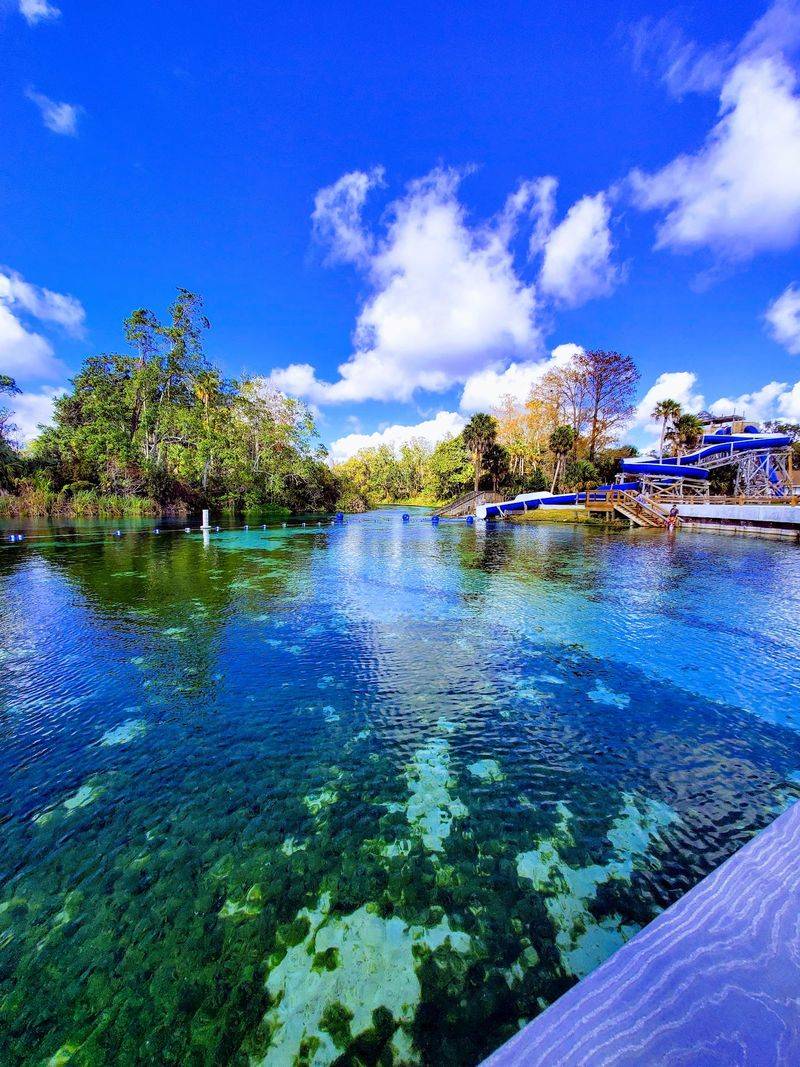
Mermaids have been performing underwater shows here since 1947, making Weeki Wachee one of the most unusual survivors of Florida’s pre-Disney tourism boom. The theater sits 16 feet below the surface, with massive windows that let you watch performers breathe from air hoses while they flip, smile, and act out stories in the spring’s crystal-clear water. It sounds kitschy, and it absolutely is, but it’s also genuinely impressive.
The spring itself pumps out 117 million gallons of water per day, keeping visibility perfect for the shows. Performers train for months to master the underwater breathing technique and choreography. Some of the current mermaids have been doing this for decades, and their skill level shows.
Shows run multiple times daily, and the park also offers a riverboat cruise, kayaking, and a water park area during warmer months. The whole setup feels frozen somewhere around 1965, in the best possible way. Original signage, vintage photos, and retro architecture give the place an authentic roadside-attraction charm that’s nearly impossible to fake.
Weeki Wachee became a state park in 2008, which helped preserve it when attendance was dropping. Now it’s protected and accessible, with affordable admission and that rare combination of nostalgia and natural beauty that makes Old Florida so appealing.
3. Gatorland (Orlando)
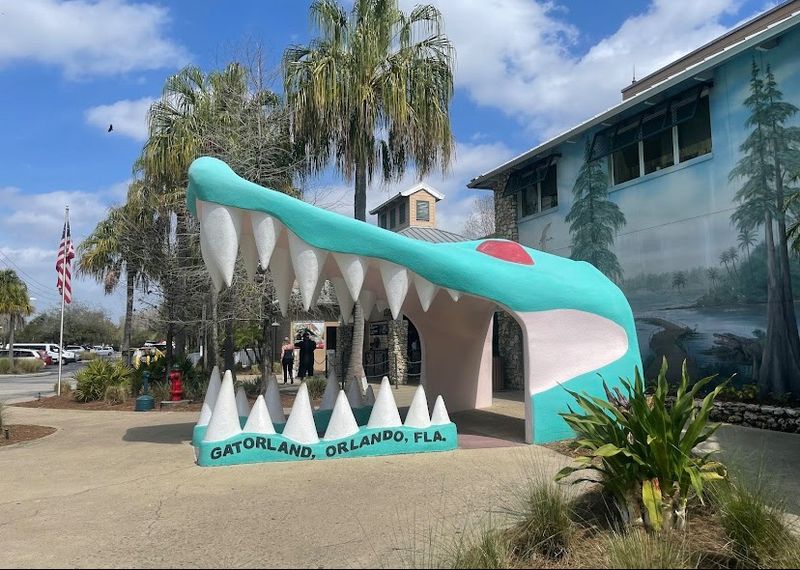
Long before Orlando became the theme park capital of the world, there was Gatorland. This roadside attraction opened in 1949, and the famous entrance shaped like a giant gator’s mouth has been welcoming visitors ever since. It’s campy, it’s fun, and it’s completely unapologetic about being exactly what it is: a place to see hundreds of alligators and crocodiles up close.
The park covers 110 acres and houses thousands of gators, along with crocodiles, snakes, birds, and other Florida wildlife. Daily shows include gator wrestling, feeding demonstrations, and an up-close look at massive Nile crocodiles. The Screamin’ Gator Zip Line lets you soar over gator ponds if you’re feeling adventurous.
What makes Gatorland special is how little it’s changed. Sure, they’ve added new exhibits and safety features over the decades, but the vibe remains pure old-school Florida tourism. There’s no corporate polish, no forced storylines, just gators, shaded walkways, and staff who clearly love what they do.
Ticket prices are reasonable compared to the mega-parks nearby, and the lack of long lines makes it perfect for families who want something more low-key. The breeding marsh walkway offers incredible photo opportunities, and the bird rookery is one of the best places in Central Florida to see nesting wading birds up close.
4. Old Sugar Mill Pancake House at De Leon Springs State Park (De Leon Springs)
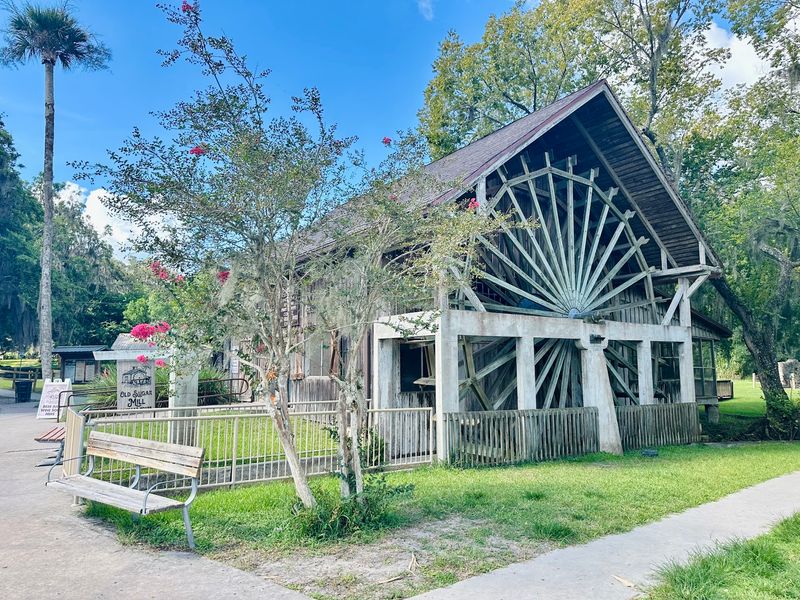
Cooking your own pancakes on a griddle built into your table sounds like a gimmick, but this place has been doing it since 1961, and it works beautifully. The restaurant sits inside a replica of an old sugar mill at De Leon Springs State Park, surrounded by natural springs and towering trees. You order your batter and toppings, then flip your own cakes while you chat and relax.
The batter comes in multiple flavors, including whole wheat, buckwheat, and blueberry. Add-ins like chocolate chips, bananas, and pecans are available, and you can mix and match however you want. The griddle stays hot, the butter melts fast, and there’s something genuinely fun about flipping your own breakfast while overlooking spring-fed waters.
Lines can get long on weekends, especially during cooler months when the park is busiest. Arriving early or on a weekday helps. Once you’re seated, the staff keeps batter and toppings coming, and you can cook as many pancakes as you can eat.
The park itself is worth exploring before or after your meal. The spring maintains a constant 72-degree temperature year-round, making it perfect for swimming. Kayaking, hiking, and wildlife watching are all popular here, and the whole area feels wonderfully undeveloped compared to much of Central Florida.
5. Tarpon Springs Sponge Docks (Tarpon Springs)
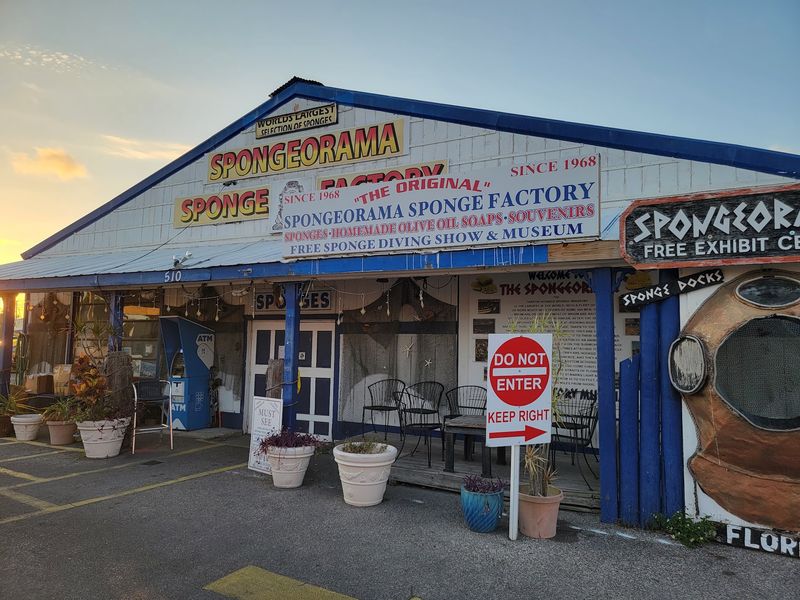
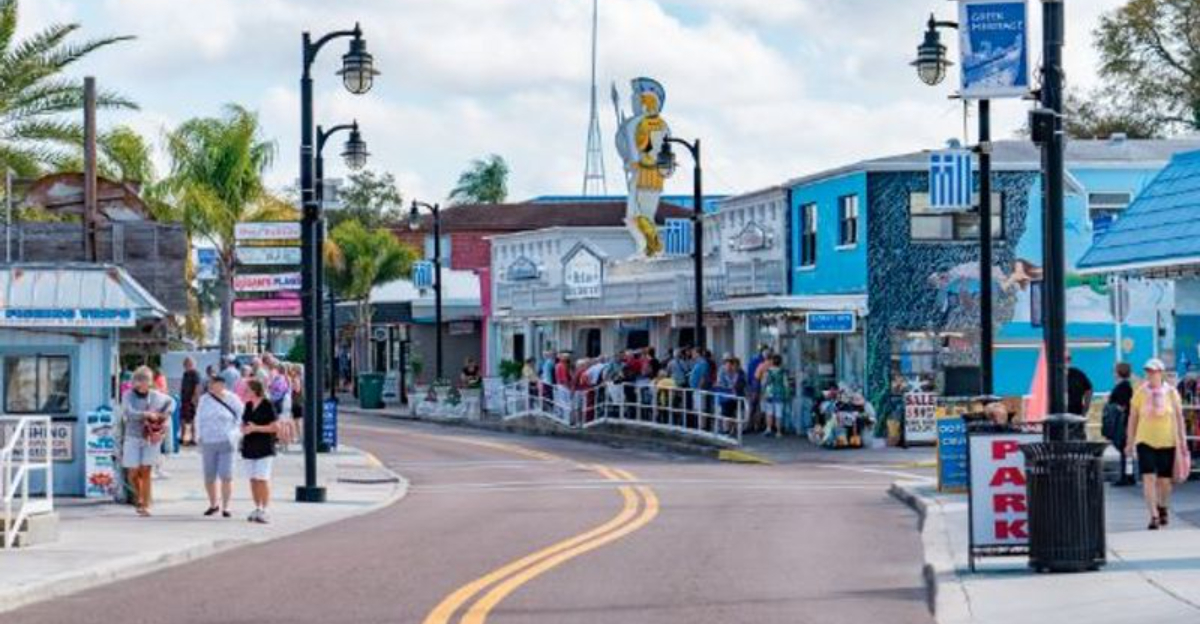
Greek immigrants arrived in Tarpon Springs in the early 1900s to dive for natural sponges, and their influence transformed the waterfront into one of the most distinctive communities in Florida. Walking along Dodecanese Boulevard today, you’ll find Greek bakeries selling fresh baklava, family-owned restaurants serving grilled octopus and moussaka, and shops stacked with natural sponges of every size. The working sponge boats are still docked along the waterfront, and the whole area feels like a living museum of Florida’s maritime history.
Sponge diving demonstrations happen regularly, showing how divers once worked in heavy suits and helmets to harvest sponges from the Gulf floor. The industry isn’t what it was a century ago, but it’s still active, and the sponges sold here are the real deal, not synthetic knockoffs.
The food is a huge draw. Greek restaurants line the docks, many of them family-run for generations. Fresh seafood, grilled meats, and traditional Greek desserts are everywhere, and the quality is consistently high.
Outdoor seating along the water makes for a relaxed meal with plenty of boat-watching.
The area also hosts festivals throughout the year, including the Epiphany celebration in January, where divers retrieve a cross thrown into the water by the Greek Orthodox archbishop. It’s colorful, authentic, and far removed from typical Florida tourist traps.
6. Ted Peters Famous Smoked Fish (St. Petersburg)
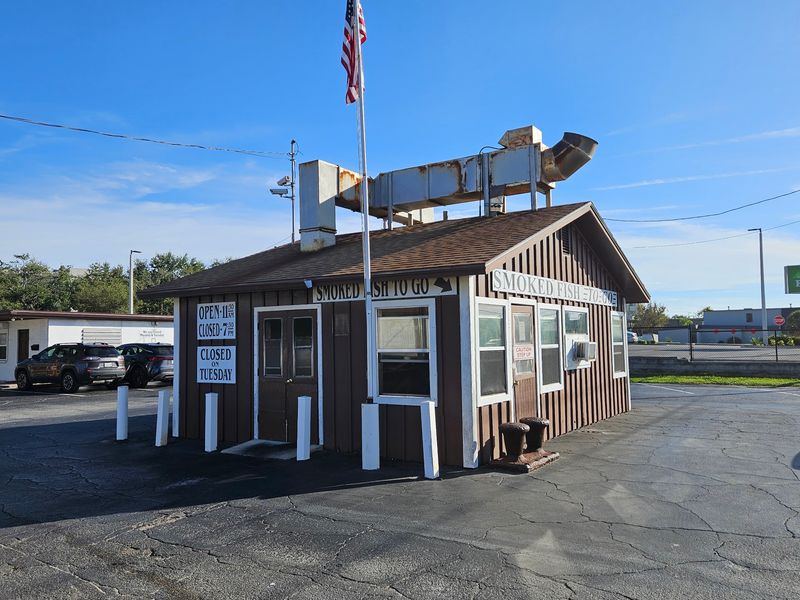
Smoked fish has been coming off the red oak smokers here since 1951, and the process hasn’t changed. Mullet, mackerel, salmon, and other fish are smoked low and slow until they’re flaky, smoky, and absolutely delicious. You order at the counter, grab a seat at one of the picnic tables, and wait for your number to be called.
It’s casual, it’s unpretentious, and it’s exactly the kind of place that makes Old Florida so appealing.
The menu is simple: smoked fish, German potato salad, coleslaw, and a few other sides. Beer and wine are available. The fish is the star, and it’s consistently excellent.
The mullet is a local favorite, but the salmon and mackerel are just as good.
Seating is mostly outdoors under a covered area, so dress for the weather. Ceiling fans help during summer, but it can still get warm. The atmosphere is laid-back and friendly, with a mix of regulars and tourists who’ve heard about the place from locals.
Ted Peters sits along a busy road, and parking can be tight during peak times. The exterior looks like it hasn’t been updated in decades, which is part of the charm. Inside, vintage photos and memorabilia cover the walls, telling the story of a family business that’s outlasted countless trendier restaurants.
It’s the kind of spot where quality and consistency matter more than decor, and that’s exactly why it’s survived this long.
7. Highland Park Fish Camp (DeLand)
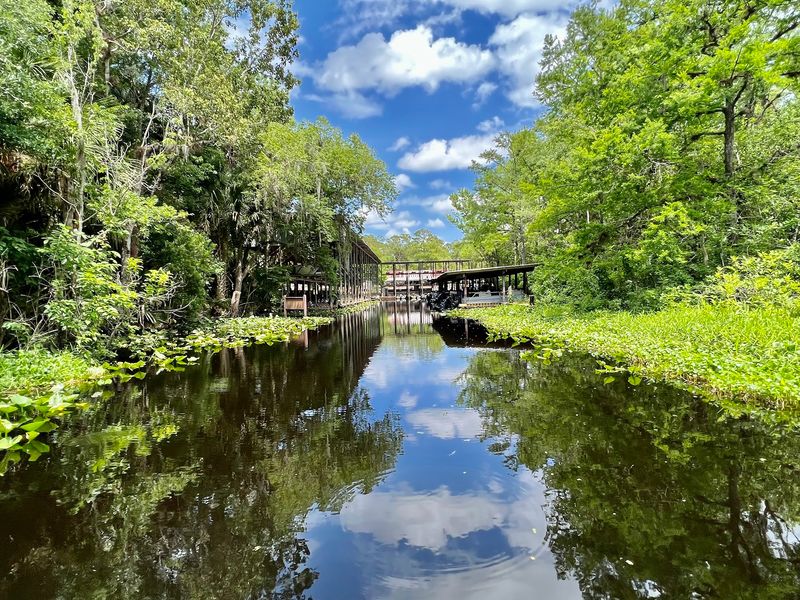
Fish camps used to dot Florida’s rivers and lakes, offering simple cabins, boat rentals, and access to great fishing without any pretense. Most have disappeared, replaced by condos or marinas with higher prices and less character. Highland Park Fish Camp is a rare survivor, still family-owned and operating much like it did when it opened in 1962.
The camp sits along the St. Johns River, surrounded by cypress trees and Spanish moss. Cabins are basic but clean, with screened porches that let you listen to the river at night. Boats and kayaks are available for rent, and fishing guides can be arranged if you want local expertise.
The bait shop stocks everything you need, and the staff knows the river intimately.
The owners describe the place as “proudly frozen in time,” and that’s not an exaggeration. The cabins look like they did decades ago, the dock is weathered wood, and there’s no Wi-Fi to distract you from why you came: to fish, relax, and disconnect from the modern world.
Rates are affordable, especially compared to more developed lodging options nearby. The camp attracts anglers, birders, and anyone looking for a quiet retreat. The St. Johns River is one of the few rivers in the U.S. that flows north, and this section is rich with bass, catfish, and wildlife.
It’s not fancy, but that’s exactly the point.
8. Star Fish Company (Cortez)
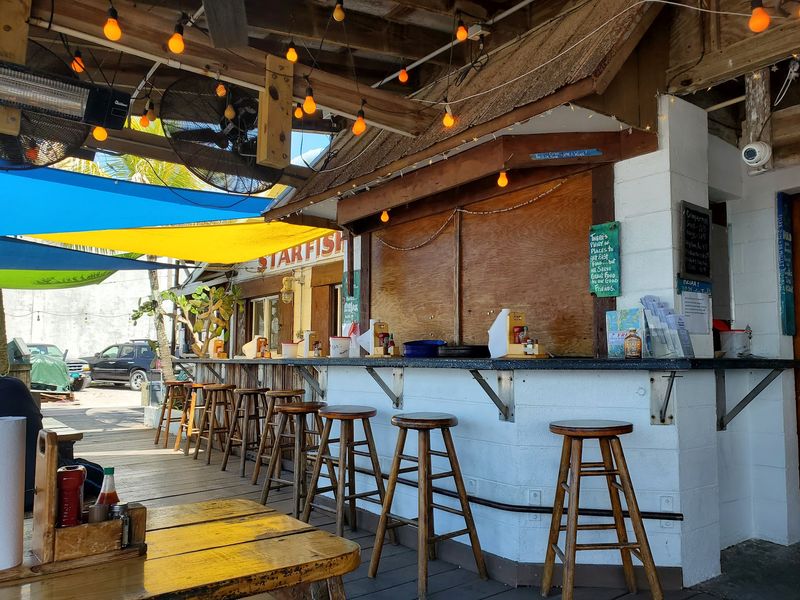
Cortez Village is one of the last working fishing villages on Florida’s Gulf Coast, and Star Fish Company fits right into that history. The dockside restaurant and seafood market gets its fish fresh from local boats, and you can often see them pulling in while you’re eating. Picnic tables overlook the water, seagulls hover nearby, and the whole scene feels wonderfully unpolished.
The menu focuses on whatever’s fresh: grouper, snapper, shrimp, stone crab claws when in season, and daily specials that depend on what the boats brought in. Preparation is straightforward, grilled, blackened, or fried, with simple sides like coleslaw and fries. The fish tacos are a favorite, and the smoked fish dip is excellent.
Seating is mostly outdoors, so sunset dinners are popular. The views across Sarasota Bay are lovely, especially when the light turns golden and the fishing boats head back in. Service is casual and friendly, with staff who clearly know the regulars.
Cortez Village itself is worth exploring. The community has fought hard to preserve its fishing heritage against development pressure, and the results show. Old cottages, working docks, and seafood shacks line the narrow streets, giving the area a time-capsule quality that’s increasingly rare in Florida.
Star Fish Company isn’t trying to be upscale or trendy. It’s just good, honest seafood in a setting that feels genuinely connected to Florida’s maritime roots.
9. Robert Is Here (Homestead)
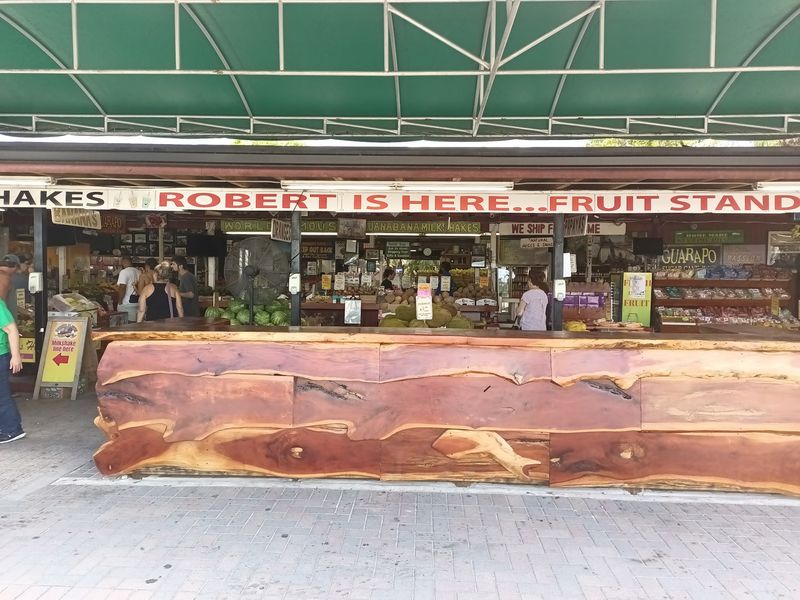
What started as a six-year-old boy selling cucumbers by the roadside in 1959 has grown into one of South Florida’s most beloved fruit stands. Robert Is Here still operates in Homestead, run by the same family, selling tropical fruits you won’t find in most grocery stores. Carambola, lychee, mamey, dragon fruit, passion fruit, and dozens of other exotic varieties fill the shelves, depending on the season.
The famous milkshakes are made with fresh fruit, and the flavor list is staggering: key lime, black sapote, guanabana, mango, avocado, and many more. They’re thick, sweet, and absolutely worth the trip. The stand also sells fresh honey, jams, jellies, and other local products.
The property includes a small petting zoo with goats, tortoises, and peacocks wandering around. Kids love it, and it adds to the quirky, welcoming atmosphere. Handwritten signs, tropical plants, and a laid-back vibe make the whole place feel more like visiting a friend’s farm than shopping at a commercial operation.
Robert Is Here sits near the entrance to Everglades National Park, making it a perfect stop before or after exploring the park. The location is rural, surrounded by farms and open land, which keeps the setting authentic. Crowds can build on weekends, but the staff moves quickly, and the energy stays friendly.
It’s a reminder that sometimes the best Florida experiences are the simplest ones.