More Than Coffee Awaits at This Faith-Inspired St. Cloud, Florida Café
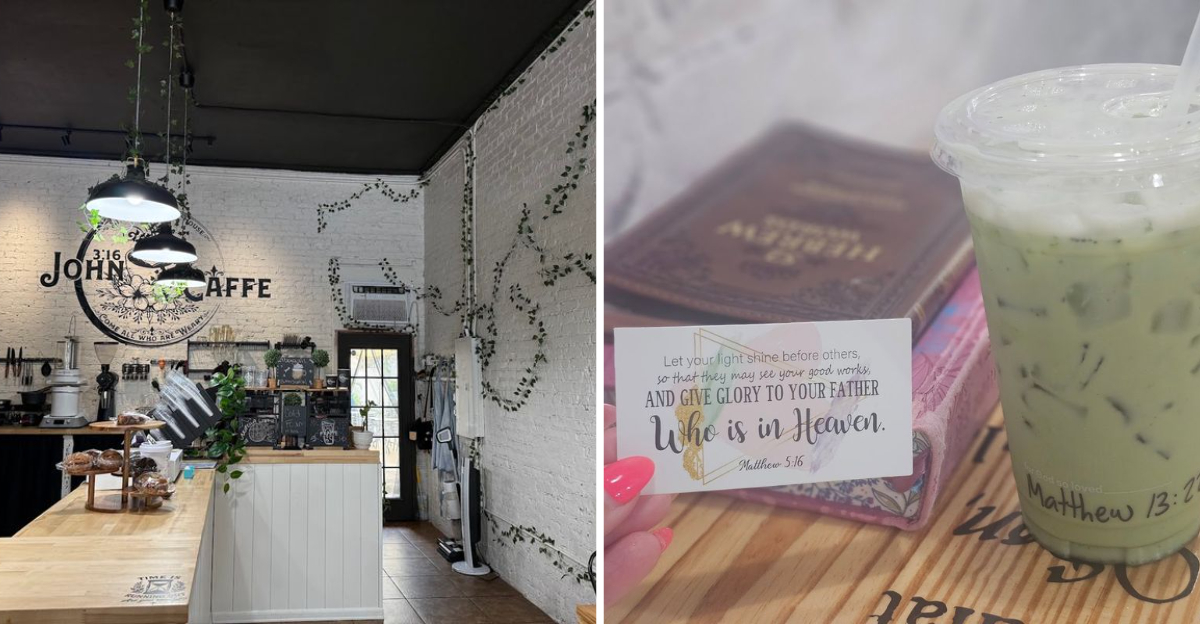
Stepping into John 3:16 Caffe in St. Cloud is about more than grabbing a great cup of coffee—it’s about experiencing a welcoming space built on faith, kindness, and community. Alongside handcrafted espresso drinks, specialty coffees, and fresh pastries, the café is known for sharing an uplifting Bible verse with every order, adding a meaningful touch to each visit. The cozy atmosphere encourages guests to slow down, connect with friends, or simply enjoy a quiet moment with their favorite drink.
Whether you’re a local regular or passing through St. Cloud, John 3:16 Caffe offers a refreshing blend of quality coffee, genuine hospitality, and daily inspiration.
A Coffee Shop with Soul and Scripture
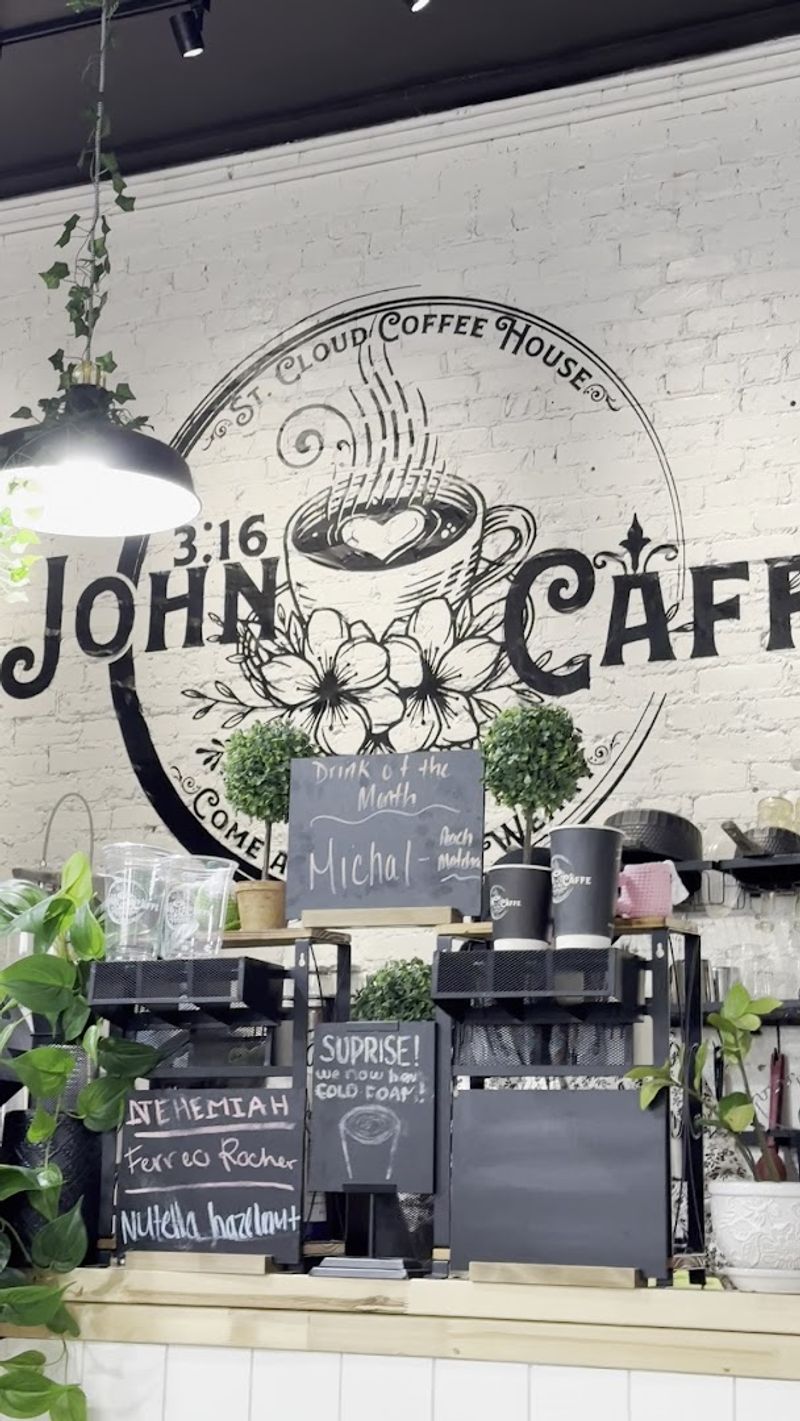
Walking through the doors at John 3:16 Caffe feels different from your average coffee run. The walls whisper encouragement through carefully placed Scripture, and the atmosphere wraps around you like a favorite blanket. Owner Kristy has created something special here, a space where faith isn’t hidden in the back room but celebrated right alongside the espresso machine.
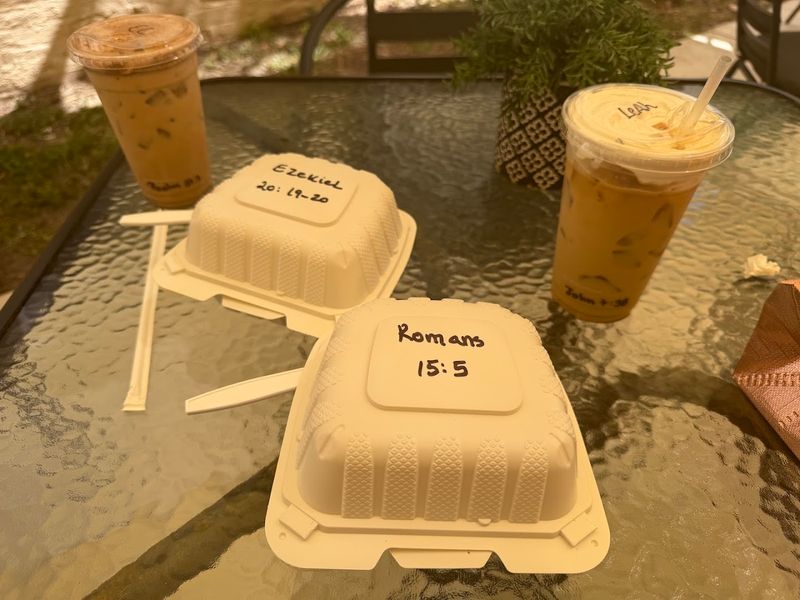
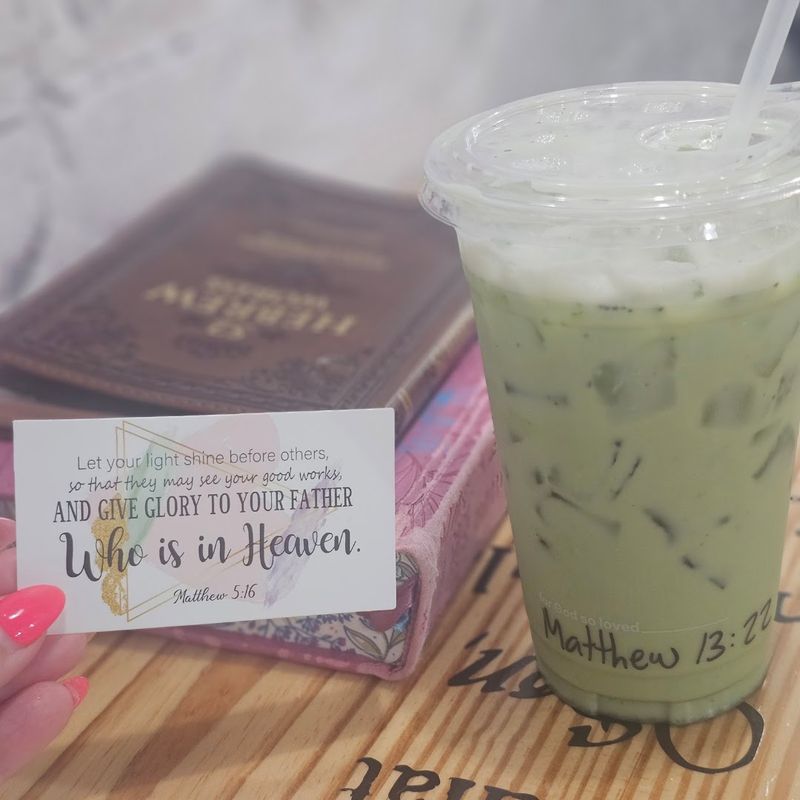
Every drink comes with its own Bible verse printed on the cup, turning your morning caffeine ritual into a moment of reflection. The names on the menu read like a Sunday school roster: Eve Iced, Sea of Galilee, Egyptian Chai. It’s quirky, intentional, and somehow makes ordering a latte feel more meaningful than usual.
The open-concept design means you can watch your drink being crafted from start to finish. No mysterious back kitchen here. Everything happens in full view, from the hand-pulled espresso shots to the carefully poured oat milk.
This transparency extends beyond just food prep, it’s woven into the entire philosophy of the place.
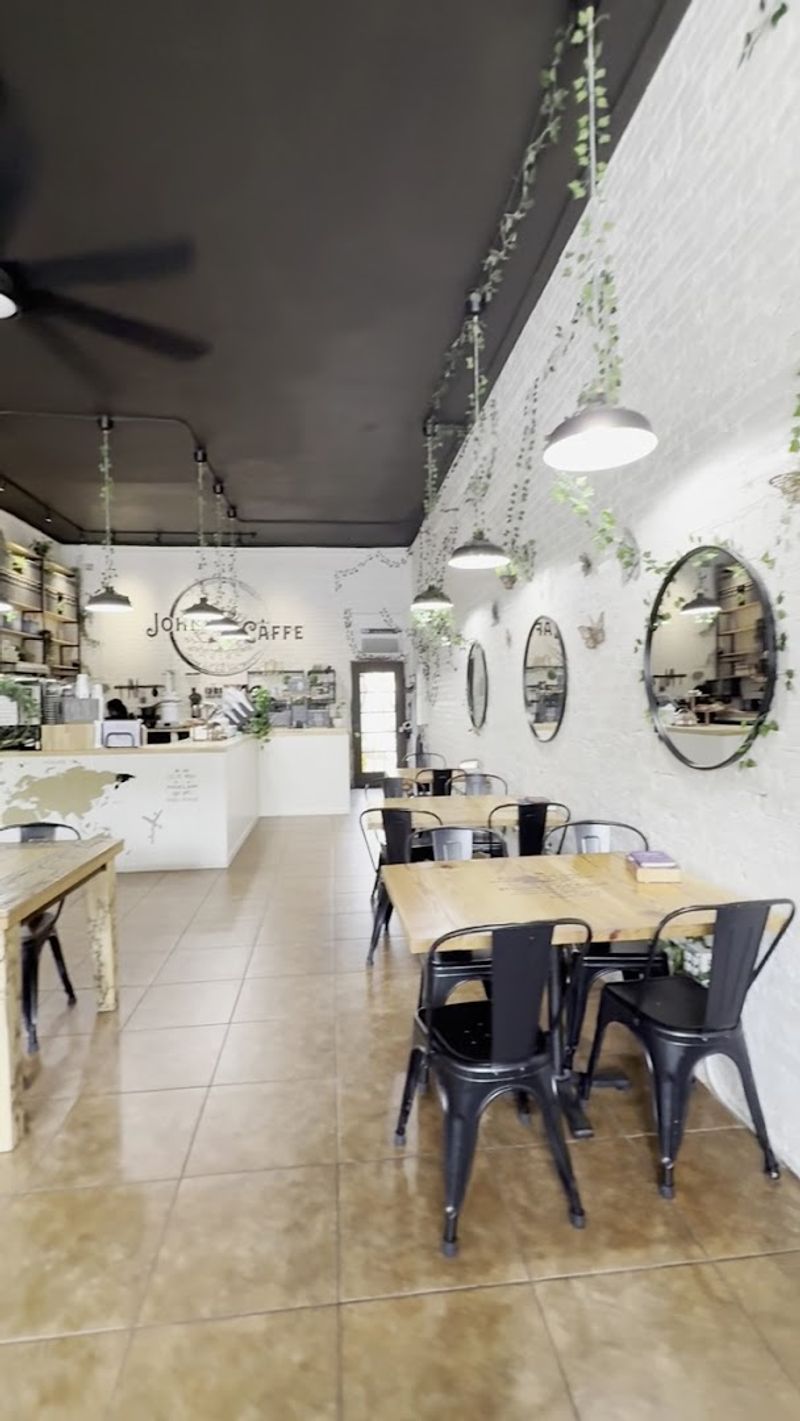
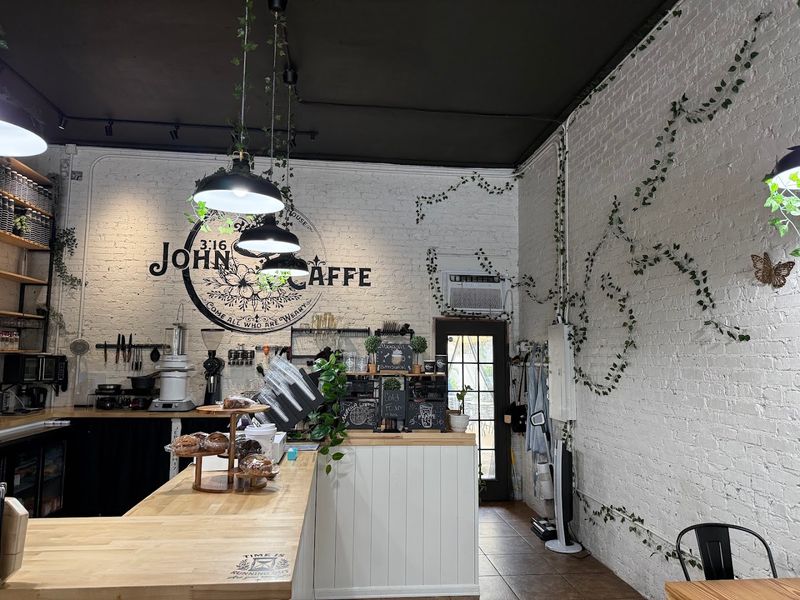
Brick walls adorned with greenery create a natural, grounded vibe that Instagram dreams are made of. But the real magic happens in the details: reading glasses available for customers who forgot theirs, coloring books for restless kids, blankets draped over comfy chairs. These small touches show that someone actually thought about what people need when they settle in with a hot drink.
The prayer wall stands as the heart of the cafe, covered in chalk-written requests from visitors seeking hope, healing, and help. Staff members pray over these requests daily, creating a spiritual connection that extends far beyond the typical customer-business relationship. It’s a bold move in today’s world, wearing your faith so openly, but it resonates deeply with those who walk through the door seeking something more substantial than a sugar rush.
House-Made Syrups That Actually Taste Different
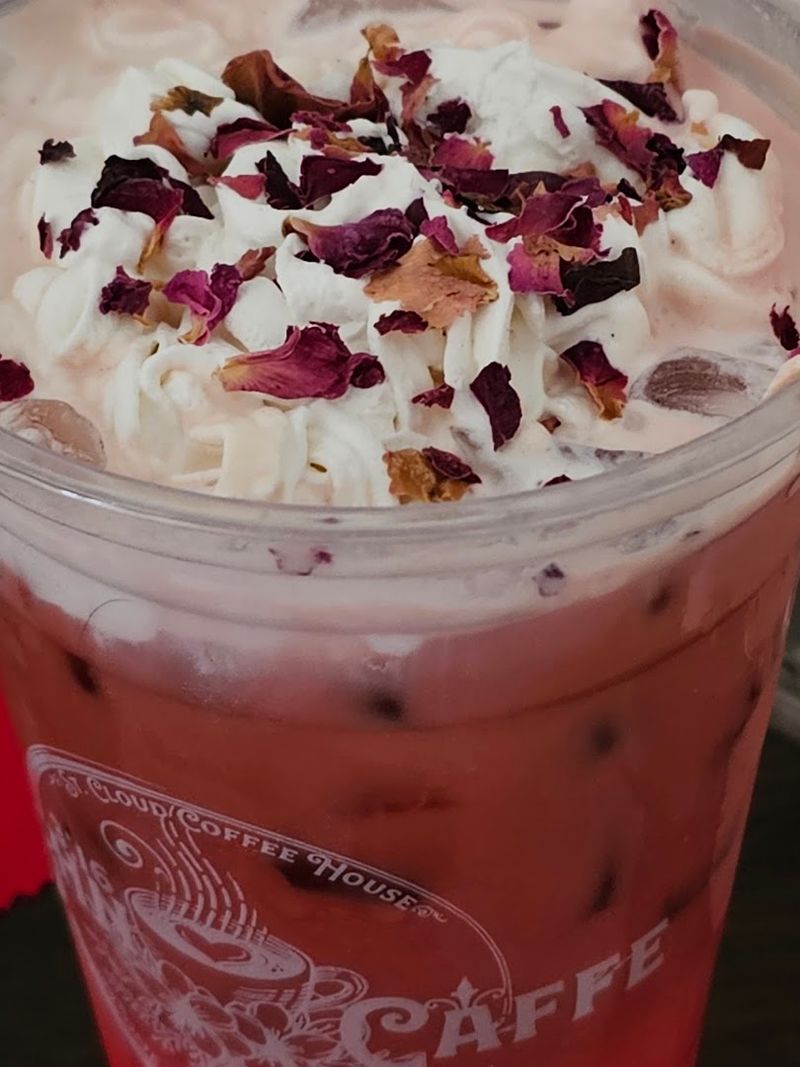
Forget the artificial, overly sweet pump bottles you find at chain stores. John 3:16 Caffe takes pride in crafting every single syrup from scratch in-house. The Matthew syrup tastes like dulce de leche kissed by angels, while other creative flavors rotate through the menu like a delicious surprise party for your taste buds.
This commitment to handmade ingredients means your drink costs a bit more than the drive-through competition. But here’s the thing: you can actually taste the difference. The syrups don’t overpower the coffee with cloying sweetness.
Instead, they complement the espresso’s natural flavors, creating balanced drinks that feel crafted rather than assembled.
The Egyptian Chai deserves its own standing ovation. Made from scratch using real ground spices, not powder from a bag, this drink arrives with a little grit at the bottom that’s literally just spices settling. Some visitors have called it the best chai they’ve ever tasted, and after one sip, that claim doesn’t seem like hyperbole at all.
Cold foam gets whipped up fresh for each drink, adding a creamy layer that melts slowly into your iced beverages. The attention to texture matters here. Everything from the temperature to the milk ratio gets considered, adjusted, and perfected before it reaches your hands.
Even simple drinks like the Morning Blessings drip coffee shine because the beans are treated with respect and the brewing process isn’t rushed. You can order with various milk alternatives including oat and almond, and the baristas know exactly how each one behaves differently in hot versus cold preparations. This isn’t just coffee service, it’s a craft practiced by people who genuinely care about what lands in your cup.
The result? Drinks that taste like someone actually made them for you, not just filled an order.
The Sea of Galilee Breakfast That Surprised Everyone
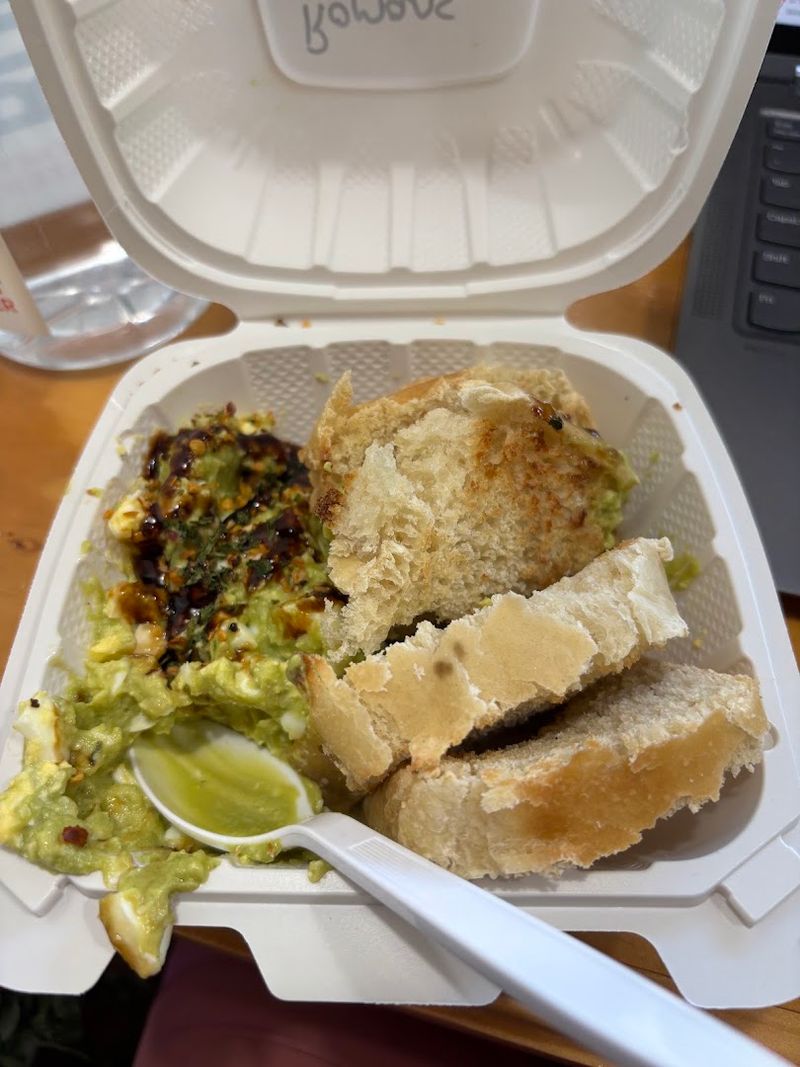
Don’t let the simple description fool you. The Sea of Galilee sounds like basic avocado toast, but it arrives at your table as something surprisingly complex. The spread combines mashed avocado with chopped hard-boiled eggs, creating a creamy, protein-packed mixture that defies expectations.
A drizzle of slightly sweet balsamic reduction adds tang and depth, while a sprinkle of chili flakes provides just enough heat to wake up your palate. The contrast between cool, creamy spread and warm, spicy finish creates layers of flavor that keep you coming back for another bite. It’s comfort food that doesn’t feel heavy.
The bread matters here, too. Whether you choose the house-made sourdough or everything bagel crackers, you’re getting a vehicle that holds up under the weight of the toppings without turning soggy. That sourdough gets toasted to golden perfection, crunchy on the edges while remaining soft enough in the middle to soak up all those delicious flavors.
Some guests swear the bread has a subtle sweetness, possibly from butter used during toasting. That hint of sweetness plays beautifully against the savory egg and avocado, creating a balanced bite that feels more thought-out than your typical breakfast toast. You can add extra eggs for more protein, turning this light bite into a proper meal.
Critics of the pricing might balk at paying over ten dollars for what looks like toast on a plate. But those who understand quality ingredients and careful preparation recognize the value. The eggs aren’t rubbery or flavorless.
The avocado isn’t brown or bland. Everything tastes fresh, intentional, and made with care rather than speed. For folks seeking health-conscious options that don’t sacrifice flavor, this dish hits every mark while keeping you satisfied until lunch rolls around.
Stuffed Waffles That Redefine Breakfast

Breakfast just got interesting. The stuffed waffles at John 3:16 Caffe arrive warm and golden, hiding scrambled eggs and your choice of bacon or sausage crumbles inside the fluffy interior. It’s portable breakfast meets comfort food, all wrapped up in a handheld package that somehow feels both indulgent and practical.
Made to order means you’re waiting a bit longer than grabbing something from a warming tray, but patience pays off here. The waffle emerges from the iron with crispy edges and a tender middle that cradles the savory filling without falling apart in your hands. The eggs stay moist and fluffy rather than rubbery, and the meat adds just enough salty, smoky flavor without overwhelming everything else.
Some guests mention the filling could be more generous, noting that you sometimes can’t taste the stuffing as much as expected. Fair criticism for a dish that promises stuffed satisfaction. But the waffle itself delivers solid flavor and texture, making it enjoyable even when the filling plays a supporting rather than starring role.
Portion size runs on the smaller side, especially considering the price point that hovers around thirteen dollars. You’re paying for quality ingredients and made-from-scratch preparation, but budget-conscious diners might find themselves still hungry after finishing. Pairing it with a side or splitting it as part of a larger order makes more sense than expecting it to carry your entire breakfast alone.
The real charm lies in the creativity of the concept and the execution of fresh-cooked comfort food. This isn’t grab-and-go fare reheated in a microwave. Someone stands at that waffle iron, carefully assembling your breakfast while you wait.
In a world of instant everything, there’s something refreshing about food that takes time because it deserves time. The stuffed waffle represents that philosophy perfectly.
Banana Bread That Keeps People Coming Back
Simple things done well create loyal fans, and the banana bread at John 3:16 Caffe proves this truth repeatedly. Customers mention it specifically in reviews, calling it out by name like an old friend they can’t wait to see again. That kind of devotion doesn’t happen by accident.
The texture hits that perfect balance between moist and sturdy. Not so wet that it falls apart in your hands, but definitely not dry or crumbly like so many bakery versions. Each slice feels substantial, like it’s actually made from real bananas rather than artificial flavoring and food coloring.
Paired with coffee, it becomes the ideal mid-morning snack or afternoon pick-me-up. The natural sweetness from ripe bananas means it doesn’t need heavy frosting or excessive sugar to taste good. It’s comfort food that doesn’t leave you feeling guilty or overly full, just satisfied and ready to tackle whatever comes next.
The fact that it’s made in-house rather than delivered from some commercial bakery matters to the people who order it regularly. You can taste the difference between something baked with care in small batches versus mass-produced items shipped in plastic. There’s a warmth to homemade goods that transcends ingredients and technique.
Regular visitors have their routines built around this banana bread. They know what time of day it’s freshest. They know which coffee pairs best with it.
These small rituals create community and connection, turning a simple baked good into a meaningful part of someone’s week. One customer claims they’d give the place five stars every single time they visit just for the banana bread alone. When a slice of bread inspires that kind of loyalty, you know something special is happening in that kitchen.
A Prayer Wall That Holds Real Hope
Most coffee shops decorate with generic art or vintage signs advertising products nobody buys anymore. John 3:16 Caffe chose something radically different: a wall dedicated entirely to prayer requests written in chalk by customers seeking divine intervention, comfort, or simply someone to care about their struggles.
The wall fills up quickly with handwritten notes ranging from health concerns to financial worries to relationship struggles. Some messages ask for healing from cancer. Others request peace during difficult seasons.
A few simply say thank you for blessings received. Together, they create a tapestry of human experience that’s both heartbreaking and hopeful.
Staff members pray over these requests daily, not as a marketing gimmick but as a genuine commitment to spiritual support. For customers facing scary diagnoses or overwhelming challenges, knowing that strangers are lifting their names in prayer provides comfort that extends far beyond caffeine and pastries. It transforms a commercial transaction into a moment of genuine human connection.
Visitors mention the prayer wall specifically when describing what makes this cafe special. It’s not just decoration, it’s participation. Writing your worry on that wall requires vulnerability, and the act itself can feel cathartic.
Seeing others’ requests reminds you that everyone carries burdens, and that simple awareness creates compassion and community.
Critics might dismiss it as performative Christianity or question its effectiveness. But for those who believe in the power of prayer, this wall represents something sacred in an increasingly secular marketplace. It declares that some things matter more than profit margins, that people are more than customers, and that faith belongs in everyday spaces, not just church buildings.
Whether you add your own request or simply read what others have written, the prayer wall invites you to pause, reflect, and remember that you’re part of something bigger than your morning coffee run.
The Cozy Courtyard Where Time Slows Down
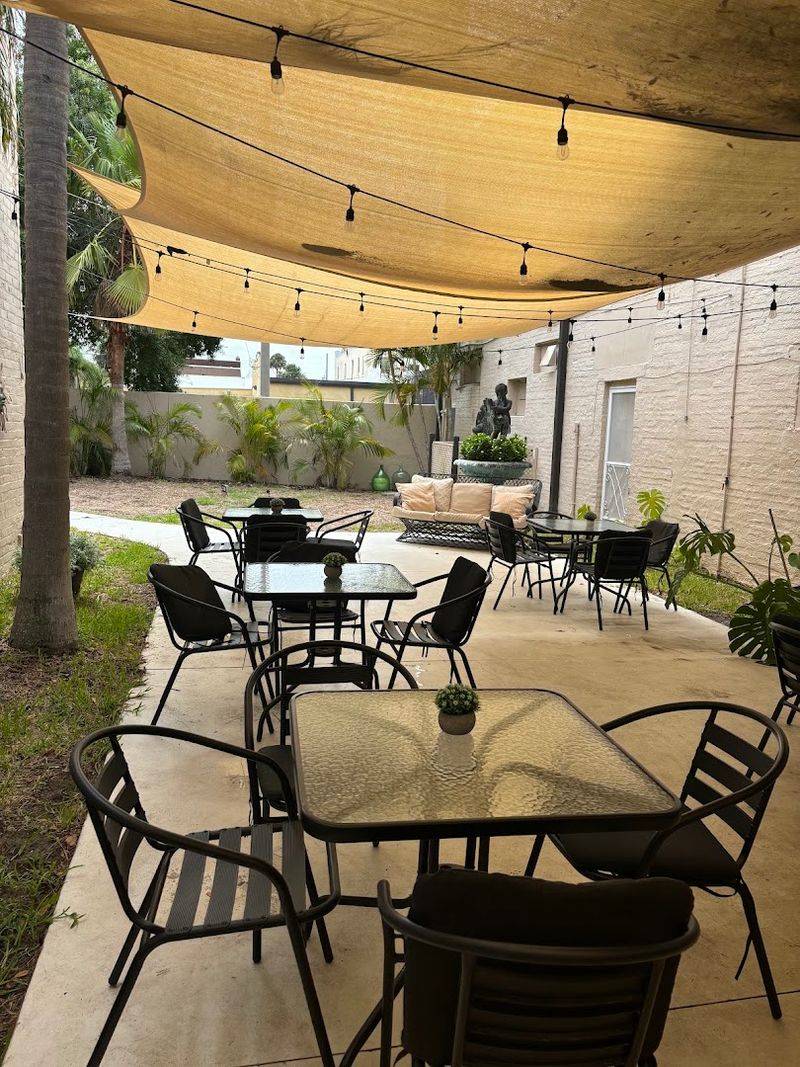
Step through the back door and discover a terraced outdoor space that feels like a secret garden in the middle of downtown. Shaded seating protects you from Florida’s aggressive sunshine while still letting you enjoy fresh air and natural light. It’s where locals settle in for long work sessions or quiet conversations that meander through topics without rushing.
Comfortable sofas invite you to sink in and stay awhile, a far cry from the deliberately uncomfortable chairs some coffee shops install to keep customers moving. Here, you’re encouraged to linger. Bring your laptop and spread out.
Open a book and lose track of time. Meet a friend and talk until the conversation naturally winds down rather than feeling pressured to vacate your table.
The courtyard attracts a specific crowd: remote workers seeking peaceful productivity, Bible study groups discussing Scripture, friends catching up over cold brews. The atmosphere skews quiet and contemplative rather than loud and social. If you’re seeking a party vibe, look elsewhere.
If you want space to think, create, or simply exist without pressure, this courtyard delivers exactly that.
Plants and thoughtful landscaping create visual interest without overwhelming the space. Everything feels intentional but not overly designed. You get the sense that someone actually thought about how people would use this area rather than just filling it with random furniture and calling it done.
Limited indoor seating means the courtyard often provides the best option for groups or anyone wanting more room to spread out. On pleasant weather days, it becomes the heart of the cafe experience. The combination of comfortable furniture, peaceful surroundings, and lack of time pressure creates an environment where creativity flourishes and stress melts away.
It’s not just outdoor seating, it’s a refuge from the chaos of modern life.
Hours That Require Planning Ahead
Here’s the reality check: John 3:16 Caffe closes at three in the afternoon and stays completely shut on Sundays. For night owls, late workers, or anyone hoping for an evening coffee date, this creates a significant limitation. You need to plan your visits around their schedule rather than expecting them to accommodate yours.
The limited hours stem from practical realities of running a small, independent business without the deep pockets of corporate backing. Staying open longer requires more staff, higher utility costs, and extended hours for owners who are already working incredibly hard. It’s a trade-off between accessibility and sustainability, and they’ve chosen survival over convenience.
Sunday closures reflect the faith-based foundation of the business. It’s a day of rest and worship, priorities that trump potential profits from weekend traffic. Some customers appreciate this commitment to values over revenue.
Others find it frustrating when Sunday is their only free day to explore local coffee spots. Both perspectives are valid.
Regular customers learn to work around the schedule, building visits into their weekday routines rather than treating it as a spontaneous drop-in option. The limited hours actually create a sense of urgency and intentionality. You can’t just show up whenever, so when you do make it, the visit feels more special and deliberate.
The eight-to-three window does capture the prime breakfast and lunch crowd, which makes business sense even if it disappoints afternoon and evening seekers. Early risers and remote workers get the full benefit, while traditional nine-to-fivers might struggle to visit outside their lunch breaks. It’s not a perfect system, but it’s the reality of supporting a small business that’s trying to balance quality, values, and financial viability.
Understanding these constraints helps set appropriate expectations before you make the drive.
Pricing That Sparks Strong Opinions
Money conversations get awkward fast, but they matter when you’re deciding where to spend your breakfast budget. John 3:16 Caffe sits firmly in the premium pricing category, with individual items easily reaching ten to fifteen dollars and total visits for two people climbing toward fifty dollars or more. That’s not pocket change for most families.
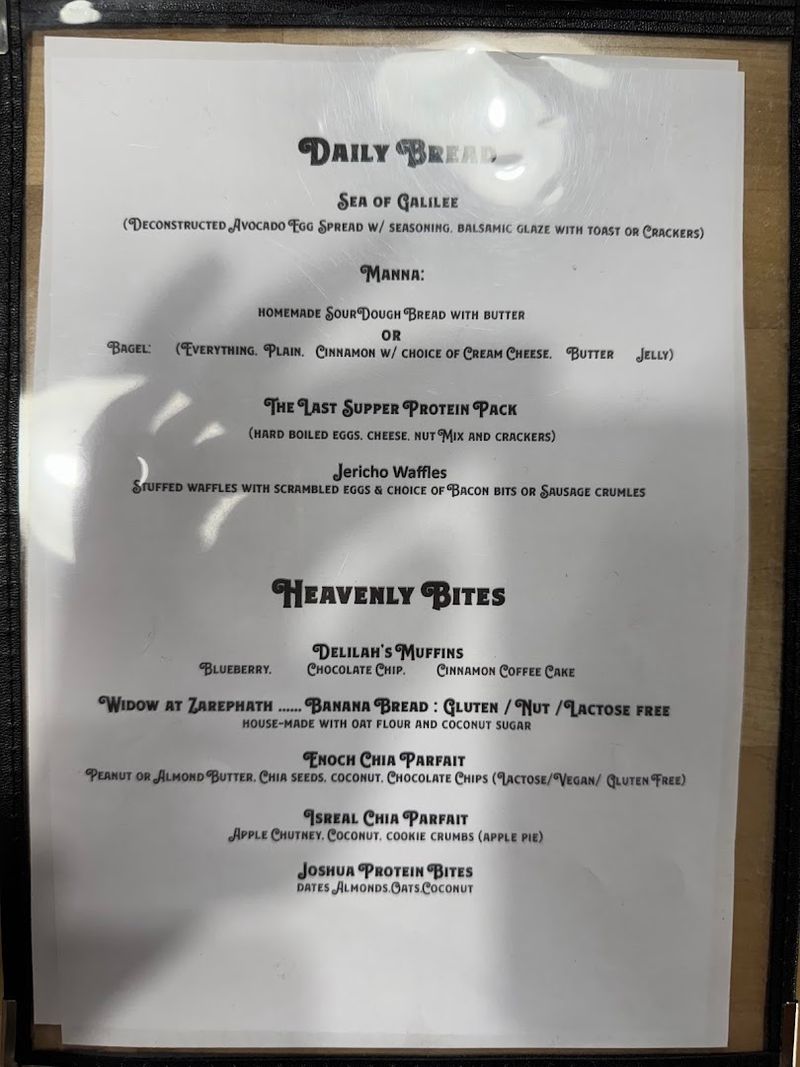
The menu lacks visible prices, which bothers some customers who value transparency before ordering. You don’t know what you’re committing to financially until the register rings up your total. This approach works fine for people unconcerned about budget, but it creates anxiety for those carefully managing their spending or trying to stay within specific limits.
Defenders of the pricing point to premium, organic ingredients, house-made syrups, and small-batch preparation. Everything costs more when you refuse to cut corners on quality. The coffee beans are better.
The milk is organic. The food is made from scratch rather than reheated from frozen. These choices drive up costs, and those costs get passed to customers.
Critics argue that small portions don’t justify high prices, regardless of ingredient quality. Paying thirteen dollars for a small waffle or over ten for avocado toast feels excessive when you can get fuller meals elsewhere for similar money. The value proposition breaks down when you leave still feeling hungry.
Even the fifty-cent charge for filtered water rubs some people wrong, though supporters note that filtration systems cost money to maintain and nothing is truly free in business. It’s a small detail that becomes symbolic of larger pricing concerns for budget-conscious visitors. The bottom line?
This cafe caters to customers who prioritize quality and values over bargain hunting. If you’re comparing prices to chain restaurants or big-box coffee shops, you’ll find sticker shock. If you’re supporting a local, faith-based business that sources carefully and prepares thoughtfully, the prices make more sense even if they still sting a bit.
Service That Feels Personal and Genuine
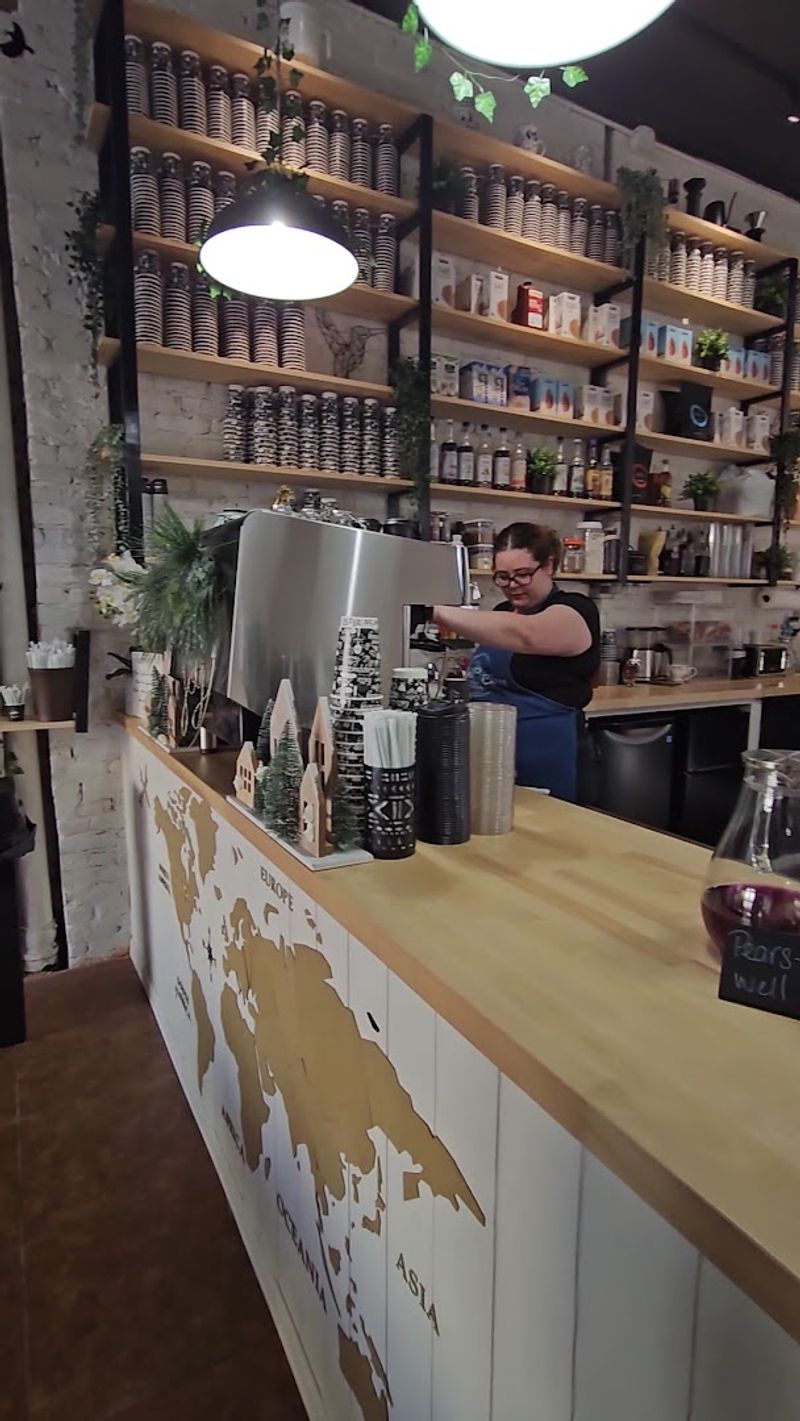
Kristy and her small team treat customers like actual human beings rather than order numbers shouted across a crowded room. They remember regulars’ names and usual orders. They offer recommendations based on your taste preferences rather than pushing whatever needs to sell.
This personalized approach creates loyalty that transcends convenience or price.
When something isn’t right with your drink, they remake it without attitude or argument. Customer satisfaction matters more than protecting profit margins on individual items. This philosophy shows up in countless small interactions that collectively create an atmosphere of genuine hospitality rather than transactional efficiency.
The owner’s visible presence makes a difference. She’s not hiding in a back office while minimum-wage workers handle everything. She’s greeting customers, making drinks, explaining menu items, and personally ensuring that people feel welcomed and valued.
That hands-on involvement communicates care in ways that corporate training programs can never replicate.
Staff members engage in real conversations rather than rushing through scripted pleasantries. They ask about your day and actually listen to the answer. They offer encouragement when you mention struggles and celebrate when you share good news.
These interactions transform a coffee purchase into a relationship, however brief.
Busy periods can strain the small team’s capacity, leading to longer waits and occasionally delayed service. With limited staff, patience becomes necessary from customers who are used to instant gratification. But most visitors find that the personalized attention is worth the extra time, especially compared to efficient but impersonal service at larger chains.
The warmth extends beyond just friendly smiles. When one customer mentioned battling cancer, Kristy encouraged her to write a prayer request on the wall and assured her of daily prayers. That level of personal investment in customer wellbeing goes far beyond standard business practices.
It’s the kind of service that makes people drive fifty minutes out of their way and leave glowing reviews praising not just the coffee but the people behind the counter.
A Space Designed for Connection and Reflection
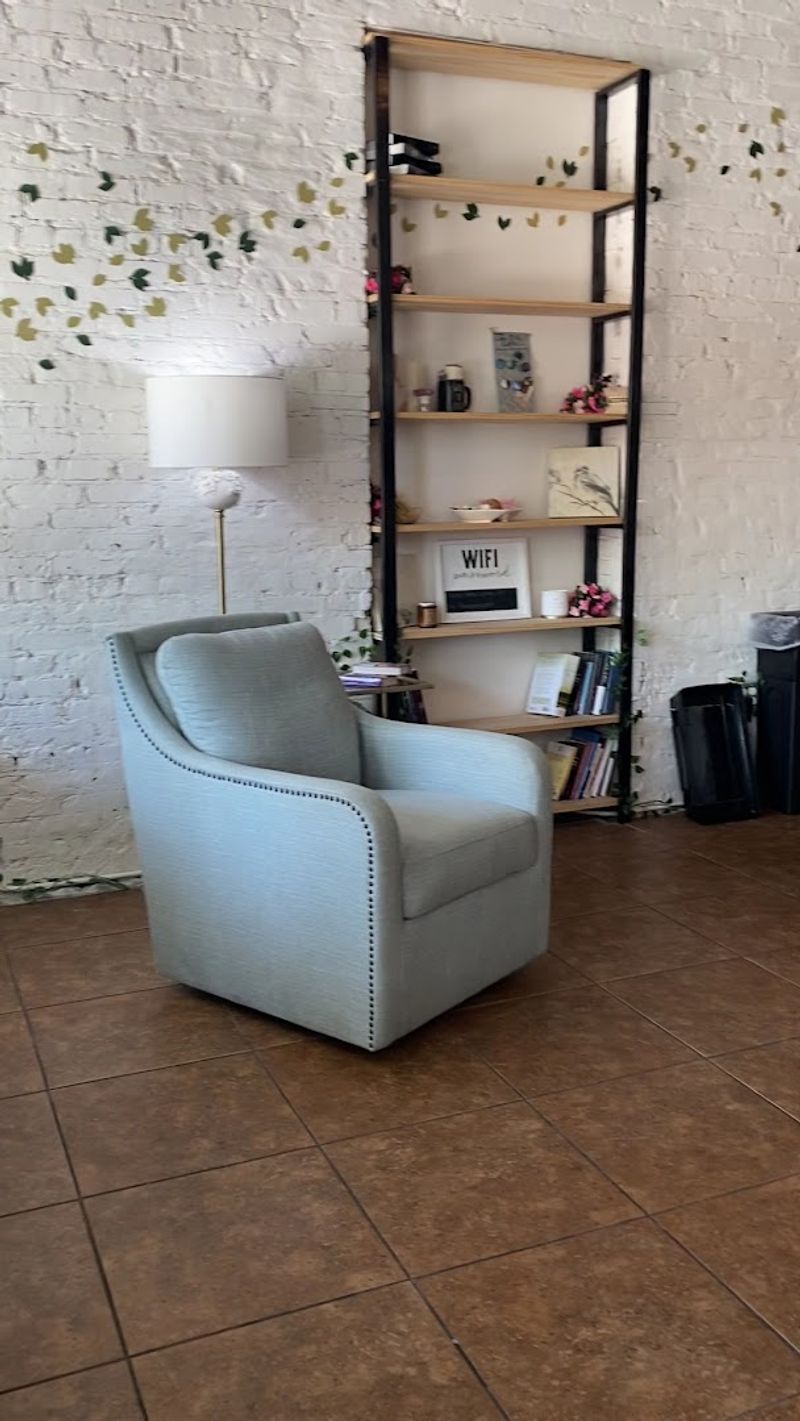
Window nooks with cushioned seating create perfect perches for solo visitors who want to watch the world pass by while sipping slowly. These spots fill up quickly because everyone wants that combination of comfort, natural light, and people-watching opportunity. Arriving early increases your chances of snagging one of these coveted seats.
Reading materials scattered throughout include Bibles, Christian books, and even coloring books for restless kids. The message is clear: stay awhile, engage your mind, feed your spirit. This isn’t a grab-and-go environment.
It’s a space intentionally designed to slow you down and invite you into deeper thinking or creative expression.
The aesthetic hits that Instagram-worthy sweet spot without feeling overly staged. Brick walls, greenery, natural light, and thoughtful decor create a backdrop that photographs beautifully while still feeling authentic and lived-in. It’s pretty without being precious, inviting without being intimidating.
Restrooms accessed through a side door lead into an adjoining historic hotel with its own beautiful lounge area. This unexpected connection adds character and convenience, especially for groups needing facilities. The cleanliness and maintenance of these shared spaces reflect well on both businesses.
Limited indoor seating means the space can feel crowded during peak hours, but the courtyard provides overflow options. The size constraints actually contribute to the cozy, intimate atmosphere that many customers love. You’re not lost in a cavernous chain store where everyone remains anonymous.
You’re sharing space with a manageable number of people in a room that feels more like someone’s living room than a commercial establishment.
Special events like Bible trivia and worship sessions transform the cafe into a community gathering space beyond its daily coffee service. These activities build relationships among regulars and create reasons to visit beyond just needing caffeine. The space adapts to serve multiple purposes: workspace, prayer room, social hub, creative sanctuary.
That versatility makes it valuable to different people for different reasons, all united by the common thread of seeking something more meaningful than a disposable cup of coffee.
The Controversy You Should Know About
Not everyone leaves happy, and the negative reviews raise legitimate concerns worth considering before your visit. Some customers feel the faith-based branding creates expectations for Christian behavior that the business doesn’t always meet. When your walls are covered in Scripture, people hold you to higher standards, fairly or not.
The most scathing criticism involves a spilled drink incident where the customer expected a free replacement and didn’t receive one. The owner’s policy of not replacing drinks spilled after delivery sparked anger and accusations of being un-Christian. The owner responded with Scripture-filled explanations about small business economics, which either impressed or annoyed readers depending on their perspective.
Pricing transparency remains the biggest recurring complaint. Multiple reviewers mention feeling blindsided by totals that exceeded expectations, wishing they’d known costs upfront before ordering. The lack of posted prices combined with premium costs creates a combination that feels, to some, like a bait-and-switch tactic.
Some guests perceive the Bible verses and Christian atmosphere as gimmicky rather than genuine, suggesting the faith elements serve marketing purposes more than spiritual ones. These critics argue that truly Christian businesses would demonstrate values through generous policies and lower prices rather than through wall decorations and Scripture-printed cups.
The owner’s detailed responses to negative reviews showcase both her passion and her defensiveness. She quotes Scripture extensively, explains business decisions thoroughly, and maintains her positions firmly. Some readers appreciate this transparency and backbone.
Others find it off-putting or preachy, wishing she’d simply apologize and move on.
Here’s the balanced take: this cafe clearly operates from genuine faith convictions, but it’s also a business that needs to survive financially. Those two realities sometimes create tension between ideals and economics. The owner isn’t perfect, the policies aren’t universally popular, and the experience won’t satisfy everyone.
But dismissing the entire operation as fake or money-grubbing seems unfair given the consistent praise from satisfied customers who return repeatedly and build real relationships with staff. Visit with realistic expectations, understand the pricing before ordering, and decide for yourself whether the values and quality match your priorities.