Most People Drive Right Past This Florida Forest Without Knowing a Civil War Fort Is Hidden Inside
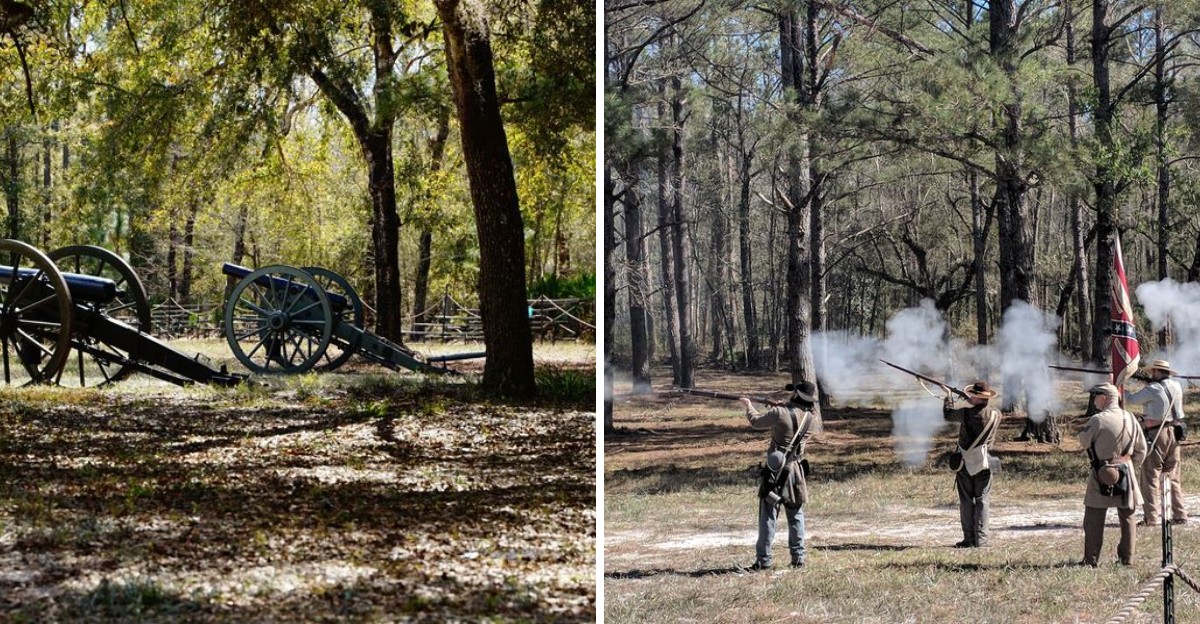
A river in north Florida ducks underground, pops back up, and once helped decide the fate of a state capital. That natural land bridge became the site of a fierce 1865 clash between Union and Confederate troops.
Teen cadets from a local school helped defend the crossing. Today, those same woods hold old earthworks, a stone monument, and quiet picnic tables under tall trees.
I like how plainly the place hides its story. Many folks cruise down the quiet country road nearby and never guess what happened beneath those pines. I can’t imagine a better spot for a history lesson that comes with fishing, paddling, and fresh air.
Each March, the smoke and cannon thunder return for a weekend. So what does a nearly forgotten battlefield look like the rest of the year?
1. The River Pulled A Disappearing Act And Changed History
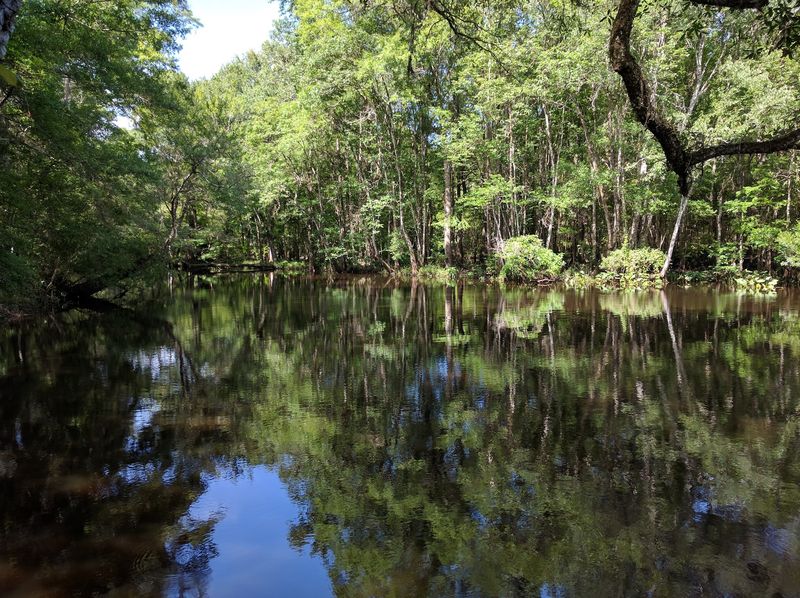
Rivers usually just keep flowing, but the St. Marks River had other plans. At Natural Bridge Battlefield Historic State Park, the river sinks into the ground and rises again a short distance away.
That stretch of solid earth over the hidden water is the natural bridge that gives the park its name. For travelers in the 1800s, it was one of the few dry ways to cross the river in this swampy area.
Geography like that matters a lot when armies are on the move. A dependable crossing could mean the difference between reaching a target and getting stuck in the mud.
The underground river comes from Florida’s limestone, which is full of holes, caves, and channels. Water carves through the soft rock over long stretches of time, creating sinks and springs across the region.
North Florida is packed with these quirky water features. Still, very few of them come with a dramatic chapter of American history attached.
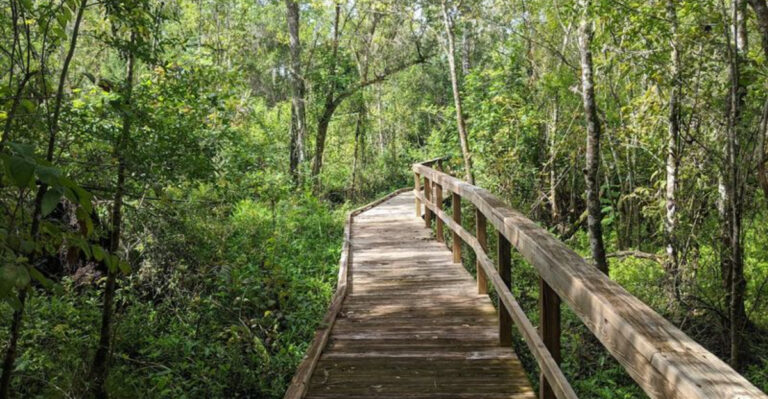
Standing near the river today, the scene feels calm and almost sleepy. Dark water, leaning trees, and the hum of insects make it hard to picture troops scrambling for position.
That contrast is part of the fun. You get a nature lesson and a history lesson in the same quick stop.
Before you leave, take a moment to look at the land itself. Knowing that a river is running somewhere under your shoes makes an ordinary patch of woods feel pretty amazing.
2. A Capital City Hung On This One Crossing In 1865
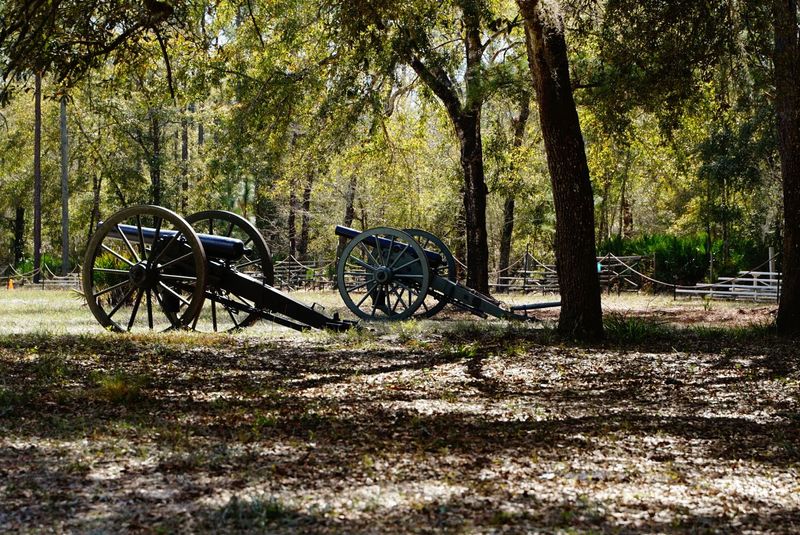
March 6, 1865, is the date that put this quiet forest on the map. Union troops had landed near the St. Marks Lighthouse with plans to push inland toward Tallahassee.
Getting there meant crossing the St. Marks River. After other routes were blocked, the Union force headed for the natural bridge.
Confederate defenders got there first and dug in. Their group included regular soldiers, local militia, older men, and young cadets.
The fighting lasted much of the day. In the end, the Union troops pulled back to their ships along the coast.
That result carries a fun trivia twist. Tallahassee became the only Confederate state capital east of the Mississippi River that Union forces never captured.
The battle came just weeks before the fighting across the country wrapped up. So the outcome didn’t change the big picture, but it mattered greatly to the people of Florida’s capital.
Here’s a detail that makes the story feel personal. The Confederate defenders included local militia members, regular soldiers, older men, and young cadets who fought to prevent Union forces from advancing toward Tallahassee.
Knowing this history before you visit adds a lot to the experience. The woods stop being just woods and start feeling like a page from a textbook you can actually walk through.
A short read on the battle beforehand helps too. Signs at the park are limited, so a little homework goes a long way toward understanding what happened here.
3. Teen Cadets Showed Up Ready To Defend Their Home
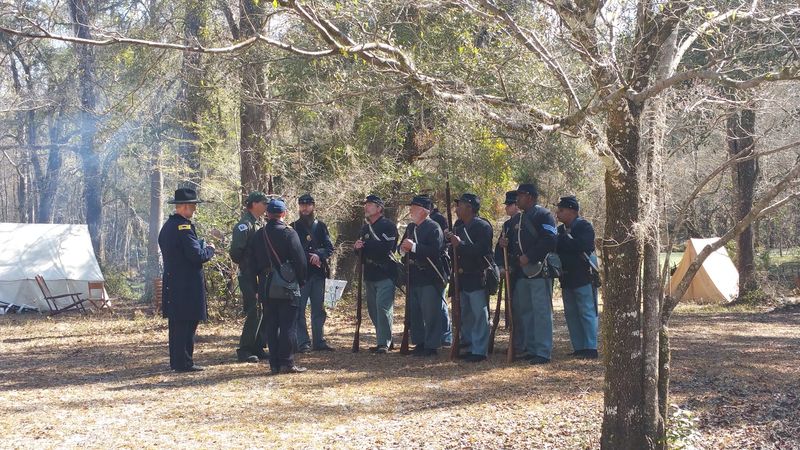
Some of the defenders at Natural Bridge were barely old enough to drive today. Cadets from the West Florida Seminary in Tallahassee marched out to help guard the crossing.
That school later grew into Florida State University. So yes, the roots of a major modern campus connect directly to this patch of forest.
The youngest cadets were only young teens. Picture swapping a math quiz for a muddy riverbank and a long day of tension.
Their role became a big point of pride for the university. FSU’s Army ROTC program has even been allowed to display a battle streamer honoring the cadets, a rare honor for a college unit.
Stories like this make history easier for kids to relate to. Students visiting the park can imagine someone close to their own age standing in the same spot.
It also sparks great questions on the drive home. Would you have been brave enough? What would your family have thought?
Bringing young history fans here works best with a little storytelling. Share the cadet story while walking near the monument, and the place suddenly clicks.
Parents and teachers will appreciate how much ground this one detail covers. It touches on school, community, courage, and how local events shape a whole region.
Natural Bridge Battlefield Historic State Park might be small, but its connection to Florida’s college scene is huge. Garnet and gold fans, take note.
4. Old Earthworks Are Sneakier Than You’d Expect
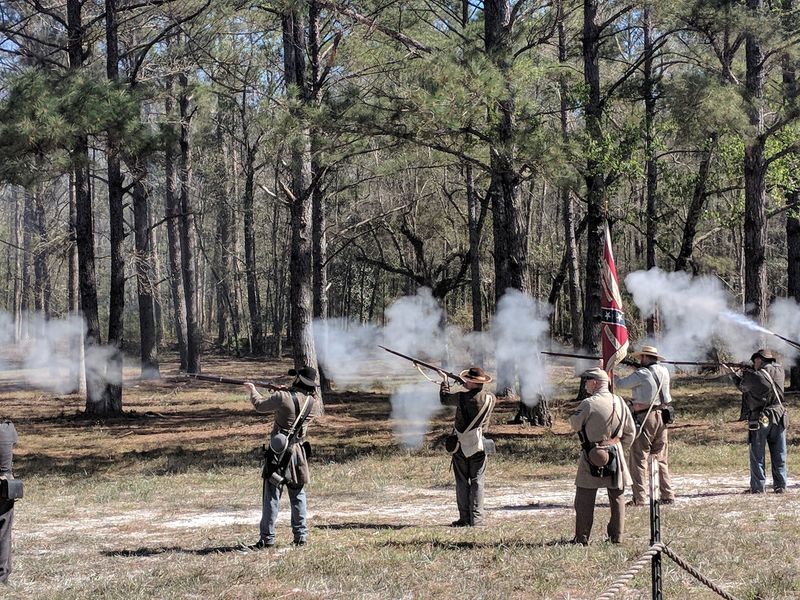
Forget towering stone walls. The Confederate defensive earthworks at this battlefield were made of earth, not towering stone walls, and traces of these positions remain part of the historic site.
Earthworks are mounds and trenches that soldiers dug for protection. At Natural Bridge Battlefield Historic State Park, traces of these defenses still shape the ground.
Time has softened them a lot. Grass, leaves, and trees now cover the ridges, so they can look like ordinary bumps in the land.
Once you know what to look for, though, your eyes start catching patterns. Long, low lines and dips in the soil hint at where defenders once took cover.
The park also features recreated breastworks near the main area. These help visitors see the basic idea of how the defenses worked.
A quick tip will save you some confusion. Signs are sparse, so reading up on the battle layout ahead of time helps you make sense of the land.
Please treat the earthworks gently. Climbing, digging, or using metal detectors can damage features that have lasted more than 150 years.
Kids often love this part because it feels like a treasure hunt. Ask them to spot the oddest shape in the ground and guess what it might have been for.
It’s a small reminder that history isn’t always behind glass. Sometimes it’s right there under the pine needles, waiting for someone to notice.
5. The Stone Monument Has Been Standing Guard For Over A Century
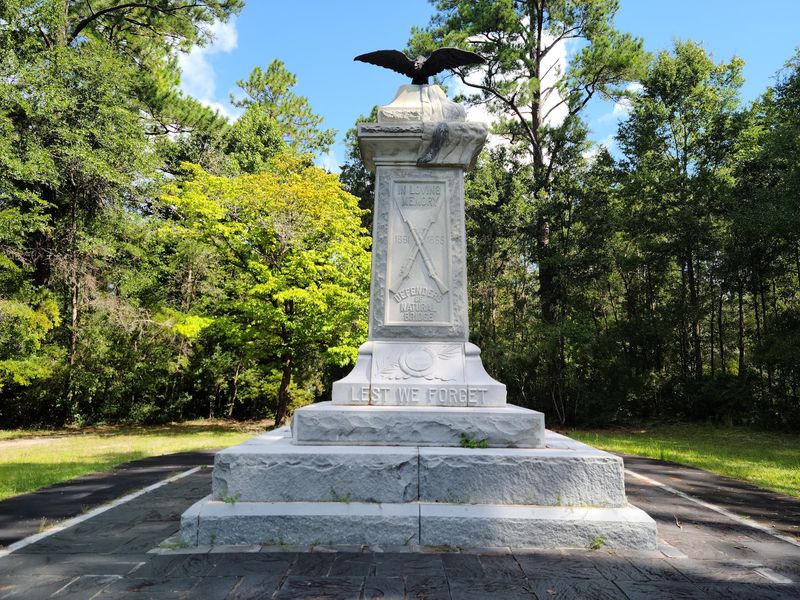
Back in 1922, the United Daughters of the Confederacy placed a tall stone monument at the battle site. It still stands today as the centerpiece of the park.
You’ll find it close to the parking and picnic area. That makes it the easiest piece of history to reach, even if you only have a few minutes.
The monument honors the defenders who held the crossing. Inscriptions on the stone share names and details connected to the battle.
Take time to read them slowly. The words offer a glimpse into how people remembered the event in the early 1900s.
Monuments like this tell two stories at once. One is about the battle itself, and the other is about how later generations chose to remember it.
That makes the spot a great conversation starter for families and students. History looks a little different depending on who’s telling it and when.
Photographers will find nice angles here too. The stone stands out against the green lawn and the tall pines around it.
Morning and late afternoon light tend to work best for pictures. Midday sun can feel harsh in Florida, especially during summer.
Since the monument sits near the picnic tables, it’s easy to pair a snack break with a little reading. Not a bad deal for a history lesson that requires zero homework.
6. Cannon Smoke Rolls Back In Every March
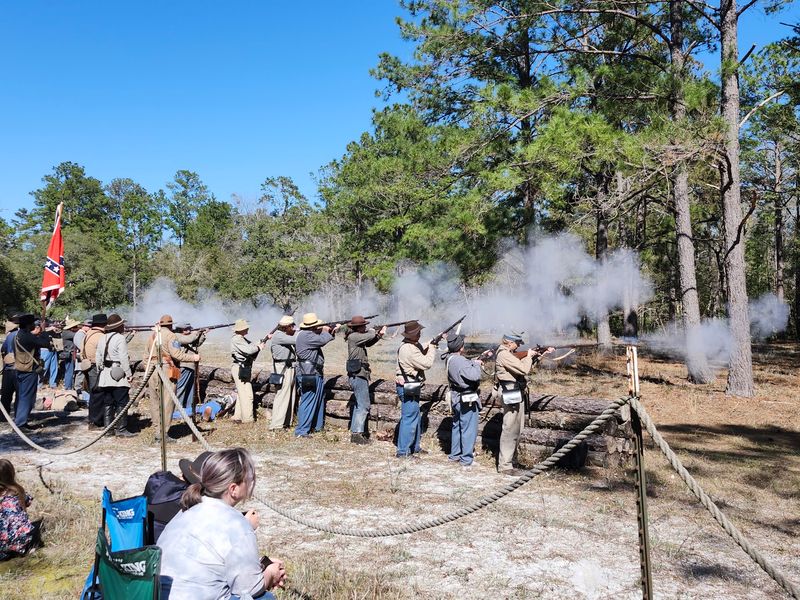
Boom. Once a year, the quiet forest gets loud again during the annual Battle of Natural Bridge reenactment.
The event usually happens in early March, close to the anniversary of the 1865 battle. Reenactors in period uniforms bring the day back to life with marching, musket fire, and cannon blasts.
For many families, this is the park’s main attraction. Kids who yawn at textbooks tend to perk right up when a cannon goes off.
Reenactment weekends often include camps where costumed living historians show how soldiers cooked, slept, and spent their days. Seeing the gear up close makes the story feel real.
Plan ahead if you want to go. Check the Florida State Parks event calendar for this year’s dates and schedule, since details can change.
Bring a folding chair, sunscreen, and plenty of water. North Florida weather in March can swing from chilly mornings to warm afternoons.
Ear protection is a smart idea for little ones. Cannon fire is exciting, but it’s also seriously loud.
Arriving early helps you find parking and a good viewing spot. The park is small, so a big event fills it up quickly.
If you catch the history bug, ask a reenactor about the hobby. Many groups welcome new members and love explaining their uniforms, equipment, and research.
7. Your Picnic Basket Will Feel Right At Home Here
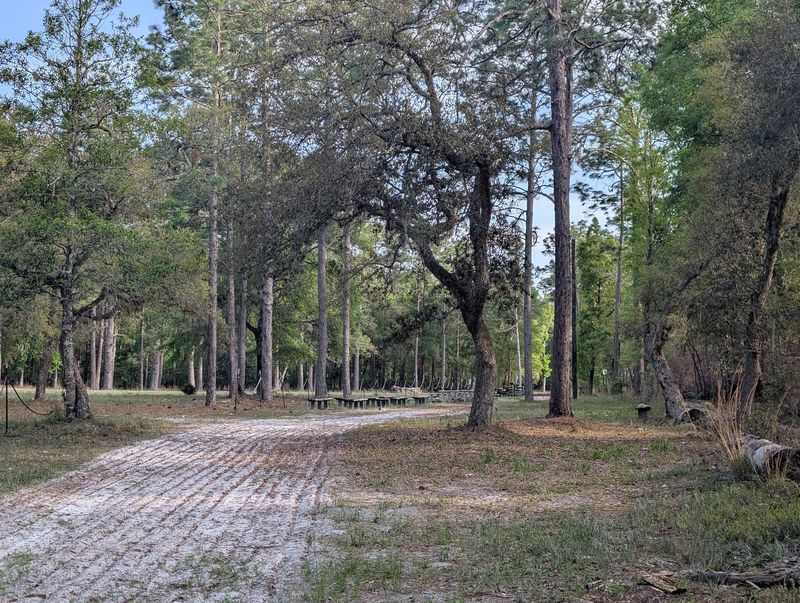
Sandwiches taste better under tall pines, and this park has the setup to prove it. Picnic tables and a pavilion sit near the main parking area.
It’s an easy, low-key stop for lunch. Many people pair a visit with a longer drive through Wakulla and Leon counties.
The park stays fairly quiet outside of event days. That makes it a nice break from busier attractions around the Tallahassee area.
Pack everything you need before you arrive. The park doesn’t have a snack bar or gift shop, so plan on bringing food and drinks with you.
Restrooms are available, which is a relief on a road trip. Still, it’s smart to bring hand wipes and a trash bag just in case.
Leave the area cleaner than you found it. Small parks like this rely on visitors pitching in to keep things looking good.
Bug spray deserves a spot in your bag too. Florida woods near water can get buzzy, especially in warmer months.
Admission works on an honor system with a small fee. Keep some cash handy so you can drop it in the box when you pull in.
Families with younger kids will like how compact everything is. The monument, tables, and recreated breastworks are all within a short walk of each other.
8. Grab A Rod Or A Paddle And Head For The Water
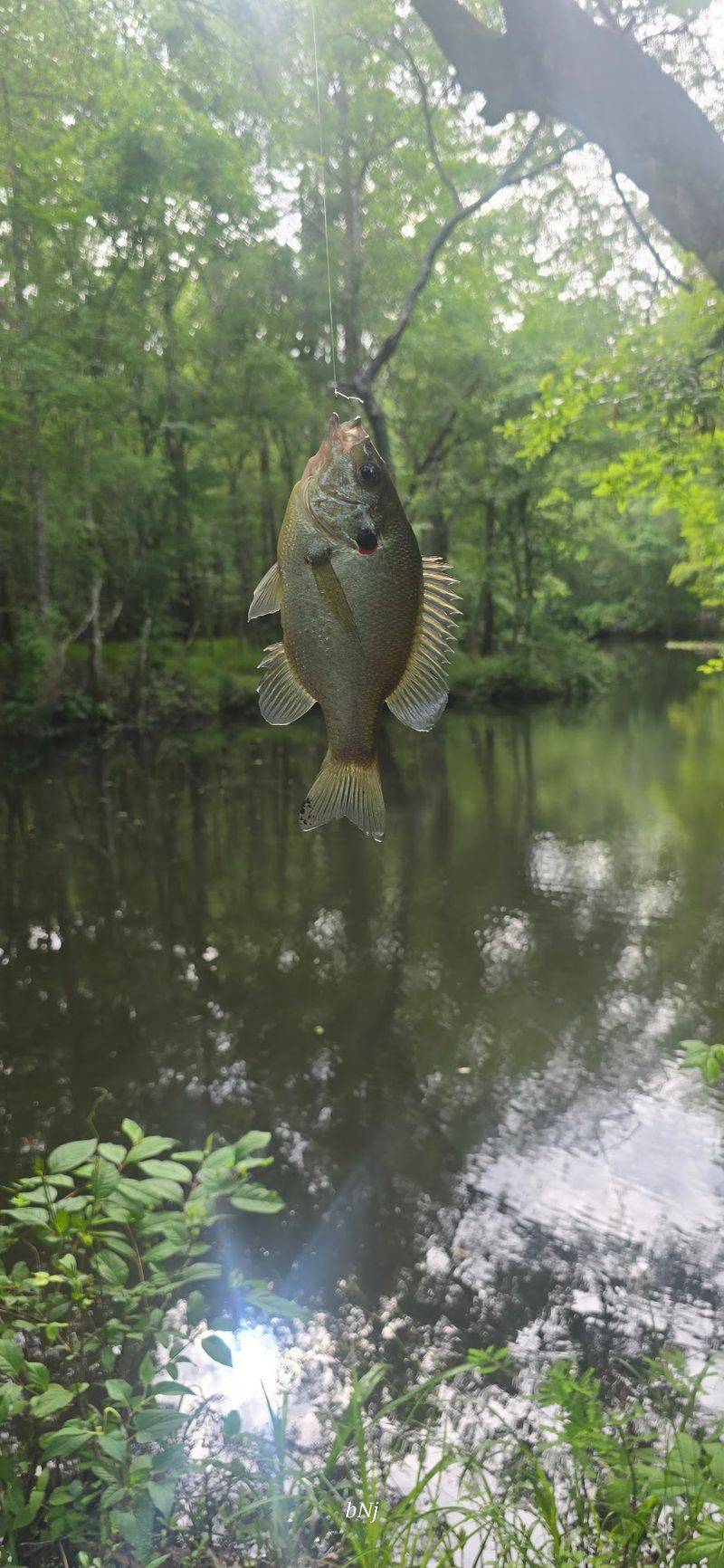
Anglers, this one’s for you. The St. Marks River flows right through the park, and fishing is a popular way to spend an afternoon.
Bowfin, bream, and bass are among the fish that live in these waters. A valid Florida fishing license is required for most anglers, so get one before you cast.
Paddlers can explore the river by kayak or canoe. The water winds through thick forest, giving trips a peaceful, tucked-away feel.
Launching takes a little grit though. The riverbank can be muddy, so wear shoes you don’t mind getting messy.
The river here is shaded and slow in many spots. That makes it inviting for calm paddling, but always check water levels and weather first.
Bring your own gear, since the park doesn’t rent boats. A dry bag for your phone and keys is a smart extra.
Wildlife sightings are part of the bonus. Birds, turtles, and other river creatures often show up along the banks.
Keep a safe distance from any animals you spot. Alligators live in Florida waterways, and they deserve plenty of space.
Fishing and paddling also give you a new view of the natural bridge area. Seeing the river up close helps explain why that dry crossing mattered so much back in 1865.
9. Easy To Find Once You Know Where To Turn
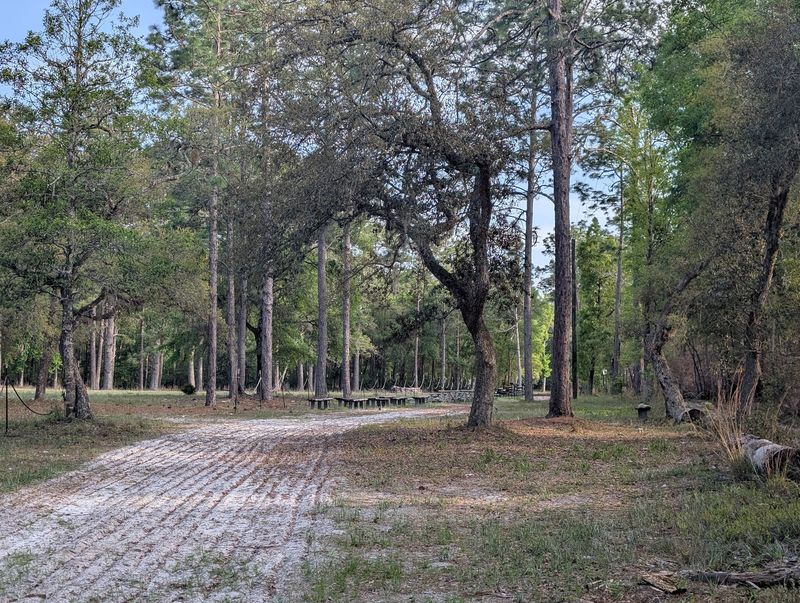
Getting here is part of the charm. Natural Bridge Battlefield Historic State Park sits at 7502 Natural Bridge Rd, Tallahassee, FL 32305.
The park lies south of downtown Tallahassee in a rural, wooded area. Country roads and tall pines lead the way, which explains why so many drivers zoom past without a second look.
Plug the address into your map app before you leave town. Cell signal can get spotty in the woods.
Nearby attractions make it easy to build a full day trip. The St. Marks Lighthouse, where Union troops first came ashore in 1865, is a great add-on.
Wakulla Springs State Park is also within driving distance. Its huge spring and river boat tours pair nicely with a morning of history.
Back in Tallahassee, the Florida Historic Capitol Museum continues the story. It’s a fitting stop, since protecting the capital was the whole reason for the battle.
Visiting with a plan helps you make the most of the trip. Natural Bridge works well as a one-hour stop or a relaxed half day with fishing.
Cooler months are especially pleasant for exploring Florida’s backroads. Summer heat and bugs can be intense, so early visits are wise.
Next time you’re cruising through this corner of the state, slow down and make the turn. A big piece of history is waiting just past the trees.