Most People Have No Idea This Remote Island Ghost Town In Florida Exists
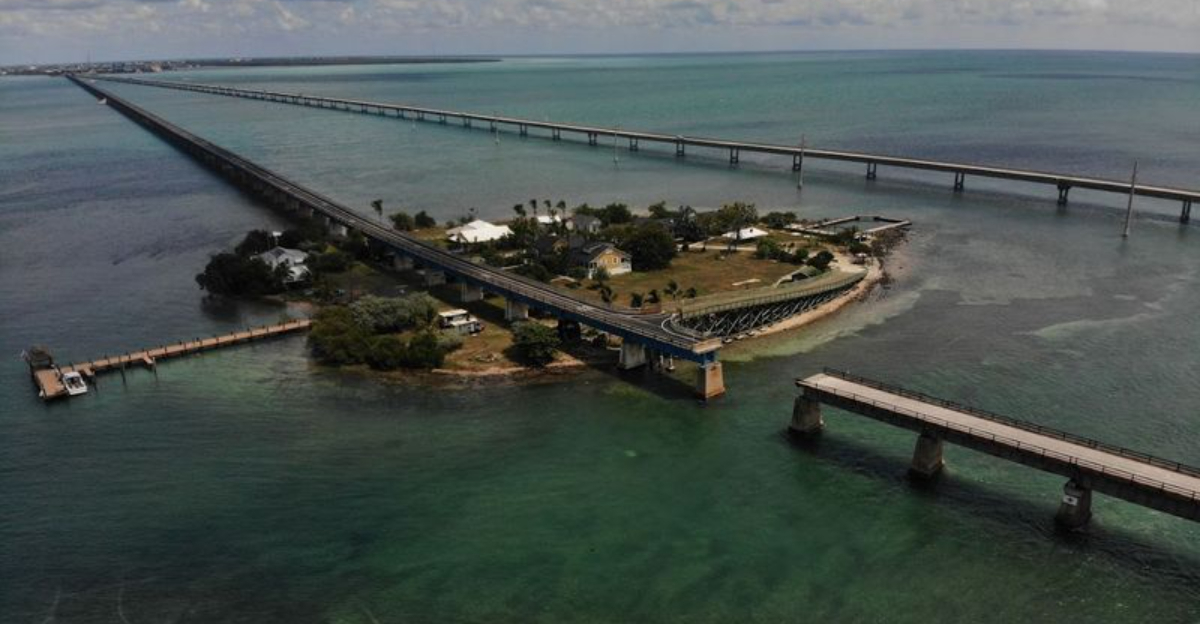
Hidden beneath the shadow of the Old Seven Mile Bridge, Pigeon Key feels like a ghost town preserved by the sea breeze. You step onto five acres and suddenly time slows, stories linger, and the railroad’s daring past whispers from weathered porches. Pack lunch, bring a bike or hop the tram, and be ready for fees and quirky logistics.
Stay a while, snorkel, and let history meet turquoise water in the most unexpected corner of the Keys.
1. The Old Seven Mile Bridge Approach
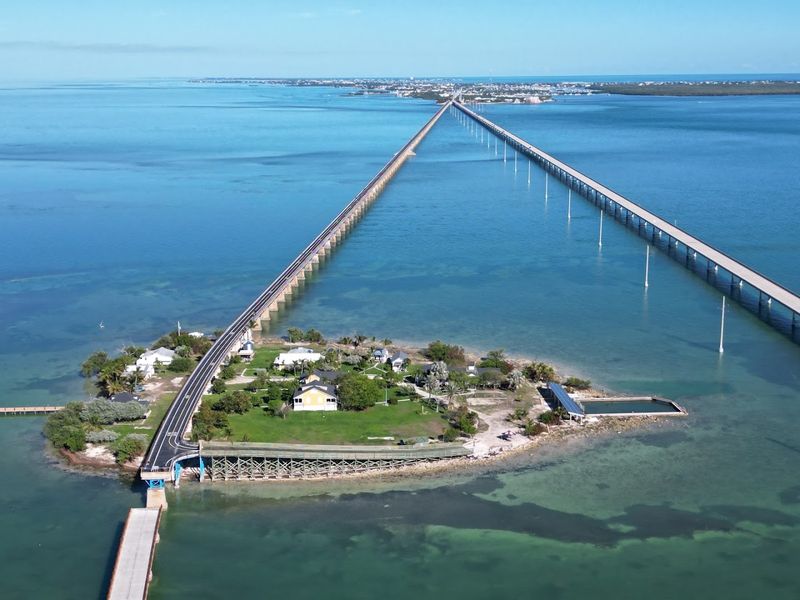
Crossing the Old Seven Mile Bridge to Pigeon Key feels like rolling into a living postcard. The water flashes aquamarine and cobalt, and the tiny island appears like a mirage anchored to history. Bike if you can, because the breeze is pure Florida Keys freedom and the views are endless.
Logistics matter here. The tram pickup is a quarter mile away from the main lot, and schedules can shift, so double-check. If walking, bring sun protection, water, and patience for the round trip.
That long, low ribbon of concrete carries stories of Flagler’s bold dream, hurricanes survived, and generations of visitors who came for the views and left obsessed with the past.
2. Flagler’s Railroad Legacy Museum
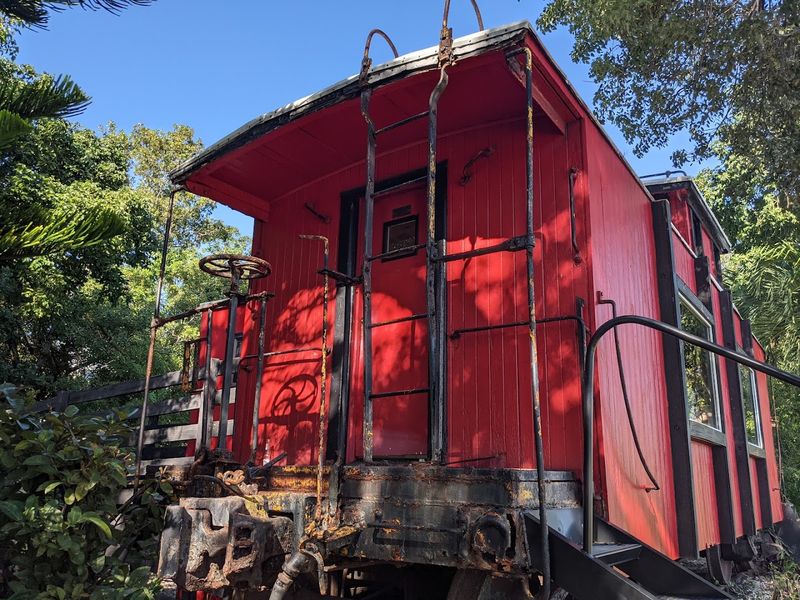
Inside the museum, the Overseas Railway comes alive through photographs, tools, and dioramas that map vision to reality. You stand inches from artifacts that outlived storms and heat, imagining crews laying track over open ocean. Guides weave Flagler’s ambition into human stories that feel startlingly present.
Give yourself time to read, listen, and breathe it all in. The exhibits explain how the railroad transformed Florida, then how the highway followed. You see hardship, ingenuity, and grit in every panel.
When you step back outside, the wind off the water hits differently. Suddenly, the bridge is not only scenic. It is testimony, and the island around you becomes a classroom without walls, humming with history.
3. Historic Worker Cottages And Commissary
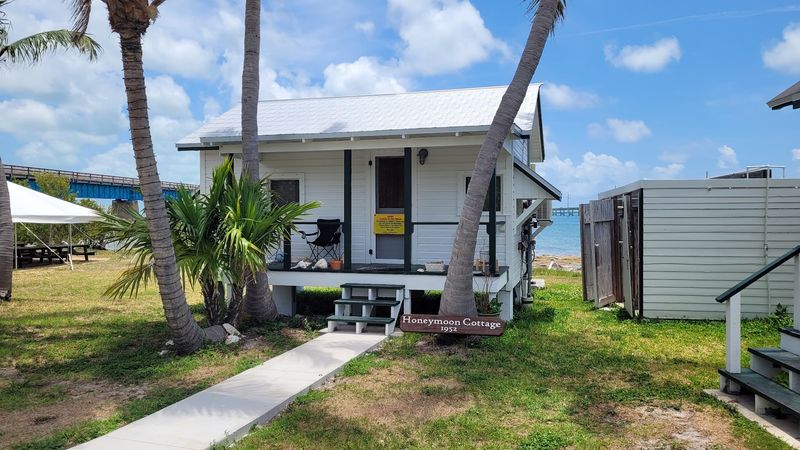
Walk the sandy paths past weathered cottages and the old commissary, and it feels like the crew just stepped out for a break. Porches creak softly, palms whisper, and plaques share how more than 400 workers lived here at once. Imagine the mosquitoes, the heat, the camaraderie, and the stubborn pride.
Some buildings are used for education programs now, so you cannot enter every door, but the exteriors still speak volumes. Read the signs, peek through windows, and respect closed spaces. The commissary’s tale of supplies, rations, and repairs paints daily life in practical strokes.
This is the ghost town heartbeat of Pigeon Key. It is quiet, lived-in, and hauntingly human beneath the Keys sun.
4. Snorkeling And The Clear-water Edge
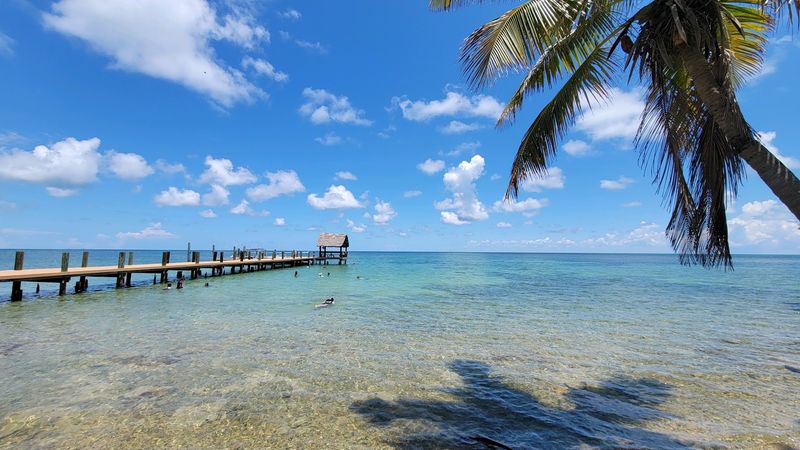
Bring snorkel gear and water shoes, because the shoreline is rocky and the water teems with life. Even from the dock you might spot schools of fish cruising like shifting silver clouds. On calm days the visibility is unreal, and the colors pop like a reef-side daydream.
There is a pool-like basin where sharks and fish sometimes gather during educational feedings, so always follow staff guidance. No lifeguards, so you are responsible for safety and currents. Pack towels, reef-safe sunscreen, and a dry bag.
If time is tight, just dangle your feet and watch. You will still get that Keys magic, the kind where history fades and the ocean writes its own sparkling footnotes.
5. Tours, Guides, And The Little Train
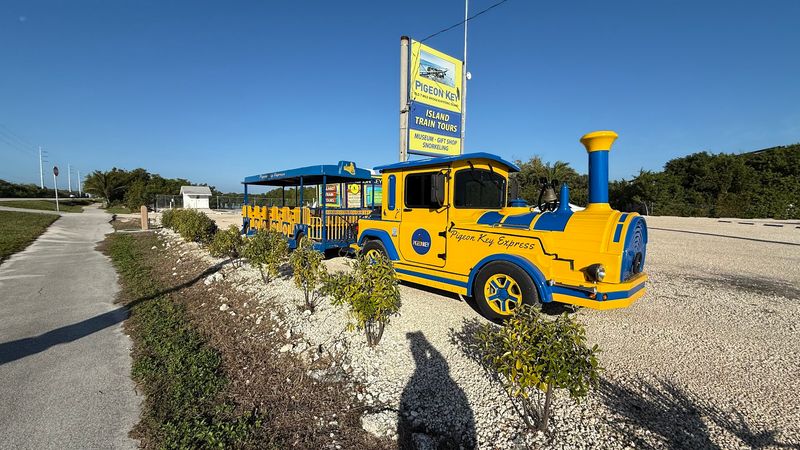
The guided tours are the island’s secret sauce, turning facts into stories you carry home. Guides like CT and Eric pour passion into each stop, connecting the cottages, museum, and bridge into a single, unforgettable timeline. You will laugh, learn, and probably linger with new questions.
Consider the little train or tram for a relaxed arrival, but plan around the posted times. Late tours pair perfectly with shark feeding demonstrations. Early tours let you stay and snorkel longer.
Tip your guide if you enjoyed the experience. They keep Pigeon Key’s past vivid, making even the hot walk back over the bridge feel like a victory lap through history.
6. Practical Tips: Fees, Facilities, And Packing
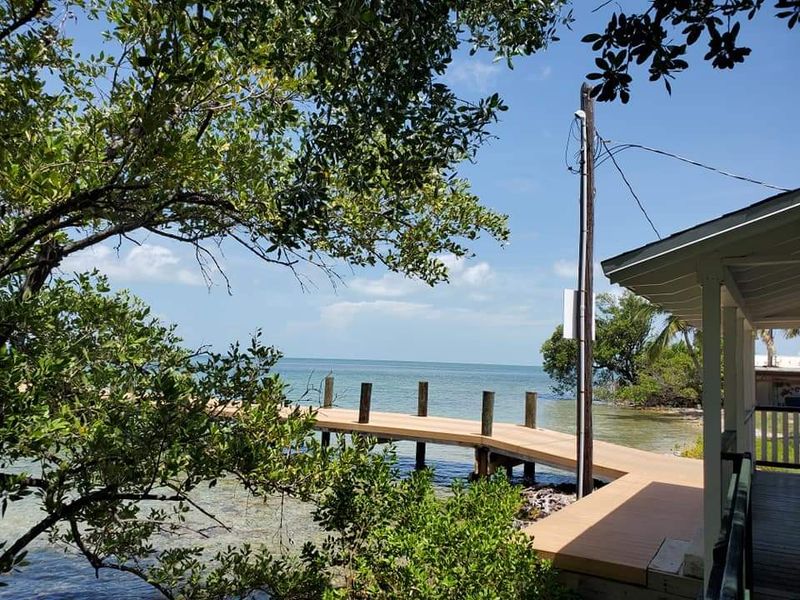
Budget for entry fees and remember that some services are à la carte. Bring lunch, snacks, and plenty of water. Restrooms are on the island, but not at the bridge start, so plan accordingly.
Wear breathable clothing, a sun hat, and good sandals or sneakers for the bridge approach.
Biking is often the smoothest option when the tram schedule feels slippery. Pack reef-safe sunscreen, a towel, and a small first aid kit. Cash or card for souvenirs and tips helps.
Double-check weather, wind, and heat index before committing to the walk. With these basics covered, the whole day flows easier, and you spend your energy on views, history, and that calm Keys rhythm.
7. Why Pigeon Key Feels Like A Ghost Town
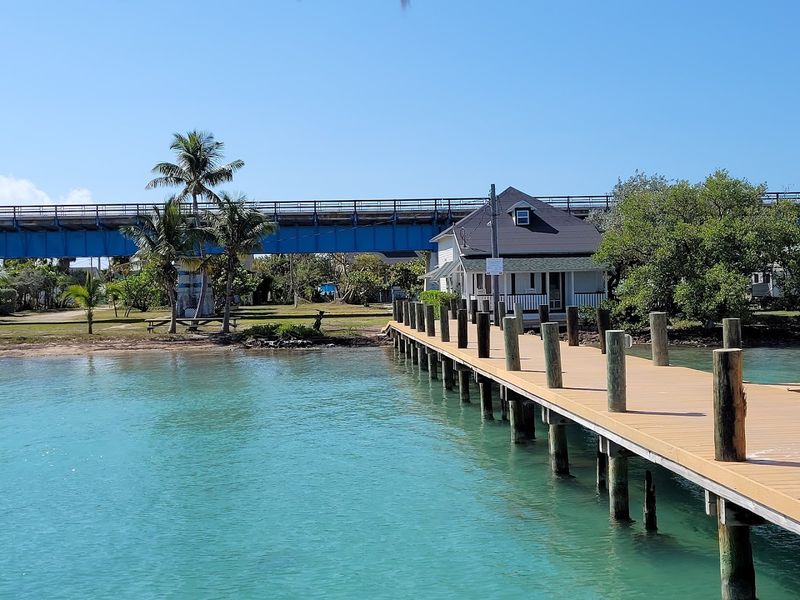
Call it a ghost town because the echoes are everywhere. The crew barracks still line sandy lanes, and the wind threads through rails that led to the horizon. Visitors come and go, yet the island keeps its measured hush, like it is guarding the last shift change.
But this place is not abandoned. It is carefully kept, interpreted, and shared by people who love it. That is what you feel when the tram pulls away and quiet returns.
History hangs in the warm air, patient and generous. You leave with sunburned cheeks, a camera full of blues, and the sense that Pigeon Key waited for you to notice it, then let you in.