Nobody Talks About How Beautiful These 10 Florida Parks Get in the Fall
Florida has a waterfall that plunges 73 feet into a sinkhole, and almost nobody mentions it when the leaves turn. Somewhere else in the state, wild bison graze a prairie as its grasses fade toward gold.
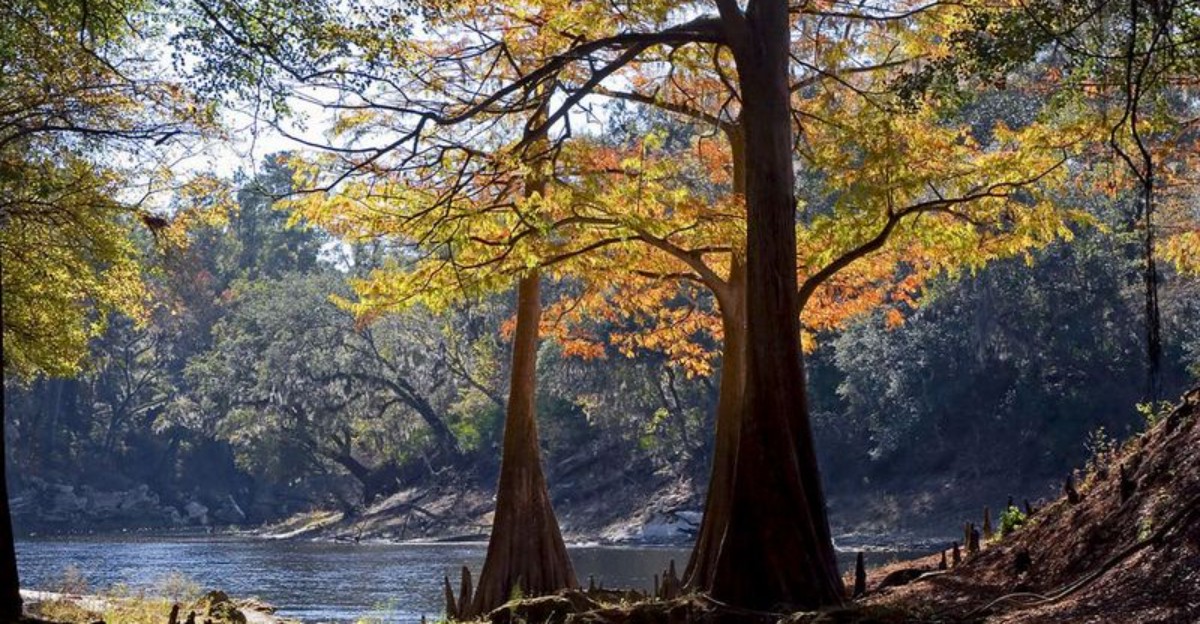
I had no idea Florida could pull off autumn this well. Southern sugar maples, sweetgums, and bald cypresses swap their green for red, copper, and orange along bluffs, rivers, and springs.
Cooler air also makes fall a great time to hike the long trails that feel brutal in July. Boardwalks, treetop walkways, and glass-bottom boats suddenly sound a lot more fun without the summer sweat.
So why does nobody brag about this season? I suspect the beaches hog the spotlight, and the forests are too quiet to complain. These ten parks make a seriously strong case for packing a light jacket and a camera instead of sunscreen.
1. Torreya State Park
Few Florida parks sit high enough to look down on a river, but Torreya pulls it off from bluffs above the Apalachicola. That height brings a hardwood forest that feels more like hill country than the Sunshine State.
From late October through mid-November, the leaves start showing off in red, orange, and yellow. Southern sugar maples, sweetgums, and sourwoods do most of the heavy lifting.
The park takes its name from the Torreya tree, a critically endangered species found naturally only along these bluffs. You’re basically visiting the hometown of one of the rarest trees in the country.
Trail lovers get more than 16 miles to explore, so pack snacks and decent shoes. The rugged Torreya Hiking Trail serves up hills that might surprise anyone who thinks Florida is flat.
Want a payoff at the end? The Weeping Ridge Trail leads to a small waterfall, which is a fun reward for tired legs.
History shows up here too. The Civilian Conservation Corps developed the park in the 1930s, and its handiwork still shapes the visit.
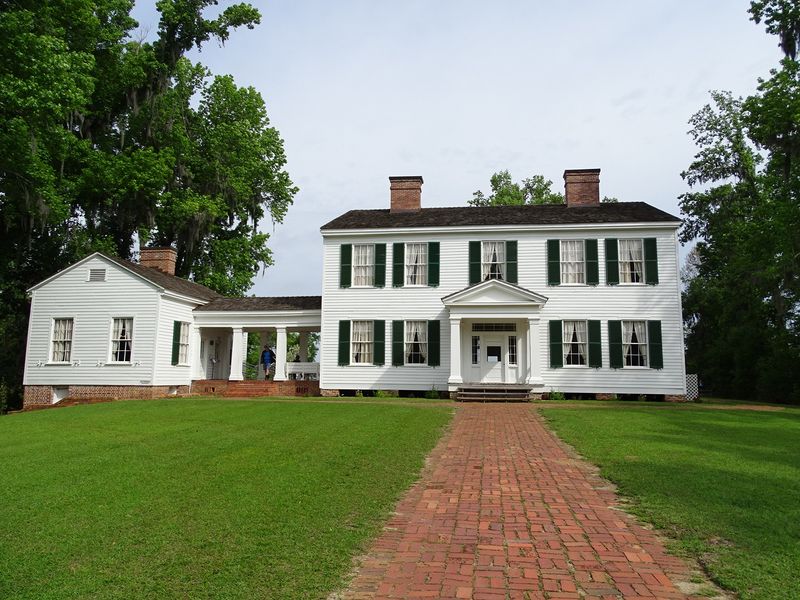
The Gregory House, an 1849 plantation home, once stood across the river. The CCC moved and rebuilt it inside the park in 1935, which is a wild amount of effort for one house.
Along the bluffs, you can also spot Civil War-era gun pits that once guarded the river. Bird watchers get a bonus, since more than 100 species have been recorded in the park.
Photographers should aim for the overlooks when the sun sits low. The river valley below makes the colors stand out even more against the sky.
Bring binoculars and a light layer for crisp mornings. Fall here rewards anyone who shows up early and walks slowly.
Address: 2576 NW Torreya Park Road, Bristol, FL 32321
2. Wekiwa Springs State Park
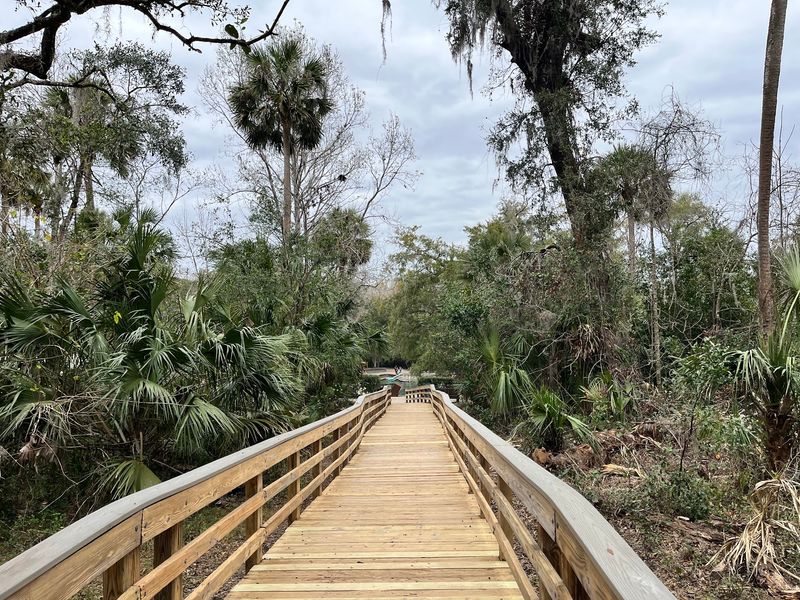
Orlando has roller coasters, but Wekiwa Springs has a 72-degree pool that never needs a ticket line. The spring stays that temperature year-round, which feels amazing once fall mornings cool off.
Swimming and snorkeling happen right in the spring itself. The water is clear enough to make your goggles feel almost optional.
Fall colors here are sneaky. Cypress, maple, sweetgum, sugarberry, and persimmon trees turn orange and yellow right next to green palms.
That mix is half the fun. Where else can you see autumn leaves and palm fronds in the same photo?
For a slower view, rent a canoe, kayak, or paddleboard and head onto the Wekiva River. It’s a state-designated Wild and Scenic River, so the shoreline stays wonderfully wild.
Keep your eyes moving while you paddle. Alligators, otters, deer, and plenty of birds live in the area.
Florida black bears roam the park too. Give any bear plenty of space, and store snacks properly if you camp.
Back on land, miles of trails welcome hikers, cyclists, and horseback riders. The paths wind through sand pine scrub, pine flatwoods, and hardwood hammocks.
Each habitat looks a bit different in fall light. The hardwood hammocks are where the turning leaves live, so save some energy for them.
Being so close to the city makes this an easy half-day trip. You can trade traffic for treetops in a short drive from Orlando.
Pack a towel and a light layer for the ride home. Wet hair and a breezy fall afternoon can be a chilly combo.
Address: 1800 Wekiwa Circle, Apopka, FL 32712
3. Falling Waters State Park
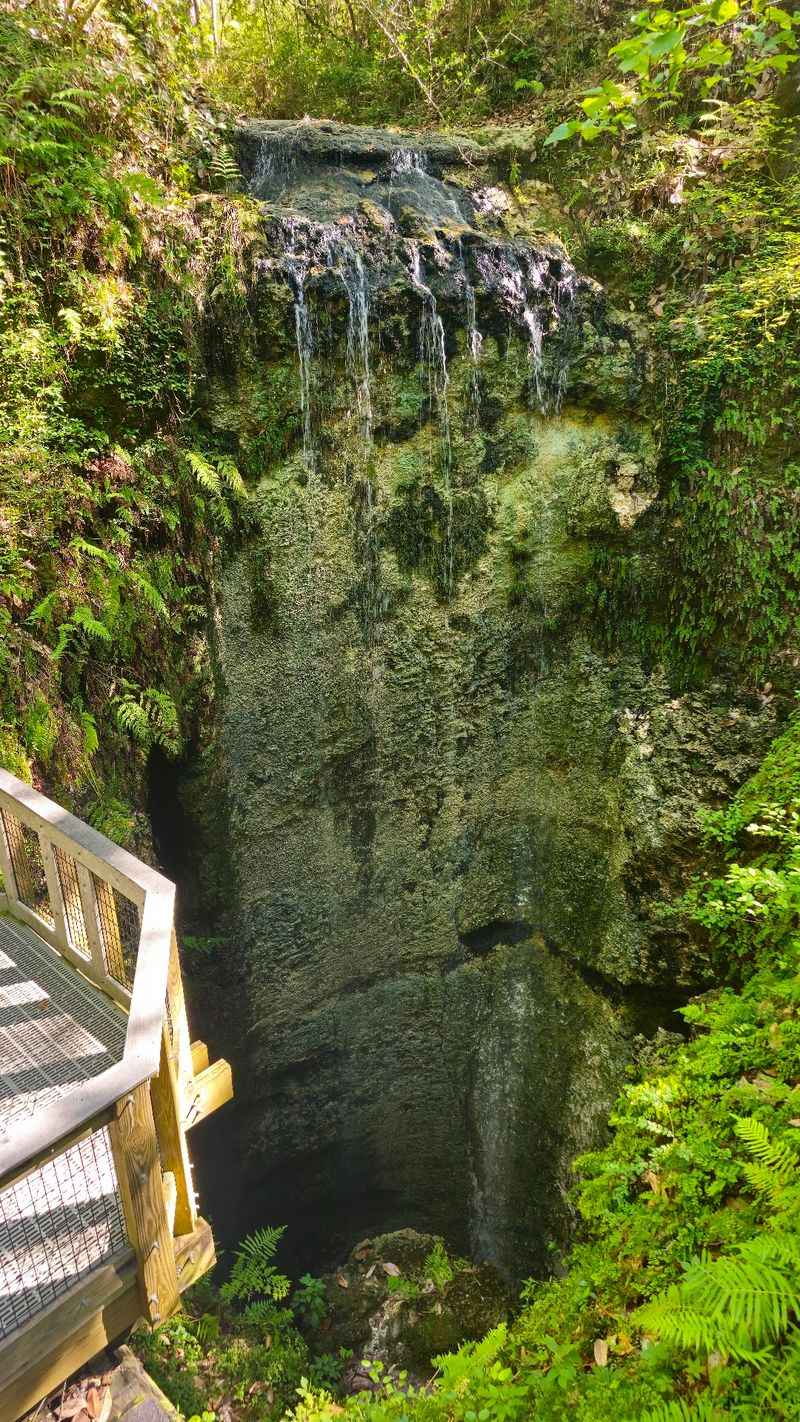
Florida’s tallest waterfall doesn’t crash into a lake or a river. It drops 73 feet into a cylinder-shaped sinkhole, which sounds made up until you read the details.
That sinkhole is about 100 feet deep and 20 feet wide. The water simply disappears into the ground, which is a magic trick nature pulls off for free.
Flow depends on rainfall, so timing matters. Try visiting after a good rain if you want the falls at full strength.
The Sinkhole Trail gets you there on a boardwalk. It passes huge trees and fern-covered sinkholes, so the walk is half the show.
The landscape around the falls is the real surprise. Rolling hills and mature forests here feel closer to the southern Appalachians than to a beach town.
Upland pine and hardwood forests cover much of the park. Wildflowers bloom here in fall, adding color low to the ground while the trees change overhead.
The hills also make for a sneaky workout. Your calves may be surprised by how much climbing this corner of Florida offers.
Need a break from hiking? A two-acre lake with a white sand beach offers a quiet spot to sit and rest.
History fans get two fun stops. You can find remains of a Civil War-era gristmill on the grounds.
Even stranger, the park marks the site of Florida’s first oil well, drilled in 1919. No, it didn’t turn the Panhandle into Texas.
Bring a camera with a wide lens for the sinkhole shot. Fitting a 73-foot drop into one frame takes some creative angles.
Pair the falls with a lap around the lake for an easy afternoon. Your fall weekend plans just got a lot more interesting.
Address: 1130 State Park Road, Chipley, FL 32428
4. Edward Ball Wakulla Springs State Park
Connected to this park’s spring is the longest mapped underwater cave system in the United States. Talk about a basement.
The star is Wakulla Spring, one of the largest and deepest freshwater springs in the world. Its water feeds the Wakulla River and stays somewhere between 68 and 72 degrees.
Fall is a great time to admire that blue water from shore. The surrounding Southern hardwood forests and maple-cypress areas add pops of seasonal color.
Look low as well as high. Wildflowers add small bursts of color along the trails in autumn.
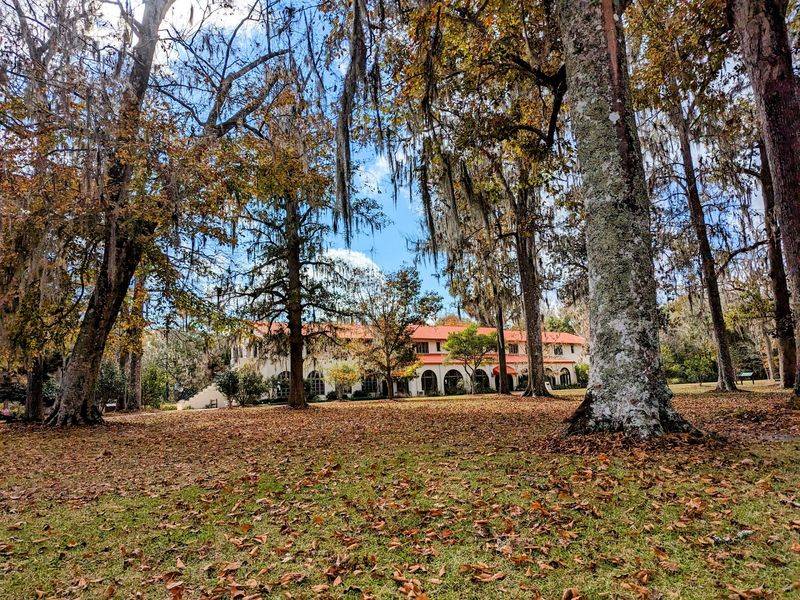
Then there’s the Lodge at Wakulla Springs, built in 1937 by financier Edward Ball. Its Mediterranean Revival style makes it look like it wandered in from another century.
Head inside and look up. Hand-painted ceilings show Old Florida scenes, and period furniture fills the rooms.
That lodge gives the whole park a classic Old Florida mood. It’s easy to picture visitors from decades ago enjoying this same view.
Wildlife fans should keep a sharp eye on the water. Alligators and many bird species call this area home.
Manatees show up too, especially as the weather turns colder in winter. A late fall visit could give you a head start on that season.
Trails here offer shady walks through the hardwood forest. They’re a calm way to watch the season change without leaving the springs far behind.
Tallahassee sits a short drive north, which makes this an easy day trip from the capital. Bring snacks and turn it into a full afternoon.
Pack a sweater if you plan to linger near the spring late in the day. Even in Florida, fall evenings by the water can feel crisp.
Address: 465 Wakulla Park Drive, Wakulla Springs, FL 32327
5. Washington Oaks Garden State Park
Most beaches give you sand and shells, but this one adds rugged rock formations made of coquina. They line the Atlantic shore like nature’s own sculpture garden.
Across the road, a completely different scene waits in the formal gardens. Paths wander past reflection ponds beneath a canopy of oak hammocks.
Azaleas, camellias, and bird of paradise grow among native and exotic plants. Camellias tend to bloom in the cooler months, so fall and winter visits can bring early color.
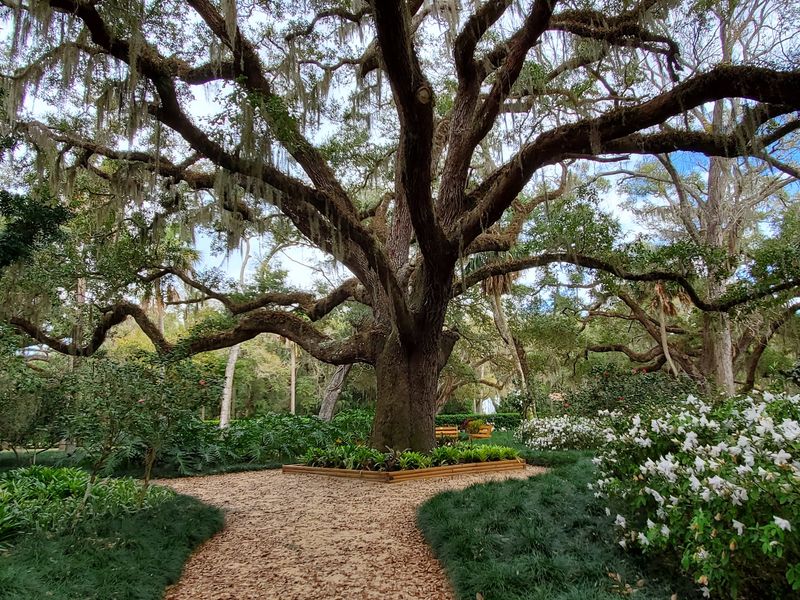
Keep an eye out for the grand old live oak that gives the gardens their storybook feel. It’s the kind of tree that makes you want to sit and stay a while.
The two sides of the park feel like separate worlds. One minute you’re hearing waves, and the next you’re surrounded by quiet garden paths.
The park sits between the Atlantic Ocean and the Matanzas River. That means you get two waterfronts in one stop.
Anglers can cast from the beach or the seawall. Even if fishing isn’t your thing, the river views make a relaxing break.
Feeling restless? The Bella Vista Trail system winds through coastal maritime hammock for hikers and bikers.
Fall brings migrating birds and butterflies through the area. The park is part of the Great Florida Birding and Wildlife Trail, so binoculars are smart to pack.
Check tide times before you head to the beach side. Lower water can reveal more of the rocky shoreline for exploring.
Wear shoes with grip for the rocks. Coquina can be rough on bare feet.
Plan a morning at the beach and an afternoon in the gardens. That combo turns a simple day trip into a full seaside escape.
Address: 6400 North Oceanshore Boulevard, Palm Coast, FL 32137
6. Myakka River State Park
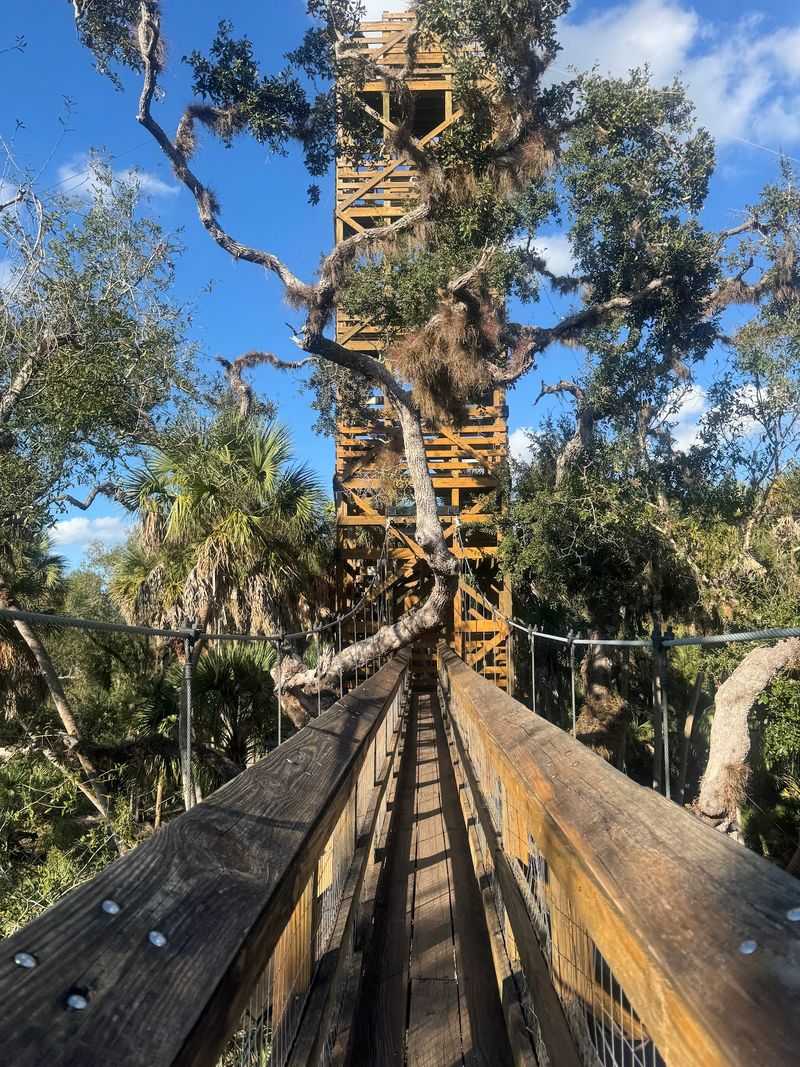
Walking 25 feet above the ground is not a typical Florida hobby, but Myakka makes it easy. The Myakka Canopy Walkway was North America’s first public treetop trail.
Up there, you look across the tops of the hammock trees. The view gives you a bird’s-eye sense of how big this place really is.
And it’s big. The park covers about 58 square miles of wetlands, prairies, hammocks, and pinelands.
The Myakka River runs through it and holds a state Wild and Scenic River title. It’s one of Florida’s oldest and largest state parks, so there’s plenty of room to roam.
Fall paints the prairies with wildflowers. The show is subtle, so slow down and look closely along the open edges.
Comfortable fall temperatures make this a smart time to explore more than 40 miles of trails. Hikers, cyclists, and horseback riders can share the backcountry.
Prefer letting someone else steer? Airboat tours on Upper Myakka Lake offer a fast way to scan for wildlife.
Alligators, deer, wild hogs, and loads of birds live here. A pair of binoculars will earn its spot in your bag.
Safari tram tours into the backcountry start in mid-December and run through May. A late fall trip pairs nicely with a return visit once the trams roll.
History hides in the buildings too. The Civilian Conservation Corps built many of the park’s original structures.
Some of those palm log cabins have been modernized for overnight stays. Sleeping in a piece of park history beats a chain hotel any day.
Sunrise and sunset are lovely times to stand by the water. Soft light on the lake and prairie makes the open landscape glow.
Pack sunscreen even in fall. Open prairies offer little shade, and the Florida sun doesn’t take the season off.
Address: 13208 State Road 72, Sarasota, FL 34241
7. Ravine Gardens State Park
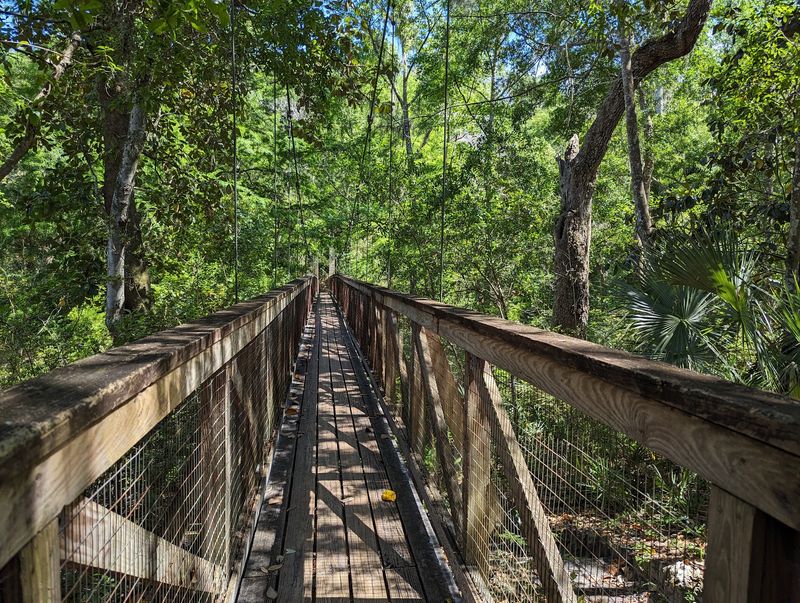
Florida isn’t famous for deep ravines, so two of them plunging up to 120 feet in Palatka feels like a plot twist. A spring-fed creek called Whitewater Branch carved them over time.
These are steephead ravines, a landform you won’t find on most Florida postcards. In the 1930s, a Depression-era work program turned them into formal gardens.
The park is famous for its azaleas, which bloom from late January through March. Fall offers a quieter, different kind of beauty.
Dogwoods and mixed deciduous trees add autumn color across the slopes. Dogwood leaves can turn a rich red, a nice preview before the winter blooms arrive.
The 1.8-mile Ravine Loop Drive circles the top of the ravines. Walkers, cyclists, and cars can use it during certain hours, so check before you go.
Up top, you get sweeping views down into the gardens. Down below, the experience changes completely.
Trails lead into the ravines over historic suspension bridges and stone staircases. Crossing a suspension bridge over a creek feels like a mini adventure.
Those staircases are a workout in disguise. Take your time, and bring water for the climb back up.
Cooler fall air makes the climbs much friendlier than a muggy August afternoon. Your shirt will thank you.
The park also includes the Roy E. Campbell Civic Center complex, with a large covered pavilion. It’s available to rent, so a fall party with ravine views is possible.
Bring a camera for the bridges. Framing a bridge with turning leaves makes for a lovely fall shot.
Palatka sits along the St. Johns River in northeast Florida. The gardens make a fun reason to explore this smaller river city.
Plan a return trip in late winter too. Seeing the ravines in both seasons is like getting two parks for one.
Address: 1600 Twigg Street, Palatka, FL 32177
8. Paynes Prairie Preserve State Park
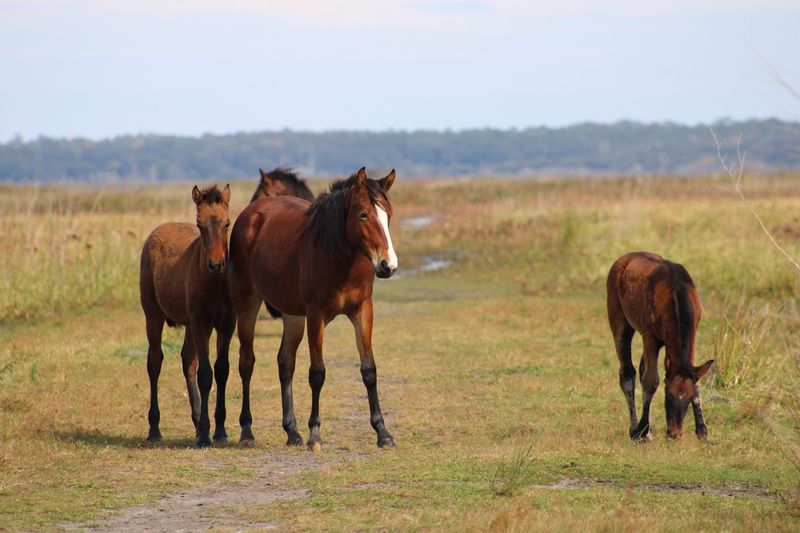
Wild bison in Florida sound like a punchline, but at Paynes Prairie they’re the real deal. American bison and wild horses roam this huge savanna.
The preserve covers more than 21,000 acres of prairie and wetlands. It was Florida’s first state preserve and is also a National Natural Landmark.
In fall, the marsh grasses fade into golden bronze tones. Against a blue sky, the whole basin looks like a painting.
For the full sweep, climb the 50-foot observation tower near the Visitor Center. From the top, the prairie stretches out like an ocean of grass.
Bring binoculars, and scan slowly. Spotting a bison or horse far out on the prairie takes patience.
Alligators, white-tailed deer, and nearly 300 bird species have been recorded here. The La Chua Trail is known for alligator viewing, so stay on the path and give them room.
Some trails don’t allow pets, so check before bringing your dog. That rule protects both pups and wildlife.
With more than 30 miles of trails, you have options. Cyclists can ride the paved Gainesville-Hawthorne State Trail, which runs about 16 miles.
The prairie also has a quirky water story. In wet periods, the basin can flood and act like a lake.
When things dry out, the Alachua Sink works like a natural drain. It’s a landscape that changes shape with the weather.
Early mornings are a smart time for wildlife watching. Animals tend to be more active before the day heats up.
Wear sturdy shoes and bring water. Out on the open prairie, shade can be hard to find.
Gainesville sits right next door, so this makes an easy outing. Pair a morning on the tower with a lazy afternoon bike ride.
Address: 100 Savannah Boulevard, Micanopy, FL 32667
9. Silver Springs State Park
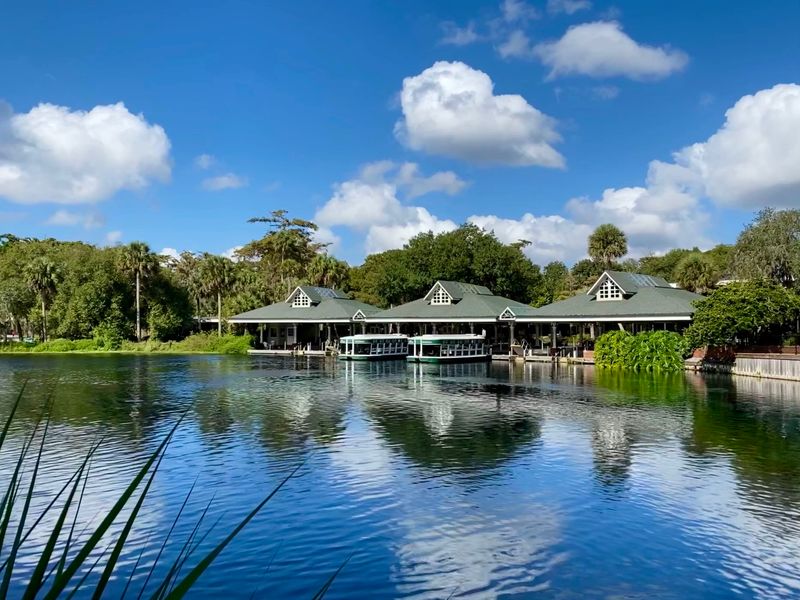
Glass-bottom boats have been floating over Silver Springs for generations, and they still steal the show. The park protects one of the largest artesian spring systems in the world.
On a boat tour, you peer straight through the floor into clear spring water. Fish and underwater features make it feel like an aquarium without the walls.
Silver Springs is often called Florida’s first major tourist attraction. That’s a big title in a state packed with attractions.
Swimming isn’t allowed, so save the bathing suit for another day. Paddling is the next best thing, with canoe, kayak, and paddleboard rentals available.
The Silver River feels wild and primeval once you push off. In fall, bald cypresses turn russet and copper along the banks.
Sweetgums chip in with purple and red leaves. Maples add their own pockets of color near the river and wetland edges.
Seeing those colors reflected in clear water is a fall treat. Paddle slowly so you don’t miss the details.
Keep your camera handy on the river. Wildlife and reflections can show up around any bend.
On land, 14 miles of mixed-use trails welcome hikers, bikers, and horseback riders. Paths pass through sandhills and forests.
History lovers should time a visit for the weekend. The Silver River Museum and Environmental Education Center opens then and covers the area’s natural and cultural history.
Dress in layers for an early paddle. Mornings on the water can start cool before the sun warms things up.
Ocala is just down the road, making this an easy fall day trip. Book a boat tour first, then spend the afternoon paddling.
Address: 5656 East Silver Springs Boulevard, Silver Springs, FL 34488
10. Highlands Hammock State Park
One live oak here measures more than 36 feet around, and it may be the biggest oak in Florida. That’s a lot of tree to hug.
The park ranks among the oldest in Florida, with roots going back to 1931. It protects more than 9,000 acres of hammock, cypress swamp, and pine flatwoods.
Old-growth forest is the big draw. Centuries-old live oaks give the place a timeless, storybook look.
Fall is one of the best times to visit. Lower humidity and comfortable temperatures make the trails far more pleasant than in summer.
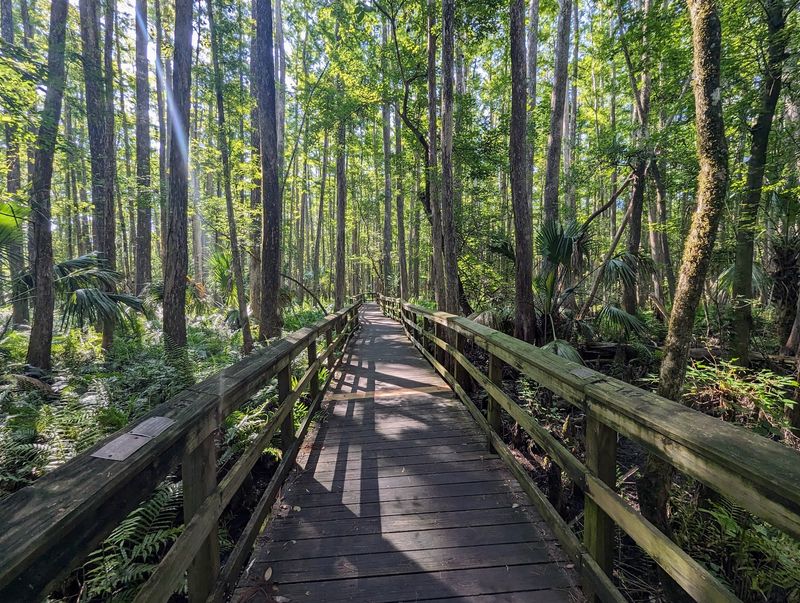
You can choose from nine nature trails. Elevated boardwalks carry you over a cypress swamp, keeping your shoes dry and your view wide open.
Cypress trees can turn rusty brown before dropping their needles. It’s Florida’s subtle version of autumn, and it looks great along the boardwalk.
Keep quiet and watch carefully. White-tailed deer, alligators, and many bird species live in the park, and black bears and Florida panthers roam the region too.
Families can turn the boardwalk into a wildlife scavenger hunt. Make a list of creatures before you go and check them off.
Prefer wheels? A 3-mile paved scenic loop works nicely for bicycling or an easy walk.
Tram tours offer a guided look at remote areas of the park. It’s a great option if long hikes aren’t your thing.
Before leaving, stop by the Civilian Conservation Corps Museum. It tells the story of the young men who helped build the park during the Great Depression.
Sebring sits just a few miles away, so this park makes an easy side trip. Give yourself a full morning, because these trees deserve a slow look.
Address: 5931 Hammock Road, Sebring, FL 33872