One of Florida’s Most Photographed Streets Looks Straight Out of a Storybook
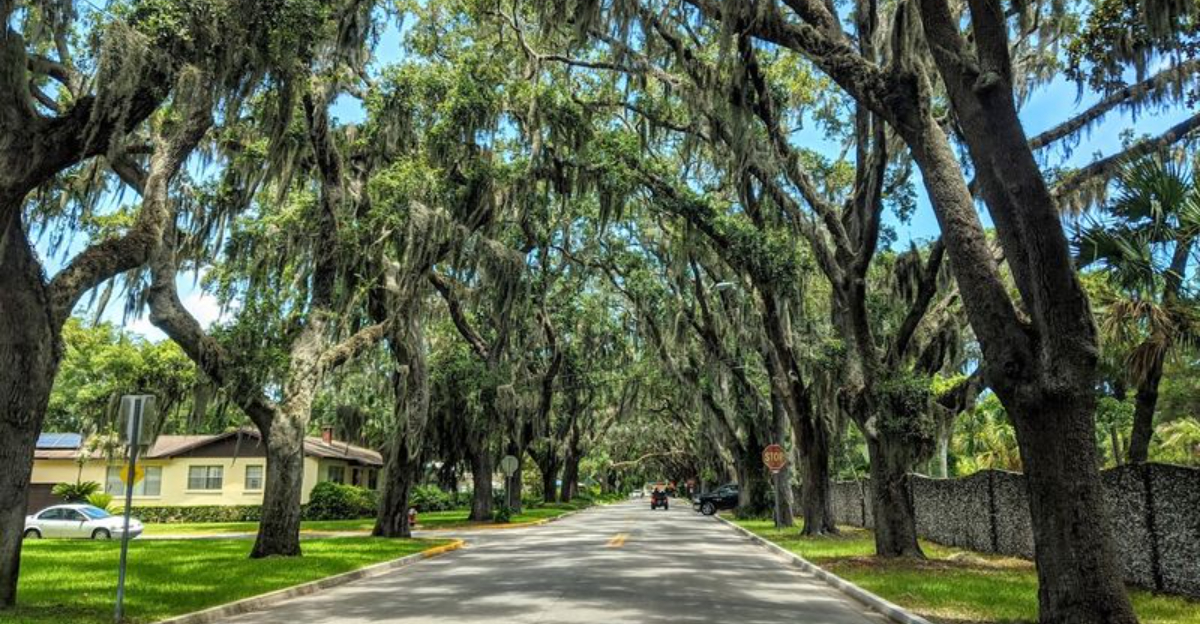
Magnolia Avenue in St. Augustine is more than just a street—it’s a living postcard that captures the essence of Old Florida charm. Tucked away in the nation’s oldest city, this tree-canopied lane has become a social media sensation and a favorite spot for photographers seeking that perfect shot. With its towering oak trees draped in Spanish moss creating natural archways overhead, the street feels like stepping into a fairytale where time moves a little slower and beauty exists around every corner.
1. The Legendary Oak Canopy That Started It All
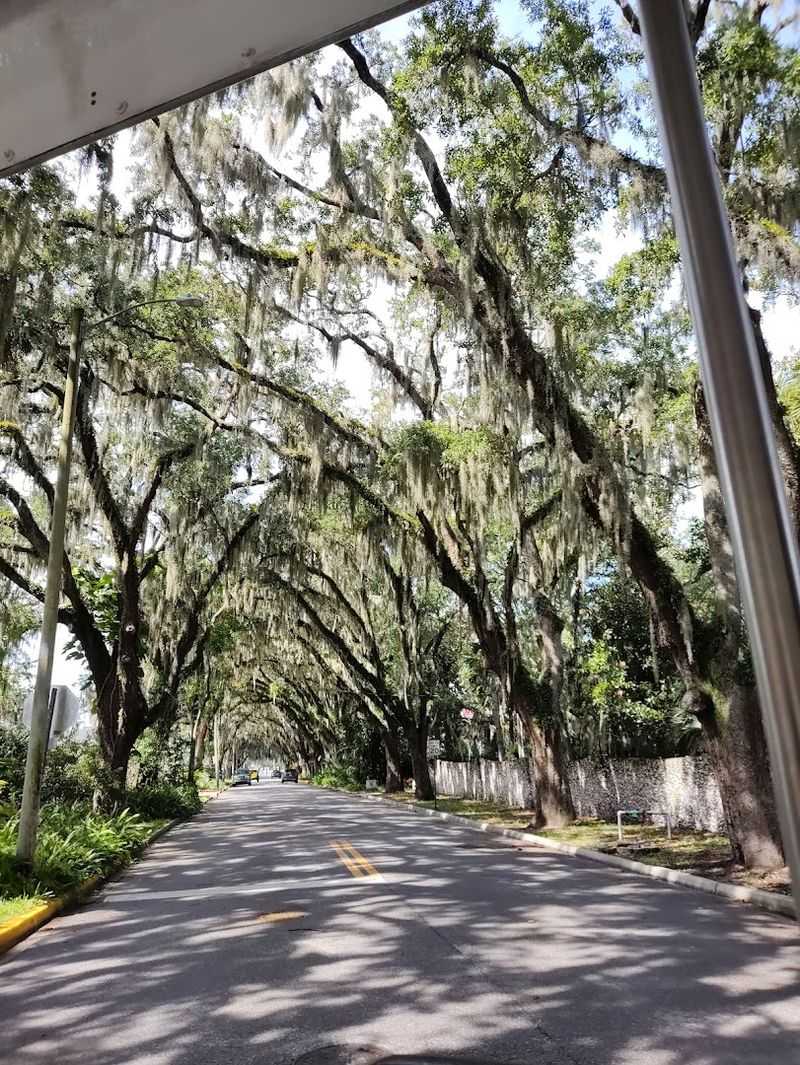
Walking beneath the intertwined branches of century-old live oaks feels like entering nature’s cathedral. These magnificent trees stretch their limbs across the entire width of Magnolia Avenue, creating one of the most stunning natural tunnels in Florida. The Spanish moss dangles like delicate curtains, swaying gently in the coastal breeze and adding an otherworldly quality to every photograph.
What makes this canopy truly special is how the light plays through the leaves at different times of day. Morning brings soft golden rays that filter through the branches, while afternoon creates dramatic shadows on the pavement below. Photographers flock here during golden hour when the setting sun transforms the entire street into a glowing masterpiece.
The oaks themselves are estimated to be over 100 years old, their massive trunks telling stories of generations who’ve walked this path. Their roots have literally shaped the street, creating gentle waves in the pavement that add character rather than detract from the charm. Local residents have fiercely protected these trees over the decades, understanding that they’re the soul of the neighborhood.
Visiting during different seasons reveals new perspectives—spring brings fresh green growth, while fall adds subtle color changes. Even on overcast days, the canopy creates a moody, romantic atmosphere that’s equally photogenic and beloved by couples seeking engagement photo locations.
2. Historic Homes That Define Southern Architecture
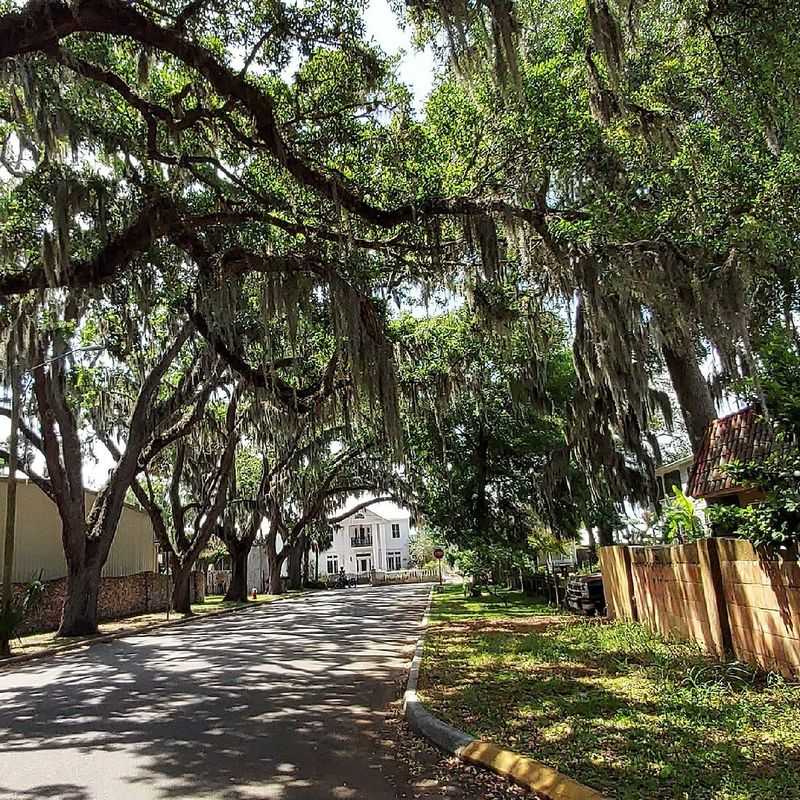
The residential architecture lining Magnolia Avenue represents a living museum of Florida’s building styles from the late 1800s through the early 1900s. Charming Victorian cottages sit alongside colonial revival homes, each painted in colors that range from soft pastels to bold tropical hues. Wide front porches invite visitors to imagine lazy afternoons spent rocking in chairs and sipping sweet tea.
Many of these homes feature distinctive architectural details that photographers absolutely love—gingerbread trim, turrets, bay windows, and ornate brackets. The variety means no two houses look exactly alike, giving the street a storybook quality where each structure has its own personality. Several properties have been meticulously restored by owners who appreciate the historical significance of maintaining original features.
What’s remarkable is how well these homes have been preserved despite being over a century old. You’ll notice details like original wood siding, vintage shutters, and period-appropriate color schemes that transport you back in time. Some homeowners have embraced the historic character by adding period gardens with old-fashioned roses, hydrangeas, and southern magnolias that bloom spectacularly in spring.
The street’s residential character means it maintains an authentic neighborhood feel rather than becoming overly commercialized. Real families live in these homes, tending their gardens and occasionally chatting with visitors who respectfully admire their properties from the sidewalk.
3. The Perfect Light for Photography Magic
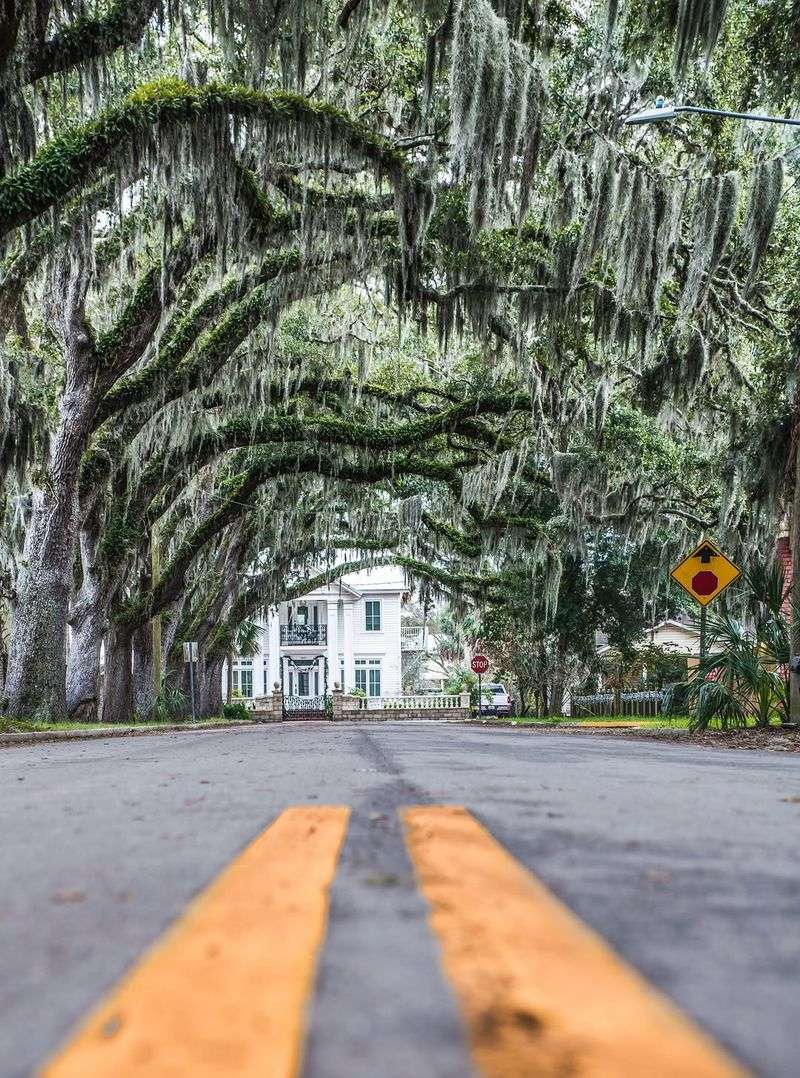
Professional photographers and Instagram enthusiasts have declared Magnolia Avenue one of Florida’s most photogenic locations, and the lighting conditions explain why. The oak canopy acts as a natural diffuser, softening harsh Florida sunlight and creating even, flattering illumination that makes everything look better. This natural filter eliminates the stark shadows that plague outdoor photography in the Sunshine State.
Golden hour transforms the street into pure magic. As the sun drops lower in the sky, warm amber light streams horizontally through the branches, illuminating the Spanish moss until it glows like silver threads. The entire scene takes on an ethereal quality that cameras capture beautifully, whether you’re shooting with professional equipment or just your smartphone.
Morning light brings a completely different mood—cooler, fresher, with a clarity that makes colors pop. Early risers are rewarded with fewer crowds and the chance to capture the street in peaceful solitude. Midday might seem challenging, but the dense canopy prevents the washed-out look common in Florida’s intense noon sun.
Even cloudy days work in your favor here. Overcast skies create soft, even lighting perfect for portraits and detail shots. Rain brings out deeper greens in the foliage and makes the street glisten, adding drama to photographs.
Local photographers often schedule sessions specifically for post-rain conditions when everything looks freshly washed and vibrant.
4. Spanish Moss Adding Fairytale Drama
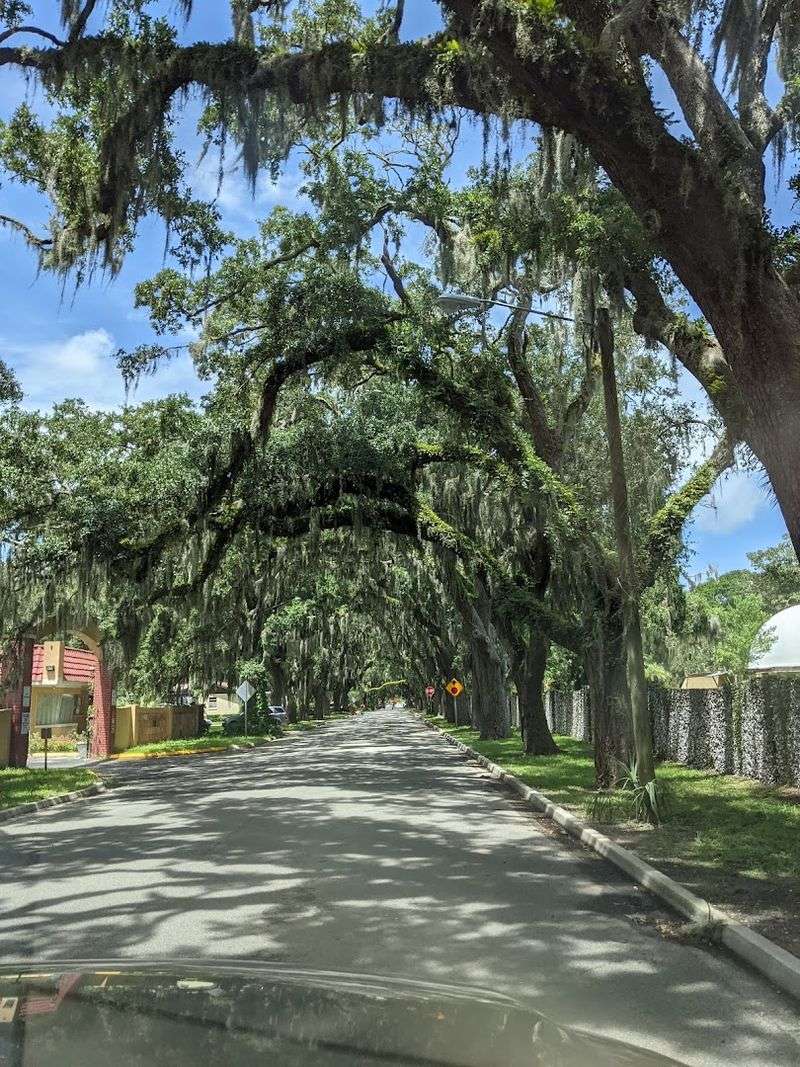
Spanish moss isn’t actually moss at all—it’s an air plant that drapes itself across the oak branches like nature’s own decoration. On Magnolia Avenue, these silvery-gray strands hang in such abundance that they create curtain-like effects, adding layers of texture and depth to every view. The way they move in the breeze brings the entire scene to life, making static photographs feel almost animated.
This iconic southern plant has become synonymous with Old Florida romance and mystery. Its presence instantly signals to viewers that they’re looking at something authentically southern, not just any tree-lined street. The contrast between the dark oak branches and the pale moss creates natural drama that photographers exploit for stunning compositions.
Interestingly, Spanish moss is completely harmless to the trees it inhabits, despite common misconceptions. It draws nutrients from the air and rain rather than parasitically feeding on its host. This symbiotic relationship has allowed both the oaks and moss to thrive together for decades, creating the signature look that makes Magnolia Avenue instantly recognizable.
The moss changes character throughout the day and seasons. After rain, it appears darker and heavier, almost emerald-tinted. During dry periods, it takes on a lighter, more delicate appearance.
Photographers who visit multiple times discover these subtle variations, finding fresh perspectives even on a street they’ve shot dozens of times before.
5. A Walking Experience Unlike Any Other
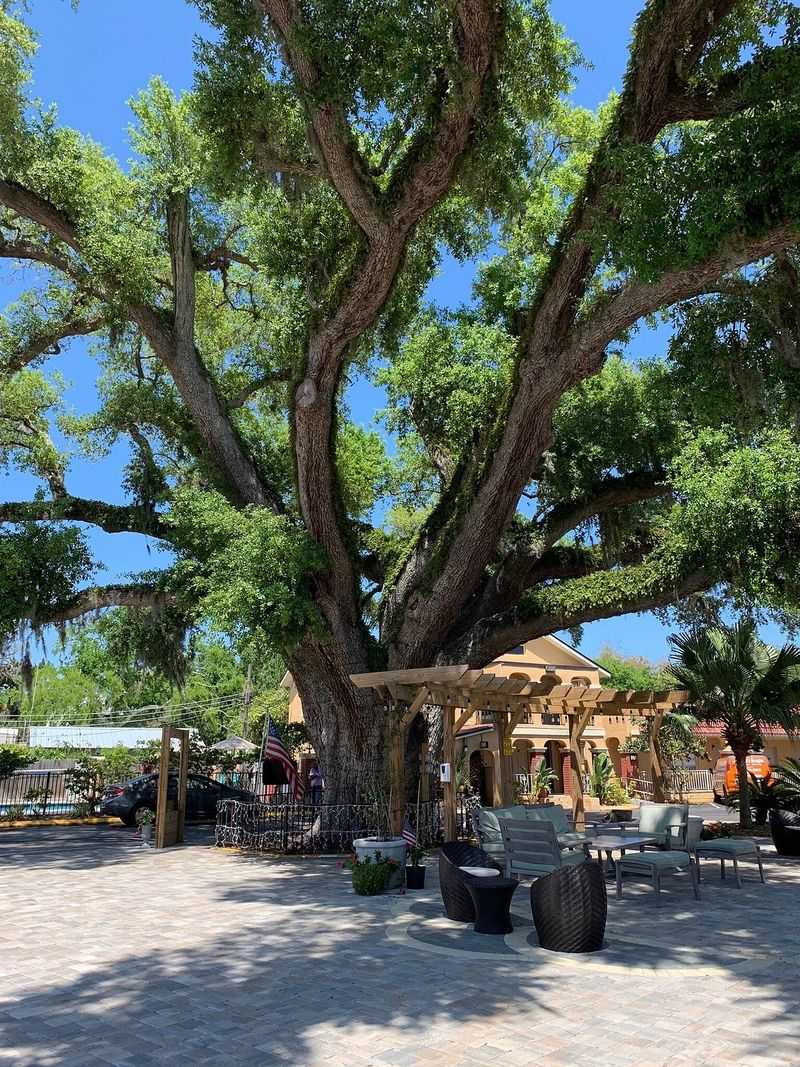
Experiencing Magnolia Avenue on foot reveals details that drivers completely miss. The dappled shade keeps temperatures noticeably cooler than surrounding streets, making it a favorite route for locals taking evening strolls. Your footsteps echo slightly under the natural canopy, creating an acoustic experience that enhances the sense of being somewhere special and separate from the modern world.
The street’s gentle curves prevent you from seeing too far ahead, creating a sense of discovery as you walk. Each bend reveals new perspectives on the oak canopy, different homes, and changing light patterns. This winding quality adds to the storybook feeling—you’re never quite sure what enchanting scene awaits around the next corner.
Cyclists love this route too, though they’re generally respectful of pedestrians and the residential nature of the street. The smooth pavement under the shade makes for comfortable riding, and many local bike tours include Magnolia Avenue as a highlight. The slow pace of bicycle travel matches perfectly with the contemplative atmosphere the street naturally encourages.
Taking your time here pays dividends. Rush through and you’ll miss architectural details, interesting garden plantings, and the way light shifts through the leaves. Visitors who spend thirty minutes slowly walking the length of the street report feeling more relaxed and connected to Old Florida’s slower rhythm than those who just snap quick photos from their car windows.
6. Instagram Fame and Social Media Sensation
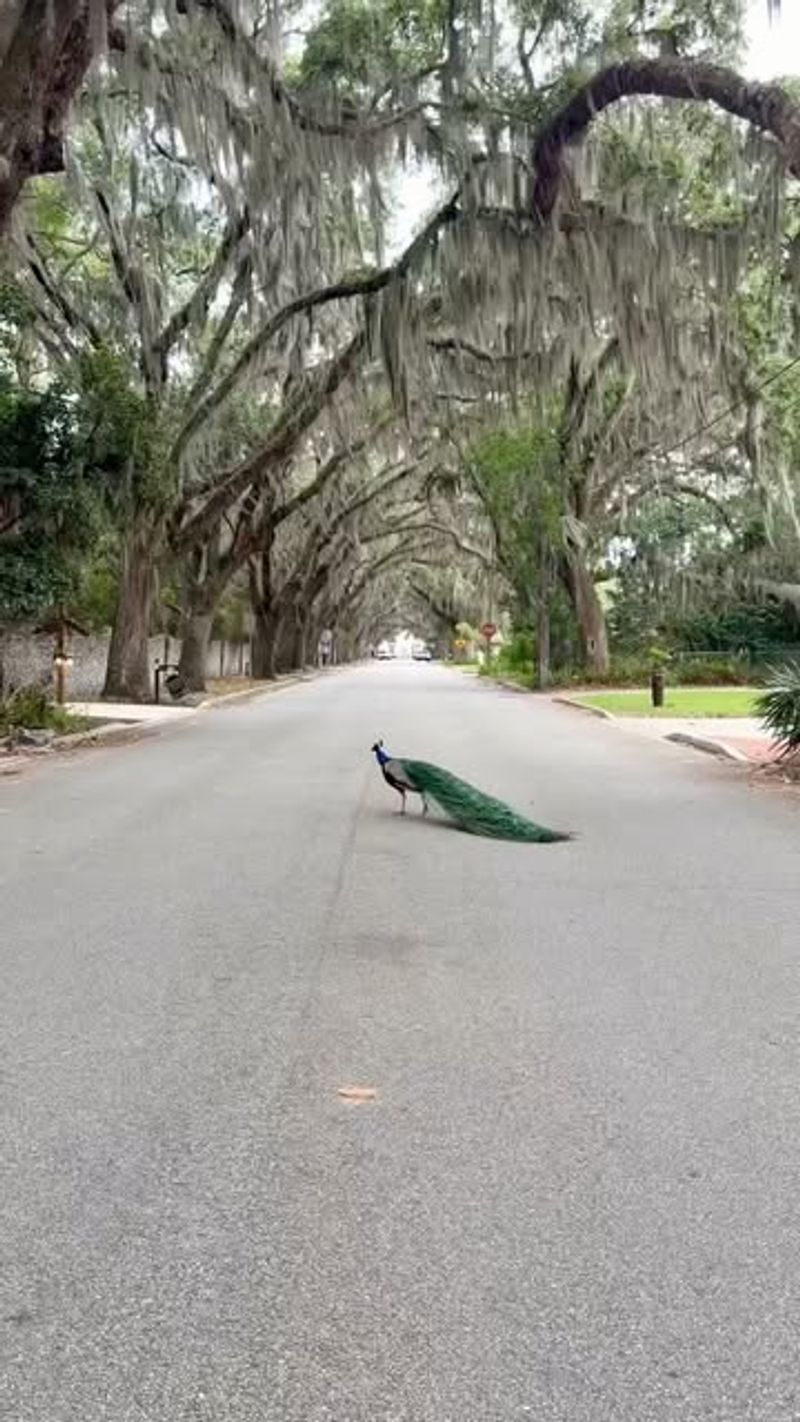
Scroll through Instagram using hashtags like #MagnoliaAvenue or #StAugustine, and you’ll find thousands of photos showcasing this enchanted street. Social media has catapulted this once-quiet residential lane into international fame, with travel influencers and photography accounts sharing images that rack up thousands of likes. The street’s photogenic nature translates perfectly to the square format and visual storytelling that Instagram demands.
What started as a local secret has become a must-visit destination for anyone exploring St. Augustine. Travel bloggers include it in their guides, couples seek it out for engagement photos, and even wedding parties make stops here for formal portraits. The organic, authentic beauty requires no filters or heavy editing—the natural setting does all the work.
This social media attention has created interesting dynamics. Early mornings and weekdays offer the best chance for crowd-free photos, while weekends can see multiple photographers and visitors at peak times. Locals have generally embraced the attention graciously, though they appreciate when visitors remain respectful of the residential neighborhood and private property.
The fame has also increased awareness about preserving the street’s character. When development threats arise, the community rallies using social media to organize and protect the oaks and historic homes. The very platforms that made Magnolia Avenue famous now serve as tools for conservation efforts, proving that internet fame can sometimes benefit rather than harm special places.
7. Seasonal Changes That Keep It Fresh
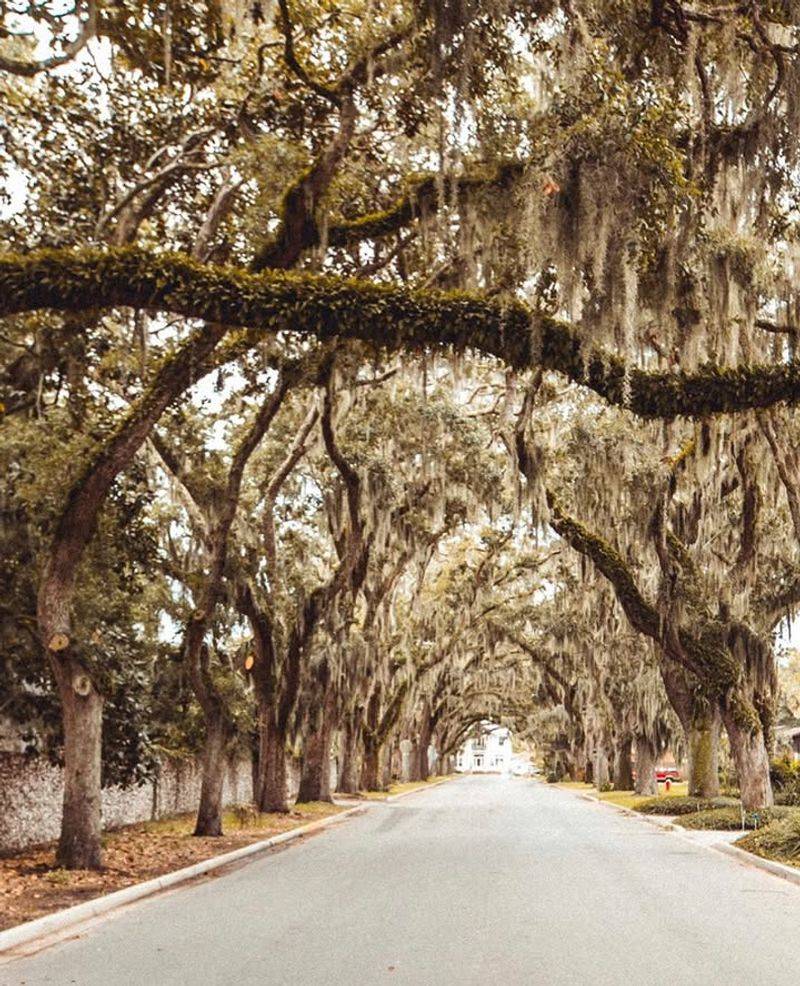
While Florida doesn’t experience dramatic seasonal changes like northern states, Magnolia Avenue reveals subtle shifts that locals and repeat visitors notice. Spring brings the most dramatic transformation when flowering plants in residential gardens burst into bloom. Azaleas, camellias, and roses add pops of color beneath the green canopy, creating a multi-layered visual feast that photographers rush to capture.
Summer intensifies everything—the greens become deeper and more saturated, the shade feels more precious during hot afternoons, and afternoon thunderstorms bring dramatic lighting changes. The humidity makes the Spanish moss appear fuller and more luxuriant. Late summer afternoons after rain showers create some of the most atmospheric conditions, with mist rising from warm pavement and light breaking through clouds.
Fall in Florida means subtle rather than showy changes. The live oaks remain green, but you might notice a few leaves turning golden before dropping. The angle of sunlight shifts lower, creating longer shadows and different lighting patterns throughout the day.
Cooler temperatures make walking more comfortable, and the tourist crowds thin slightly before winter visitors arrive.
Winter brings its own charm with crisp mornings and clear, brilliant light. The lower humidity makes the air feel fresher, and the moss appears lighter and more delicate. Holiday decorations on some homes add festive touches without overwhelming the natural beauty, proving the street maintains its magic year-round regardless of season.
8. Respectful Visiting Tips for This Residential Gem
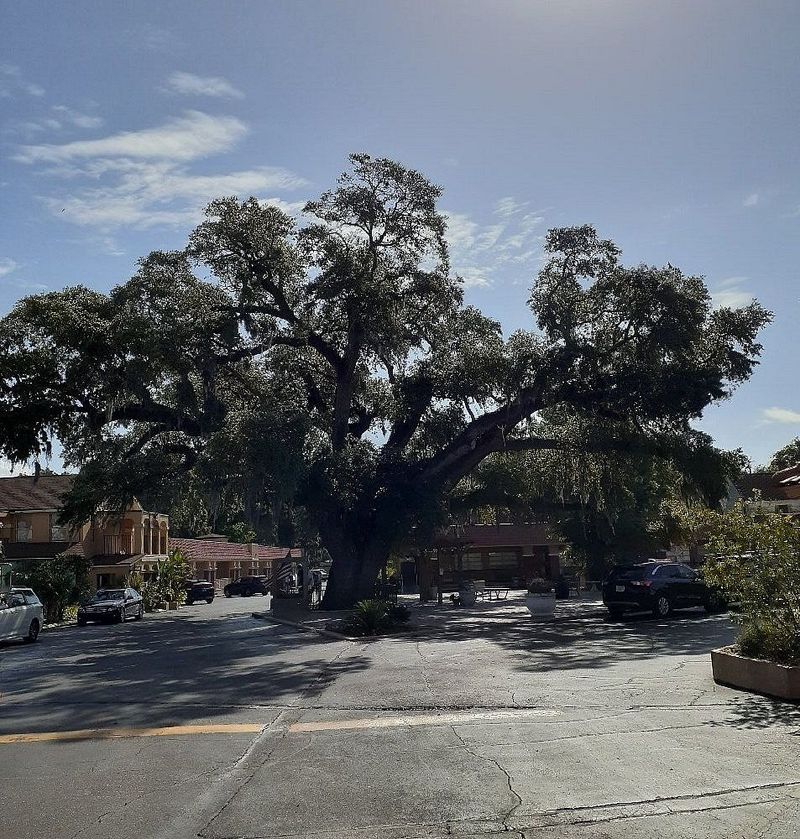
Remember that real people live on Magnolia Avenue, making their homes along this famous stretch. The street’s popularity means residents deal with frequent photographers and curious visitors, so practicing good etiquette ensures everyone can enjoy this special place. Stay on public sidewalks, avoid blocking driveways, and never enter private property without explicit permission from homeowners.
Photography is absolutely welcome, but be mindful of your surroundings. Keep voices at reasonable levels, particularly during early morning or evening hours when residents might be sleeping or relaxing. If homeowners are outside, a friendly wave or brief compliment about their beautiful property goes a long way toward maintaining positive relationships between visitors and the community.
Parking can be tricky since this is a residential street without designated visitor spaces. Consider parking in nearby public lots and walking to Magnolia Avenue rather than cruising slowly looking for spots, which disrupts traffic flow. Many visitors choose to explore on foot as part of a larger walking tour of St. Augustine’s historic neighborhoods.
The best times to visit for photography and peaceful exploration are weekday mornings or late afternoons on weekends. Avoid peak tourist season spring break weeks if you prefer solitude. Take only photographs and leave only footprints—this means no climbing on property features, picking flowers, or leaving trash behind.
Your respectful behavior helps ensure future visitors can continue enjoying this remarkable street.