Plan to Spend the Whole Day at This One-of-a-Kind Florida Attraction
St. Augustine Alligator Farm Zoological Park isn’t your average roadside attraction. This 100-year-old landmark packs serious wildlife punch, housing every crocodilian species on Earth alongside exotic reptiles, playful lemurs, and thousands of nesting birds. From feeding giant gators to ziplining over their enclosures, this spot delivers wild experiences you won’t find anywhere else in Florida.
Whether you’re planning a family adventure or looking for something different from the usual beach day, this place earns its reputation as a must-visit destination.
1. Walk Among Every Crocodilian Species on the Planet
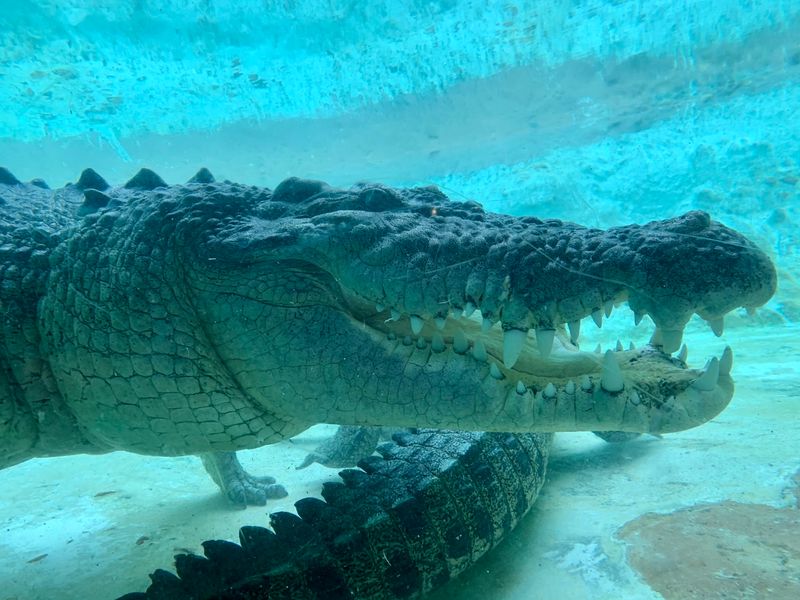
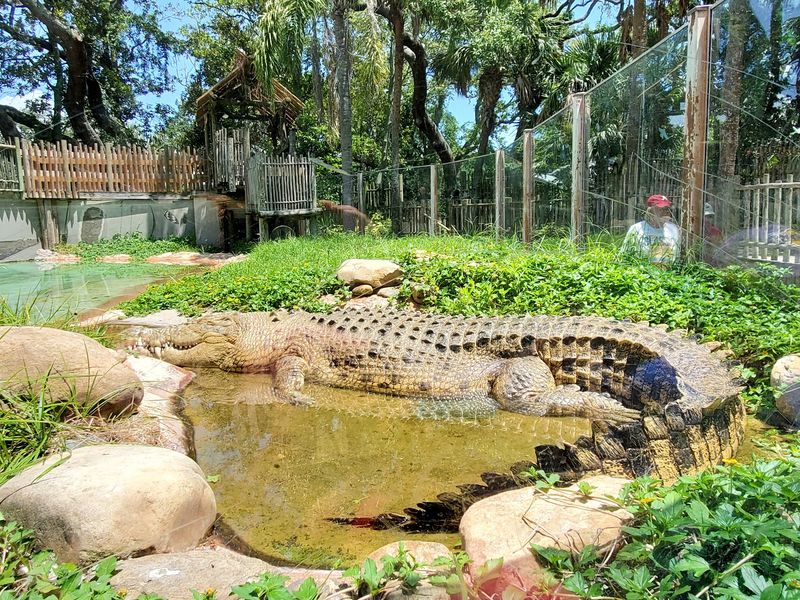
St. Augustine Alligator Farm holds a distinction that wildlife lovers dream about. This zoological park is one of only a handful of places worldwide where you can see all 24 crocodilian species in a single visit. From massive saltwater crocs lounging behind reinforced glass to rare caimans you’d never encounter elsewhere, the collection goes way beyond Florida’s native gators.
The saltwater crocodile exhibit deserves special attention. These prehistoric giants can grow over 20 feet long, and watching them glide through their custom tank feels like stepping into a nature documentary. Staff members explain the differences between species during feeding times, pointing out unique features like snout shapes and temperament variations that separate alligators from crocodiles from caimans.
Educational signage throughout the park helps visitors understand conservation efforts protecting these ancient reptiles. Many species face serious threats in their natural habitats, making facilities like this crucial for breeding programs and public awareness. Kids especially love spotting the differences between a gharial’s long, thin snout and a caiman’s broader jaw.
The enclosures maintain high standards, giving animals plenty of space to behave naturally. Clean water, shaded areas, and well-designed habitats show the park’s commitment to animal welfare. Photography enthusiasts bring cameras to capture these incredible creatures up close without traveling to multiple continents.
2. Experience the Legendary Gator Feeding Shows
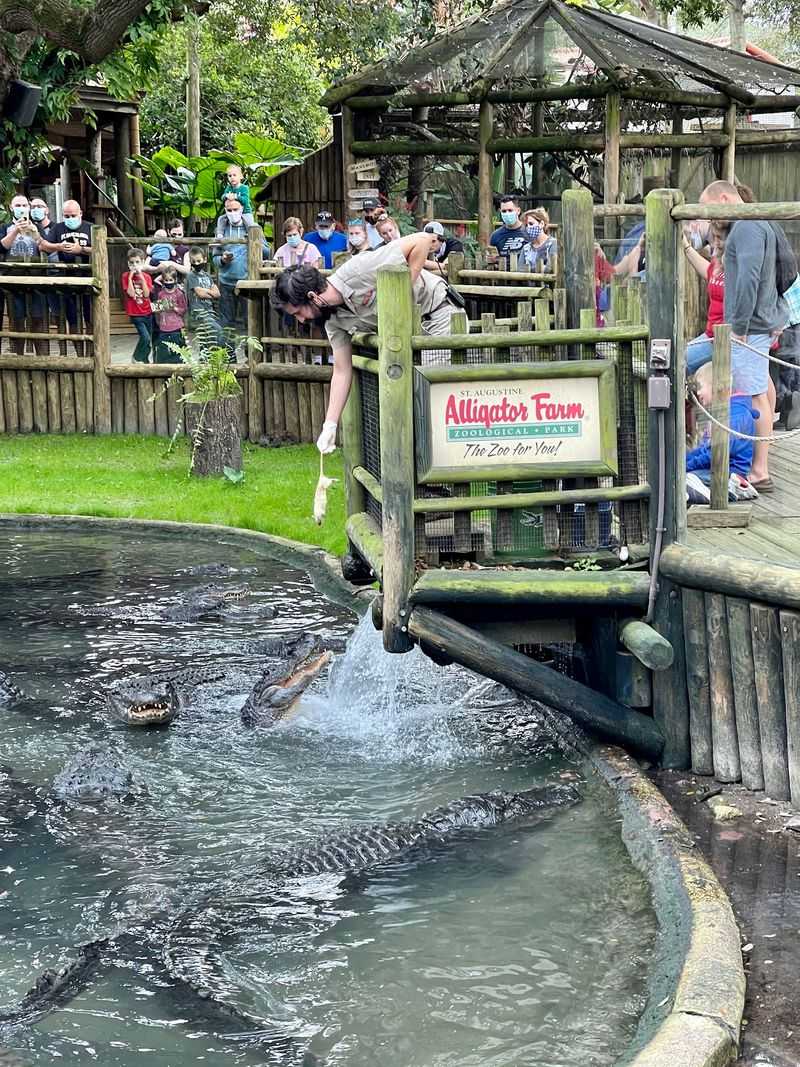
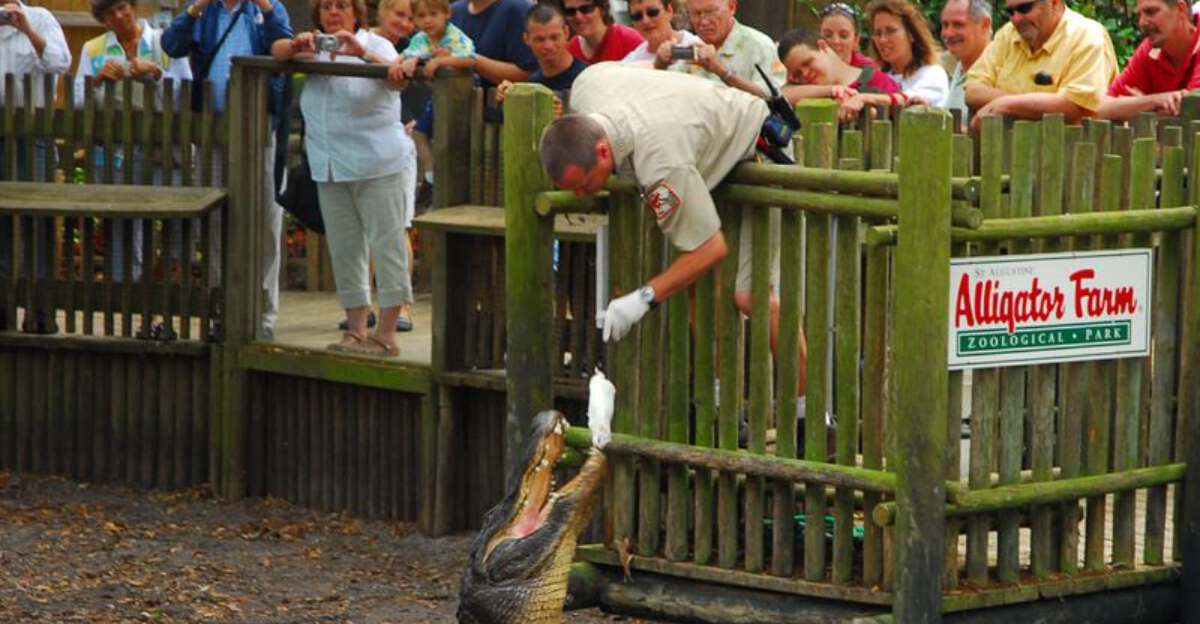
Watching dozens of alligators surge toward their trainer creates an adrenaline rush that photos can’t capture. The daily feeding demonstrations rank among the park’s most popular attractions, and visitors line up early to secure prime viewing spots. These aren’t quick toss-and-go sessions but educational experiences where staff share fascinating facts about gator behavior, hunting instincts, and survival adaptations.
What makes these shows remarkable is how the alligators anticipate mealtime. Long before trainers arrive with food buckets, gators position themselves along the water’s edge, their ancient instincts kicking in. Some reviews mention seeing 30 or more alligators waiting in formation, creating an unforgettable sight that demonstrates their intelligence and learned behaviors.
Beyond the main shows, interactive feeding opportunities let visitors get hands-on. Quarter-operated machines dispense special kibble treats along the elevated boardwalk over the main gator area. Tossing food to these powerful reptiles from a safe distance gives families a thrill while teaching kids about responsible wildlife interaction.
The park posts feeding schedules near the entrance and throughout the grounds. Planning your visit around these times maximizes your experience since you’ll witness the animals at their most active. Trainers answer questions during and after presentations, sharing stories about individual gators and explaining conservation challenges facing wild populations.
The combination of entertainment and education makes these shows valuable for all ages.
3. Discover the Incredible Bird Rookery Spectacle
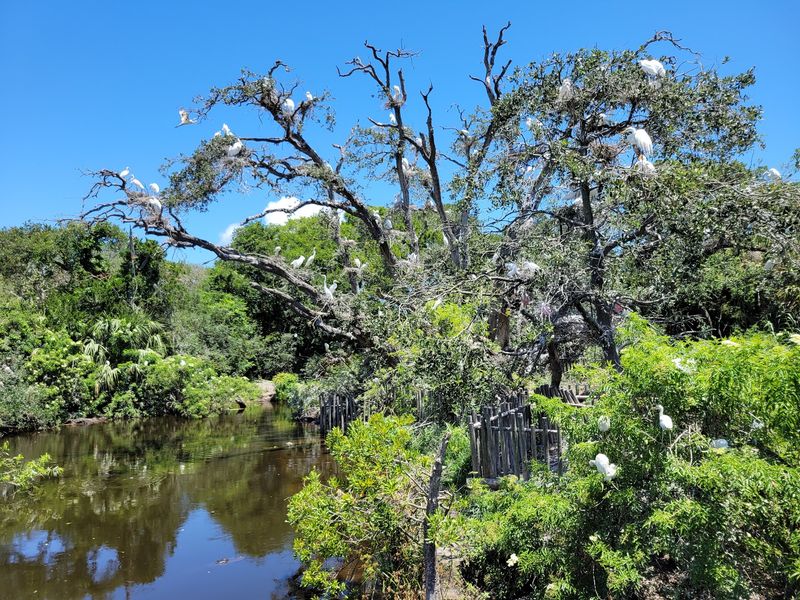
Nature creates some wild partnerships, and the bird rookery at St. Augustine Alligator Farm showcases one of the strangest. Thousands of wild birds choose to nest directly above the alligator enclosures, transforming the park into a birding hotspot during nesting season. Herons, egrets, roseate spoonbills, and wood storks build nests in the trees, raising their chicks just feet above hungry gators.
This arrangement might seem dangerous, but it’s actually brilliant strategy. The alligators below discourage predators like raccoons and snakes from climbing up to raid nests. Baby birds occasionally tumble from branches, providing natural meals for the gators waiting below, but overall, more chicks survive than would in unprotected areas.
Visiting during rookery season (typically February through summer) offers photographers and bird enthusiasts incredible opportunities. The sight of hundreds of white birds against green foliage, coupled with the sounds of chicks calling for food, creates an immersive wildlife experience. Elevated walkways bring you eye-level with nesting activity, allowing close observation without disturbing the birds.
Fair warning about the “drop zones” mentioned in visitor reviews. Active rookeries mean active digestive systems, so watch for whitewashed deck areas and plan your standing spots accordingly. The natural spectacle makes any minor inconvenience worthwhile.
Binoculars enhance the experience, letting you spot different species and watch parenting behaviors up close.
4. Get Your Adrenaline Fix on the Zipline Course
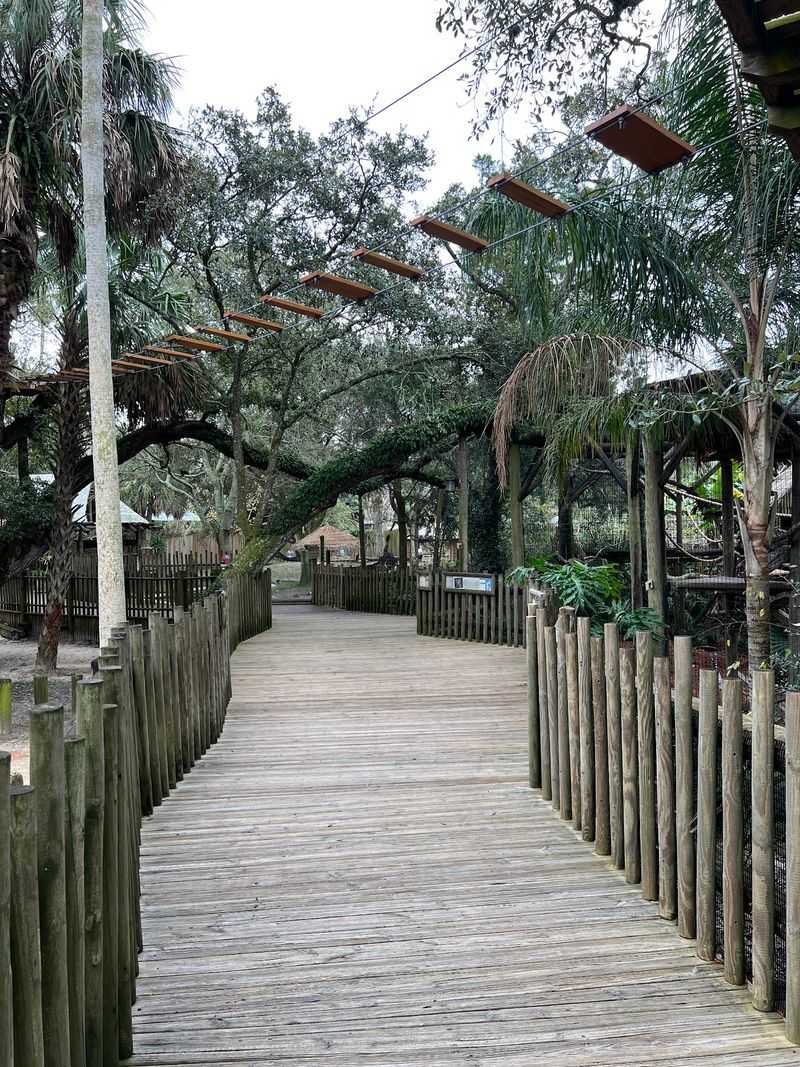
Few zipline experiences compare to soaring over enclosures filled with alligators and crocodiles. The aerial adventure course at St. Augustine Alligator Farm adds serious thrills to your visit, offering perspectives impossible from ground level. Multiple lines crisscross the property, giving riders bird’s-eye views of the animals, rookery, and entire park layout.
The course requires separate tickets beyond general admission, but adventure seekers find it absolutely worth the extra cost. Safety equipment and trained guides ensure everyone stays secure while flying over the habitats. The unique setting transforms a standard zipline experience into something memorable, combining wildlife observation with heart-pumping action.
Looking down at massive crocodiles from above changes your appreciation for their size and power. What seems big from behind barriers looks absolutely enormous from a zipline harness. The experience also lets you observe animal behaviors from angles typically reserved for birds, watching how gators position themselves throughout their territories.
Height requirements and weight restrictions apply, so check before planning this activity for young children. Most teens and adults qualify easily. The course includes multiple lines of varying lengths and heights, building confidence gradually.
Even if you’re not ziplining yourself, watching riders sail overhead adds entertainment value throughout the park. Photographers capture fantastic action shots, and the screams of excited participants create a fun atmosphere that enhances the overall energy of the attraction.
5. Meet Rare and Exotic Reptile Species
Beyond the famous crocodilians, St. Augustine Alligator Farm houses an impressive collection of rare reptiles that surprise first-time visitors. Komodo dragons, the world’s largest living lizards, command attention with their prehistoric appearance and powerful builds. These Indonesian natives rarely appear in American zoos, making this opportunity to observe them especially valuable.
The snake exhibits showcase species from around the globe, from massive pythons to venomous vipers safely displayed behind secure glass. Educational information explains each species’ role in their ecosystems, feeding habits, and conservation status. Kids fascinated by reptiles spend considerable time at these exhibits, reading facts and watching for movement.
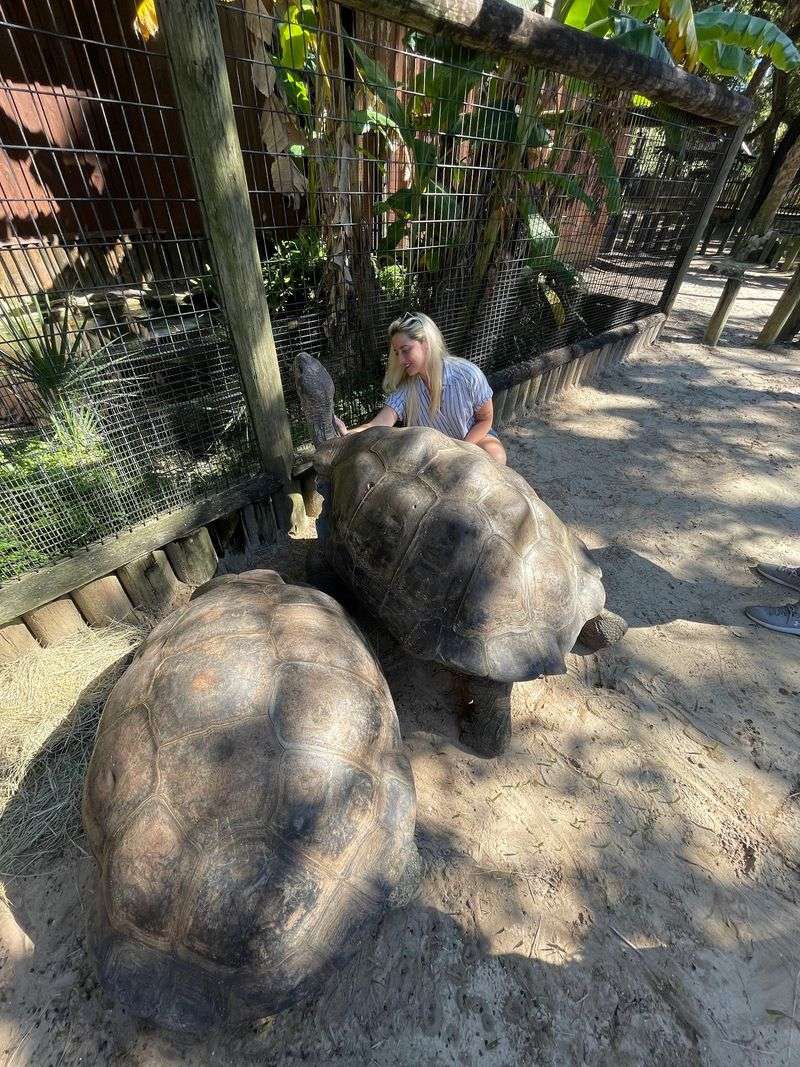
Tortoise and turtle collections include both tiny hatchlings and ancient giants weighing hundreds of pounds. One reviewer specifically mentioned a keeper’s obvious connection with the giant tortoises, demonstrating the staff’s dedication to their animals. These slow-moving reptiles often interact with visitors through enclosure barriers, extending their necks curiously toward onlookers.
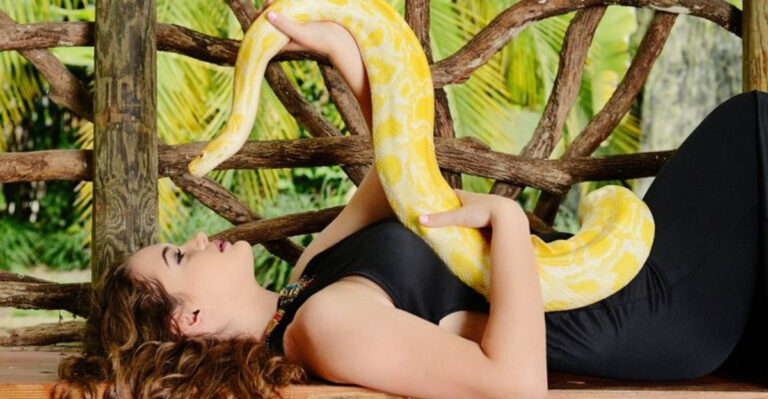
Photo opportunities with baby alligators and select snakes are available for a reasonable fee. Professional photographers capture your family holding these animals safely, providing printed souvenirs of your brave moment. The experience teaches proper handling techniques while creating lasting memories.
Even visitors initially hesitant about touching reptiles often find themselves won over by the smooth scales and surprisingly gentle nature of these carefully selected ambassador animals.
6. Explore at a Comfortable Pace with Excellent Facilities
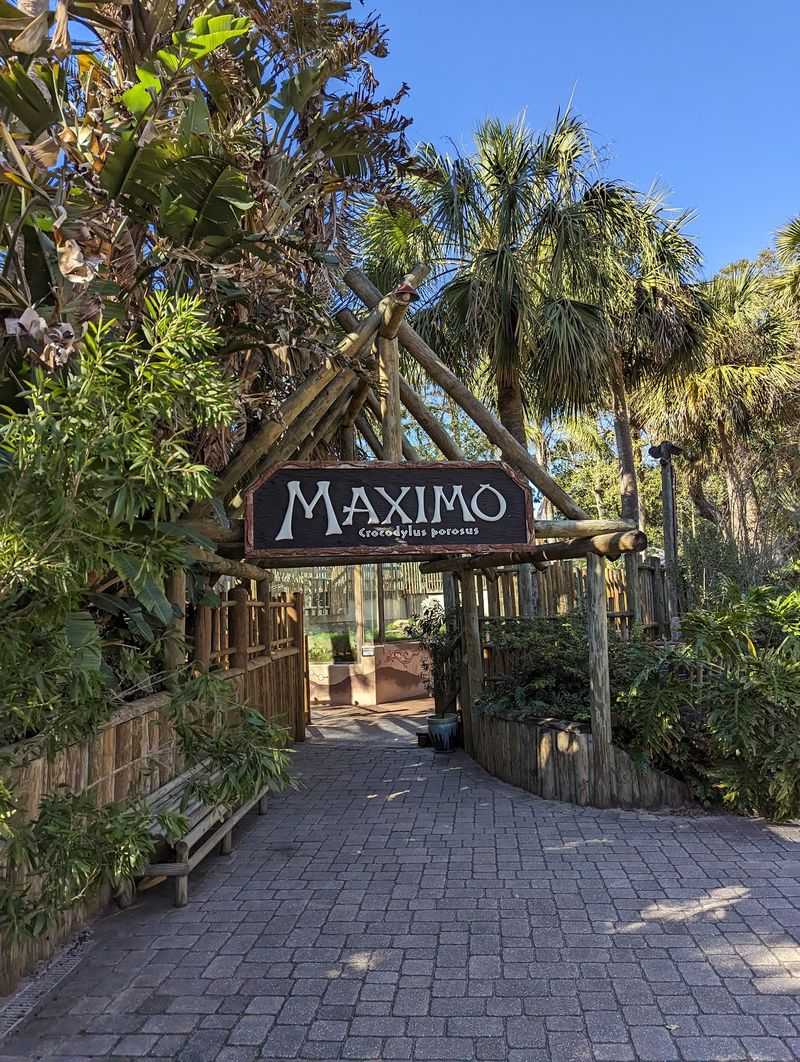
Summer in Florida means heat and humidity, but St. Augustine Alligator Farm planned for visitor comfort. Extensive tree canopies shade most walkways, creating natural air conditioning that makes walking the grounds pleasant even on hot days. The elevated wooden boardwalk system keeps you above muddy areas while providing excellent viewing angles into enclosures.
Accessibility receives high marks from visitors with mobility challenges. Wheelchair-friendly paths connect all major exhibits, and the park maintains equipment to accommodate guests with disabilities. Stroller-friendly routes let families with young children navigate easily without constant lifting and carrying.
Benches positioned throughout the property offer rest spots with shade.
The on-site snack bar serves more than typical zoo fare. Reviews praise the food quality and reasonable pricing, with refillable drink cups providing good value for families spending several hours exploring. Beer is available for adults wanting to relax between exhibits.
The gift shop stocks quality souvenirs beyond cheap trinkets, offering educational books, plush animals, and Florida-themed items at fair prices.
Restroom facilities stay clean and well-maintained throughout the day. Water fountains and misting stations help visitors stay hydrated and cool. The park’s layout prevents bottlenecks, so even on busy weekends, crowds spread out enough that you never feel rushed or cramped.
Parking is convenient and included with admission, eliminating the extra fees common at many attractions.
7. Learn from Passionate and Knowledgeable Staff
The difference between a good zoo and a great one often comes down to the people working there. Staff members at St. Augustine Alligator Farm consistently earn praise for their expertise, enthusiasm, and genuine care for the animals. During feeding demonstrations and educational talks, their deep knowledge shines through in the details they share and questions they answer.
Trainers clearly form bonds with individual animals, recognizing personalities and behaviors that casual observers might miss. One visitor specifically noted a keeper’s connection with giant tortoises, describing how the interaction revealed years of relationship-building. These aren’t just employees going through motions but dedicated professionals passionate about conservation and education.
Staff members position themselves throughout the park, available to answer questions and share additional information beyond posted signage. They explain conservation programs, discuss breeding efforts for endangered species, and tell stories about specific animals’ backgrounds. Their approachable demeanor encourages kids to ask questions, fostering curiosity about wildlife and environmental protection.
Courtesy extends beyond animal experts to front desk workers, gift shop attendants, and maintenance crews. Multiple reviews mention friendly greetings, helpful directions, and staff going above expectations to ensure positive experiences. This consistent professionalism creates a welcoming atmosphere that makes visitors feel valued.
The combination of knowledge and kindness transforms a simple zoo visit into an educational journey guided by people who truly care about their mission.
8. Witness the Famous Albino Alligator and Legendary Gomek
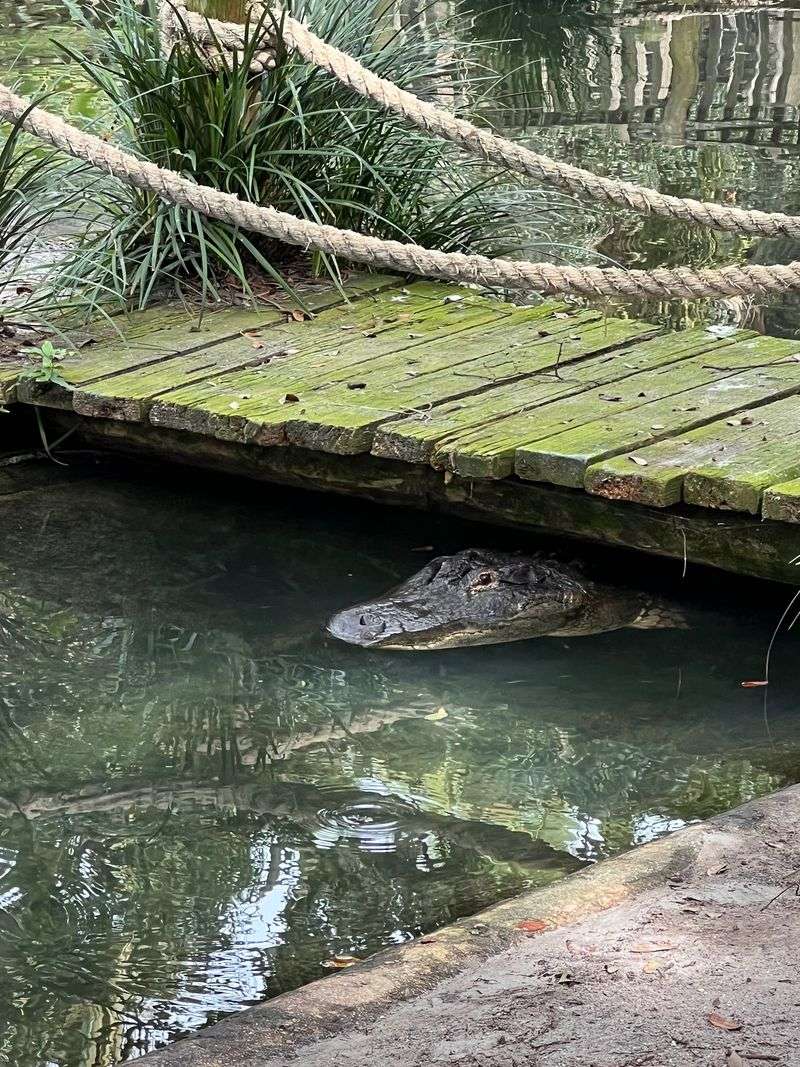
Some animals achieve celebrity status, and St. Augustine Alligator Farm houses several that draw visitors specifically to see them. The albino alligator captivates with its ghostly white scales and pink eyes, representing an extremely rare genetic variation. True albino gators almost never survive in the wild due to sun sensitivity and visibility to predators, making captive specimens educational treasures.
Gomek’s legacy lives on through the park’s exhibits and educational materials. This saltwater crocodile achieved fame as one of the largest crocs ever held in captivity, measuring over 17 feet and weighing nearly 2,000 pounds. Though Gomek passed away in 1997, his story fascinates visitors learning about crocodilian growth potential and longevity.
The park honors his memory while using his example to teach about these magnificent animals.
Beyond these stars, individual animals throughout the facility have their own stories. Staff members share backgrounds during talks, explaining rescue situations, breeding program successes, and interesting behavioral quirks. Learning these personal histories transforms anonymous animals into individual creatures with unique circumstances.
Photography opportunities abound with these special residents. The albino gator’s striking appearance creates stunning photos, while exhibits dedicated to record-holding animals provide educational backdrops. Signage explains the genetics behind albinism and the conservation importance of maintaining genetic diversity in captive populations.
These exhibits blend visual impact with serious science, appealing to both casual visitors and serious wildlife enthusiasts seeking deeper understanding.