Rising Costs Are Pushing Longtime Residents Out Of These Popular Florida Beach Communities
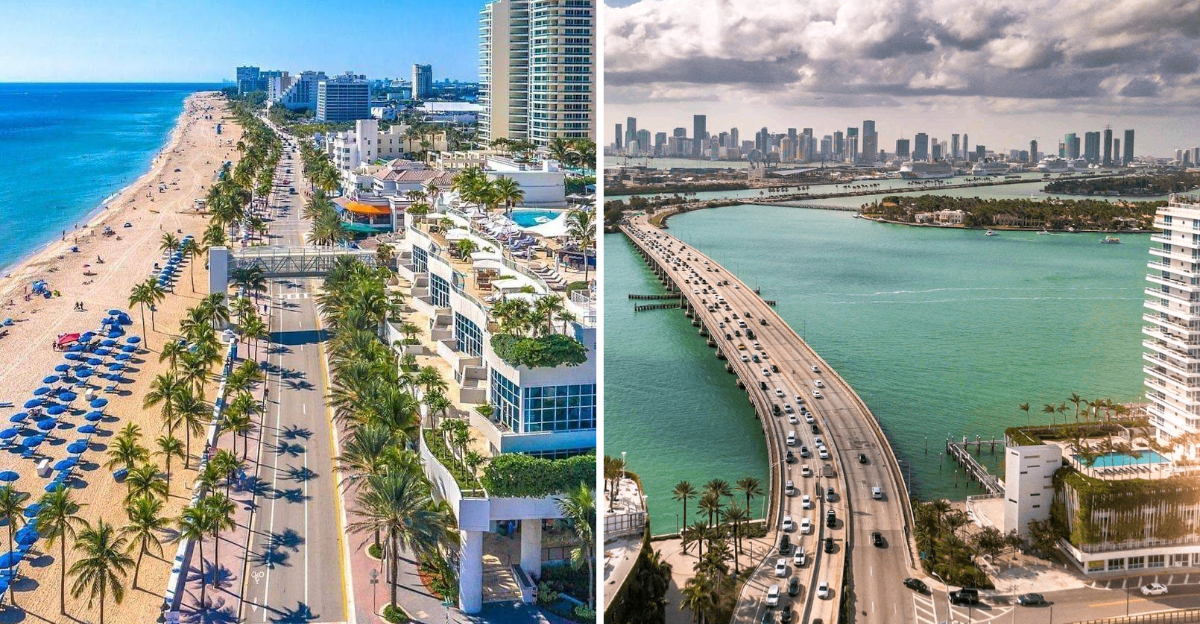
Florida’s coastline has always been a dream destination, but that dream is becoming harder to afford for the people who’ve called these beaches home for decades. Skyrocketing property taxes, insurance premiums, and everyday living expenses are forcing longtime locals to pack up and leave the communities they helped build.
What was once an affordable slice of paradise has transformed into a luxury market where only the wealthy can survive, leaving behind empty storefronts, displaced families, and neighborhoods that no longer recognize themselves.
1. Key West – Florida
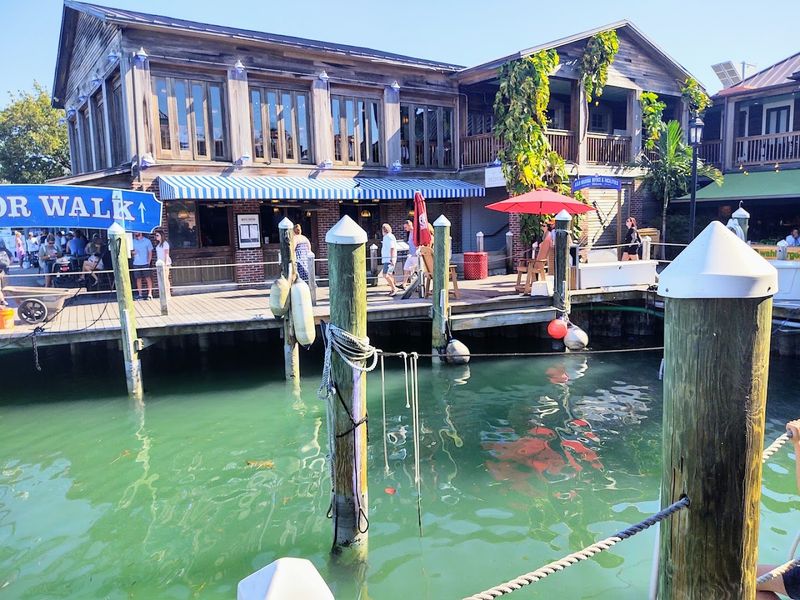
Rent for a modest apartment now hovers around three thousand dollars monthly, and that’s if you can even find one available. Workers who serve drinks at Duval Street bars or clean hotel rooms are commuting from as far as Marathon because they simply cannot afford to live where they work.
Property values have exploded so dramatically that multigenerational families are selling homes that have been passed down for a century, cashing out because the tax burden has become unbearable.
Insurance costs tell an even grimmer story. Hurricane risk has driven premiums to eye-watering levels, sometimes exceeding ten thousand dollars annually for a single-family home.
Combine that with property taxes that have tripled in some neighborhoods over the past decade, and you’ve got a recipe for displacement. The service industry workers who make the island function are being priced out systematically.
Local business owners face similar pressures. Small shops that survived hurricanes and economic downturns are closing because commercial rents have doubled or tripled.
The character that made Key West special is fading as chain stores and luxury boutiques replace mom-and-pop operations. Longtime residents speak wistfully about a time when artists, fishermen, and free spirits could actually afford to live here.
Even middle-class professionals struggle now. Teachers, nurses, and firefighters find themselves squeezed between stagnant wages and runaway housing costs.
The community is losing the diversity that once defined it, becoming increasingly homogeneous and wealthy. What remains is a beautiful shell of a town where the soul is slowly being extracted, one eviction notice at a time.
2. Miami Beach – Florida
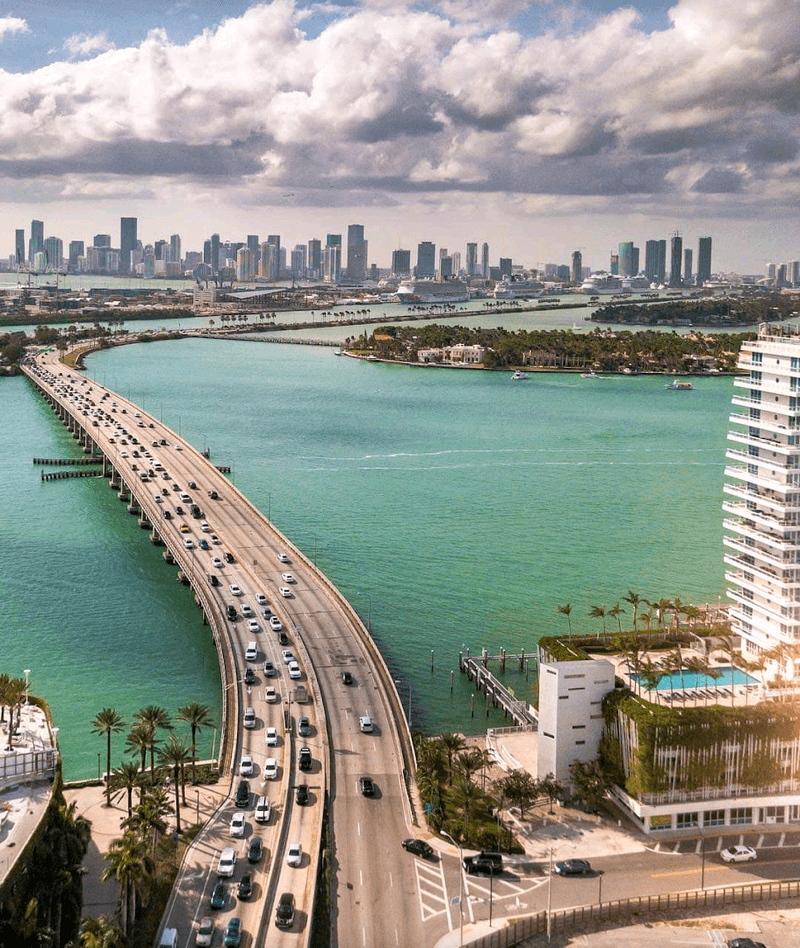
Condo prices have reached levels that would make even New York City residents wince. A one-bedroom unit in a modest building now sells for half a million dollars or more, and that’s nowhere near the oceanfront.
Families who bought homes in the 1980s for under a hundred thousand dollars are watching their property taxes climb into five figures annually. The math simply doesn’t work for people on fixed incomes or modest salaries.
Flooding has made the insurance situation particularly brutal here. Annual premiums for flood and wind coverage can easily exceed fifteen thousand dollars, forcing some homeowners to go without coverage or sell.
The city’s ongoing efforts to raise roads and install pumps are necessary but expensive, and those infrastructure costs get passed along to residents through special assessments and higher taxes. You’re essentially paying a premium just to keep your property above water, literally and financially.
Service workers face impossible choices daily. The people who staff hotels, restaurants, and retail shops are commuting from Homestead or even further west because Miami Beach proper has become unaffordable.
Some spend three hours daily in traffic just to earn minimum wage plus tips. The disconnect between where wealth concentrates and where workers can afford to live has never been more stark.
Cultural institutions that served longtime residents are disappearing. Community centers get converted to luxury gyms.
Affordable grocery stores close and reopen as organic markets with triple the prices. The neighborhood fabric is being rewoven with golden thread that most original residents can no longer touch.
3. Naples – Florida
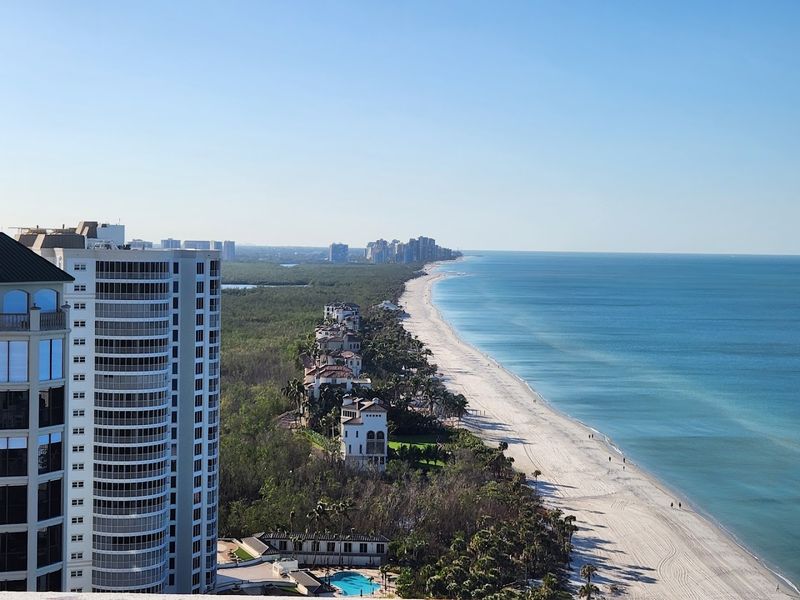
Property taxes in some Naples neighborhoods have increased by sixty percent over just five years. Retirees who moved here decades ago expecting a comfortable coastal retirement are now struggling to pay annual tax bills that exceed twenty thousand dollars.
Fixed incomes don’t stretch far when your home’s assessed value jumps from four hundred thousand to over a million, even if you have no intention of selling. The county needs revenue, and homeowners are footing the bill.
Insurance companies have fled the state entirely or raised rates to astronomical levels. Homeowners insurance that cost three thousand dollars annually five years ago now runs twelve thousand or more.
Some long-term residents are dropping coverage altogether and gambling that disaster won’t strike, a risky proposition in hurricane country. Others are selling while they still have equity and relocating to Georgia or the Carolinas where costs remain manageable.
The transformation of Naples into an ultra-wealthy enclave has been swift and merciless. Developers snap up older properties, tear down modest homes, and erect massive mansions that sell for ten million and up.
The new neighbors arrive with different expectations and priorities, pushing for stricter regulations and amenities that drive costs higher for everyone. Original residents feel like strangers in their own community.
Working families have been completely squeezed out. Teachers and healthcare workers who serve Naples must live in Bonita Springs, Estero, or even Fort Myers, facing brutal commutes.
The economic diversity that creates healthy communities has evaporated, replaced by wealth concentration that feels unsustainable and frankly unhealthy for the social fabric.
4. Palm Beach – Florida
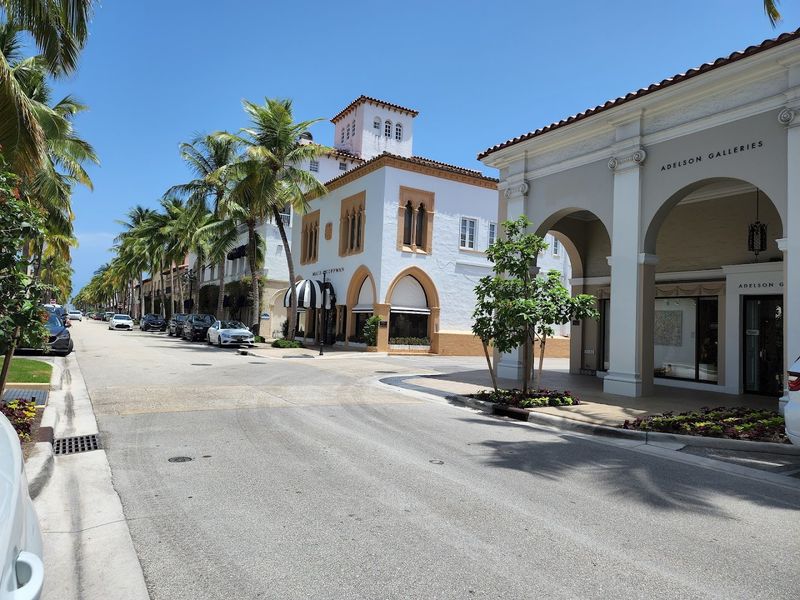
This island has always catered to wealth, but recent years have seen affordability vanish even for upper-middle-class residents who once made Palm Beach work. Homes that sold for two million dollars a decade ago now command eight or ten million, and property taxes have climbed proportionally.
Even successful professionals find themselves priced out, unable to afford the community where they’ve lived and worked for years. The ultra-wealthy are buying everything, and there’s no housing stock left for anyone else.
Commercial rents have forced out businesses that served year-round residents. Hardware stores, casual restaurants, and practical service providers have been replaced by designer boutiques and high-end galleries that cater exclusively to seasonal visitors and the super-rich.
If you need to buy a hammer or grab an affordable lunch, you’re driving off the island. The practical infrastructure that supports daily life has been sacrificed on the altar of luxury branding.
Estate staff face particularly difficult circumstances. The people who maintain homes, cook meals, and provide services for wealthy residents cannot afford to live anywhere near their workplaces.
Some commute from West Palm Beach or beyond, spending hours in traffic and significant portions of their wages on transportation. The irony is thick: the wealthy need workers, but those workers can’t afford to live in the community they serve.
Insurance costs here are equally punishing despite the island’s relative elevation and hurricane preparedness. Premiums reflect the high property values, meaning even modest homes carry insurance bills exceeding ten thousand dollars annually.
Combined with soaring property taxes, the carrying costs make Palm Beach accessible only to those with substantial wealth.
5. Boca Raton – Florida
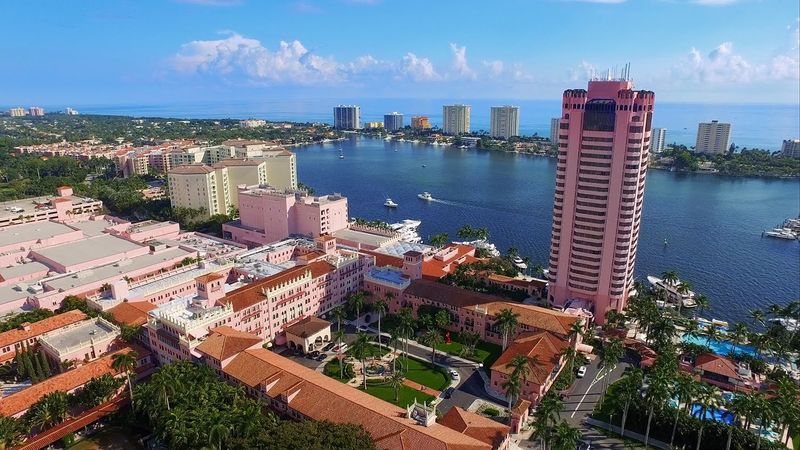
Once considered an affordable alternative to Palm Beach, Boca Raton has experienced its own affordability crisis. Median home prices have doubled since 2019, pushing well past six hundred thousand dollars for properties that would have sold for three hundred thousand just a few years earlier.
Longtime residents who bought decades ago are being hit with reassessments that dramatically increase their tax burden, sometimes by thousands of dollars annually. Retirees on fixed incomes are selling out of necessity, not choice.
The rental market offers no relief whatsoever. Two-bedroom apartments that rented for fifteen hundred dollars monthly five years ago now command three thousand or more.
Young families and service workers are being systematically pushed west toward less desirable areas with longer commutes and fewer amenities. The economic segregation is becoming more pronounced with each passing year, creating a community divided sharply between haves and have-nots.
Insurance premiums have skyrocketed in response to recent hurricane activity and insurance company failures. Annual costs for comprehensive coverage frequently exceed eight thousand dollars, a burden that falls hardest on middle-class homeowners who lack the financial cushion to absorb such increases.
Some are reducing coverage or increasing deductibles to dangerous levels, gambling that they won’t face catastrophic loss.
Local businesses struggle with the same pressures. Commercial rents have increased dramatically, forcing longtime establishments to close or relocate.
The mom-and-pop restaurants and shops that gave Boca Raton its character are being replaced by corporate chains and luxury retailers. The community is losing its identity, becoming another generic wealthy enclave indistinguishable from countless others.
6. Fort Lauderdale Beach – Fort Lauderdale
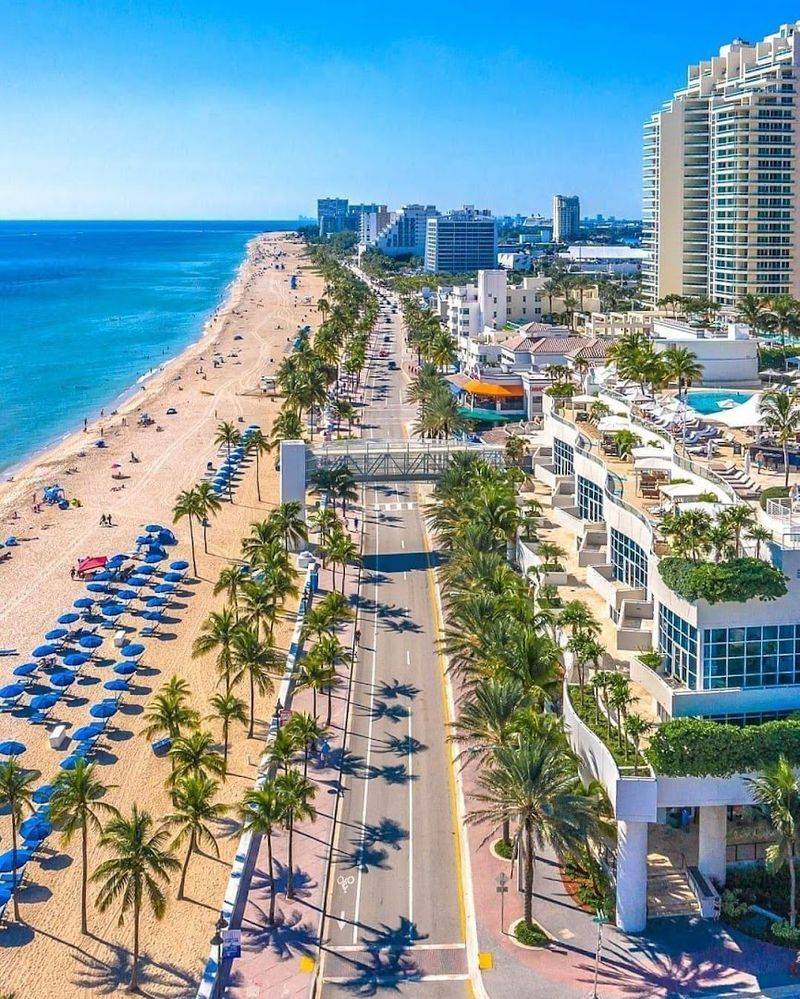
Beachfront property has always commanded premium pricing, but Fort Lauderdale Beach has seen increases that defy logic or sustainability. Condos that sold for two hundred thousand dollars fifteen years ago now list for over a million, and that’s for units that desperately need renovation.
Property taxes have climbed in lockstep, forcing out retirees who bought when prices were reasonable and planned to age in place. The displacement is happening rapidly and affecting people who contributed to this community for decades.
Flooding and sea-level rise have made insurance nearly impossible to obtain at reasonable rates. Carriers either refuse to write policies for beachfront properties or charge premiums that exceed fifteen thousand dollars annually.
Condo associations face massive special assessments to fund required inspections and repairs following recent building safety legislation, adding another financial burden that many residents simply cannot absorb. The combination of rising costs from multiple directions creates an impossible situation.
Service industry workers who staff the hotels, restaurants, and shops along the beach have been completely priced out. Many commute from Pompano Beach, Deerfield Beach, or even further north, spending hours daily in traffic.
The disconnect between where tourism dollars flow and where workers can afford to live creates unsustainable pressure on infrastructure and quality of life. Traffic congestion worsens yearly as more workers are forced to commute from affordable areas.
The cultural character of Fort Lauderdale Beach is changing dramatically. Longtime local hangouts close and reopen as upscale establishments with prices that exclude ordinary residents.
The sense of community that once defined this area is evaporating, replaced by a transient population of wealthy part-time residents and tourists.
7. Delray Beach – Florida
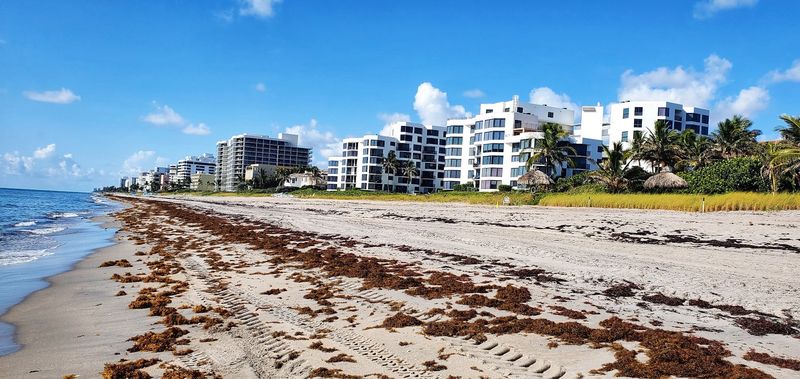
Atlantic Avenue’s transformation from quirky beach town to upscale destination has come at a steep price for original residents. Home values have surged past seven hundred thousand dollars for median properties, with beachside homes commanding multiple millions.
Property taxes have increased accordingly, hitting longtime homeowners with bills they never anticipated when they bought decades earlier. The charming beach community that attracted people seeking affordability and character has become another exclusive enclave accessible only to the wealthy.
Rental costs have become equally prohibitive for working families. A modest two-bedroom apartment now rents for over two thousand dollars monthly, far beyond what service workers, teachers, or municipal employees can reasonably afford on local wages.
The workforce that makes Delray Beach function is being forced to live elsewhere and commute, creating traffic problems and diminishing the sense of community that once made this town special.
Insurance challenges plague homeowners here as they do throughout coastal Florida. Annual premiums for wind and flood coverage routinely exceed ten thousand dollars, sometimes approaching twenty thousand for older homes near the water.
When combined with rising property taxes and maintenance costs, the total carrying costs make homeownership unsustainable for middle-class families. Many are selling while they still have equity and relocating to more affordable markets.
Small businesses face similar pressures from skyrocketing commercial rents. Long-established restaurants and shops that survived previous economic downturns are closing because landlords can charge triple the rent to incoming chains and luxury retailers.
The eclectic mix of businesses that gave Delray Beach its personality is being homogenized into another generic wealthy beach town indistinguishable from dozens of others.
8. St. Pete Beach – Florida
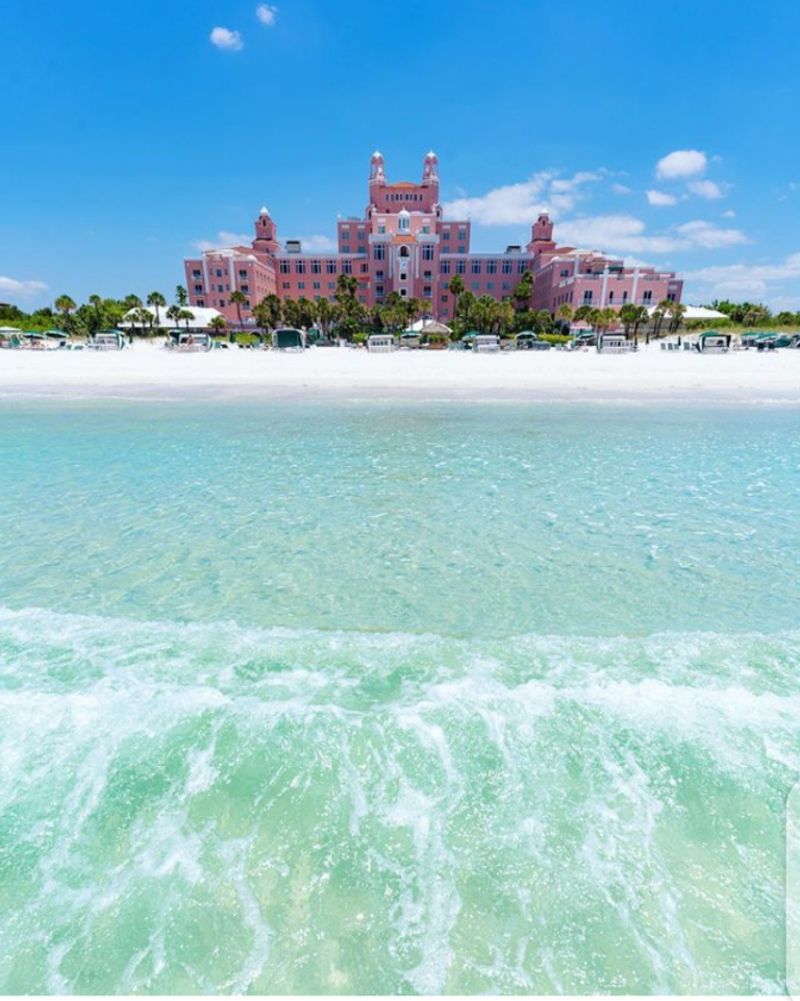
This barrier island has seen median home prices climb past five hundred thousand dollars, more than double what they were just six years ago. Longtime residents who bought modest beach cottages in the 1990s for under two hundred thousand are now facing property tax bills that reflect million-dollar assessments.
For retirees on fixed incomes, these increases represent an existential threat. Many are selling and moving inland or out of state entirely, abandoning communities where they raised families and built lives.
The rental market has become completely inaccessible for working-class families. Studio apartments that rented for eight hundred dollars monthly a decade ago now command eighteen hundred or more.
Two-bedroom units exceed two thousand five hundred dollars, making it impossible for service workers to live anywhere near their jobs. The people who clean hotel rooms, serve food, and maintain properties are commuting from Pinellas Park, Largo, or even Tampa, spending hours in traffic and significant wages on transportation.
Hurricane insurance has reached crisis levels here. Annual premiums frequently exceed twelve thousand dollars for modest single-family homes, and that’s if you can find a carrier willing to write a policy at all.
Several major insurers have stopped writing new policies in Florida entirely, leaving homeowners scrambling for coverage through the state-backed insurer of last resort, which offers less protection at higher costs. The financial squeeze is relentless and unsustainable.
Local character is disappearing as mom-and-pop motels and restaurants get demolished and replaced with luxury condos and chain establishments. The funky beach town vibe that made St. Pete Beach attractive is being sanitized and corporatized, leaving behind a sterile resort destination that longtime residents barely recognize.
9. Clearwater Beach – Clearwater
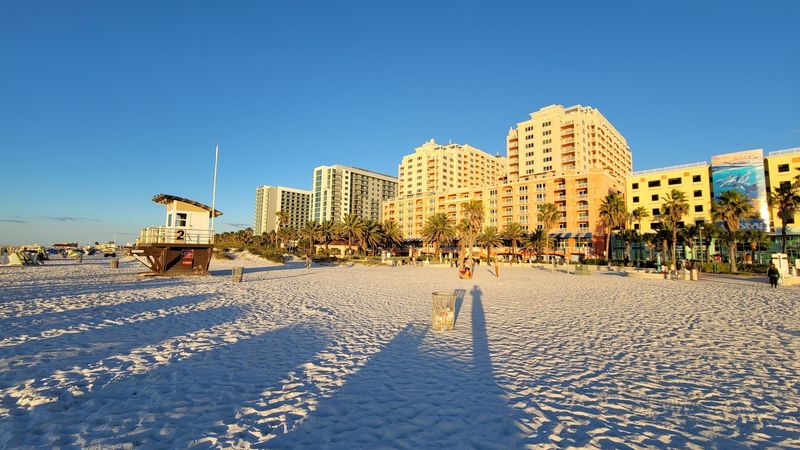
Tourism has always driven the economy here, but recent development has tilted the balance so far toward visitors that actual residents are being squeezed out entirely. Home prices have climbed past four hundred fifty thousand dollars for median properties, with anything actually on the beach commanding well over a million.
Property taxes have increased dramatically as the city invests heavily in tourism infrastructure, effectively asking residents to subsidize improvements that primarily benefit visitors and hotel owners. The resentment among longtime locals is palpable and growing.
Rental housing has become scarce and expensive as property owners convert long-term rentals to short-term vacation rentals that generate far more revenue. Families who rented homes for years are being evicted so landlords can list properties on vacation rental platforms.
The few long-term rentals still available command premium prices, often exceeding three thousand dollars monthly for a modest two-bedroom apartment. Working families simply cannot compete with vacation rental income, so they’re forced to leave.
Insurance costs reflect the area’s hurricane vulnerability and high property values. Homeowners routinely pay ten to fifteen thousand dollars annually for comprehensive coverage, a burden that falls hardest on middle-class families without substantial financial reserves.
When combined with rising property taxes and general cost-of-living increases, the total expense of remaining in Clearwater Beach has become prohibitive for anyone not wealthy. The economic diversity that creates healthy communities has vanished.
Small businesses that catered to year-round residents are closing steadily. Grocery stores, hardware shops, and casual restaurants cannot afford commercial rents that reflect the tourism economy.
What remains are souvenir shops, upscale restaurants, and chain stores that serve visitors, not locals. The community infrastructure that supports daily life has eroded to the point where Clearwater Beach functions primarily as a tourist destination rather than an actual town.
10. Anna Maria – Florida
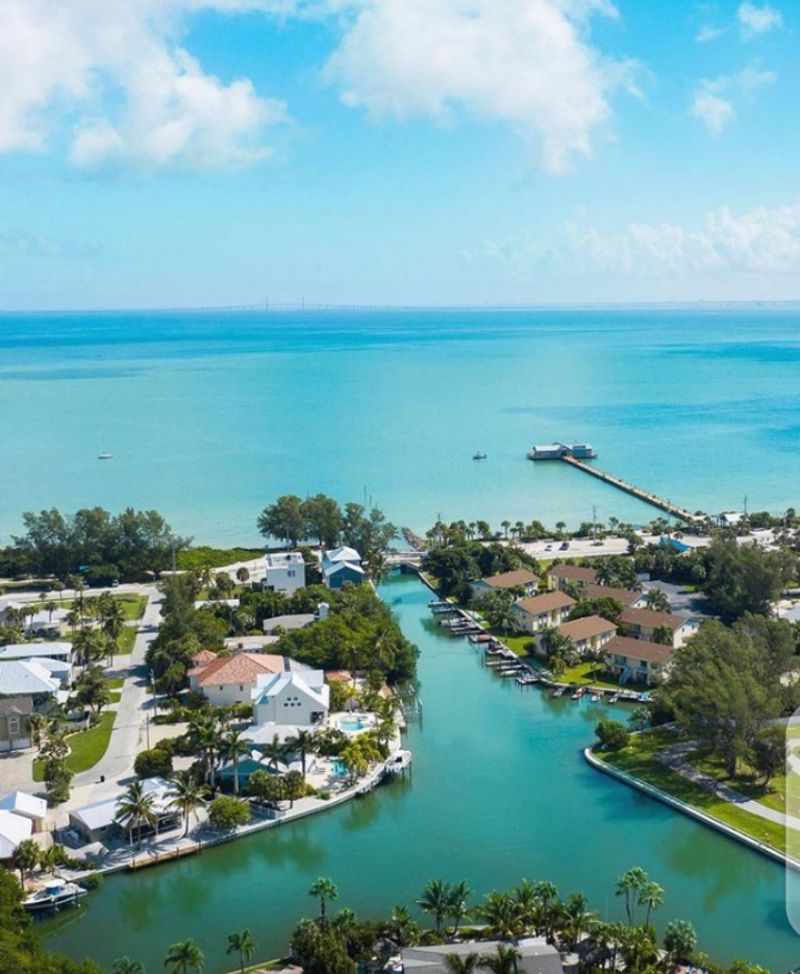
This seven-mile barrier island has transformed from affordable beach getaway to exclusive luxury destination in remarkably short time. Home prices have exploded past eight hundred thousand dollars for median properties, with gulf-front homes commanding three million and up.
Longtime residents who bought modest cottages decades ago are being hit with property tax bills that reflect these astronomical values, forcing many to sell and leave the island they’ve called home for generations. The displacement is happening rapidly and fundamentally changing the community’s character.
Vacation rental conversion has decimated the long-term rental market here. Property owners can earn in one summer month what they’d collect in six months of long-term rent, so the economic incentive to convert is overwhelming.
Families who rented homes year-round for decades are being evicted as properties shift to short-term vacation rentals. The few remaining long-term rentals command prices exceeding four thousand dollars monthly for modest accommodations, far beyond what local workers can afford on island wages.
Insurance represents another crushing burden for homeowners. Annual premiums for comprehensive hurricane coverage routinely exceed fifteen thousand dollars for modest homes, sometimes approaching twenty-five thousand for larger gulf-front properties.
The island’s vulnerability to storm surge and its high property values create a perfect storm of insurance costs that make ownership increasingly untenable for anyone not extremely wealthy. Middle-class families are being systematically eliminated from the community.
Local businesses struggle to find workers because employees cannot afford to live on the island. Restaurants, shops, and service providers must recruit from the mainland, offering transportation or premium wages to attract staff willing to commute across the bridge.
The sense of community that once defined Anna Maria is disappearing as the year-round population shrinks and gets replaced by part-time wealthy residents and tourists.