Since 1915, This Tampa, Florida Bakery Has Kept The Cuban Bread Tradition Alive
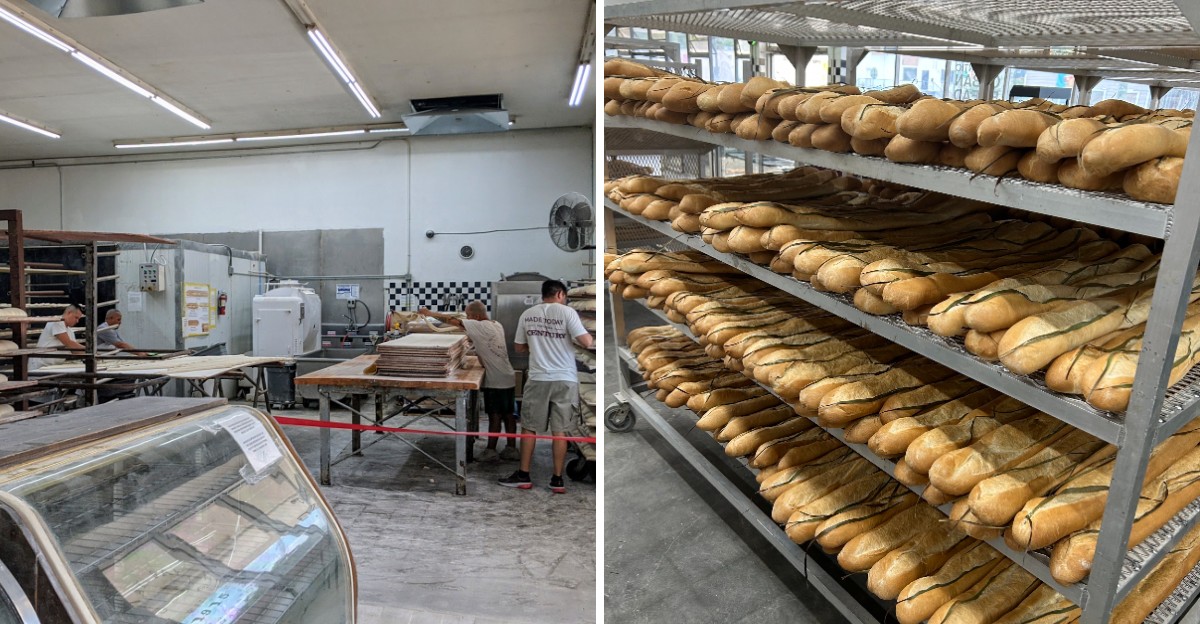
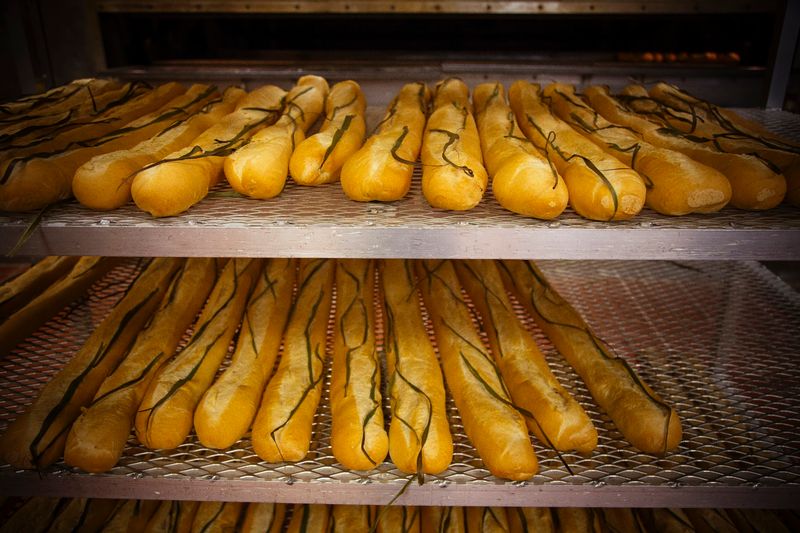
A strip of palmetto leaf gets laid across the dough before these Cuban loaves ever reach the oven. That little green strip creates the famous split down the top, and the habit goes back more than a century.
The bakery behind it opened in 1915. The same family still runs it today, now four generations deep. One of its locations even lets you buy bread inside the working production bakery itself.
I love that kind of honesty. No fancy cafe setup, no menu boards trying too hard. Just bakers, big ovens, and long golden loaves heading out the door in paper sleeves.
Florida has no trouble finding Cuban food, but bread this tied to its own family story feels rare. So what does it really take to keep one loaf recipe going strong for over a hundred years?
You Are Buying Bread Right Where The Magic Happens
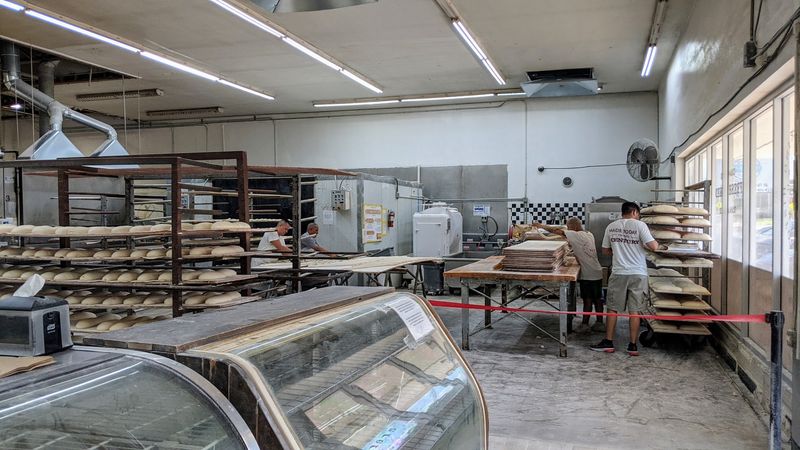
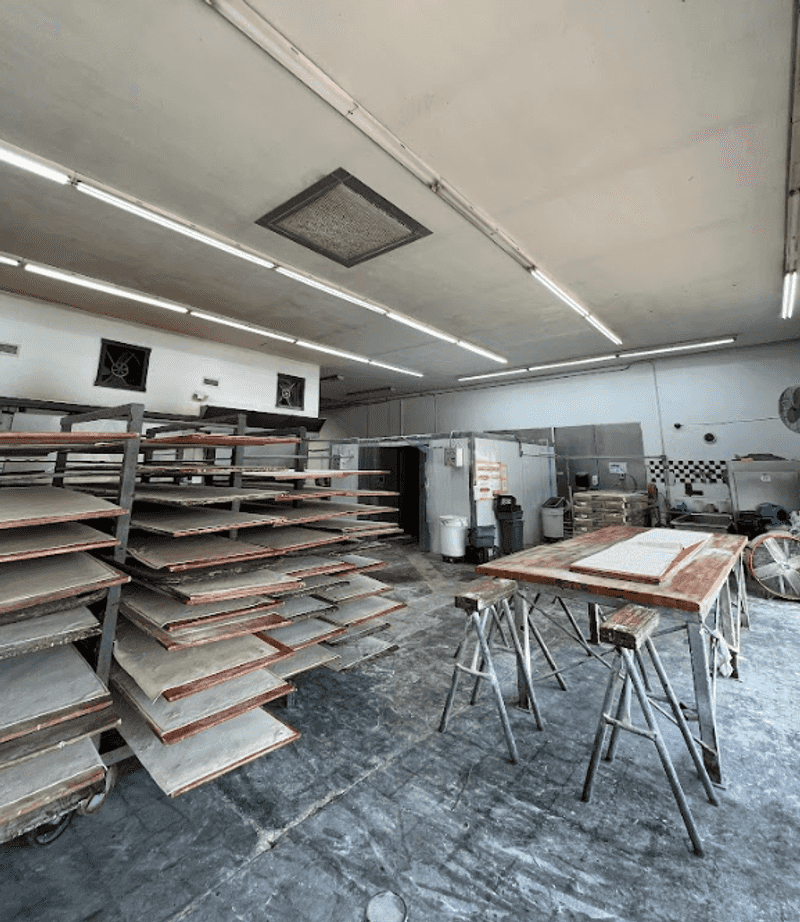
Most bakeries hide the work in a back room. La Segunda Seminole Heights puts you right next to it.
This spot works as the production facility for La Segunda, the Tampa bakery famous for Cuban bread. You place your order inside the same building where the loaves are made.
That gives the place a very different feel from a cozy corner cafe. Think of it as a front-row seat to a bakery that has been at this since 1915.
The family behind La Segunda describes this location as a behind-the-scenes glimpse of their work. I believe that is the best way to see it. You come for bread, and you get a peek at the process too.
Kids especially may get a kick out of it. Seeing real people turn dough into dinner is a lesson no cookbook can match.
So go in with the right mindset. This is a working bakery first and a shopping stop second, and that is exactly the charm.
Fresh Cuban bread tastes even better when you know it traveled only a few steps to reach you.
A Family Recipe That Has Outlasted More Than A Century Of Trends
Back in 1915, Juan Mor\u00e9 opened La Segunda Central Bakery in Tampa. Over a hundred years later, his family still runs the business.
That is now four generations of the same family keeping the recipe going. Plenty of restaurants change hands every few years, so that kind of staying power stands out.
The bakery grew up alongside Ybor City, the historic Tampa neighborhood shaped by Cuban, Spanish, and Italian immigrants. Cuban bread became a daily staple there, and La Segunda helped feed that demand.
Today the company bakes thousands of loaves and supplies bread far beyond its own doors. Still, the core idea has not really changed. Make good Cuban bread, and make plenty of it.
I like that the family leans on time-honored techniques instead of chasing fads. There is no rainbow bread here, and nobody needs one.
When you buy a loaf at La Segunda Seminole Heights, you are holding a small piece of Florida food history. It just happens to be warm, crusty, and very easy to tear into on the drive home.
Not bad for something that started in 1915.
Watch For That Palmetto Leaf Split On Top Of Every Loaf
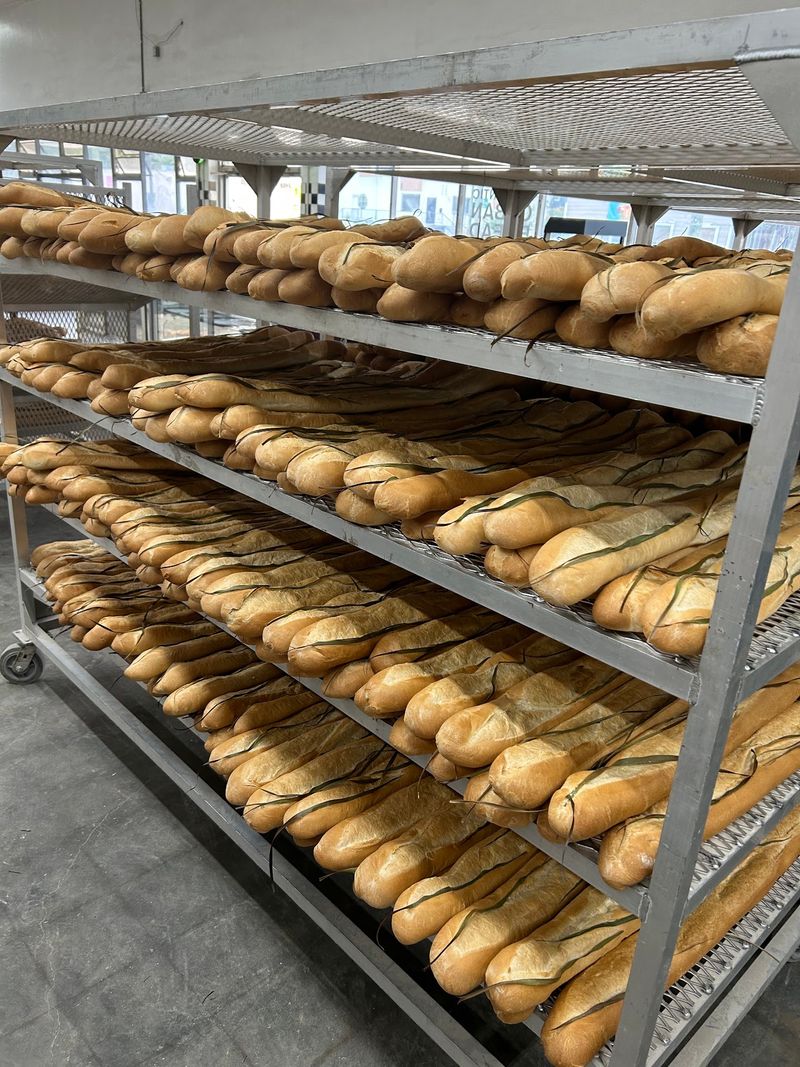
Look closely at a loaf of Tampa Cuban bread, and you will spot a long seam running down the top. That split is not an accident.
Traditional Tampa bakers lay a wet strip of palmetto frond along the dough before baking. As the bread rises in the oven, the leaf creates that signature crack down the middle.
La Segunda is well known for keeping this old-school step alive. It is the kind of detail that tells you someone still cares about doing things the classic way.
Honestly, who expected a plant to have a job at a bakery? Palmetto trees grow all over Florida, so the tradition makes a lot of sense.
The result is a loaf with a recognizable look and a crisp, thin crust. Inside, Cuban bread is known for its soft, airy center.
Next time you grab a loaf, take a second to find that seam before you rip it open. It connects your lunch to generations of Tampa bakers.
Then go ahead and tear in. The palmetto leaf already did its part.
Set An Alarm For The Hot Bread Window
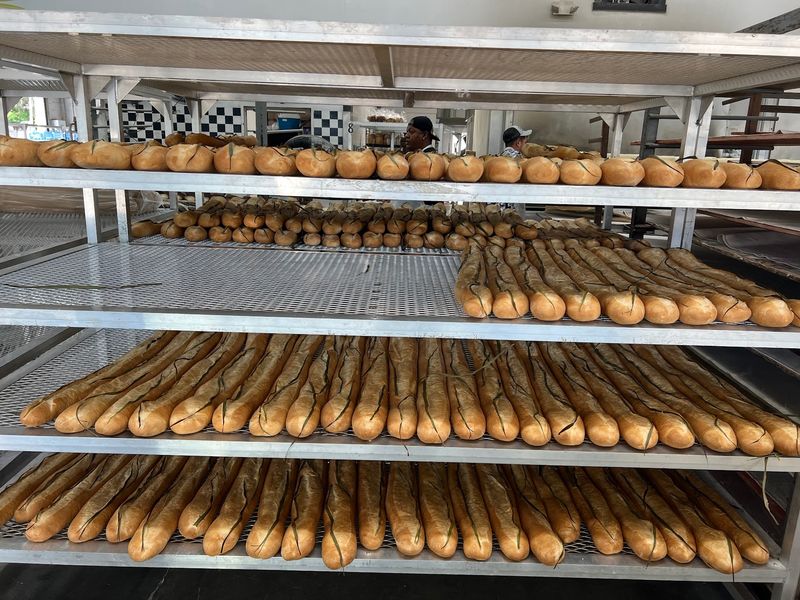
Timing matters more than you might expect at this bakery. According to La Segunda, hot bread typically comes out between 11:00 and 11:30 in the morning.
That is your sweet spot. Show up then, and you have a real shot at a loaf still warm from the oven.
One small catch is worth knowing ahead of time. Some fresh loaves may already be set aside for customer orders, so not every rack is up for grabs.
Arriving during that late-morning window gives you the best odds. The team says it is happy to help walk-in customers get hot bread then.
Every loaf is baked fresh daily, so earlier visits still bring good bread. Hot bread, though, is its own little reward.
Planning a lunch break around a loaf of bread may sound silly. Then again, people plan whole vacations around food, so this feels pretty reasonable.
My advice is simple and very practical. Aim for 11:00, keep your car keys handy, and try not to eat half the loaf before you get home.
Good luck with that last part.
Save Room For A Guava Flip Or A Savory Empanada
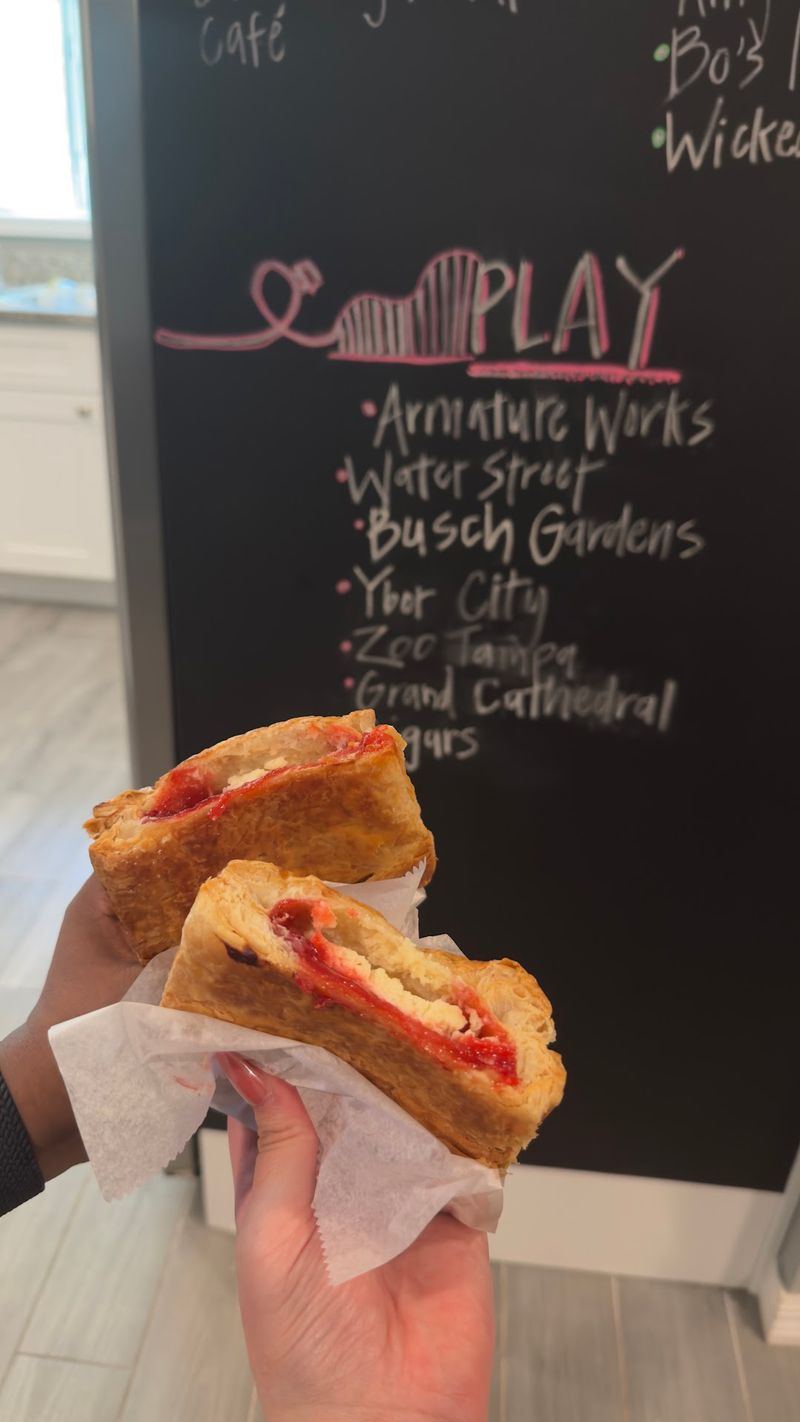
Bread gets the spotlight, but the pastry case deserves a glance too. La Segunda Seminole Heights sells pastries alongside its famous loaves.
Guava shows up here, which is great news for anyone who loves that sweet, fruity Cuban classic. The bakery itself has cheered on fans of its guava flips.
Guava and cheese is a beloved pairing in Cuban baking. The tart fruit and creamy cheese balance each other in a way that just works.
Craving something savory instead? Empanadas are also part of the lineup, and the bakery has mentioned them right alongside those flips.
Selection can change, so treat the case like a fun surprise rather than a fixed menu. Grab whatever looks good that morning.
A pastry also makes a smart snack while you wait for hot bread. Nobody ever said you had to choose just one carb.
I like the idea of leaving with a loaf under one arm and a little paper bag in the other hand. That is a well-planned bakery run, if you ask me.
Breakfast and lunch, both handled in one stop.
Know What This Stop Is Before You Show Up Hungry For A Sandwich
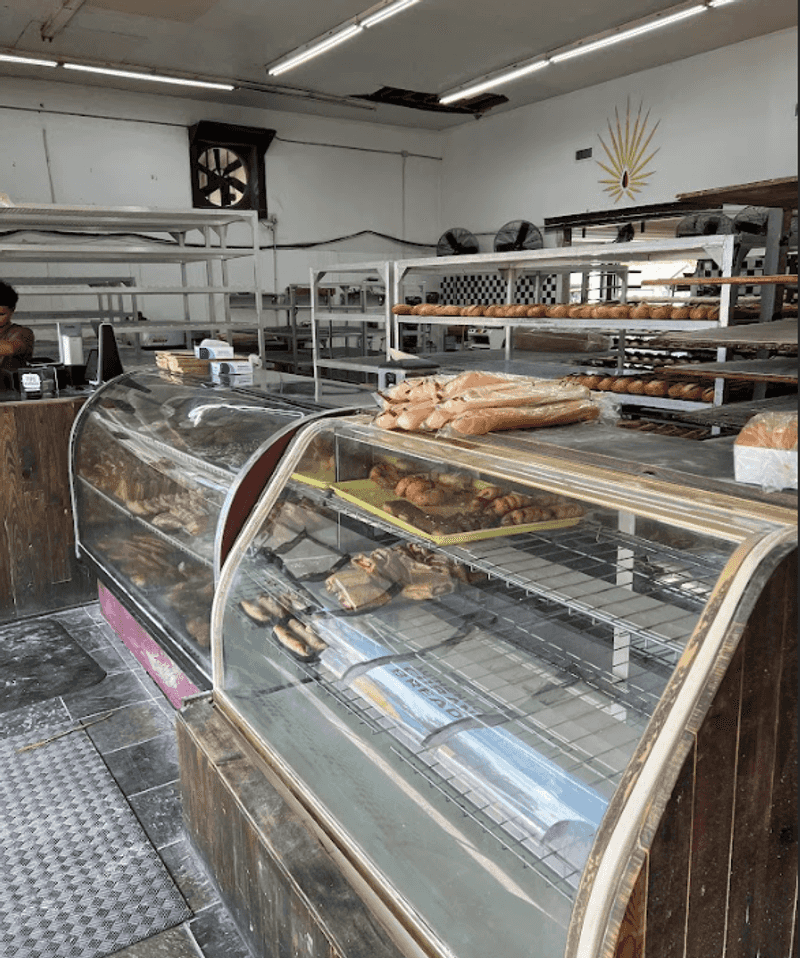
Here is a helpful heads-up before you drive over. La Segunda Seminole Heights sells bread and pastries only, not a full cafe menu.
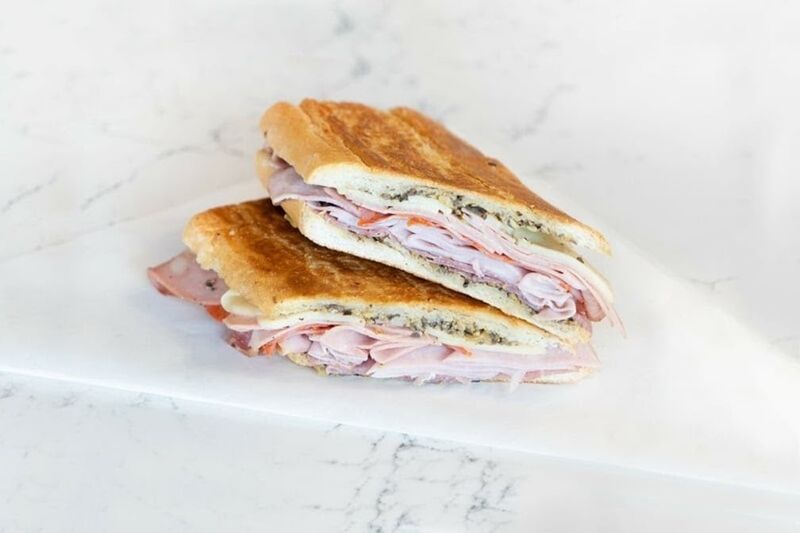
That means no Cuban sandwiches and no full breakfast plates at this location. The bakery has said its other locations offer full menus.
So which stop fits your plans? If you want a sit-down meal, head to one of the full-service La Segunda bakeries instead.
If you want the bread itself, this is a great place to get it. Think of it as going straight to the source.
Honestly, that opens up a fun option at home. Grab a loaf, then build your own Cuban sandwich in your kitchen.
The Tampa version usually layers ham, roast pork, Swiss cheese, pickles, mustard, and salami. Press it in a hot pan with something heavy on top, and you are in business.
Making it yourself also lets you load up on pickles without anyone judging you. That alone might be worth the trip.
Just remember, the star of any Cuban sandwich is the bread. You will already have the best part covered.
Plan Your Run Around These Early Bakery Hours
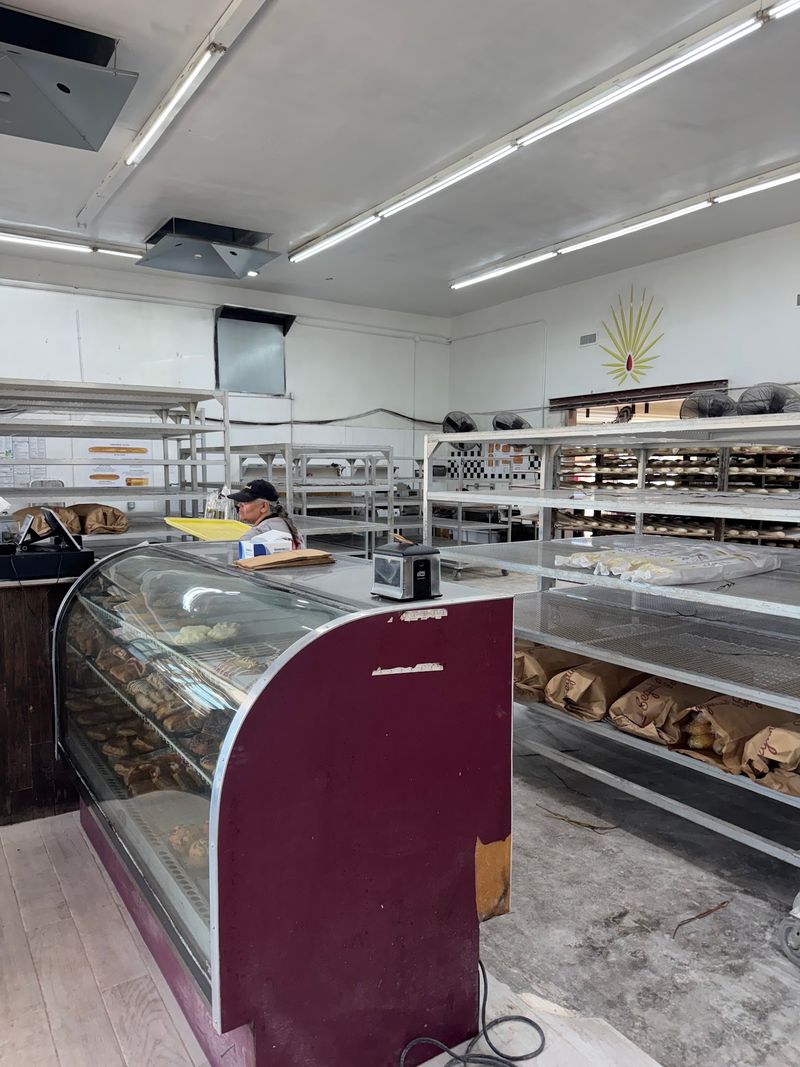
Early birds win at this bakery, and that is not just a saying. La Segunda Seminole Heights closes at 3 PM daily, but the bakery’s own current pages list an opening time of either 6 or 6:30 AM, so check before an early visit.
Those hours stay the same every day of the week, including weekends. That makes planning easy, as long as you are not hoping for an evening loaf.
You will find the bakery at 5150 N Florida Ave, Tampa, FL 33603. It sits along a busy stretch of Florida Avenue in the Seminole Heights neighborhood.
Seminole Heights is one of Tampa’s older neighborhoods, known for its bungalow-lined streets and local food scene. The bakery fits right into that neighborhood feel.
Since it closes in the afternoon, an after-work bread run will not happen here. Try a morning errand or a lunch-hour stop instead.
Remember that hot bread usually appears around late morning. Pairing that with these hours gives you a pretty clear game plan.
Coffee first, bread second, then home to enjoy both. That sounds like a pretty good Saturday to me.
Just set an alarm so 3 PM does not sneak up on you.
Bring The Kids So They Can See Where Bread Really Comes From
Bread does not grow on grocery store shelves, though plenty of kids might think so. A stop here can clear that up fast.
Because La Segunda Seminole Heights is the bakery’s production facility, the work happens in plain view. Families can see bakers at the tables while ordering at the counter.
That turns a quick errand into a mini field trip. No tickets, no tour guide, and the souvenir is edible.
I can’t imagine a better way to show children how much effort goes into everyday food. Every loaf passes through real hands before it reaches a kitchen table.
Grandparents who grew up with Tampa Cuban bread may enjoy sharing stories too. The bakery has been around since 1915, so many families have their own memories tied to it.
Keep the visit short and simple with little ones. This is a busy working space, so it is best to stay out of the way.
Let them pick a pastry as a reward for good behavior. A guava treat makes a strong argument for listening.
Bread lessons rarely taste this good.
Treat That Loaf Right Once You Get It Home
Cuban bread is at its best the day you buy it. The thin crust and soft center do not love sitting around for days.
So eat it soon, and do not feel guilty about it. That is basically the house rule for good bread anywhere.
A classic Tampa move is Cuban toast. Slice the loaf, slather it with butter, and press it flat on a hot griddle until golden.
Pair it with Cuban coffee or caf\u00e9 con leche for a true Tampa-style breakfast. Dunking is not just allowed, it is encouraged.
Have leftovers? Wrap them well and use them the next day for sandwiches, French toast, or crunchy toasted cubes for soup.
Many former Tampa residents miss this bread after moving away from Florida. A loaf from La Segunda Seminole Heights can make a thoughtful gift for family out of town.
Just pack it carefully so it does not get squished in a suitcase. Long loaves and tight luggage are not natural friends.
Whatever you choose, enjoy it while it is fresh. A century of baking deserves that much respect.