Skip Dinner and Look at Jupiter Instead at This Free Florida Stargazing Spot
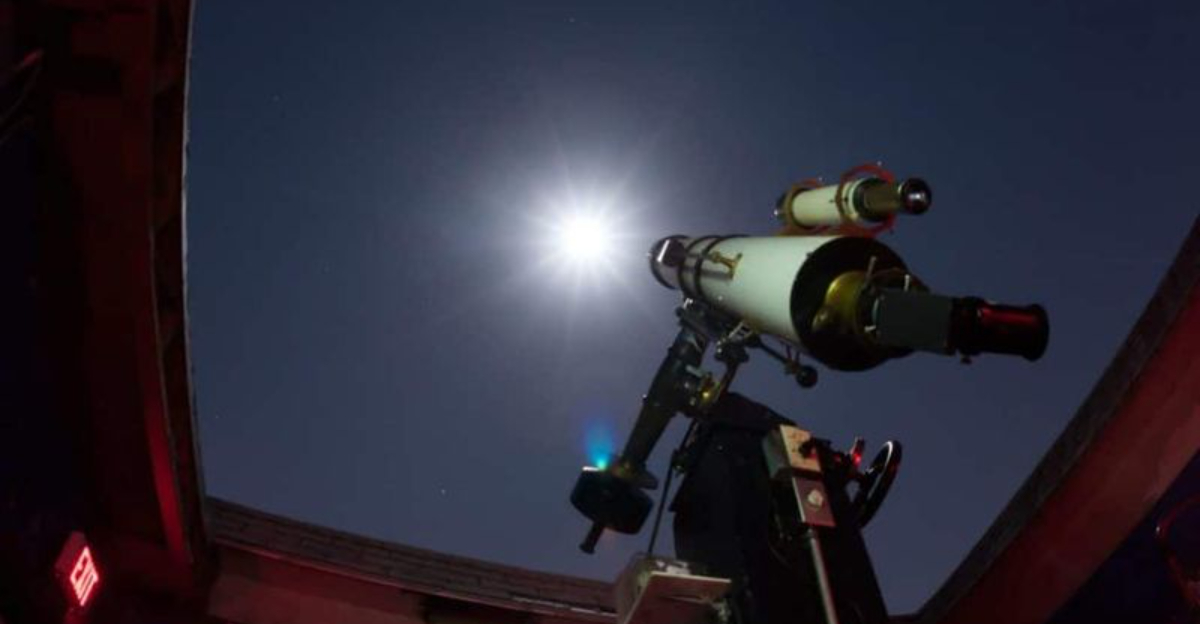
Ever wonder what Saturn’s rings actually look like up close, or if you could spot Jupiter’s swirling storms from your own backyard? At the Fox Observatory in Markham Park, you don’t need fancy equipment or an astronomy degree to explore the cosmos. Every Saturday night, the South Florida Amateur Astronomers Association opens their powerful telescopes to the public completely free, turning a regular weekend into an unforgettable journey through space that beats any dinner reservation.
1. Completely Free Admission Every Saturday Night
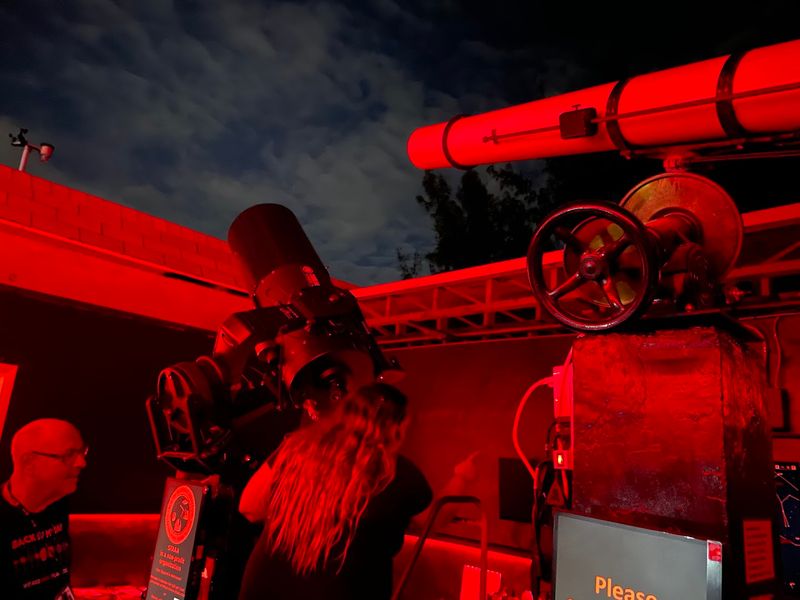
Most date nights in South Florida drain your wallet before you’ve even ordered appetizers. The Fox Observatory flips that script entirely by offering world-class stargazing without charging a single penny. Run by volunteers from the South Florida Amateur Astronomers Association, this spot welcomes everyone from curious kids to seasoned space enthusiasts every Saturday after sunset.
The observatory operates on donations alone, so while admission stays free, tossing a few dollars in their donation box helps keep the telescopes running and the lights on. Your contribution supports equipment maintenance, educational programs, and ensures this incredible resource remains accessible to future generations. Even a small donation makes a real difference for this nonprofit operation.
Gates open around sunset and sessions typically run until 10:30 or 11:30 PM depending on the season. Arrive before 10 PM to guarantee enough viewing time, especially during busy nights when planetary events draw bigger crowds. The park itself closes to regular traffic, but the observatory entrance stays open specifically for stargazers and campers, creating a peaceful, dark environment perfect for celestial observation without the usual park activity.
2. Two Massive Permanently Mounted Telescopes
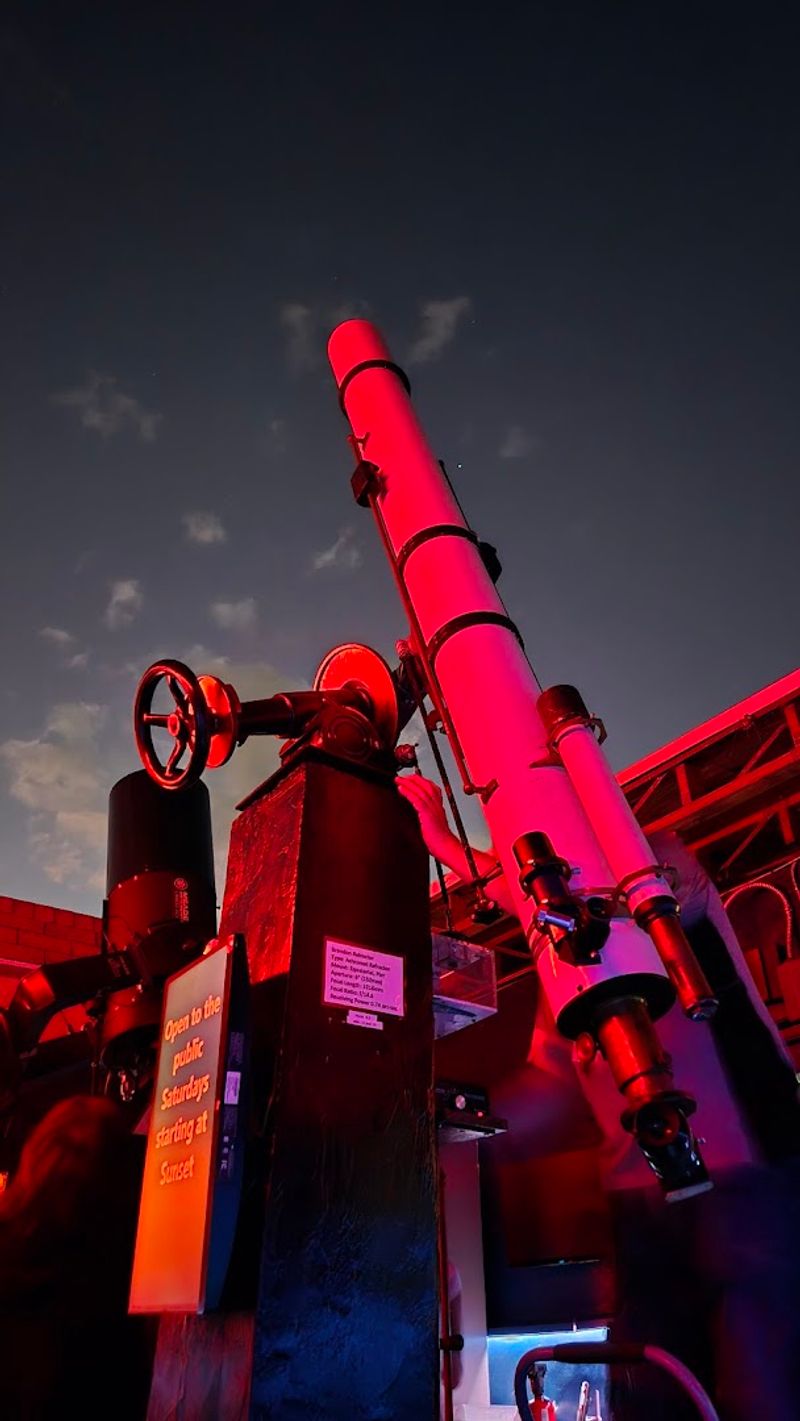
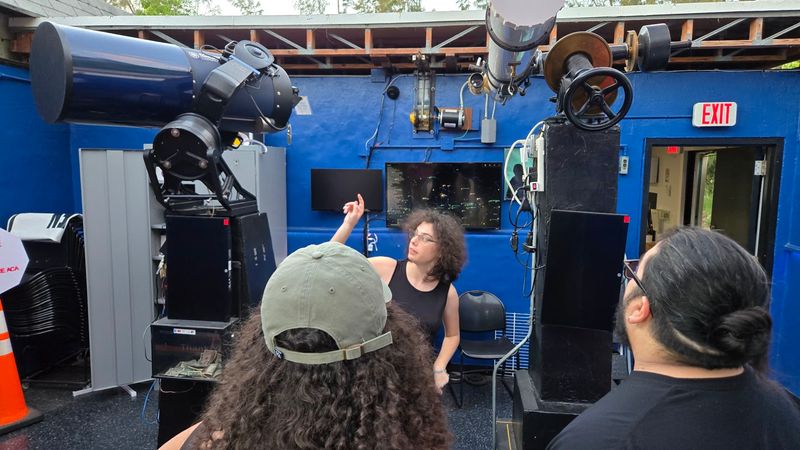
Walking into the Fox Observatory feels like stepping into a real space research facility. Two enormous permanently mounted telescopes dominate the space, always positioned to capture whatever celestial wonder is putting on the best show that night. These aren’t your department store telescopes—they’re serious astronomical instruments capable of revealing details most people have only seen in textbooks or NASA photos.
The beauty of permanently mounted equipment means consistency and power. Unlike portable telescopes that need constant adjustment and calibration, these heavy-duty scopes stay precisely aligned and deliver crystal-clear views night after night. Volunteers operate them expertly, knowing exactly how to maximize what you’ll see based on current atmospheric conditions and celestial positions.
During a typical visit, you’ll get chances to peer through both telescopes, each potentially focused on different targets. One might be locked onto Saturn’s iconic rings while the other captures Jupiter’s Great Red Spot or distant galaxies millions of light-years away. The experience of seeing these cosmic objects with your own eyes—not through a screen or photograph—creates genuine awe that photos simply cannot replicate, making it worth the drive from anywhere in Broward County.
3. Amateur Astronomers With Personal Telescopes
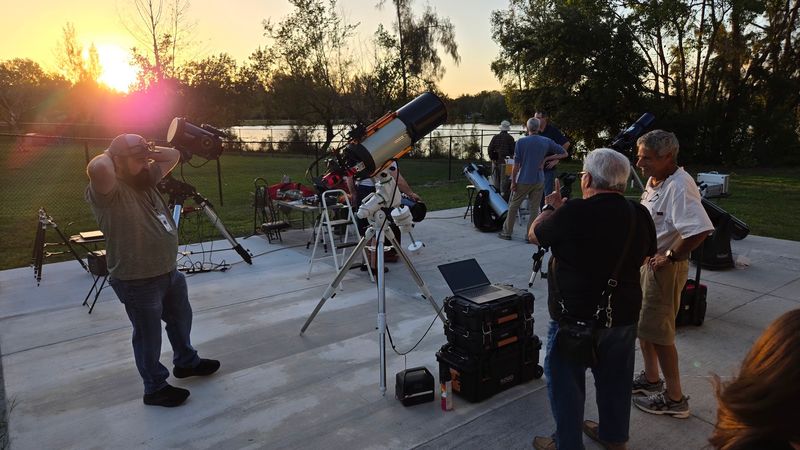
Beyond the observatory’s official equipment, something magical happens on the concrete platform outside. Passionate hobbyists arrive with their personal telescopes—some costing thousands of dollars—and generously share their views with complete strangers. These amateur astronomers represent the heart and soul of the stargazing community, turning what could be a solitary hobby into a communal celebration of space exploration.
Each hobbyist brings different equipment with unique capabilities. Some specialize in planetary observation with high-magnification scopes perfect for seeing surface details on Mars or Venus. Others focus on deep-sky objects, revealing nebulae, star clusters, and distant galaxies invisible to smaller telescopes.
Walking between setups feels like channel surfing through the universe, each stop offering a completely different cosmic perspective.
What makes this experience truly special is the enthusiasm these volunteers bring. They don’t just let you look—they explain what you’re seeing, share fascinating facts about each celestial object, and answer questions with genuine excitement. Many have been practicing astronomy for decades and love introducing newcomers to their passion.
Their knowledge transforms simple viewing into an educational adventure, and their willingness to share expensive equipment with strangers exemplifies the welcoming spirit that defines the Fox Observatory experience.
4. See Planets Like Jupiter and Saturn Up Close
Seeing Jupiter or Saturn through a powerful telescope ranks among those experiences that genuinely changes your perspective. Textbook images and documentaries don’t prepare you for the emotional impact of witnessing these giant planets with your own eyes. Jupiter’s swirling cloud bands, the Great Red Spot storm system, and its four largest moons become suddenly real rather than abstract concepts from science class.
Saturn delivers an even more dramatic moment. The first time those famous rings snap into focus through the eyepiece, expect audible gasps—it happens constantly at the observatory. The rings appear so perfect and three-dimensional that your brain struggles to accept you’re looking at an actual object floating in space, not a special effect or artist’s rendering.
Planetary viewing depends heavily on orbital positions, so what you’ll see varies throughout the year. Venus shines brilliantly during certain months, Mars reveals its rusty surface details during close approaches, and sometimes you’ll catch multiple planets in a single night. The volunteers always know what’s currently visible and position telescopes accordingly.
Winter months typically offer clearer skies and better viewing conditions than humid Florida summers, though spectacular sights appear year-round for those willing to brave occasional mosquitoes and check weather conditions before heading out.
5. Perfect for Families and Well-Behaved Kids
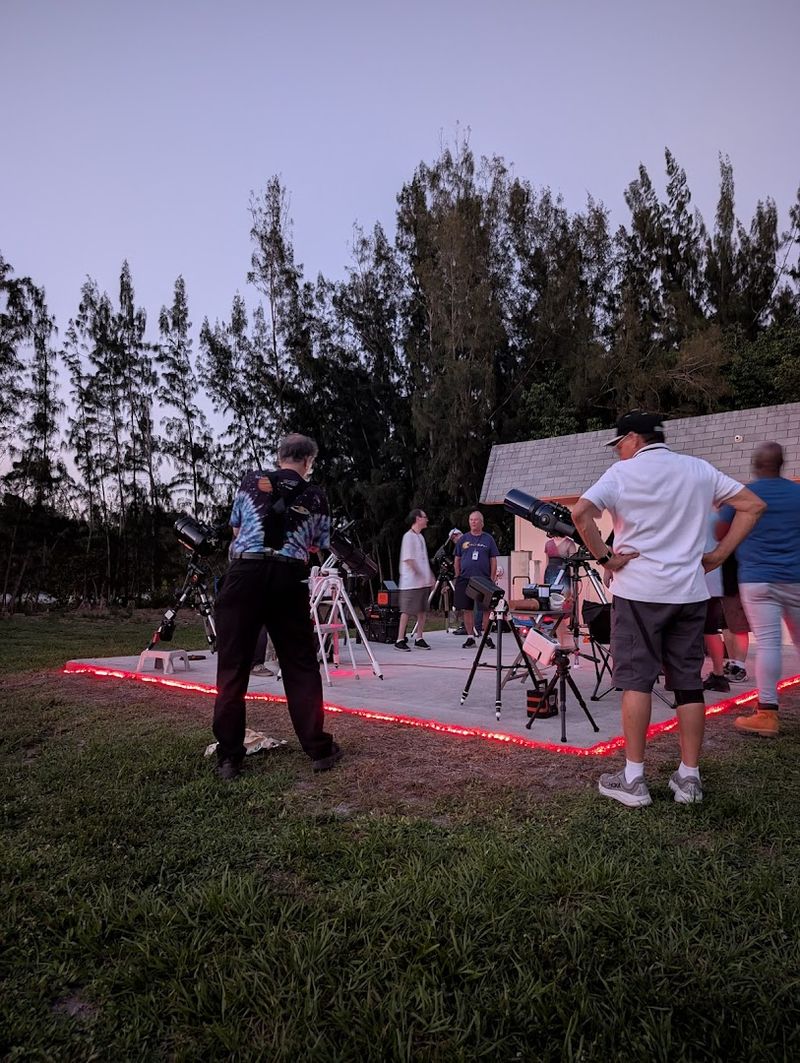
Parents constantly search for activities that educate kids without feeling like homework, and the Fox Observatory delivers exactly that combination. Children as young as three or four can appreciate the wonder of seeing Saturn’s rings or the moon’s craters, though kids around seven and older tend to grasp the significance more fully. Watching a child’s face light up when distant planets suddenly become real creates memories that stick with families for years.
The environment stays family-friendly throughout the evening. Volunteers show endless patience with curious kids, adjusting telescopes to comfortable viewing heights and explaining concepts in age-appropriate language. Other families typically attend, so your children won’t be the only ones asking questions or expressing excitement.
The shared experience of discovery creates a wholesome atmosphere that beats screen time any day of the week.
That said, bring well-behaved children who can follow basic rules. The darkness requires careful movement, and expensive telescopes demand respect—touching equipment without permission is the fastest way to earn playful but firm corrections from volunteers. Kids need to understand they’ll wait in short lines for popular telescopes and use quiet voices to avoid disrupting others’ viewing experiences.
Pack snacks since no food is available nearby, and don’t forget bug spray during warmer months when mosquitoes crash the astronomical party.
6. Dark Sky Environment for Optimal Viewing
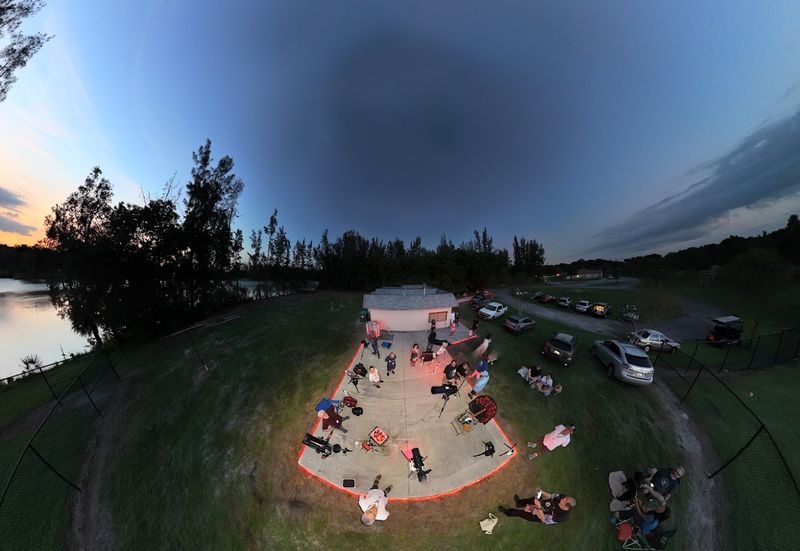
Light pollution ruins stargazing faster than anything else, which makes the Fox Observatory’s location inside Markham Park absolutely crucial to its success. After regular park hours, gates close to general traffic, eliminating car headlights and creating the darkness necessary for your eyes to adjust properly. This carefully protected environment allows both telescopes and human vision to perform at their absolute best.
Your eyes need about 20-30 minutes to fully adapt to darkness, a process called dark adaptation that dramatically improves what you can see. That’s why volunteers politely but firmly discourage flashlights, phone screens, and especially camera flashes—even brief bright light can destroy someone’s painstakingly achieved night vision. If you absolutely need light, bring a red flashlight or use your phone’s red-light mode, as red wavelengths don’t interfere with dark adaptation the way white or blue light does.
The darkness also means careful walking. Paths aren’t illuminated like typical public facilities, so watch your step and move slowly until your eyes adjust. Parents should keep close watch on young children who might wander.
This intentional darkness isn’t an inconvenience—it’s the secret ingredient that transforms decent stargazing into truly spectacular cosmic viewing, revealing stars, nebulae, and galaxies that would remain completely invisible under typical suburban lighting conditions.
7. Knowledgeable Volunteers Who Love Answering Questions
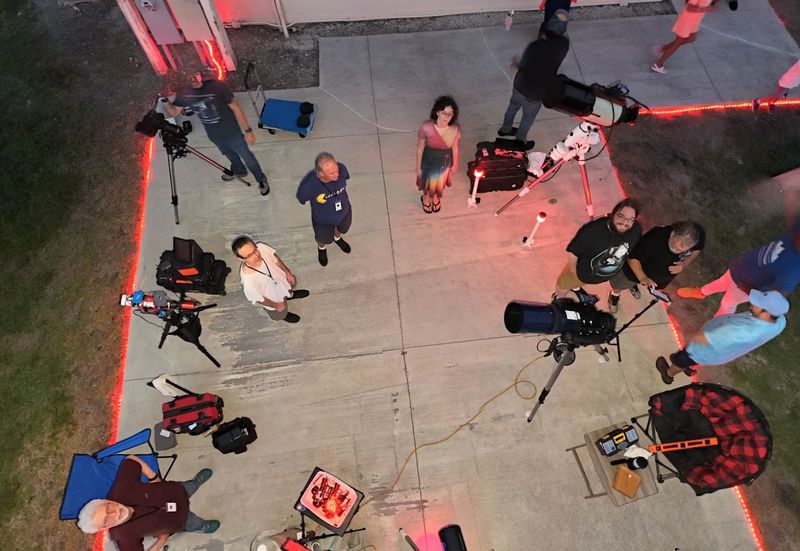
Walking up to a massive telescope can feel intimidating if you know nothing about astronomy, but the volunteers at Fox Observatory specialize in making everyone feel welcome regardless of experience level. These aren’t bored staff members checking their watches—they’re genuine space enthusiasts who volunteer their Saturday nights because they genuinely love sharing the cosmos with others. Their infectious enthusiasm transforms what could be a simple viewing into an engaging educational experience.
Questions are not just welcomed but encouraged. Wondering why Saturn has rings but Earth doesn’t? Curious how far away that galaxy actually is?
Want to know if we’ll ever visit Jupiter? Ask away. The volunteers have heard every question imaginable and never make anyone feel foolish for asking.
Many have decades of amateur astronomy experience and can explain complex concepts in everyday language that sixth-graders and adults alike can understand and appreciate.
The South Florida Amateur Astronomers Association members who run the observatory represent diverse backgrounds—teachers, engineers, retirees, and hobbyists who’ve turned their passion into community service. Their knowledge extends beyond just operating telescopes; they can identify constellations, explain current space missions, discuss astronomical events, and share fascinating facts that make the night sky feel more accessible and less mysterious. This combination of expertise and approachability creates an environment where learning happens naturally through conversation rather than formal instruction.
8. Weather-Dependent Schedule and Best Visiting Times
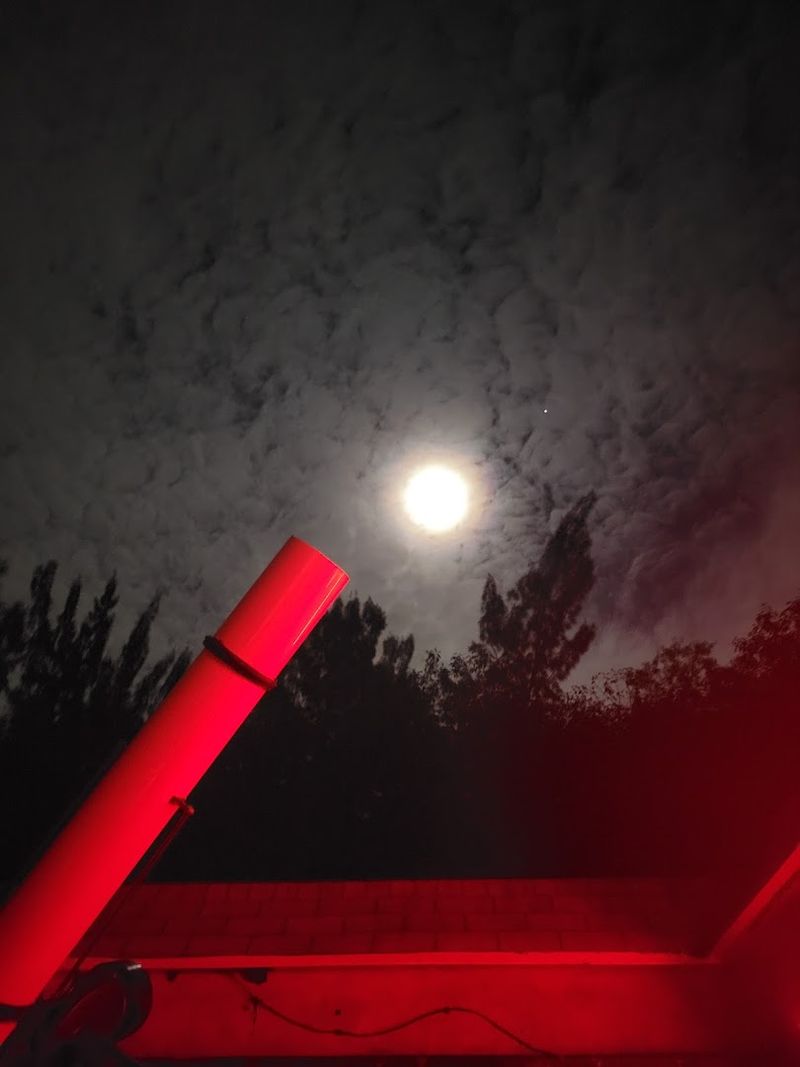
Mother Nature controls the schedule at Fox Observatory more than any calendar. Clouds, rain, or heavy humidity can cancel sessions even when Saturday arrives, so checking weather forecasts before driving out saves disappointment. The observatory sometimes closes early or doesn’t open at all when conditions make viewing impossible.
Their website and social media typically post updates, though calling ahead provides the most reliable information about whether that particular Saturday will deliver good viewing conditions.
Winter months from November through March generally offer the best stargazing in South Florida. Cooler temperatures mean less humidity, which translates to clearer skies and sharper telescope views. Crisp winter nights also bring fewer mosquitoes, making the outdoor experience far more comfortable.
Summer sessions still happen and can be spectacular, but expect more humidity-related haziness and bring serious bug spray to combat aggressive mosquitoes that consider stargazers a convenient buffet.
Timing your arrival matters too. Show up shortly after sunset to catch the full session and avoid disappointment—volunteers sometimes pack up earlier than the official closing time if crowds thin out or viewing conditions deteriorate. Arriving before 10 PM is practically mandatory, and earlier is better during special astronomical events like planetary alignments or meteor showers when crowds swell.
The observatory has operated for over three decades, building a loyal following that knows exactly when to arrive for optimal experiences.