Skip the Hiking Trail and Paddle Through This Florida Paradise Instead
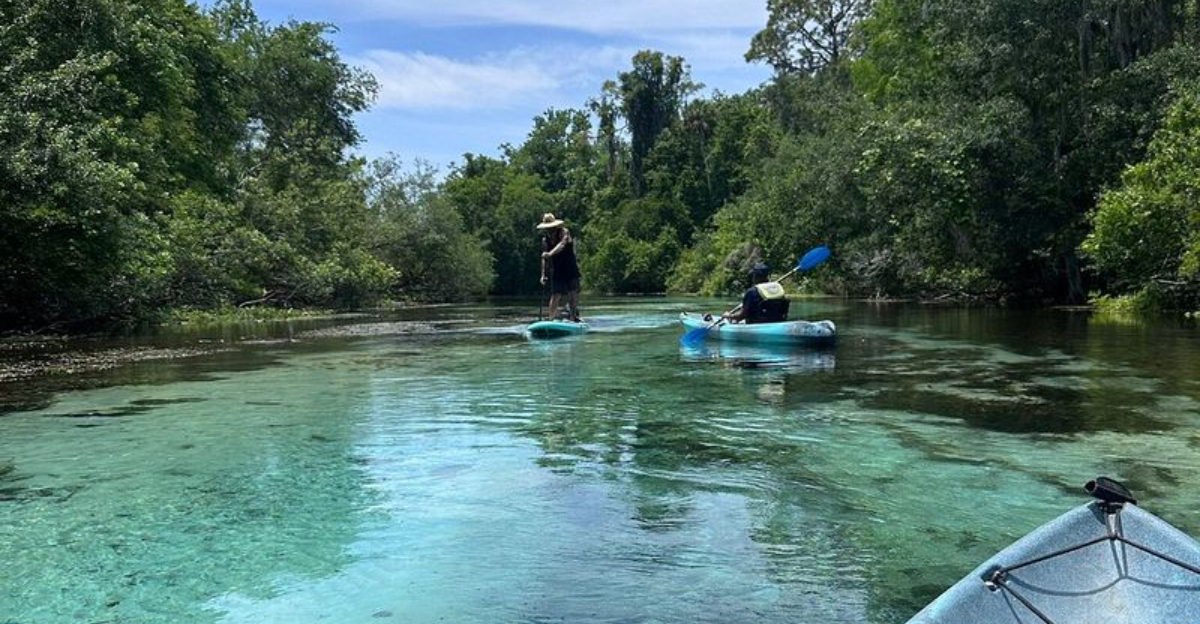
Forget dusty boots and tired legs—there’s a better way to explore Florida’s wilderness. The Weeki Wachee River in Hernando County offers an unforgettable paddling adventure through crystal-clear springs where manatees glide beneath your kayak and wildlife thrives along lush riverbanks. This isn’t your average paddle; it’s a journey through one of Florida’s most pristine natural waterways, where every turn reveals something magical.
1. Crystal-Clear Water That’ll Blow Your Mind
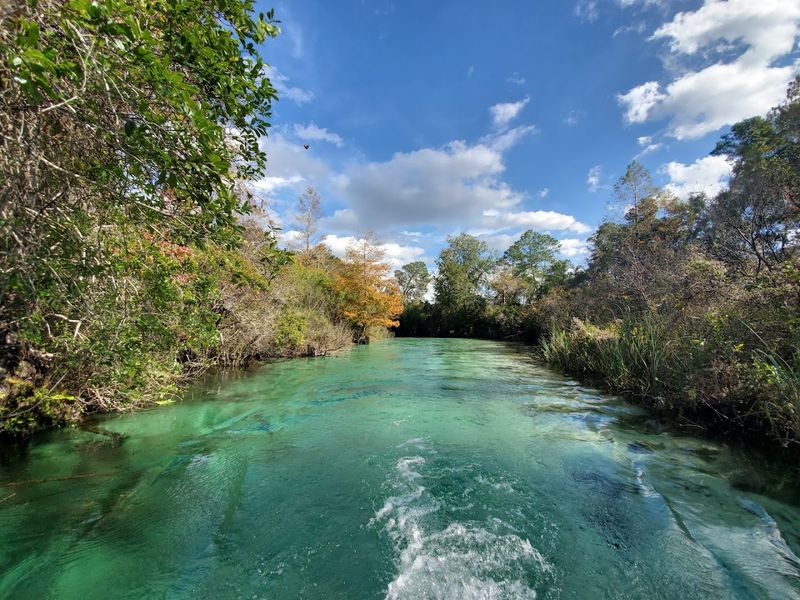
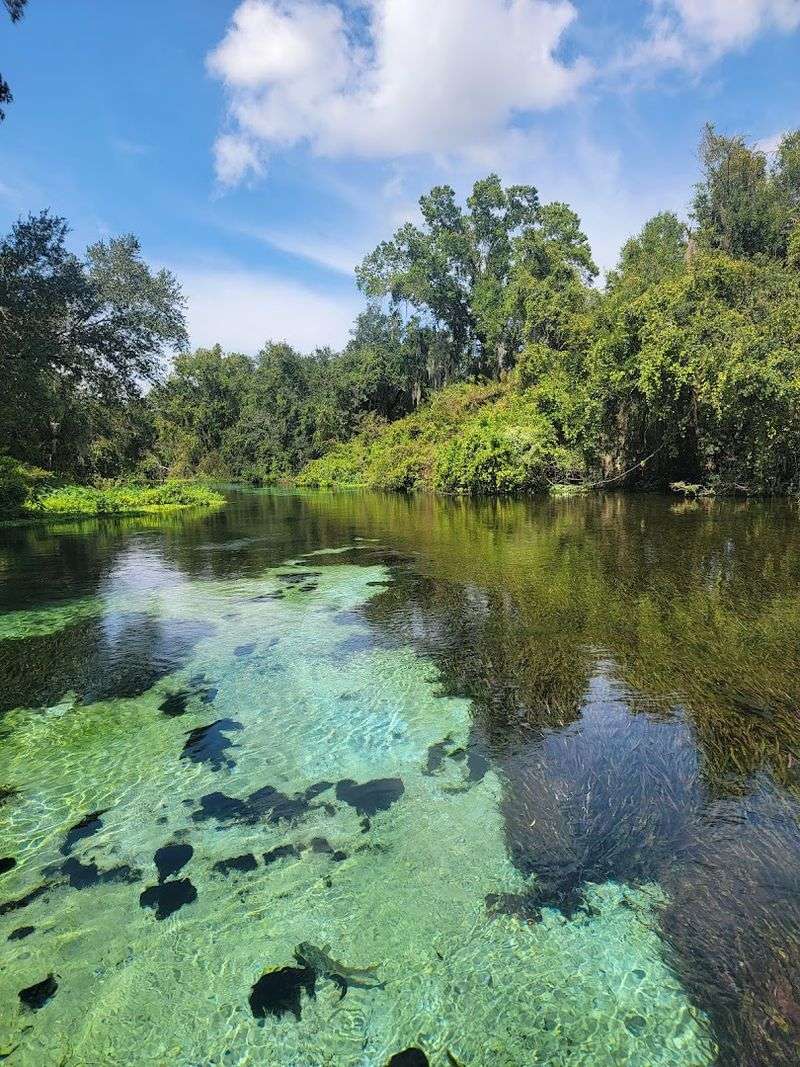
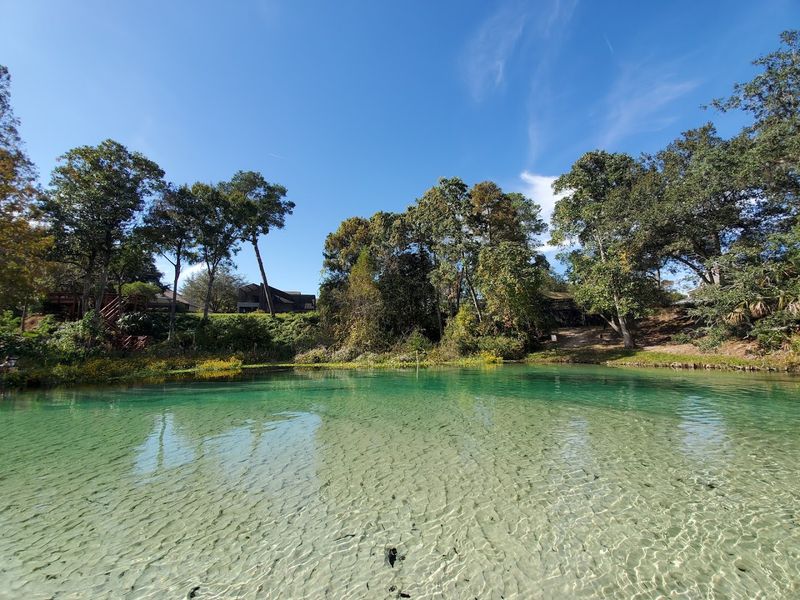
The Weeki Wachee River doesn’t just have clear water—it has water so transparent you’ll question if your kayak is actually floating. Fed by natural springs that maintain a constant 72 degrees year-round, the river provides visibility that rivals any aquarium. You’ll watch fish dart beneath your hull, see turtles sunbathing on logs from fifty feet away, and spot every pebble on the riverbed.
That refreshing temperature makes this paddle comfortable even during Florida’s sweltering summer months. While hiking trails turn into sweat-soaked endurance tests, you’re gliding over cool spring water with a gentle breeze in your face. The temperature stays consistent whether you visit in January or July, making this a reliable escape any season.
Photography enthusiasts absolutely love these conditions. The clarity allows for stunning underwater shots without specialized equipment, and the natural light filtering through creates an ethereal glow. Bring a waterproof camera or phone case, because you’ll regret not capturing these moments.
The spring-fed ecosystem supports incredible biodiversity you won’t find in regular rivers. Aquatic vegetation sways in the gentle current, creating underwater gardens that look almost tropical. This pristine environment exists because the water flows from underground aquifers, filtering naturally through limestone before emerging into the river.
2. Manatee Encounters That Feel Like Magic
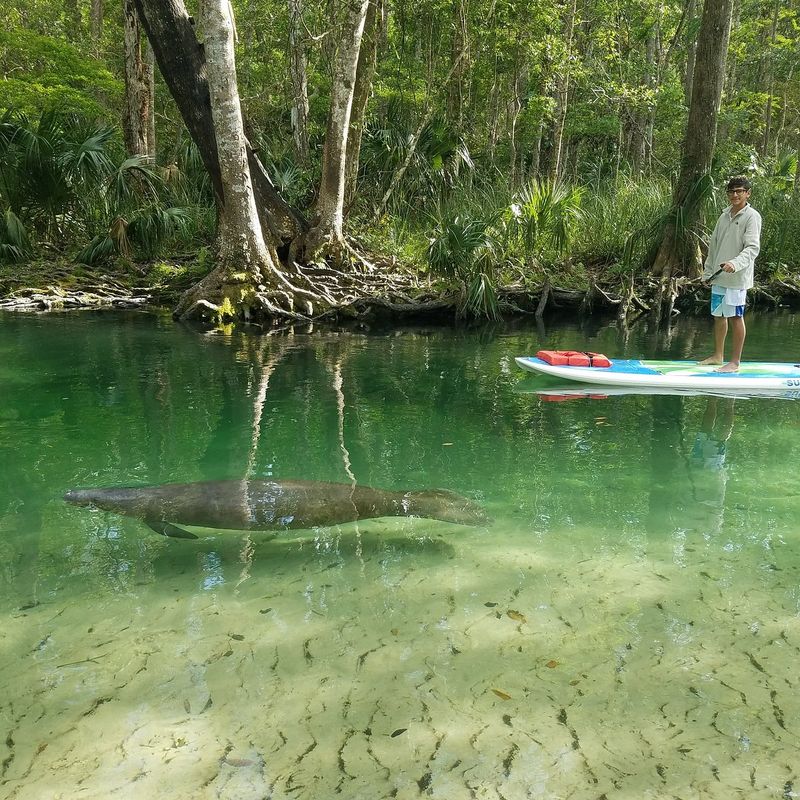
Few experiences compare to having a manatee surface right beside your kayak, its whiskered snout breaking the water just inches away. These gentle giants frequent the Weeki Wachee River year-round, though winter months bring larger concentrations as they seek the warmer spring water. Watching a mother manatee with her calf glide beneath you creates memories that outlast any photograph.
Manatees aren’t shy here—they’re curious. They might investigate your paddle or swim lazy circles around your kayak, completely unbothered by your presence. The crystal-clear water means you’ll spot them from far away, watching their slow-motion ballet through the aquatic plants.
State regulations prohibit touching or chasing manatees, but observation is encouraged. These encounters happen naturally as you paddle downstream, requiring no special effort beyond keeping your eyes open. Some paddlers see multiple manatees in a single trip, while others might spot just one—but that one sighting makes the entire adventure worthwhile.
The population thrives here because the spring-fed river provides ideal habitat. Manatees need warm water and abundant vegetation, both plentiful along this route. During colder months, they congregate near the spring head where water temperature remains constant, creating reliable viewing opportunities for winter paddlers.
3. A Two-Hour Journey That’s Actually Manageable
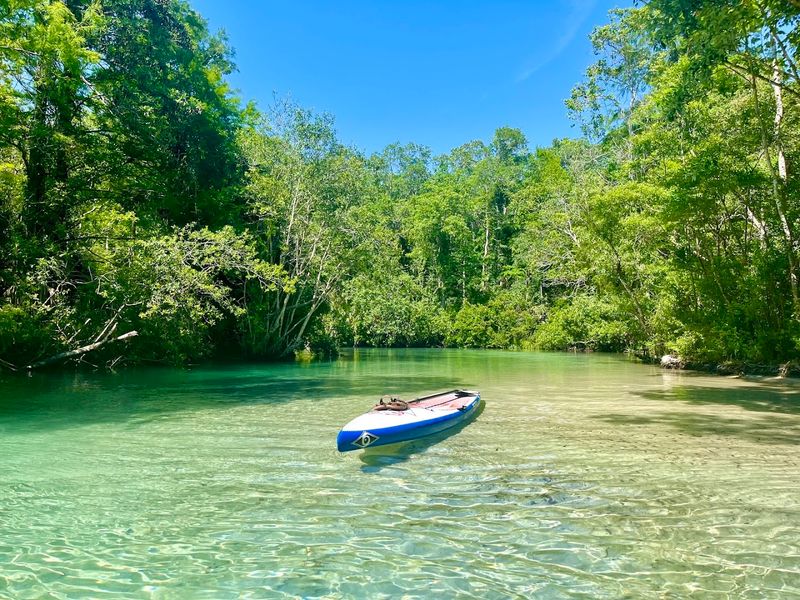
The standard Weeki Wachee paddle covers roughly three miles downstream, taking most people around two hours to complete. That’s the sweet spot—long enough to feel like an adventure, short enough that your arms won’t stage a rebellion. The downstream current does most of the heavy lifting, so you’re not fighting against nature the entire time.
Beginners appreciate this route because it doesn’t require Olympic-level fitness or expert kayaking skills. You’ll need to steer around occasional bends and navigate some tighter sections through the protected natural area, but nothing that demands whitewater experience. Families with older kids handle this paddle regularly, and solo adventurers find it perfectly manageable.
The rental company schedules launches in hourly time slots, limiting the number of kayakers on the river at once. This prevents the waterway from becoming a floating traffic jam, maintaining that peaceful wilderness vibe you came for. Even during peak season, you’ll find quiet stretches where it feels like you’ve discovered a secret paradise.
Timing matters if you want maximum tranquility. Early morning slots (9 AM) offer the calmest conditions with fewer crowds and better wildlife viewing. Animals are more active before the day heats up, and you’ll have first access to the river before afternoon paddlers launch.
4. Wildlife Spotting Beyond the Manatees
A bobcat lounging on the riverbank isn’t something you see every day—but it happened to one lucky paddler recently. The Weeki Wachee corridor hosts an impressive variety of wildlife that makes every paddle feel like a nature documentary. River otters play in the shallows, their sleek bodies twisting and diving with acrobatic grace.
Raccoon families forage along the shoreline, occasionally stopping to watch kayakers drift past.
Bird enthusiasts pack their waterproof binoculars because the species list reads like a Florida birding bucket list. Herons stand motionless in the shallows, exploding into flight when you paddle too close. Anhingas spread their wings to dry on overhanging branches, looking prehistoric against the green canopy.
Ospreys circle overhead, occasionally diving for fish with breathtaking precision.
Fish diversity rivals anywhere in Florida. Look down and you’ll see bass, mullet, and countless smaller species navigating the aquatic plants. Some are brilliantly colored, flashing like jewels in the sunlight.
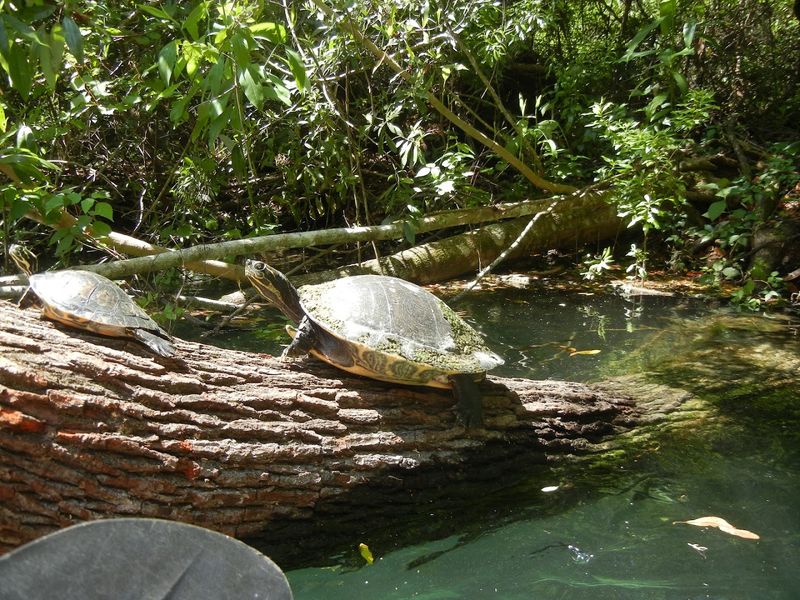
Turtles of various sizes sun themselves on every available log, plopping into the water as you approach.
The protected status of the river corridor means this wildlife thrives undisturbed. You’re paddling through their home, getting a privileged glimpse into daily life along one of Florida’s most pristine waterways.
5. Rental Service That Actually Has Its Act Together
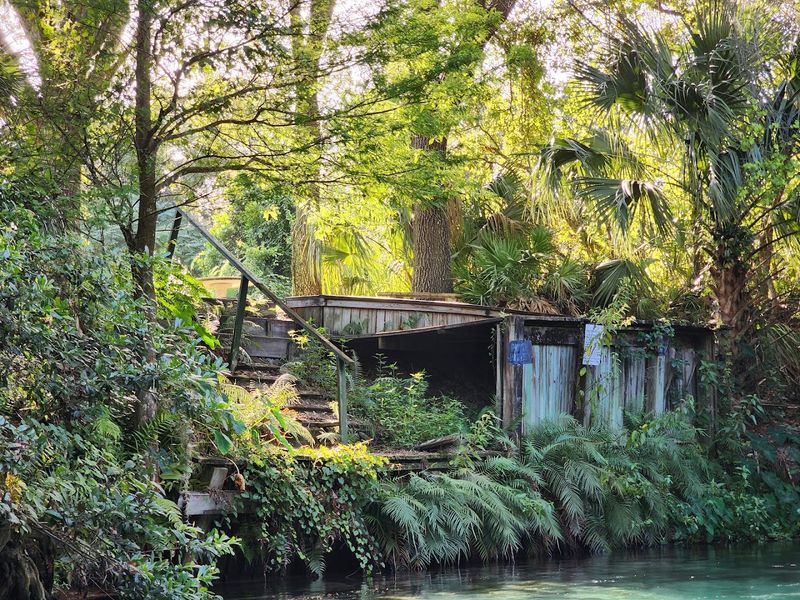
Horror stories about sketchy rental operations are common, but Weeki Wachee’s state park rental service runs a tight ship. The reservation system prevents overcrowding, equipment gets regular maintenance checks, and staff members know their stuff. You’ll get a brief orientation covering river navigation, exit points, and safety basics before launching.
Equipment quality exceeds expectations for a state park operation. Kayaks show their age but remain completely functional and safe. Life jackets are provided (and required), though some reviewers note they could use more frequent cleaning.
If you’re particular about equipment condition, bringing your own gear is an option—the park charges just eight dollars for private launch access.
The shuttle service back to your vehicle is included and well-organized. After reaching the designated exit point downstream, staff load kayaks onto trailers and drive paddlers back to the parking area. This eliminates the logistical nightmare of arranging your own shuttle or paddling back upstream, which isn’t even permitted.
Pro tip: arrive 15-30 minutes early as suggested, but use that time to hit a restroom elsewhere. The rental facility restrooms can get overwhelmed when groups arrive simultaneously, and you don’t want that stress before a two-hour paddle.
6. Navigation That Tests Your Skills (Just Enough)
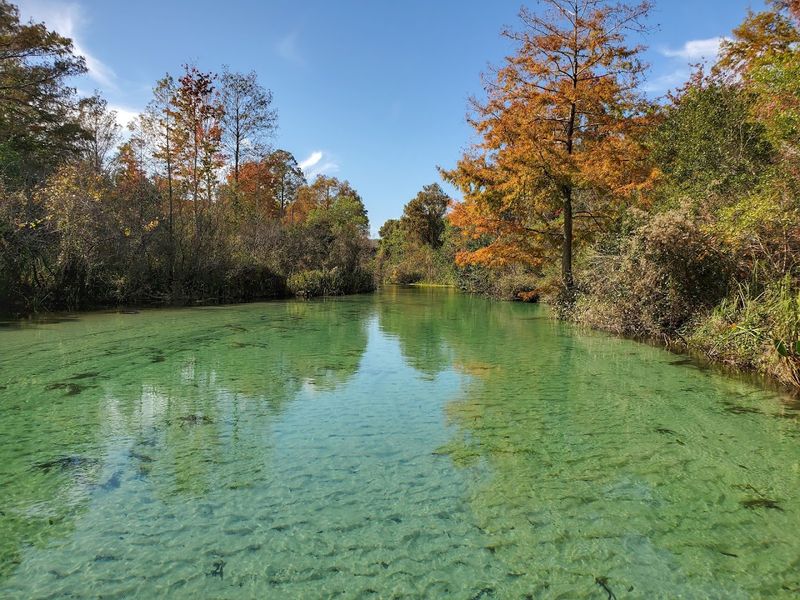
The Weeki Wachee River isn’t a lazy float where you can nap in your kayak—it demands just enough attention to keep things interesting. The protected natural section features tighter channels, sharper bends, and occasional overhanging vegetation that requires actual paddling skills. First-timers sometimes drift into bushes or bump other kayakers while learning the ropes, but that’s part of the adventure.
Currents vary throughout the route, with some sections flowing faster than others. You’ll need to steer actively through narrow passages where the river squeezes between dense vegetation. These sections feel like paddling through a secret jungle tunnel, with branches creating a canopy overhead and fish darting beneath your hull.
Experienced kayakers appreciate the challenge without finding it overwhelming. Solo paddlers juggling a camera and navigation might struggle, which is why tandem kayaks make sense for anyone planning extensive photography. One person steers while the other captures those Instagram-worthy shots.
The park’s no-stopping regulation keeps traffic flowing smoothly through the narrow sections. While some private paddlers ignore this rule and camp on sandbars with boom boxes (seriously, who does that?), most people respect the guidelines. The regulation exists to prevent bottlenecks and maintain the wilderness experience everyone came for.
7. Strict Rules That Actually Make Sense
Before you load your kayak with disposable water bottles and plastic snack bags, know this: Weeki Wachee enforces strict environmental regulations, and they’re not messing around. Single-use items are prohibited on the river. Pack your drinks in reusable containers and bring snacks in proper food storage containers, not throwaway plastic bags.
Staff check before you launch.
These rules protect the pristine ecosystem that makes this paddle special. Plastic trash destroys aquatic habitats, endangers wildlife, and ruins the experience for everyone else. The regulations might seem inconvenient, but they’re why the river remains so beautiful after decades of public use.
No alcohol allowed, and that’s strictly enforced too. This keeps the vibe family-friendly and prevents the river from turning into a floating party zone. You’re here for nature, not a booze cruise.
Violators risk ejection from the park and potential fines.
The no-stopping rule within the protected corridor prevents habitat damage and keeps paddlers moving at a reasonable pace. You can pause briefly for photos, but setting up camp on sandbars is prohibited. Private paddlers sometimes ignore this, but rental customers face consequences if caught violating park regulations.
The rules exist for good reasons, and following them ensures this paradise remains accessible for future generations.
8. Year-Round Paddling Without the Seasonal Hassle
Most outdoor activities in Florida come with seasonal caveats—too hot in summer, too crowded in winter, too buggy in spring. The Weeki Wachee River paddle laughs at seasonal limitations. That constant 72-degree water temperature means comfortable conditions whether you visit during January cold snaps or August heat waves.
Winter paddling offers unique advantages beyond escaping northern snowstorms. Manatee populations concentrate in the warmer spring water, increasing your chances of encounters. Cooler air temperatures make the physical exertion of paddling more pleasant, and crowds thin out compared to peak tourist season.
You’ll still need sunscreen and layers for changing air temperatures, but the water itself remains perfectly refreshing.
Summer brings its own perks despite the heat. The cool spring water provides natural air conditioning as you paddle, and longer daylight hours give you flexibility in scheduling. Early morning launches beat the heat entirely, offering wildlife viewing during peak activity hours.
Afternoon thunderstorms are predictable enough to plan around—just avoid late afternoon time slots during summer months.
The park operates year-round with consistent hours (9 AM to 5:30 PM daily), making trip planning straightforward. No worrying about seasonal closures or reduced schedules. Book your reservation, show up, and paddle—it’s that simple, regardless of what month appears on the calendar.