The Data Says People Are Happier in These 10 Florida Towns
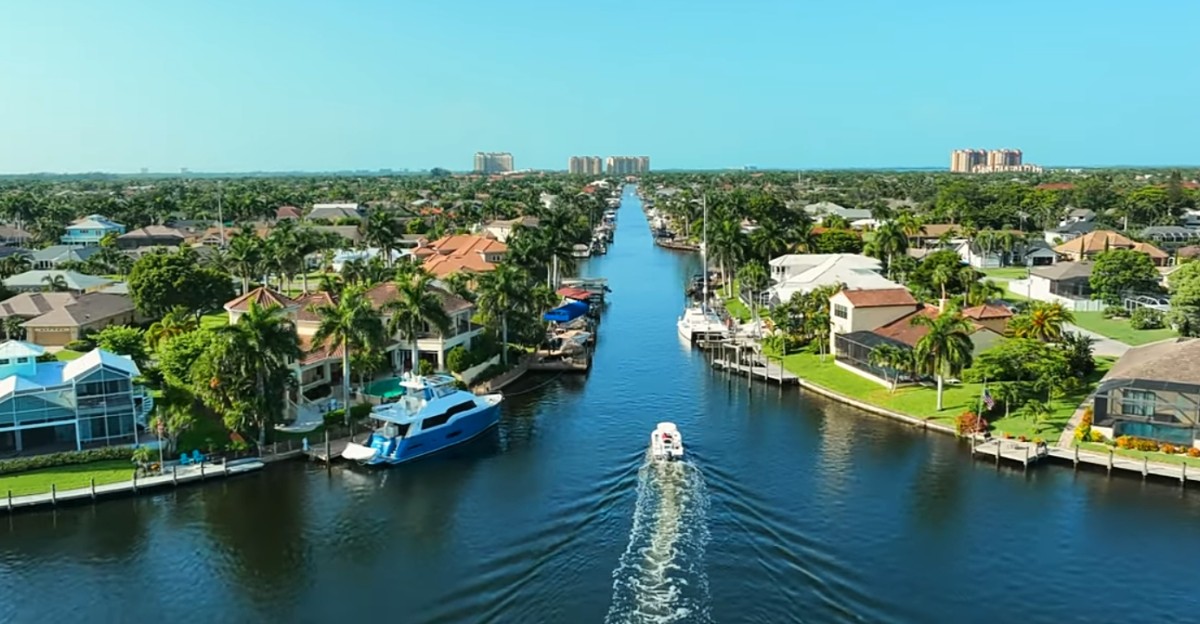
Florida isn’t just sunshine and beaches. Recent happiness data reveals which towns really deliver the good life, and the results might surprise you. From waterfront gems to cultural hubs, these ten cities ranked among the happiest places in America, proving that quality of life in the Sunshine State goes way beyond the tourist brochures.
1. Cape Coral
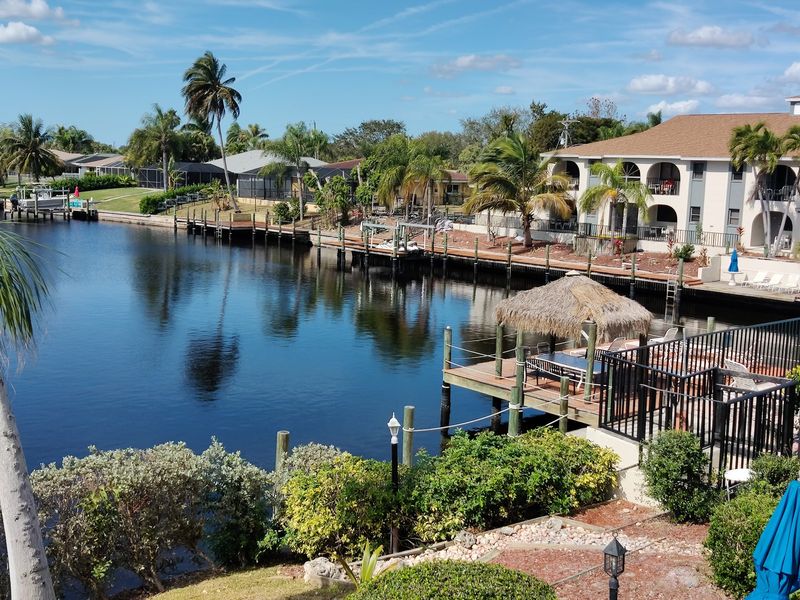
Canals stretch for miles in every direction here, creating a boater’s paradise that happens to rank as Florida’s happiest city. Cape Coral earned the 41st spot nationally, and locals will tell you it’s the waterfront lifestyle combined with small-town vibes that makes it special. More than 400 miles of navigable waterways wind through neighborhoods where backyard boat docks outnumber garages.
Housing costs remain reasonable compared to other coastal communities, attracting young families and retirees alike. The downtown area has blossomed in recent years with farm-to-table restaurants, craft breweries, and weekend farmers markets that feel genuinely local. People actually know their neighbors here, which seems increasingly rare in modern Florida.
Outdoor recreation dominates the calendar year-round. Fishing tournaments, kayak tours through mangrove tunnels, and sunset cruises fill weekends without breaking the bank. The city invested heavily in parks and nature preserves, giving residents easy access to pristine Southwest Florida ecosystems.
Job opportunities have expanded beyond tourism and construction. Healthcare, technology, and small business sectors continue growing, providing career paths that let people stay rooted in the community. Schools perform well, crime rates stay low, and the sense of safety contributes significantly to that happiness ranking.
Weather cooperates most of the year, encouraging the active outdoor lifestyle that keeps stress levels down and smiles up.
2. Pembroke Pines
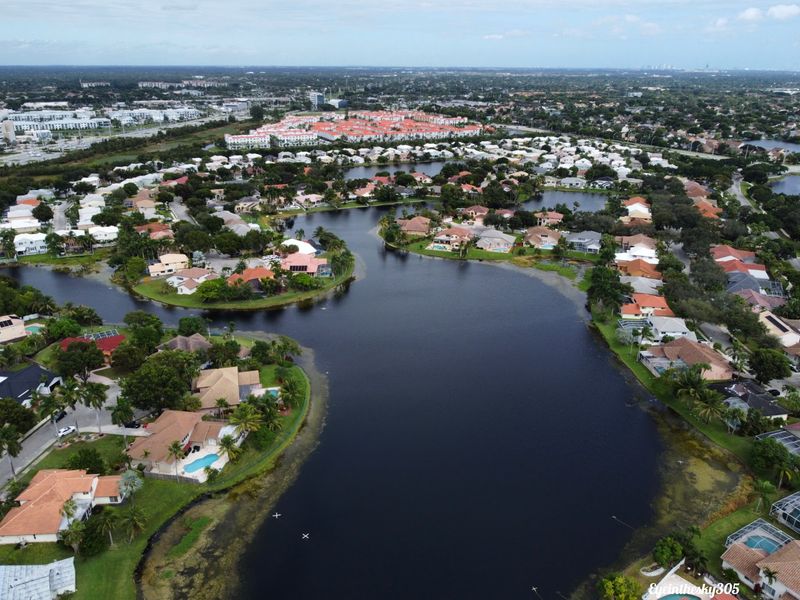
Just one spot behind Cape Coral sits this Broward County city that perfected suburban living without sacrificing urban conveniences. Pembroke Pines landed at number 42 nationally, reflecting a community that balanced growth with livability better than most South Florida cities. Tree-lined streets connect neighborhoods where diversity isn’t just tolerated but celebrated as the city’s greatest strength.
Shopping and dining options rival much larger metro areas. The Pembroke Lakes Mall and surrounding retail corridors offer everything residents need without the Miami traffic headaches. Local restaurants span every cuisine imaginable, from authentic Caribbean to farm-fresh vegan spots, reflecting the multicultural fabric that makes this place hum.
Education drives many families here. Top-rated public schools and charter options give parents choices, while Florida’s university system remains accessible for college-bound students. The city invested in recreational facilities that actually get used including aquatic centers, sports complexes, and the expansive C.B.
Smith Park with its water park and campgrounds.
Safety statistics consistently rank above state averages, letting kids ride bikes to school and neighbors leave garage doors open. That security contributes enormously to daily happiness levels. Proximity to Fort Lauderdale beaches and Miami attractions means weekend adventures stay within reach, but residents rarely feel compelled to leave their well-designed city for entertainment or necessities.
3. Fort Lauderdale
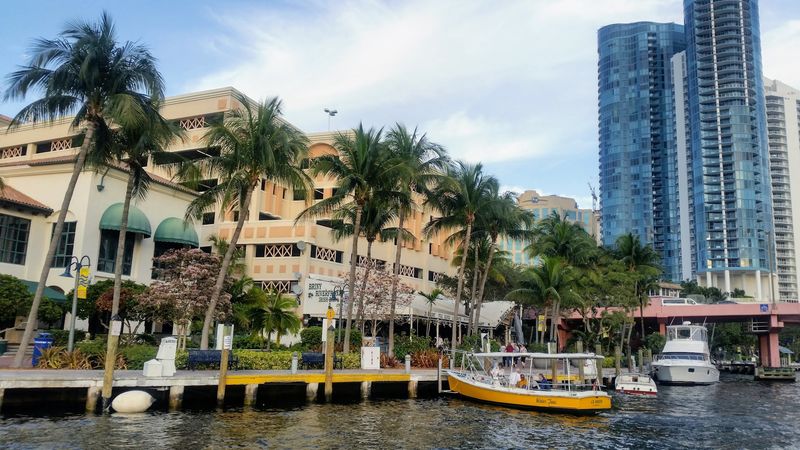
Venice of America claims the 53rd happiest spot nationally, and anyone who’s watched yachts glide through downtown canals understands why. Fort Lauderdale evolved from spring break central into a sophisticated coastal city where culture, commerce, and beach life blend seamlessly. The transformation happened gradually but deliberately, with city planners prioritizing livability over tourist dollars.
Las Olas Boulevard epitomizes the local vibe with sidewalk cafes, independent boutiques, and galleries that showcase actual talent instead of mass-produced beach art. Residents walk these streets daily, stopping for espresso or browsing bookshops without feeling like extras in someone else’s vacation. The beach itself remains stunning, but locals know the secret spots away from cruise ship crowds.
Job markets here stay robust across multiple sectors. Marine industries, finance, tech startups, and creative agencies all maintain significant presence, providing career options beyond hospitality. Salaries trend higher than state averages, helping offset coastal living costs that admittedly require serious budgets.
Arts and culture flourish year-round. The Broward Center for the Performing Arts books Broadway tours, the NSU Art Museum houses impressive collections, and neighborhood galleries host monthly ArtWalks that feel authentically community-driven. Waterways encourage active lifestyles whether paddleboarding through mangroves or joining sailing clubs.
That combination of opportunity, culture, and outdoor access explains why happiness metrics stay elevated despite urban challenges.
4. Port St. Lucie
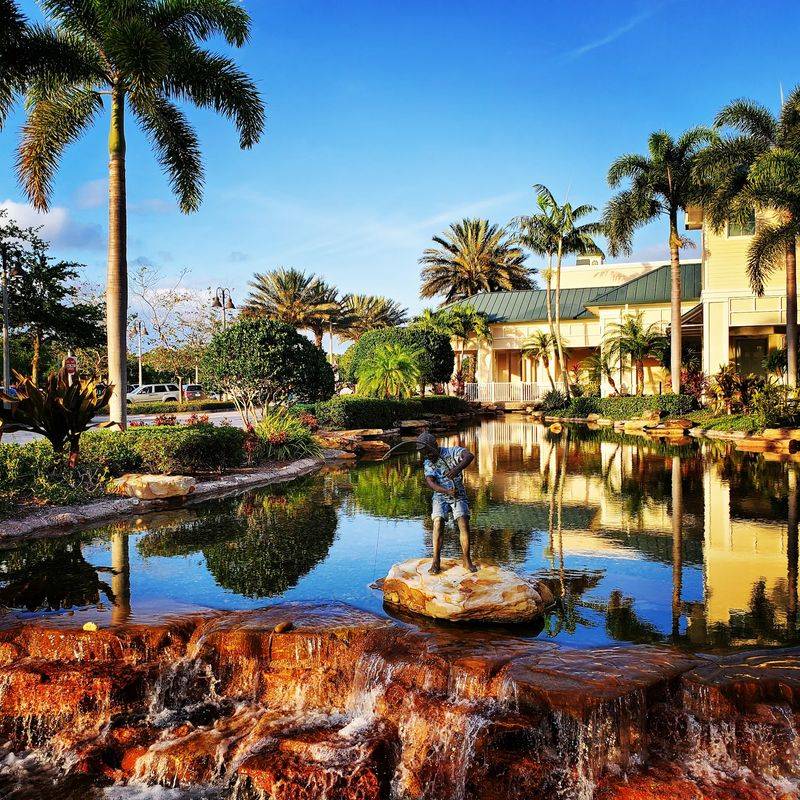
Treasure Coast living gets real in this city that ranked 61st nationally for happiness. Port St. Lucie grew intentionally with master-planned communities that actually delivered on promises of parks, trails, and neighborhood amenities. Families moved here for affordability and stayed for the unexpectedly high quality of life that emerged as the city matured.
Golf courses dot the landscape, but residents appreciate the extensive preserve system even more. The St. Lucie River and nearby Atlantic beaches provide water access without the crushing crowds of Southeast Florida. Weekend mornings find locals walking nature trails, fishing from peaceful piers, or kayaking through ecosystems where dolphins and manatees appear regularly.
Housing markets offer better value than coastal competitors. Newer construction dominates, meaning homes include modern efficiency and open floor plans that Florida buyers prefer. Yards stay manageable, HOAs maintain common areas, and the overall aesthetic feels clean and contemporary rather than dated or neglected.
The city invested smartly in recreation. The Port St. Lucie Botanical Gardens became a community gathering spot, sports complexes host youth leagues year-round, and the Clover Park stadium brings spring training baseball excitement. Crime rates remain low, schools continue improving, and the slower pace compared to Miami or Orlando appeals to people seeking sanity.
Job growth accelerated recently as companies discovered the talent pool and lower operating costs. Residents increasingly work locally instead of commuting to Palm Beach, strengthening community bonds and happiness levels.
5. Orlando
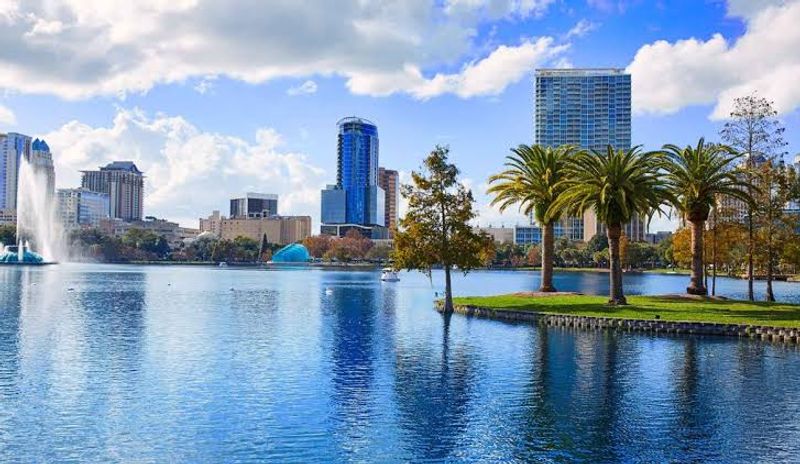
Theme park capital somehow ranked 67th happiest nationally, and locals know the real Orlando exists far beyond tourist corridors. Lake Eola anchors downtown where residents jog, feed swans, and attend free concerts without encountering a single costumed character. The city cultivated genuine neighborhoods with identities distinct from the attractions that dominate outsider perceptions.
Economic diversity sets Orlando apart from other Florida metros. Technology, healthcare, film production, and aerospace industries provide high-paying jobs beyond hospitality. That employment variety attracts educated professionals who demand good schools, cultural amenities, and quality infrastructure.
The city delivered, creating livability that supports long-term happiness rather than transient tourism.
Arts scenes thrive in unexpected ways. The Dr. Phillips Center presents world-class performances, independent theaters experiment in intimate venues, and local music bubbles up through dozens of clubs and cafes. Food culture evolved rapidly with James Beard-nominated chefs opening restaurants that rival coastal cities.
Mills 50 and Thornton Park neighborhoods showcase the culinary creativity that emerged.
Outdoor recreation extends beyond theme parks. Chain of lakes offers paddling and fishing, extensive trail systems connect communities, and preserved wetlands provide nature escapes minutes from downtown. Springs within an hour’s drive become weekend destinations for locals seeking crystal-clear water and natural Florida.
Housing affordability challenges exist but remain more manageable than Miami or Tampa. The combination of job opportunities, entertainment options, and improving urban amenities explains why happiness metrics stay solid despite growth pains and tourist traffic frustrations.
6. Tampa
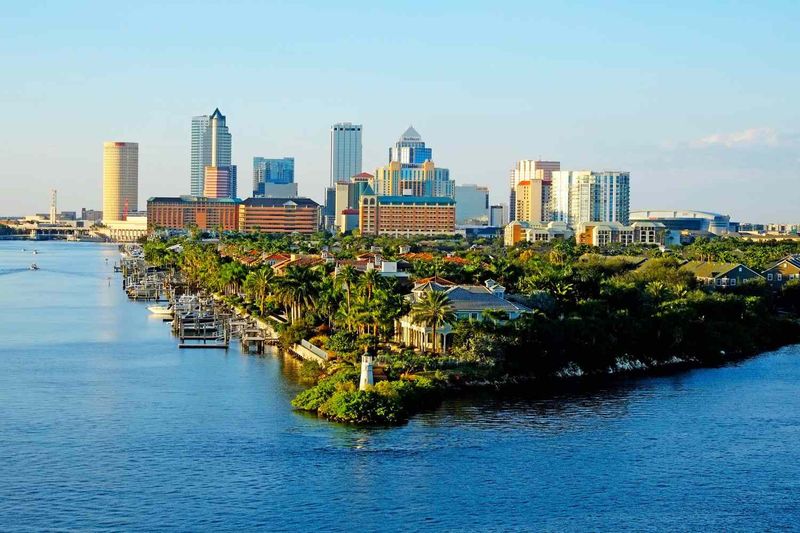
One spot behind Orlando sits this Gulf Coast gem at number 68 nationally. Tampa mastered the balance between big city energy and livable neighborhoods better than most Florida metros. The Riverwalk transformed downtown from office district ghost town into vibrant gathering space where residents actually want to spend time after work and on weekends.
Neighborhoods maintain distinct personalities that attract different crowds. Hyde Park appeals to young professionals with walkable streets and historic bungalows, while Seminole Heights draws creatives to renovated craftsman homes and independent coffee shops. Westchase and New Tampa offer newer suburban comfort, and everyone finds their fit without compromise.
Job markets stay diverse and growing. Finance, healthcare, technology, and the Port of Tampa provide career paths beyond tourism. MacDill Air Force Base adds economic stability and brings interesting people into the community.
Salaries increased steadily while housing costs, though rising, remain below coastal competitors.
Culture surprised newcomers who expected spring break mentality. The Tampa Museum of Art, Straz Center performances, and thriving independent gallery scene revealed sophistication. Ybor City preserves cigar-rolling heritage while hosting modern nightlife, and the food scene exploded with James Beard recognition for innovative chefs.
Outdoor access matters here. Bayshore Boulevard’s continuous sidewalk became the nation’s longest, perfect for running and cycling. Nearby beaches on the Gulf offer weekend escapes, while urban parks and the Hillsborough River provide daily nature doses.
That combination of opportunity, culture, and lifestyle options keeps happiness levels elevated despite typical urban challenges.
7. Miami
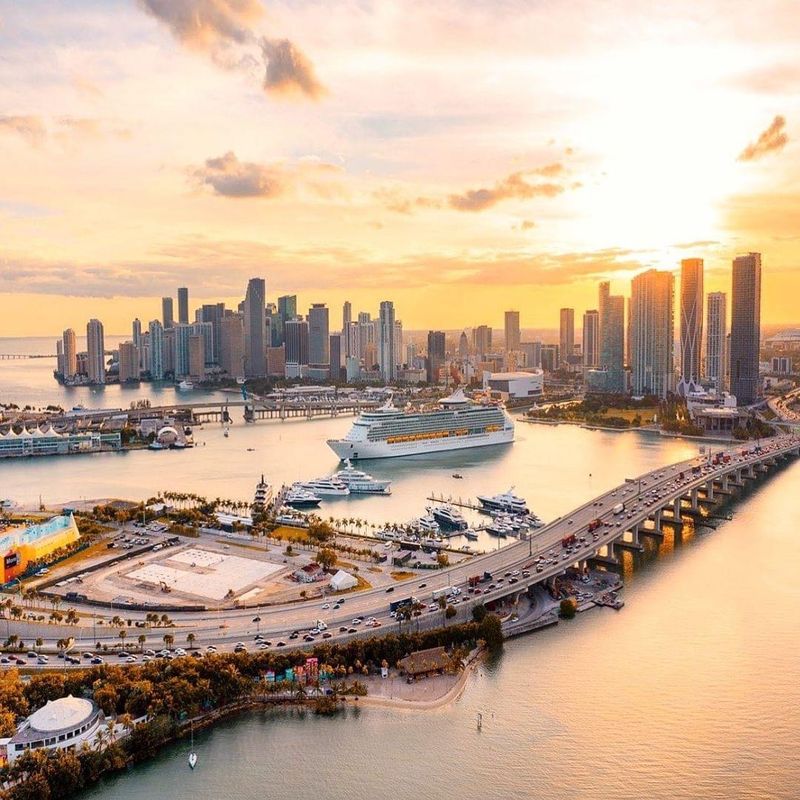
Magic City landed at 78 nationally, which might surprise people who only know South Beach stereotypes. Real Miami exists in neighborhoods where multiple languages blend naturally, where abuela’s recipes compete with fusion experiments, and where hustle meets humidity in ways that somehow work. The energy here operates at frequencies other cities can’t match.
Cultural diversity defines daily life in ways that go beyond token multiculturalism. Little Havana, Little Haiti, and dozens of other ethnic enclaves maintain authentic traditions while contributing to a broader Miami identity. Food scenes reflect this beautiful chaos with everything from $3 ventanitas serving Cuban coffee to Michelin-starred experiments in molecular gastronomy.
Beaches obviously matter, but locals know Matheson Hammock, Crandon Park, and hidden spots tourists never find. Biscayne Bay offers sailing, paddleboarding, and weekend island escapes. The Everglades sits right there, providing wilderness access that major cities rarely offer.
Art and design permeate everything. Wynwood Walls transformed industrial blocks into open-air galleries, Art Basel brings international attention annually, and Design District showrooms display cutting-edge creativity. Architecture ranges from Art Deco treasures to Zaha Hadid curves, creating visual interest everywhere.
Challenges exist including traffic nightmares, housing costs that require serious income, and hurricane anxiety. But opportunities abound for ambitious people willing to navigate the chaos. International connections, booming tech sectors, and creative industries provide paths to success.
That combination of culture, opportunity, and tropical setting explains why happiness persists despite very real urban pressures.
8. St. Petersburg
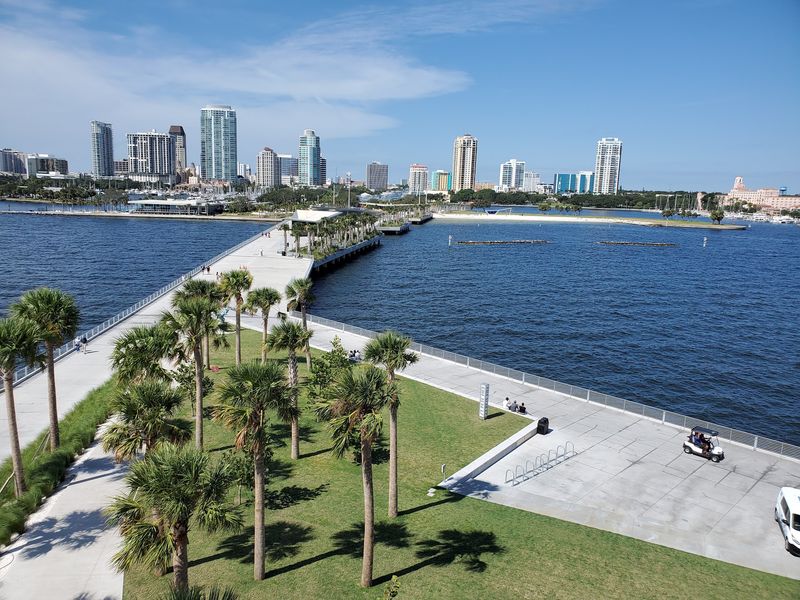
Sunshine City earned its 91st national ranking through deliberate transformation from sleepy retirement town to vibrant cultural destination. St. Petersburg proved that reinvention works when community vision aligns with smart investment. Downtown streets that once rolled up at sunset now buzz with energy as galleries, breweries, and restaurants fill renovated buildings.
Art became the catalyst for change. The Dali Museum attracts international visitors, but locals appreciate the dozens of murals transforming ordinary walls into public galleries. Monthly First Friday and Second Saturday ArtWalks pack streets with crowds exploring studios and meeting actual artists.
The creative energy feels genuine rather than manufactured for tourism.
Waterfront access defines the lifestyle. The Pier became an architectural statement and gathering space where residents fish, walk, or simply watch pelicans dive. Nearby beaches on the Gulf rank among Florida’s finest with soft sand and spectacular sunsets.
Kayaking through mangrove tunnels and paddleboarding calm bays provide easy outdoor adventures.
Neighborhoods evolved distinct characters. Grand Central District attracts younger crowds with vintage shops and craft beer, while Old Northeast preserves historic homes and tree-canopy streets. Housing costs increased but remain more reasonable than Tampa across the bay.
The craft beer scene exploded with quality breweries that became community gathering spots. Restaurants shifted from early-bird specials to innovative menus showcasing local ingredients. That combination of arts, outdoor access, and improving urban amenities explains rising happiness metrics.
The city got cool without losing its soul, which residents appreciate daily.
9. Tallahassee
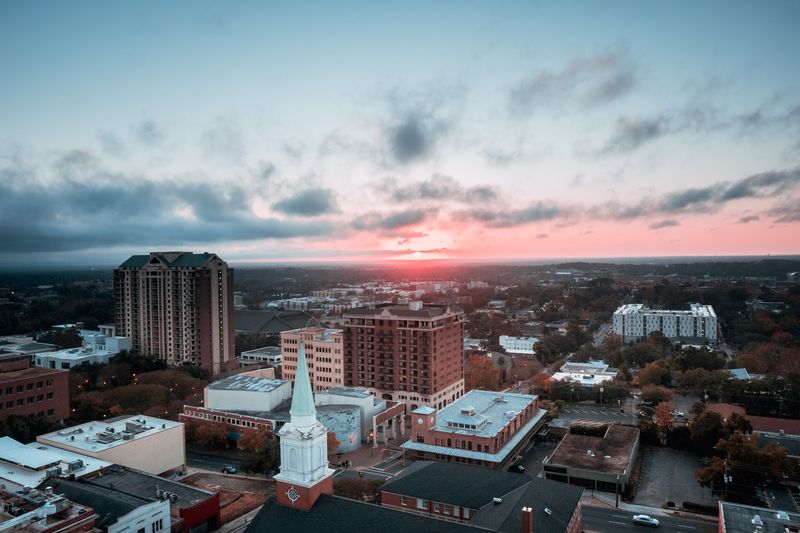
Capital city landed exactly at number 100 nationally, representing a different Florida entirely. Tallahassee sits in the Panhandle where hills roll gently and oak canopies create tunnels of shade over brick roads. Spanish moss drapes from ancient trees, and the vibe leans more Southern college town than tropical paradise.
Two major universities drive the culture and economy. Florida State and FAMU bring youthful energy, college sports passion, and intellectual resources that small cities rarely access. That academic presence supports theaters, music venues, and cultural events year-round.
Game days transform the city into football celebration, but the energy stays positive and community-focused.
Government jobs provide economic stability beyond university employment. The state capitol complex employs thousands, and related industries from lobbying firms to policy think tanks maintain presence. That employment diversity helps weather economic storms that devastate tourism-dependent cities.
Natural Florida surrounds the city. Wakulla Springs offers crystal-clear swimming and wildlife viewing, while nearby state parks preserve old-growth forests and sinkholes. The Gulf Coast sits close enough for weekend beach trips, but locals appreciate the break from constant coastal humidity and crowds.
Cost of living stays remarkably reasonable for a state capital. Housing markets offer actual affordability, restaurants don’t require tourist-inflated budgets, and entertainment options from live music to outdoor recreation rarely break the bank. That financial breathing room contributes significantly to happiness levels.
The slower pace appeals to people exhausted by South Florida chaos. Traffic remains manageable, neighbors actually talk, and community feels achievable rather than aspirational.
10. Hialeah
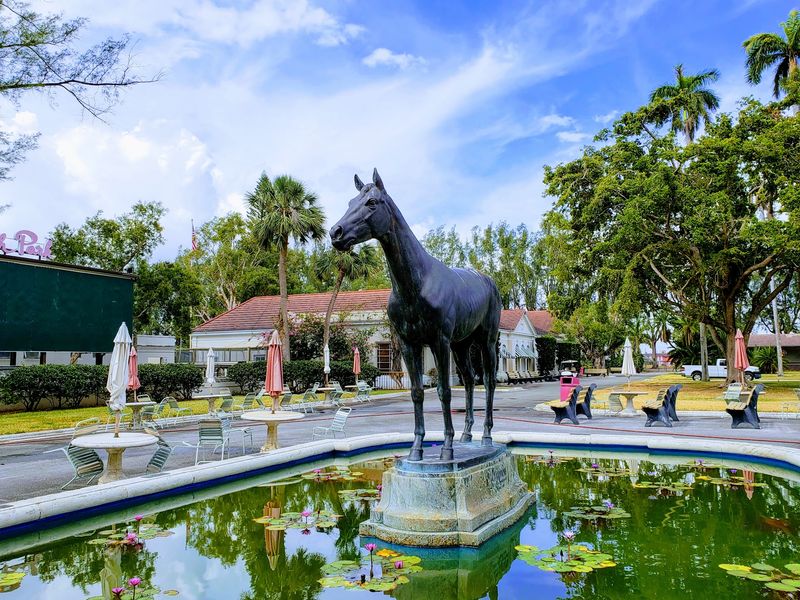
Just outside the top 100 at number 101, Hialeah represents authentic immigrant success and cultural preservation. This Miami-Dade city maintains strong Cuban identity while evolving into a diverse community where multiple Latin American cultures blend. Spanish dominates street conversations, and that linguistic comfort attracts families wanting to maintain heritage while pursuing American opportunities.
Affordability stands out in expensive South Florida. Housing costs significantly less than Miami proper, letting working families achieve homeownership that seems impossible elsewhere in the metro. Neighborhoods stay tight-knit with multi-generational households common and extended families often living within blocks of each other.
Small businesses thrive along commercial corridors. Family-owned restaurants serve recipes passed down through generations, markets stock ingredients impossible to find in chain stores, and services cater to community needs rather than tourist demands. That economic ecosystem keeps money circulating locally and provides entrepreneurial opportunities.
Hialeah Park Racing brought historic significance, and while the glory days faded, the facility still hosts events that draw community together. Amelia Earhart Park offers extensive recreational facilities including mountain bike trails, lakes for fishing, and fields for soccer leagues that dominate weekend schedules.
Challenges include limited public transit and dependence on cars for most errands. Industrial areas provide jobs but create traffic and aesthetic issues. Still, residents appreciate the authenticity and affordability that disappeared from nearby communities.
Family connections, cultural familiarity, and economic accessibility explain why happiness metrics remain solid despite urban challenges that come with dense, working-class communities.