The Glowing Waters of Florida’s Indian River Lagoon Are a Must-See
Florida has no shortage of natural wonders, but the Indian River Lagoon holds a special kind of magic that stops people in their tracks. Stretching over 150 miles along Florida’s east coast, this incredible estuary is home to thousands of plant and animal species found nowhere else on Earth.
What really makes it unforgettable, though, is the bioluminescence — a natural light show where the water itself seems to glow electric blue in the dark. Whether you’re a first-time visitor or a lifelong Floridian, this lagoon deserves a spot at the very top of your bucket list.
The Bioluminescence Phenomenon That Makes the Water Glow
Imagine dipping a paddle into pitch-black water and watching it explode into neon blue light. That’s exactly what happens in the Indian River Lagoon during peak bioluminescence season, and it’s one of the most jaw-dropping natural experiences in all of Florida.
The glow comes from tiny organisms called dinoflagellates, which light up when the water around them is disturbed.
These microscopic creatures produce a chemical reaction that releases light — kind of like a living glow stick. When you kayak through the water, every stroke of your paddle, every splash, and every ripple creates streaks of brilliant blue.
Fish darting beneath the surface leave glowing trails behind them, making the whole lagoon feel like an underwater galaxy.
Timing your visit is everything. June through September offers the most reliable bioluminescence, and going out during a new moon or crescent moon gives you the darkest skies and the brightest glow.
A full moon actually washes out the effect, so check the lunar calendar before you book anything.
The Merritt Island area and the waters near Titusville are popular launch points for guided bioluminescence kayak tours. Most tour operators provide the kayaks, paddles, and life jackets, so you don’t need any gear of your own.
First-timers are always welcome, and guides share fascinating details about the science behind the glow while you’re out on the water.
Even locals who have done it dozens of times say it never gets old. There’s something almost surreal about floating in glowing water under a sky full of stars.
No photo fully captures it — this is one experience you genuinely have to live in person to believe.
Wildlife So Diverse It Rivals Any National Park
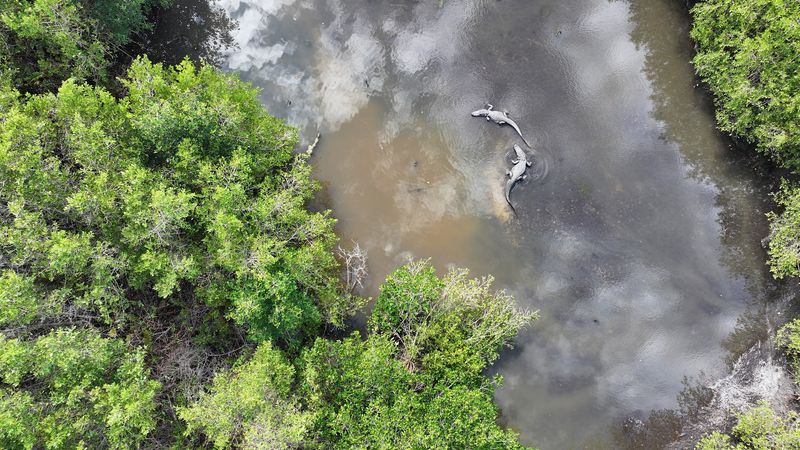
The Indian River Lagoon is home to more than 4,300 species of plants and animals, making it one of the most biodiverse estuaries in the entire United States. That number isn’t just impressive on paper — you feel it the moment you’re out on the water.
Manatees drift lazily beneath your kayak, dolphins chase fish just feet from your boat, and ospreys circle overhead scanning the glassy surface for their next meal.
Birdwatchers go absolutely wild for this place. Roseate spoonbills, great blue herons, brown pelicans, and even bald eagles call the lagoon home at various points throughout the year.
The mix of saltwater, brackish water, and freshwater habitats creates a layered ecosystem that supports species with wildly different needs — all coexisting in one stretch of coastline.
Manatees deserve a special mention. The lagoon’s warm, shallow waters make it a critical refuge for these gentle giants, especially during cooler months when they seek shelter from colder ocean temperatures.
Spotting one from a kayak — watching those enormous, slow-moving shapes glide just below the surface — is something you remember for a lifetime.
Sea turtles also nest along the nearby beaches, and bottlenose dolphins are practically a daily sighting for anyone spending time near the water. The lagoon acts as a nursery for dozens of fish species, which is part of why the fishing here is legendary among Florida anglers.
Responsible wildlife watching is important here. Keep a respectful distance from manatees and nesting birds, avoid feeding any wild animals, and always follow the guidelines posted by local wildlife agencies.
The more carefully we treat this place, the more it thrives for future visitors to enjoy.
Kayaking and Paddleboarding Through a Living Ecosystem
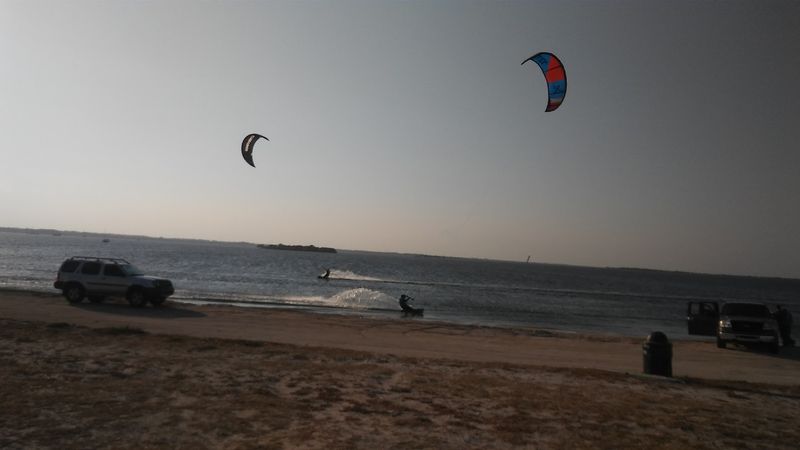
Paddling through the Indian River Lagoon feels less like exercise and more like exploring a world that most people never get to see up close. The water is calm in most areas, making it accessible for beginners and relaxing even for experienced paddlers who just want to soak in the scenery.
Renting a kayak or paddleboard is easy — outfitters are spread throughout the region, from Melbourne Beach all the way up to New Smyrna.
What sets paddling here apart from other Florida waterways is the sheer variety of environments you move through. One moment you’re gliding through open water with panoramic views of the sky.
The next, you’re weaving through narrow mangrove tunnels where the canopy closes overhead and the light filters through in soft green patches. It feels like a completely different world just a few paddle strokes away.
Guided tours are worth every penny, especially for first-timers. A knowledgeable guide can point out wildlife you’d never notice on your own — camouflaged fish hiding in the seagrass, tiny crabs scuttling across the bottom, or a sea turtle surfacing quietly just ahead.
Many tours also include a bioluminescence paddle at night, combining the best of both worlds in a single outing.
Solo paddlers should check local tide charts before heading out, since currents can shift quickly in certain sections of the lagoon. Early morning is the golden hour for paddling — the water tends to be glassiest, wildlife is most active, and the light is absolutely stunning for photos.
Families with kids love it too. Children who might get bored on a regular nature walk tend to stay completely engaged when they’re actually floating on top of the ecosystem they’re learning about.
It turns nature education into pure adventure.
Sunrise and Sunset Views That Leave You Speechless
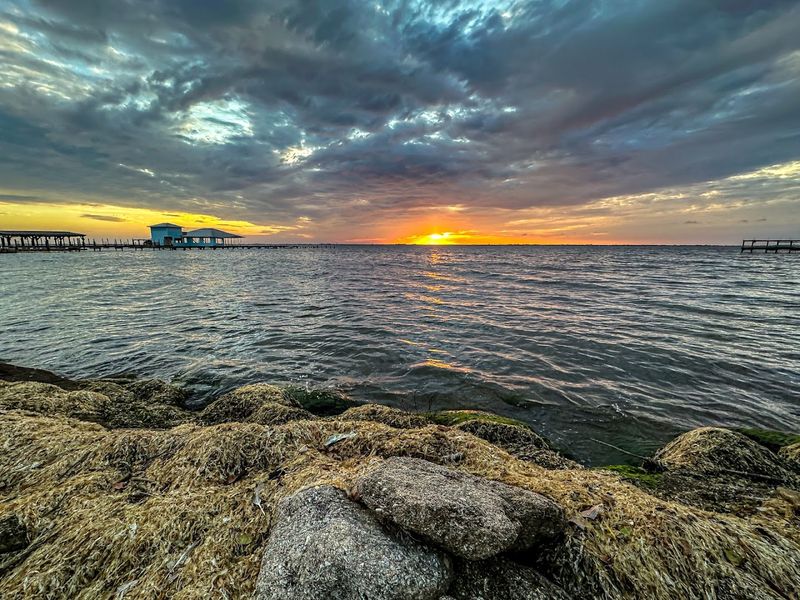
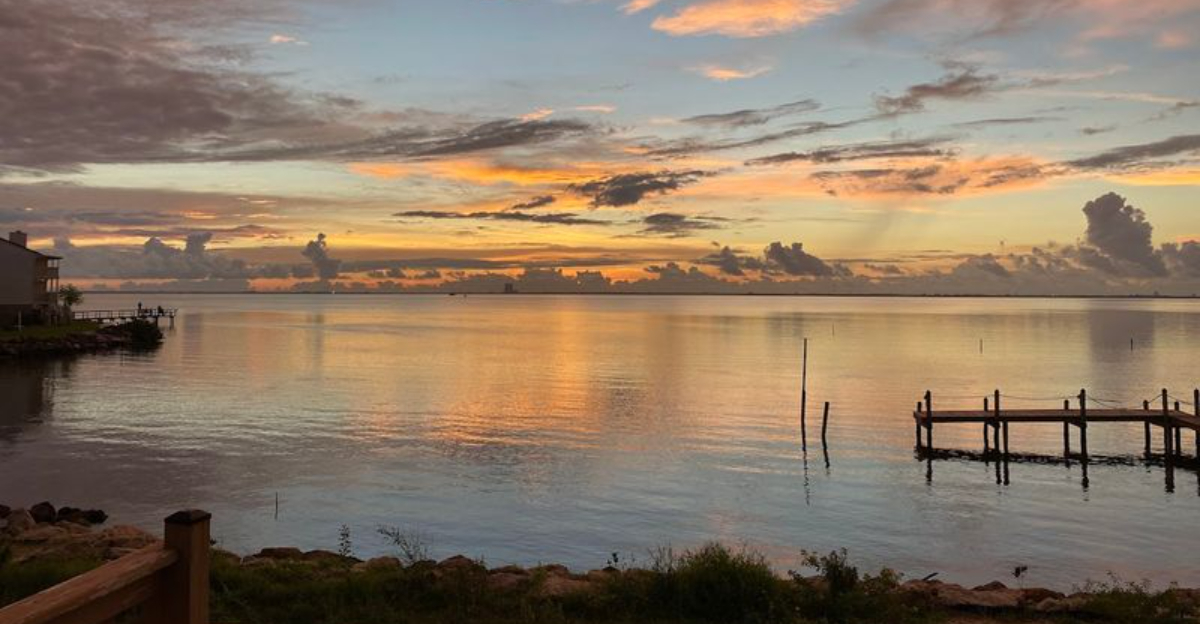
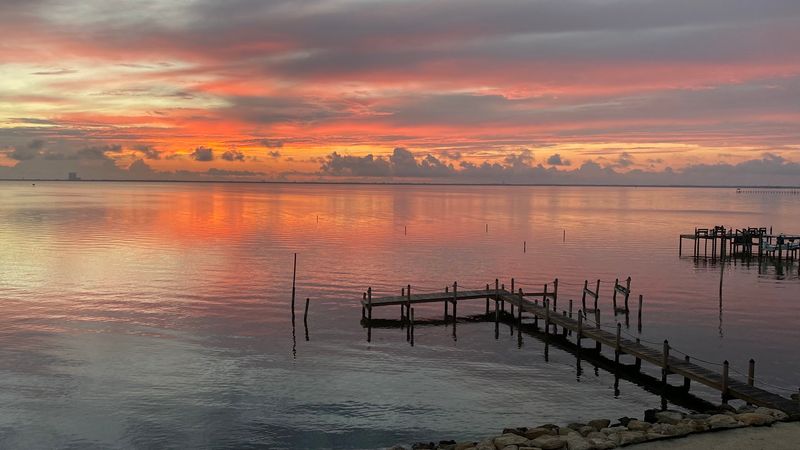
Ask any local what the best free thing to do at the Indian River Lagoon is, and most of them will say the same thing without hesitation: watch the sunrise. The wide, open water creates a natural canvas that stretches from horizon to horizon, and when the sky starts shifting from deep purple to coral to blazing orange, the whole lagoon lights up like something out of a painting.
The Cocoa Beach area near Fishlips is a favorite spot for catching both sunrises and sunsets. The waterfront walkways give you unobstructed views, and the atmosphere is relaxed enough that you can take your time, sip a coffee, and just breathe it all in without feeling rushed.
Locals and visitors mix easily here, and it has that rare quality of feeling both lively and peaceful at the same time.
Sunset from the water is a whole other experience. Paddling back to shore after an afternoon kayak session with the sky turning gold and pink behind you is the kind of moment that makes people spontaneously book return trips.
The reflections on the lagoon’s surface double the color, making everything feel almost impossibly beautiful.
For photographers, both golden hours here are exceptional. The flat water eliminates chop and gives you clean, mirror-like reflections that are hard to achieve in other locations.
Wide-angle lenses capture the full sweep of color, while telephoto shots pull in silhouettes of birds and boats against the glowing sky.
You don’t need a boat to enjoy the best views — many public parks and waterfront areas along the lagoon offer free access with great sightlines. Pack a blanket, get there a few minutes early, and let the show come to you.
No filter required, no ticket needed.
World-Class Fishing in Florida’s Most Productive Estuary
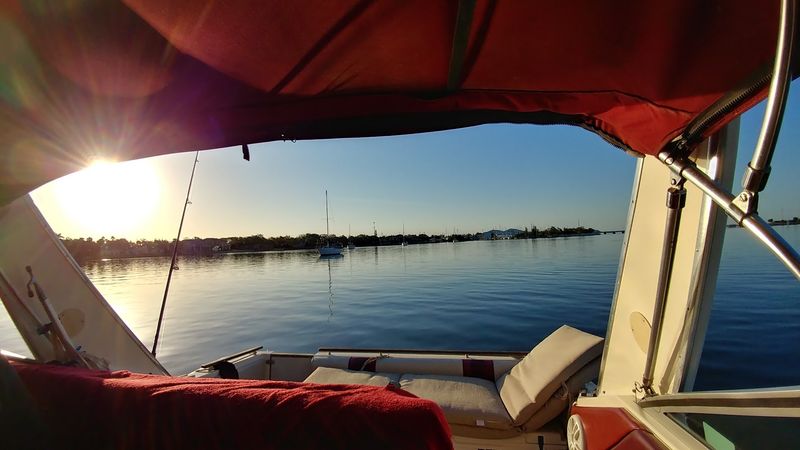
Serious anglers already know what the Indian River Lagoon represents: one of the most productive fishing grounds on the entire East Coast of the United States. The lagoon’s mix of seagrass flats, oyster bars, and deep channels creates the kind of habitat diversity that fish absolutely love.
Redfish, snook, spotted sea trout, and flounder are among the most sought-after catches, and the lagoon delivers all of them in impressive numbers.
Shallow-water fishing — also called flats fishing — is where the lagoon really shines. Anglers wade through knee-deep water or pole their skiffs quietly across the flats, scanning the surface for the telltale signs of tailing redfish or cruising snook.
It’s a slow, technical, deeply satisfying style of fishing that rewards patience and sharp eyes over brute strength.
The seagrass beds play a massive role in what makes the fishing here so good. They act as nurseries for juvenile fish and feeding grounds for larger predators, creating a constant cycle of activity that keeps the water alive year-round.
Protecting those seagrass meadows is a serious conservation priority, which is why catch-and-release practices are strongly encouraged throughout the lagoon.
Fishing guides who work this water daily offer an invaluable advantage for visitors. They know which flats are producing, how the tides affect fish movement, and which lures or live bait are working on any given day.
Booking even a half-day trip with a local guide can fast-track your experience from frustrating to unforgettable.
Fishing licenses are required for anyone 16 and older in Florida, and regulations vary by species and season. Checking the Florida Fish and Wildlife Conservation Commission website before your trip keeps you on the right side of the rules and helps protect the fishery for generations to come.
The Ecological Importance of Florida’s Largest Estuary
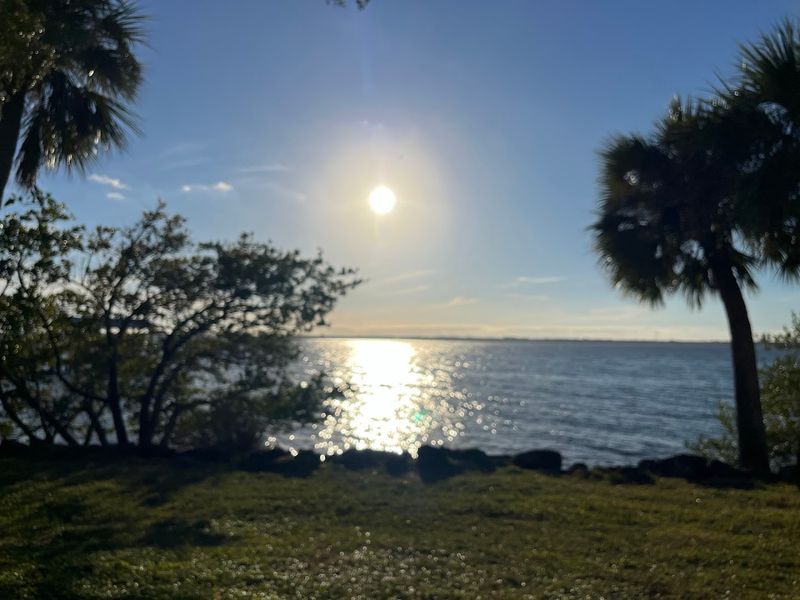
Stretching roughly 156 miles along Florida’s Atlantic coast from Ponce de Leon Inlet down to Jupiter Inlet, the Indian River Lagoon is the largest estuary in North America. That title comes with serious ecological weight.
The lagoon serves as a critical habitat for hundreds of species, a water quality buffer for coastal communities, and a carbon sink that helps offset greenhouse gas emissions through its extensive seagrass and mangrove coverage.
Estuaries like this one function as the ocean’s nurseries. Juvenile fish, crabs, shrimp, and other marine creatures rely on the calm, nutrient-rich waters to grow before venturing into open ocean.
Without the lagoon’s protected shallows, many of the fish species that support Florida’s commercial and recreational fishing industries simply wouldn’t survive to adulthood.
The seagrass beds are arguably the most important component of the entire system. Covering tens of thousands of acres at their peak, they filter water, produce oxygen, and provide food and shelter for an enormous range of species.
Pollution, algal blooms, and reduced water clarity have stressed these beds significantly in recent decades, making restoration efforts a top priority for environmental organizations across the state.
Mangroves fringe much of the lagoon’s shoreline, acting as storm barriers, water filters, and nesting habitat for birds. Their root systems trap sediment and prevent erosion, which helps maintain the clarity of the water that bioluminescent organisms need to thrive.
Losing mangroves doesn’t just hurt the ecosystem — it puts nearby homes and roads at greater risk during hurricanes.
Understanding the ecological role of the Indian River Lagoon makes every visit feel more meaningful. When you’re out there paddling through glowing water or watching a manatee surface nearby, you’re witnessing a living system that took thousands of years to build and deserves every ounce of protection it can get.
Guided Night Tours That Transform the Lagoon After Dark
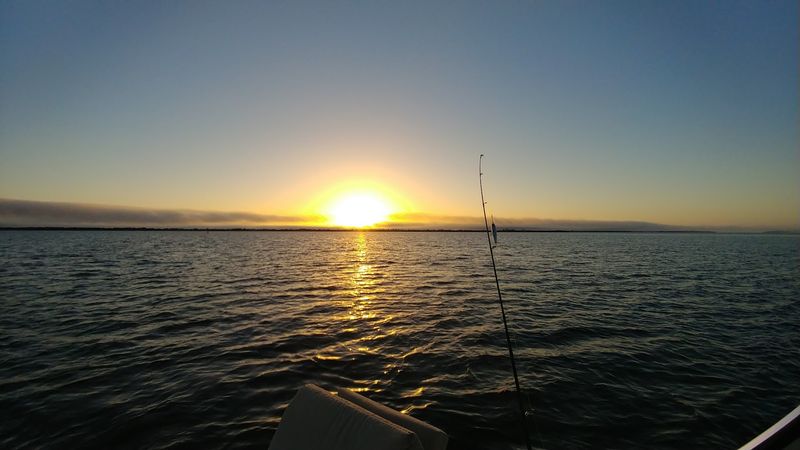
Nighttime at the Indian River Lagoon operates by completely different rules. The same waterway that sparkles under the afternoon sun transforms into something otherworldly once the sun goes down and the bioluminescent organisms wake up.
Guided night tours have become one of the most popular experiences along Florida’s Space Coast, and for good reason — they combine adventure, science, and pure visual spectacle into a single two-hour outing.
Most tour operators launch from areas near Titusville, Merritt Island, or the Melbourne Beach area. Groups are kept small to minimize noise and light pollution, which actually enhances the bioluminescence effect.
Guides paddle alongside the group, pointing out glowing fish trails, explaining the biology behind the light, and sharing stories about the lagoon’s history and ecology.
Booking in advance is strongly recommended, especially during peak season from June through September. Tours sell out weeks ahead during the best bioluminescence windows, particularly around new moon phases when the sky is at its darkest.
Many operators offer multiple departure times each evening, so there’s usually some flexibility if your first choice fills up.
First-timers sometimes worry about paddling in the dark, but the guides are experienced and the water in the tour areas is calm and shallow. Safety briefings happen before launch, and life jackets are always provided.
Most participants describe the experience as far less intimidating than they expected — and far more magical than they imagined.
Bring a dry bag for your phone, wear clothes you don’t mind getting slightly wet, and skip the bug spray with strong chemicals since it can affect the water. Insect repellent wristbands or natural alternatives work well.
Going in without expectations and just letting the experience unfold is genuinely the best strategy anyone can give you.
Conservation Efforts Keeping the Lagoon Alive and Thriving
The Indian River Lagoon has faced some serious challenges over the past few decades. Algal blooms fueled by nutrient pollution have caused widespread seagrass die-offs, which ripple through the entire food web.
Manatee deaths, fish kills, and declining water quality have all made headlines, turning the lagoon’s health into a statewide environmental issue that researchers, agencies, and everyday citizens are working hard to address.
Multiple restoration projects are actively underway. Seagrass replanting efforts, stormwater treatment improvements, and oyster reef restoration are among the strategies being used to rebuild what has been lost.
Oyster reefs are particularly exciting — they filter enormous volumes of water daily and provide complex habitat for juvenile fish, essentially doing restoration work around the clock without any human intervention once established.
Local organizations like the Indian River Lagoon National Estuary Program coordinate research, funding, and community involvement across the five counties that border the lagoon. Volunteer opportunities are available year-round for people who want to do more than just visit — shoreline cleanups, water quality monitoring, and habitat restoration events welcome participants of all ages and experience levels.
Tourism itself plays a dual role here. Visitor dollars fund conservation programs and raise public awareness about the lagoon’s importance, but increased boat traffic and careless behavior can also cause damage.
Staying in designated waterway channels, avoiding anchoring in seagrass beds, and properly disposing of trash are small actions that add up to a big difference when multiplied across thousands of visitors.
The lagoon’s story isn’t one of hopeless decline — it’s one of active recovery. Scientists report measurable improvements in water clarity in areas where restoration work has been focused.
Showing up, paying attention, and making responsible choices while you’re there puts you on the right side of that story.