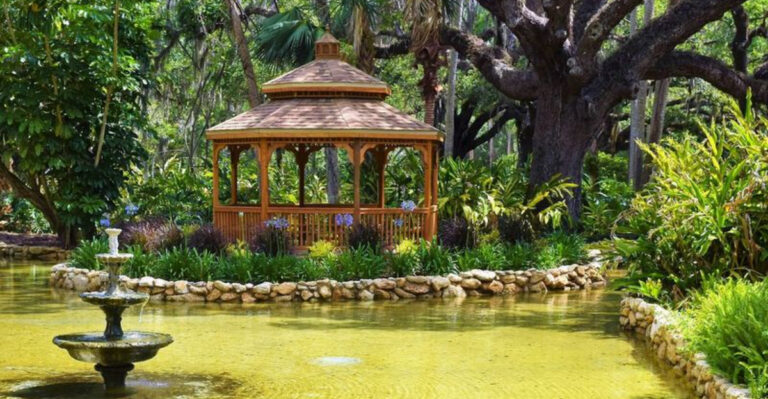
There’s A Hidden Walking Path In Florida That Locals Don’t Want Tourists To Find
Tucked away in Jacksonville’s northeast corner sits a trail system that feels more like a secret than a public park. Spanish Pond Trailhead offers something rare in Florida: actual hills, dense forest canopies, and peaceful stretches where you might forget you’re just minutes from the city. While tourists flock to the beaches, locals have been quietly enjoying this gem, complete with boardwalks over marshes, river views where bald eagles soar, and enough variety to keep every visit interesting.
1. Rare Elevation Changes That Actually Challenge Your Legs
Florida isn’t exactly known for mountains, but Spanish Pond Trailhead breaks that flat stereotype with legitimate elevation changes that’ll remind your calves they exist. The terrain rolls and dips in ways that feel almost un-Floridian, giving you a workout that goes beyond just logging miles. Hikers consistently mention this as one of the only northeast Florida trails where you’ll actually climb.
The varied topography means you’re constantly shifting between uphill pushes and downhill strides, which keeps the experience engaging from start to finish. Sandy sections alternate with harder-packed earth, and exposed tree roots create natural obstacles that demand attention. It’s not Everest, but for a state famous for being pancake-flat, these inclines feel like a gift.
Runners especially appreciate the challenge since most local paths offer zero resistance beyond distance. The 1.7-mile stretch from Spanish Pond entrance to Theodore Roosevelt entrance can easily extend to 4-plus miles depending on which loops you choose. Families find it manageable, but there’s enough variation to satisfy serious hikers looking for something beyond a casual stroll through the palms.
2. Rainforest Vibes With Palms, Pines, and Floridian Jungle
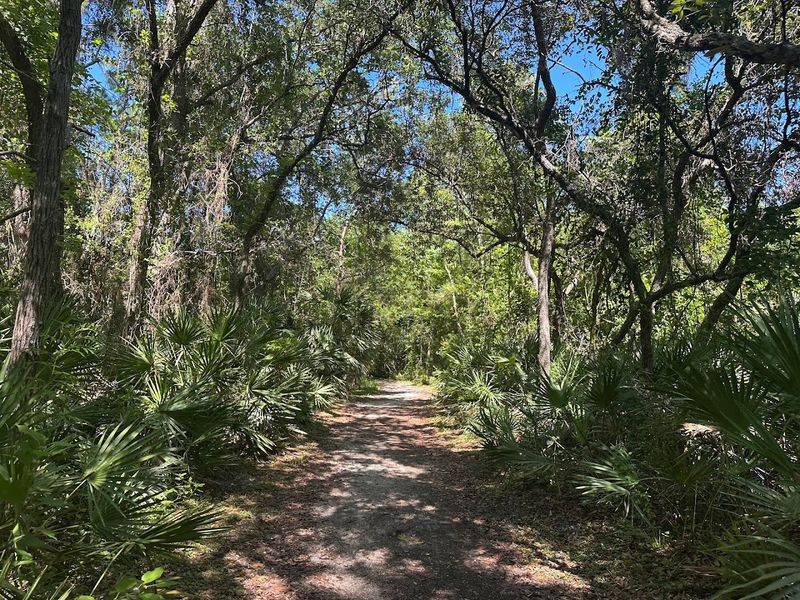
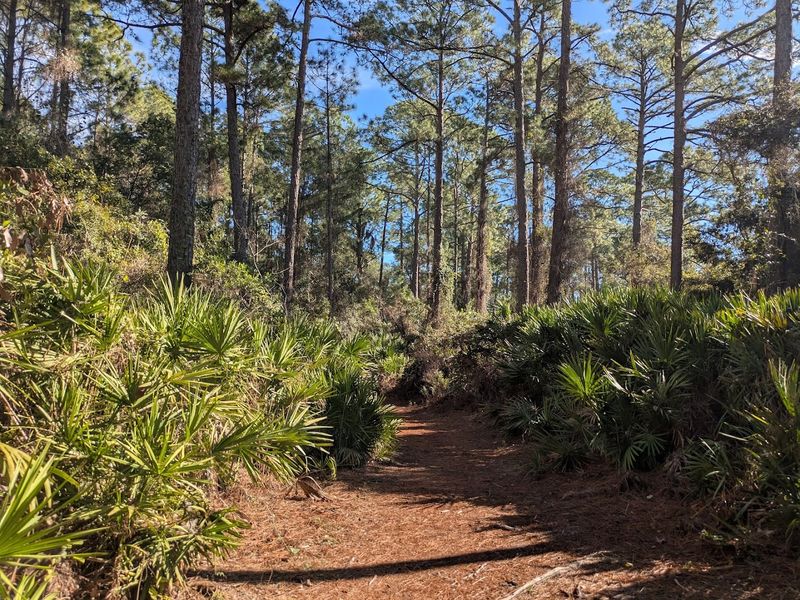
Walking through Spanish Pond feels like stepping into a miniature rainforest, with towering palms mixing with pines to create a canopy that shifts from bright to shadowy within steps. The vegetation is thick and varied, giving you that jungle vibe without needing a passport. Different ecosystems blend together seamlessly as you move through the trail system, from hammock forests to tidal marshes.
The shade coverage is generous, making this a solid choice even during Florida’s brutal summer months when exposed trails become unbearable. You’ll spot native plants thriving in their natural habitat, and the diversity keeps the scenery from getting repetitive. One moment you’re surrounded by dense hardwoods, the next you’re on a boardwalk cutting through wetlands.
This variety isn’t just pretty; it’s educational too. Park rangers lead Saturday tours at 1 PM where you’ll learn about the different ecosystems, trees, and wildlife that call this area home. Visitors rave about Ranger Rodney’s knowledge and enthusiasm.
Even without a guide, the signage throughout helps you understand what you’re seeing, transforming a simple hike into an informal nature lesson that both kids and adults find fascinating.
3. Bald Eagles Soaring Over the St. Johns River
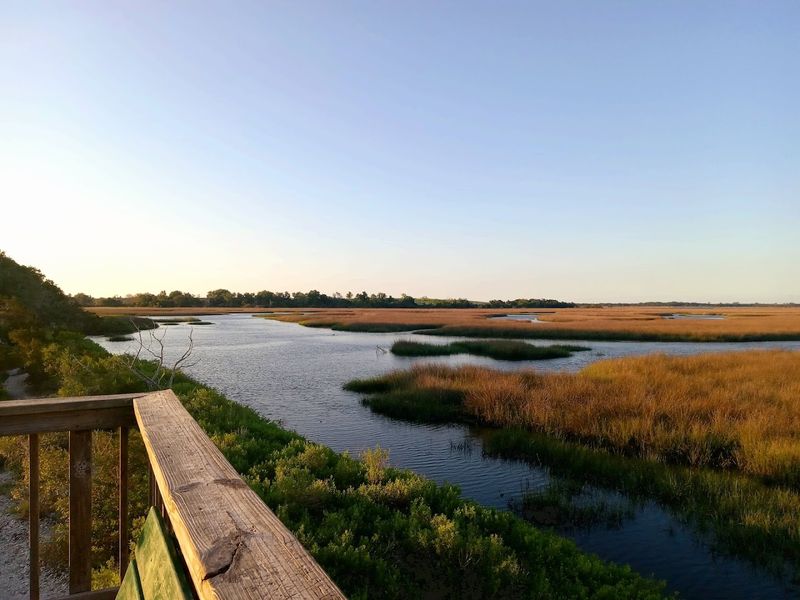
The black connector trail leads you out to a peninsula with a lookout platform where the St. Johns River spreads out before you, and if you’re lucky, bald eagles will be riding the thermals overhead. Multiple visitors report spotting these majestic birds, particularly near the water where they hunt. It’s the kind of wildlife encounter that transforms an ordinary hike into something memorable.
The observation deck provides unobstructed views across the tidal marsh and river, perfect for bird watching or just catching your breath. Early morning visits seem to offer the best wildlife viewing opportunities when the area is quieter and animals are more active. The platform itself is sturdy and well-maintained, giving you a safe vantage point to scan the skies and shoreline.
Beyond eagles, the area supports hawks, owls, and a huge variety of other birds that make the marsh their home. Bring binoculars if you’re serious about birding, though even with the naked eye you’ll likely spot interesting wildlife. The combination of river access and diverse habitat creates perfect conditions for animal watching, and the peaceful setting means you can linger as long as you want without feeling rushed by crowds or noise.
4. Multiple Trail Loops That Connect and Expand Your Options
Spanish Pond isn’t just one trail; it’s a network of color-coded paths that connect in ways that let you customize your distance and difficulty. Red marks Spanish Pond, blue indicates Theodore Roosevelt, and black is the scenic connector that loops out to the water. The green trail is permanently closed, so don’t waste time looking for it.
What makes this system brilliant is how the trails intersect, allowing you to build your own route based on time, energy, or curiosity. Want a quick out-and-back? Head straight to the observation deck.
Ready for a longer adventure? Combine all the available loops for 4.5 miles of varied terrain. The signage is excellent with maps posted at key junctions, so getting lost is difficult even for directionally challenged hikers.
First-timers sometimes find the color-coding slightly confusing, but downloading AllTrails beforehand solves that issue completely. The layout encourages exploration since you can easily add distance without backtracking the same path repeatedly. Families with young kids can stick to shorter sections, while serious hikers can push for maximum mileage.
This flexibility is rare and makes Spanish Pond accessible to virtually any fitness level or time constraint you’re working with.
5. Boardwalks and Bridges That Keep Your Feet Dry
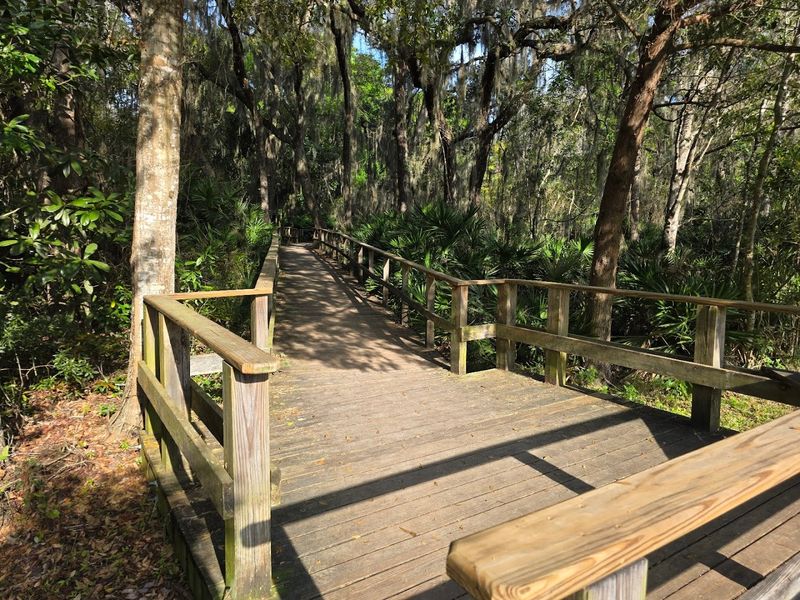
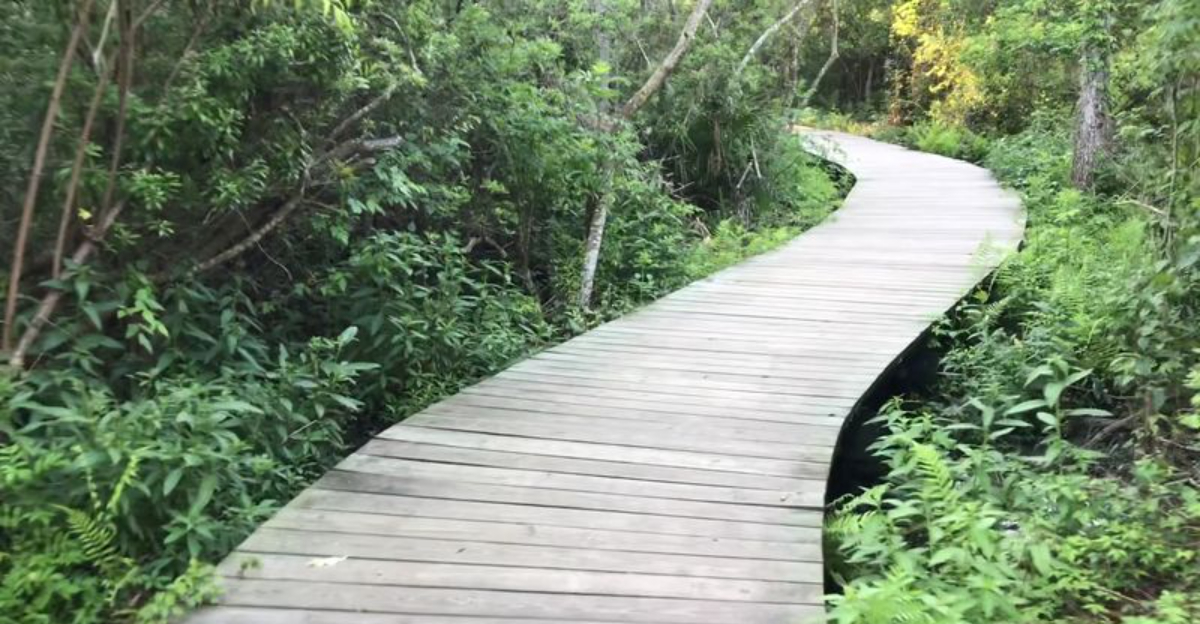
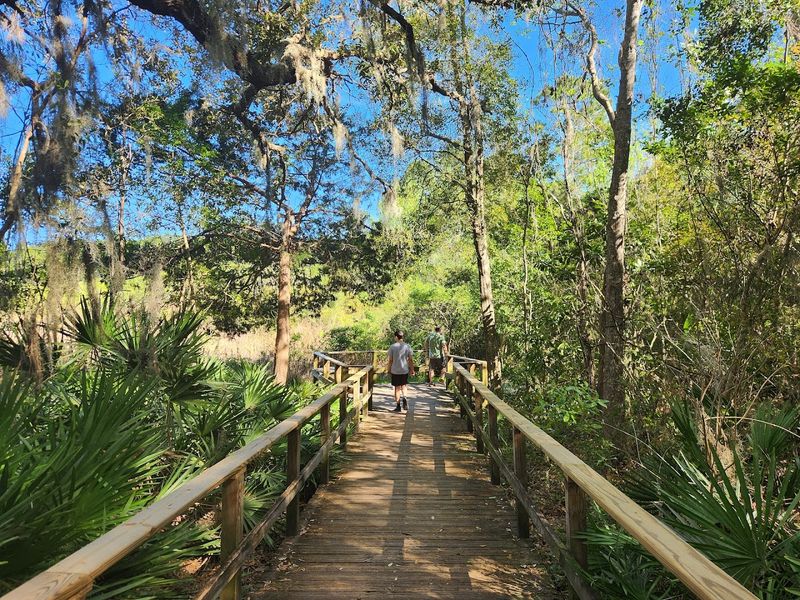
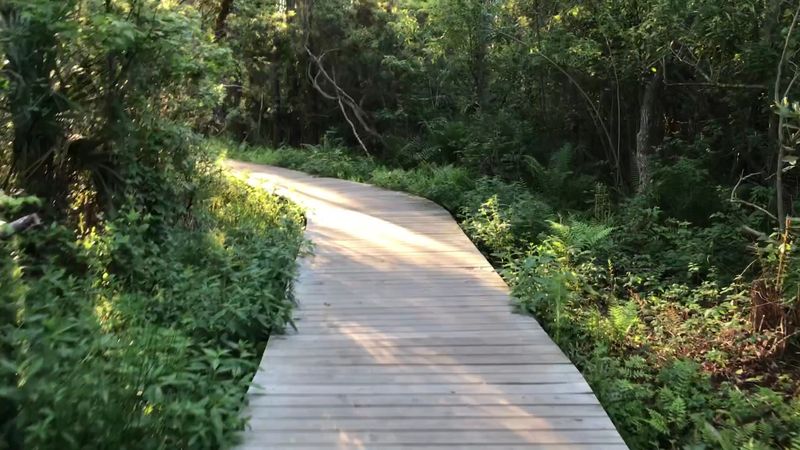
Strategic boardwalks and bridges carry you over the wettest sections, sparing your shoes from the mud and water that naturally accumulate in low-lying areas. These elevated walkways aren’t just functional; they offer unique perspectives on the marsh ecosystem that you’d miss from ground level. The construction is solid, handling foot traffic, joggers, and even strollers without issue.
Some sections do flood during high tide, according to visitor reports, but the boardwalks generally keep you above the water line. The wooden surfaces can get slippery when wet, so watch your footing after rain or during humid mornings when dew settles. Still, these structures make large portions of the trail accessible year-round regardless of water levels.
The bridges create natural stopping points where you can pause and actually observe the marsh life happening below and around you. Frogs, turtles, and various water birds frequent these areas, and the slight elevation gives you a better vantage point for spotting them. Photographers appreciate these spots for capturing wetland shots without getting their gear muddy.
The engineering blends into the natural setting rather than feeling intrusive, maintaining that wilderness feel while providing practical access through otherwise impassable terrain.
6. Free Entry and Excellent Facilities Across the Street
Zero entry fee means you can visit Spanish Pond as often as you want without worrying about your budget. The Timucuan Preserve manages this area as part of the national park system, keeping it free and accessible while maintaining high standards. Parking is limited at the Spanish Pond trailhead itself, which can be challenging on busy weekends, but the Theodore Roosevelt entrance offers additional parking.
Restrooms are located at the Roosevelt end of the trail rather than the Spanish Pond trailhead, so plan accordingly before you start hiking. The Fort Caroline visitor center sits directly across the street and provides clean facilities, informative exhibits, and staff who can answer questions about the trails. This center is worth a stop either before or after your hike.
The combination of free access and quality amenities is increasingly rare, making this spot feel like a genuine public resource rather than a tourist trap. Trash receptacles are positioned throughout the trail, and visitors generally respect the space by packing out their garbage. The only consistent complaint involves people leaving bagged dog waste on the trail instead of carrying it out, which is frustrating but easily avoided by being responsible.
The infrastructure supports comfortable visits without overwhelming the natural setting.
7. Dog-Friendly Trails With Shade and Wildlife Encounters
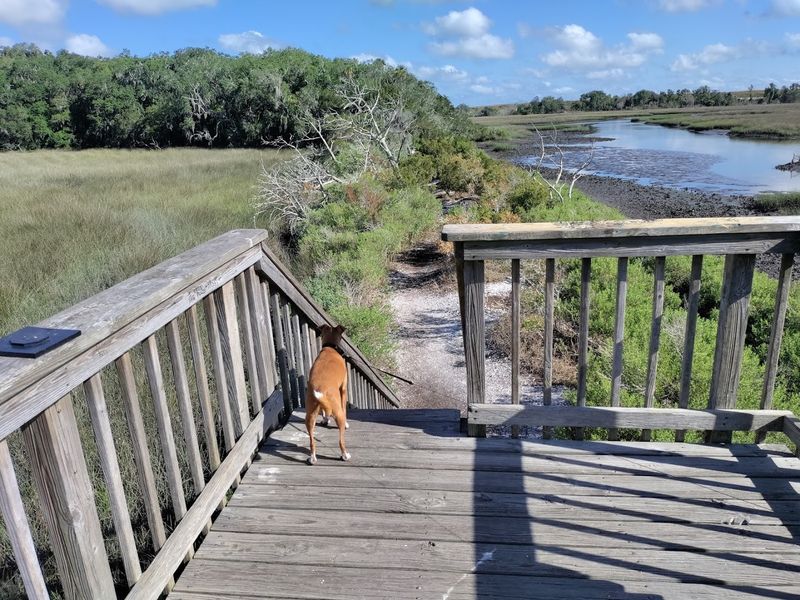
Leashed dogs are welcome throughout the trail system, and the shade coverage makes it comfortable for four-legged hiking companions even during warmer months. Many reviews mention bringing dogs, and the wide trails provide plenty of room for both dogs and other hikers to pass comfortably. The varied terrain keeps dogs engaged and exercised beyond simple walking.
One significant warning: ticks are present, particularly during certain seasons. One visitor reported their small dog picked up six deer ticks during a January hike, so thorough tick checks afterward are essential. Bug spray for both humans and pet-safe repellent for dogs is recommended, especially during summer months.
Despite the tick concern, most dog owners consider the trail excellent for their pets.
Wildlife sightings add excitement for dogs, though keeping them leashed is both required and wise given the presence of snakes, rabbits, and various birds. The natural smells and sounds keep dogs interested throughout the hike. Water access isn’t readily available on the trail, so bring enough for your pet, particularly on longer loops.
The root-covered sections require attention since dogs can trip just like humans, but overall the trail accommodates dogs better than many alternatives in the Jacksonville area, combining exercise with sensory enrichment.
8. Historical Connections to Fort Caroline and Willie Brown
Spanish Pond Trail connects to Fort Caroline National Memorial, adding historical depth to your outdoor experience. The fort area features cannons and interpretive information about the French Huguenot settlement that attempted to establish itself here in the 1560s. This historical layer transforms the hike from purely recreational to educational, especially for families trying to sneak learning into outdoor time.
Ranger-led tours dive into the area’s complex past, including stories about Willie Brown and other figures connected to this land. One gravestone is visible along the trail, and supposedly a cemetery exists in an overgrown section, though visitors report difficulty finding it. These historical remnants create an eerie, fascinating dimension that sets Spanish Pond apart from generic nature trails.
The combination of natural beauty and historical significance makes this a richer experience than typical hiking spots. Kids often find the fort more engaging than just walking through woods, and the cannons provide photo opportunities that justify the trip to reluctant teenagers. The National Park Service manages both areas, ensuring accurate historical interpretation alongside environmental preservation.
Whether you’re primarily interested in history or nature, the overlap creates opportunities to appreciate both without feeling like you’re compromising either interest.