These 10 Quiet Florida Beach Towns Are Easy to Love and Hard to Leave
Florida’s coastline stretches over 1,300 miles, but not every beach town is packed with tourists and high-rise hotels. Hidden along both the Gulf and Atlantic shores are charming communities where the pace slows down, the crowds thin out, and the real Florida reveals itself. These ten quiet beach towns offer something rare: a chance to experience coastal life the way it used to be, with mom-and-pop shops, uncrowded sand, and neighbors who actually wave hello.
1. Anna Maria
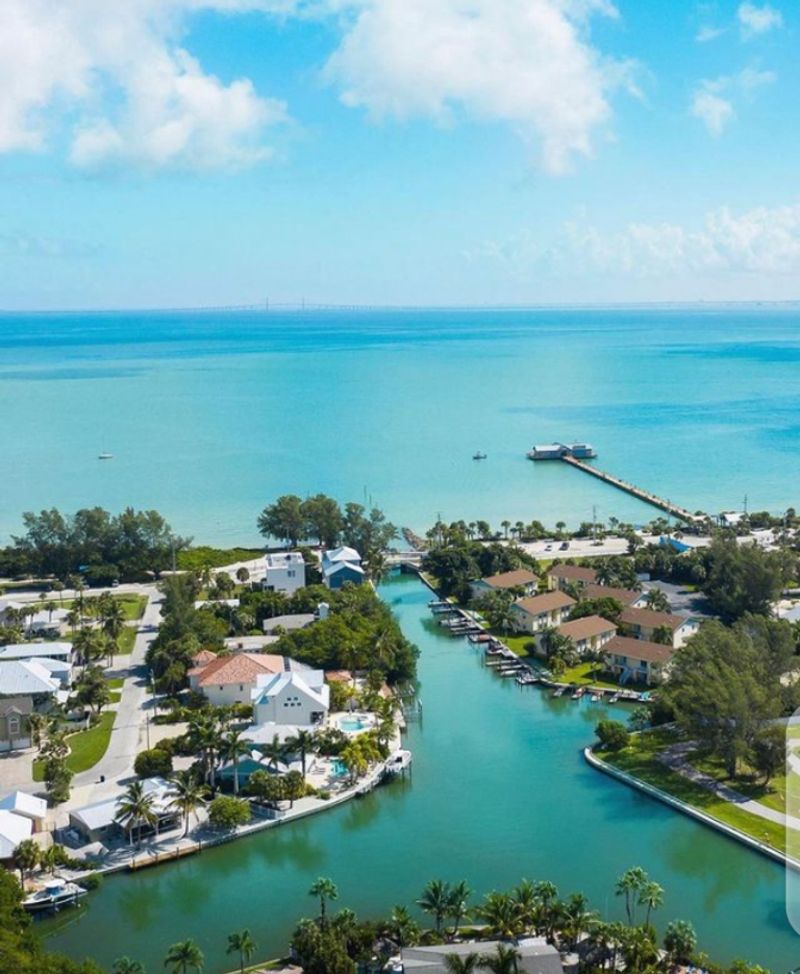
Sitting at the northern tip of a barrier island, this Old Florida gem feels like stepping back in time. Pastel-colored cottages line sandy streets where golf carts outnumber cars, and the dress code never rises above flip-flops and swimsuits. The island stretches just seven miles long, giving it an intimate feel that larger beach destinations can never quite capture.
Bean Point at the very northern end offers some of the most peaceful sunset views you’ll find anywhere in the state. The beaches here remain refreshingly uncommercialized, with soft white sand that squeaks beneath your feet and water so clear you can spot stingrays gliding past. Local ordinances keep buildings low and chain stores out, preserving the town’s authentic character.
Pine Avenue serves as the charming main street, packed with family-owned restaurants, ice cream shops, and quirky boutiques. You can rent a bike and explore the entire island in an afternoon, stopping at roadside fruit stands and watching pelicans dive for their dinner. The laid-back vibe attracts visitors who crave simplicity over spectacle.
Fishing from the historic City Pier costs nothing and yields everything from snapper to tarpon, depending on the season. The island’s three beaches—Anna Maria Beach, Holmes Beach, and Bradenton Beach—each have their own personality, but all share that same tranquil atmosphere. Many visitors arrive for a weekend and start researching real estate before they leave.
2. Cedar Key
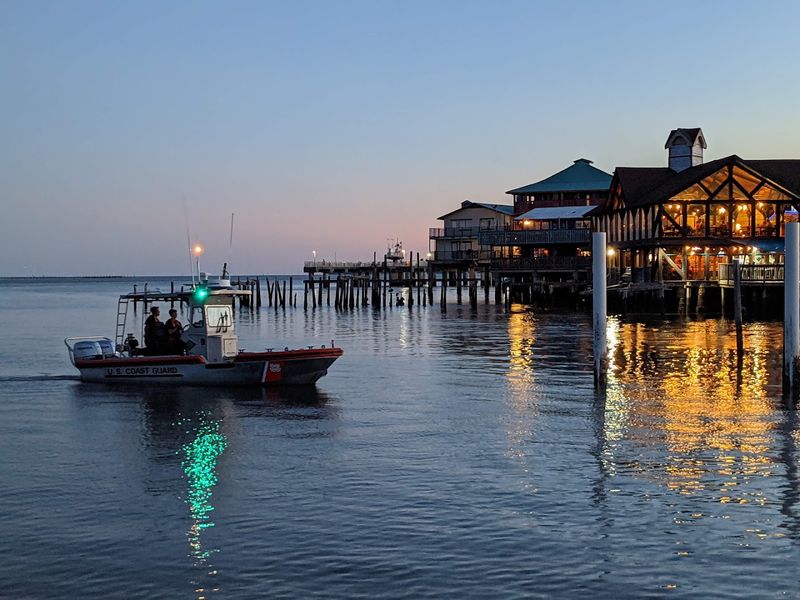
Way off the beaten path on Florida’s Nature Coast, this fishing village feels like it exists in its own time zone. Cedar Key sits among a cluster of small islands where the Gulf meets vast salt marshes, creating a landscape that looks more like Louisiana than typical Florida. The entire downtown historic district spans just a few blocks, but those blocks overflow with character and stories.
Clam farming and commercial fishing still drive much of the local economy, giving the town an authentic working-waterfront atmosphere. Weathered docks stretch into the water, where boats unload the day’s catch while pelicans wait hopefully nearby. The sunsets here are legendary, painting the sky in shades of orange and pink that reflect off the calm harbor waters.
Second Street serves as the main drag, lined with art galleries, seafood restaurants, and shops selling everything from handmade jewelry to fresh smoked mullet. The Cedar Key Museum State Park tells the fascinating story of the town’s rise and fall as a pencil manufacturing center in the 1800s. Walking the quiet residential streets reveals Victorian-era homes and cottages that have weathered countless hurricanes.
Nature trails wind through nearby islands accessible only by boat or kayak, offering incredible bird-watching opportunities. The annual Sidewalk Arts Festival draws artists from across the Southeast, but even during this busy weekend, the town never feels crowded. Most visitors fall hard for Cedar Key’s unhurried rhythm and salty charm.
3. Mexico Beach
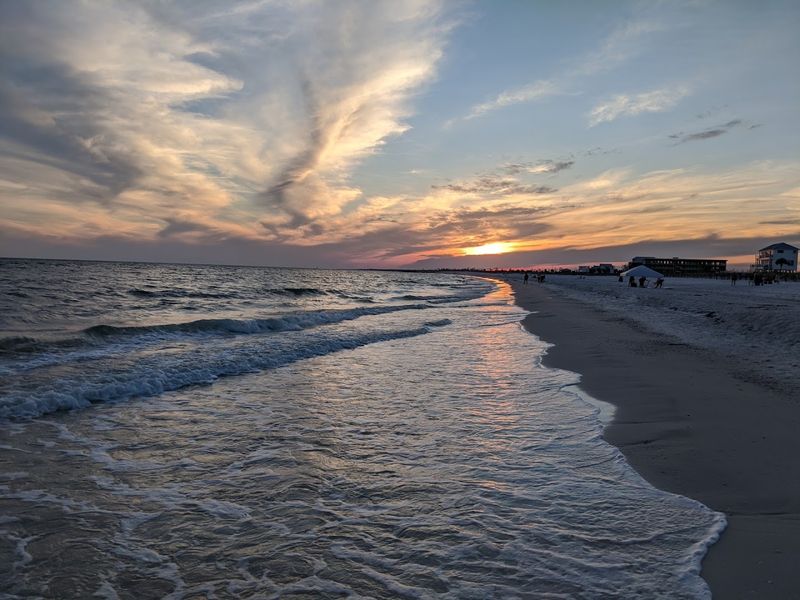
Forget what you think you know about Florida beach towns. Mexico Beach operates on a completely different wavelength, where the biggest decision you’ll make is whether to read your book under an umbrella or in a beach chair. This Panhandle community stretches along four miles of sugar-white sand and emerald-green water that rivals anything you’d find in the Caribbean.
The town rebuilt thoughtfully after Hurricane Michael in 2018, maintaining its small-scale charm while improving resilience. You won’t find towering condos blocking the view or neon-lit tourist traps lining the streets. Instead, the beachfront features modest homes, locally-owned motels, and plenty of public beach access points that make enjoying the coastline easy and free.
Fishing defines much of the local culture, whether you’re casting from the shore, the pier, or chartering a boat to chase red snapper offshore. The calm, clear waters make it perfect for families with young children who can wade out safely while parents relax nearby. Shelling here yields treasures like sand dollars, olive shells, and occasional pieces of sea glass smoothed by the waves.
Downtown consists of just a few blocks, but those blocks contain everything you need: fresh seafood restaurants, a great coffee shop, ice cream parlors, and gift shops run by people who actually live here year-round. The pace moves slowly enough that strangers strike up conversations and locals remember your name after one visit. It’s the kind of place that makes you question why you live anywhere else.
4. St. George Island
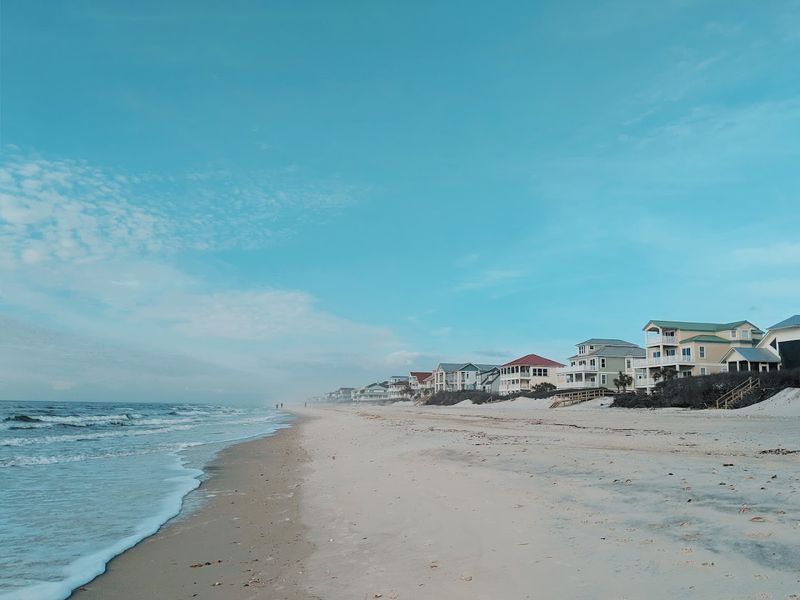
Twenty-eight miles of undeveloped barrier island create a haven for people seeking serious peace and quiet. St. George Island sits just off the Panhandle coast, accessible by a single bridge that keeps the crowds manageable and the atmosphere wonderfully unhurried. Nearly half the island belongs to a state park, ensuring that wild beaches and natural dunes will remain protected forever.
The residential part of the island features mostly vacation rentals and beach houses elevated on stilts, with very little commercial development to interrupt the natural beauty. No high-rises mar the skyline, and no chain restaurants compete for your attention. What you will find is mile after mile of pristine sand, perfect for long walks where your only company might be sandpipers and ghost crabs.
The historic Cape St. George Lighthouse stands as a beloved landmark, relocated after erosion threatened its foundation. You can climb to the top for panoramic views that showcase why this island remains so special. The bay side offers calmer waters ideal for kayaking through marshes where dolphins often play and fish jump.
St. George Island State Park protects nine miles of undeveloped beachfront on the eastern end, with hiking trails, primitive camping, and some of the best shelling in the region. The small commercial district near the bridge has just enough restaurants and shops to cover the basics without overwhelming the natural setting. Visitors quickly discover that boredom becomes a luxury here, not a problem.
5. Fernandina Beach
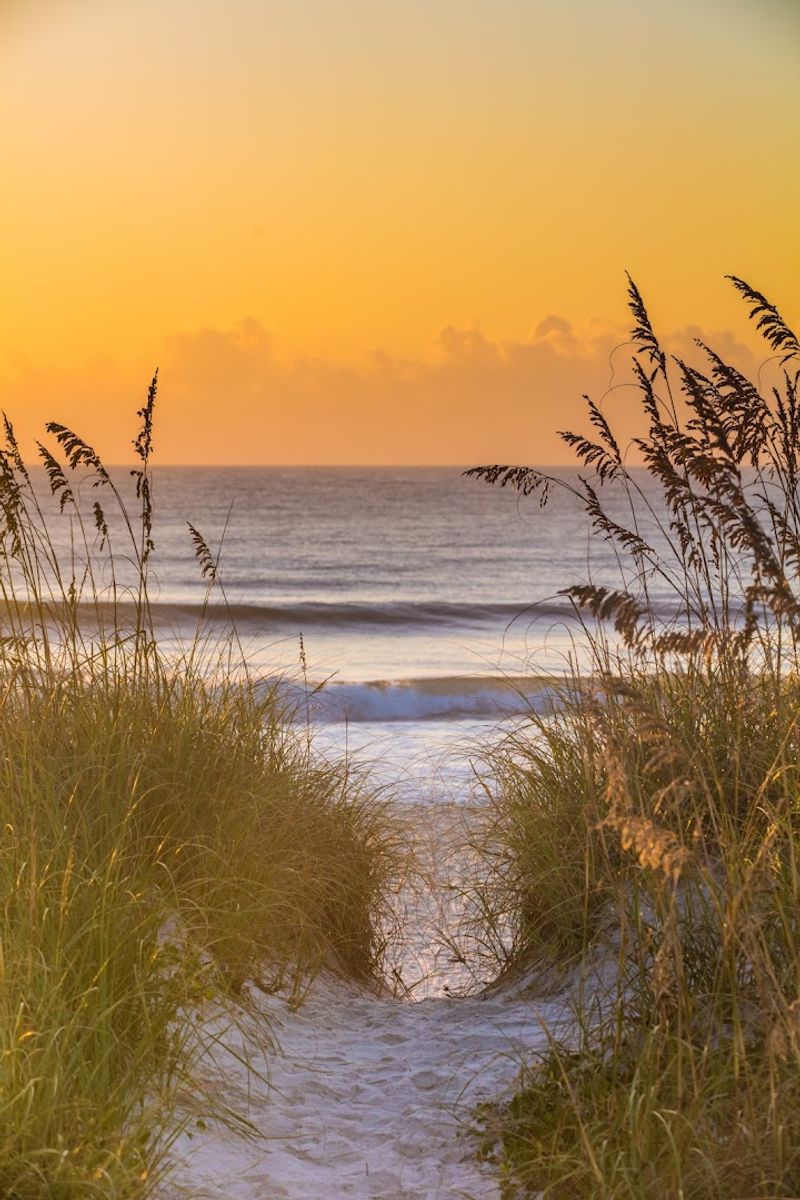
Victorian mansions and moss-draped oaks give this Amelia Island town a storybook quality that sets it apart from typical Florida beach destinations. Fernandina Beach wears its history proudly, with a fifty-block historic district filled with buildings that date back to the late 1800s when this was a thriving seaport. Walking these brick-lined streets feels like visiting a living museum where the past and present coexist beautifully.
Centre Street serves as the heart of downtown, packed with locally-owned boutiques, galleries, restaurants, and pubs housed in restored historic buildings. The marina area buzzes with activity as shrimp boats unload their catch and charter fishing operations prepare for the next adventure. Fort Clinch State Park at the island’s northern tip offers both pristine beaches and a remarkably well-preserved Civil War fort where costumed interpreters bring history to life.
The beaches here stretch wide and flat, perfect for horseback riding, which several local stables offer. The sand has a golden hue rather than the brilliant white found further south, and the Atlantic waves provide just enough action to keep things interesting. Dunes lined with sea oats create natural barriers that protect the island’s interior.
Fernandina’s restaurant scene punches well above its weight, featuring everything from fresh-caught seafood to international cuisine served in intimate settings. The town hosts numerous festivals throughout the year, including the famous Shrimp Festival, but never loses its welcoming, small-town feel. Many visitors end up buying property here after just one visit.
6. Pass-a-Grille Beach
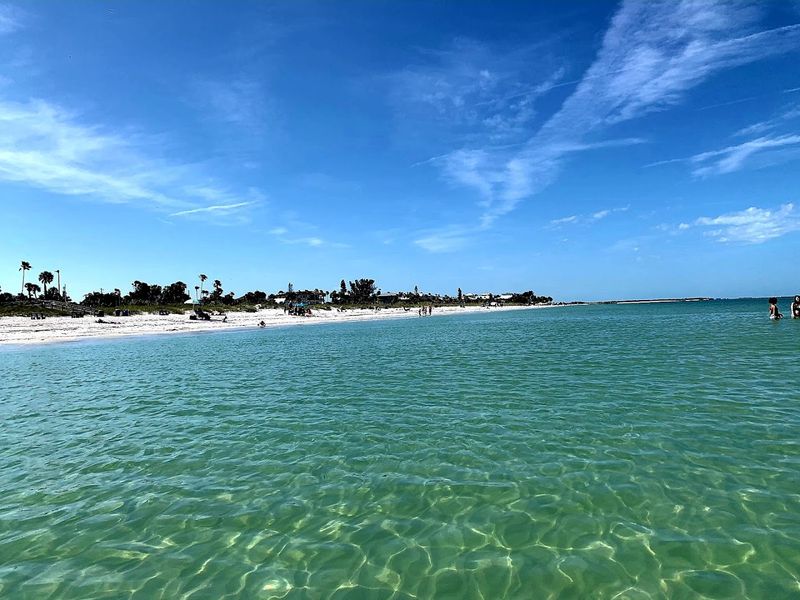
Tucked at the southern tip of St. Pete Beach, this quirky little community feels like a secret that locals have been keeping for decades. Pass-a-Grille occupies just a few blocks, but those blocks contain more authentic Florida charm than entire cities manage to muster. The streets are so narrow that parking becomes an adventure, and the beach cottages crowd together in a rainbow of colors that somehow works perfectly.
The name comes from the Spanish word for grilling fish, which fishermen once did on this very spot centuries ago. That fishing heritage continues today, with anglers casting from the beach, the historic pier, or chartering boats from nearby marinas. The beach itself stretches wide and welcoming, with soft sand and relatively calm Gulf waters ideal for swimming and paddleboarding.
Eighth Avenue serves as the tiny downtown, where the Hurricane restaurant has been serving seafood and cold drinks since 1977. A handful of shops, cafes, and galleries round out the commercial district, all independently owned and operated. The Pass-a-Grille Beach Historic District preserves the area’s Old Florida character, protecting it from the kind of development that has transformed nearby communities.
Sunset watching becomes a nightly ritual here, with locals and visitors gathering on the beach to applaud as the sun slips below the horizon. The lack of high-rise buildings means unobstructed views in every direction, creating that rare feeling of spaciousness despite the compact geography. This is Florida the way your grandparents might remember it.
7. Indian Rocks Beach
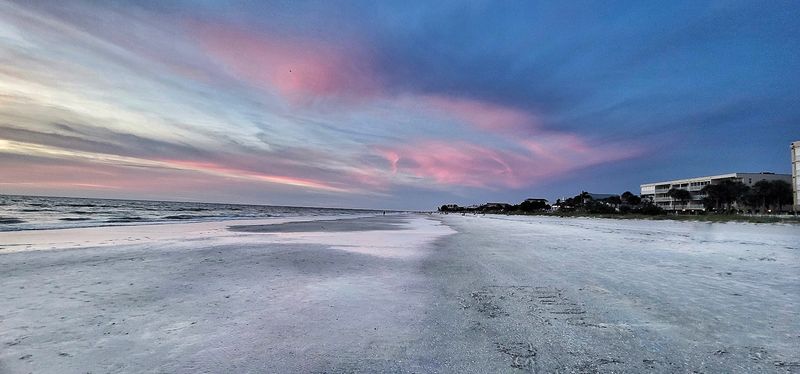
Sandwiched between its more famous neighbors, this Gulf Coast town maintains a refreshingly low-key personality. Indian Rocks Beach attracts families and couples who prefer relaxation over nightlife, with a vibe that’s decidedly more beach chairs than beach clubs. The town stretches along a narrow barrier island, with the Gulf on one side and the Intracoastal Waterway on the other, creating maximum waterfront access in minimal space.
Gulf Boulevard runs the length of the island, lined with mom-and-pop motels, casual restaurants, surf shops, and ice cream parlors that have served generations of beachgoers. The beach itself features that gorgeous white sand that makes the Gulf Coast famous, along with warm, gentle waves perfect for kids learning to bodysurf. Public access points appear frequently, making it easy to find your perfect spot without fighting for space.
The Indian Rocks Beach Nature Preserve protects a rare coastal hammock ecosystem on the bay side, offering trails through maritime forest and mangroves. Pelicans, herons, and egrets make regular appearances, delighting bird-watchers and photographers. The fishing pier extends into the Gulf, providing a prime spot to catch dinner or simply watch dolphins cruise past.
Tuesday evenings bring a small farmers market where locals gather to buy produce, baked goods, and crafts while catching up on neighborhood news. The town intentionally limits building heights, keeping the skyline low and the atmosphere intimate. You won’t find wild parties or spring break madness here, just good old-fashioned beach town living at its finest.
8. Lauderdale-by-the-Sea
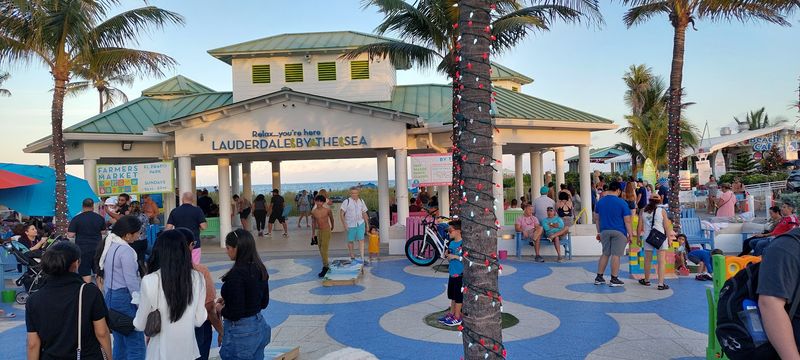
Just north of Fort Lauderdale’s hustle, this compact beach town offers a completely different experience. Lauderdale-by-the-Sea built itself around a simple concept: keep things small, walkable, and focused on the beach. The entire town spans less than one square mile, making it easy to park once and explore everything on foot or by bicycle.
Commercial Boulevard serves as the main street, running straight from the Intracoastal to the ocean and packed with restaurants, bars, shops, and galleries along the way. The beachfront features a wide promenade perfect for morning runs or evening strolls, with the Atlantic stretching endlessly beyond. What makes this beach truly special is the coral reef sitting just 100 yards offshore, creating Florida’s only shore-diving destination and attracting snorkelers and scuba divers from around the world.
The reef teems with tropical fish, sea turtles, and colorful coral formations easily accessible from the beach. Several dive shops rent equipment and offer guided tours for those wanting to explore this underwater wonderland. Even non-divers can spot fish and marine life from the historic Anglin’s Fishing Pier, which extends 875 feet into the ocean.
The town maintains strict building codes that prevent high-rises, preserving the low-key beach village atmosphere. Restaurants range from casual beachfront cafes to upscale dining, with fresh seafood featured prominently on most menus. Sunday mornings bring a popular farmers market where locals shop for organic produce while live musicians provide the soundtrack.
The combination of natural beauty and small-town charm creates something genuinely special.
9. Flagler Beach
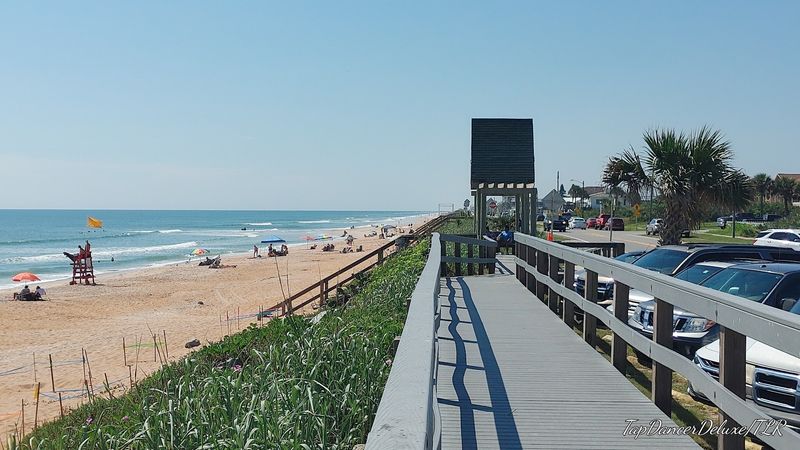
Highway A1A runs right along the beach in this laid-back Atlantic Coast town, creating the kind of authentic surf culture that has mostly disappeared elsewhere in Florida. Flagler Beach embraces its slightly rough-around-the-edges character, attracting surfers, artists, and people who prefer substance over polish. The six miles of beach feature darker sand than you’ll find on the Gulf Coast, along with consistent waves that make surfing possible year-round.
The historic Flagler Beach Pier stretches 800 feet into the Atlantic, serving as the town’s unofficial gathering spot. Anglers line the rails hoping to hook Spanish mackerel, bluefish, or flounder, while below them surfers wait for the next set. Sunrise here is spectacular, painting the sky in brilliant oranges and pinks that reflect off the water.
Downtown occupies just a few blocks along A1A, but those blocks pack in an impressive collection of local restaurants, dive bars, surf shops, and galleries. The vibe skews casual and friendly, with restaurant patrons often still wearing sandy swimsuits and servers who actually live in town. Several murals brighten building walls, adding pops of color to the beach landscape.
The town sits roughly halfway between St. Augustine and Daytona Beach, but feels worlds apart from both. Nature lovers appreciate the nearby Gamble Rogers Memorial State Recreation Area, offering coastal hammock trails and excellent surf fishing. Real estate remains relatively affordable compared to other Florida beach towns, attracting young families and retirees seeking that authentic beach lifestyle without the tourist-trap mentality.
10. Matlacha
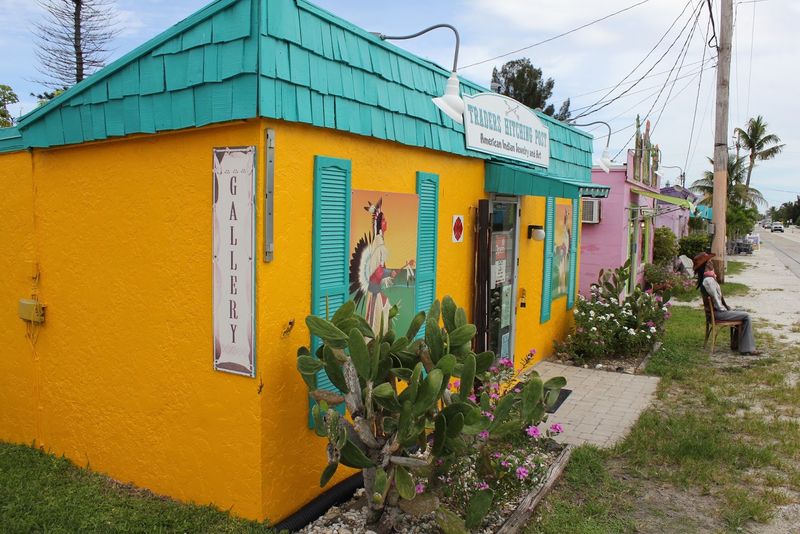
Pronounce it MAT-luh-shay, and prepare for one of Florida’s most unexpected experiences. This tiny island community explodes with color, from the rainbow-painted buildings to the tropical fish darting through the surrounding waters. Matlacha sits on a small island between Pine Island and the mainland, connected by bridges that make it impossible to miss as you pass through.
Artists discovered this fishing village decades ago and transformed it into a gallery-filled destination without losing its funky, authentic character. Brightly painted cottages house studios, galleries, restaurants, and shops selling everything from local art to fresh stone crab. The main street stretches less than a mile, but you could spend hours exploring the eclectic mix of businesses and admiring the creative energy that permeates everything.
Fishing remains central to life here, with guides offering backcountry charters through the surrounding mangrove islands and grass flats. The waters teem with snook, redfish, and tarpon, making this a paradise for serious anglers. Kayakers love exploring the maze of mangrove tunnels that twist through nearby islands, often spotting manatees, dolphins, and countless bird species.
Several waterfront restaurants serve incredibly fresh seafood caught by local fishermen that same day. The island’s small size and quirky personality mean you’ll never find chain stores or corporate developments here. Weekend visitors crowd the galleries during art walks, but weekdays reveal a quieter side where locals outnumber tourists and the pace slows to match the tide.
Matlacha defies easy categorization, which is exactly what makes it so lovable.