These 11 Florida Cities Have Some of the Most Welcoming Communities in the State
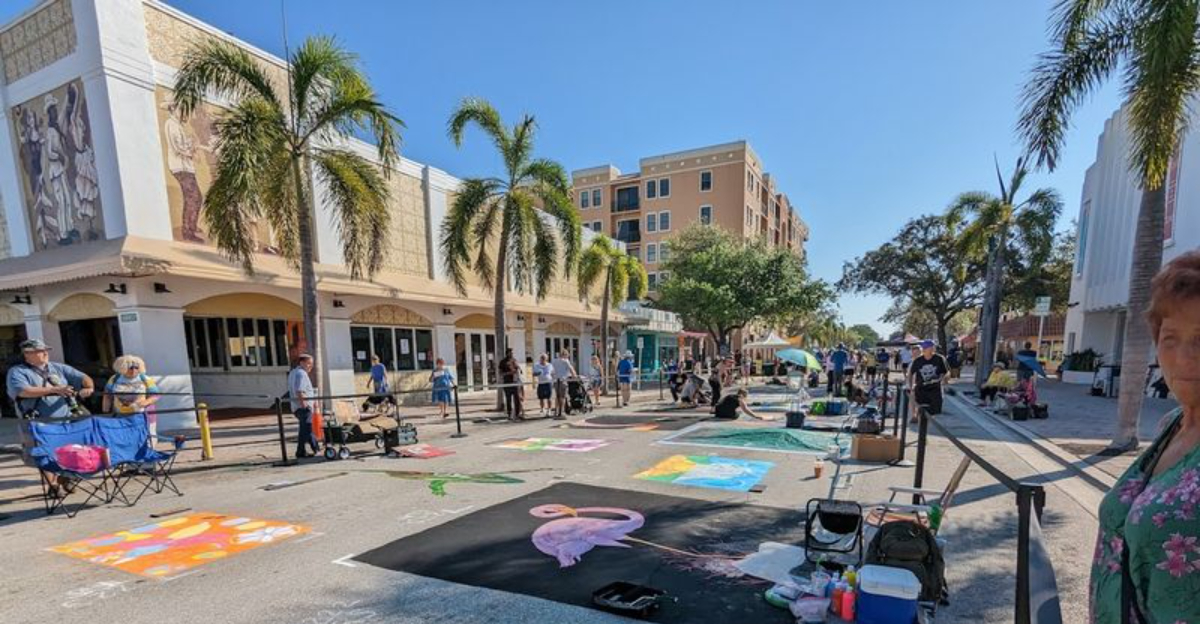
Florida is known for sunshine and beaches, but some of its best qualities show up in the warmth of its communities. Across the state, certain cities stand out not just for their scenery or attractions, but for the way they make people feel at home. Whether through local traditions, walkable downtowns, or genuine small-town hospitality, these places invite you to slow down and connect.
Here are 11 Florida cities where the welcoming spirit is as real as the palm trees.
1. Mount Dora (Lake County)
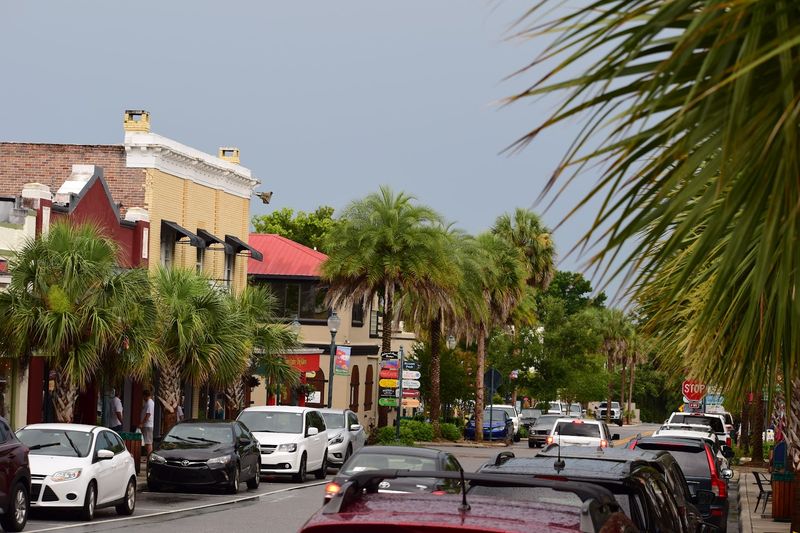
About 30 miles northwest of Orlando, Mount Dora feels like stepping into a postcard version of Old Florida. The historic downtown moves at its own pace, full of antique shops, sidewalk cafés, and locally owned boutiques that invite browsing without pressure.
Festivals happen year-round here, from art shows to craft fairs, and they all share that same easygoing energy. People stop to chat on the sidewalk.店owners remember your face. The lakefront setting adds to the calm, with moss-draped oaks and water views that encourage lingering.
What makes Mount Dora especially welcoming is how it balances charm with substance. This isn’t just a cute town for photos—it’s a real community where locals take pride in keeping things friendly and accessible. Visit Florida highlights it as one of Central Florida’s most distinctive small towns, and once you walk those brick-lined streets, you understand why.
Whether you’re popping into a coffee shop or wandering through a weekend market, Mount Dora makes it easy to feel like you belong, even if it’s your first visit.
2. Tarpon Springs (Pinellas County)
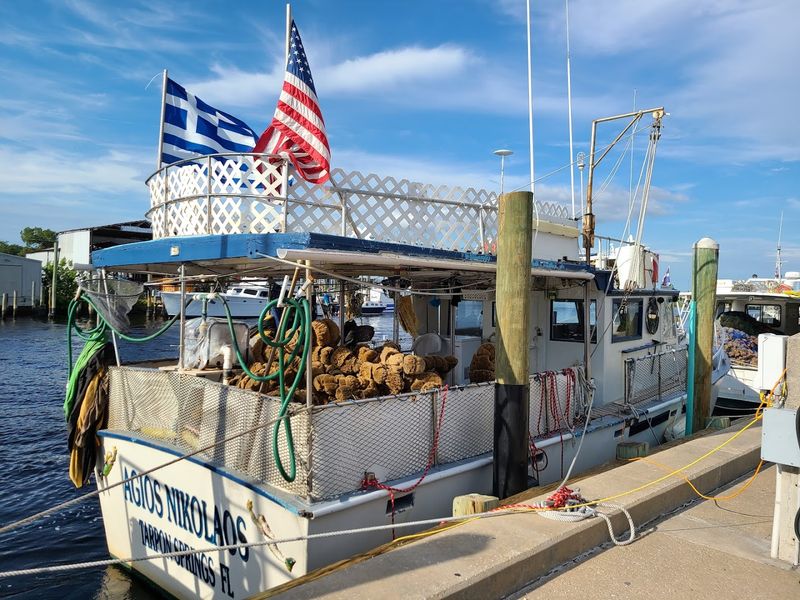
Walk along the Sponge Docks in Tarpon Springs and you’ll immediately sense something different. The smell of fresh bread from Greek bakeries mixes with salt air. Family-run sponge shops line the waterfront, and the whole place hums with a cultural identity that’s been passed down for generations.
This isn’t a theme park version of Greece—it’s a living community where traditions still matter. You’ll find locals speaking Greek, waterfront restaurants serving authentic dishes, and boat captains who’ve been diving for sponges their whole lives. The sense of history is everywhere, but it never feels stuffy or closed off.
What makes Tarpon Springs welcoming is how it invites you into that story. You’re not just observing from the outside; you’re tasting the pastries, chatting with shopkeepers, and joining in on something bigger than yourself.
The town has managed to keep its soul intact while still being open to visitors. It’s rare to find a place where cultural pride and hospitality go hand in hand so naturally, but Tarpon Springs pulls it off without even trying.
3. Dunedin (Pinellas County)
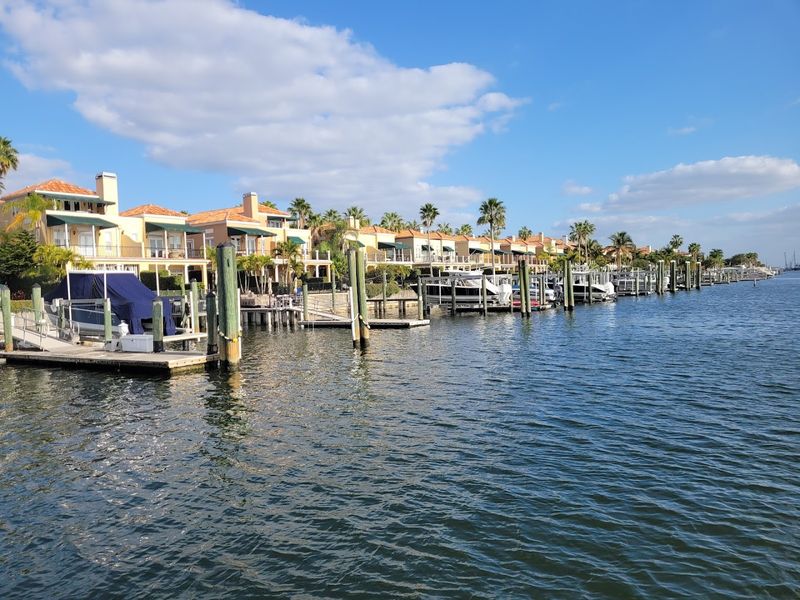
Dunedin has that rare combination of being both laid-back and lively. Its downtown stretches along a few walkable blocks filled with locally owned breweries, coffee shops, and boutiques that feel more neighborhood than touristy. People ride bikes.
Dogs lounge on patios. Everything moves at Gulf Coast speed.
The Pinellas Trail runs right through town, connecting Dunedin to waterfront parks and nearby Honeymoon Island, which gives the whole place an outdoorsy, active vibe. But it never feels rushed or competitive—just friendly and approachable.
What stands out most is how Dunedin balances its Scottish heritage with modern Florida living. You’ll find bagpipers at festivals and craft beer on tap, historic buildings next to new murals, and a community that genuinely seems to enjoy where they live.
Locals are quick to recommend their favorite taco spot or the best sunset view, and that neighborly attitude makes it easy for visitors to feel included. Dunedin doesn’t try too hard to impress, which is exactly why it does. It’s just a good place full of good people doing interesting things without making a big deal about it.
4. Cedar Key (Levy County)
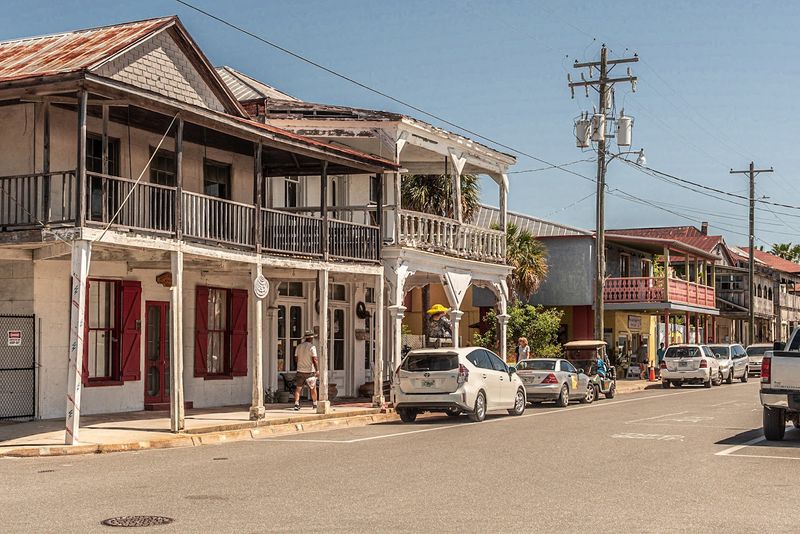
Cedar Key doesn’t rush anything, and that’s the whole point. This tiny island town on Florida’s Nature Coast operates on its own clock, where seafood comes straight from the boat and sunsets are treated like daily events worth stopping for.
The downtown area—if you can call it that—consists of a handful of waterfront restaurants, art galleries, and shops that feel more like someone’s living room than a business. Locals know your name by the second visit. Conversations happen easily, without agenda or small talk filler.
Fishing culture runs deep here, not as a tourist attraction but as a way of life. You’ll see working boats, hear stories from mullet fishermen, and taste clams harvested that morning. It’s genuine in a way that’s become rare in coastal Florida.
What makes Cedar Key especially welcoming is how it resists polish. There’s no pretense, no curated Instagram aesthetic—just a real place where people live simply and invite you to do the same for a while. If you’re looking for fancy resorts, keep driving.
But if you want honest coastal charm and a community that values people over profit, Cedar Key delivers.
5. DeLand (Volusia County)
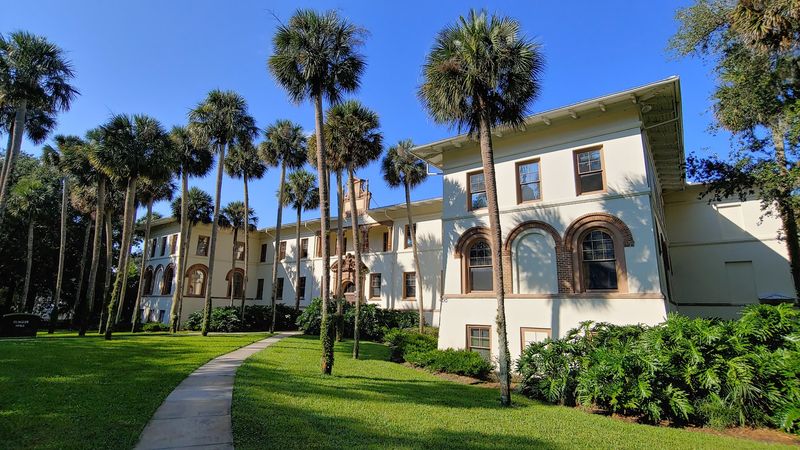
DeLand manages to be both artsy and approachable, which isn’t always an easy balance. The downtown area pulses with college-town energy thanks to Stetson University, but it never feels exclusive or cliquey. Murals cover brick walls, local restaurants serve everything from comfort food to creative fusion, and boutiques mix vintage finds with handmade goods.
The arts scene here is active without being pretentious. You’ll find galleries, live music, theater performances, and monthly events that bring the community together in ways that feel organic rather than forced. People actually show up and participate, which says a lot about the town’s spirit.
What’s refreshing about DeLand is how it blends historic Florida charm with modern creativity. Old buildings have been repurposed into breweries and coffee shops, but the architecture and character remain intact. It’s a place that respects its past while staying curious about what’s next.
Locals are proud of their town but not defensive about it. They’re happy to share recommendations, point you toward hidden gems, and make you feel like you’re part of something interesting. DeLand is small enough to feel personal but lively enough to keep things engaging.
6. Sebring (Highlands County)
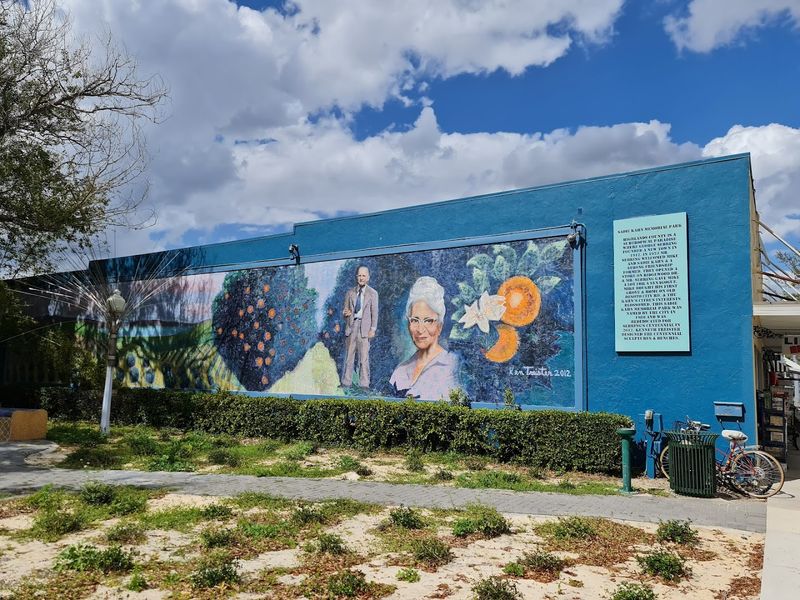
Sebring’s circular downtown layout gives the town a natural gathering-place feel, like everything radiates from a shared center. The design isn’t just quirky—it creates a sense of connection that makes the whole place feel more welcoming. You can park once and walk to restaurants, shops, and lakefront views without feeling lost or overwhelmed.
The surrounding lakes add to Sebring’s peaceful personality. Water is everywhere here, offering quiet escapes and outdoor activities that don’t require a crowd or a reservation. Highlands Hammock State Park sits nearby, providing old-growth forest trails and a glimpse of Florida before development took over.
What makes Sebring stand out is its slower pace without feeling stuck in time. The town has local restaurants worth seeking out, friendly streets where people wave, and a community that values quality of life over constant growth.
It’s not flashy or trendy, which is exactly the point. Sebring appeals to people who want substance over style, nature over noise, and neighbors over strangers. The town doesn’t try to be something it’s not, and that honesty creates an environment where visitors feel comfortable and locals feel content.
7. Apalachicola (Franklin County)
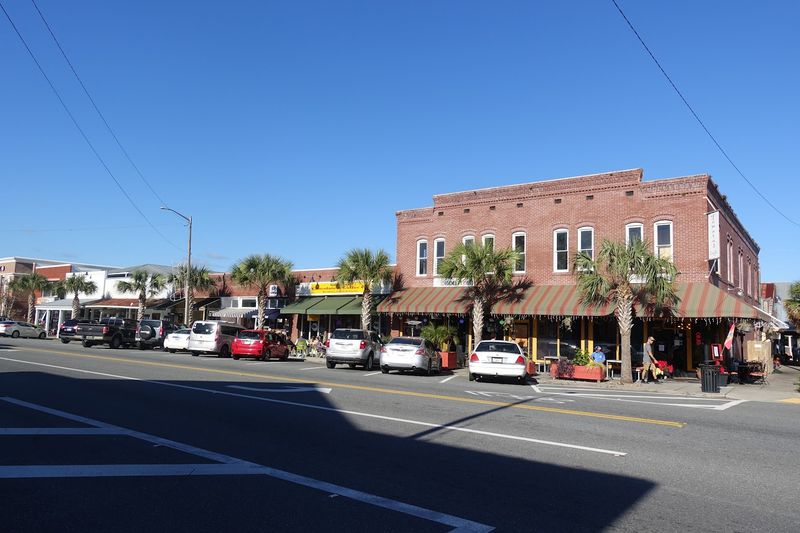
Apalachicola doesn’t put on airs, and that’s what makes it so appealing. This old Gulf Coast town operates on its own terms, with historic streets, working docks, and seafood spots that prioritize flavor over fancy presentation. The pace is slow, the atmosphere is salty, and the people are real.
The town’s history as a cotton port and oyster capital still shows in its architecture and culture. You’ll find 19th-century buildings that house galleries, bookstores, and cafés, all quietly doing their thing without chasing trends. The waterfront remains functional, not decorative—a place where fishermen still work and boats still matter.
What makes Apalachicola welcoming is its lack of pretense. Nobody’s trying to impress you or sell you something you don’t need. Conversations happen naturally.
Locals share stories about the bay, the storms, the oysters, and the town’s quirks with the kind of honesty that only comes from people who’ve stayed put.
It’s a place that values authenticity over tourism dollars, which means it attracts visitors who appreciate the same. If you’re looking for polished perfection, you’ll be disappointed. But if you want a genuine slice of Old Florida with a working-town soul, Apalachicola feels like home.
8. Micanopy (Alachua County)
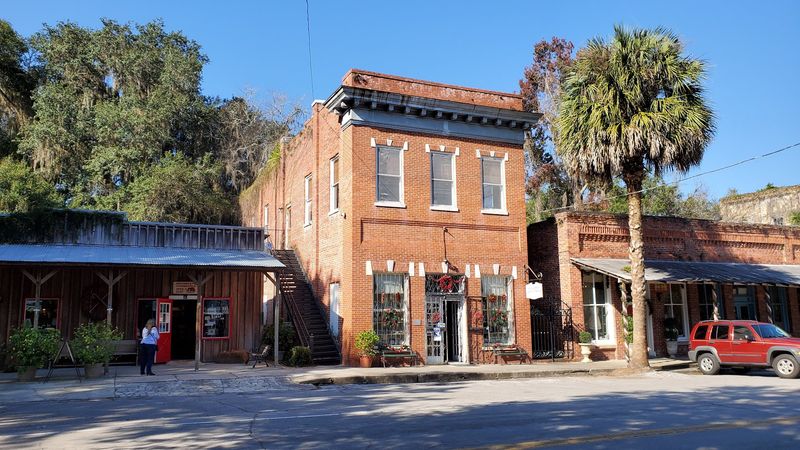
Micanopy is so small you could walk the whole town in about fifteen minutes, but you’d be missing the point if you did. This is a place designed for lingering, with antique shops that reward slow browsing, moss-draped streets that beg for wandering, and a general sense that time moves differently here.
The town’s Old Florida atmosphere isn’t manufactured—it’s just what happens when a place stays small and resists the urge to modernize everything. Buildings lean a little. Paint peels gracefully.
The whole scene feels like a faded photograph come to life, but in a good way.
What makes Micanopy especially welcoming is how it encourages conversation. Shopkeepers actually want to chat. Locals will tell you the history of a building or point you toward a hidden trail nearby.
There’s no rush, no hard sell, just people who seem genuinely happy to share their town with curious visitors.
It’s the kind of place where you stop for an hour and end up staying half the day, not because there’s a packed itinerary but because the atmosphere makes you want to slow down and breathe. Micanopy doesn’t demand your attention—it invites it, which is a much more welcoming approach.
9. Lake Worth Beach (Palm Beach County)
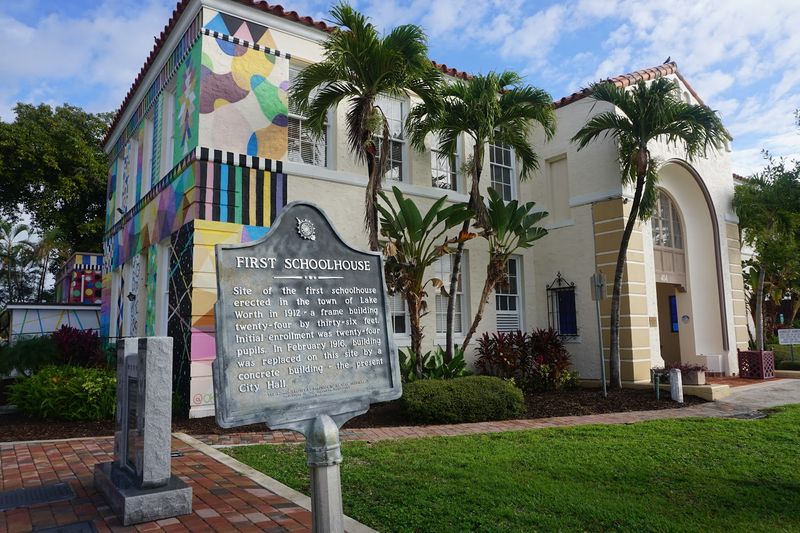
Lake Worth Beach has a personality all its own, and that’s putting it mildly. This is one of South Florida’s most colorful communities, full of historic cottages, street art, galleries, and an arts scene that thrives without corporate sponsorship. The vibe is creative, inclusive, and just a little bit quirky—in the best possible way.
The downtown area reflects the town’s eclectic spirit, with locally owned shops, live music venues, and restaurants that serve everything from comfort food to experimental cuisine. The annual street painting festival turns sidewalks into massive canvases, and the whole town shows up to watch and participate.
What makes Lake Worth Beach welcoming is its come-as-you-are attitude. Nobody’s judging your outfit, your lifestyle, or your background. The community celebrates individuality while fostering genuine connection, which creates an environment where people feel free to be themselves.
Beach access adds to the appeal, offering an easy escape when you need salt water and sunshine. But the real draw is the town itself—a place where artists, families, retirees, and young professionals all coexist without the usual South Florida pretense. Lake Worth Beach proves that welcoming doesn’t mean bland; it means making space for everyone.
10. Key West (Monroe County)
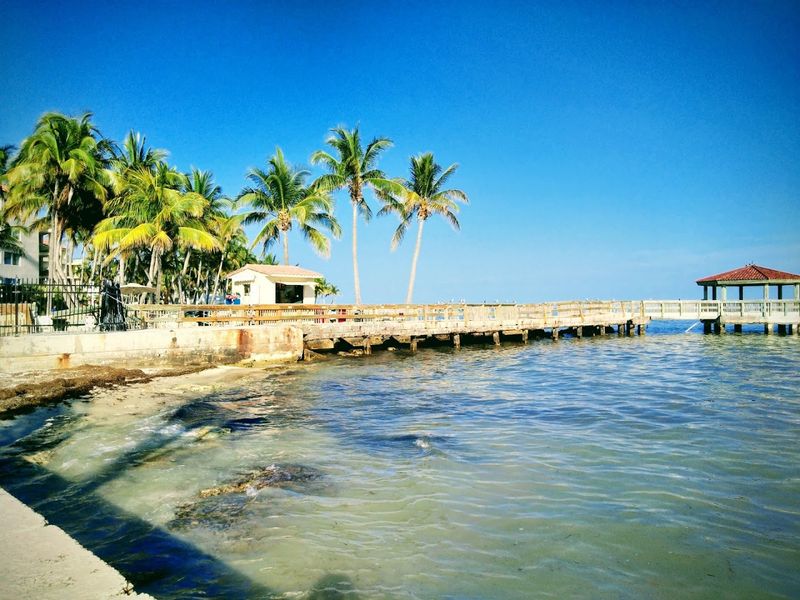
Key West’s reputation precedes it, but the island still manages to surprise first-time visitors with just how genuinely welcoming it feels. The come-as-you-are attitude isn’t a marketing slogan—it’s the foundation of the entire community. Whether you’re a corporate executive or a street musician, nobody cares as long as you’re respectful and ready to have a good time.
The historic neighborhoods, from Old Town to Bahama Village, each have their own character but share that same open, expressive island spirit. You’ll find festivals celebrating everything from literature to drag culture, waterfront bars where locals and tourists mix easily, and a music scene that values authenticity over polish.
What makes Key West especially welcoming is how it embraces contradictions. It’s rowdy and peaceful, historic and progressive, touristy and deeply local—all at the same time. The island has mastered the art of being many things to many people without losing its core identity.
Locals have seen everything, which makes them remarkably nonjudgmental. The island humor runs deep, the sunsets are taken seriously, and the sense that you can reinvent yourself here is palpable. Key West welcomes everyone, as long as you’re willing to embrace the island’s beautiful chaos.
11. St. Augustine (St. Johns County)
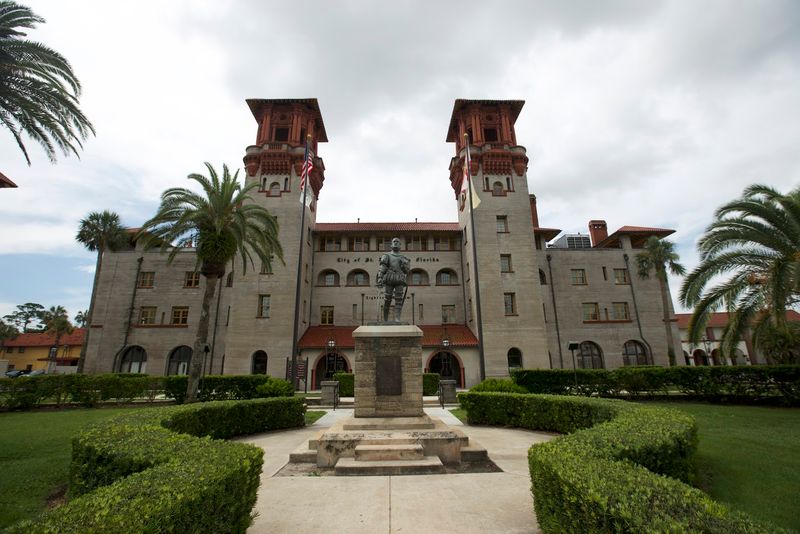
St. Augustine wears its history proudly, but it’s the way the city shares that history that makes it so welcoming. The brick streets, Spanish colonial architecture, museums, and waterfront views are all accessible and inviting rather than intimidating or overly precious. You can explore at your own pace without feeling like you’re missing the “right” way to experience it.
The downtown area balances tourism with local life surprisingly well. Yes, there are attractions and tour groups, but there are also neighborhood cafés, independent bookstores, and restaurants where locals actually eat. The city hosts festivals throughout the year that celebrate everything from food to art to maritime heritage, and they all feel inclusive rather than exclusive.
What makes St. Augustine especially welcoming is how walkable and human-scaled it remains. Despite being Florida’s oldest city and a major tourist destination, it hasn’t lost its sense of place or community. People still live here, work here, and take pride in their town beyond its economic value.
The coastal setting adds natural beauty to the historic charm, giving visitors multiple ways to connect with the place. Whether you’re interested in history, food, beaches, or just wandering pretty streets, St. Augustine makes room for all of it without making you choose.