These 11 Florida Places Feel Like a Trip to Europe Without the Flight
A medieval stone monastery once sailed across the Atlantic in about 11,000 wooden crates. Today it stands in Florida, rebuilt block by block near a busy highway.
That’s not even the oddest European surprise in the state. One mansion borrows its look from the palazzos of Venice. A swimming pool built in 1923 was designed to resemble a Venetian lagoon, complete with grottos and waterfalls.
I love that you can chase these old-world moments with a tank of gas instead of a passport. No jet lag, no currency math, no squeezing your knees into a tiny airplane seat. Just Spanish fortress walls, Greek sponge boats, and Italian gardens, scattered across one sunny state.
So how close can Florida really get to Europe? Pretty darn close, closer than you’d guess, and I can’t wait to show you where to go.
1. Vizcaya Museum & Gardens
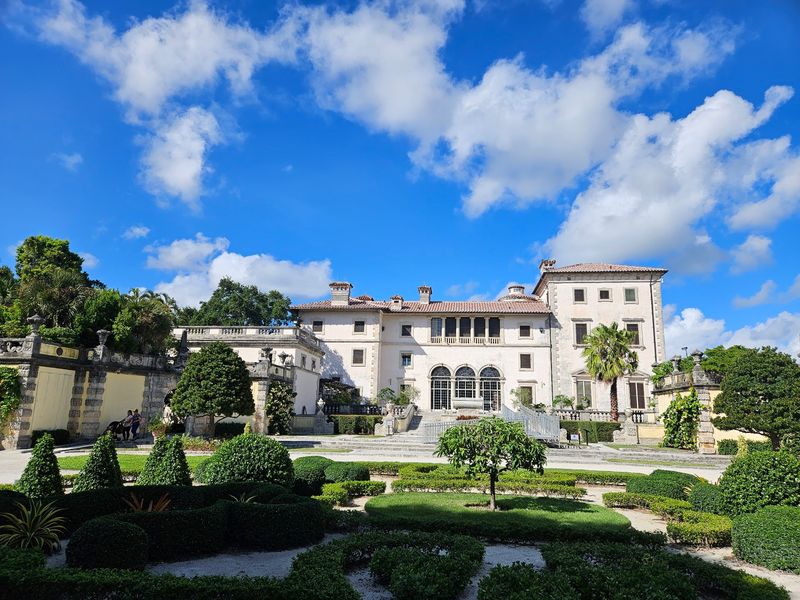
Miami traffic and Italian Renaissance gardens sound like a strange pair. Yet on Biscayne Bay, a winter estate built for businessman James Deering pulls off that mix with style.
Construction ran from 1914 to 1922, and the result still looks like it floated over from the Italian countryside. The Main House shows off Mediterranean Revival design with Baroque and Renaissance touches.
Inside, you can explore 34 decorated rooms packed with European furniture and decorative art. Some pieces date from the 1400s through the early 1800s, which is a lot of history for one beach town.
Outside is where many folks lose track of time. The formal gardens are carefully trimmed, with sculptures, fountains, grottos, and flower beds tucked along the paths.
Don’t skip the waterfront, either. From the bay side, you get lovely views of the water and the mansion together, and it feels a world away from the city.
The estate also includes a native woodland landscape and a historic village. So if gardens alone don’t hook you, there’s more ground to cover.
A little planning goes a long way here. Buying tickets ahead of time is recommended, and weekend afternoons tend to be the busiest stretch.
Hours run from 9:30 a.m. to 4:30 p.m., but the estate closes on Tuesdays. Show up on a Tuesday and you’ll only get a great view of the gate.
Hungry after all that wandering? There’s a cafe on site, plus a gift shop for anyone who needs a souvenir that isn’t a sunburn.
Vizcaya is a National Historic Landmark owned by Miami-Dade County. It’s a fine reminder that Florida’s fanciest European daydream might be sitting right off South Miami Avenue.
Address: 3251 S Miami Ave, Miami, FL 33129
2. Venetian Pool
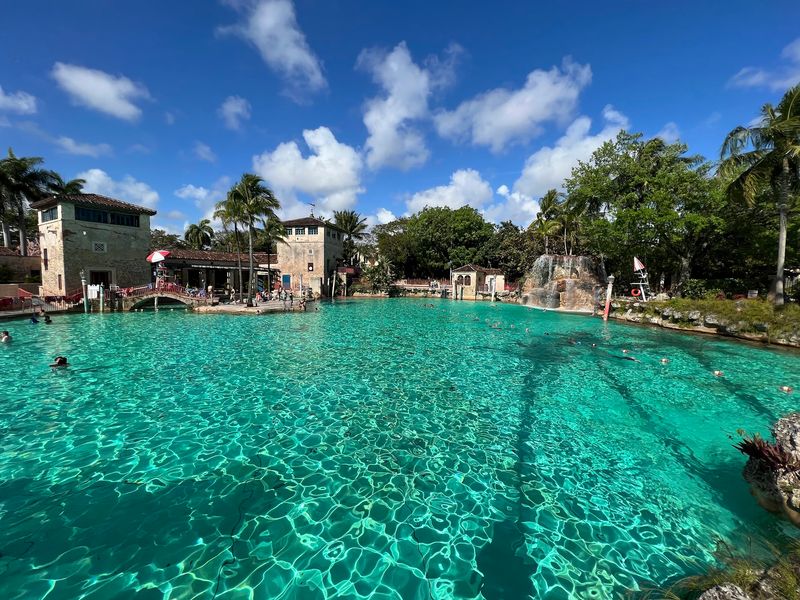
Most public pools come with a snack bar and a squeaky diving board. Coral Gables went a different route in 1923 and built a swimming spot designed to look like a Venetian lagoon.
The pool was created from a coral rock site, and it still shows off that rocky character today. Mediterranean-style architecture surrounds the water, so it feels more like a resort in southern Europe than a neighborhood swim.
Then there’s the water itself. The pool is filled with spring water, and it’s famous for being crystal clear.
Grottos and caves give you shady corners to explore. Waterfalls spill into the pool, which is pretty hard to beat on a steamy South Florida afternoon.
You’ll also find a small beach area and picnic tables. That makes it easy to turn a quick swim into a lazy half-day outing.
Snacks are handled by an on-site cafe with simple choices like pizza and chicken tenders. Tables nearby give you a spot to eat without dripping on your sandwich.
Here’s a smart move worth making. Buy tickets online before you go, since that helps you skip lines and secures your entry.
Saturday afternoons are the busiest time. Weekday mornings and later in the day tend to be calmer, so plan around that if you like elbow room.
Hours run 11 a.m. to 5:30 p.m. Tuesday through Friday, with earlier weekend hours. The pool is closed on Mondays, so mark your calendar.
Free parking is available too, which feels almost as rare as a Venetian lagoon in Florida. Pack a towel and some sunscreen, and you’re set.
Address: 2701 De Soto Blvd, Coral Gables, FL 33134
3. Ca’ d’Zan
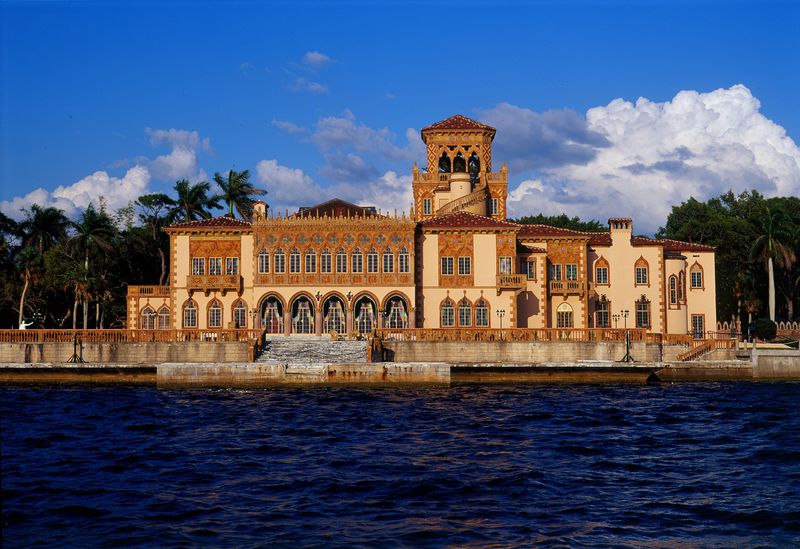
Circus money built some wild things, and a Venetian palazzo on Sarasota Bay might top the list. John and Mable Ringling made this mansion their home, and its design draws from the grand palaces of Venice.
The house went up between 1924 and 1926. Its Venetian Gothic style is bold and ornate, the kind of place that makes a regular house look shy.
The name roughly means House of John in the Venetian dialect. It’s a fun nod to the man who dreamed big and clearly liked Italy.
Tours cover the first and second floors. Along the way, you get a peek at how the Ringlings lived during their heyday.
Keep your eyes on the windows. The stained glass is one of the standout details, and the bay views from the property are lovely too.
Ca’ d’Zan sits inside the larger Ringling complex, which is the official art museum of Florida. That means you can pair your mansion visit with a lot more.
The Museum of Art holds European paintings, including a major collection of works by Peter Paul Rubens. A Circus Museum, the Historic Asolo Theater, and Bayfront Gardens round out the grounds.
Honestly, trying to see it in an hour is like trying to eat one potato chip. Give yourself plenty of time to wander.
Hours are 10 a.m. to 5 p.m. daily. Buying tickets ahead is recommended, and the complex has a cafe, a restaurant, and a gift shop.
Free parking is a nice bonus. Spend your money on the tour instead, and let Venice come to you for once.
Address: 5401 Bay Shore Rd, Sarasota, FL 34243
4. Tarpon Springs Sponge Docks
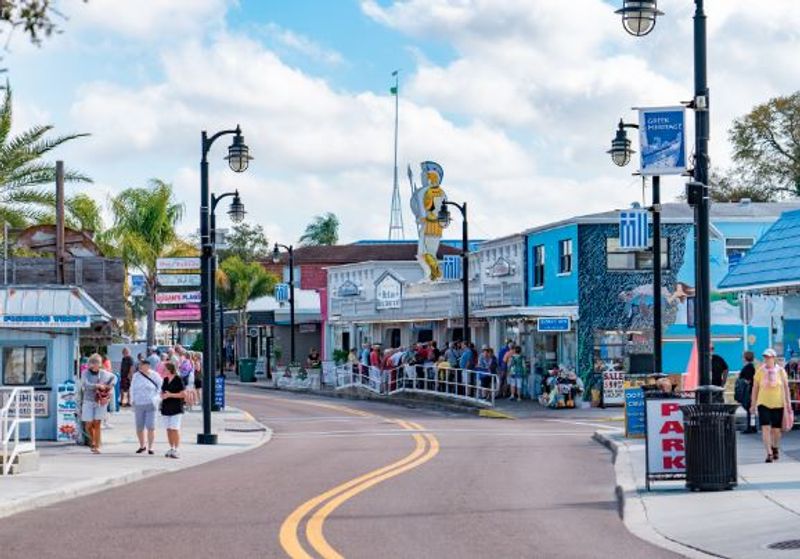
Sea sponges built a little slice of Greece on Florida’s Gulf Coast. Greek immigrants arrived in the early 1900s to harvest natural sponges, and their heritage still shapes this waterfront today.
Even the street name gives it away. The docks line Dodecanese Boulevard, named for a group of Greek islands.
Sponge boats sit right along the water. You can see them up close, then pop into shops selling natural sponges in shapes and sizes you didn’t know existed.
Food is a big part of the fun. Greek restaurants and bakeries line the area, so pacing yourself is a real skill here.
Shopping goes beyond sponges, too. Goat milk soap and other Greek products are easy to find as you stroll.
Want to get out on the water? Boat rides, sponge tours, and dolphin tours give you different ways to see the area.
The docks are part of the Greektown Historic District, which is listed on the National Register of Historic Places. So the charm comes with real history behind it.
Nearby, St. Nicholas Greek Orthodox Cathedral is known for its Byzantine-style design. Each January 6, the community celebrates Epiphany with services, a procession, and a festival.
The docks area is open from 10 a.m. to 10 p.m. daily. Weekend afternoons draw the biggest crowds, while weeknights tend to be quieter.
Parking comes in both free and paid options around the district. Grab a spot, bring an appetite for pastry, and let your GPS argue that you’re still in Florida.
Address: 735 Dodecanese Blvd, Tarpon Springs, FL 34689
5. The Ancient Spanish Monastery
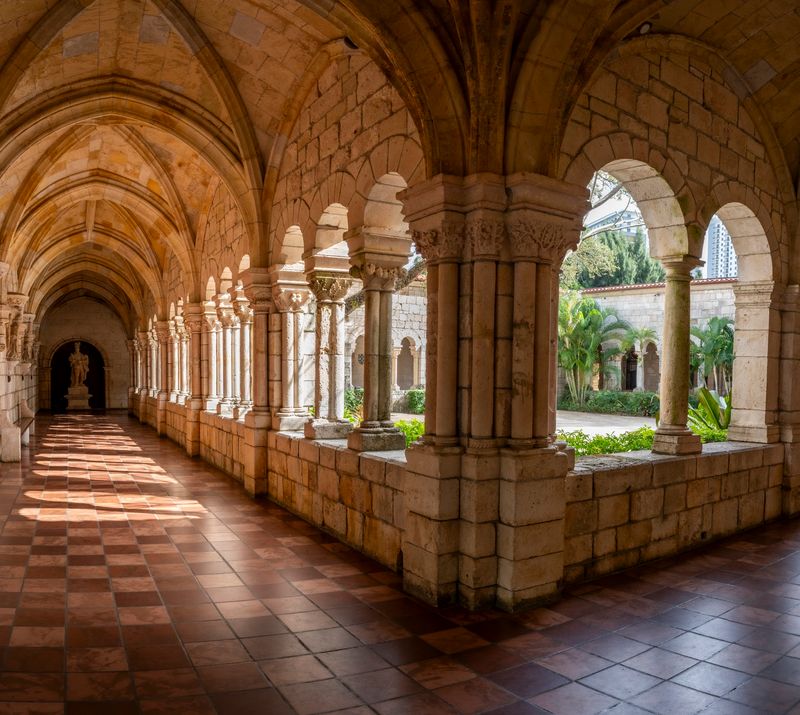
Shipping a building across an ocean sounds like a joke, until you see the stones in North Miami Beach. This monastery was first built in Spain in 1141, then taken apart and sent to the United States.
The numbers are hard to wrap your head around. About 35,000 stone blocks traveled in roughly 11,000 wooden crates.
Putting it back together was its own puzzle. The monastery was reassembled in 1952, and the work took about 19 months.
So yes, you can stand inside a medieval Spanish building and still be close to the beach. That combo feels almost unreal, in the best way.
The stone arches and old walls give you a real taste of medieval Europe. It’s quiet, sturdy, and a nice change from Miami’s glass towers.
This isn’t just a museum piece, either. The site still holds Sunday mass, along with events and tours.
Tours are a great way to learn how this whole crazy move happened. Plus, you’ll have a wild story to tell at your next family dinner.
Timing matters here, so check before you head out. The monastery is closed Mondays and Tuesdays.
It opens Wednesday through Saturday from 10 a.m. to 4 p.m. On Sundays, visiting hours run from 2 to 5 p.m.
Free parking makes the trip easy. Bring a camera, wear comfy shoes, and get ready to tell friends you visited 12th-century Spain without leaving Florida.
Address: 16711 W Dixie Hwy, North Miami Beach, FL 33160
6. Castillo de San Marcos National Monument
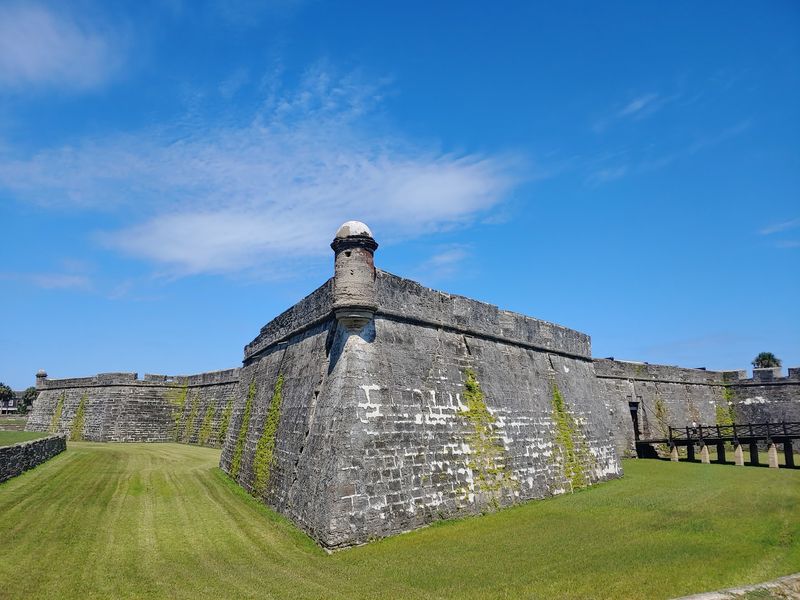
Few American forts can say they’ve stood guard for centuries, but this Spanish stronghold has earned that bragging right. It’s the oldest masonry fortification in the continental United States.
The Spanish built it in St. Augustine to defend Florida and the Atlantic trade route. Construction wrapped up in the late 1600s, and the fort later held firm during a British attack in 1702.
St. Augustine itself dates to 1565. It’s often called the oldest continuously inhabited European-founded settlement in the continental United States.
Visiting the fort feels like stepping into a castle by the sea. You’ll see a moat, thick walls, and a drawbridge at the entrance.
Self-guided tours let you go at your own pace. You can work your way from the drawbridge all the way up to the gun deck.
Up top, the views over Matanzas Bay are worth the climb. Live cannon firings add a booming bit of drama, so cover your ears if you’re jumpy.
Informative displays explain more than 450 years of history. Spanish, British, and American stories all meet in this one spot.
Outside, open green grounds surround the fort. They’re a pleasant place to stretch your legs or let kids run off some energy.
The fort is open daily from 9 a.m. to 5 p.m. Weekday mornings tend to be quieter than weekend afternoons.
Parking is paid, so plan for that. Afterward, historic St. George Street sits close by, packed with shops and eateries for your next stop.
Address: 11 S Castillo Dr, St. Augustine, FL 32084
7. Villa Zorayda Museum
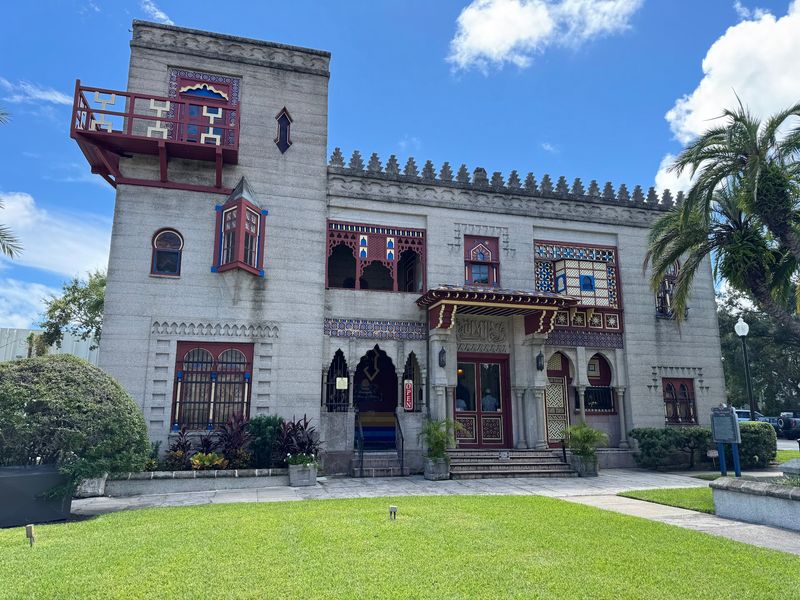
Spain’s famous Alhambra palace has a little cousin on King Street. Built in 1883, Villa Zorayda takes its inspiration from that 12th-century Moorish castle in Granada.
The result is a Moorish Revival building that looks like a fairy-tale castle. It’s a striking sight, especially in a town already full of old buildings.
Inside, the museum holds a wide range of antiques and artifacts. Some of them rank among the more unusual objects you’ll find on display anywhere in the country.
You’ll see rugs, furniture, memorabilia, and plenty of curious pieces. Many rooms had their own unique purposes, which makes each space feel different.
An audio tour guides you through at your own speed. It adds stories and background, so you’re not just staring at old stuff and guessing.
Thinking about bringing kids? The museum works best for children around 10 and older, since the items are fragile and spaces are tight.
That close setting is part of the charm, though. It feels like exploring someone’s private treasure house rather than a giant museum hall.
Discounts are available for kids and active military members. That’s a nice perk if you’re traveling with family.
Hours run 10 a.m. to 5 p.m. Monday through Saturday. On Sundays, it’s open from 11 a.m. to 4 p.m.
There’s no restaurant on site, so eat before or after. With the Lightner Museum right next door, you can easily stack two European-style stops into one afternoon.
Address: 83 King St, St. Augustine, FL 32084
8. Lightner Museum
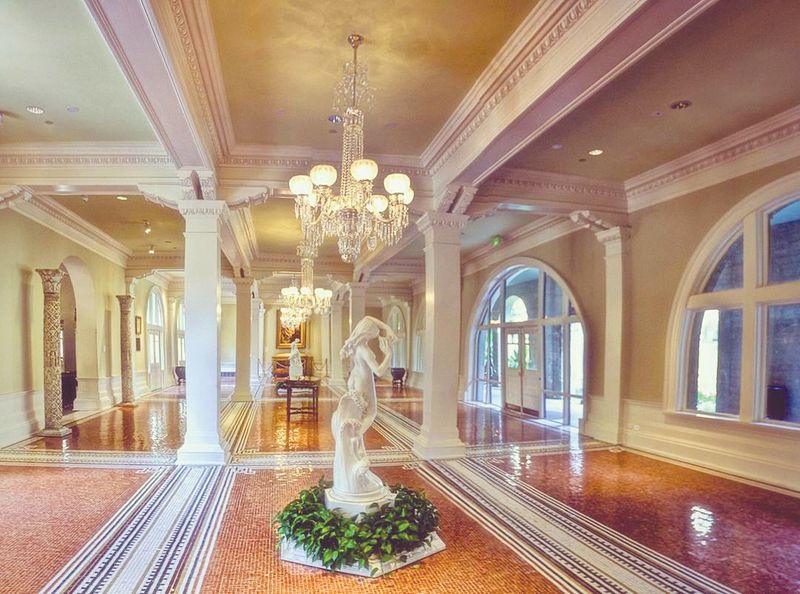
Lunch in an old swimming pool sounds odd, but it’s one of the best quirks here. The museum’s cafe sits in the former indoor pool of a historic hotel, often with a pianist playing.
That hotel was the Alcazar, a Spanish Renaissance Revival beauty in St. Augustine. Today, its grand halls hold one of the city’s most surprising collections.
The range is huge, so go in curious. You’ll find glassware, furniture, quilts, taxidermy, musical instruments, and ancient artifacts.
Victorian-era pieces and costumes are a big highlight. Fans of fancy glass can also admire Tiffany glass and stained glass works.
It’s the kind of place where you might wander from one century to another in a few steps. That variety keeps things fun for different interests.
Don’t rush past the central courtyard, called the Court of Honor. Sculptures and a lavish fountain make it a peaceful break between galleries.
Honestly, that courtyard alone could pass for a corner of Spain. It’s an easy spot to rest your feet and snap a few photos.
The museum is open daily from 9 a.m. to 5 p.m. Afternoons tend to be the busiest, so mornings might give you more space.
A gift shop rounds out the visit. Active military members can also take advantage of a discount.
Parking options include paid garages and lots, plus some free street parking. Right across the street, Flagler College adds even more old-world architecture to admire on your way out.
Address: 75 King St, St. Augustine, FL 32084
9. Henry B. Plant Museum
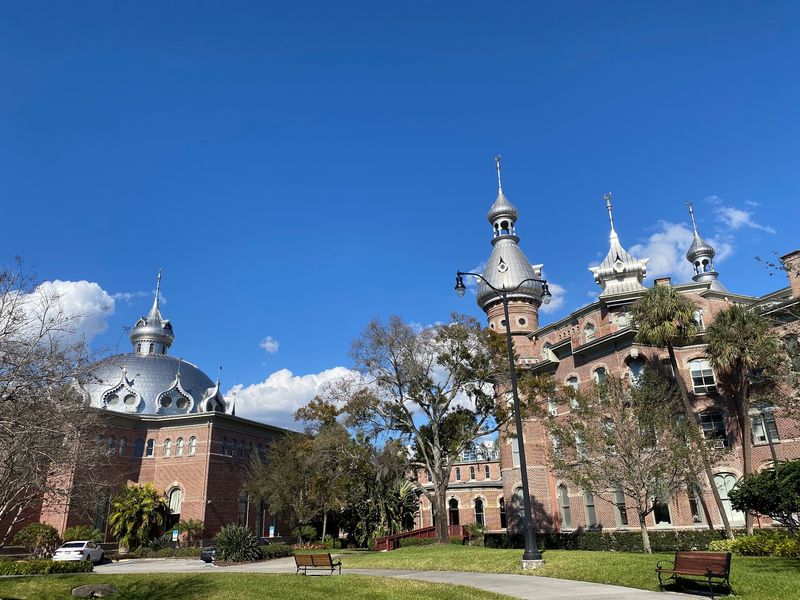
Silver minarets over downtown Tampa? Railroad tycoon Henry B. Plant wanted his hotel to stand out, and he certainly got his wish.
The Tampa Bay Hotel opened on February 5, 1891, with 511 rooms. Its Moorish Revival design, by architect J.A. Wood, still looks like a palace pulled from a storybook.
Today, the building is Plant Hall on the University of Tampa campus. The museum fills part of the original hotel and keeps its Gilded Age glamour alive.
Mr. and Mrs. Plant collected art and furnishings during their travels to Europe and Asia. Many original pieces are still on display.
An audio tour walks you through the hotel’s history. A short film adds more context, so you’ll leave knowing far more than when you arrived.
Exhibits also cover Florida’s early tourism industry. The hotel even played a role during the Spanish-American War, which is a fun surprise for history buffs.
The hotel was a marvel for its time. It offered some of the state’s first hotel rooms with electric lights and telephones.
Visiting during the holidays? The Christmas Stroll fills multiple rooms with Victorian Christmas trees and a festive, old-time feel.
The museum is closed Mondays. It’s open 10 a.m. to 5 p.m. Tuesday through Saturday, and noon to 5 p.m. on Sunday.
There’s no restaurant, but a gift shop and small park are nearby. Bring your camera, because those shiny minarets look great against a blue Florida sky.
Address: 401 W Kennedy Blvd, Tampa, FL 33606
10. Bok Tower Gardens
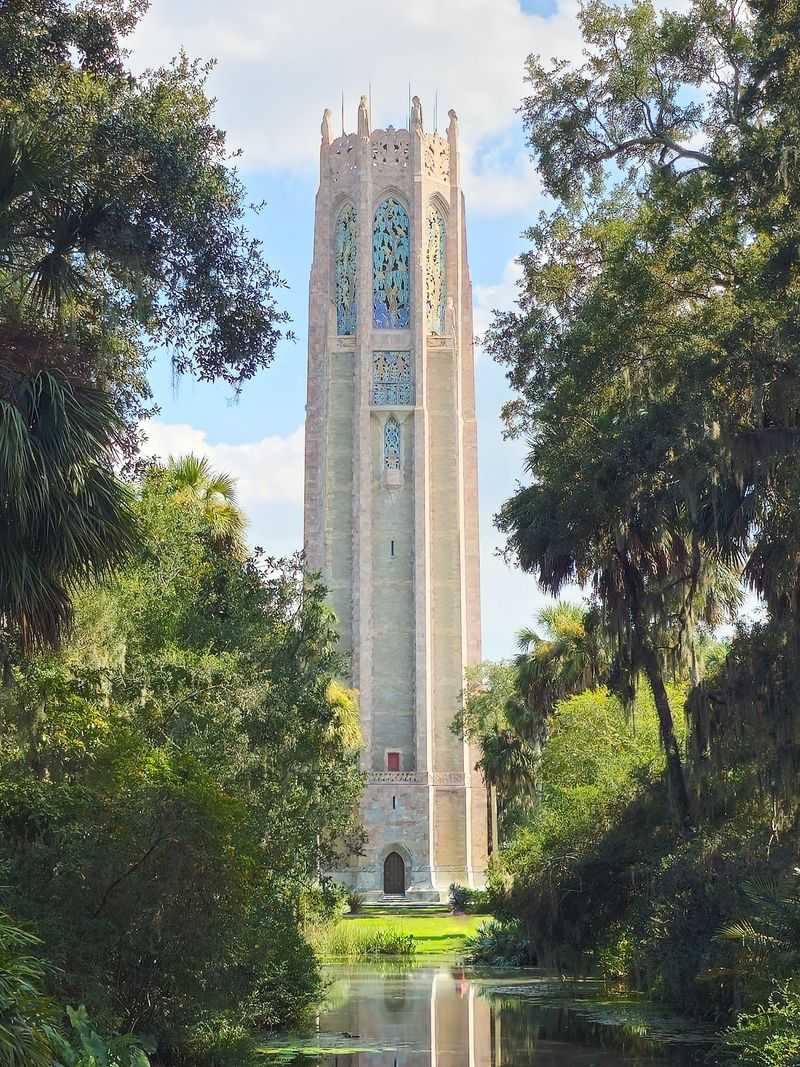
Bells drifting over a hilltop garden sound very European, and central Florida has its own version. The 205-foot Singing Tower holds a carillon with 60 bells.
Concerts ring out several times a day. Listening while you stroll the paths is a big part of the magic here.
The tower blends Gothic Revival and Art Deco styles. It looks like something you might spot above a village in the Netherlands or Belgium.
Edward Bok created the gardens in the 1920s, and they opened in 1929. Frederick Law Olmsted Jr. designed the landscape, which is a pretty famous name in park design.
The gardens cover 250 acres and also serve as a bird sanctuary. They sit atop Iron Mountain, one of the higher points in peninsular Florida.
Yes, Florida has a mountain, sort of. Don’t expect snow, but do expect lovely views.
Mature trees shade the walking paths, and there’s a spot to feed koi fish. Kids also get a children’s garden, plus hiking trails for anyone who likes to roam.
Want a peek inside a historic home? The Pinewood Estate, also called El Retiro, offers mansion tours with Mediterranean-inspired style.
A cafe and gift shop make it easy to stay a while. The whole site is a National Historic Landmark.
Gardens are open daily from 8 a.m. to 6 p.m. Weekend afternoons get busiest, so an early start gives you more quiet time with the bells.
Address: 1151 Tower Blvd, Lake Wales, FL 33853
11. Casa Feliz Historic Home Museum
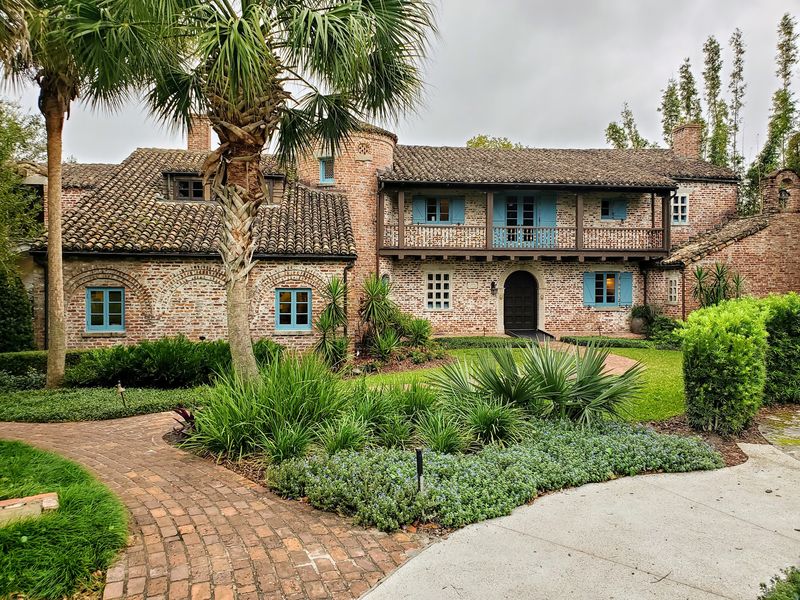
Some houses get saved by a fresh coat of paint. Casa Feliz got saved by being picked up and moved, which is a much bigger commitment.
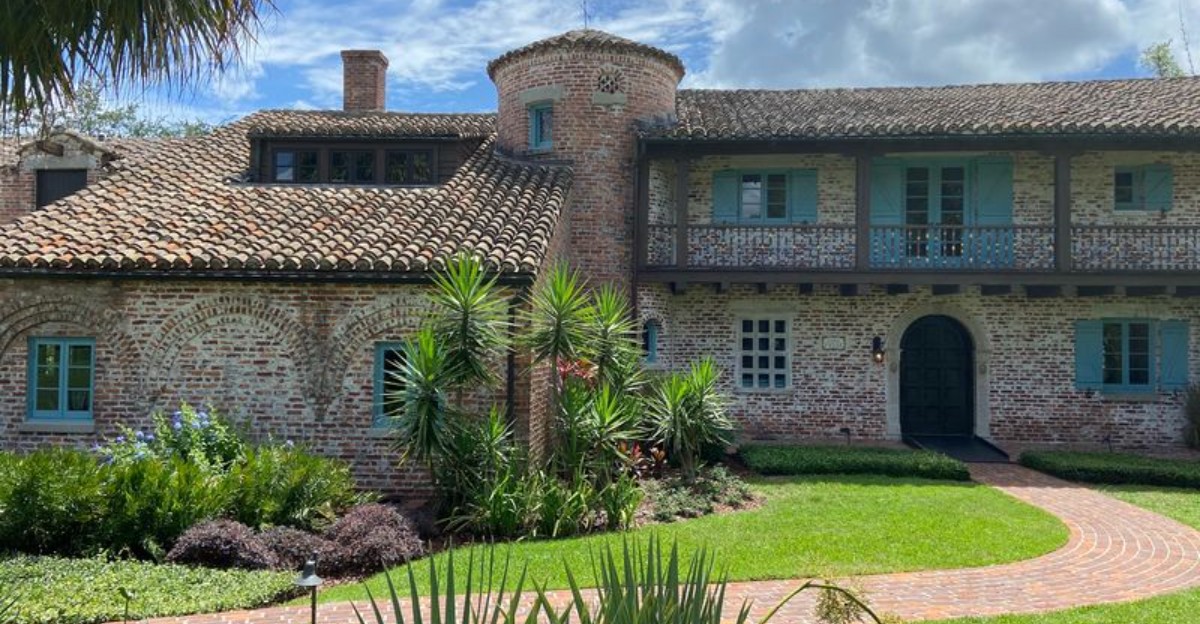
This restored home in Winter Park is styled like a Spanish farmhouse. Rustic details and whitewashed brick give it a charming, old-world look.
Many people describe it as having an Andalusian feel. In other words, it looks like it belongs in southern Spain, not near a Florida golf course.
Docents share stories about the home’s history during tours. They also explain how the house was moved to protect it.
That rescue story is a big part of the appeal. It makes you appreciate how close the community came to losing this little treasure.
Tours are free on Tuesdays and Thursdays until noon. Soft music plays in the background, which adds a relaxing touch.
The grounds are well tended and great for photos. There’s also a courtyard strung with market lights, which looks especially lovely in the evening.
Because of that charm, Casa Feliz is a popular venue for special celebrations. Weddings and events here come with built-in history.
Hours are short, so plan carefully. The home is open Tuesday through Thursday from 10 a.m. to 2 p.m.
A free parking lot makes the visit easy. Pair it with a stroll around Winter Park, and you’ve got a breezy Spanish daydream with zero passport stamps needed.
Address: 656 N Park Ave, Winter Park, FL 32789