These 11 Florida Tourist Favorites Actually Live Up to the Hype
Florida gets a lot of attention for its beaches and theme parks, but some places become so popular that you wonder if they’re really worth the crowds and ticket prices. The good news is that certain attractions have earned their reputation for good reasons. These eleven destinations deliver experiences that match or exceed expectations, offering everything from space exploration and wildlife encounters to historic fortresses and world-class entertainment that keeps visitors coming back year after year.
1. Walt Disney World’s Magic Kingdom (Lake Buena Vista)
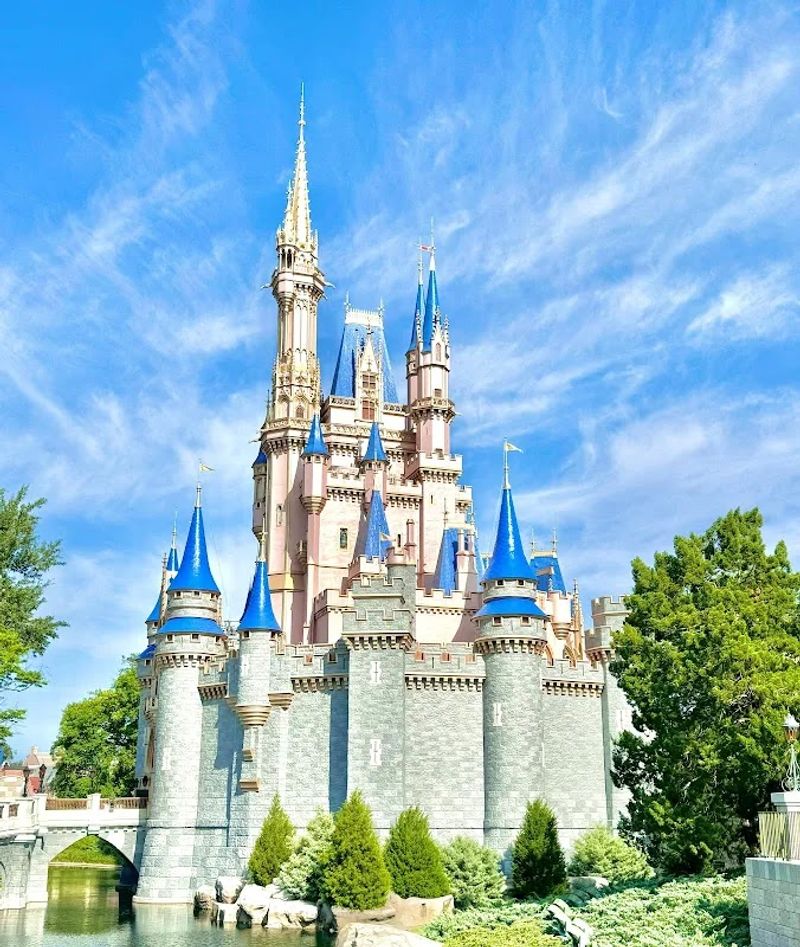
Every year, millions of people pass through the gates of Magic Kingdom, and somehow the place still manages to feel special. The castle really does look magical when you first see it, the parade genuinely makes people smile, and the fireworks show over Cinderella Castle creates moments that stick with you long after vacation ends.
What sets this park apart from other theme parks is how completely it transports you into different worlds. Walk from Tomorrowland’s space-age attractions straight into the Wild West of Frontierland, then over to the fairy-tale charm of Fantasyland. Each area feels fully realized, with details that reward close attention.
Classic rides like Space Mountain, Haunted Mansion, and Pirates of the Caribbean have entertained generations without losing their appeal. Newer additions like Seven Dwarfs Mine Train blend storytelling with thrills in ways that work for almost everyone in the family.
The park handles massive crowds better than you might expect, with entertainment options scattered throughout so there’s always something happening nearby. Street performers, character meet-and-greets, and spontaneous musical numbers keep the energy high between rides.
Yes, it’s expensive and often crowded, but the level of detail, maintenance, and pure entertainment value explains why Magic Kingdom remains the gold standard that other parks try to match.
2. Universal Islands of Adventure (Orlando)
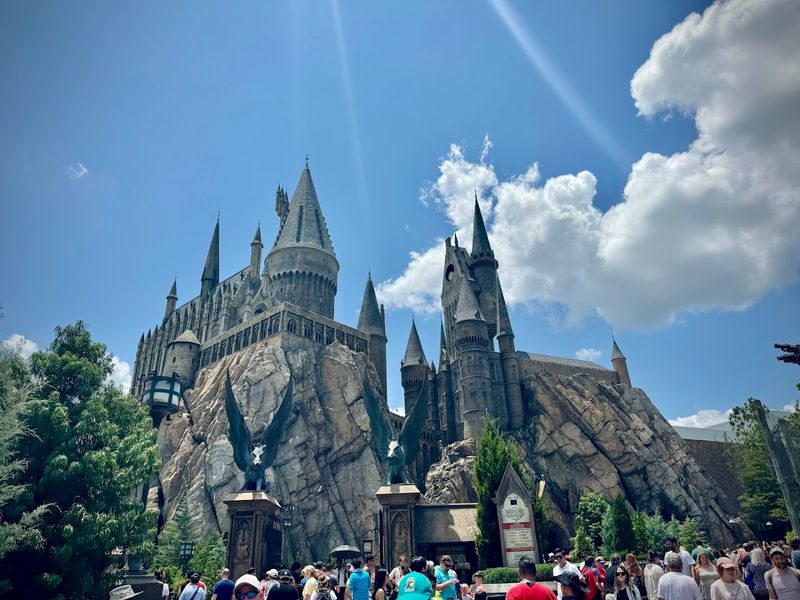
While Magic Kingdom focuses on classic Disney charm, Islands of Adventure brings serious thrills and incredibly detailed themed environments that make you forget you’re in a theme park. The Wizarding World of Harry Potter alone justifies the visit, with Hogwarts Castle looming over Hogsmeade in a way that feels pulled straight from the movies.
Forbidden Journey takes you through the castle and onto a ride that combines screens, animatronics, and physical sets so seamlessly you’ll lose track of what’s real. The butterbeer tastes exactly like fans hoped it would, and wandering through Diagon Alley (technically in the connected Universal Studios park) feels like stepping into another world entirely.
Beyond Harry Potter, each island delivers distinct experiences. Jurassic Park’s river adventure still gets screams when that T-Rex appears, while the Incredible Hulk coaster launches you from zero to forty miles per hour in two seconds flat.
Marvel Super Hero Island brings comic book action to life with attractions that capture the energy of superhero battles. Seuss Landing delights younger visitors with whimsical rides based on Dr. Seuss stories, proving the park works for multiple age groups.
The attention to detail throughout every themed area—from architecture to background music to how cast members stay in character—creates immersion that few parks achieve. This isn’t just a collection of rides; it’s multiple worlds you can actually explore.
3. Kennedy Space Center Visitor Complex (Merritt Island)
Standing underneath the massive Saturn V rocket that actually launched astronauts toward the moon creates a sense of scale that photographs can’t capture. This isn’t a replica or a model—it’s real spaceflight hardware that traveled beyond Earth, and seeing it in person makes the achievement of space exploration feel both more impressive and more human.
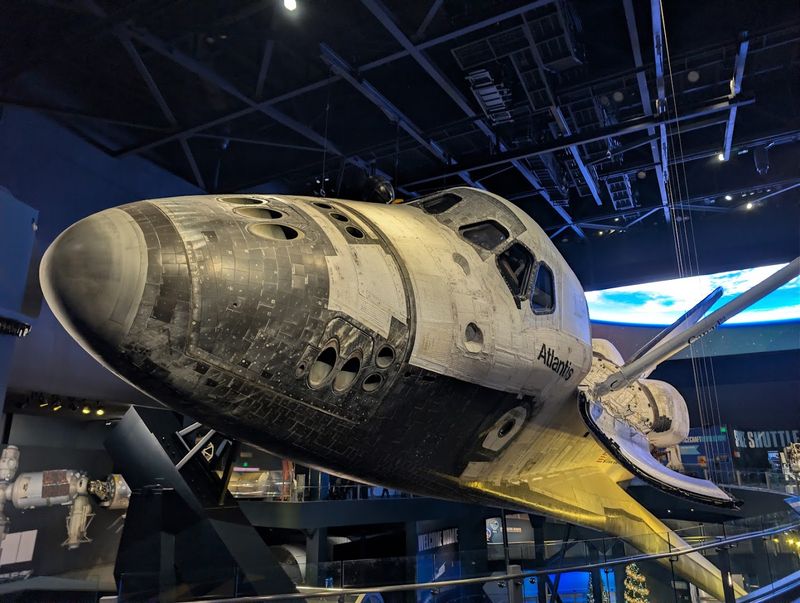
The Space Shuttle Atlantis exhibit positions the orbiter at an angle with payload bay doors open, just as it would have looked in orbit. You can see every scorch mark, every worn tile, every detail that tells the story of thirty-three missions into space. Walking around it, you realize this vehicle actually traveled to space and back—multiple times.
Interactive exhibits let you try landing the shuttle (harder than it looks), experience shuttle launch simulation, and explore what daily life was like for astronauts in orbit. The Rocket Garden displays actual rockets from different eras of space exploration, showing how technology evolved over decades.
If you time your visit right, you might witness an actual rocket launch from nearby Cape Canaveral, watching fire and smoke propel a spacecraft toward orbit. Even without a launch, the complex offers encounters with veteran astronauts, IMAX films shot in space, and the chance to touch a moon rock.
For anyone who’s ever looked up at the night sky and wondered about space travel, Kennedy Space Center makes those dreams feel real and achievable.
4. Everglades National Park (Homestead)
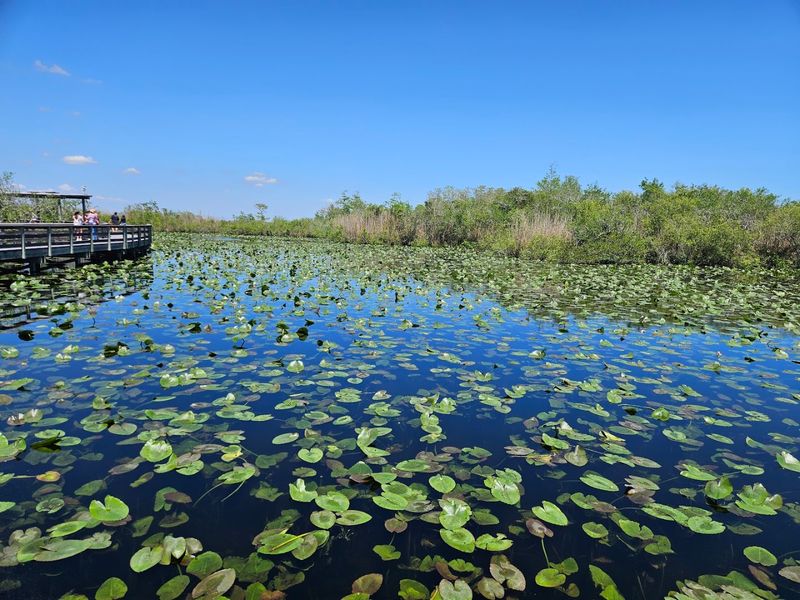
Most people expect swamps and alligators, and the Everglades delivers both—along with an ecosystem unlike anywhere else on the planet. This isn’t just wetlands; it’s a slow-moving river of grass stretching for miles, creating habitats for species found nowhere else in the United States.
The Anhinga Trail puts you right in the middle of wildlife activity without requiring any hiking skills. Walk the boardwalk and you’ll see alligators sunbathing within feet of the path, anhingas diving for fish, turtles stacked on logs, and herons stalking through shallow water. The wildlife here seems remarkably unbothered by humans, going about their routines as if you’re not even there.
Shark Valley’s observation tower provides panoramic views of the seemingly endless sawgrass prairie. The fifteen-mile loop trail (accessible by bike or tram) brings you close to alligators, birds, and the distinctive landscape that makes the Everglades so unique.
Kayaking through the mangrove tunnels of the Ten Thousand Islands reveals a different side of the park—quiet waterways where you might spot manatees, dolphins, or the rare American crocodile. The silence out there, broken only by bird calls and water sounds, feels worlds away from Florida’s tourist corridors.
Visit during dry season (winter) for the best wildlife viewing, when animals concentrate around remaining water sources. The mosquitoes are also less aggressive, making exploration far more pleasant than summer visits would allow.
5. Dry Tortugas National Park (Key West)
Getting here requires either a two-and-a-half-hour ferry ride or a seaplane flight across open ocean, which immediately sets Dry Tortugas apart from typical tourist destinations. The journey itself becomes part of the adventure, with dolphins often swimming alongside the boat and flying fish skipping across the water’s surface.
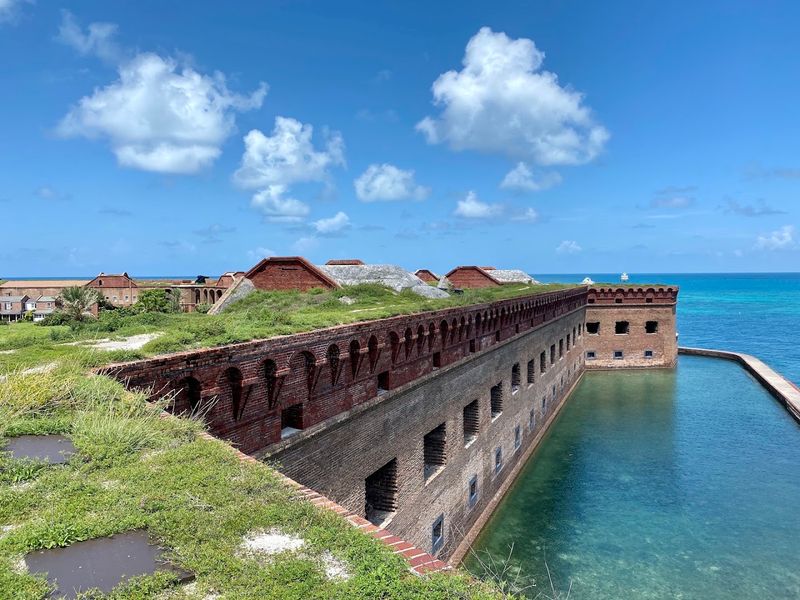
When Fort Jefferson comes into view—a massive hexagonal fortress rising from a tiny island seventy miles from mainland Florida—the remoteness of this place hits you. Built with over sixteen million bricks, the fort was designed to control the Gulf of Mexico but never saw major military action. Instead, it served as a prison during the Civil War, most famously holding Dr. Samuel Mudd, who treated John Wilkes Booth’s broken leg.
The water surrounding the fort glows in shades of blue and green so vivid they look artificially enhanced. Snorkeling the moat walls reveals coral, tropical fish, sea turtles, and occasionally nurse sharks cruising past like they own the place—which, honestly, they kind of do.
The beaches here consist of crushed coral and shells, empty except for nesting seabirds and the occasional camper who’s secured one of the limited overnight spots. Walking the fort’s walls at sunset, with nothing but ocean in every direction, creates a sense of isolation that’s increasingly rare in modern Florida.
Most visitors come for the day, but those who camp overnight experience the fort under stars so bright they cast shadows—no light pollution for seventy miles in any direction.
6. Silver Springs State Park (Silver Springs)
Florida’s original tourist attraction has been showing off its crystal-clear springs since the 1870s, and the glass-bottom boats that made this place famous still glide across water so transparent you can see fish swimming thirty feet below. Unlike modern theme parks with manufactured experiences, Silver Springs offers something genuinely natural and spectacular.
The spring pumps out over 550 million gallons of water daily, maintaining a constant seventy-two-degree temperature year-round. Looking through the glass bottom reveals a underwater world of limestone formations, massive bass, turtles bigger than dinner plates, and occasionally alligators cruising through the depths like submarines.
Wild monkeys live in the surrounding forest—descendants of rhesus macaques released here in the 1930s for a Tarzan movie. Spotting them swinging through trees or sitting on riverbanks adds an unexpected exotic element to what’s otherwise a very Florida experience.
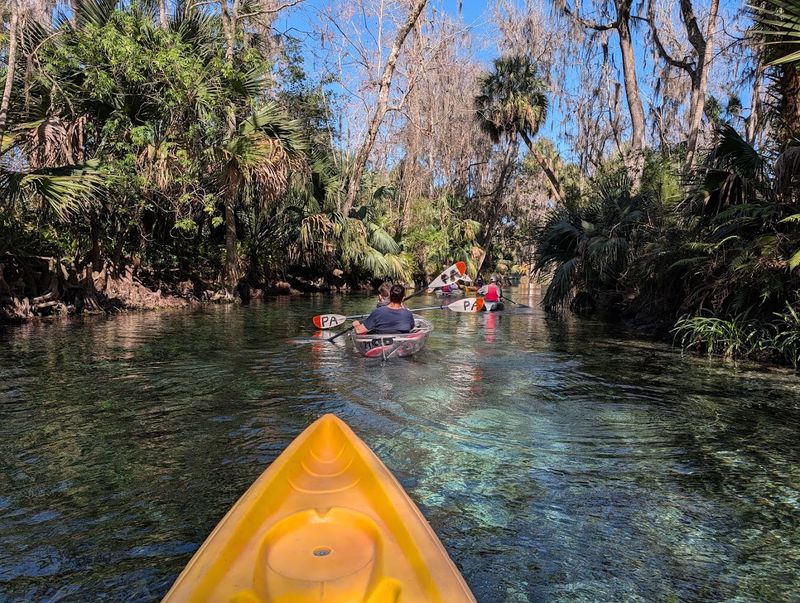
Kayaking the Rainbow River, which flows from Silver Springs, takes you through some of the clearest water in the state. You can see every detail of the sandy bottom, every fish, every plant—it’s like paddling through liquid glass. The experience feels almost surreal compared to Florida’s typically tannin-stained rivers.
The park preserves old Florida charm without trying to modernize it into something slick and commercial. The boats are vintage, the guides share local history, and the whole experience feels refreshingly authentic in a state increasingly dominated by manufactured attractions.
7. Busch Gardens Tampa Bay (Tampa)
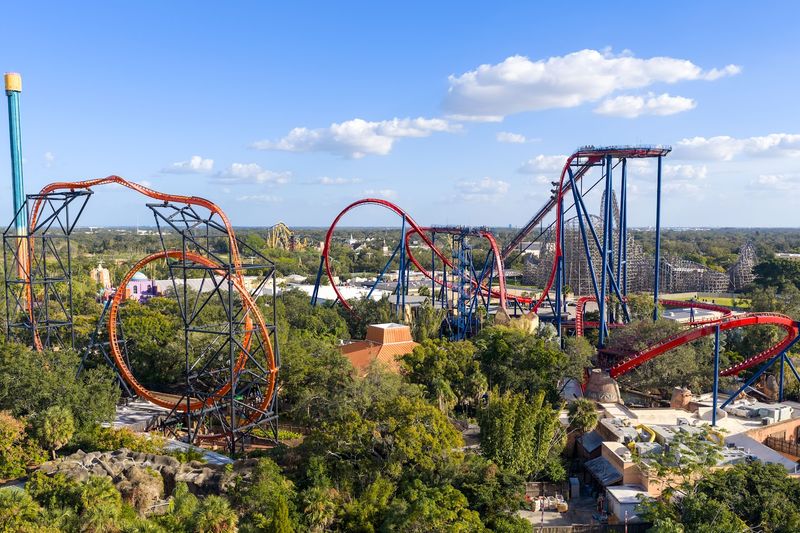
Combining a major zoo with world-class roller coasters creates something more interesting than either would be alone. Where else can you watch cheetahs sprint at full speed, then immediately ride a coaster that drops you ninety degrees straight down? Busch Gardens pulls off this unusual combination better than it has any right to.
SheiKra takes you up two hundred feet, pauses you at the edge of a vertical drop, then releases you into what feels like freefall. Montu whips you through seven inversions with your feet dangling free, while Cheetah Hunt launches you across the park at speeds matching its namesake animal.
The Serengeti Plain habitat lets giraffes, zebras, and antelopes roam across thirty-five acres of savanna-like terrain. The Serengeti Safari takes you out among the animals in open-air vehicles, getting you closer than typical zoo barriers allow. Feeding giraffes—feeling their long tongues grab lettuce from your hand—creates moments kids remember for years.
Edge of Africa walking trail puts you eye-level with lions, hyenas, and other predators in habitats that feel less like cages and more like actual environments. The park’s commitment to animal care and conservation gives the experience depth beyond simple entertainment.
Live shows featuring trained birds, acrobats, and musical performances add variety between rides and animal encounters. The park’s size means you can easily spend a full day without repeating attractions or feeling like you’ve missed major sections.
8. Gatorland (Orlando)
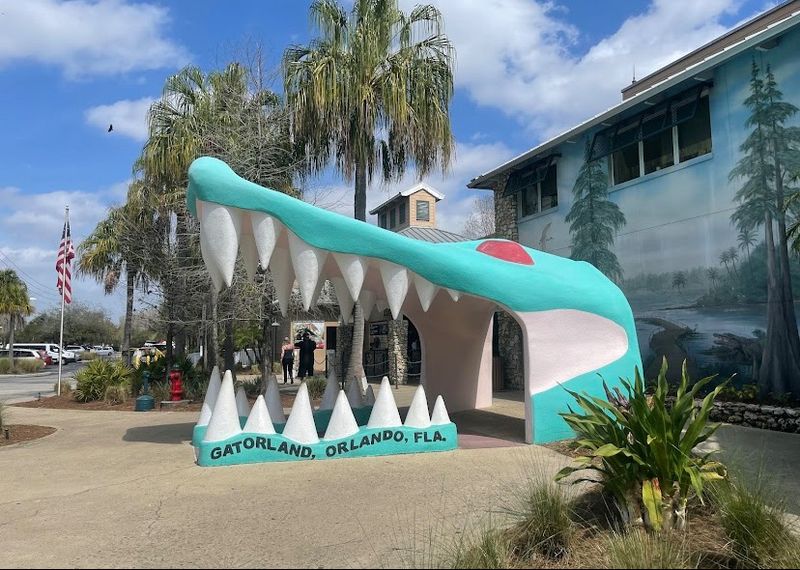
Since 1949, Gatorland has been doing one thing really well: showing people alligators and crocodiles in ways that feel authentically Florida rather than corporate and sanitized. The entrance—a massive gator mouth you walk through—sets the tone for what’s unapologetically a roadside attraction that’s gotten really good at what it does.
Thousands of alligators fill breeding marshes, observation areas, and pools throughout the park. During feeding shows, handlers dangle whole chickens above the water, and gators launch themselves completely out to snatch them mid-air. The raw power on display is genuinely impressive, reminding you these are apex predators, not cute zoo animals.
The Screamin’ Gator Zip Line sends you soaring over pools of alligators—not the safest-feeling activity, but the cable’s secure even if your nerves aren’t. The Stompin’ Gator Off-Road Adventure bounces you through swampy areas where wild gators sun themselves on banks, occasionally sliding into the water as your vehicle approaches.
White alligators—extremely rare leucistic specimens—look almost alien with their pale skin and blue eyes. The park houses several, giving visitors a chance to see something most people never encounter even in a lifetime of Florida living.
What makes Gatorland work is its refusal to pretend it’s anything other than what it is: a gator-focused attraction with serious old-Florida charm. No corporate polish, no attempt to be a theme park—just alligators, crocodiles, and the kind of scrappy authenticity that’s increasingly rare in modern Orlando.
9. Vizcaya Museum and Gardens (Miami)
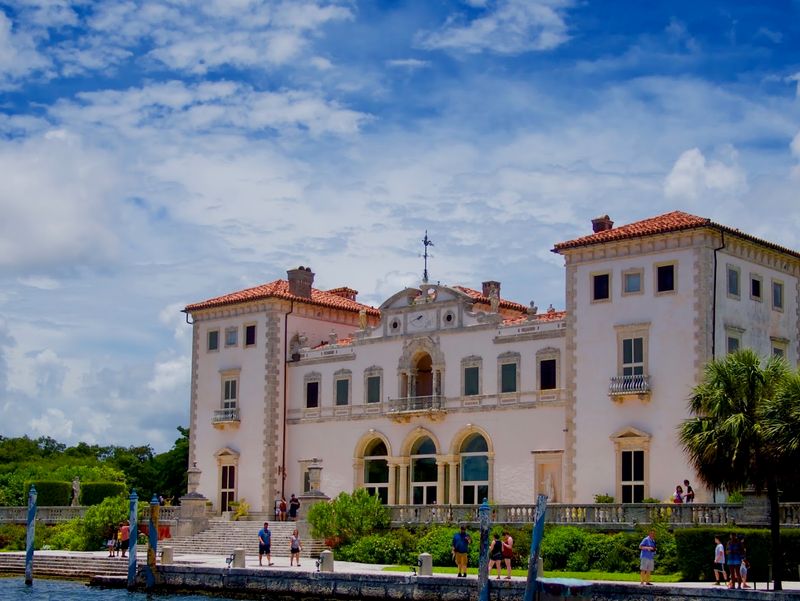
When industrialist James Deering built his winter estate in the 1910s, he created something that seems impossibly grand for Florida—a Venetian-style palazzo filled with European antiques, surrounded by formal Italian gardens, sitting right on Biscayne Bay. Walking through the entrance, you might wonder if you’ve somehow been transported to Italy rather than Miami.
Thirty-four rooms showcase furniture, paintings, tapestries, and decorative arts spanning centuries, collected from estates and auction houses across Europe. The Music Room’s ceiling came from an Italian palace, while the Reception Room’s marble columns are genuinely ancient Roman artifacts. Each room represents a different European design period, creating a museum-quality collection inside what was someone’s actual vacation home.
The gardens spread across ten acres of formal terraces, fountains, and carefully planned vistas. Stone sculptures peek out from behind hedges, water features create soothing sounds, and the design creates moments where you round a corner and discover another perfectly composed view. The Secret Garden, hidden behind walls and hedges, feels like something from a fairy tale.
The Stone Barge—an elaborate breakwater decorated with sculptures—sits in the bay, protecting the shore while serving as an architectural folly. From certain angles, it looks like a ship permanently moored at Vizcaya’s waterfront.
What’s remarkable is how well preserved everything remains, giving visitors an authentic glimpse into early twentieth-century wealth and the Gilded Age obsession with European grandeur. This isn’t a reproduction or a theme park version—it’s the real thing, maintained exactly as Deering intended.
10. The Ringling (Sarasota)
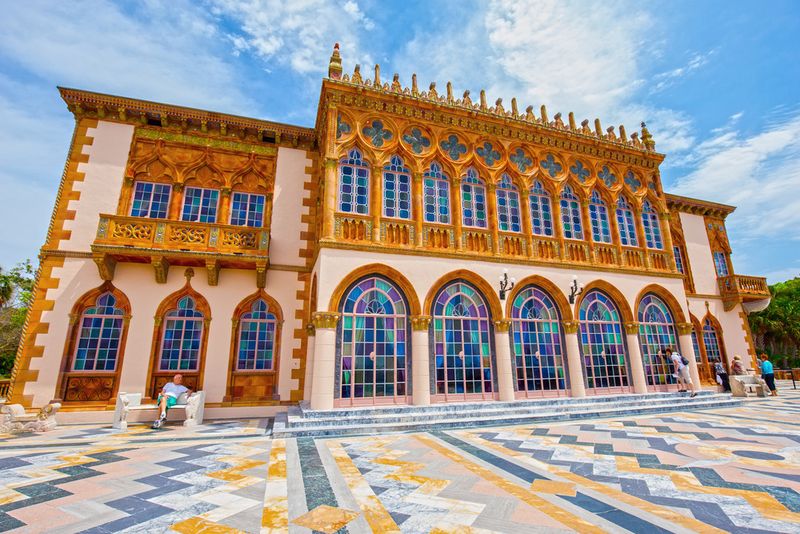
John Ringling—yes, from the circus family—built an art museum, a Venetian Gothic mansion, and assembled a world-class collection in Sarasota that rivals institutions in much larger cities. The complex sprawls across sixty-six acres of bayfront property, offering enough variety that art lovers, history buffs, and architecture enthusiasts all find something compelling.
The art museum houses an impressive collection of European paintings, including works by Rubens, Velázquez, and other Old Masters that you’d expect to find only in major metropolitan museums. The galleries themselves—arranged around a courtyard modeled after Italian Renaissance palaces—create an elegant setting that enhances the viewing experience.
Ca’ d’Zan, the Ringlings’ mansion, feels like a Venetian palazzo transplanted to Florida’s Gulf Coast. The waterfront terrace overlooks Sarasota Bay, while inside, rooms showcase period furnishings, elaborate ceilings, and the kind of theatrical grandeur you’d expect from circus royalty. The attention to detail—from hand-painted tiles to custom woodwork—demonstrates craftsmanship rarely seen in modern construction.
The Circus Museum celebrates the Ringling Brothers legacy with vintage posters, costumes, parade wagons, and the Howard Bros. Circus Model—a massive miniature circus that captures the spectacle of big top entertainment in its heyday.
Walking the grounds, with their banyan trees and sculptures, creates moments of unexpected beauty between the main attractions. The combination of art, history, architecture, and waterfront setting makes The Ringling feel like multiple destinations merged into one remarkable complex.
11. Castillo de San Marcos National Monument (St. Augustine)
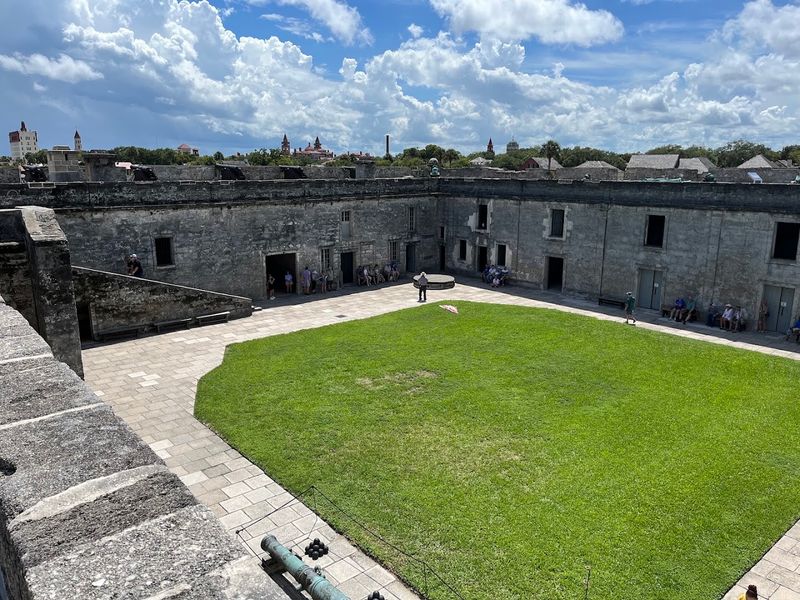
Built by the Spanish between 1672 and 1695, Castillo de San Marcos has survived pirate attacks, British siegons, and hurricanes that destroyed everything around it. The secret to its endurance lies in coquina—a local limestone made from compressed shells that absorbed cannonball impacts rather than shattering like traditional stone.
Walking through the massive wooden gates feels like stepping back three centuries. The fort’s interior courtyard, gun deck, and rooms remain remarkably intact, giving visitors an authentic sense of what military life was like during Spanish colonial rule. You can still see the diamond-shaped bastions at each corner—designed to eliminate blind spots where attackers might hide.
Ranger demonstrations throughout the day showcase period weapons firing, explaining how soldiers defended St. Augustine from the gun deck high above Matanzas Bay. The cannons boom loud enough to startle everyone nearby, and the sulfur smell of black powder lingers in the air afterward.
The views from the gun deck stretch across the bay to the modern Bridge of Lions and St. Augustine’s historic district. From up here, you understand why the Spanish chose this location—it commanded approaches to the oldest continuously occupied European settlement in the continental United States.
Unlike many historic sites that feel static and museum-like, Castillo de San Marcos remains dynamic. The fort hosts living history events, weapon demonstrations, and educational programs that bring three centuries of history to life in ways that engage visitors of all ages.