These 13 Florida Beaches Are Perfect When You Want Space to Breathe
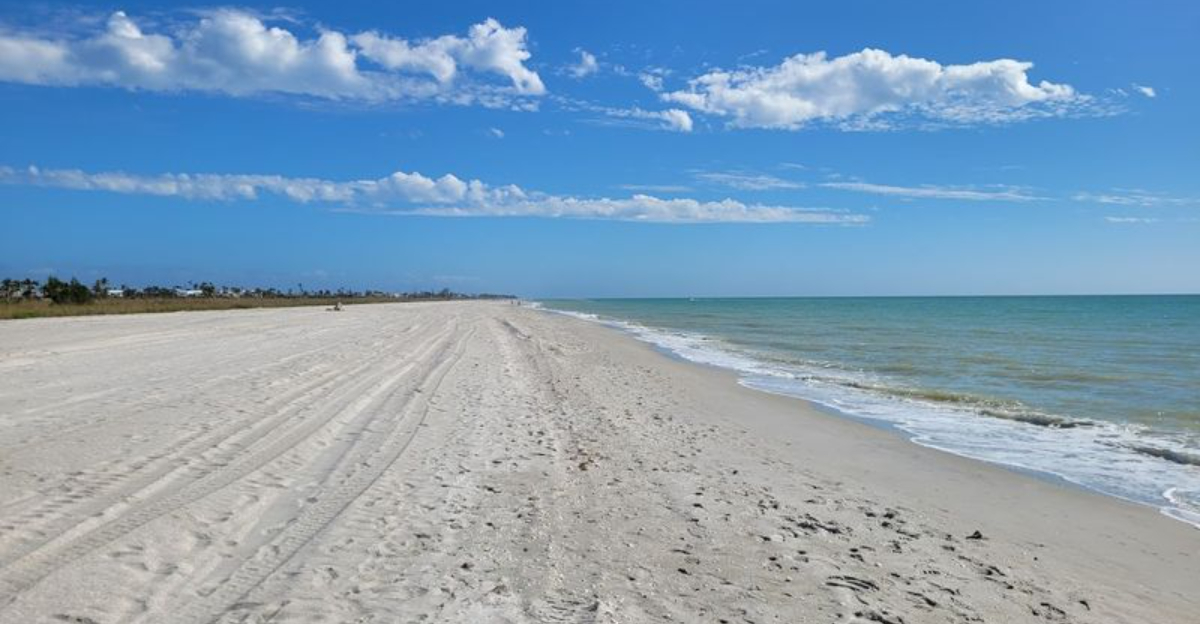
Florida’s coastline stretches over 1,300 miles, yet finding a beach where you can actually hear the waves instead of someone’s playlist is getting harder every year. The good news is that some of the state’s most beautiful shores remain blissfully uncrowded, protected by geography, limited access, or simply being tucked far enough off the beaten path that most tourists never find them. Whether you’re craving solitude, seashells, or just room to set up your chair without bumping elbows with strangers, these 13 beaches deliver the space and peace you’re looking for.
1. Cayo Costa State Park
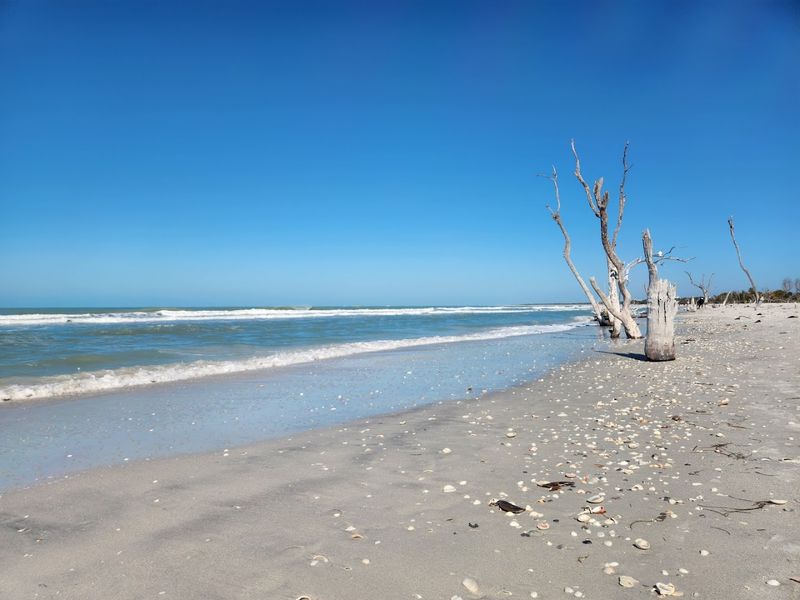
Getting to Cayo Costa requires a boat, which automatically filters out the fair-weather beachgoers. That little bit of effort pays off the moment you step onto miles of unspoiled sand that feels like it belongs to another century. The island has no roads, no resorts, and no pretense—just raw Florida coastline the way it looked before condos took over.
Shelling here is exceptional. After a storm or high tide, the wrack line looks like a natural treasure chest spilled open. You’ll find whelks, conchs, sand dollars, and fighting conchs in numbers that make other beaches look picked clean.
Bring a mesh bag and prepare to get picky about what makes the cut.
Snorkeling around the grass flats reveals a quieter underwater world—rays gliding past, fish darting through turtle grass, the occasional manatee cruising by like a gentle blimp. The water stays shallow for a long stretch, making it easy to explore without fighting currents. Pack everything you need for the day because there’s no snack bar to bail you out, and that’s exactly the point.
2. Caladesi Island State Park
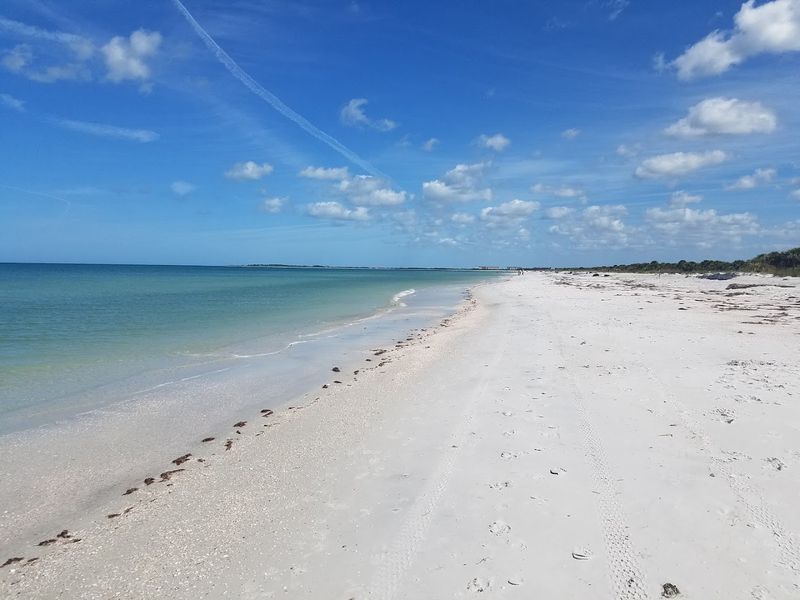
Caladesi Island consistently ranks among the nation’s top beaches, yet it remains refreshingly low-key because you can’t drive there. A ferry from Honeymoon Island brings day-trippers, or you can paddle over in a kayak and really earn your beach time. Either way, arrival feels like a small victory.
The sand is ridiculously soft, almost powdery, and the water transitions through shades of blue-green that look Photoshopped but aren’t. The beach curves gently along the island’s western shore, giving you plenty of room to claim your own stretch without encroaching on anyone’s personal bubble. It’s the kind of place where you can walk barefoot for an hour and see maybe a dozen people.
Kayaking the mangrove trails on the bay side offers a totally different vibe—shaded, quiet, with herons stalking the shallows and fish popping the surface. Fishing off the docks can be surprisingly productive if you time the tides right. Bring snacks, sunscreen, and a good book, because once you settle in, leaving feels like a mistake you’ll regret on the ferry ride back.
3. St. Lucie Inlet Preserve State Park
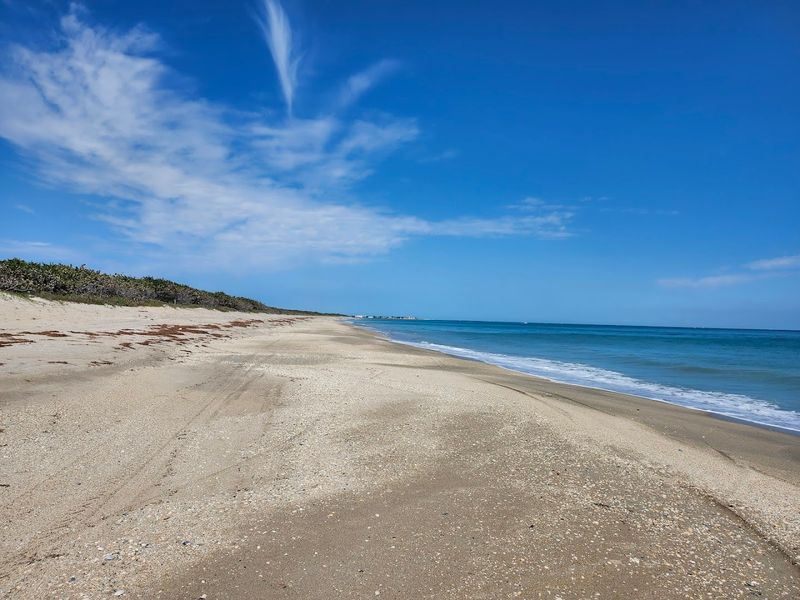
This barrier-island gem sits tucked between the Atlantic and the Indian River Lagoon, accessible only by boat. That access barrier keeps crowds thin and the vibe decidedly laid-back. You won’t find lifeguards, concession stands, or boardwalks here—just sand, surf, and the kind of quiet that makes you realize how noisy most beaches have become.
The shoreline stretches wide and open, perfect for long walks where the only footprints are yours and maybe a few shorebirds. The preserve protects over 900 acres of coastal habitat, so wildlife sightings are common. Sea turtles nest here during summer months, and dolphins often cruise just beyond the breakers, occasionally putting on an impromptu show.
Fishing and snorkeling around the inlet can be excellent when conditions align. The currents can get frisky near the cut, so pay attention to the water and don’t push your luck. Pack out everything you bring in because there’s no trash service, and respect the nesting areas marked off during turtle season.
The extra effort to reach this beach rewards you with solitude that’s increasingly rare along Florida’s developed coastlines.
4. Boneyard Beach
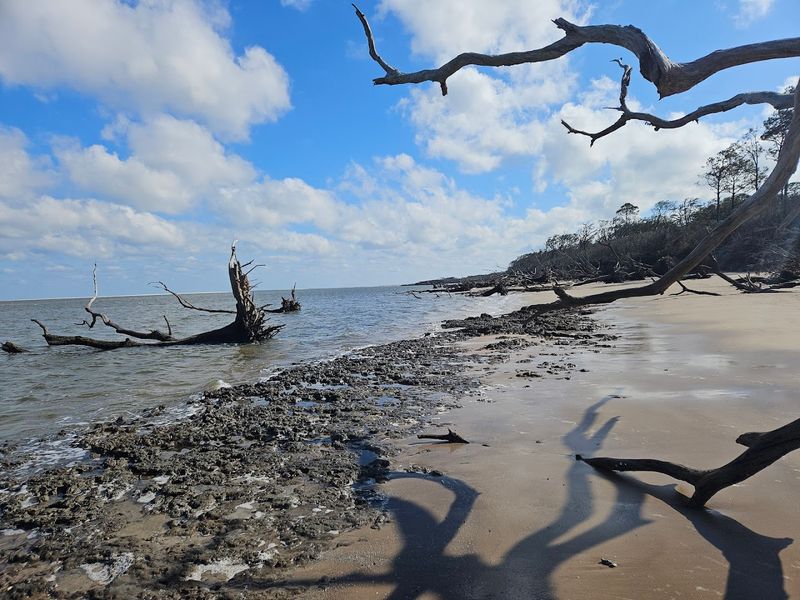
Boneyard Beach on Big Talbot Island looks like something from a Tim Burton film—bleached tree skeletons sprawled across dark sand, waves rolling in behind them, the whole scene hauntingly beautiful. Erosion claimed the maritime forest decades ago, leaving behind these skeletal reminders that even beaches have their own life cycles.
It’s not a typical sunbathing destination. The shoreline is rocky in places, and the driftwood makes setting up a standard beach camp tricky. But if you’re after dramatic scenery and a beach that feels wild rather than manicured, this delivers in spades.
Photographers love the place—sunrise and sunset light turns the driftwood into sculptural art.
Walking among the fallen trees feels meditative, almost otherworldly. The beach stays relatively empty because it’s not on most tourists’ radar, and the lack of amenities keeps the casual crowd away. Bring sturdy shoes if you plan to explore the driftwood maze, and watch your step—those weathered logs can be slippery.
This beach rewards those who appreciate raw natural beauty over convenience, offering space to wander and think without the usual beach distractions.
5. Bowman’s Beach
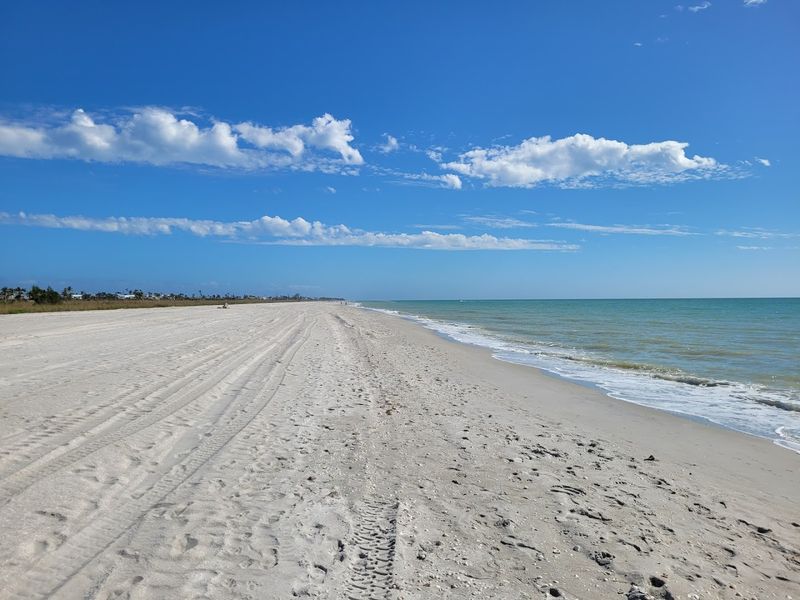
Sanibel Island draws serious shell collectors, and Bowman’s Beach is where the locals go when they want elbow room while hunting for treasures. The beach sits on the island’s western end, accessed by a long boardwalk that winds through native vegetation. That walk acts as a natural filter, thinning out the crowds before you even reach the sand.
Shelling here can be spectacular, especially after a storm or during winter cold fronts when Gulf currents push shells ashore. You’ll find junonia, lion’s paws, tulips, and alphabet cones if you’re patient and persistent. Early morning offers the best pickings before other collectors arrive, and low tide exposes sandbars where shells accumulate.
The beach itself stretches wide and sandy, with plenty of room to spread out. Facilities are basic but adequate—restrooms, outdoor showers, and parking that fills up on weekends but rarely reaches capacity on weekdays. The vibe is unhurried and family-friendly without being overrun.
Bring a mesh bag for shells, plenty of water, and maybe a small cooler. You can easily spend half a day here without feeling crowded or rushed, which is exactly what Sanibel beach time should feel like.
6. St. George Island State Park
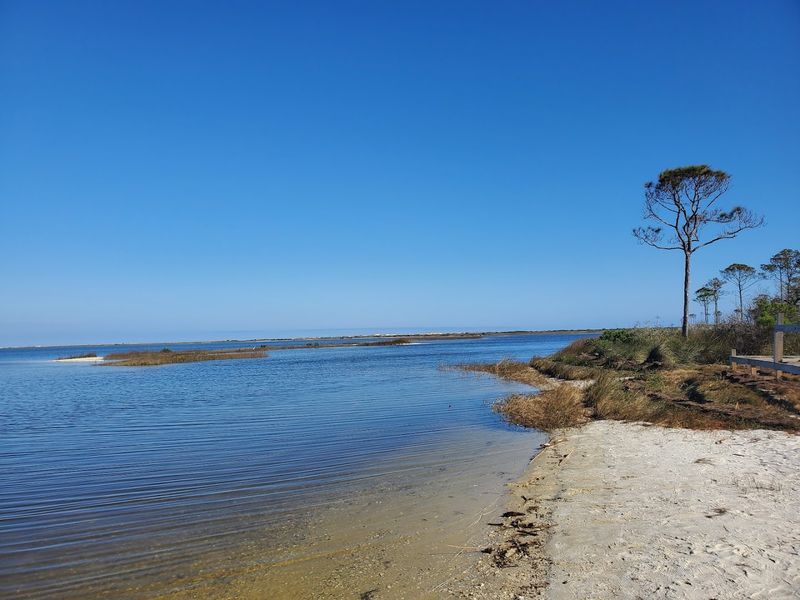
St. George Island sits off the Panhandle’s Forgotten Coast, and the state park occupies the island’s eastern end—nine miles of undeveloped beach that feels like Florida before the tourism boom. The sand is sugar-white, the water shifts between emerald and turquoise depending on the light, and the crowds thin out dramatically the farther you walk from the parking areas.
This beach rewards walkers. You can hike for miles along the shoreline, collecting shells, spotting shorebirds, and occasionally encountering another beachgoer but mostly just enjoying the space. During summer, sea turtles nest along this stretch, and if you’re lucky enough to witness a hatchling scramble toward the waves, you’ll carry that memory forever.
Fishing from the beach can be productive, especially for pompano, whiting, and redfish when they’re running. The park also offers bay access for kayaking and a hiking trail through coastal scrub habitat. Facilities include picnic pavilions and restrooms but nothing fancy—this park prioritizes nature over amenities.
Bring what you need for a full beach day because once you settle into a good spot, you won’t want to leave until the sun starts dropping toward the Gulf.
7. Blowing Rocks Preserve
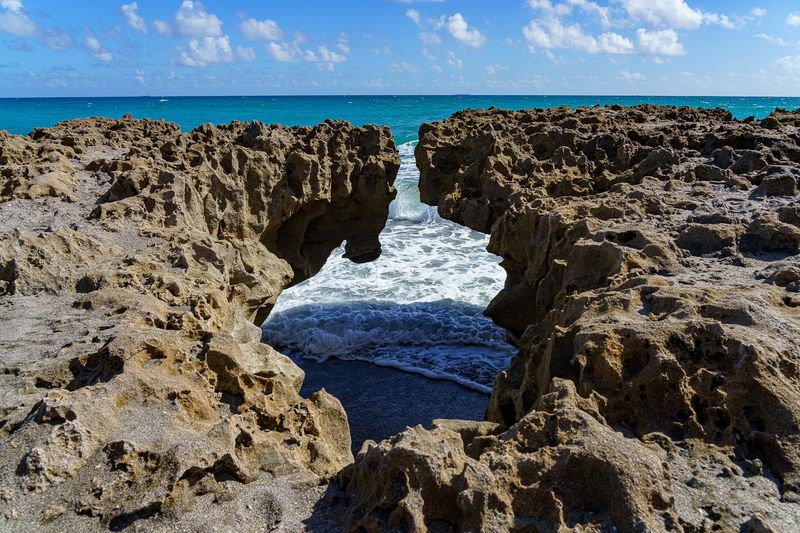
Blowing Rocks Preserve on Jupiter Island offers something most Florida beaches don’t—dramatic limestone formations that create geysers when waves hit just right during high tide or storms. The rock shelf runs along the shoreline, breaking up the typical sand-and-surf monotony with geological drama that feels more rugged coast than gentle Gulf.
When conditions align—usually during winter northeasters or tropical weather—waves slam into the limestone and shoot water 50 feet into the air through natural blowholes. It’s genuinely spectacular and worth timing your visit around tide charts and weather forecasts. Even on calm days, the rocky shoreline and clear water make for excellent exploring and surprisingly good snorkeling when the sea cooperates.
The preserve is managed by The Nature Conservancy, which means it’s protected from development and focused on conservation rather than recreation. That keeps crowds manageable and the experience more nature-focused than party-beach. The beach isn’t huge, but it rarely feels crowded because most beachgoers prefer traditional sandy shores.
Pack water shoes if you plan to explore the rocks, and bring a camera—the scenery here photographs beautifully, especially when the blowhole action gets going.
8. Little Talbot Island State Park
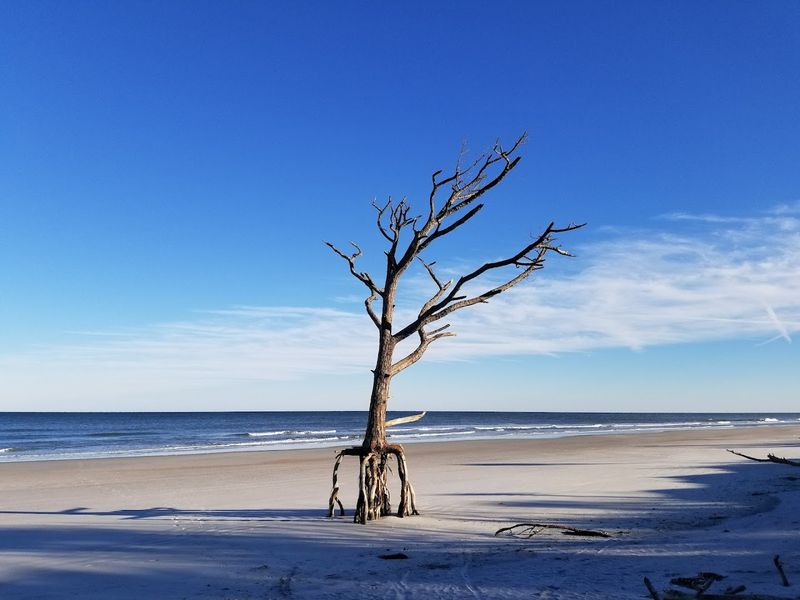
Little Talbot Island sits just northeast of Jacksonville, offering five miles of unspoiled beach backed by maritime forest and dunes. The park protects one of the last undeveloped barrier islands on Florida’s northeast coast, and that preservation shows in the wild, natural feel of the shoreline. You won’t find high-rises or beach bars here—just sand, surf, and space to breathe.
The beach varies in character as you walk its length. Some sections feature wide, flat sand perfect for long walks or kite flying. Other stretches show more erosion, with driftwood and exposed tree roots creating sculptural scenery similar to nearby Boneyard Beach.
The variety keeps beach walks interesting, and you can easily spend hours exploring without retracing your steps.
Wildlife is abundant throughout the park. Dolphins cruise offshore, shorebirds work the tide line, and if you’re quiet and observant on the trails behind the dunes, you might spot deer, raccoons, or even a bobcat. The park also offers kayak rentals and a boat ramp for fishing the Nassau Sound.
It’s a solid choice when you want a real beach day without the crowds, noise, and commercialization that dominate more popular Florida shores.
9. Canaveral National Seashore
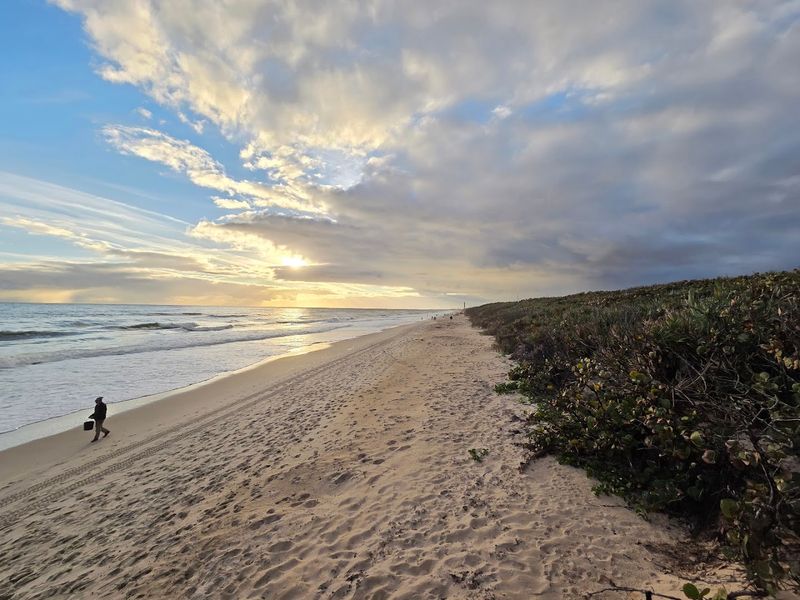
Canaveral National Seashore protects 24 miles of undeveloped Atlantic coastline between New Smyrna Beach and Titusville—the longest stretch of undeveloped beach on Florida’s east coast. That kind of space is increasingly rare, and it shows in the wildlife, the quiet, and the feeling that you’ve stepped back to a time before Florida became a tourist destination.
The beach is wide, wild, and wonderfully empty most of the time. Sea turtles nest here in staggering numbers during summer—it’s one of the most important nesting beaches in the Western Hemisphere. During winter, you might spot endangered manatees in Mosquito Lagoon or see migratory birds stopping over on their way south.
The entire seashore feels alive in a way developed beaches simply can’t match.
Access points are limited, which helps control crowds and protects sensitive habitats. Apollo Beach on the north end and Playalinda Beach to the south offer parking and facilities, but once you walk away from those areas, you can have entire stretches of beach to yourself. Bring everything you need because services are minimal—this is protected land, not a resort.
The trade-off is worth it for anyone who values wild, natural beaches over convenience and crowds.
10. Tigertail Beach
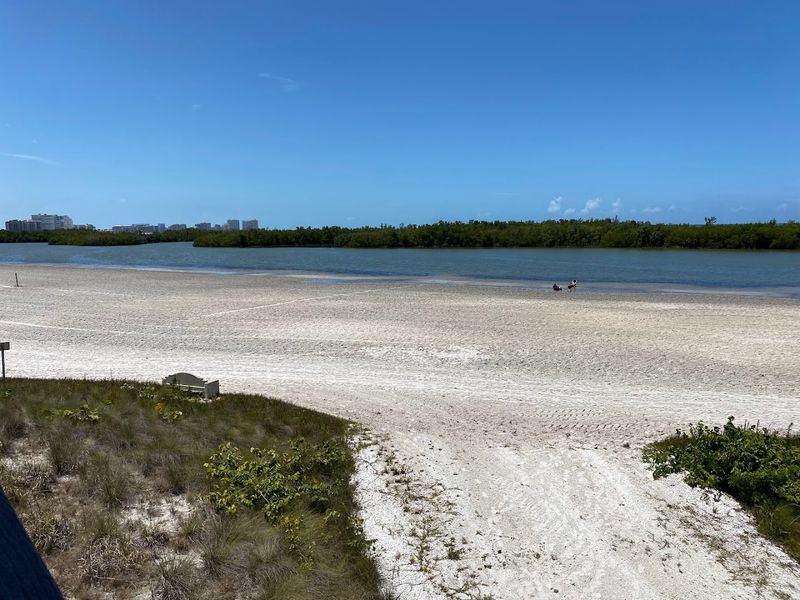
Tigertail Beach on Marco Island offers something different from the typical Gulf beach experience—a tidal lagoon that creates sandbars and shallow pools perfect for kids, birdwatchers, and anyone who enjoys exploring more than just lying on a towel. The beach itself is spacious and natural, avoiding the resort-heavy vibe that dominates much of Marco Island’s waterfront.
The lagoon changes dramatically with the tides. At low tide, sandbars emerge and you can walk hundreds of yards into the Gulf through ankle-deep water, watching fish dart around your feet and birds working the shallows for their own meals. At high tide, the lagoon deepens and the sandbars disappear, transforming the entire landscape.
It’s like getting two different beaches depending on when you visit.
Birdlife is exceptional here, especially during migration seasons. You’ll see herons, egrets, plovers, sandpipers, and occasionally roseate spoonbills adding shocking pink to the coastal palette. The beach also features a butterfly garden and nature trails that wind through coastal vegetation.
It’s a quieter, more nature-focused alternative to busier Marco Island beaches, ideal when you want beach time with a side of wildlife observation and tidal exploration rather than just sun and surf.
11. Grayton Beach State Park
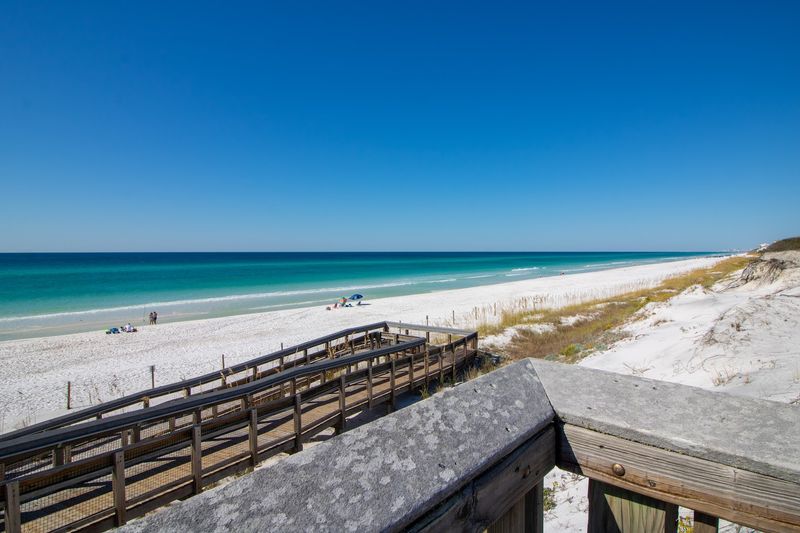
Grayton Beach State Park sits along Scenic Highway 30A, offering a state-park alternative to the increasingly crowded beach towns that line this famous stretch of Panhandle coast. The beach features the same stunning white sand and emerald water that made 30A famous, but with far fewer people and a more natural, undeveloped feel.
Western Lake, a rare coastal dune lake, sits just behind the beach and occasionally breaches to the Gulf during high water, creating a dramatic temporary outlet. The lake offers excellent kayaking and paddleboarding through tannin-stained water that contrasts beautifully with the white sand beaches. Hiking trails loop through the park’s scrub and pine flatwoods, giving you options beyond just beach time.
The beach itself is gorgeous—soft sand, clear water, and enough space that you can spread out even on busy weekends. The park limits parking, which naturally caps the number of visitors and keeps the beach from feeling overrun. Facilities include picnic areas, restrooms, and outdoor showers, plus a small campground if you want to extend your stay.
It’s the 30A beach experience without the traffic, crowds, and inflated prices, proving that some of Florida’s best coastal real estate still belongs to everyone.
12. Honeymoon Island State Park
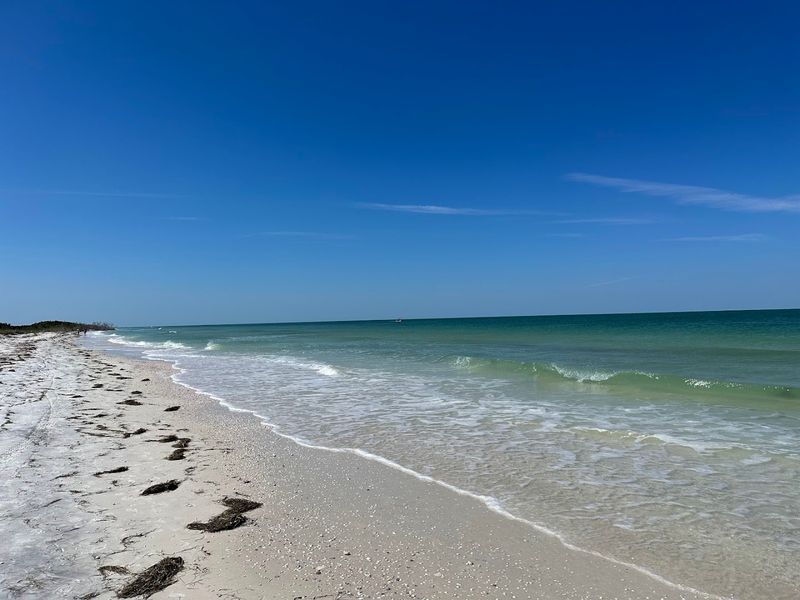
Honeymoon Island sits just off the coast near Dunedin, connected by a causeway that makes access easy without sacrificing the island’s natural character. The state park encompasses most of the island, protecting four miles of beach plus interior habitats that host an impressive variety of wildlife. It’s popular but large enough that you can always find space, especially if you walk away from the main beach areas.
The northern beaches tend to be quieter, with soft sand and calm water perfect for swimming and shelling. The park’s nature trails wind through slash pine forest and coastal scrub, offering shade and wildlife viewing opportunities when you need a break from the sun. Ospreys nest throughout the park, and you’ll often see them diving for fish just offshore.
Birdwatchers can spot over 200 species depending on the season.
The dog beach at the north end is one of Florida’s best, letting your four-legged friends enjoy the Gulf alongside you. Fishing from the jetties or shoreline can be productive, and the park rents kayaks if you want to explore the bay side. Yes, the parking lot fills up on nice weekends, but the beach is long enough that crowds disperse quickly once you start walking.
It’s accessible, beautiful, and still wild enough to feel like a real escape.
13. Bahia Honda State Park
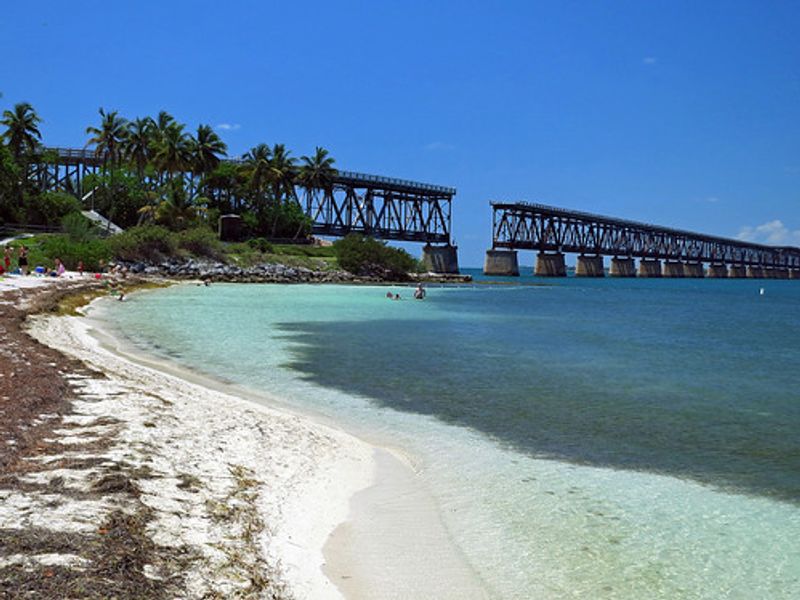
Bahia Honda claims some of the Florida Keys’ best natural beaches, which is saying something since most Keys shoreline is rocky or mangrove-lined rather than sandy. The park sits on a small island in the Lower Keys, surrounded by incredibly clear water that shifts between turquoise and deep blue depending on depth and light. It’s postcard-perfect without feeling artificial or overdeveloped.
The beach on the Atlantic side features soft sand and calm, shallow water ideal for swimming and snorkeling. The reef lies close offshore, making it easy to spot tropical fish, rays, and sea turtles without needing a boat. Sandspur Beach on the bay side offers a different vibe—smaller, more protected, with views of the old Bahia Honda Rail Bridge arching overhead like a relic from another era.
The state park manages visitation carefully, which keeps the beaches from becoming overwhelmed even during peak season. Facilities include picnic areas, a small camp store, and cabin rentals if you want to stay overnight. The park also offers kayak and snorkel gear rentals, making it easy to explore even if you didn’t pack your own equipment.
It’s a calmer, more natural Keys beach experience compared to the party-beach scenes in Key West, perfect when you want clear water and tropical scenery without the crowds and noise.