These 7 Florida Towns Have a Surprisingly Weird Claim to Fame
Some Florida towns are famous for their beaches. Others are famous for things that sound completely made up.
Imagine a place where your neighbors talk to spirits, another where people gather to summon worms from the ground, and a little town where cars appear to roll uphill on their own. Believe it or not, these are all real places you can visit in the Sunshine State.
From underwater mermaids to forgotten circus legends, these seven Florida towns prove that sometimes the strangest stories are hiding in the smallest places.
1. Cassadaga: Where Mediums Are the Neighbors
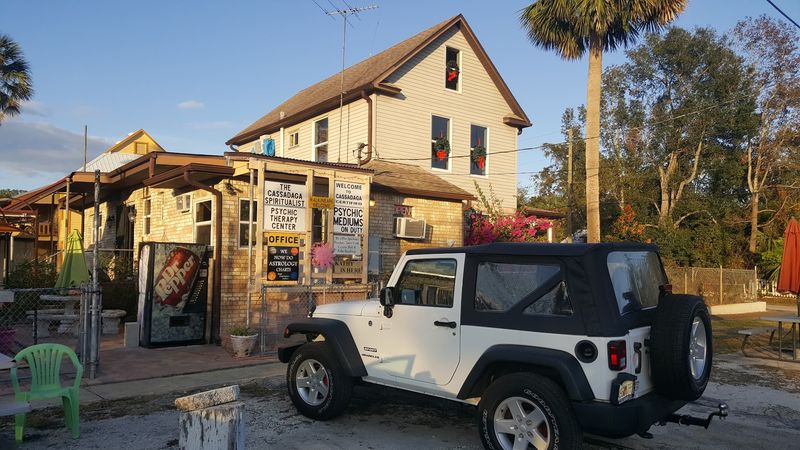
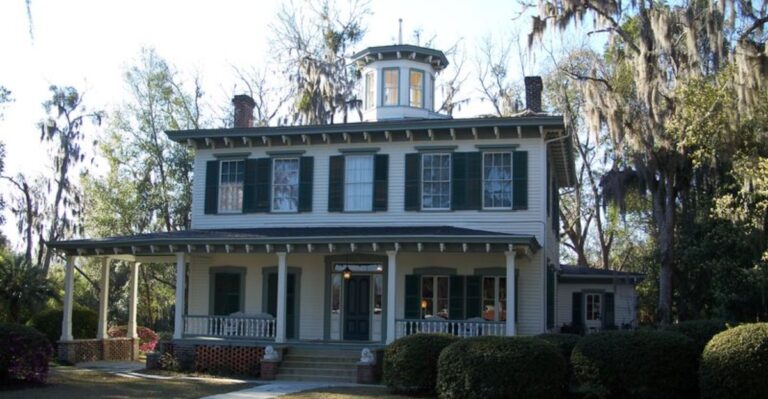
Picture a quiet street where the house next door has a hand-lettered sign that says medium available. That is everyday life in Cassadaga, a small Volusia County community that locals often call the Psychic Capital of the World.
The town was founded in 1894 by a trance medium named George P. Colby. Story has it that a spirit guide led him to this spot in Central Florida.
Today it is known as the oldest active Spiritualist community in the country, and the area is a U.S. Historic District.
Walking around feels different from a typical tourist stop. The streets are calm, the cottages are charming, and many residents offer readings, healing sessions, or classes right from their homes. Some folks arrive as believers, while others just come curious, and both groups seem to fit in fine.
If you plan a visit, here are a few easy tips. Go in with an open mind and a few questions, because readings can be personal. Ask about prices before you book, since each reader sets their own.
Wear comfortable shoes, because strolling the shady lanes is half the fun.
Fun fact: many visitors say they come for the readings but stay for the peaceful vibe. Even if you never sit down with a medium, the old-time atmosphere makes Cassadaga one of the most memorable stops in the state. Bring a friend, bring a notebook, and see what the town has to say.
2. Gibsonton: Home of the Sideshow Stars
Imagine pulling up to a house and spotting a circus trailer parked next to the mailbox. In Gibsonton, that was normal. Folks nicknamed the place Gibtown, and it became the cozy winter home for carnival workers and sideshow performers.
The town grew into a haven because special zoning rules let residents park rides and trailers on their own land. Some were even allowed to keep big animals, like elephants, in their yards. For people who traveled all year, it felt like a place where nobody stared back.
Names tied to the town read like a poster from a classic midway. There was Lobster Boy, Grady Stiles, and Al Tomaini, the giant, along with his wife Jeanie, who performed as the Half-Woman. Stories also say the post office once had a counter built for little people, and that Siamese twin sisters ran a fruit stand.
Why does it matter today? Gibtown shows how a community can form around people who were often pushed to the edges of society. They built a neighborhood that fit them perfectly.
If you are curious, look into the area’s carnival history and local museums or events tied to show life. Ask locals about the old days, because many love sharing tales. Treat the visit like a trip into living history, and you will leave with a new respect for the people who made it.
3. Sopchoppy: The Town That Grunts for Worms
Ever heard the sound of a stake being rubbed in the dirt, calling worms out of the ground? That odd noise is the star of Sopchoppy, a tiny Panhandle town in Wakulla County with a very unusual yearly party.
It is called the Worm Gruntin’ Festival, and it celebrates an old trick known as worm charming. People drive a wooden stake into the soil, then rub a flat piece of metal across the top. The vibrations travel through the ground, and worms wiggle to the surface as if someone rang a dinner bell.
Why do it? Fishing, mostly. Those worms were traditionally gathered for bait, so the skill was handy long before it became a festival game.
Now the event adds contests, music, and craft vendors, so the whole town turns into a laid-back community picnic.
Here is a tip if you go: wear boots you do not mind getting muddy, and bring a sense of humor. Watching grown adults take grunting very seriously is part of the charm.
Sopchoppy proves that a weird tradition can become a source of local pride. The name alone makes people smile, and the festival gives them a reason to visit. Pack a hat, grab a stake, and see if you have what it takes to call up a worm.
4. Ochopee: Tiny Post Office, Big Reputation
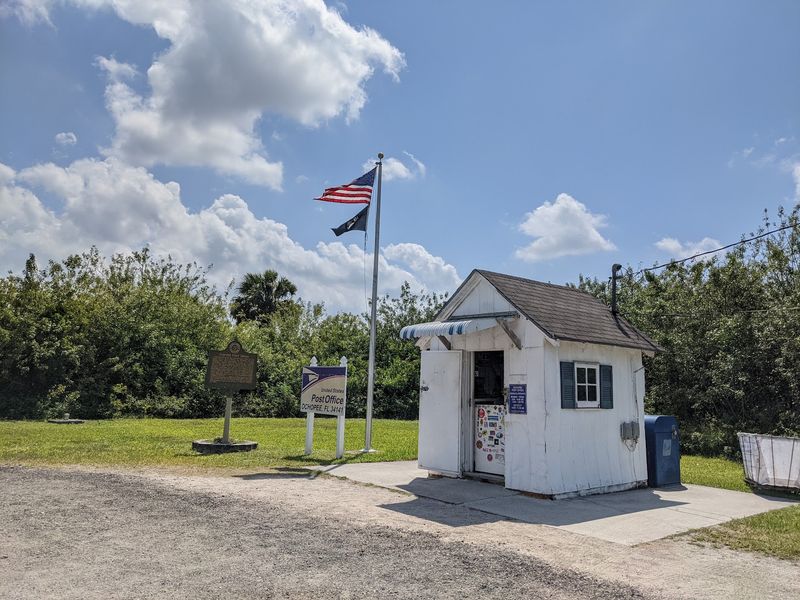
Sixty-one square feet. That is all the space inside the post office in Ochopee, and it is famous for being the smallest operating post office in the United States.
The building started life as an irrigation pipe shed. After a fire in 1953 destroyed the original post office, the shed was quickly converted so mail service could continue. It was meant to be a quick fix, but it ended up becoming a local legend.
Out here in the Everglades, there is not much around except wide skies, wetlands, and the occasional tour bus. The little building still works, and it serves a three-county area, including nearby Miccosukee and Seminole communities. So this is not just a photo prop.
People really do send and receive mail here.
Visitors love to stop for a picture and often ask to have a letter stamped with the distinctive postmark. It makes a great souvenir, especially if you mail a postcard to a friend or to yourself.
A few handy tips: keep your visit short, since there is no room to wander inside. Bring a stamp or two and a pen. Pair the stop with a drive along the Tamiami Trail, where you can spot birds and maybe a gator sunning along the canal.
Small place, huge fun.
5. Lake Wales: Where Cars Roll Uphill
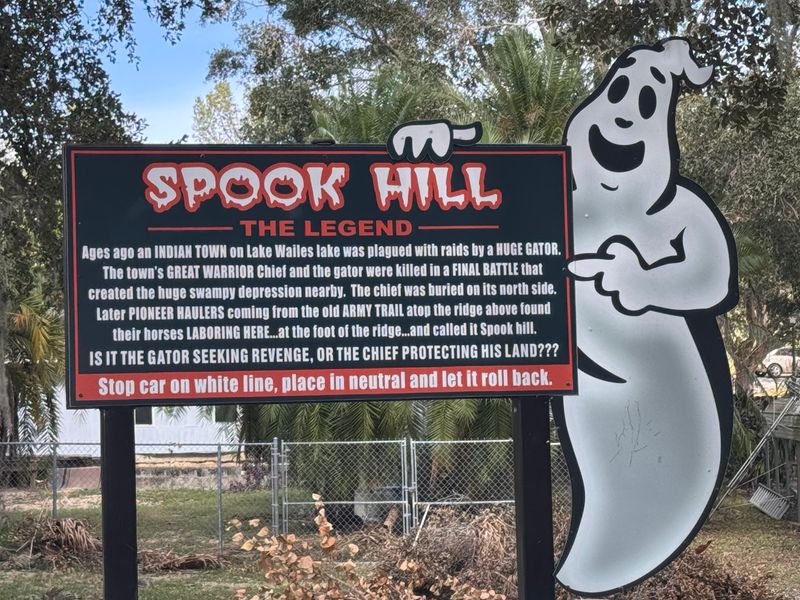
Put the car in neutral, take your foot off the brake, and wait. In Lake Wales, your vehicle may start creeping backward, and it will look like it is rolling uphill.
This is Spook Hill, one of Central Florida’s most famous oddities. Drivers line up at a white painted line at the bottom of the road, shift gears, and let the mystery begin. The effect is an optical illusion, because the land around the road tricks your eyes about which way is up.
Of course, the legend is more fun than the science. The tale says a mighty Native American chief and a giant gator once battled for ages, and their spirits still push cars to protect the land, or maybe to get revenge. Folks tell it with a wink, and kids love it.
The spot got an official nod when it was added to the National Register of Historic Places in 2019. That is pretty serious recognition for a hill that makes people giggle.
If you visit, keep these pointers in mind. Go when traffic is light, because the road is in a neighborhood. Make sure you follow the posted signs and stay safe.
Bring friends so you can compare reactions, and try it more than once. The second roll feels just as strange as the first.
6. Two Egg: A Name You Cannot Forget
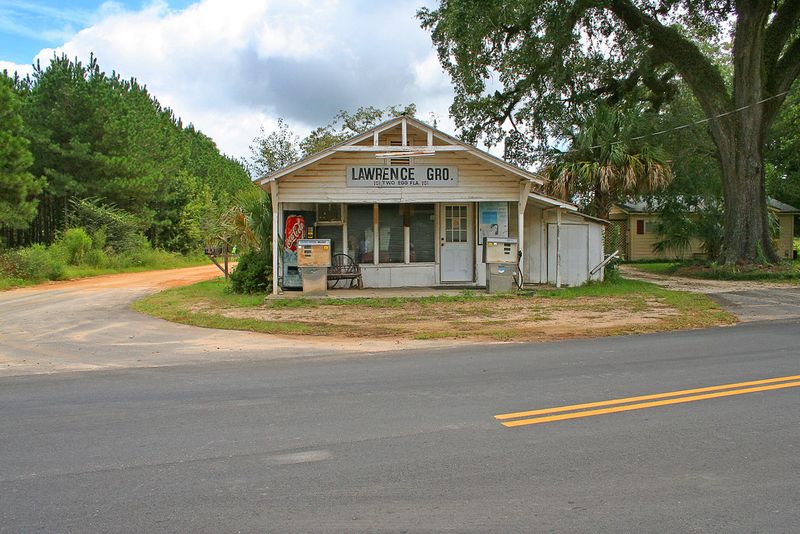
With a name like Two Egg, you almost have to ask for the backstory. This tiny community in Jackson County has plenty, and nobody agrees on a single version.
The most popular tale goes back to the Great Depression. Money was scarce, so kids supposedly traded two eggs at the local store for groceries. Traveling salesmen heard about it and began calling the place the two-egg town, and the label stuck.
Beyond the funny name, the town has other claims. Oscar-winning actress Faye Dunaway spent part of her childhood here, which gives locals a good bit of pride. Not bad for a place you could drive through in a minute.
Then there is the spooky side. People in the area share ghost stories, including the Ghost of Bellamy Bridge, and tales about a creature known as the Two Egg Stump Jumper. Whether you believe them or not, they make for great campfire chatter.
If you want to explore, take your time on the quiet country roads. Chat with folks if you can, because storytelling is a local specialty. Expect more farmland than attractions, and enjoy the slower pace.
Sometimes a funny name is all it takes to turn a dot on the map into a story you will repeat for years.
7. Weeki Wachee: Mermaids in the Spring
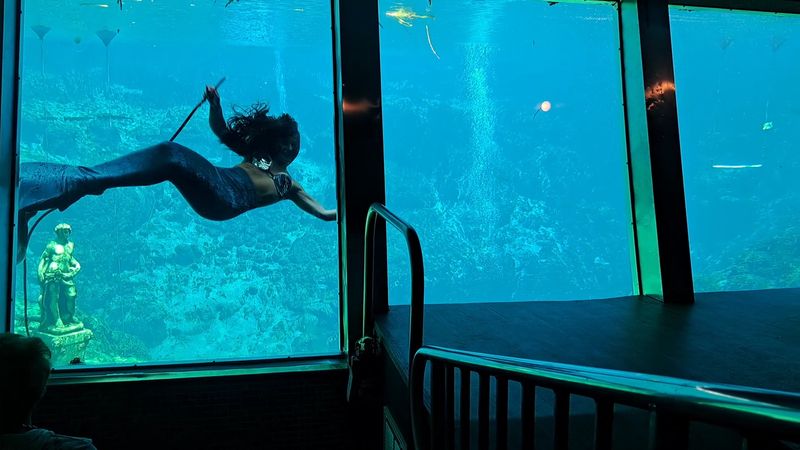
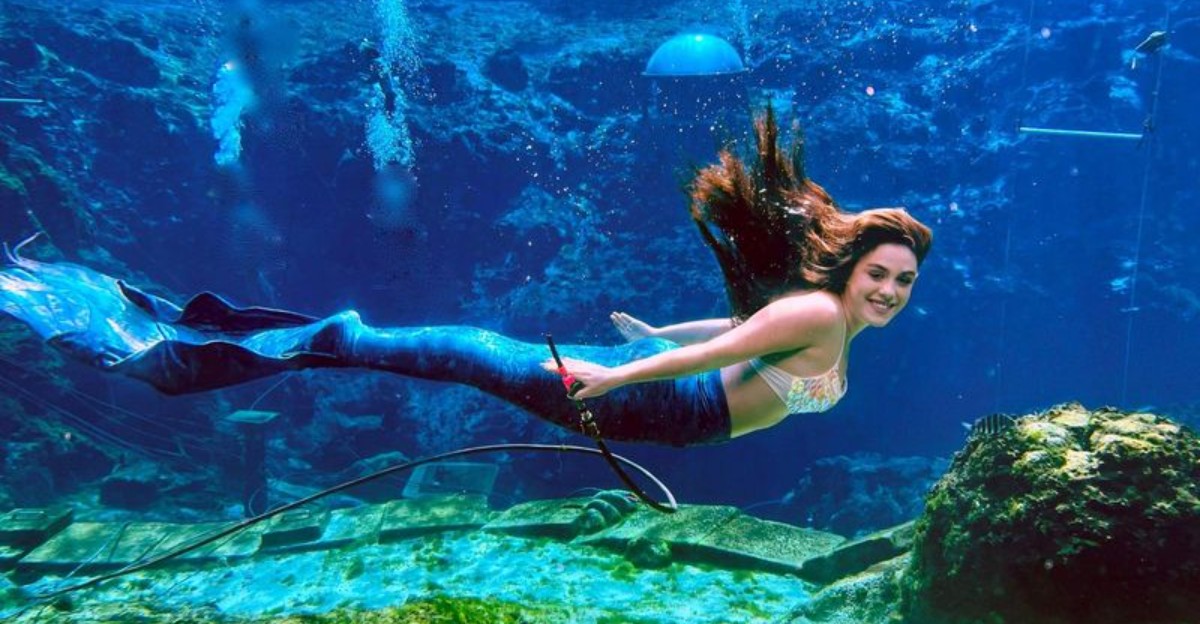
Sip a soda, wave at the audience, and smile, all while underwater. That is just another day for the mermaids of Weeki Wachee, who have been wowing crowds since 1947.
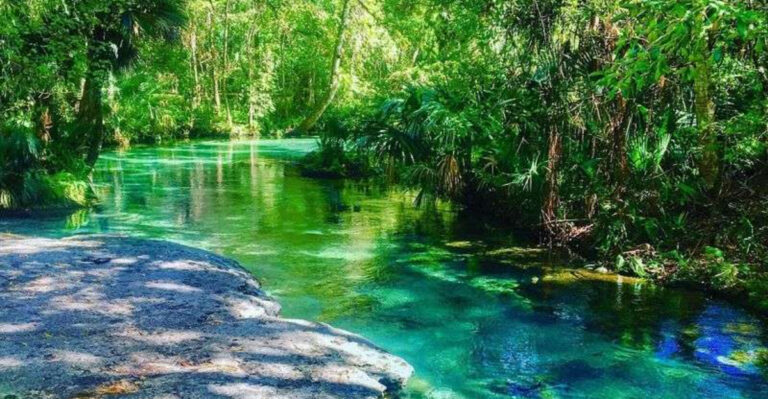
The attraction was started by Newton Perry, a former Navy man. He cleaned up the natural spring and taught women to breathe from hidden air hoses. Then he built a theater right into the water, so guests could watch the show through glass as if peeking into another world.
The performances include graceful ballet moves, and the mermaids even eat and drink while submerged. Doing that with a smile takes real skill and a lot of practice. It is the kind of act that makes kids gasp and grown-ups grin.
Today, Weeki Wachee Springs State Park keeps the tradition alive. It is a true relic of classic Florida roadside fun, from the days when families piled into the car to see something they had never seen before.
Plan ahead for the best trip. Check the show times when you arrive, and get seats early. Bring a swimsuit if you want to enjoy the spring or a paddle on the river.
Most of all, let yourself feel a little nostalgic. It is a splash of old Florida that still works its magic.