These 9 Florida Towns Turn Less Driving Into More Living
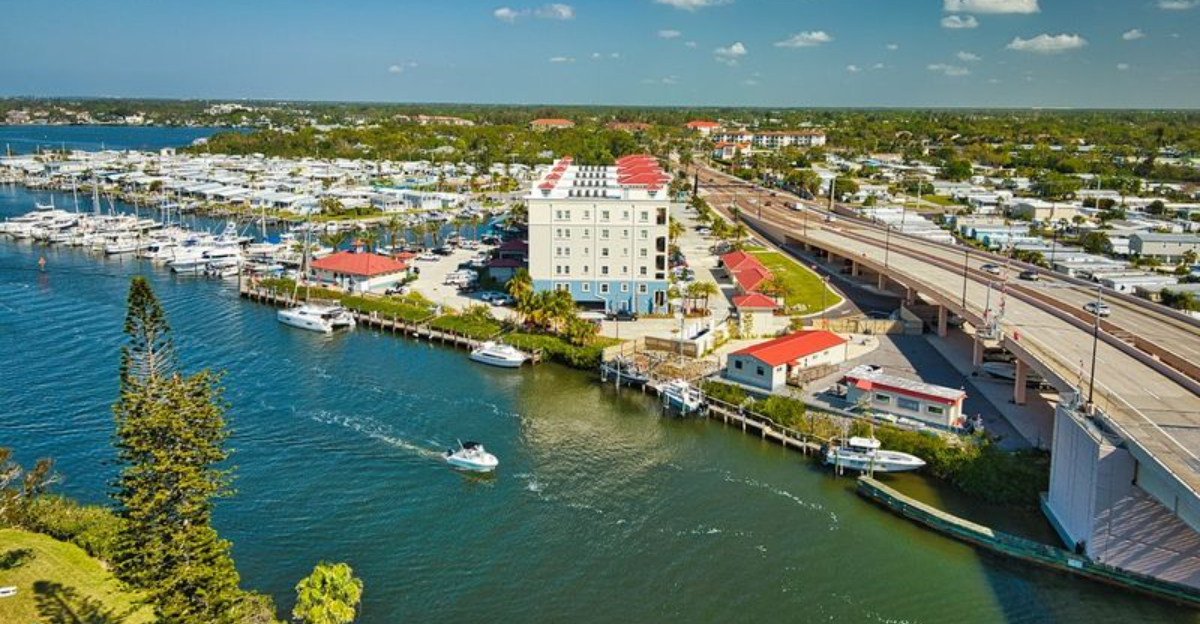
Florida is famous for its highways and sprawling suburbs, but not every corner of the Sunshine State requires a car to enjoy. Some towns here are built for strolling, biking, and actually talking to your neighbors.
Whether you’re craving waterfront coffee shops, quirky art galleries, or weekend farmers markets within walking distance, these nine Florida towns prove that slowing down is actually the fastest way to fall in love with a place.
1. Tarpon Springs
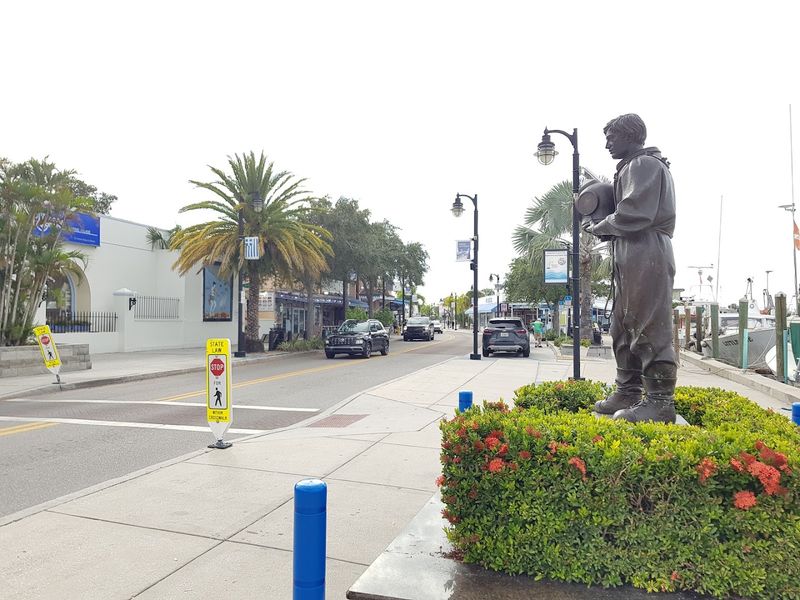
Picture yourself waking up, grabbing a pastry from a Greek bakery, and walking straight to the waterfront — all without touching your car keys. That is everyday life in Tarpon Springs, a small Gulf Coast gem that packs enormous personality into a very walkable footprint.
The famous Dodecanese Boulevard runs along the sponge docks and is one of the most strollable streets in all of Florida. Shops, restaurants, and street performers line the path, making it easy to lose two or three hours without realizing it.
The whole area feels like a little slice of Greece dropped into Pinellas County.
Beyond the docks, the historic downtown district offers antique shops, coffee spots, and art studios that are all close enough to visit on foot in a single afternoon. The Anclote River Park and local bayou trails give walkers and cyclists a natural escape without needing to drive anywhere.
What makes Tarpon Springs stand out is how lived-in it feels. This is not a manufactured tourist town — real families have been here for generations, and that history shows up in the architecture, the food, and the community pride.
You will spot Greek Orthodox churches, hear sponge-diving stories, and find restaurants that have been serving the same recipes for decades.
The town also hosts regular festivals and outdoor events that spill right into the walkable core, so there is almost always something happening within easy reach. Parking is available, but honestly, once you arrive and park once, you probably will not need your car again until it is time to go home.
That kind of freedom is rare in Florida, and Tarpon Springs has mastered it beautifully.
2. Fernandina Beach
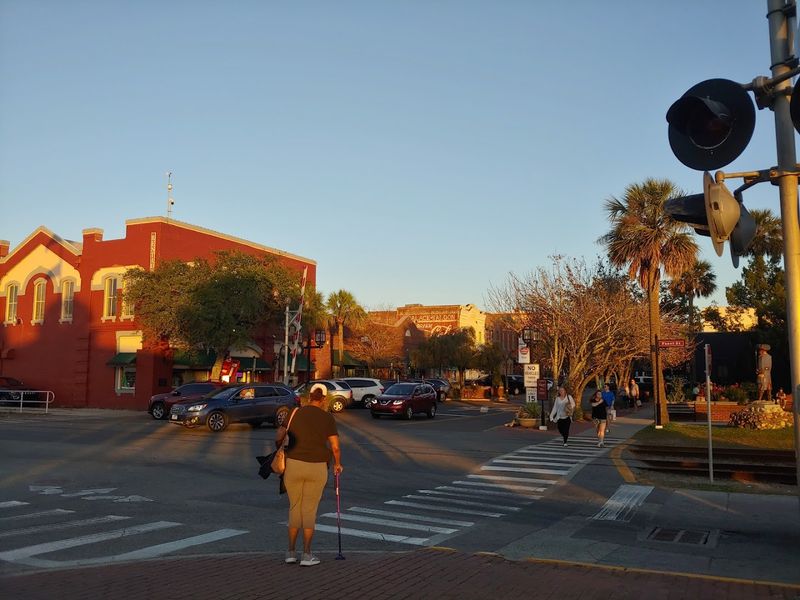
There is something almost storybook about Fernandina Beach, the small city on Amelia Island that sits at Florida’s northeastern tip. The Victorian-era buildings lining Centre Street look like they belong in a film set, but they are very real — and very walkable.
Centre Street is the heartbeat of the community. Independent restaurants, wine bars, bookshops, and boutiques cluster together in a stretch that rewards slow exploration.
You do not need a map or a rideshare app — just comfortable shoes and an appetite for discovery.
The historic district earned a spot on the National Register of Historic Places, and it shows. More than 50 blocks of preserved 19th-century architecture make walking here feel like a casual history lesson with good food involved.
Ghost tours, pub crawls, and art walks regularly use these streets as their stage.
Fernandina Beach also has a working shrimp boat fleet, and the docks are close enough to downtown that you can walk over and watch the boats unload their catch in the morning. That kind of authentic, unpretentious charm is getting harder to find in Florida, but this town holds onto it fiercely.
The beach itself is only a short bike ride from downtown, and the town maintains a network of paths that connect the two without forcing you onto busy roads. Families, retirees, and remote workers have all discovered what locals have known for years — that Fernandina Beach rewards people who slow down.
The town has a small-city rhythm that feels genuinely refreshing compared to Florida’s faster-paced coastal destinations. Once you spend a weekend here without driving much, you will start wondering why every Florida town is not built this way.
3. Mount Dora
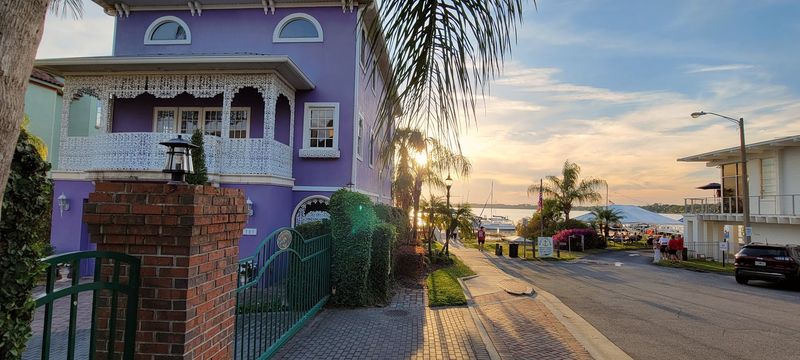
Mount Dora does not feel like Florida — and that is exactly the point. Perched on a hill above Lake Dora in Central Florida, this town has a New England-ish, antique-market-meets-art-festival energy that feels completely unlike the rest of the state.
The elevation alone sets it apart.
Downtown Mount Dora is compact, colorful, and built for foot traffic. Galleries, vintage shops, wine bars, and farm-to-table cafes line Donnelly Street and the surrounding blocks.
On any given weekend, you can spend an entire day wandering without running out of interesting things to look at or taste.
The town is especially famous for its festivals. The annual arts festival draws hundreds of thousands of visitors, and the antique fairs are legendary among collectors across the Southeast.
Even on regular weekends, the downtown hum is lively without feeling overwhelming.
Lake Dora adds another dimension to the experience. The lakefront area is walkable from the main shopping district, and a leisurely stroll along the waterfront offers views that feel nothing like the flat, crowded coastlines most people associate with Florida.
It is peaceful in a way that feels earned rather than manufactured.
Cyclists also love Mount Dora because the town connects to the Van Fleet Trail and other regional paths, making it a solid hub for car-free exploration of Lake County. The hills — yes, actual hills — make the ride more interesting than most Florida cycling routes.
Residents here tend to be proud of their town’s quirky, independent spirit, and that attitude shapes everything from the local businesses to the weekend events. If you have only ever seen Mount Dora on a map and never visited, you are genuinely missing one of Florida’s most underrated places to simply be present.
4. Lake Worth Beach
Lake Worth Beach is the kind of place where the murals are as interesting as the menus, and both are worth slowing down for. This small city on Palm Beach County’s coast has built a reputation as one of South Florida’s most creative and walkable downtowns — and it earns that reputation every single day.
Lake Avenue is the main drag, and it is loaded with independently owned restaurants, vintage clothing stores, tattoo parlors, and live music venues. The mix is eclectic in the best possible way.
On Friday nights, the street comes alive with vendors, performers, and locals who clearly love where they live.
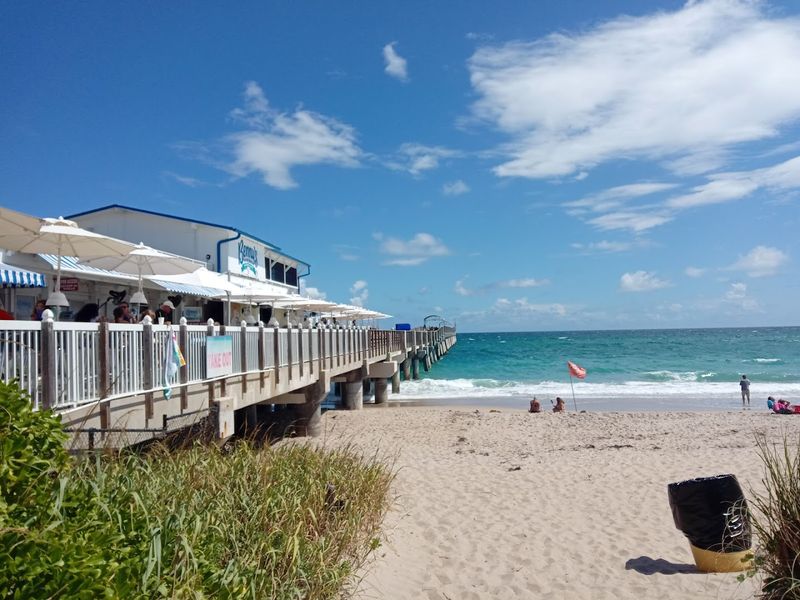
The beach itself is just a short walk from downtown, which is a combination most Florida cities dream about but rarely achieve. Families can park once in the morning and spend the whole day moving between the sand, the shops, and the restaurants on foot.
That seamless flow between beach and town is genuinely rare.
Lake Worth Beach has long attracted artists, musicians, and free spirits who wanted the warmth of South Florida without the pretension or the price tag of nearby Palm Beach. That history has shaped a downtown that feels authentic rather than curated for tourists.
The murals you see on buildings were painted by real local artists, not hired design firms trying to manufacture a vibe.
The Cultural Plaza, which includes a theater, a library, and a museum, is all within easy walking distance of the main shopping strip. Events like the street painting festival and the holiday parade draw thousands of people to the walkable core every year.
Lake Worth Beach rewards the curious traveler who is willing to ditch the car and just wander — because almost everything worth finding here is discovered on foot.
5. Lauderdale-By-The-Sea
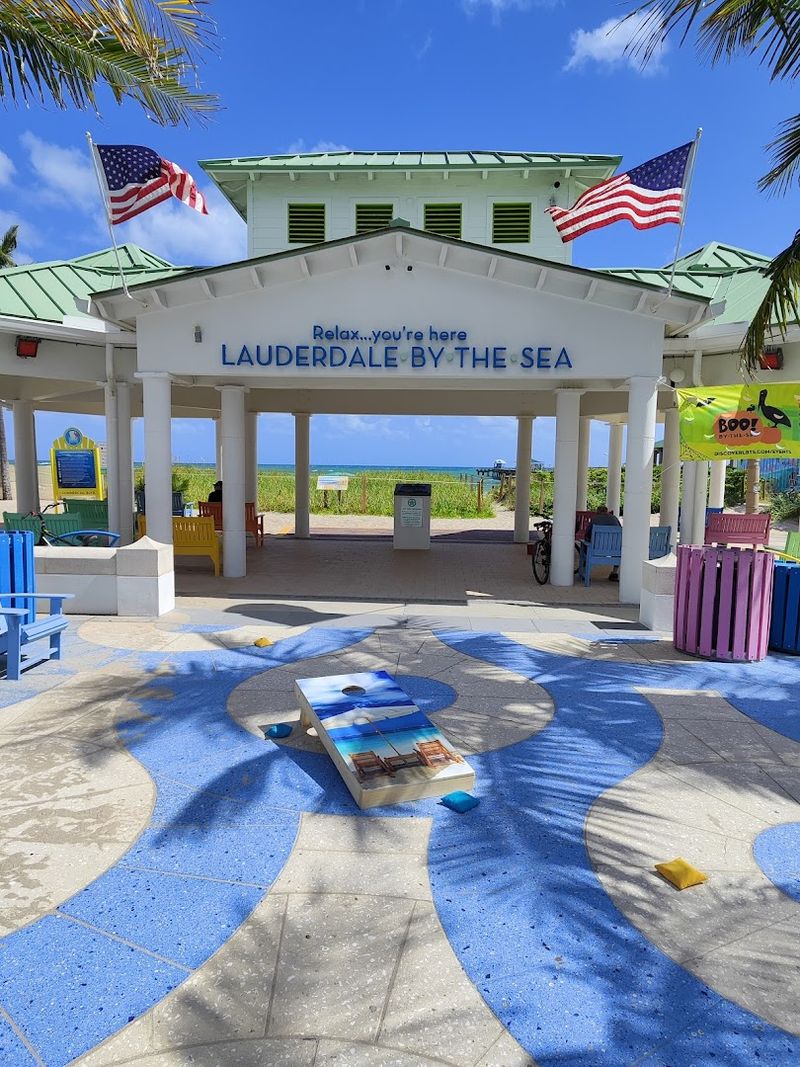
Sandwiched between Fort Lauderdale and Pompano Beach, Lauderdale-By-The-Sea operates at a completely different speed than its neighbors. This tiny beach town — just one square mile — has deliberately stayed small, and that choice has made it one of Broward County’s most walkable and beloved communities.
The commercial district sits almost directly on the beach, meaning you can grab breakfast at a sidewalk cafe, walk across the street, and have your toes in the sand within minutes. That kind of proximity between everyday life and the ocean is what people move to Florida hoping to find, and this town actually delivers it.
El Mar Drive and Commercial Boulevard form the town’s compact grid of shops and restaurants. Dive bars with live music, fresh seafood shacks, surf shops, and ice cream stands are all clustered tightly enough to explore on foot without any real effort.
The pier draws anglers and sightseers alike, and it is always free to walk out to the end.
Snorkeling is a big deal here because the town sits near a natural coral reef system that is accessible right from the beach. Visitors often rent gear from a shop downtown, walk to the water, and spend the morning underwater — no boat required.
That kind of accessible adventure is a huge part of what makes this place feel special.
The town has resisted the high-rise development that transformed so much of Broward County’s coastline, keeping the skyline low and the atmosphere neighborly. Locals ride bikes to restaurants, kids walk to the beach after school, and visitors quickly realize they do not need their rental car after the first morning.
Lauderdale-By-The-Sea is proof that in Florida, sometimes less square footage means more quality of life.
6. Winter Garden
Winter Garden used to be a quiet citrus town that most people drove past on their way somewhere else. Then the West Orange Trail arrived, and everything changed.
Today, this Central Florida gem is one of the state’s most celebrated examples of how a trail can completely transform a downtown.
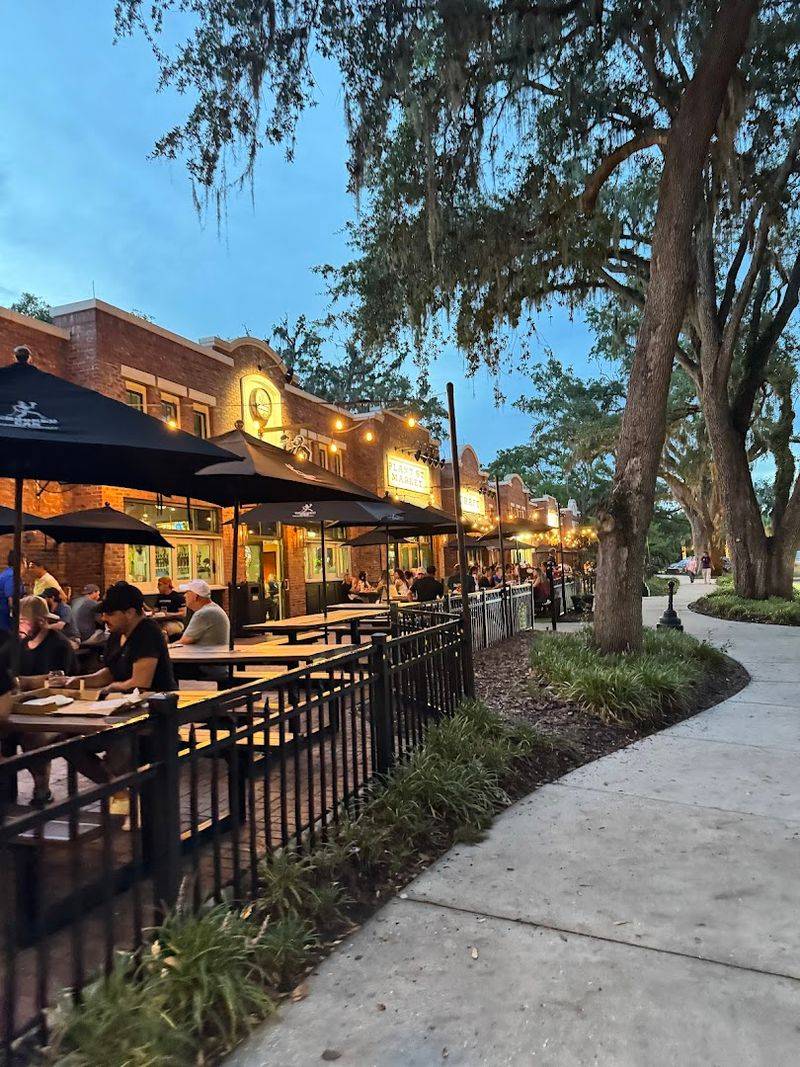
Plant Street is the center of it all. The brick sidewalks, the restored historic buildings, the weekend farmers market — it all comes together in a walkable corridor that feels like it was designed for people, not parking lots.
Restaurants spill out onto patios, and the pace of life on Plant Street feels genuinely unhurried.
The West Orange Trail runs directly through downtown, bringing cyclists, joggers, and inline skaters right into the heart of the shopping district. Bike rental shops line the trail entrance, making it easy for visitors to grab a bike and explore without ever needing a car.
The trail stretches for miles in both directions, connecting Winter Garden to neighboring communities and natural areas.
The farmers market on Saturday mornings is a local institution. Vendors selling Florida-grown produce, handmade goods, and hot food line up along the trail corridor, drawing a crowd that turns the whole area into one big outdoor living room.
It is the kind of weekly event that makes people feel rooted in a place.
Winter Garden has also invested heavily in its cultural scene, with a performing arts center and rotating public art installations that give the downtown personality beyond just shopping and eating. Families with kids especially love how safe and easy it is to navigate the whole area on foot or by bike.
This is a town that took its infrastructure seriously and built something worth living in — and it shows every single weekend.
7. Venice
Venice, Florida, has a name that invites comparisons to the Italian original, and while there are no gondolas, there is a downtown that moves at a similarly unhurried pace. This Gulf Coast city south of Sarasota has quietly built one of the most pleasant walkable downtowns in the entire state.
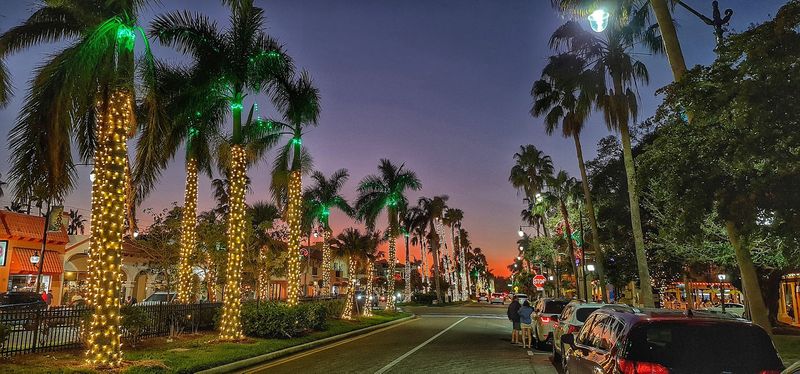
Venice Avenue is the main street, and it is a genuinely lovely place to spend a few hours. Wide sidewalks, mature trees, and a mix of restaurants, galleries, and specialty shops create an atmosphere that feels both relaxed and refined.
The architecture has a Mediterranean Revival style that gives the whole downtown a visual coherence most Florida cities lack.
The beach is about a mile from downtown, and the city has made that walk easy and pleasant with a dedicated path that runs through a shaded park. Many residents do that walk daily — to the beach in the morning, back to the coffee shop after, maybe to the farmers market on weekends.
The whole routine is car-free and deeply satisfying.
Venice is also famous for its shark teeth. The beach here is one of the best places in the world to find fossilized shark teeth, and kids absolutely lose their minds over it.
That quirky claim to fame draws visitors who then discover the walkable downtown and often end up staying much longer than planned.
The Legacy Trail, a paved multi-use path, connects Venice to Sarasota and gives cyclists and runners a car-free corridor through some of Florida’s most scenic landscapes. Venice has also invested in its arts scene, with galleries and a performing arts center that keep the cultural calendar full.
For a relatively small city, Venice punches well above its weight in livability — and most of that livability happens outside of a car.
8. Dunedin
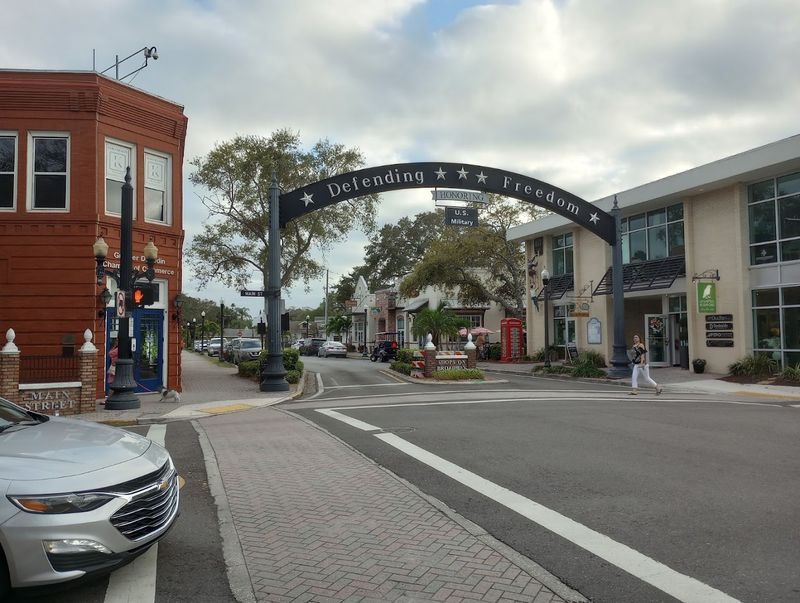
Dunedin might be the most fun small town in Florida, and it earns that title with zero apology. This Scottish-heritage city on the Pinellas County coast has a downtown that buzzes with craft breweries, live music, outdoor dining, and an energy that feels like a permanent block party — all without requiring a single car trip once you arrive.
Main Street and Edgewater Drive form the core of the walkable district, and they are packed with personality. Dunedin is one of the craft beer capitals of Florida, with multiple breweries within easy walking distance of each other.
The unofficial brewery crawl is a local tradition that visitors adopt immediately upon arrival.
The Pinellas Trail runs right through downtown, connecting Dunedin to St. Petersburg and Tarpon Springs via a paved multi-use path. Cycling here is not just possible — it is genuinely enjoyable.
Cyclists regularly ride in from neighboring cities, lock up near downtown, and spend the afternoon hopping between breweries, seafood spots, and waterfront parks without any need for a car.
The waterfront itself is a major asset. Dunedin’s marina and Edgewater Park sit at the end of a short walk from Main Street, and the sunsets over St. Joseph Sound are the kind that stop conversations mid-sentence.
Honeymoon Island State Park, one of Florida’s most beloved beaches, is just a short drive or bike ride away — though many locals take the ferry from the marina.
Dunedin also has a thriving arts community, a beloved weekend market, and a calendar full of festivals celebrating everything from Highland games to blues music. The town is consistently ranked among Florida’s most walkable communities, and residents are genuinely proud of that distinction.
Spending a weekend here without touching your car keys is not just possible — it is the whole point.
9. DeLand
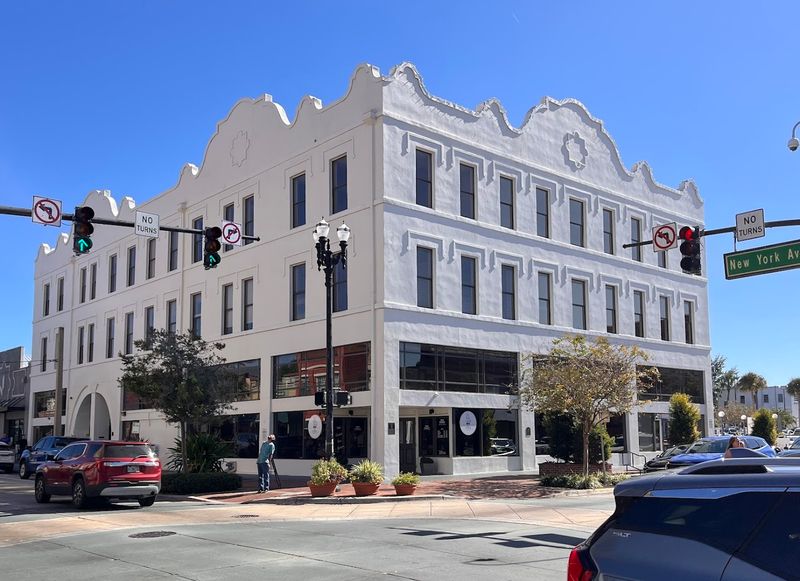
DeLand is the kind of town that makes you reconsider everything you thought you knew about Central Florida. While most of the region sprints toward theme parks and toll roads, DeLand takes a long, shaded walk down Woodland Boulevard instead — and it is absolutely the better choice.
Woodland Boulevard is the spine of DeLand’s walkable downtown, and it delivers on every level. Locally owned restaurants, independent bookstores, art galleries, and coffee shops line both sides of the street for several blocks.
The tree canopy overhead gives the whole corridor a cool, almost collegiate atmosphere — which makes sense, since Stetson University sits right at the edge of downtown and adds a youthful energy to the mix.
Stetson’s campus is beautiful and open to the public, making it a natural extension of the walkable experience. Students, professors, and residents all share the same sidewalks, coffee shops, and weekend markets, creating a community dynamic that feels genuinely integrated rather than artificially manufactured.
The arts scene in DeLand is surprisingly robust for a city its size. The Athens Theatre, a beautifully restored 1920s venue, anchors the cultural life of the downtown and hosts everything from Broadway-style productions to film screenings.
The Museum of Art is also within easy walking distance and regularly features rotating exhibitions from regional and national artists.
DeLand has also made significant investments in its bike infrastructure, with paths connecting the downtown to Spring Garden Ranch and the St. Johns River area for those who want to combine urban walkability with natural Florida scenery. The weekly farmers market on Saturdays brings the whole community together in the heart of downtown.
People who discover DeLand often describe it with the same word: surprised. Surprised that something this good was hiding in plain sight the whole time.