These Florida Towns Were Nearly Forgotten, but They’re Coming Back to Life
Florida isn’t just about Miami beaches and Orlando theme parks. Scattered across the state are small towns that once thrived but slowly faded as highways bypassed them and younger generations moved away. Now, something remarkable is happening in these overlooked corners of the Sunshine State.
Artists, entrepreneurs, and families seeking authentic charm are breathing new life into forgotten Main Streets, turning sleepy communities into vibrant destinations worth discovering.
1. Apalachicola
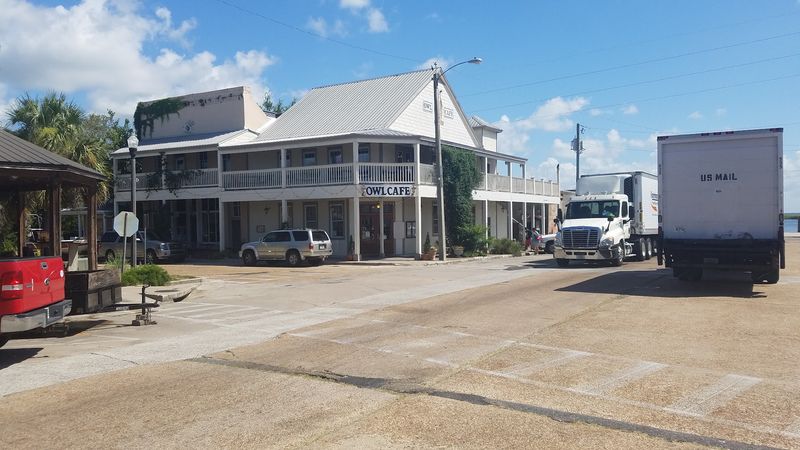
Tucked along Florida’s Forgotten Coast, this fishing village nearly vanished when the oyster industry collapsed. Empty storefronts lined the waterfront, and the population dwindled as families left for steadier work elsewhere. But Apalachicola refused to disappear quietly.
Today, the town pulses with renewed energy. Historic buildings that once stood vacant now house galleries showcasing local artists, boutiques selling handcrafted goods, and restaurants serving Gulf-to-table cuisine. The oyster industry is making a comeback too, with restoration projects bringing hope to watermen who never gave up on their heritage.
Visitors wander brick streets admiring Victorian architecture that’s been lovingly restored rather than bulldozed for condos. The Boss Oyster and other waterfront spots draw crowds who come for fresh seafood and stay for sunset views over Apalachicola Bay. Festivals celebrating the town’s maritime culture pack the streets with music and laughter.
What makes this comeback special is how residents preserved authenticity while welcoming change. You won’t find chain stores or cookie-cutter development here. Instead, there’s a palpable sense that people care deeply about maintaining the character that makes Apalachicola unique.
Young families are moving in, attracted by affordable historic homes and a tight-knit community. Artists find inspiration in the coastal light and slower pace. The town that almost faded into memory is writing a new chapter, proving small places can thrive without losing their soul.
2. Micanopy
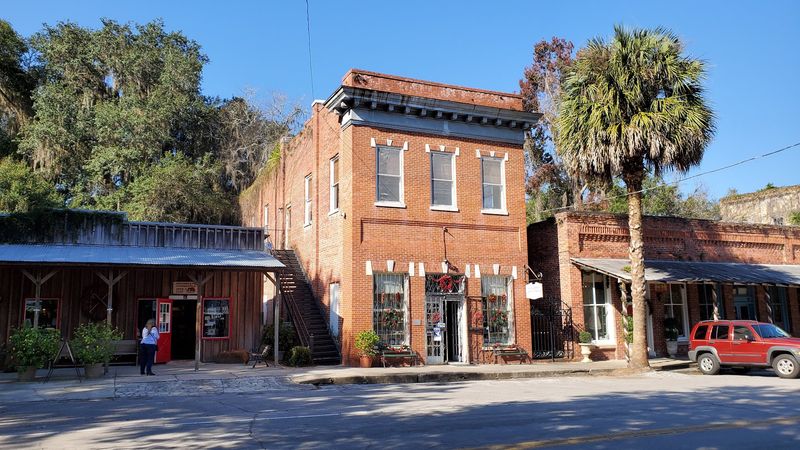
Step into Micanopy and you’ll swear you’ve traveled back in time. This tiny town south of Gainesville was once a bustling trading post, but decades of decline left it nearly empty. Antique stores outnumbered residents, and many wondered if Micanopy would survive at all.
Then something unexpected happened. People started noticing the town’s unspoiled Old Florida character, the kind that’s been paved over almost everywhere else. Massive live oaks dripping with Spanish moss shade brick sidewalks.
Wooden storefronts look like movie sets but they’re genuine relics from the 1800s.
Artists and craftspeople began opening studios in the affordable buildings. Weekend visitors from Gainesville discovered charming cafes and eclectic shops tucked along Cholokka Boulevard. What started as a trickle of interest became a steady stream of people seeking authenticity in an increasingly homogenized world.
The town’s revival hasn’t meant sacrificing its sleepy character. There are no traffic lights, no chain restaurants, no rush. Micanopy remains defiantly unhurried, which turns out to be exactly what people crave.
Antique hunters still prowl the shops, but now they’re joined by foodies sampling farm-to-table restaurants and history buffs exploring one of Florida’s oldest inland towns.
Local preservationists work hard to maintain the balance between growth and character. New businesses must fit the historic aesthetic. Development happens slowly, thoughtfully.
Micanopy’s comeback proves that sometimes the best way forward is honoring what made a place special in the first place.
3. Cedar Key
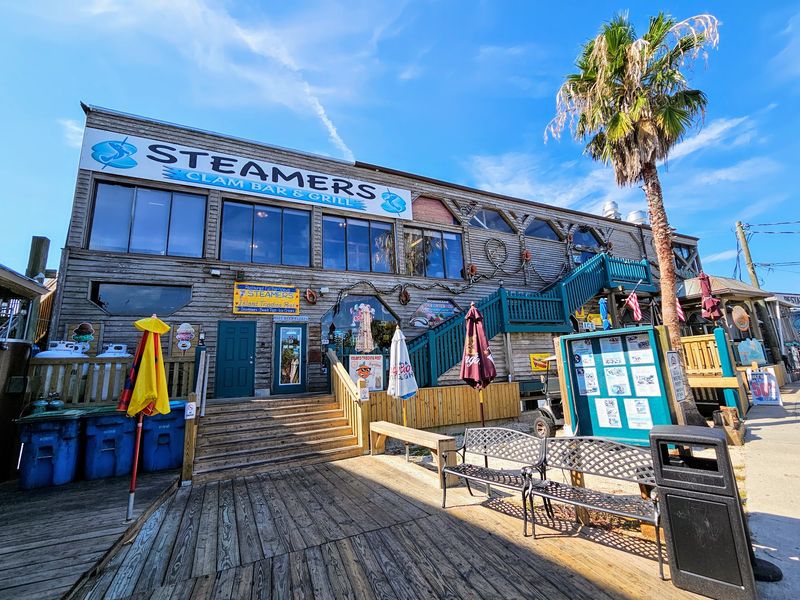
Out on Florida’s Nature Coast, Cedar Key nearly became a ghost town after the pencil mills closed and hurricanes battered the small island community. The population shrank, buildings crumbled, and many assumed the isolated village had no future. They were wrong.
Cedar Key’s remoteness, once a liability, became its greatest asset. Artists discovered the unspoiled beauty and reasonable rents. Retirees seeking peaceful waterfront living found a welcoming community.
Slowly, the island’s fortunes reversed as people invested in restoring historic structures and opening businesses that celebrated rather than exploited the natural setting.
The waterfront that once stood neglected now bustles with activity. Restaurants serve clams harvested from nearby waters. Art galleries display works inspired by spectacular sunsets over the Gulf.
Kayakers and birdwatchers flock to the surrounding wildlife refuge, bringing tourist dollars that help sustain the local economy.
What’s remarkable is how Cedar Key avoided becoming another overdeveloped beach town. Strict building codes preserve the low-key vibe. There are no high-rises, no mega-resorts, no neon-lit tourist traps.
The island remains authentically funky, with weathered fish shacks standing alongside renovated cottages.
Annual events like the seafood festival and art shows draw thousands, but the town never feels overrun. Locals maintain a strong sense of stewardship, understanding that Cedar Key’s appeal lies in what it hasn’t become. The comeback here isn’t about transforming into something new but rediscovering value in what was nearly lost.
4. Mount Dora
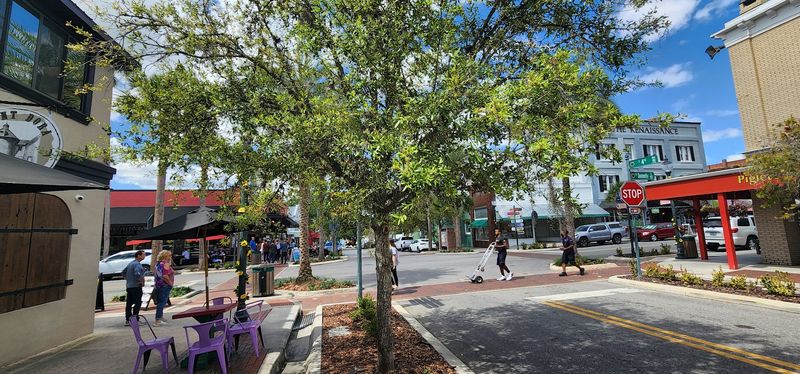
Perched on hills overlooking Lake Dora, this town seemed stuck in a time warp as Florida boomed around it. While Orlando exploded with theme parks and suburbs, Mount Dora languished with empty storefronts and an aging population. Then antique dealers started noticing the Victorian architecture and reasonable commercial rents.
What began as a few antique shops mushroomed into a thriving downtown packed with galleries, boutiques, and cafes. The town’s New England-style charm, rare in Florida, attracted visitors tired of strip malls and cookie-cutter developments. Mount Dora leaned into its quirky identity rather than fighting it.
Festivals became the engine driving revival. Art shows, craft fairs, and vintage boat festivals filled hotels and restaurants. Young entrepreneurs saw opportunities and opened breweries, farm-to-table eateries, and specialty shops.
The demographic shifted as families and professionals discovered a walkable downtown with actual character.
Lakefront parks that were once neglected got makeovers. The historic Lakeside Inn, Florida’s oldest continuously operating hotel, underwent restoration. Trolley tours highlighted architectural gems that had been ignored for decades.
Mount Dora transformed from forgotten backwater to sought-after destination.
The revival hasn’t been without challenges. Rising property values worry some longtime residents. But overall, the town has managed growth remarkably well.
Strict design standards keep new construction compatible with historic buildings. Local ownership remains strong. Mount Dora proves a small town can prosper without selling its soul, attracting people precisely because it refused to become like everywhere else.
5. DeLand
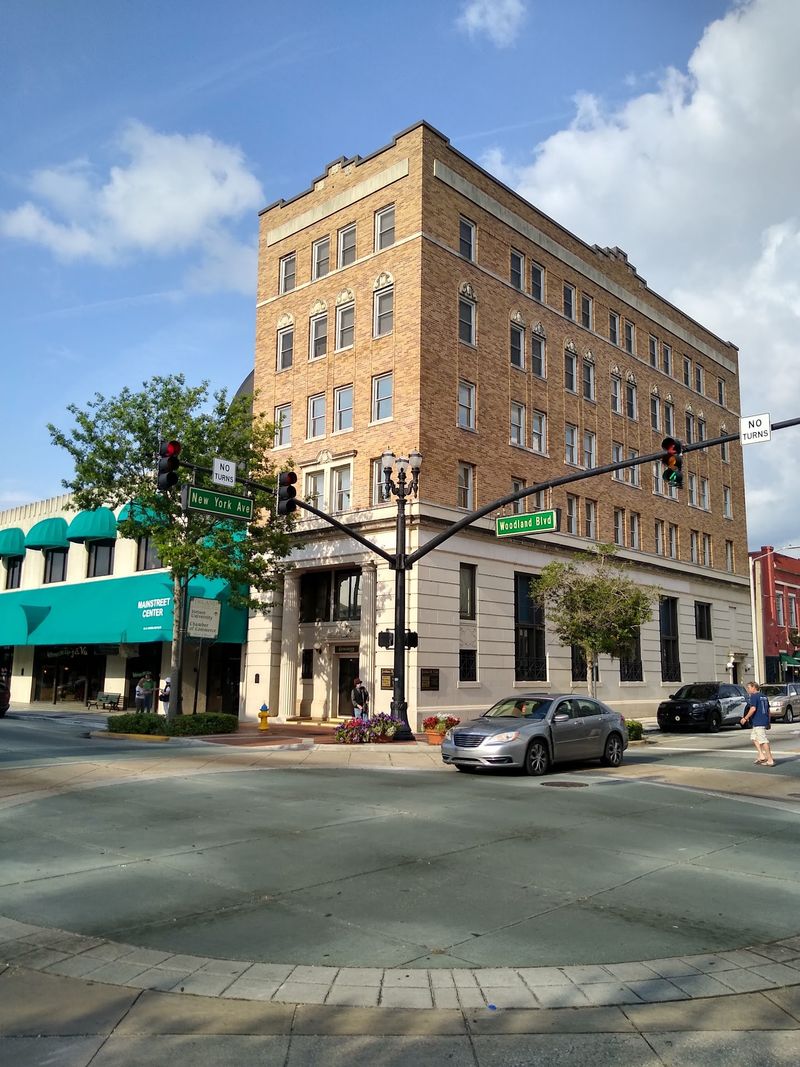
Home to Stetson University, DeLand should have thrived, but for decades the downtown withered as students and residents fled to suburban shopping centers. Historic buildings fell into disrepair. Businesses closed.
The heart of this once-proud city seemed beyond saving.
Then a grassroots movement began changing the narrative. Local advocates fought to preserve endangered buildings. Artists moved into cheap studio spaces downtown.
The university strengthened ties with the community, encouraging students to engage with local businesses rather than just passing through.
Craft breweries opened in renovated warehouses. Farm-to-table restaurants replaced tired diners. Galleries and performance spaces brought cultural vibrancy.
Slowly, people rediscovered reasons to spend time downtown instead of just driving past on their way somewhere else. The turnaround gained momentum as success bred more investment.
What distinguishes DeLand’s comeback is the intentional focus on arts and culture. Public murals brighten once-drab walls. Monthly events like gallery walks and outdoor concerts create community gathering points.
The historic Athens Theatre reopened as a performing arts venue, hosting everything from indie films to live music.
Young professionals and families are moving to neighborhoods near downtown, attracted by walkability and authentic character. Property values are rising but haven’t yet priced out locals entirely. Challenges remain, particularly ensuring growth benefits longtime residents, not just newcomers.
Still, DeLand demonstrates how a struggling downtown can reinvent itself by investing in culture, preservation, and community rather than chasing generic development that could happen anywhere.
6. Sanford
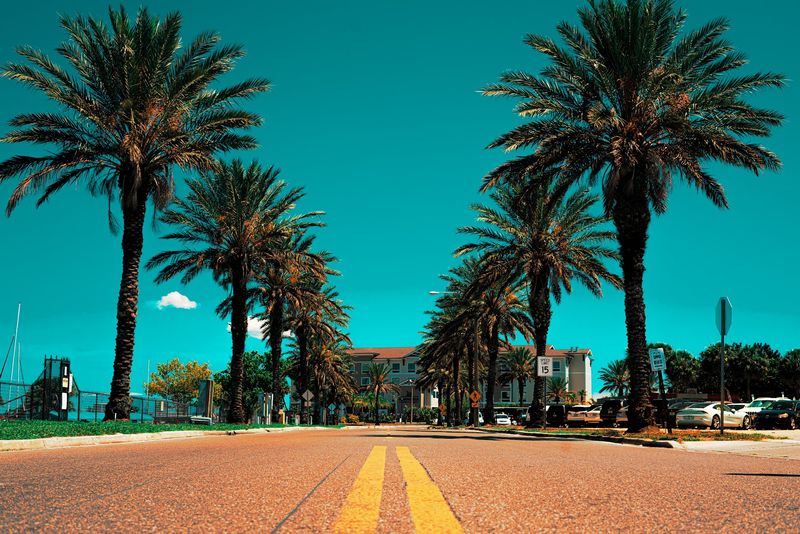
Sanford’s downtown once thrived as a shipping hub on Lake Monroe, but when railroads declined and highways bypassed the city, the waterfront district became a shadow of its former self. Buildings stood vacant, businesses fled to newer areas, and crime problems scared away the few who might have invested in revival.
Fast forward to today and Sanford’s transformation is remarkable. The historic downtown is now one of Central Florida’s hottest destinations. Breweries, wine bars, and restaurants pack First Street.
The waterfront RiverWalk draws joggers, families, and tourists. Monthly events like Alive After Five bring thousands to streets that were once empty after dark.
What sparked the change? A combination of civic investment and entrepreneurial energy. The city improved infrastructure and created incentives for historic building renovation.
Risk-taking business owners saw potential where others saw decay. Artists and creatives found affordable spaces and built a vibrant cultural scene.
The marina that once sat neglected now bustles with boats and waterfront dining. Historic buildings house everything from comedy clubs to upscale boutiques. Sanford even became a filming location, with its authentic period architecture attracting production companies.
Each success story attracted more investment, creating a virtuous cycle.
Challenges persist, especially ensuring longtime residents benefit from rising property values and new opportunities. Gentrification concerns are real. But Sanford’s revival shows how a determined community can reverse decades of decline.
The city that nearly faded away is now a model for downtown revitalization, proving that waterfront charm and historic character never truly go out of style.
7. Palatka
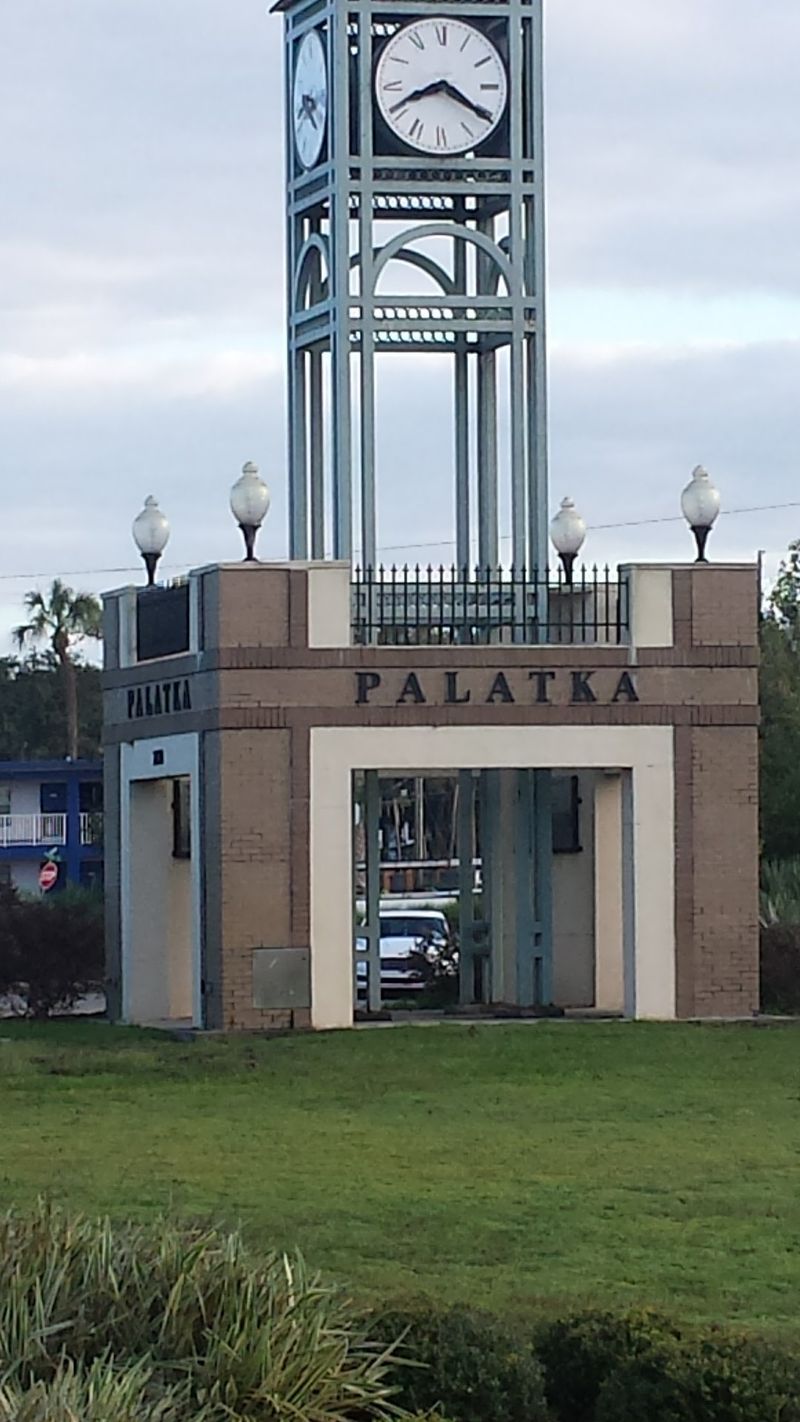
Positioned along the St. Johns River, Palatka was once a winter resort destination for wealthy northerners. But as Florida tourism shifted to beaches and theme parks, this river town faded badly. Downtown became synonymous with vacancy and neglect.
Many wrote Palatka off as beyond hope.
Yet something stubborn persists in communities that refuse to die. Local advocates started small, cleaning up parks and organizing festivals. They highlighted Palatka’s surprising assets like the Ravine Gardens State Park and historic murals depicting the town’s past.
Slowly, people started noticing what remained rather than just what was lost.
Entrepreneurs began taking chances on empty storefronts. A craft brewery opened, then a farm-to-table restaurant. Artists moved into affordable studio spaces.
The riverfront, long ignored, became a focus for redevelopment. Walking trails and boat launches made the St. Johns River accessible again. What seemed impossible a decade ago now feels inevitable.
Palatka’s comeback is grittier and less polished than some Florida revivals, which somehow makes it more authentic. This isn’t a sanitized tourist version of a small town. Real people are working hard to rebuild something meaningful.
Challenges remain significant, from poverty to infrastructure needs, but momentum is building.
The annual Blue Crab Festival draws huge crowds, reminding everyone of Palatka’s potential. Historic buildings are slowly getting restored. New residents are discovering affordable housing and genuine community.
The town isn’t trying to become something it’s not. Instead, Palatka is rediscovering its identity as a river town with deep roots and untapped possibilities.
8. Punta Gorda
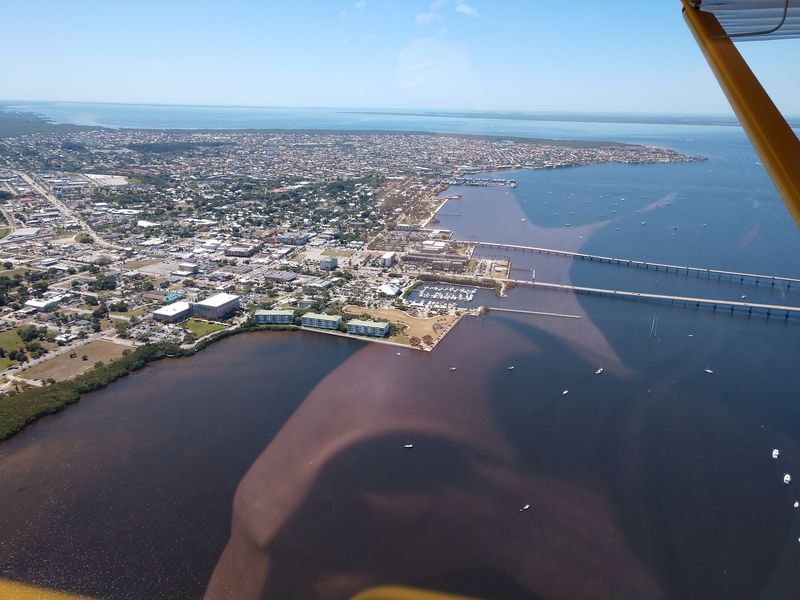
Hurricane Charley devastated Punta Gorda in 2004, leaving this already struggling town in ruins. Many residents simply left, convinced the small fishing community couldn’t recover. Insurance battles dragged on.
Buildings sat damaged for months. The future looked bleak.
But disaster sometimes creates opportunities for reinvention. As Punta Gorda rebuilt, residents made intentional choices about what kind of town they wanted to become. Instead of generic strip development, they invested in a walkable historic downtown.
Waterfront areas became parks and promenades rather than walled-off condos. The recovery became a revival.
Today, Punta Gorda’s downtown is a gem. Fishermen’s Village offers shopping and dining with harbor views. Gilchrist Park hosts concerts and community events.
The Linear Park trail system connects neighborhoods to the waterfront. What was once a sleepy, struggling town is now a sought-after destination for retirees and tourists alike.
The transformation went beyond physical rebuilding. Punta Gorda cultivated a strong arts scene with galleries and public installations. Annual festivals celebrating everything from wine to seafood draw visitors year-round.
The town earned recognition as one of Florida’s best small cities, an unthinkable achievement in the dark days after Charley.
Not everyone benefited equally from the changes. Rising costs pushed some longtime residents out. But overall, Punta Gorda’s comeback story inspires.
The town that could have died instead chose to rebuild thoughtfully, creating a community that honors its fishing village heritage while embracing new opportunities. Sometimes the hardest challenges force the best transformations.
9. Lake Placid
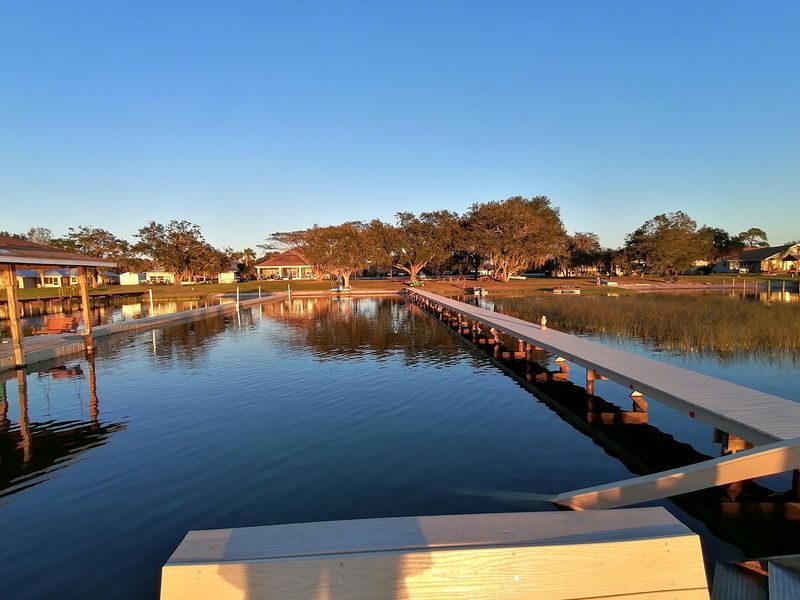
Known as the Town of Murals, Lake Placid almost became the town of nothing. This rural community in central Florida’s cattle country struggled as agriculture declined and young people left for cities. Downtown storefronts sat empty.
The few remaining businesses barely survived. Lake Placid seemed destined to become another faded dot on the map.
Then someone had a creative idea. What if murals could attract visitors and give the town identity? Artists began painting building walls with scenes celebrating Florida history, wildlife, and local culture.
Dozens of murals transformed blank walls into outdoor galleries. Tourists started coming specifically to see the artwork, spending money at local restaurants and shops.
The mural project sparked broader revitalization. Building owners invested in renovations. New businesses opened, catering to the growing visitor traffic.
Annual festivals and art events built on the momentum. Lake Placid discovered that celebrating its uniqueness, rather than trying to be like everywhere else, was the path forward.
Agriculture still matters here, but tourism now provides crucial economic support. The town maintains its rural character while welcoming newcomers. Antique shops, cafes, and galleries coexist with feed stores and ranch supply businesses.
It’s an unlikely but successful blend.
Lake Placid’s revival shows how creativity can save struggling communities. The murals cost relatively little but generated enormous returns by giving people a reason to visit and stay. The town that almost disappeared now has a clear identity and renewed purpose.
Sometimes the simplest ideas make the biggest difference.
10. Arcadia
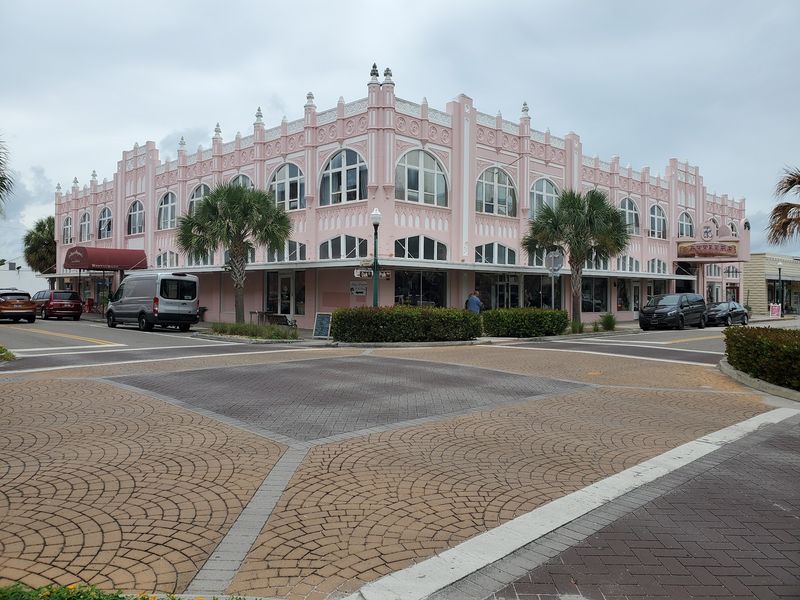
Arcadia lives and breathes rodeo culture, but that heritage wasn’t enough to save the downtown from decades of decline. As big-box stores opened on the outskirts, the historic center emptied out. Beautiful brick buildings from the early 1900s crumbled.
The famous All-Florida Championship Rodeo brought crowds twice yearly, but they didn’t stick around downtown.
Antique dealers were among the first to see potential in Arcadia’s affordable historic buildings. Shops opened in renovated storefronts, attracting weekend treasure hunters from across Florida. What started as a few stores grew into one of the state’s best antiquing destinations.
Visitors who came for vintage finds discovered a town with authentic cowboy character.
Local leaders recognized the opportunity and started investing in downtown improvements. Streetscapes got upgraded. Building owners received incentives to restore historic facades.
New restaurants and cafes opened, giving visitors reasons to linger beyond shopping. The rodeo tradition got better integrated with downtown businesses, creating a cohesive identity.
Arcadia still faces challenges. It’s a working ranching town, not a tourist fantasy. Poverty rates remain high.
But the downtown revival has created jobs and civic pride. Young families are moving to historic neighborhoods near the center. Murals celebrating cowboy culture brighten building walls.
Monthly events bring community together.
The town isn’t trying to become something it’s not. Arcadia embraces its cattle-country roots while finding new ways to sustain the economy. The combination of rodeo heritage, antique shopping, and small-town authenticity creates an identity that can’t be replicated.
Arcadia proves rural towns can thrive by celebrating what makes them different.
11. Brooksville
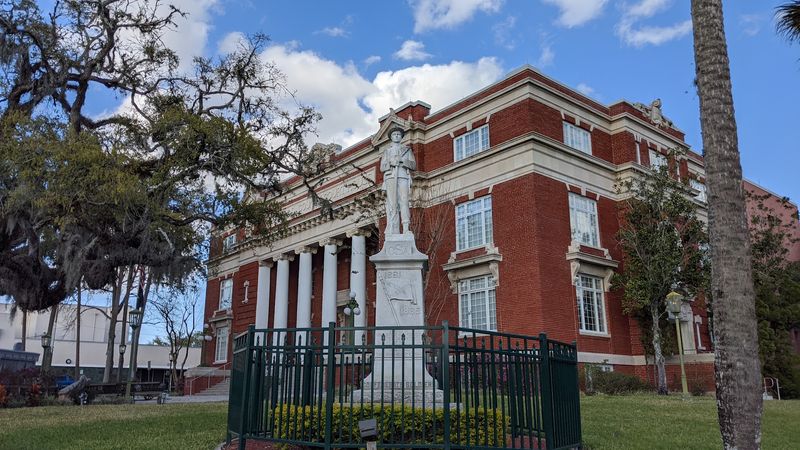
Brooksville sits on some of Florida’s rare hills, giving it topography unlike most of the state. But that uniqueness wasn’t enough to prevent downtown decline as newer development happened elsewhere. The historic courthouse square area languished.
Buildings needed repairs nobody could afford. Brooksville seemed stuck in permanent decline.
Change came gradually through determined local efforts. The city invested in façade improvement programs, helping building owners restore historic appearances. Antique shops and small businesses started filling empty spaces.
Community events like the annual Raid re-enactment brought visitors who discovered a charming downtown worth exploring beyond special occasions.
Brooksville’s revival is quieter than some Florida towns, but it’s real. New restaurants offer dining options beyond fast food chains. Coffee shops and boutiques give residents reasons to spend time downtown.
The historic Linda Pedersen Park provides green space for community gatherings. Slowly, the center of town is becoming a destination again rather than something people drive past.
The town’s historic homes in neighborhoods surrounding downtown are attracting buyers seeking character and affordability. Young families are discovering Brooksville as an alternative to expensive coastal areas. The slower pace and genuine community feel appeal to people tired of suburban sprawl.
Challenges remain, especially competing with commercial development along major highways. But Brooksville’s comeback shows that even modest progress matters. The town isn’t trying to become the next hot destination.
Instead, it’s focused on being a good place to live, work, and build community. Sometimes that’s enough to reverse the tide and create a future worth sticking around for.
12. Sebring
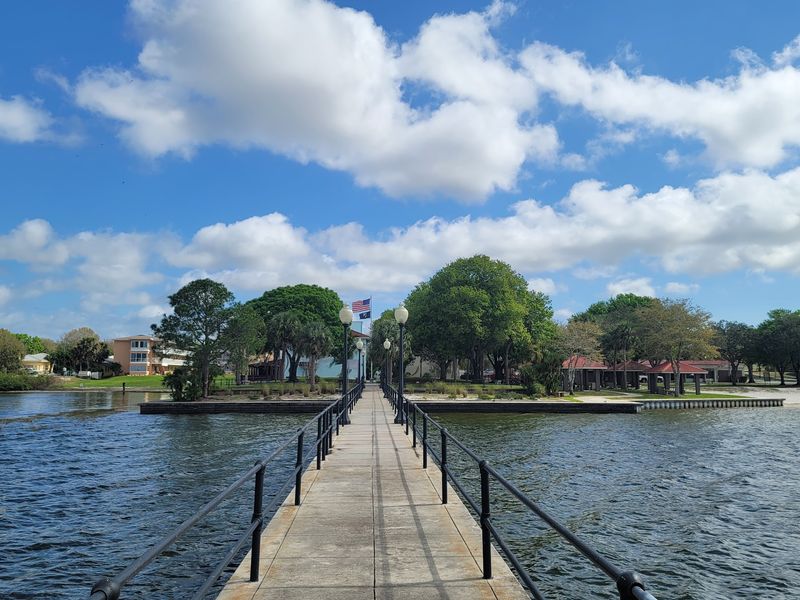
Famous for the 12 Hours of Sebring endurance race, this town discovered that hosting one major event yearly wasn’t enough to sustain downtown. Between races, the historic circle at the town’s center sat mostly empty. Businesses struggled.
Young people left. Sebring seemed destined to be known only for past glory.
But racing heritage became the foundation for broader revival. The town started leveraging its motorsports connection year-round, not just during the big race. Museums and attractions celebrating racing history opened.
Restaurants and breweries with racing themes attracted enthusiasts. What was once a liability became an asset when properly marketed.
Beyond racing, Sebring invested in its natural assets. The town sits amid beautiful lakes and citrus groves. Eco-tourism and outdoor recreation became development focuses.
Kayaking, fishing, and birding opportunities brought new visitors. The downtown circle got beautified with landscaping and public art. Building renovations restored historic charm.
Cultural events expanded beyond motorsports. Art galleries opened in renovated buildings. Music festivals and farmers markets activated public spaces.
The Sebring Historical Society worked to preserve and promote the town’s broader heritage. Diversity of attractions helped stabilize the economy beyond relying on racing alone.
Today, Sebring is finding its footing as a small city with multiple identities. Racing remains crucial, but it’s no longer the only story. Retirees are discovering affordable lakefront living.
Young families are moving to historic neighborhoods. Downtown has energy beyond race week. The comeback isn’t complete, but momentum is building.
Sebring proves that even specialized towns can diversify and thrive by honoring heritage while embracing new opportunities.