Think You Know Florida? These 10 Hidden Gems Will Surprise You
Florida is famous for its theme parks, beaches, and sunshine — but scratch beneath the surface and you’ll find a whole other state waiting to be explored. From underground caves to tropical gardens tucked inside Miami neighborhoods, the Sunshine State is packed with places most tourists completely miss.
Whether you’re a lifelong Floridian or a first-time visitor, these ten spots are guaranteed to make you see the state in a brand-new way. Get ready, because Florida just got a whole lot more interesting.
1. Oak Aged Farm (St. Cloud)

Most people think of Orlando when they hear St. Cloud, but tucked just south of all that theme park noise is Oak Aged Farm — a working farm experience that feels like stepping into a completely different world. It’s the kind of place where the air smells like fresh earth and the pace of life slows way down the moment you walk through the gate.
Oak Aged Farm offers visitors a genuine look at farm life, from the animals roaming the property to the hands-on activities that make it a favorite for families. Kids who’ve never seen where their food comes from suddenly become very curious students.
Adults tend to rediscover a quieter side of themselves they forgot existed.
What makes this spot stand out from your typical petting zoo is the authenticity. Nothing here feels staged or manufactured for a crowd.
The farm has real character — worn wooden structures, animals with personalities, and staff who clearly love what they do.
Weekend visits tend to book up faster than you’d expect, so planning ahead is a smart move. The farm often hosts seasonal events and farm-fresh markets that draw a loyal local crowd.
If you’ve never picked something directly from the source or fed a goat that has absolutely no manners, this is your moment.
St. Cloud residents have known about this spot for years, quietly keeping it to themselves. Now that word is getting out, Oak Aged Farm is earning the wider audience it deserves.
Skip the overpriced tourist traps for a day and give your family something real — muddy boots, fresh air, and memories that don’t come with a gift shop receipt.
2. The Kampong, National Tropical Botanical Garden (Miami)
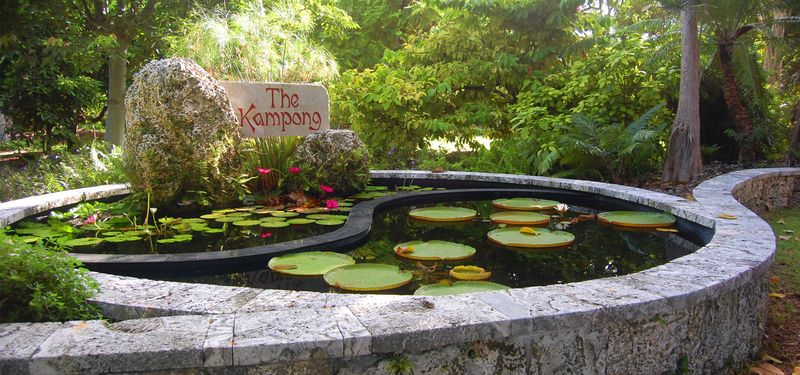
Hidden inside a quiet Coconut Grove neighborhood, The Kampong is one of Miami’s best-kept secrets — and honestly, that’s a little hard to believe once you see it. The property spans nearly nine acres of some of the most jaw-dropping tropical landscaping you’ll find anywhere in the continental United States.
The Kampong was once the private home of renowned plant explorer David Fairchild, who spent decades collecting rare plant species from around the globe and bringing them back to this very property. Walking through the garden today feels like following the trail of someone who had an extraordinary life.
Every tree and flowering plant seems to carry a story from somewhere far away.
Unlike the more commercial botanical gardens you might have visited before, The Kampong operates on a smaller, more intimate scale. Tours are guided, which means you actually learn something rather than wandering around wondering what you’re looking at.
The guides are knowledgeable and genuinely enthusiastic — the good kind of enthusiasm, not the rehearsed kind.
The variety of tropical fruit trees alone is worth the visit. Rare mangoes, unusual citrus varieties, and plants most people have never encountered in person grow throughout the grounds.
It’s a sensory experience that photos can’t fully capture — the fragrance alone hits differently than anything you’d find at a typical park.
Reservations are required, which keeps the crowd small and the experience personal. That exclusivity is actually a feature, not a drawback.
The Kampong sits just minutes from Biscayne Bay, making it easy to pair with a waterfront lunch afterward. Miami has a thousand things competing for your attention, but this one quietly earns a spot at the very top of the list.
3. Peace River (Bartow)
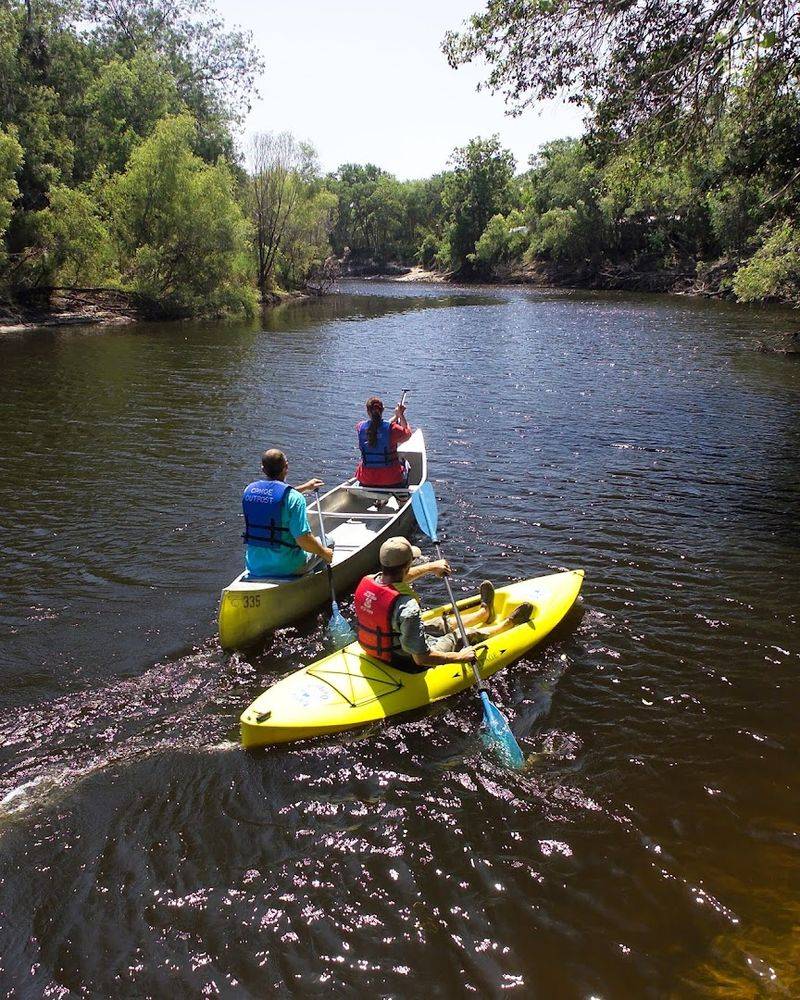
Somewhere between Bartow and the Gulf Coast, the Peace River moves quietly through one of the most underappreciated stretches of wild Florida left in the state. Paddlers who know about this river tend to guard the information like a treasure map.
That should tell you something.
The Peace River has a genuinely wild claim to fame: it’s one of the best places in Florida — possibly the entire Southeast — to find fossil shark teeth and prehistoric megalodon teeth eroding right out of the riverbed. You don’t need special equipment or expert knowledge.
A mesh bag, a little patience, and some willingness to wade around in the shallows is basically all the preparation required.
Canoe and kayak rentals are available through outfitters in the area, making a full-day float trip very accessible even for beginners. The river is calm enough for families with younger kids but long enough to satisfy paddlers looking for a real adventure.
Bald eagles, otters, and the occasional alligator keeping a respectful distance make the wildlife viewing genuinely excellent.
The surrounding landscape is classic Old Florida — wide open, unhurried, and completely free of neon signs or resort developments. That untouched quality is increasingly rare, which makes the Peace River feel more valuable every year.
Camping along the river is possible at designated sites, turning a day trip into a multi-day escape that’s hard to top.
Bartow itself is a charming small city with a historic downtown worth exploring before or after your time on the water. The Peace River doesn’t advertise itself aggressively, and that’s exactly what makes it special.
Sometimes the best experiences are the ones that let you come to them rather than chasing you down.
4. Hunsader Farms (Bradenton)
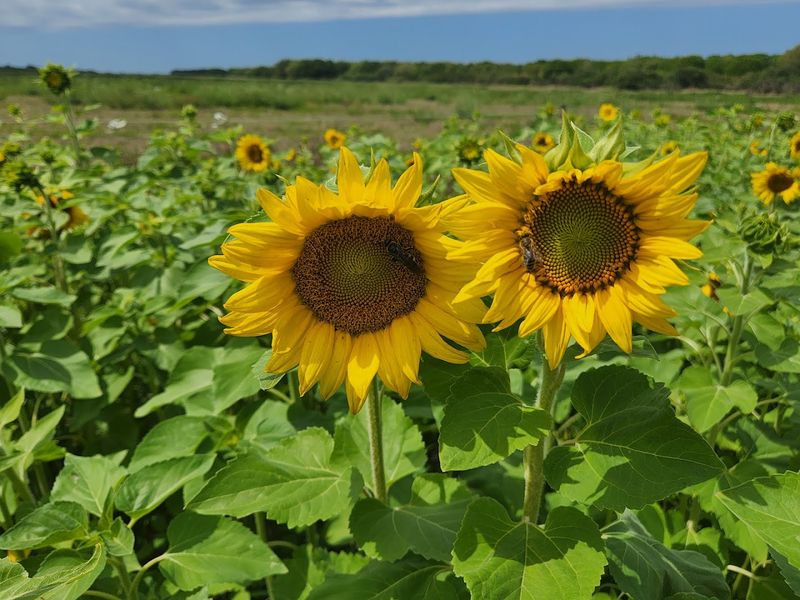
Every October, something magical happens on the outskirts of Bradenton. Hunsader Farms transforms into the kind of fall festival that makes you forget Florida doesn’t technically have autumn.
Thousands of pumpkins, live entertainment, farm animals, and enough fried food to make your doctor nervous — it’s a full sensory overload in the best possible way.
The Pumpkin Festival is the headline event, but Hunsader Farms is active well beyond October. The farm hosts seasonal events throughout the year, including a popular strawberry festival in the spring that draws crowds from across Manatee County and beyond.
The strawberries here taste the way strawberries are supposed to taste — nothing like the pale, flavorless ones at the grocery store.
What keeps people coming back year after year isn’t just the events — it’s the atmosphere. Hunsader Farms feels like a community gathering place rather than a commercial operation.
Local musicians perform live, kids run wild through corn mazes, and nobody seems particularly rushed. That relaxed, communal energy is genuinely hard to manufacture, and this farm has it naturally.
The farm market stocks fresh produce, homemade goods, and seasonal items that make for excellent gifts or just excellent snacking on the drive home. If you’ve never bought a jar of homemade pepper jelly from a Florida farm stand, consider this your official invitation to start.
It’s a life improvement you didn’t know you needed.
Bradenton doesn’t always get the credit it deserves as a destination, but Hunsader Farms is exactly the kind of place that puts a city on the map for the right reasons. Plan around a festival weekend for the full experience, but even a quiet weekday visit during harvest season has its own low-key charm that’s worth the short drive off the highway.
5. Safari Wilderness Ranch (Lakeland)
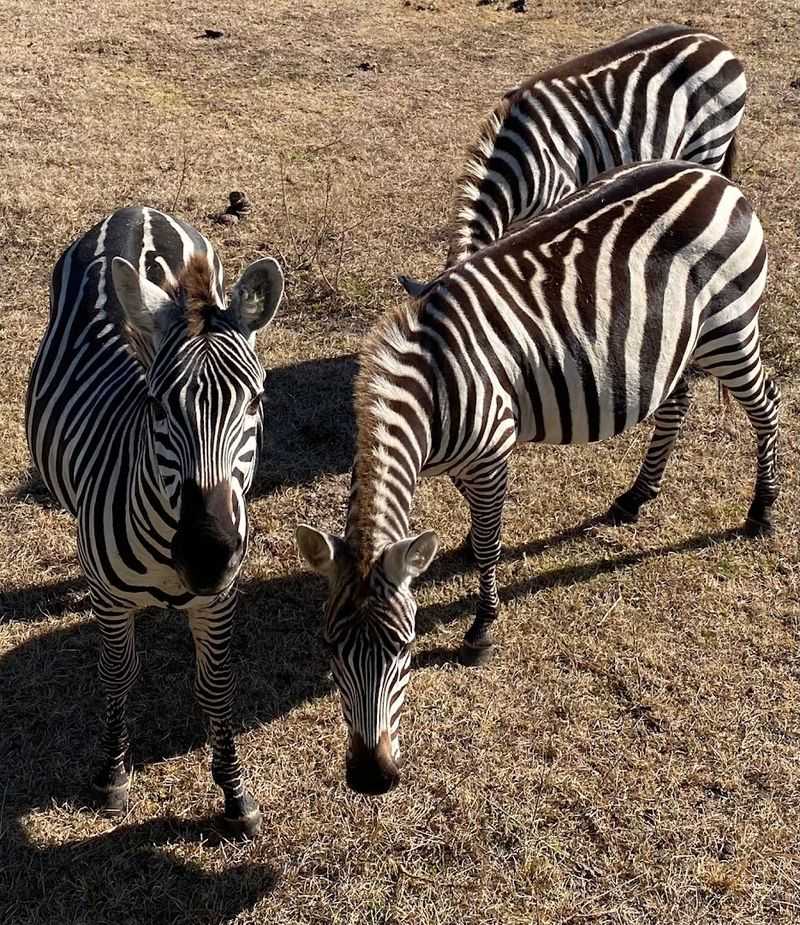
Here’s something you probably didn’t have on your Florida bingo card: a legitimate African-style safari experience operating less than an hour from Walt Disney World. Safari Wilderness Ranch in Lakeland is exactly what it sounds like, and somehow it keeps flying under the radar despite being one of the most genuinely thrilling things you can do in Central Florida.
The ranch covers over 260 acres of natural Florida terrain that’s been thoughtfully converted into roaming habitat for a remarkable collection of animals. Giraffes, zebras, rhinos, lemurs, and dozens of other species live here in conditions that prioritize their wellbeing over human entertainment.
That distinction matters, and you can feel it in how relaxed and natural the animals appear.
Safari options vary from open-air truck tours to kayaking through wetland habitats where you might find yourself floating past a herd of water buffalo. The variety of ways to experience the ranch is part of what makes it stand out.
There’s genuinely something for every type of visitor, from families with young children to adults who want a more immersive wildlife encounter.
The guides are knowledgeable and clearly passionate about conservation. They share context about each species, the challenges facing wildlife globally, and how ranches like this contribute to preservation efforts.
You leave with a fuller picture than you arrived with, which is a hallmark of a truly worthwhile attraction.
Lakeland doesn’t usually compete with Orlando for tourist attention, but Safari Wilderness Ranch makes a strong case for a detour. Booking in advance is strongly recommended — tours fill up quickly, especially on weekends and during school breaks.
Once you’ve had a giraffe lean into your open-air vehicle looking for a snack, no theme park ride quite compares.
6. St. Augustine Pirate & Treasure Museum (St. Augustine)
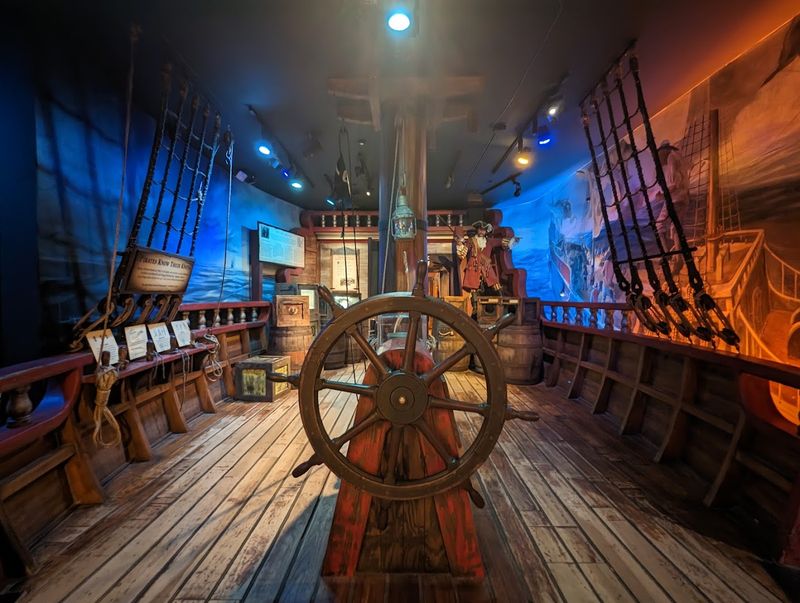
St. Augustine already has history stacked on top of history — it is the oldest city in the country, after all. But nestled along the waterfront is a museum that takes a specific and wonderfully swashbuckling slice of that history and presents it in a way that’s genuinely engaging for every age group.
The St. Augustine Pirate and Treasure Museum is not a gimmick. It’s a seriously impressive collection.
The museum houses one of the largest collections of authentic pirate artifacts in the world. Real items from the Golden Age of Piracy — actual treasure chests, weapons, navigational tools, and documents — are displayed alongside compelling storytelling that puts everything in historical context.
This isn’t a wax museum situation. The artifacts here are the real deal, and that authenticity changes the experience entirely.
Kids who walk in expecting something campy walk out with a genuine appreciation for what life at sea actually looked like during the 1600s and 1700s. The museum does an excellent job of separating pirate mythology from pirate reality, which turns out to be even more fascinating than the legends.
Real pirates were complicated, often desperate, and occasionally surprisingly democratic in how they operated their ships.
The location along St. Augustine’s historic waterfront adds another layer of atmosphere that’s hard to replicate. You’re standing in a city that was regularly threatened by pirates during its early colonial history, which makes the museum feel like a natural extension of the city itself rather than a random attraction dropped in for tourists.
Plan at least 90 minutes here if you want to absorb everything properly. The gift shop leans into the fun without being overwhelming, and the staff are enthusiastic without being theatrical.
St. Augustine has plenty of competition for your time, but this museum earns its spot on the itinerary every single time.
7. Central Florida Railroad Museum (Winter Garden)
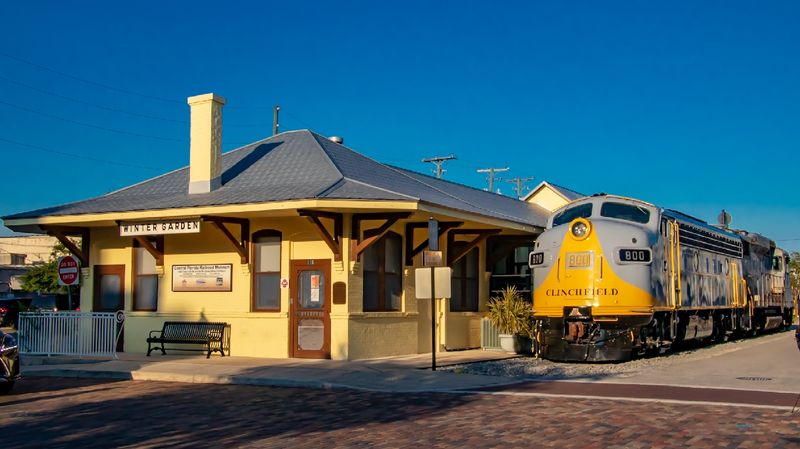
Winter Garden is already beloved for its charming downtown and the West Orange Trail, but there’s a smaller, quieter attraction sitting right at the heart of it all that deserves far more attention than it typically gets. The Central Florida Railroad Museum is a passion project brought to life by dedicated volunteers who clearly love trains the way some people love breathing.
Housed in a beautifully restored 1913 Atlantic Coast Line depot, the museum itself is a piece of Florida history before you even look at a single exhibit. The building has been maintained with real care, and stepping inside gives you an immediate sense of what travel felt like in a era when the railroad was king and Florida was still being discovered by the wider world.
The collection inside spans everything from vintage railroad equipment and signage to detailed model train layouts that operate with impressive precision. Train enthusiasts will find themselves lingering far longer than they planned.
But even visitors with zero prior interest in railroads tend to get pulled in by the scale of the displays and the stories behind them.
The museum is staffed entirely by volunteers, most of whom have deep personal connections to railroad history. Their knowledge is encyclopedic, and they share it with the kind of enthusiasm that makes learning feel effortless.
Ask a question and you’ll get a real answer, not a scripted tour guide response.
Admission is free, which makes this one of the best-value stops in all of Central Florida. Pair it with a walk down Winter Garden’s Plant Street for coffee and local shops and you’ve got a full, satisfying day that costs almost nothing.
Sometimes the best things really are free — this museum proves it without breaking a sweat.
8. North Florida Wildlife Center (Lamont)
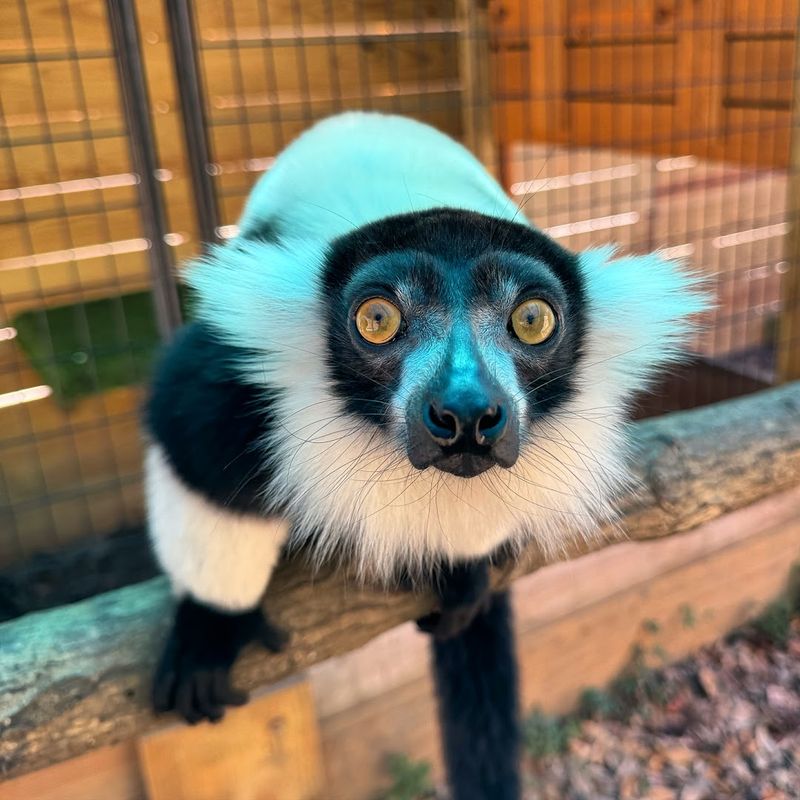
Lamont, Florida is not a name that shows up on most travel itineraries. It’s a small, quiet community in Jefferson County, well north of the theme park corridor and the coastal resort towns.
But sitting out there in the piney woods of North Florida is a wildlife center doing genuinely important work — and welcoming curious visitors in the process.
The North Florida Wildlife Center focuses on rehabilitating native Florida wildlife with the goal of returning animals to the wild whenever possible. Injured birds of prey, orphaned deer, displaced reptiles, and dozens of other species pass through the center’s care each year.
The operation runs on a combination of dedication, expertise, and community support that’s inspiring to witness up close.
Visiting gives you a rare opportunity to see Florida’s native wildlife at close range in a context that prioritizes the animals’ recovery rather than human entertainment. That’s a meaningful distinction.
The animals you encounter here aren’t performing — they’re healing, and the center is transparent about their status and progress.
Educational programming is a core part of what the center offers, making it an excellent field trip destination for school groups and homeschooling families. The staff and volunteers are patient, informative, and clearly motivated by something deeper than a paycheck.
That energy is contagious in the best way.
North Florida as a region tends to get overlooked by travelers who head straight for the coasts or the parks. Jefferson County in particular has a quiet, rural beauty that feels increasingly rare as Florida develops at its relentless pace.
The wildlife center fits perfectly into that landscape — unpretentious, purposeful, and genuinely worth the drive. If you’re already exploring Tallahassee or the Panhandle area, adding this stop takes almost no extra effort and pays off considerably.
9. Colt Creek State Park (Lakeland area)
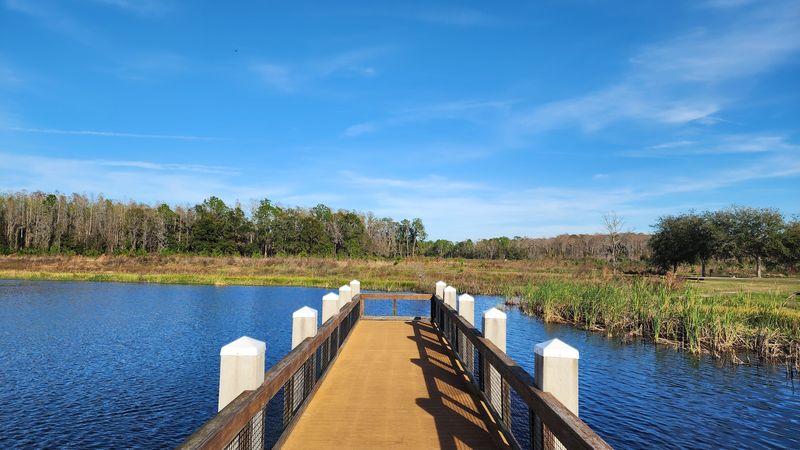
Colt Creek State Park sits in the kind of Florida landscape that most visitors never see — wide open pine flatwoods, cypress-lined ponds, and a network of trails that feel genuinely remote even though you’re not far from Lakeland’s suburban sprawl. This park is the antidote to overcrowded Florida, and it works beautifully.
The park covers over 5,000 acres of natural habitat, which means the trail system is extensive enough to keep explorers busy across multiple visits. Hikers, mountain bikers, and equestrians all share the space without conflict, which speaks to how well the trail network is designed.
The terrain shifts between flatwoods, wetlands, and scrub as you move through the park, keeping the scenery fresh across longer routes.
Wildlife sightings here are consistently rewarding. Sandhill cranes, gopher tortoises, white-tailed deer, and a wide variety of native birds are regular residents.
The park hasn’t been manicured into a tidy, groomed experience — it retains a raw quality that makes every walk feel like actual exploration rather than a guided stroll through a managed landscape.
Camping is available at the park, and the primitive sites are genuinely primitive — no electric hookups, no fancy amenities, just stars overhead and the sounds of the Florida wilderness at night. For people who want to disconnect completely, Colt Creek delivers that experience without requiring a long drive into the Everglades or a reservation months in advance.
The park is rarely crowded, even on weekends. That’s either a well-kept secret or a reflection of how many people are still sleeping on Polk County’s outdoor offerings.
Either way, the lack of crowds is a feature you’ll appreciate from the moment you pull into the parking area and realize you might have the whole trail to yourself. That kind of solitude is priceless in modern Florida.
10. Florida Caverns State Park (Marianna)
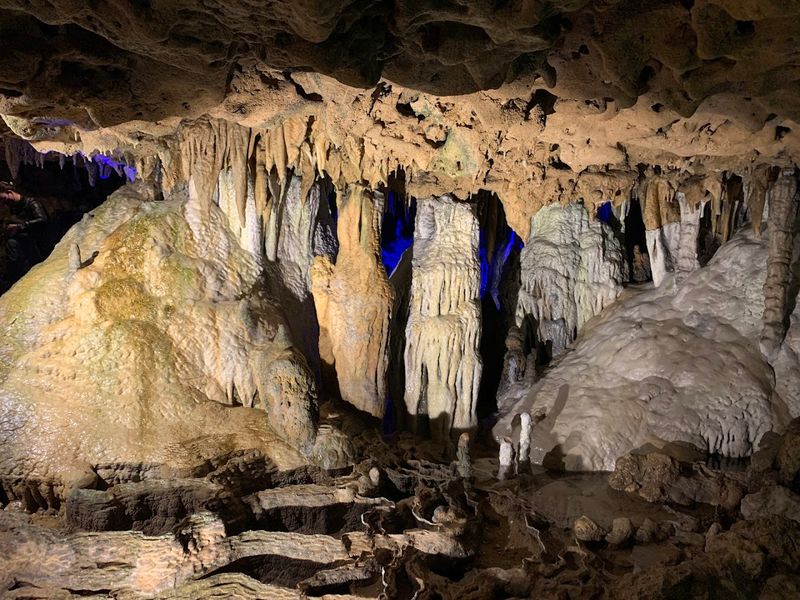
Ask most people what comes to mind when they think of Florida, and underground caves probably don’t make the list. That’s exactly what makes Florida Caverns State Park in Marianna one of the most genuinely surprising places in the state.
Florida has caves. Real ones.
And they are spectacular.
The caverns were formed over millions of years as slightly acidic groundwater slowly dissolved the limestone bedrock beneath the Florida Panhandle. What that process left behind is a series of chambers filled with stalactites, stalagmites, flowstone formations, and columns that look like they belong in a fantasy novel.
The variety and density of formations inside the cave system is remarkable even by national standards.
Guided tours run regularly and are led by park rangers who know the cave system inside and out. The tours cover the cave’s geology, the history of human use of the caverns, and the unique ecosystem of species that call the cave home.
You’ll exit with a completely different understanding of what’s happening beneath Florida’s flat surface — a perspective most residents never gain.
Above ground, the park has plenty going on as well. The Chipola River runs through the property, offering swimming, canoeing, and fishing opportunities.
Trails wind through upland hardwood forest and along the river corridor, providing habitat for a wide variety of native wildlife. The park feels comprehensive in a way that rewards visitors who stay for a full day rather than just the cave tour.
Marianna is in the western Panhandle, making it a natural stop on a road trip through that part of the state. The drive through the surrounding countryside has its own appeal — rolling hills, red clay soil, and a landscape that looks nothing like South Florida.
The caverns alone justify the trip, but everything surrounding them makes the case even stronger.