This 64-Foot-Tall Lighthouse In Florida Has Stood For Over 180 Years
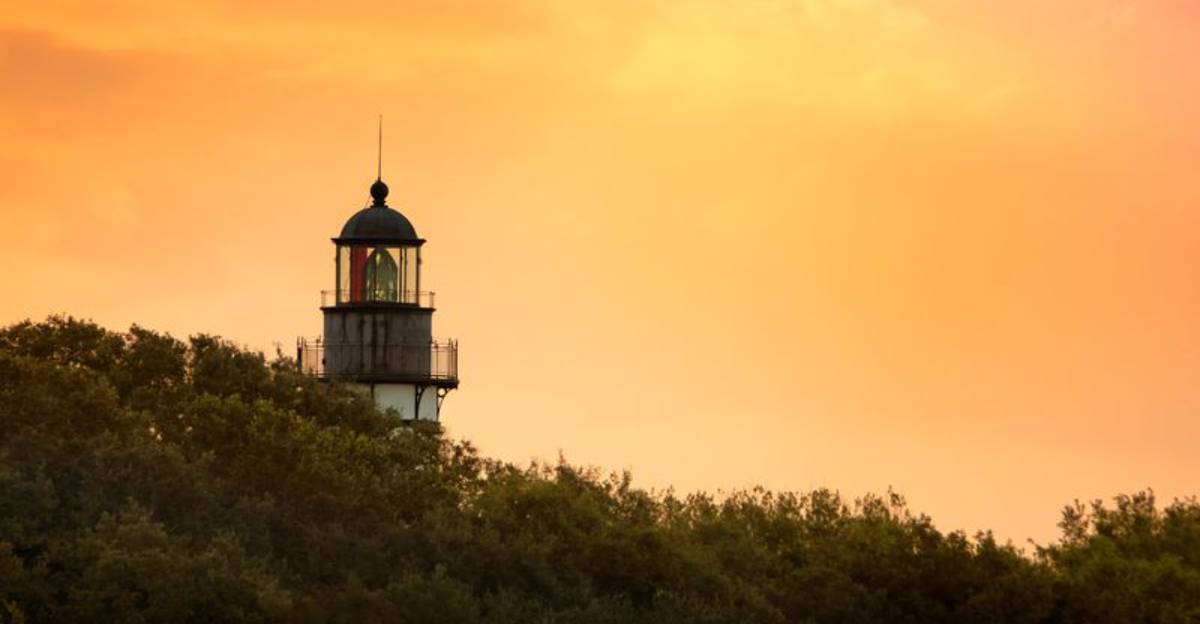
Standing proud on Amelia Island since 1838, this lighthouse isn’t just old—it’s the oldest continuously operating lighthouse in Florida. At 64 feet tall with walls four feet thick at the base, it’s watched over sailors and island residents for more than 180 years. Located smack in the middle of a quiet Fernandina Beach neighborhood, this historic beacon tells stories of whale oil lamps, Revolutionary War veterans, and the kind of craftsmanship that simply doesn’t quit.
1. Built From Recycled Bricks With Revolutionary Roots
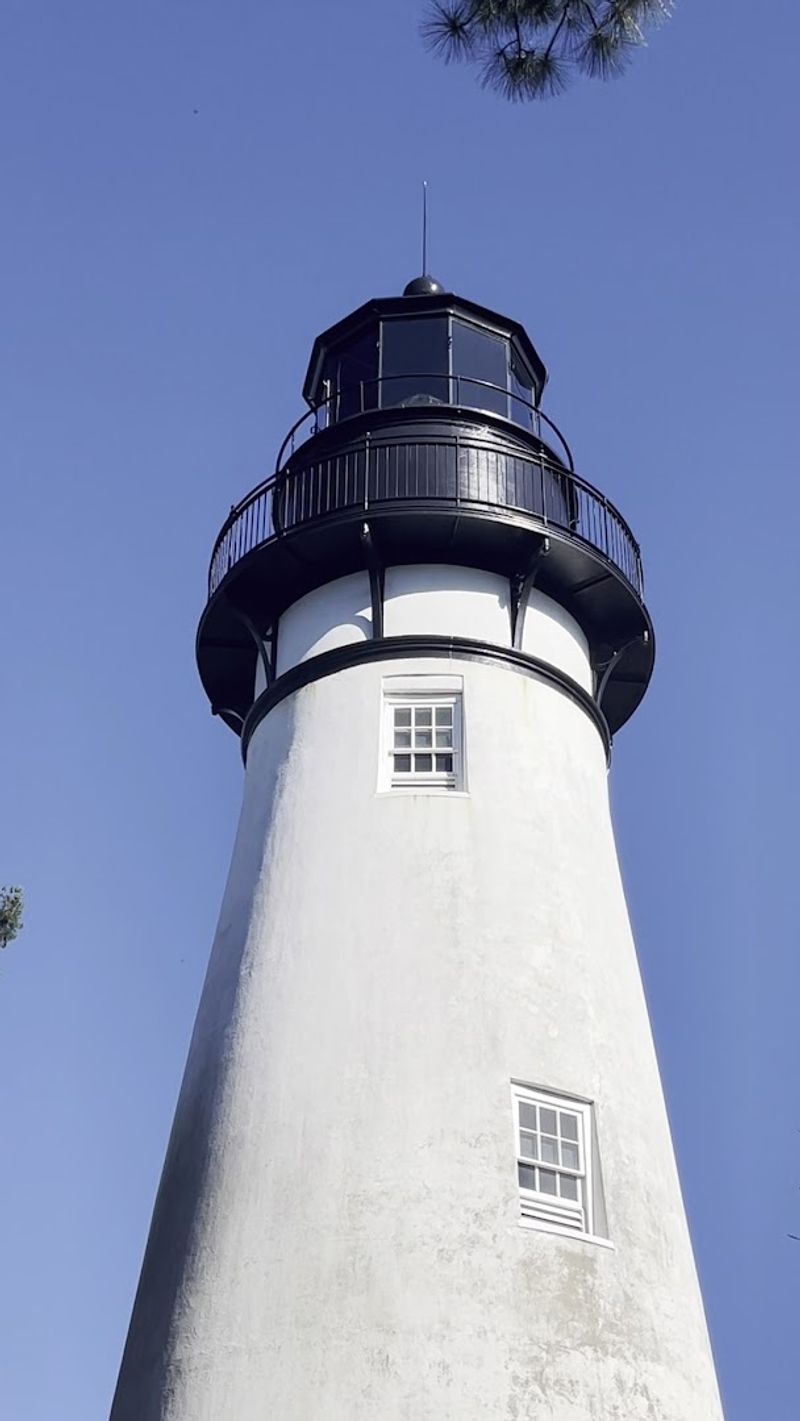
Here’s something wild: the bricks that make up this lighthouse traveled from another lighthouse entirely. When the Cumberland Island Lighthouse became obsolete, workers salvaged those bricks and hauled them over to build Amelia Island’s beacon in 1839. Talk about recycling before it was cool.
The first lighthouse keeper was Amos Latham, who served as a corporal in the 1st Connecticut Regiment during the Revolutionary War. Imagine going from fighting for independence to keeping ships safe along Florida’s coast. The land itself was purchased from Mary Fernandez, whose name still echoes through Fernandina Beach history.
Those recycled bricks created walls four feet thick at the base, tapering to two feet at the top. This dual-wall construction makes it the only remaining lighthouse of its kind from Florida’s territorial period. It’s basically a fortress that happens to shine light across the water.
Standing at the island’s highest point, this structure was built to last—and boy, has it delivered on that promise.
2. The Westernmost Lighthouse On Florida’s East Coast
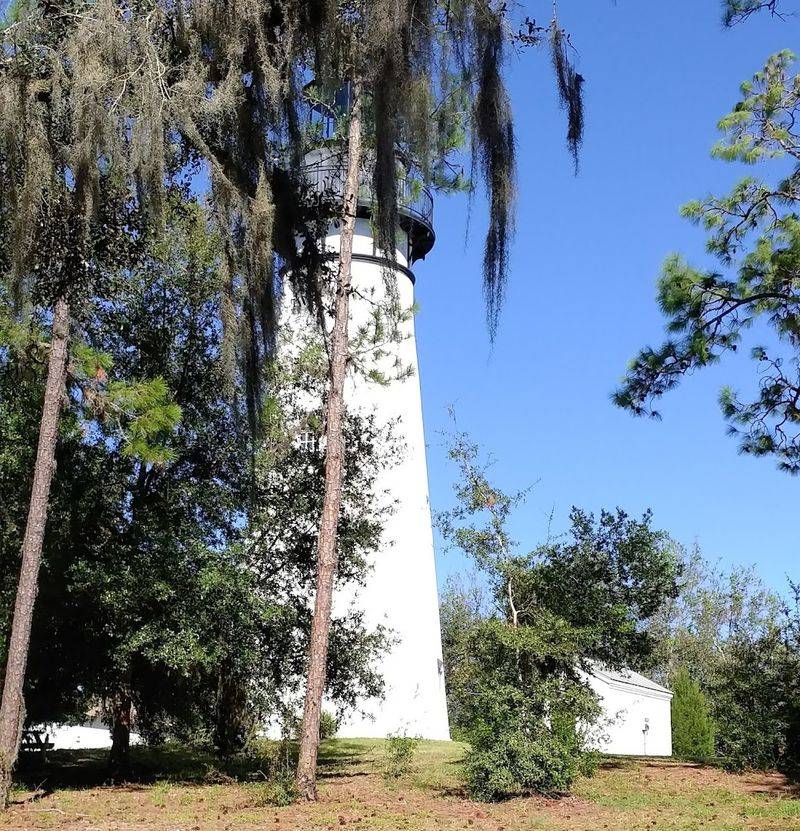
Geography gets a little quirky here. Despite being on Florida’s east coast, the Amelia Island Lighthouse holds the title of westernmost lighthouse on the entire eastern seaboard of the United States. That’s because Amelia Island itself curves westward, placing the lighthouse further west than you’d expect for an Atlantic coast beacon.
This positioning wasn’t random. Builders chose the highest point on the island specifically to maximize visibility. Ships approaching from multiple directions needed guidance, and this spot delivered the best vantage point possible.
The lighthouse sits at coordinates that place it strategically for vessels navigating the tricky waters around Cumberland Sound. Its light reaches 15 miles out to sea, which was absolutely critical in the days before GPS and modern navigation equipment. Captains relied on that beam like their lives depended on it—because they did.
Even today, the lighthouse remains operational and continues serving its original purpose. That’s 180-plus years of continuous service in the same location, doing the same job, without retirement.
3. That Gorgeous Third-Order Fresnel Lens From Paris
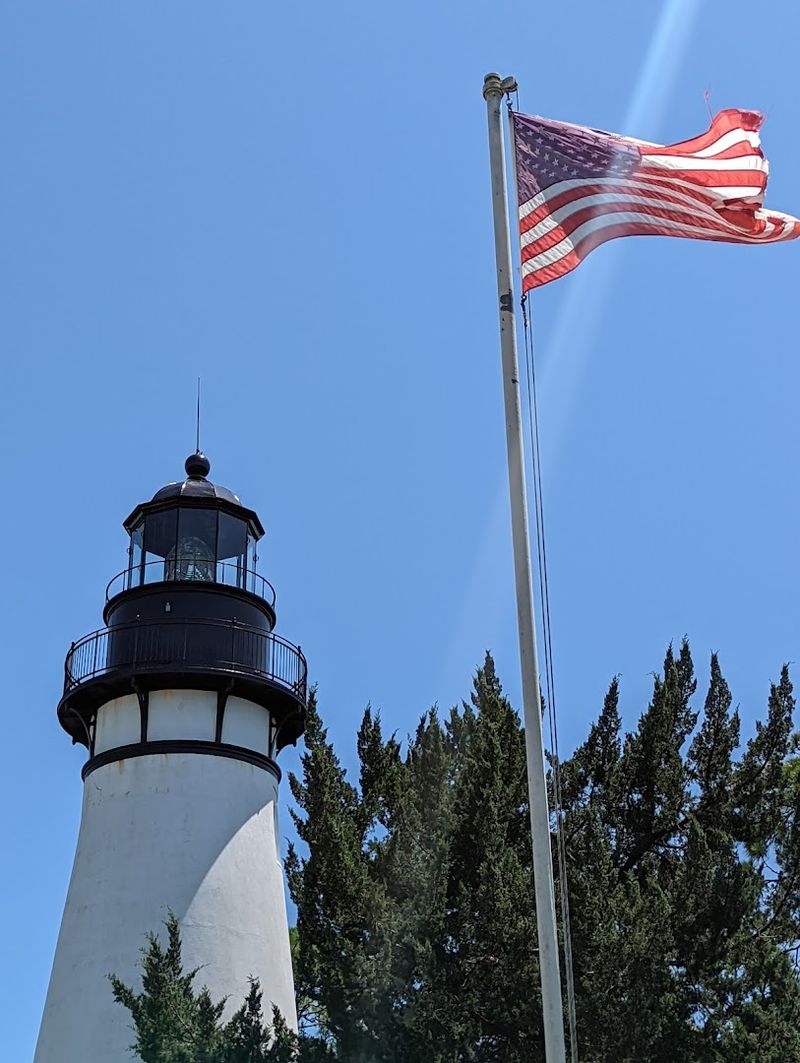
Originally, whale oil fueled the light that warned ships away from danger. But today, a stunning third-order Fresnel lens—crafted in Paris, France—does the heavy lifting. These lenses revolutionized lighthouse technology when they appeared in the 19th century, using precisely cut glass prisms to amplify and focus light like nothing else could.
The Fresnel lens at Amelia Island isn’t just functional; it’s a work of art. Each piece of glass was hand-cut and positioned to create maximum brightness with minimal fuel consumption. Before these lenses existed, lighthouses required enormous amounts of fuel and still didn’t shine nearly as bright.
Visitors who catch the lighthouse during its limited Saturday hours sometimes get glimpses of this engineering marvel. The way light refracts through those prisms creates patterns that mesmerize anyone lucky enough to see it up close. It’s like staring into a giant, functional jewel.
That 15-mile visibility range? Thank the Fresnel lens. Modern boats might not need it like sailors once did, but knowing it’s still spinning and shining connects us to maritime history in a tangible way.
4. Saturday-Only Access Makes It Extra Special
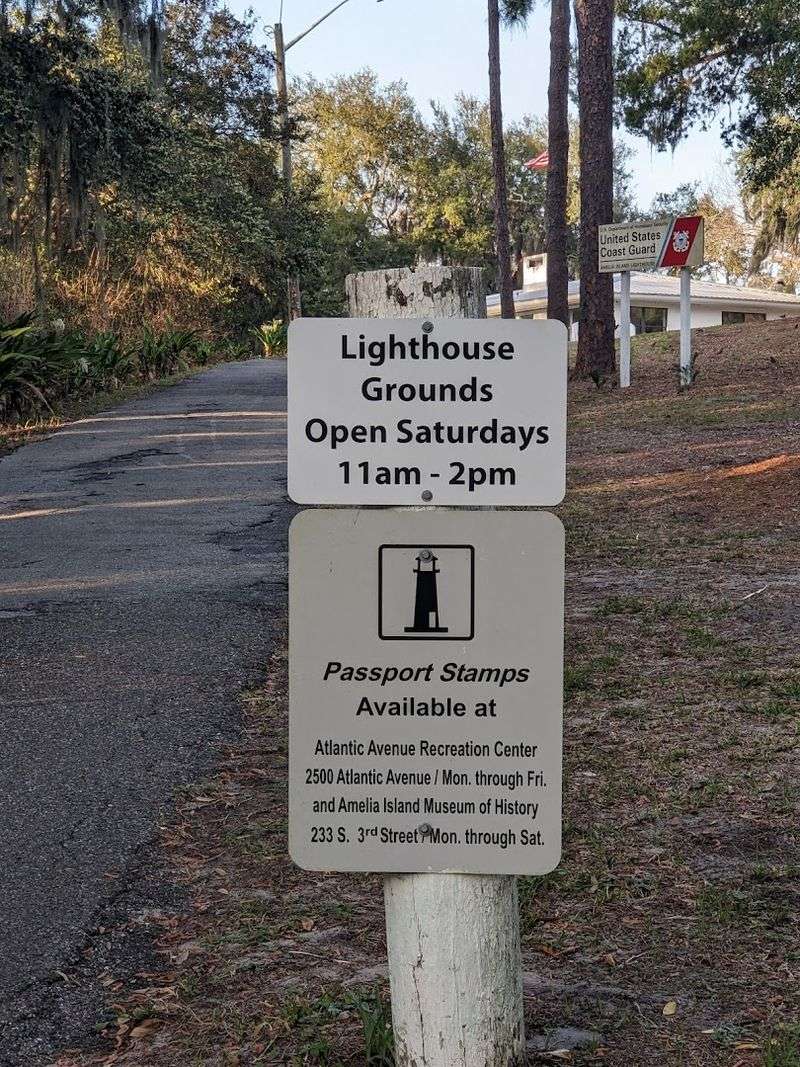
If you’re planning a visit, circle Saturday on your calendar. The lighthouse grounds open from 11 AM to 2 PM on Saturdays only, and that’s it for the week. No drop-ins on Tuesday, no Sunday strolls—just those three precious Saturday hours.
Some visitors grumble about the limited schedule, but honestly? It adds to the charm. You can’t just swing by whenever; you’ve got to plan for it, which makes actually getting there feel like an achievement.
Plus, the restricted hours help preserve this historic structure from excessive wear and tear.
Even when it’s closed, you can drive up to the gate and snap photos through the chain-link fence. The lighthouse sits tucked into a residential neighborhood on O’Hagan Lane, and locals are generally friendly about lighthouse enthusiasts cruising through. One visitor mentioned a neighbor who pointed out the best photo angles—that’s Fernandina Beach hospitality right there.
If you miss Saturday hours, you can still spot the lighthouse top from Fort Clinch State Park or walk through the nearby neighborhood for glimpses through the trees. At dusk, watching that light rotate creates an almost magical experience.
5. No Climbing Allowed But The History’s Worth It
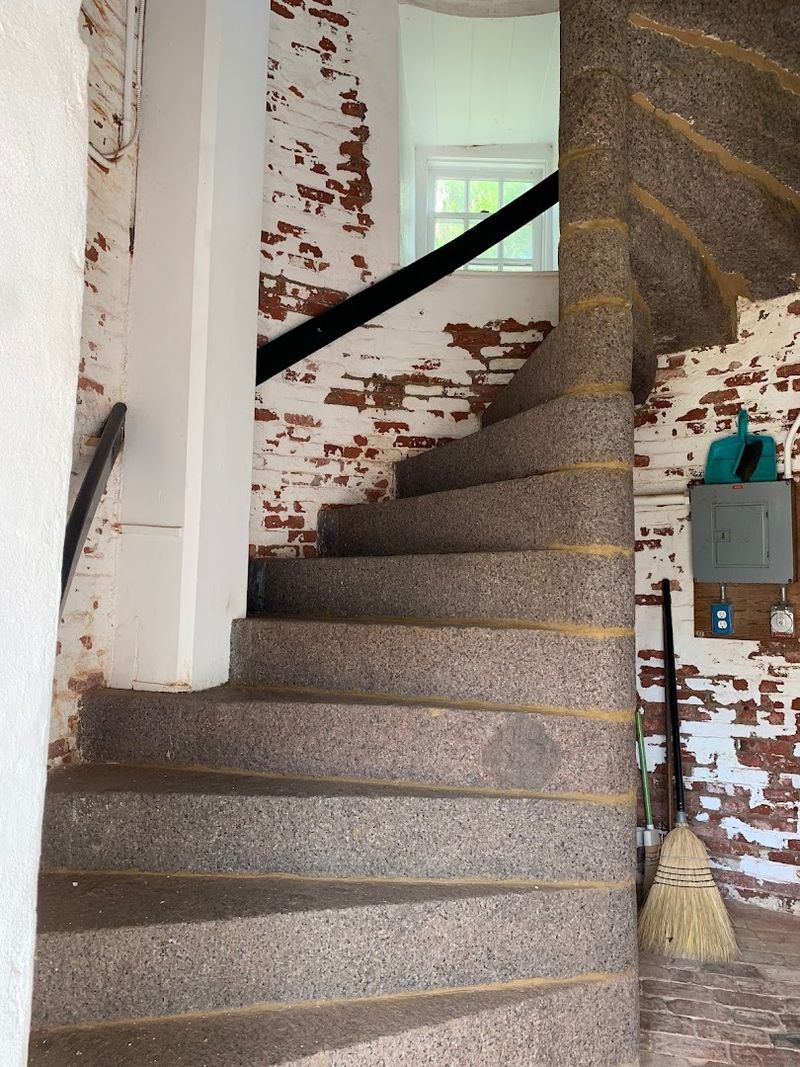
Here’s the disappointing news: you can’t climb to the top. Those granite stairs spiraling upward are considered unsafe for public access, even though they’re made from solid stone. Preservation concerns and safety regulations keep visitors grounded, which understandably frustrates lighthouse lovers hoping for that classic tower-top experience.
But here’s the thing—when the lighthouse opens on Saturdays, you can peek inside and appreciate the construction from ground level. The dual-wall design becomes apparent once you’re standing in there, and you get a real sense of how thick those walls actually are. It’s impressive even without the climb.
The grounds themselves offer plenty of photo opportunities. Well-maintained landscaping surrounds the lighthouse, and a small shed nearby houses photographs showing the structure before restoration work. Seeing those before-and-after images gives you serious appreciation for the preservation efforts that keep this beacon standing.
Expect to spend about 10 to 15 minutes exploring the grounds when it’s open. There are benches for sitting and soaking in the history. It’s not Disneyland—it’s a quiet, contemplative spot where you connect with nearly two centuries of maritime heritage.
6. Tucked Into A Neighborhood Like A Secret
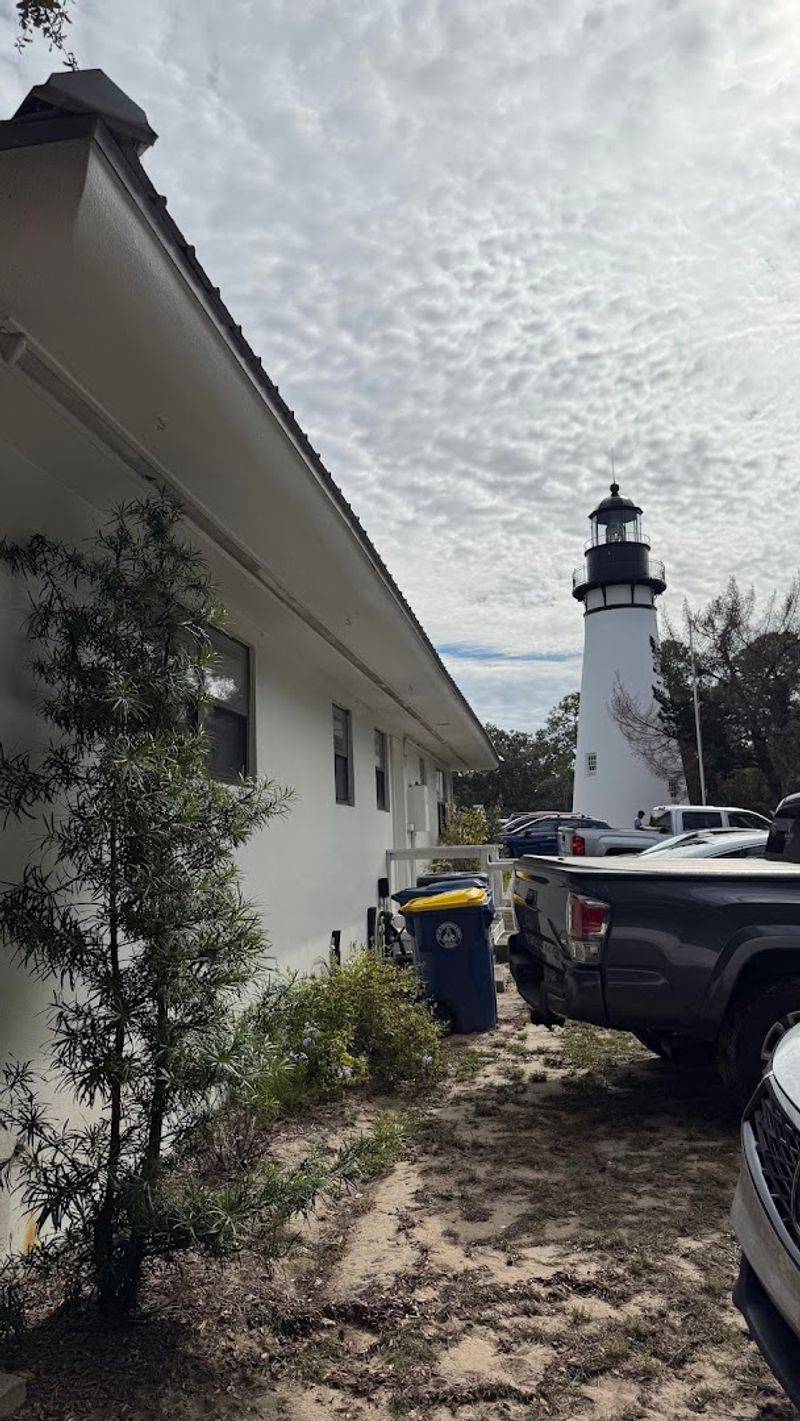
Most lighthouses sit on dramatic cliffs or isolated beaches. Not this one. The Amelia Island Lighthouse lives right in the middle of a residential neighborhood, which creates the most unexpected vibe.
You’re driving past regular houses with mailboxes and lawns, then boom—there’s a 64-foot lighthouse.
The single-lane driveway leading up to it can get tricky when multiple cars arrive simultaneously. Several visitors mentioned needing to reverse back down because there’s not much room to maneuver. Parking at the nearby park and walking the five minutes to the lighthouse often makes more sense, especially during Saturday open hours when others have the same idea.
Lighthouse Circle winds through the neighborhood, and residents seem accustomed to curious tourists. The setting actually adds character—this isn’t some sanitized tourist trap with gift shops and overpriced snacks. It’s just a lighthouse doing its job in a regular neighborhood, which somehow makes it more authentic.
No facilities exist on-site, so plan accordingly. No bathrooms, no visitor center, no souvenir stands. Just you, the lighthouse, some benches, and whatever historical imagination you bring along.
Sometimes simplicity beats commercialization.
7. Best Viewed At Dusk When The Light Comes Alive
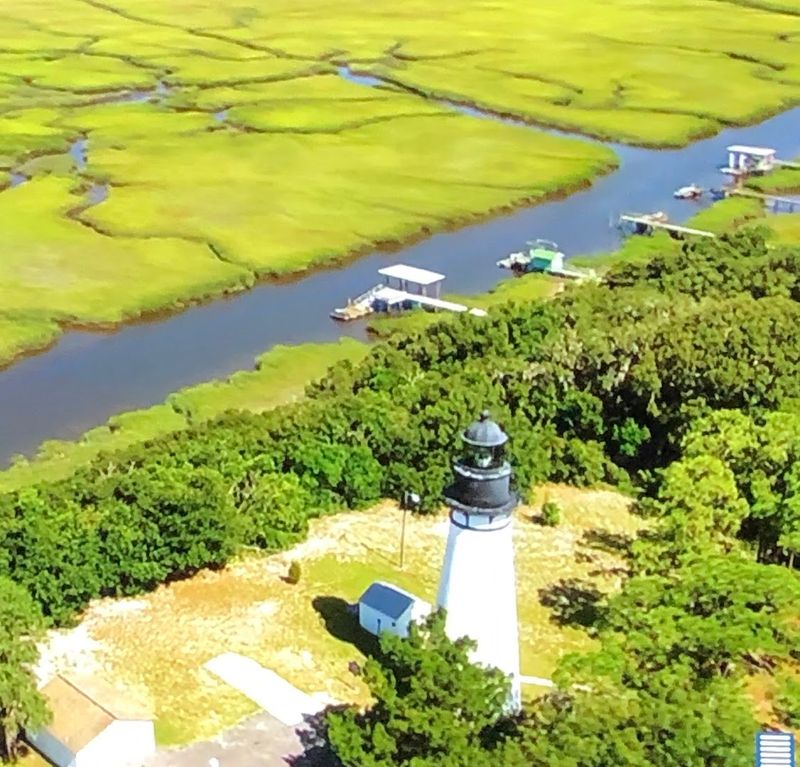
One visitor described standing in the reeds near the water at dusk, getting devoured by mosquitoes but absolutely transfixed by the rotating light. That’s the kind of experience you can’t get during daylight hours—watching something 180 years old still performing its original function as darkness falls.
From certain spots along the road past the nearby park, you can see the lighthouse beam sweeping across the sky. The view might not look impressive in photos, but in person, it’s crystal clear and genuinely moving. There’s something about watching that light turn and turn, knowing it’s warned countless ships away from danger for nearly two centuries.
The lighthouse sits at the island’s highest elevation, which means the light travels farther and remains visible even with tree cover in some directions. If you time your visit for late afternoon and stick around until the light activates, you’ll understand why people drive hours just to witness this moment.
Bring bug spray if you’re planning a dusk visit. Seriously. Florida mosquitoes don’t care about your romantic lighthouse moment—they’re going to feast either way.
But even itchy and bitten, most visitors say it’s absolutely worth it.
8. Still Guiding Ships After All These Years
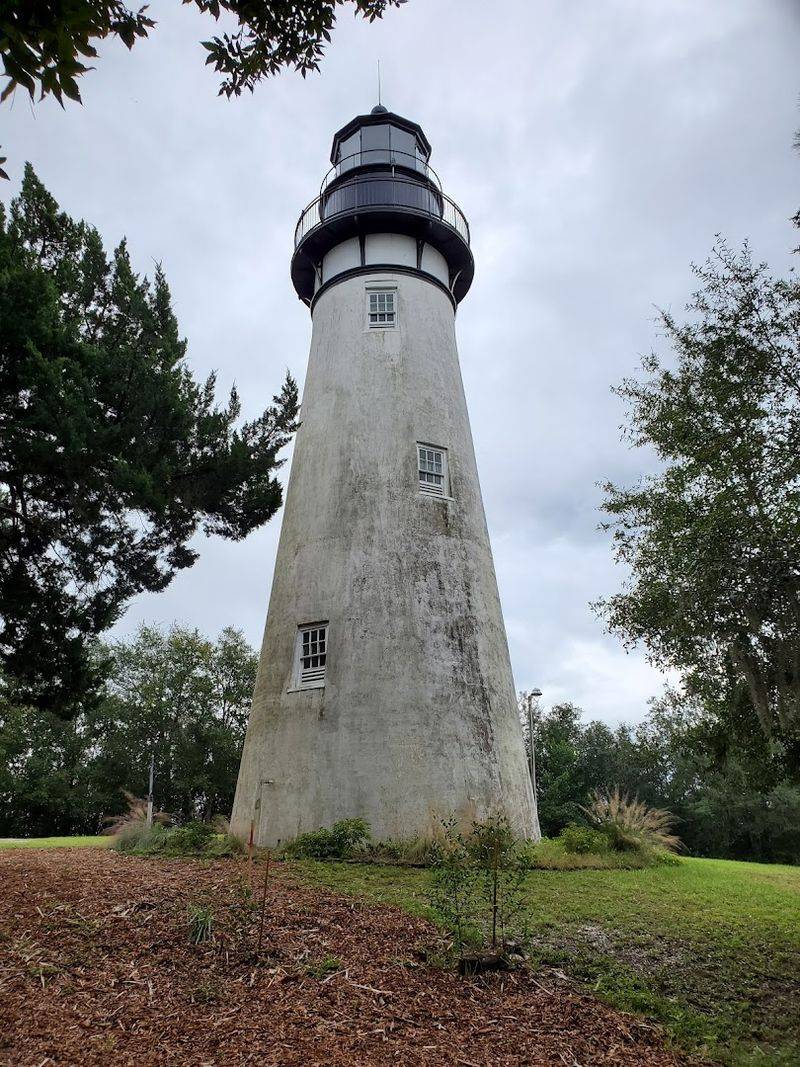
Unlike many historic lighthouses that have been decommissioned and turned into museums, the Amelia Island Lighthouse remains fully operational. That light still spins every night, still reaches 15 miles out to sea, and still serves its original purpose of guiding maritime traffic safely past the coast.
Modern ships have GPS, radar, and sophisticated navigation systems that their 19th-century counterparts couldn’t dream of. Yet this lighthouse keeps shining, partly out of tradition and partly because backup navigation aids never hurt. Sailors still note its position on charts, and the light serves as a visual confirmation of location when approaching Fernandina Beach.
The continuous operation for over 180 years makes it Florida’s oldest working lighthouse. Think about that timeline—this structure predates the Civil War, the invention of the telephone, and the Wright Brothers’ first flight. It was already old when your great-great-grandparents were born, and it’s still doing its job today.
That kind of longevity doesn’t happen by accident. Regular maintenance, community support, and respect for its historical significance keep this lighthouse functioning. It’s not just a relic—it’s a living piece of maritime history that refuses to retire.