This 7-Mile Florida Trail Might Be One Of The Best Ways To Experience Old Florida
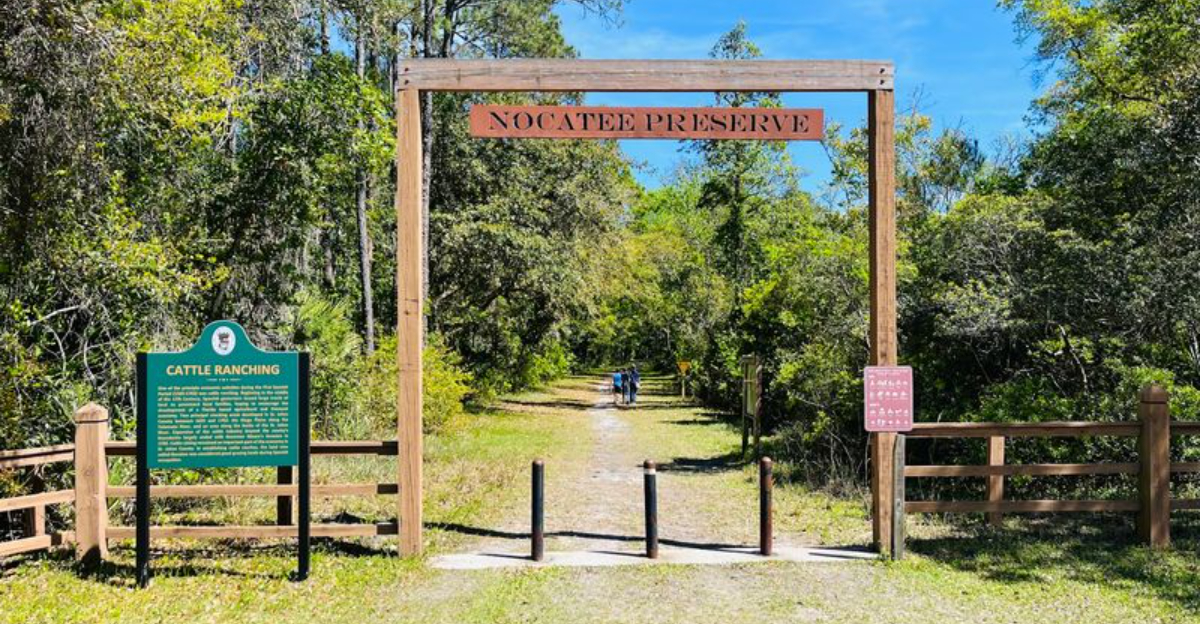
Hidden behind Ponte Vedra High School lies a gateway to Florida’s untamed past. The Nocatee Preserve Trail stretches roughly seven miles through marshlands, forests, and swamps that look much like they did centuries ago. Whether you’re walking, biking, or even riding horseback, this trail offers an authentic slice of Old Florida complete with wildlife sightings, peaceful waterways, and landscapes that remind you what the Sunshine State looked like before strip malls and theme parks took over.
1. A Wide, Multi-Use Trail That Welcomes Everyone
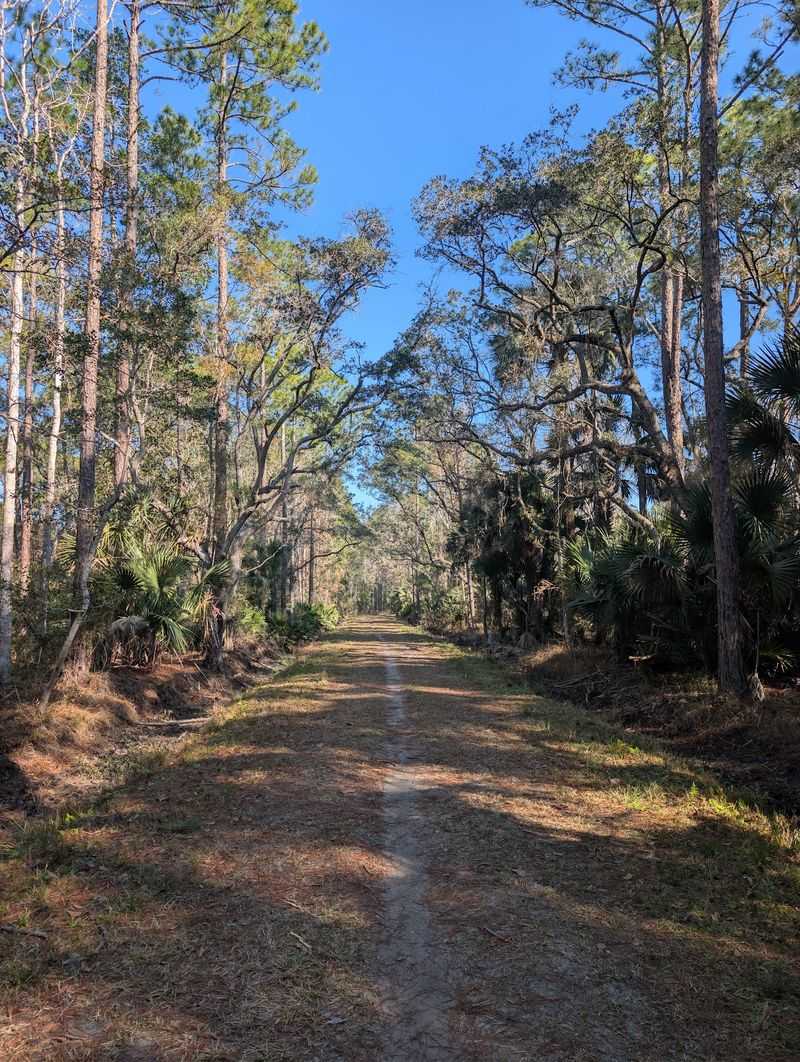
Right from the trailhead at Davis Park Road, you’ll notice how generous the path is. The main trail stretches wide enough for walkers, runners, cyclists, and even horseback riders to share the space comfortably. That semi-paved surface makes it accessible for various skill levels and ages, so families with kids or casual adventurers won’t feel intimidated.
Mountain bikers love the challenge of the technical trails that branch off from the main route. These side paths offer tighter turns, root obstacles, and more adventurous terrain for those seeking an adrenaline boost. Meanwhile, the primary trail remains smooth and straightforward, perfect for a leisurely pedal or stroll.
The trail system connects all the way to Nocatee Landing, where the Intracoastal Waterway comes into view. That destination makes the round trip about seven miles total, though you can turn back whenever you choose. Parking is plentiful at the trailhead, and you’ll find picnic tables and restroom facilities near the start.
Reviewers consistently praise the trail’s width and well-maintained condition. Some mention occasional flooding after heavy rains, but most visits reveal firm footing and easy navigation. The variety of users adds to the trail’s charm, creating a friendly, community atmosphere where everyone respects the shared space.
2. Wildlife Encounters Around Every Bend
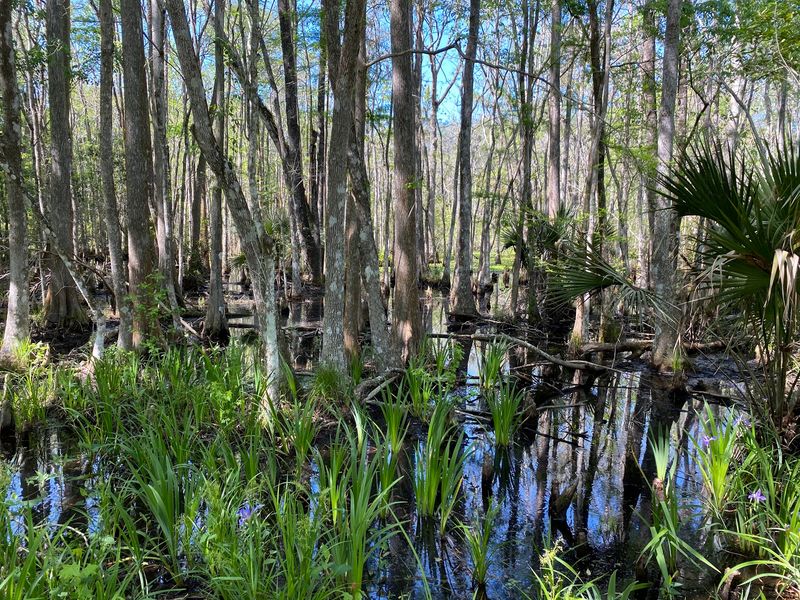
One of the biggest draws here is the chance to see Florida wildlife in its natural habitat. Alligators are common residents, especially near the swampy sections where you might hear baby gators making their distinctive chirping sounds. Turtles sun themselves on logs, and herons stand motionless in shallow water waiting for their next meal.
Bird enthusiasts bring binoculars because the preserve hosts an impressive variety of species. From woodpeckers hammering away at tree trunks to hawks circling overhead, the soundtrack of your hike will be filled with natural music. Some visitors report seeing wild pigs darting through the underbrush, though these shy creatures typically run away before you get a close look.
Snakes also call this preserve home, ranging from tiny ringnecks to impressively long rat snakes. While most are harmless, it’s smart to stay alert and give all wildlife respectful distance. The preserve’s ecosystem thrives because visitors observe without disturbing.
The swamp water flanking both sides of the trail creates perfect conditions for amphibians and insects too. Dragonflies zip past in colorful flashes, and frogs chorus at dusk. This isn’t a zoo or a controlled environment but rather a functioning wetland where creatures live freely, making every visit unpredictable and exciting.
3. The Journey to Nocatee Landing
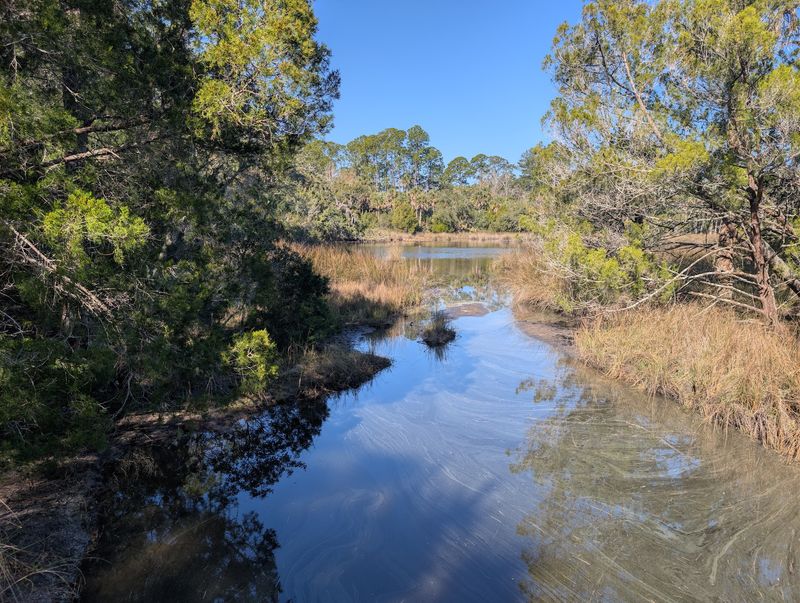
Reaching Nocatee Landing feels like discovering a secret. After miles of forested trail, the landscape opens up to reveal the Intracoastal Waterway sparkling in the sunlight. This spot serves as the trail’s terminus and reward for those who complete the full distance.
The water view provides a striking contrast to the enclosed canopy you’ve been walking under.
The landing area offers a peaceful place to rest before heading back. Some visitors pack lunches and enjoy waterside picnics while watching boats cruise past. Others simply sit and soak in the scenery, appreciating the transition from dense woods to open water.
Getting there takes commitment since the round trip totals about seven miles. Most hikers and bikers report spending two to three hours completing the journey at a comfortable pace. The relatively flat terrain makes the distance manageable even for moderately fit adventurers, though you’ll definitely feel accomplished by the end.
Recent trail improvements have added sand and grading to certain sections near the landing, which some find less enjoyable to traverse. However, these upgrades should improve long-term trail quality. The lack of signage in the southern sections means bringing a phone with GPS is wise, especially where forest roads intersect and choices multiply.
4. Bug Reality in a Florida Swamp
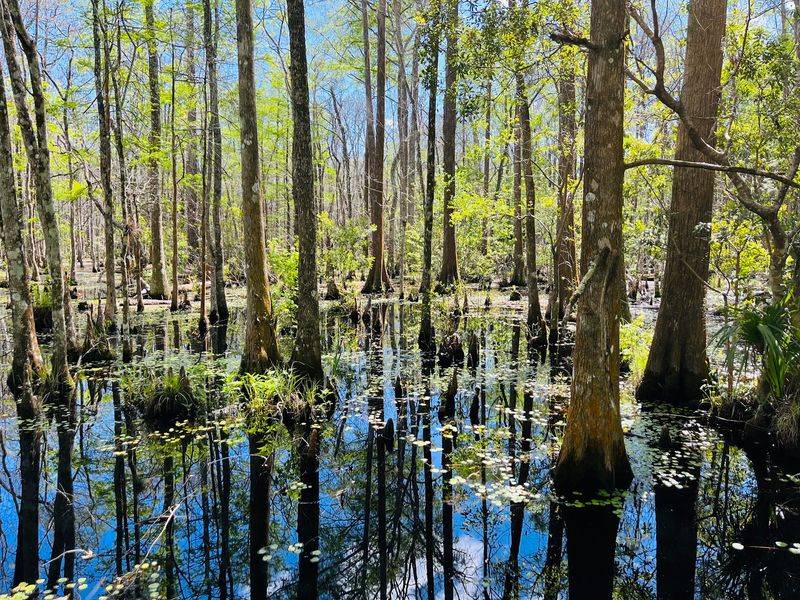
Honesty time: bugs are part of the deal here. Yellow flies, mosquitoes, horseflies, and various other biting insects thrive in this wetland environment. During warmer months, they can be relentless, swarming around exposed skin and making the experience genuinely uncomfortable without proper preparation.
Some reviewers have turned back early because the bugs became unbearable.
Cooler months from late fall through early spring offer significant relief. February and March visitors often report clean hikes with minimal bug encounters. The insects play vital roles in the ecosystem, feeding birds, fish, and other wildlife, so their presence indicates a healthy environment even if it’s annoying.
Smart hikers come prepared with strong insect repellent containing DEET or picaridin. Treating clothing with permethrin before your visit adds another layer of protection. Long sleeves and pants help too, despite Florida’s heat.
Moving at a steady pace rather than stopping frequently can reduce your attractiveness to swarming insects.
Understanding this reality helps set proper expectations. You’re visiting a functioning wetland, not a manicured park. The bugs don’t mean the trail is poorly maintained but rather that nature is doing its thing.
If you can’t handle insects, winter visits are your best bet, or consider a different trail altogether.
5. Mountain Biking Adventures Off the Main Path
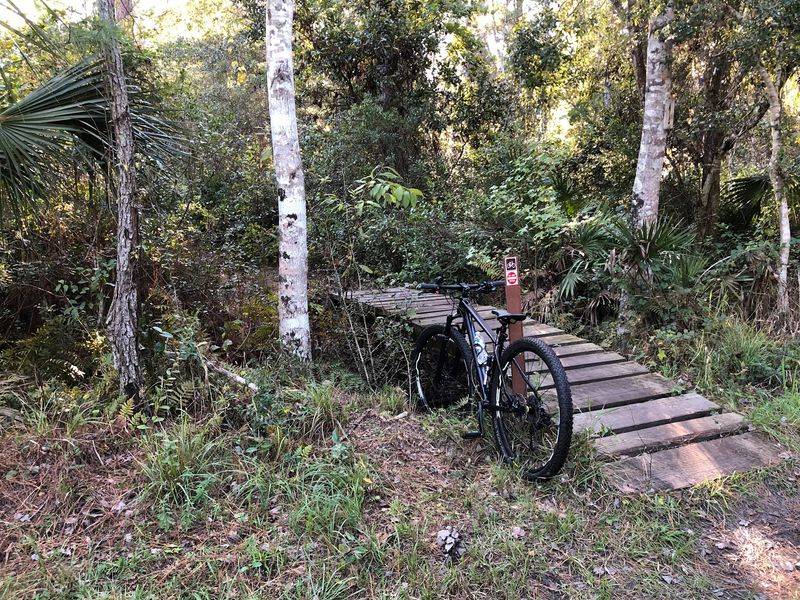
Mountain bikers find special appeal in the technical trails that branch away from the main route. These narrower paths wind through tighter vegetation, offering root jumps, banked turns, and natural obstacles that test your handling skills. The intermediate-level challenges provide enough excitement without being impossibly difficult for capable riders.
Signs marking “Advanced Feature” appear throughout the trail system, though some riders report finding the actual trails less challenging than expected. The preserve may be developing these sections gradually, or perhaps the features have worn down from use. Either way, the existing trails deliver fun riding with good scenery changes.
The flat Florida terrain means you won’t find steep climbs or dramatic descents. Instead, the challenge comes from technical maneuvering around obstacles and maintaining speed through sandy or rooty sections. Riders looking to rack up miles appreciate the opportunity to cover distance while enjoying varied scenery.
One practical consideration: the trail sits behind Ponte Vedra High School, and accessing it during school dismissal times means sitting in car line traffic. Some trail users find this frustrating, especially when school staff insist everyone wait in line regardless of their destination. Planning your visit outside of school hours (roughly 2-3 PM on weekdays) eliminates this headache entirely.
6. Horseback Riding Through Old Florida
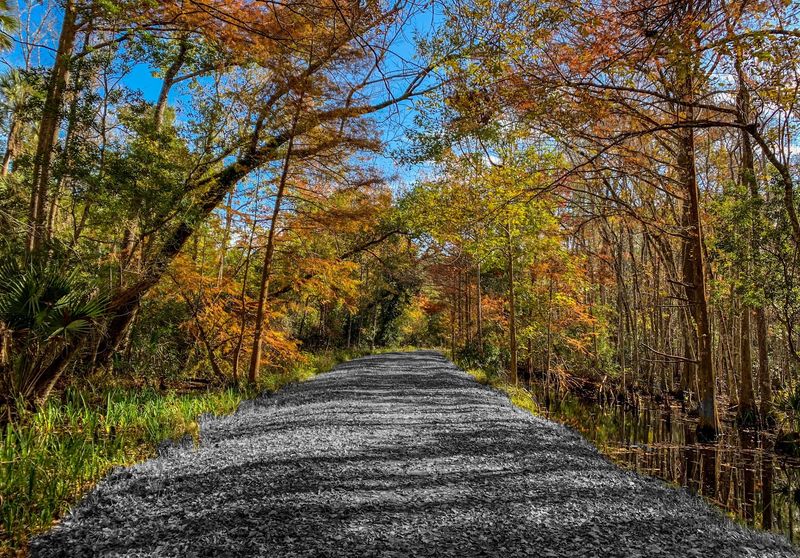
Few trails in the area accommodate horseback riders, making Nocatee Preserve special for equestrians. The wide main trail provides ample space for horses to pass other users safely, and the generally firm surface works well for hooves. Riders experience the preserve from a higher vantage point, moving at a pace that lets them truly absorb the surroundings.
Horse enthusiasts appreciate the peaceful atmosphere and natural beauty. Riding through tunnels of live oak draped with Spanish moss feels like stepping back in time to frontier Florida. The wildlife encounters become even more magical from horseback, as animals sometimes react differently to horses than to pedestrians or bikes.
The trail does require riders to clean up after their animals, though some reviewers mention encountering horse droppings along the path. Most equestrians are conscientious about trail etiquette, understanding that shared spaces work best when everyone respects the environment and other users.
If you’re considering bringing your horse, check current trail conditions first. After heavy rains, flooding can make sections impassable or muddy, which isn’t ideal for horses or their riders. The preserve’s management maintains the trail well, but Mother Nature ultimately controls conditions in this wetland environment.
Calling ahead or checking recent reviews can save you a wasted trip.
7. Seasonal Timing Makes All the Difference
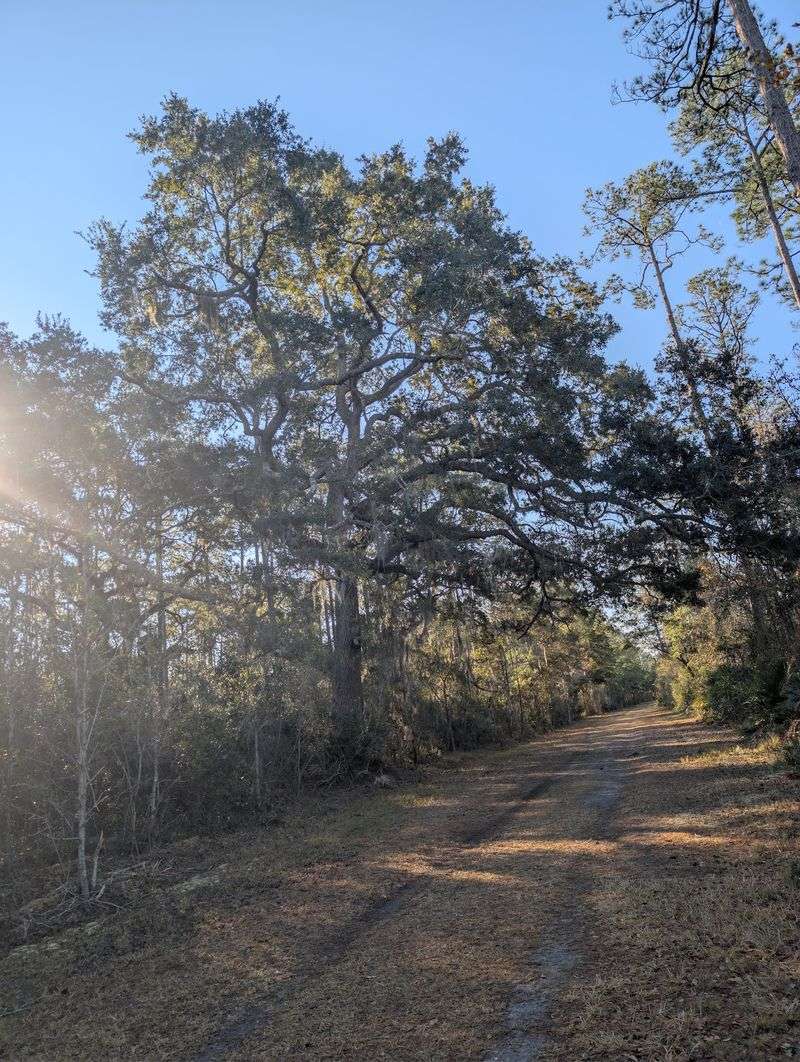
Timing your visit to Nocatee Preserve can transform your experience from miserable to magical. Winter months from November through March offer the most comfortable conditions with cooler temperatures, lower humidity, and dramatically reduced insect populations. A sunny February morning provides nearly perfect hiking weather with firm trails and pleasant breezes.
Spring brings wildflowers and baby wildlife, but also marks the beginning of bug season. By April and May, mosquitoes and flies start becoming more aggressive. Summer visits from June through September involve serious heat, oppressive humidity, and peak insect activity.
Only the most dedicated or well-prepared adventurers enjoy summer hikes here.
Fall months of October and November see temperatures dropping and bugs diminishing, though hurricane season can bring flooding that closes sections of trail. Checking recent reviews or calling the preserve before visiting helps you know current conditions, especially regarding water levels on the path.
Early morning visits any time of year tend to be more pleasant than midday treks. You’ll encounter fewer people, cooler temperatures, and more active wildlife. The bugs are often less aggressive at dawn too.
Sunset hikes offer beautiful golden light filtering through the trees, though you’ll want good bug protection and a headlamp for the return journey as darkness falls quickly under the forest canopy.
8. Authentic Old Florida Atmosphere
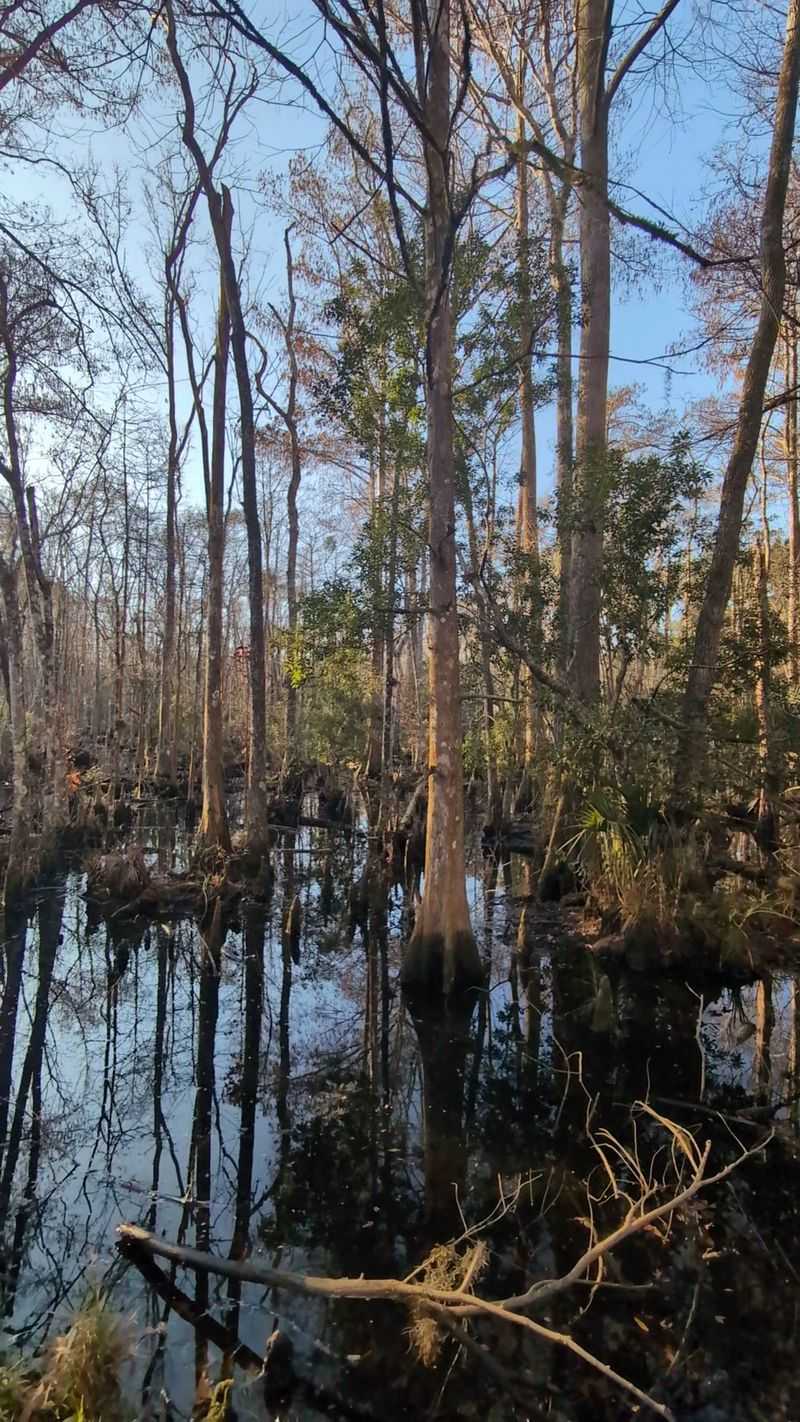
What makes this trail special isn’t fancy amenities or Instagram-worthy overlooks but rather its authentic representation of Florida’s natural heritage. The landscape here closely resembles what early settlers and Native Americans would have encountered: dense wetlands, towering live oaks, saw palmetto thickets, and mysterious swamps teeming with life. Development hasn’t sanitized this space into something safe and predictable.
Walking these paths connects you to Florida’s ecological past. Before air conditioning, theme parks, and coastal condos, this was the Florida experience: humid, buggy, wild, and utterly beautiful in its untamed state. The preserve protects this vanishing landscape, offering a window into what much of the state once looked like.
You won’t find concession stands, gift shops, or manufactured attractions here. The preserve’s value lies in its simplicity and authenticity. The sounds you hear are genuine bird calls, not speakers hidden in bushes.
The alligators sunning themselves are wild, not relocated for visitor convenience. The occasional flooding that frustrates some visitors is actually the wetland functioning as it should.
This rawness won’t appeal to everyone. Those seeking comfort and convenience should look elsewhere. But for adventurers who want to experience real Florida wilderness just minutes from developed areas, Nocatee Preserve delivers something increasingly rare and precious: an authentic taste of Old Florida.