This Charming Florida Town Was Made for Wandering Without a Plan
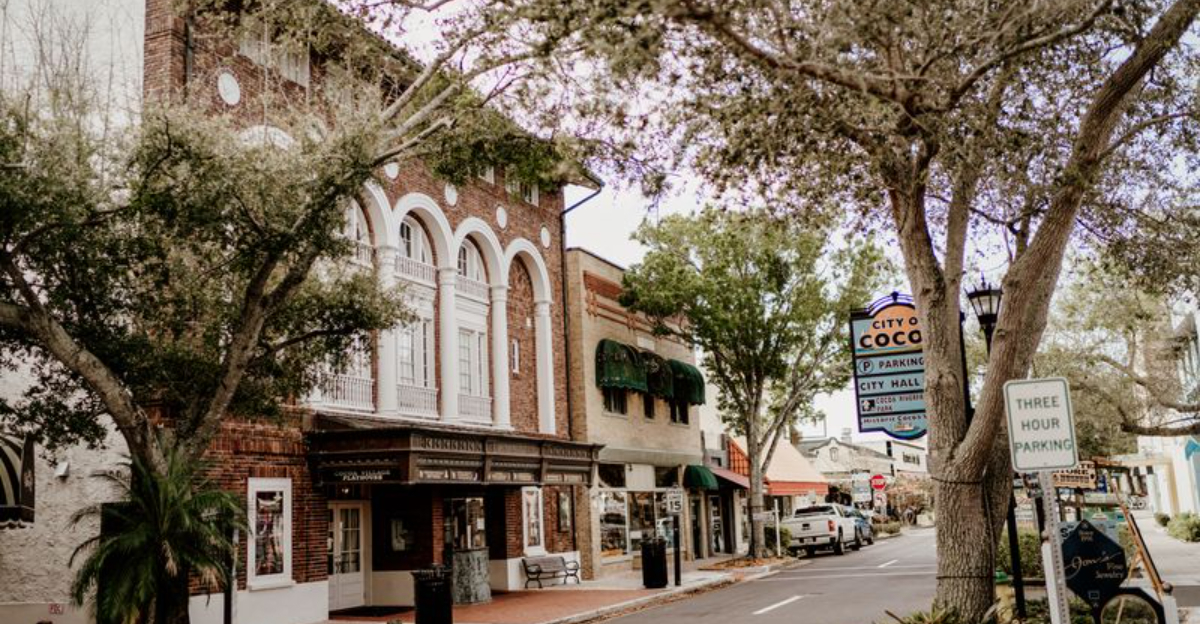
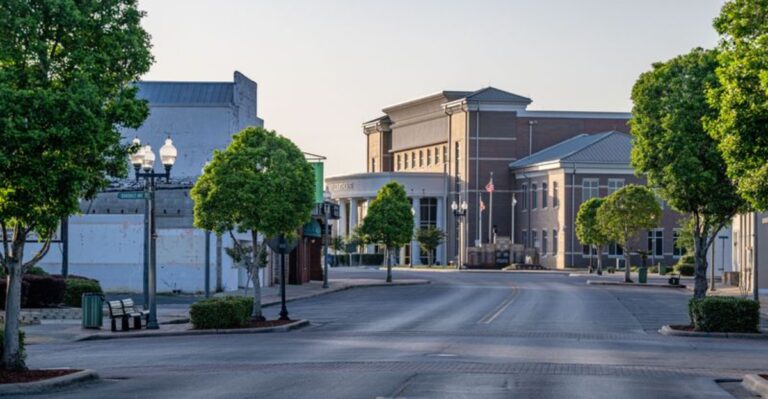
Small and simple, Cocoa is the kind of town that rewards curiosity over itineraries. With its tree-lined streets, historic downtown, and riverside charm, this small city invites you to slow down and explore at your own pace. Whether you stumble upon a quirky cafe, catch a spontaneous street performance, or simply watch boats drift by on the Indian River, Cocoa proves that the best discoveries happen when you ditch the schedule and just wander.
1. Historic Cocoa Village
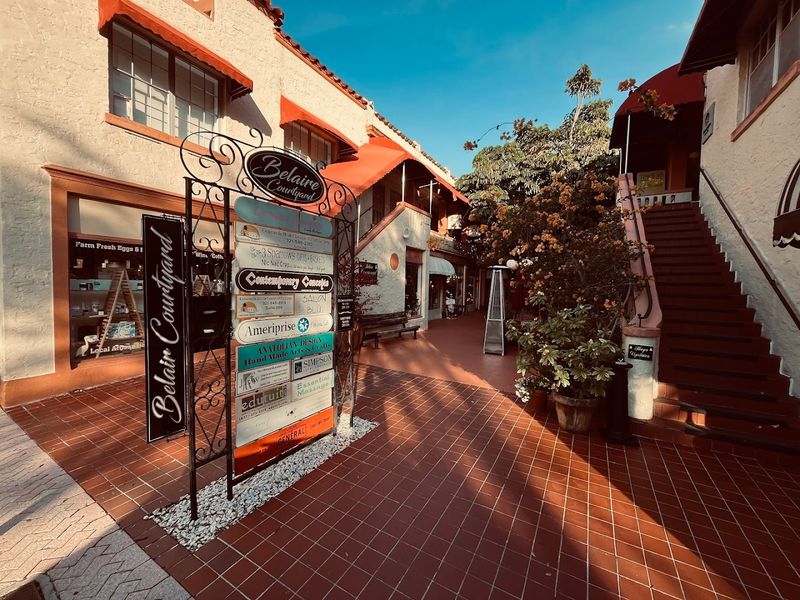
Brick walkways and century-old buildings create an atmosphere that feels frozen in time, yet buzzing with modern life. Cocoa Village is where the town’s personality shines brightest, packed with locally owned shops, galleries, and eateries that change with the seasons. You might find handmade jewelry in one storefront and vintage records in the next, never quite knowing what treasure awaits around the corner.
The district stretches several blocks, each offering something different from the last. Murals brighten alleyway walls, while benches under shade trees invite impromptu rest stops. Street musicians occasionally set up on weekends, adding unexpected soundtrack moments to your stroll.
Parking is easy and free throughout most of the village, making it simple to arrive without reservations or plans. Restaurants range from casual sandwich shops to upscale dining rooms, all within walking distance of each other. The village hosts regular events like art walks and farmers markets, but even on quiet weekdays, the area maintains its welcoming energy.
What makes this district special is how it balances preservation with progress. Original architecture remains intact while businesses inside continuously evolve, ensuring there’s always something new to discover even for repeat visitors who thought they’d seen everything.
2. Riverfront Park Along the Indian River
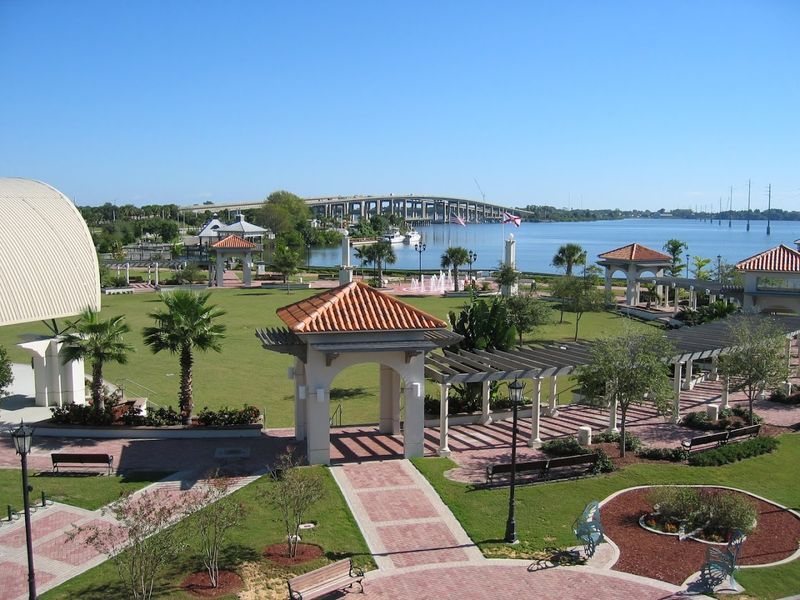
Water stretches wide and calm here, creating a backdrop that shifts from glassy blue to fiery orange depending on when you arrive. Riverfront Park offers one of Cocoa’s most peaceful settings, where locals come to fish, walk dogs, or simply sit and watch the water traffic glide past. The park features a long pier that extends over the Indian River, giving you front-row seats to manatees, dolphins, and an impressive variety of birds.
Pavilions with picnic tables dot the grounds, perfect for unplanned lunch breaks or afternoon reading sessions. The walking path meanders along the shoreline, shaded in spots by mature trees that provide relief from Florida’s intense sun. Benches face the water at regular intervals, each offering slightly different vantage points of the river and the boats that call it home.
Kayakers often launch from the small beach area, paddling out to explore the mangrove-lined shores visible across the water. Sunrise and sunset transform this spot into something magical, painting the sky in colors that seem too vibrant to be real. Fishermen line the pier rails with coolers and tackle boxes, always willing to share stories about the ones that got away.
There’s no admission fee, no required activities, just open space and water views that encourage lingering far longer than originally planned.
3. Porcher House Museum
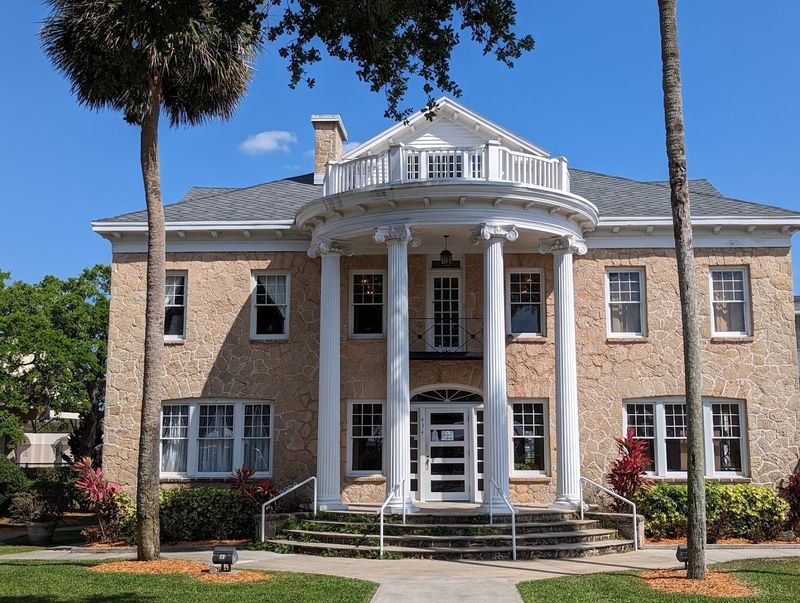
Built in 1916, this elegant home stands as a testament to Cocoa’s early days when citrus and pineapples drove the local economy. The Porcher House showcases what life looked like for prosperous Florida families over a century ago, with period furnishings, original hardwood floors, and architectural details that modern construction rarely replicates. Tours reveal stories about the Porcher family and the broader history of Brevard County’s development.
The house itself is a beauty, featuring a wraparound porch and rooms filled with artifacts from different eras of Cocoa’s past. Volunteers who lead tours are typically longtime residents with deep knowledge of local history, sharing anecdotes that textbooks never capture. You’ll learn about hurricanes that reshaped the town, the railroad’s impact on growth, and how the space industry eventually transformed the entire region.
Admission is remarkably affordable, and the museum keeps limited hours, so checking their schedule before visiting makes sense. The grounds include heritage trees and a small garden that blooms year-round with native Florida plants. Photography is welcomed, making it easy to document the ornate details of Victorian-era craftsmanship.
What surprises many visitors is how personal the experience feels, less like touring a museum and more like stepping into someone’s carefully preserved home where every object has a story worth telling.
4. Cocoa Bakery and Hidden Cafes
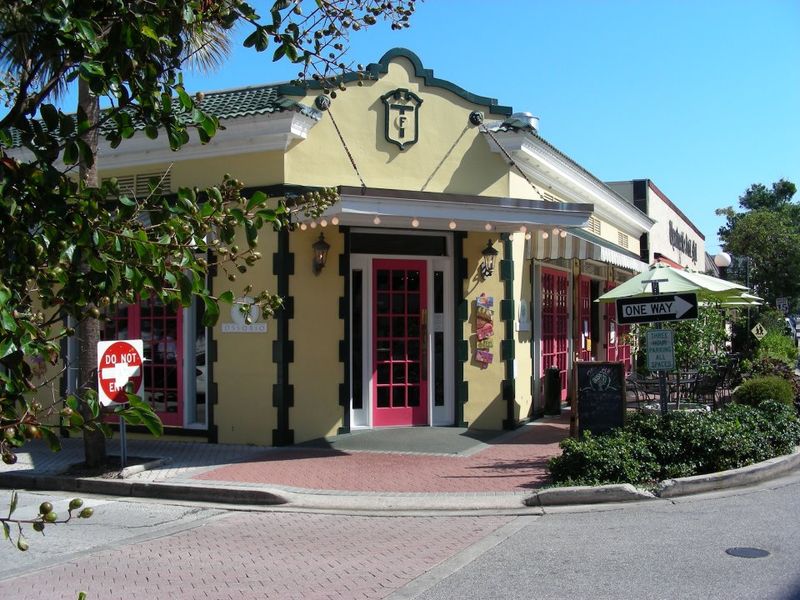
Forget chain coffee shops and generic breakfast spots. Cocoa’s independent cafes and bakeries serve up flavors that reflect the town’s personality, each with its own loyal following and signature items. The Cocoa Bakery has been a village staple for decades, known for wedding cakes, custom cookies, and morning pastries that draw crowds before most tourists even wake up.
Beyond the main bakery, smaller cafes hide in unexpected corners of downtown, some occupying converted houses or tucked-away storefronts that you’d miss if you weren’t paying attention. These spots often feature outdoor seating where you can people-watch while sipping locally roasted coffee or enjoying a sandwich made with ingredients from nearby farms. Menus change based on what’s fresh and available, giving each visit a slightly different experience.
Baristas and bakers in these establishments know their regulars by name, creating an atmosphere that feels more like visiting a friend’s kitchen than patronizing a business. Prices remain reasonable compared to tourist-heavy areas along the coast, and portions tend toward generous rather than Instagram-sized. Many places display local art on their walls, rotating exhibitions that give emerging artists exposure while adding visual interest to the dining space.
The beauty of wandering Cocoa without plans means stumbling into these culinary gems based purely on what smells good or looks inviting at that exact moment.
5. Indian River Kayak and Paddleboard Routes
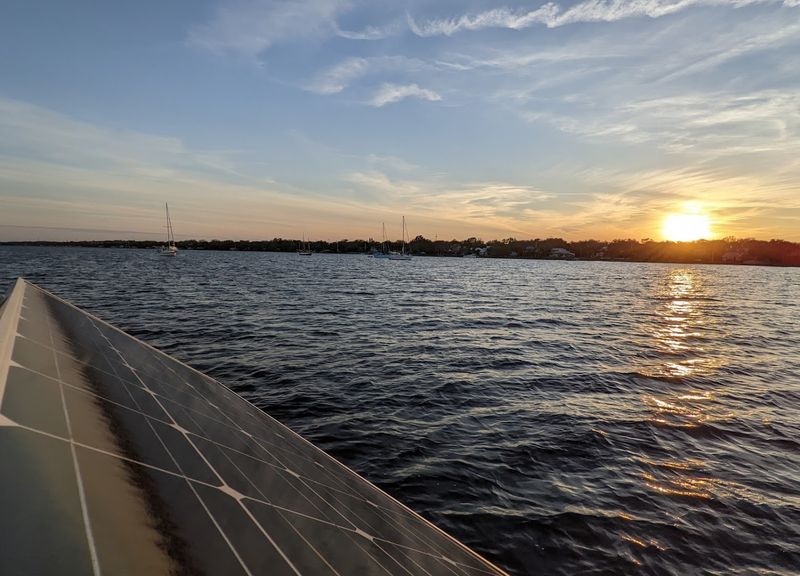
Exploring Cocoa from the water reveals perspectives that landlocked wandering can’t provide. The Indian River’s calm waters make it ideal for paddlers of all skill levels, with rental shops in the village area offering kayaks and paddleboards by the hour or day. No reservation needed in most cases, just show up, grab a paddle, and push off into water that reflects the sky like polished glass on calm days.
Mangrove tunnels wind through sections of the shoreline, creating natural corridors where sunlight filters through leaves and wildlife appears unbothered by your presence. Manatees surface nearby during cooler months, their gentle exhales breaking the water’s surface before they disappear again. Herons, egrets, and pelicans hunt along the shallows, while dolphins occasionally cruise past on their own mysterious missions.
The beauty of paddling here is the freedom to choose your route spontaneously. Follow the shoreline north toward Rockledge or head south toward Merritt Island, letting curiosity and energy levels dictate how far you venture. Sandbars and small islands offer stopping points for rest or exploration, some accessible only by water.
Sunset paddles are particularly stunning, with the western sky erupting in color while the river turns to liquid amber. Rental operators provide basic safety gear and waterproof containers for phones and keys, understanding that spontaneous adventures still require minimal planning.
6. Local Art Galleries and Studios
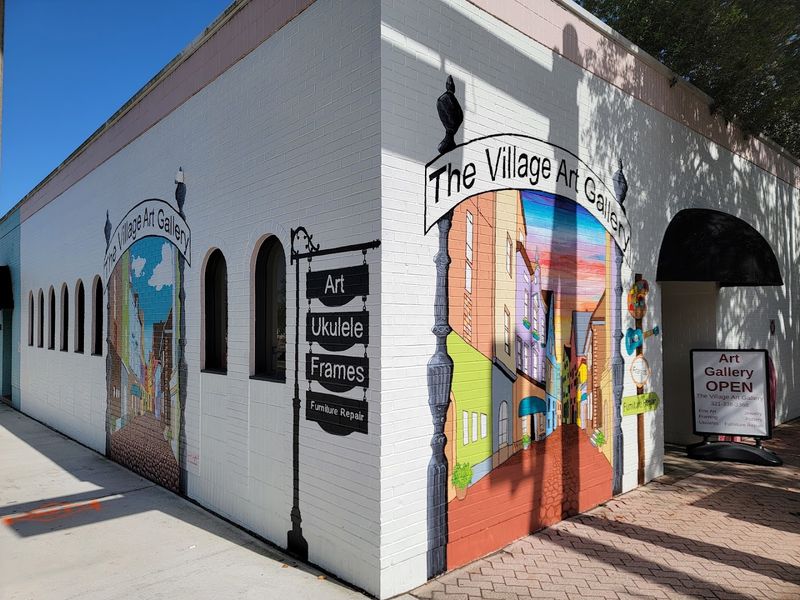
Creativity thrives in unexpected places throughout Cocoa, with working studios and galleries scattered among the retail shops and restaurants. Artists here draw inspiration from the river, the space industry, and Florida’s unique ecosystem, producing work that ranges from traditional landscapes to abstract pieces that challenge conventional perspectives. Many galleries welcome visitors to watch artists at work, blurring the line between exhibition space and creative laboratory.
First Friday art walks bring the community together monthly, with galleries staying open late and often serving refreshments while showcasing new collections. Musicians perform on sidewalks, and the energy shifts from daytime casual to evening festive. Even outside these organized events, gallery owners are typically present and happy to discuss the work on display, sharing insights about techniques, materials, and the stories behind specific pieces.
Prices vary dramatically, from affordable prints and small works to investment-level originals, making art accessible regardless of budget. Some studios offer classes and workshops, allowing visitors to try their hand at pottery, painting, or jewelry-making. The concentration of creative talent in such a small area means you can visit multiple distinct artistic voices within a single afternoon walk.
Purchasing directly from artists ensures your money supports the local creative economy while giving you a unique piece that captures Cocoa’s spirit in ways mass-produced souvenirs never could.
7. Travis Hardware and Old-School Shops
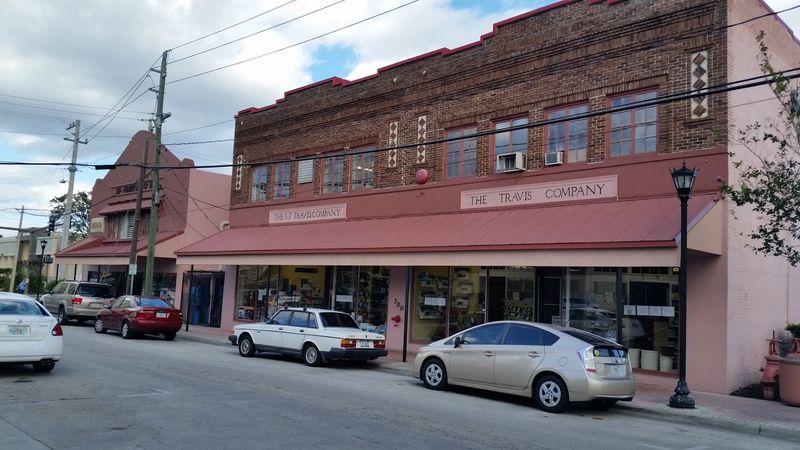
Some businesses survive not through reinvention but by staying exactly what they’ve always been. Travis Hardware represents this philosophy perfectly, operating since 1885 and maintaining the feel of an era when shopping meant conversations with knowledgeable staff rather than wandering endless aisles alone. The store carries everything from standard hardware supplies to unexpected specialty items you didn’t know existed until you needed them.
Walking through feels like time travel, with creaky wooden floors and ceiling-high shelves organized in ways that make sense only to longtime employees who know exactly where everything lives. Staff members offer solutions rather than just pointing to product locations, often suggesting alternatives that work better or cost less than what you originally requested. This old-fashioned customer service extends to other longtime Cocoa businesses that prioritize relationships over transactions.
Similar shops dot the village area, including vintage clothing stores, used bookshops with floor-to-ceiling inventory, and specialty retailers focusing on niche interests. These aren’t tourist traps filled with generic Florida merchandise but actual working businesses serving local needs while welcoming curious visitors. Prices reflect fair value rather than inflated vacation markups.
Browsing these establishments without specific shopping goals often yields the most interesting finds—vintage postcards, obscure tools, out-of-print books, or handmade items that spark conversations when you return home with stories about the quirky Florida town where you found them.
8. Spontaneous Riverside Dining
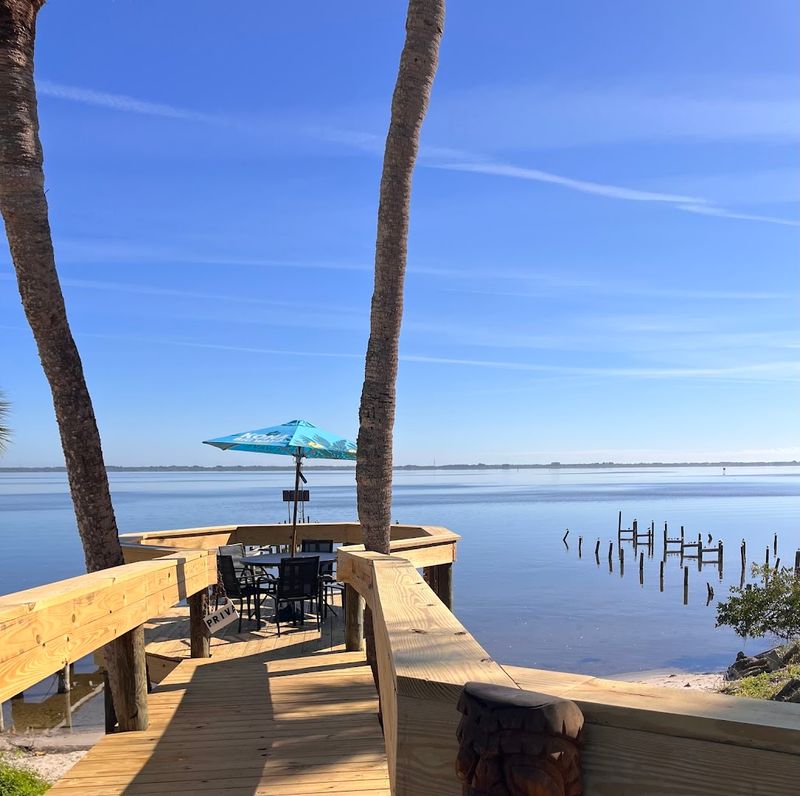
Deciding where to eat based on what looks good right now rather than advance reservations captures the essence of wandering Cocoa without plans. Several restaurants overlook the Indian River, offering outdoor seating where breezes keep you comfortable and views provide constant entertainment. Menus lean toward fresh seafood, though options span everything from burgers to international cuisine depending on which establishment catches your eye.
Lunch crowds tend toward locals on work breaks, creating authentic atmosphere rather than tourist-focused scenes. Dinner service brings a more relaxed pace, with sunset views often stealing attention from even the best dishes. Many restaurants feature live music on weekends, usually local musicians playing covers and originals in styles ranging from island-inspired to classic rock.
Dress codes remain casual throughout Cocoa, meaning you can walk straight from the park or kayak rental to a restaurant without worrying about appearance. Service tends toward friendly and unhurried, with servers who make recommendations based on what’s particularly good that day rather than pushing expensive specials. Portions are typically generous, and prices stay reasonable compared to beachfront dining just miles away.
The spontaneous approach works well here because quality remains consistent across most establishments, and the worst-case scenario is simply trying somewhere different next time. Outdoor seating fills quickly during pleasant weather, but bar areas and indoor tables usually have availability even during busy periods, ensuring you won’t go hungry regardless of when hunger strikes.