This Charming Florida Town Was Once Supposed to Rival New York City
A man named Henry Shelton Sanford bought over 12,000 acres along a lake and dreamed of building a city to rival New York. He called it the Gate City of South Florida. He even planted citrus and brought in Swedish workers to make it happen.
The giant city never showed up. Instead, the town became famous for celery, of all things. For decades, it shipped so much of the crunchy green stuff that people called it Celery City.
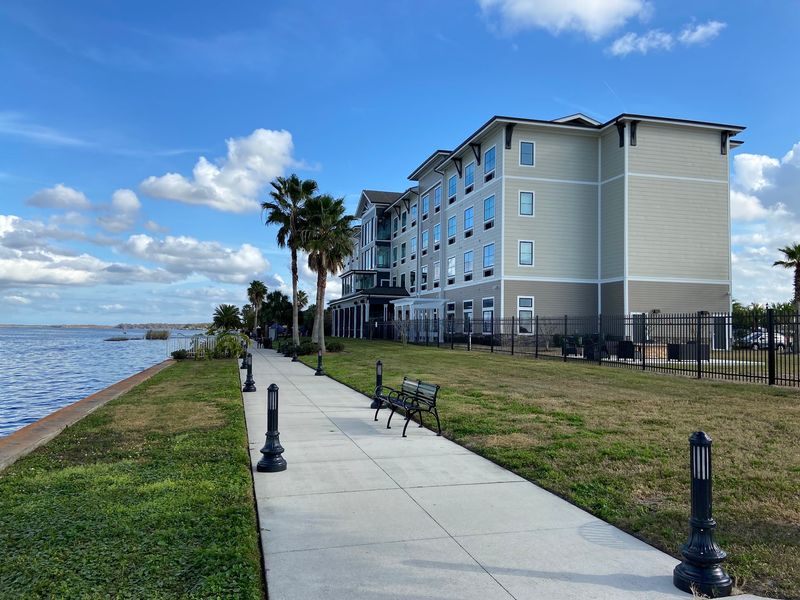
I like how a failed big-city dream turned into something cozier. Today the old brick downtown sits right on the water in Florida, full of shops, murals, and riverfront paths.
I can’t imagine a better plot twist for a small town. So what happens when a wannabe Manhattan settles for being charming instead?
1. A Big Dream That Started With One Ambitious Diplomat
Henry Shelton Sanford was a U.S. diplomat who served as minister to Belgium under Abraham Lincoln. In 1870, he bought a huge chunk of land on the south shore of Lake Monroe. His plan was bold, to say the least.
He pictured a major transportation hub that could rival New York City. Lake Monroe connects to the St. Johns River, which flows north to Jacksonville. Steamboats already carried goods and travelers along that route.
Sanford, Florida grew from that vision and was incorporated as a city in 1877. The founder called it the Gate City of South Florida. The nickname made sense, since the river and later the railroad funneled people south.
He also started Belair Grove, an experimental citrus grove where he tested many plant varieties. Not every idea worked out the way he hoped. Freezes, money troubles, and slow growth kept the city from becoming a giant.
Still, you can feel his ambition in the town’s layout and waterfront focus. It’s a fun reminder that big dreams sometimes land somewhere smaller and sweeter. Honestly, who needs subway crowds when you’ve got a lake view?
2. Celery Saved The Day When Oranges Froze Solid
Oranges were supposed to be the star. Then the Great Freeze of 1894 and 1895 wiped out much of the citrus crop across Central Florida. Farmers had to rethink everything fast.
Their answer was celery. The rich soil around Sanford turned out to be great for growing it. Soon the town shipped huge amounts of celery across the country by rail.
That’s how Sanford earned the nickname Celery City. For decades, it was one of the biggest celery producers in the nation. Local farmers built irrigation systems that helped the fields thrive.
It’s a funny twist for a city once meant to compete with Manhattan. Instead of skyscrapers, it got crunchy green stalks. I think that makes the story even better, because it shows how a community adapts.
You’ll still spot celery references around town today. The city logo and local pride keep the memory alive. Next time you crunch on a celery stick, give a little nod to this Florida town.
3. You Will Want To Wander Every Block Of The Brick Downtown
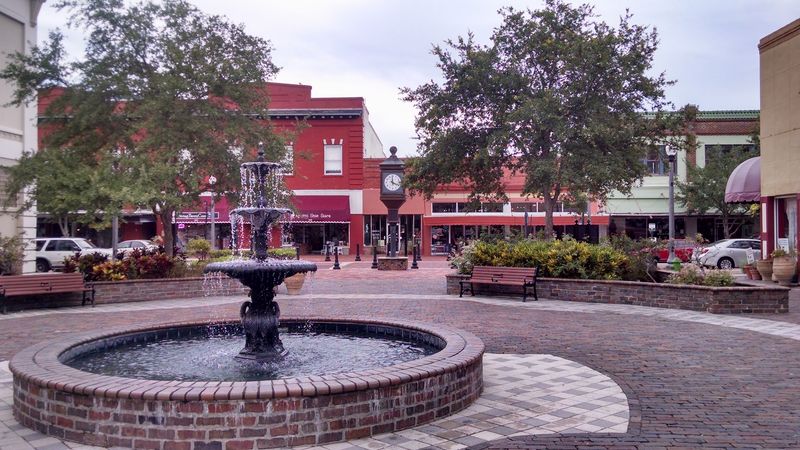
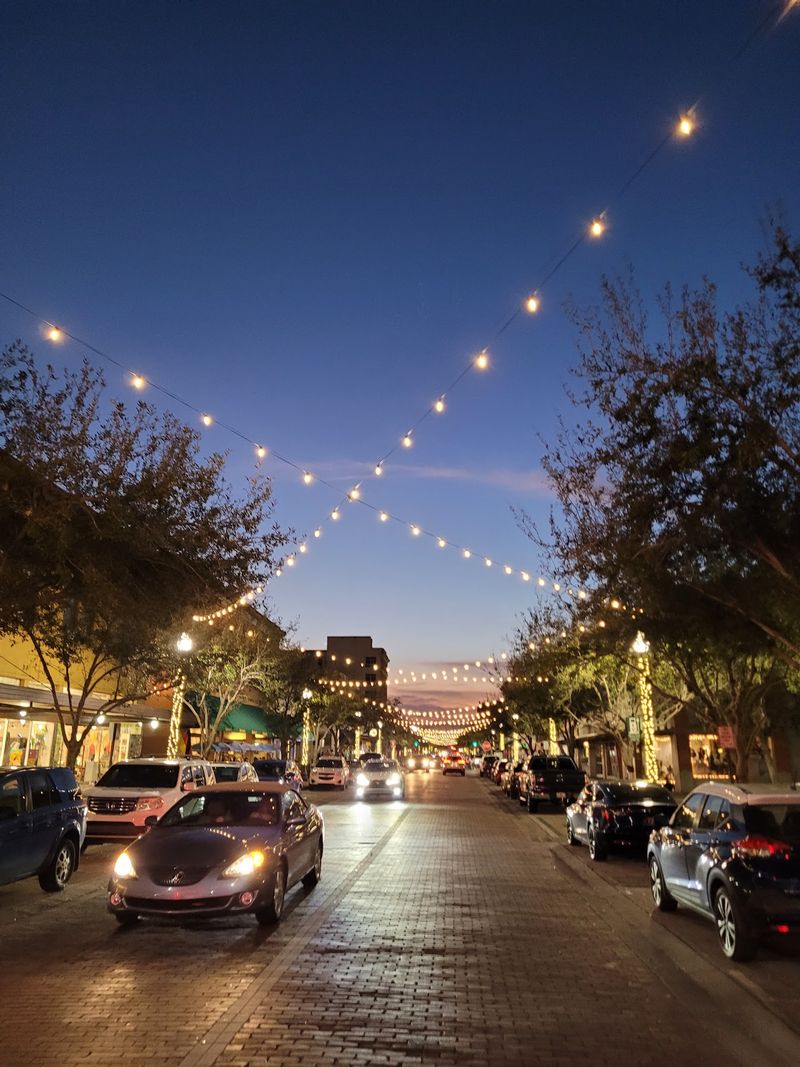
Red brick storefronts line First Street in historic downtown Sanford. Many buildings date back to the late 1800s and early 1900s. The district is listed on the National Register of Historic Places.
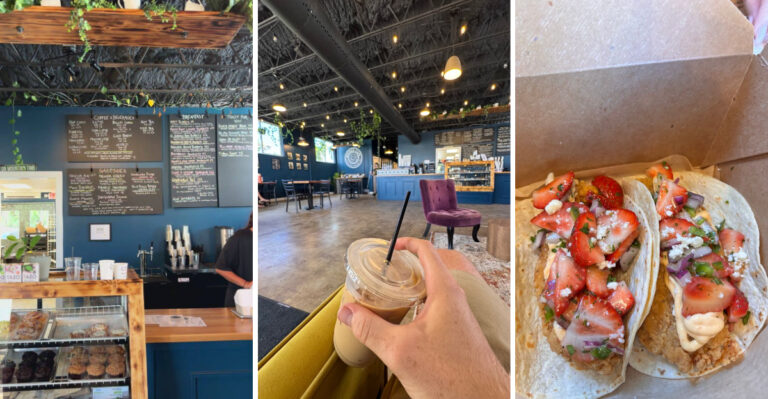
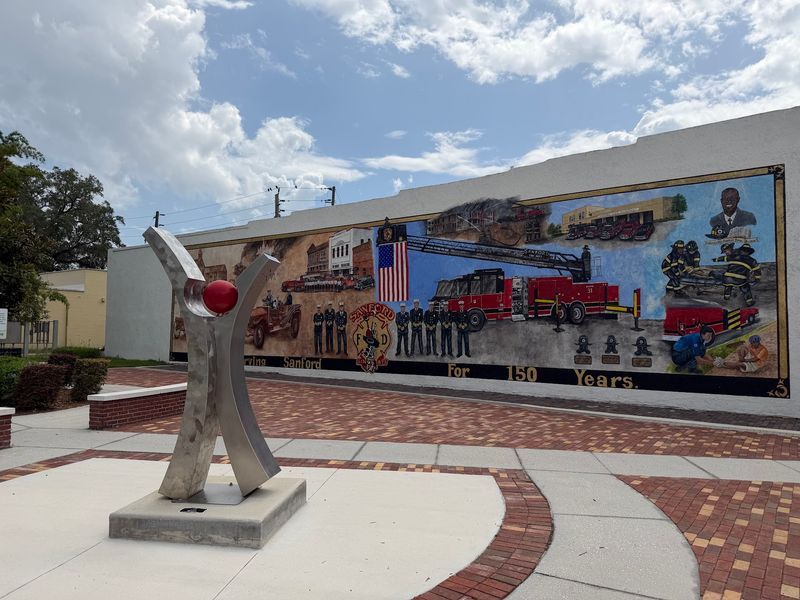
Walking these streets feels like stepping into an old postcard, minus the sepia tint. You’ll find local boutiques, antique shops, restaurants, and coffee spots. Colorful murals pop up on walls throughout the area.
The downtown sits just a short stroll from Lake Monroe. That makes it easy to mix shopping with a waterfront walk. Plan to wear comfy shoes, because you’ll probably keep saying just one more block.
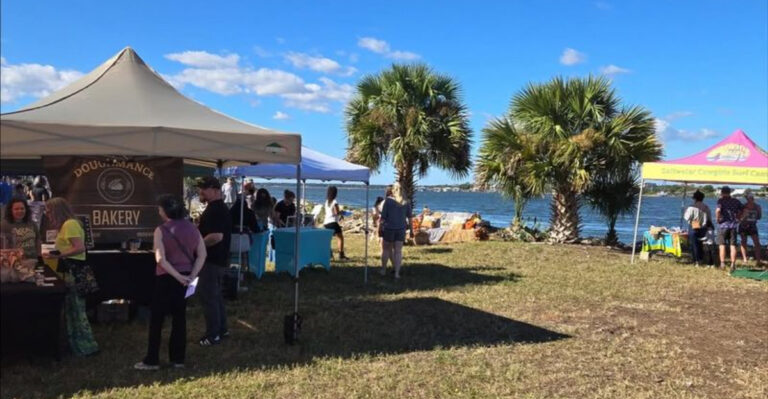
Events often fill these streets too. Sanford has a history of hosting Alive After 5 street parties with music and vendors, although the event no longer follows a regular monthly schedule. There’s also a popular farmers market on Saturdays at Magnolia Square.
My advice is simple. Give yourself a full afternoon here instead of a quick peek. The details on old facades and hand-painted signs reward people who slow down and look up.
4. The Lakefront Is Where Sunsets Steal The Show
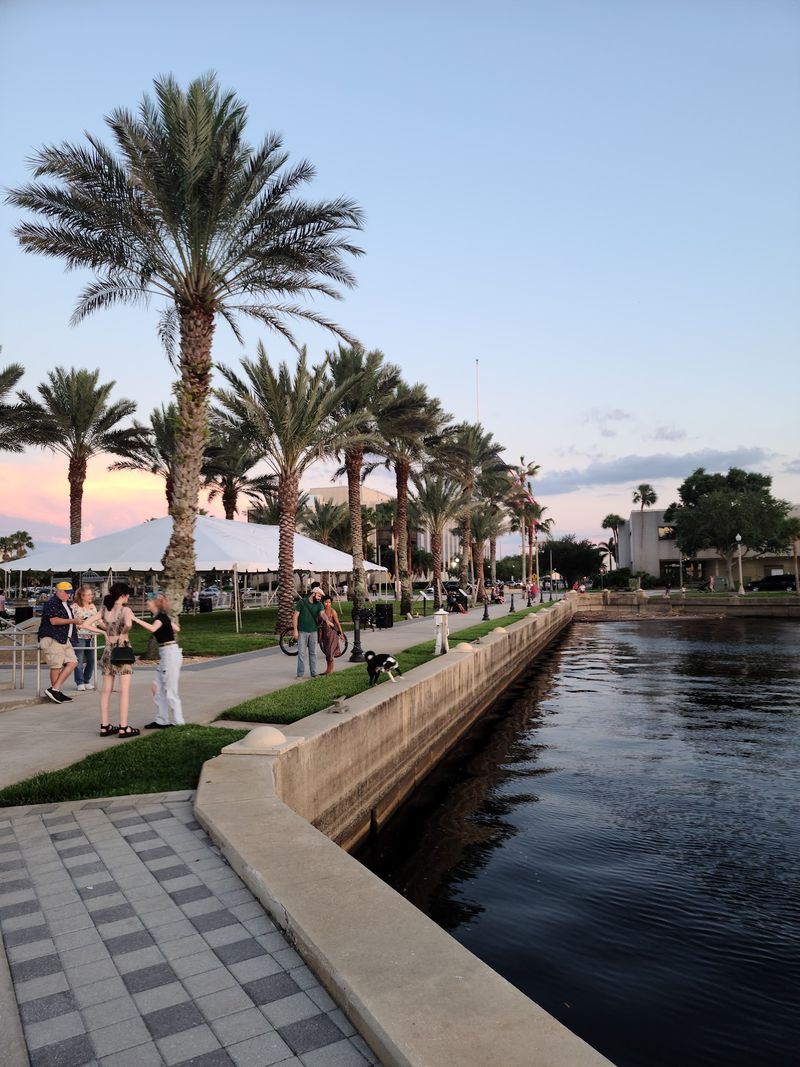
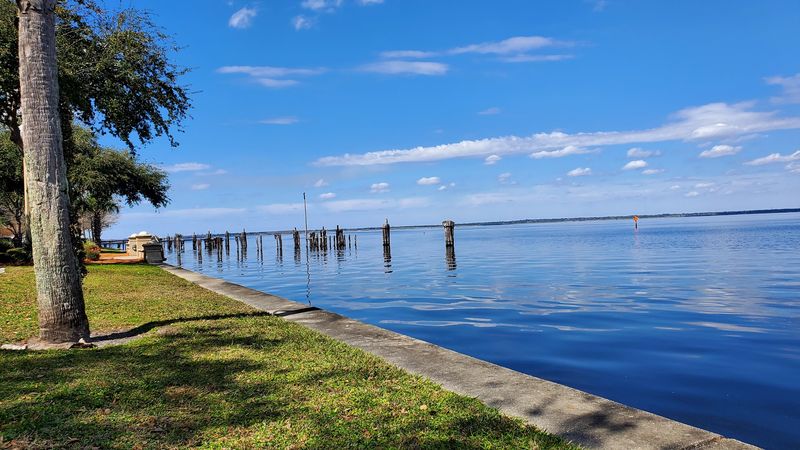
Lake Monroe stretches wide and calm right beside downtown. It’s the reason Henry Sanford picked this spot in the first place. Today it’s the town’s favorite backyard.
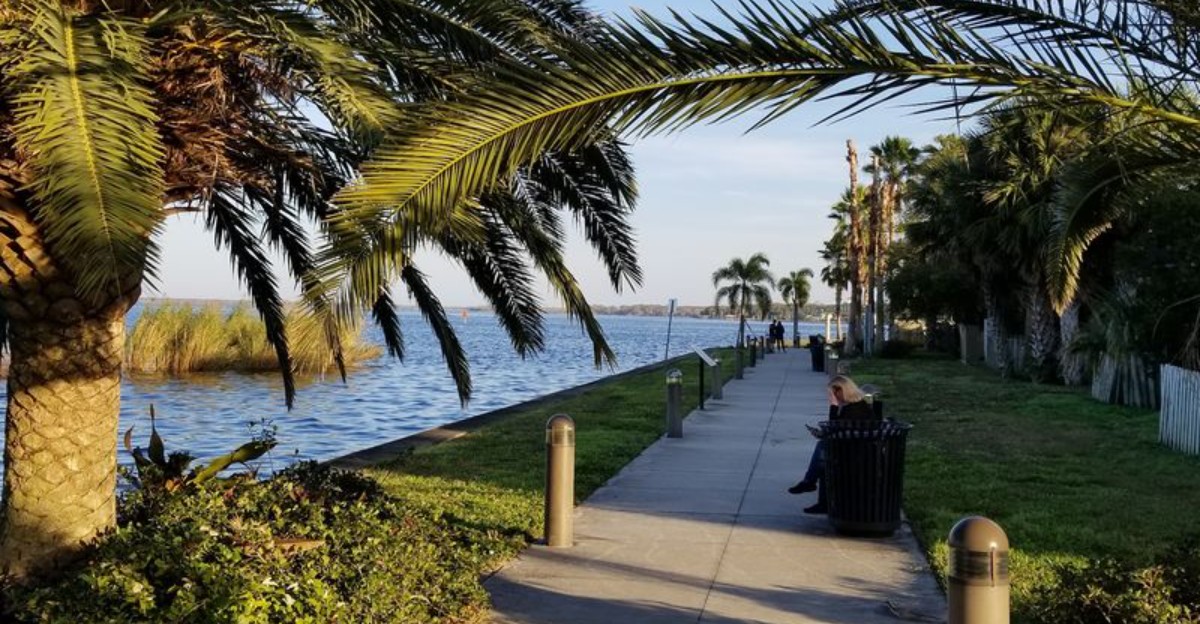
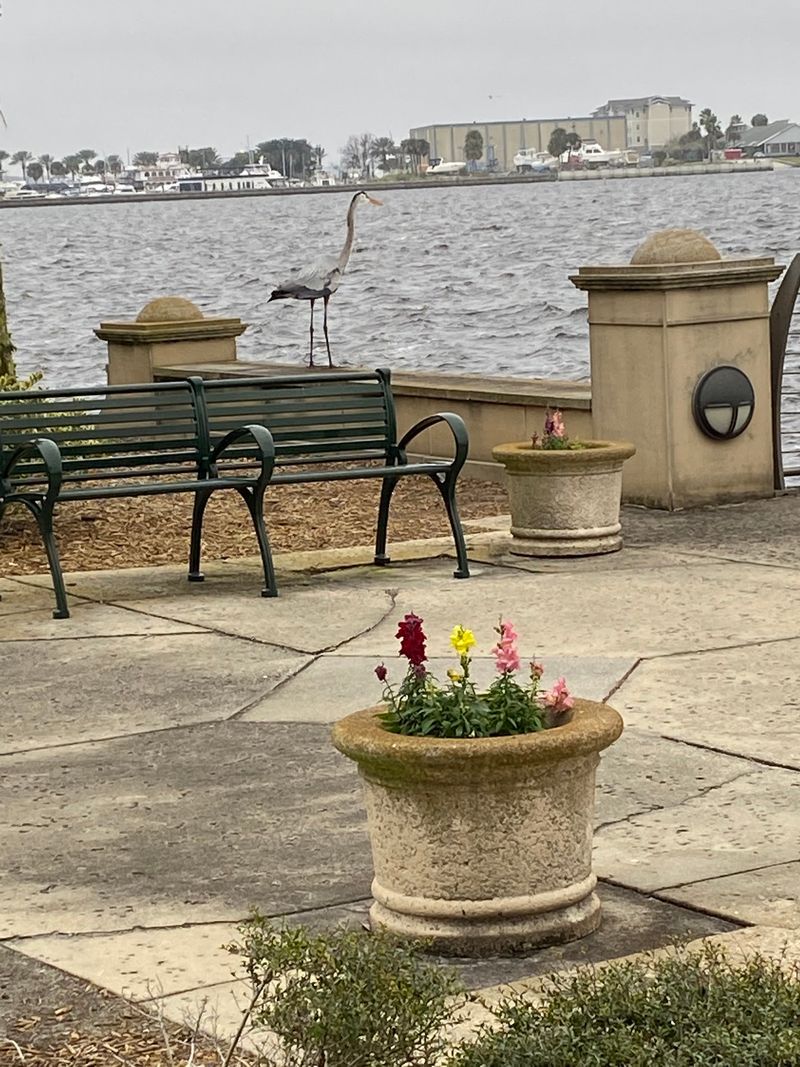
The Sanford Riverwalk runs along the shoreline for several miles. It’s a paved path that’s great for walking, jogging, biking, or just strolling slowly with a snack. Benches give you plenty of places to pause.
The Riverwalk is part of a larger trail network linking to the Seminole Wekiva Trail and beyond. That means serious cyclists can keep pedaling for a long way. Casual walkers can simply turn around whenever they feel like it.
Sunset is the golden hour here, literally. The western sky lights up over the water in Florida’s famous shades of pink and orange. Bring a camera, or at least a fully charged phone.
Keep an eye out for wildlife along the shore. Wading birds hang around the water’s edge often. Just admire any alligators from a polite distance, since they don’t do selfies.
5. A Baseball Legend Played Here Before It Was Easy
Jackie Robinson stepped onto a field in Sanford in 1946. He was training with the Montreal Royals, a Brooklyn Dodgers farm team. It was a big moment in the fight to break baseball’s color barrier.
The visit didn’t go smoothly. Local opposition forced him to leave town quickly. Still, that short chapter became part of baseball history.
Sanford has since honored that story in meaningful ways. Historic Sanford Memorial Stadium carries a tribute to Robinson. A historical marker helps visitors understand what happened and why it matters.
I believe stories like this make a town richer, not weaker. Facing hard history honestly shows real character. It also gives families a powerful lesson to talk about together.
Sports fans will enjoy seeing the stadium in person. The ballpark still hosts games, so check the local schedule before you go. Standing near that field, it’s easy to appreciate how much courage one player brought to the game.
6. Animals Get The Spotlight At This Wild Little Zoo
Cheetahs, rhinos, and colorful birds live just off Interstate 4 in Sanford. The Central Florida Zoo and Botanical Gardens sits at 3755 W. Seminole Blvd., Sanford, FL 32771.
It’s a favorite stop for families.
The zoo covers lush grounds shaded by native trees. Paths wind through habitats and gardens, so you get plants and animals in one trip. It feels relaxed rather than overwhelming.
Kids usually love the hands-on extras. There’s a splash pad for cooling off on hot days. The zoo also offers animal encounters and educational programs throughout the year.
Adventure seekers can try Seminole Aerial Adventures, which offers treetop ropes courses and zip-line activities near the zoo’s entrance. Climbing above the treetops gives a whole new view of the zoo. Just double-check age and height rules before promising anything to little ones.
Seasonal events add even more fun. The zoo hosts holiday celebrations that draw local families back again and again. Pack sunscreen, water, and patience for little legs that want to see everything.
7. Your Car Can Ride A Train Straight Out Of Here
Few towns can say this. Sanford is the southern end of the Amtrak Auto Train. The service carries both passengers and their vehicles between Sanford and Lorton, Virginia.
The trip runs overnight and covers roughly 855 miles. You skip hours of interstate driving and still arrive with your own car. Snowbirds and road-trip-weary families love that idea.
It fits Sanford’s old role as a transportation gateway pretty nicely. The town started as a steamboat and railroad hub. Now it moves cars and people north on rails once again.
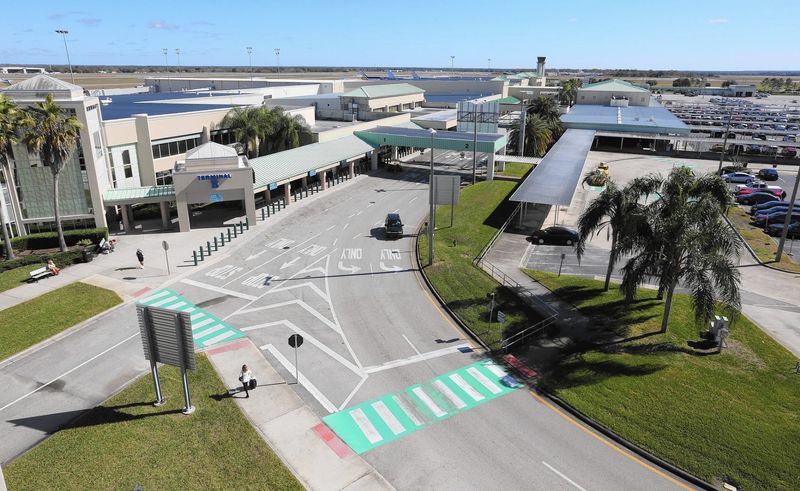
Sanford is also home to Orlando Sanford International Airport. It serves many leisure travelers and is often less hectic than bigger airports. That gives the city two easy ways in and out.
So maybe Henry Sanford’s dream wasn’t totally off. The city never became New York, but it did become a busy travel crossroads. Not bad for a place once known mostly for celery.
8. Old Homes With Big Porches Deserve A Slow Stroll
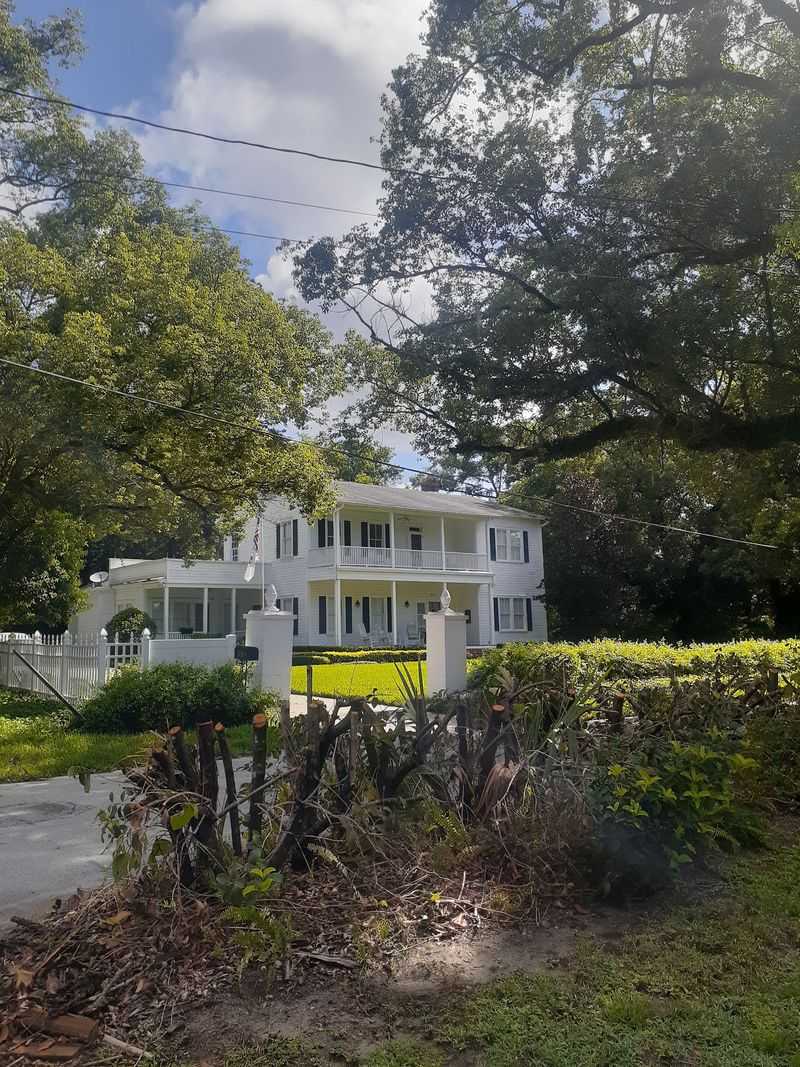
Wraparound porches and gingerbread trim are everywhere in Sanford’s Residential Historic District. Many homes were built in the late 1800s and early 1900s. Some show Victorian styles, while others lean toward bungalow charm.
Tall oaks and Spanish moss shade the streets. Walking here feels peaceful and a little like time slowed down. Just remember these are private homes, so admire from the sidewalk.
Want a deeper look at local history? The Sanford Museum shares stories about the city’s founding, its founder, and the celery era. Admission is free, which makes it an easy add-on.
The museum holds papers and items connected to Henry Shelton Sanford. It’s a great place to understand how the big-city dream took shape. Kids may enjoy spotting old photos of steamboats and farm fields.
Pair the museum with a neighborhood walk for a perfect history afternoon. You’ll leave with a real sense of how this Florida town grew. Good luck not daydreaming about owning one of those porches.
9. Orlando Fun Is Close, But You May Not Want To Leave
Here’s a handy perk. Sanford sits about 20 miles north of downtown Orlando. It’s the county seat of Seminole County and part of the greater Orlando metro area.
That location makes it a smart home base. You can reach big theme parks with a drive, then return to a quieter town at night. Many travelers like that balance.
Nature lovers have options nearby too. Wekiwa Springs State Park, with its clear spring water, is a reasonable drive away. The St. Johns River also offers boat tours and fishing spots around the area.
Back in town, Sanford has a lively restaurant, brewery, and nightlife scene along First Street, plus plenty of cafes. You can easily fill a weekend without leaving city limits. The pace feels friendly instead of rushed.
In the end, Sanford never became the next New York. Instead, it became a charming lakeside town with real history and plenty to explore. Honestly, I think that turned out to be the better deal.