This Dreamy 34-Mile Florida Drive Is So Beautiful, You’ll Never Want It to End
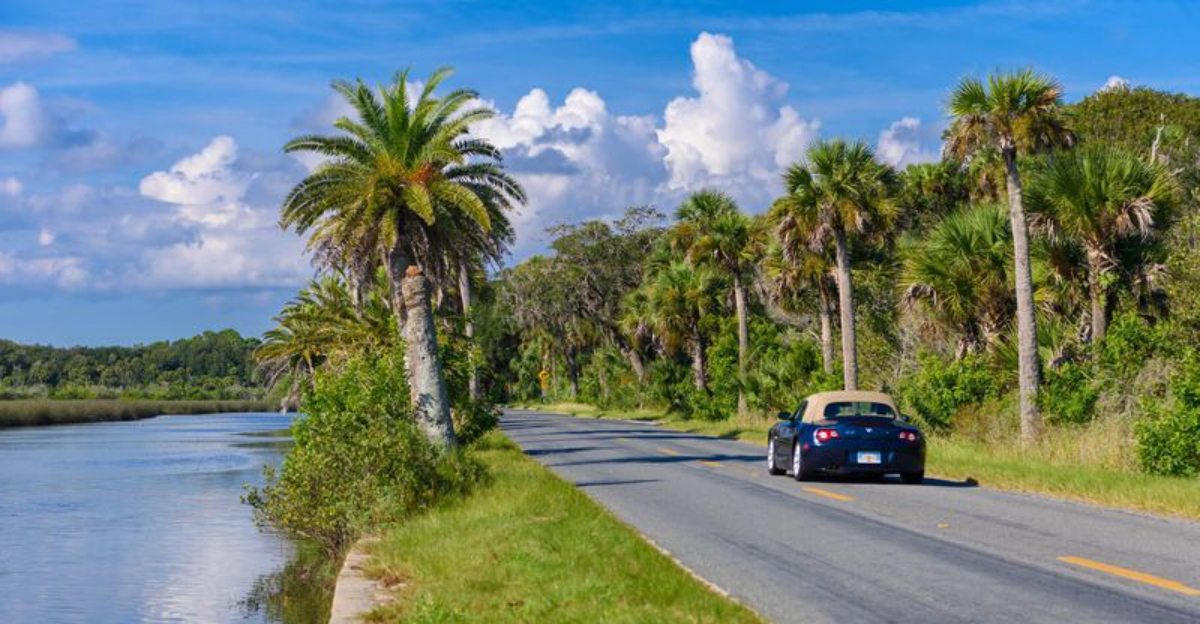
The Ormond Scenic Loop & Trail offers one of Florida’s most enchanting drives, winding 34 miles through ancient oak canopies, riverside marshlands, and hidden natural treasures. Located just north of Daytona Beach in Ormond Beach, this route reveals the side of Florida tourists rarely see—no neon signs or crowded boardwalks, just pure Old Florida charm. Whether you’re cruising in your car, pedaling on a bike, or stopping to explore on foot, every turn brings something new to discover.
Get ready to fall in love with a Florida that feels untouched by time.
1. Tree-Canopied Roads That Feel Like Driving Through a Painting
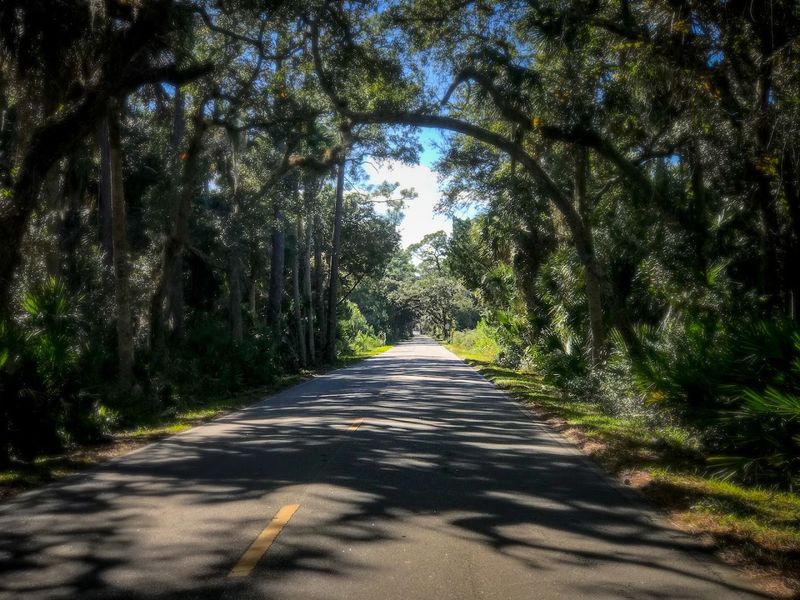
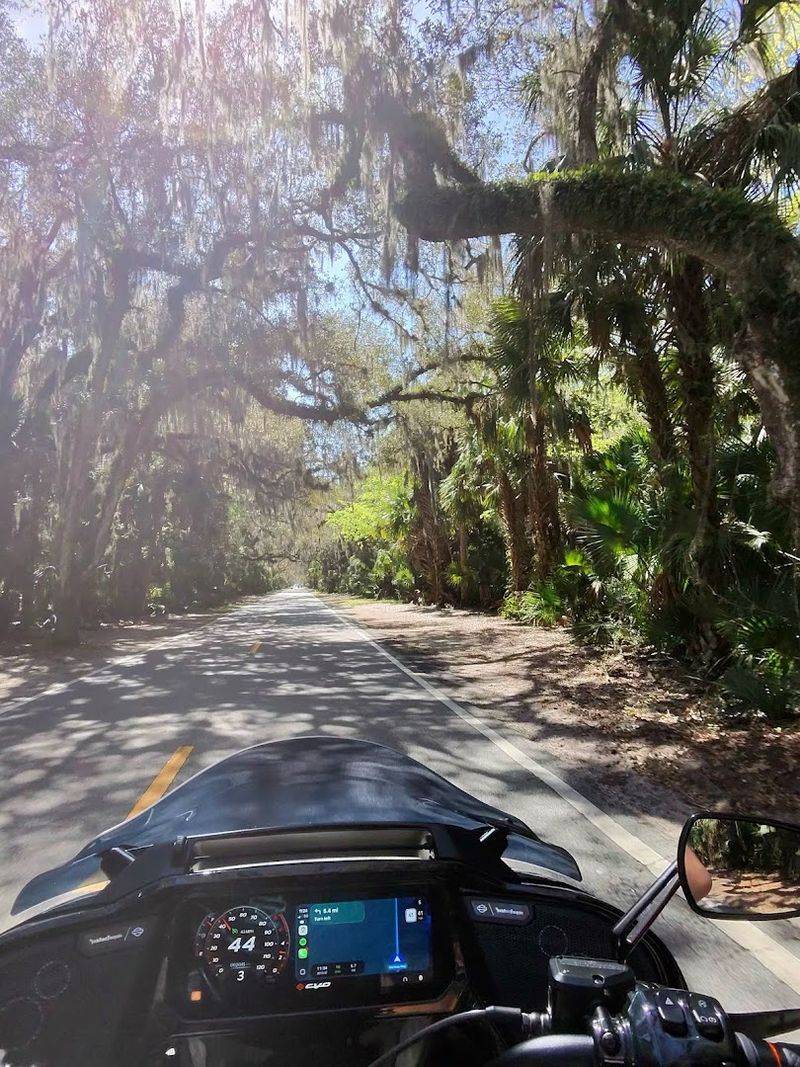
Massive oak trees draped in Spanish moss arch over the road, creating a natural tunnel that filters sunlight into a million dancing shadows. The effect is almost otherworldly, especially during early morning or late afternoon when the light turns golden and soft. Locals call it the dappled lighting effect, and photographers absolutely lose their minds over it.
This isn’t your typical Florida scenery of palm trees and beaches. The canopy here has been growing for decades, some trees centuries old, creating a cathedral-like atmosphere that makes even the most jaded driver slow down and stare. You’ll want to roll your windows down to hear the rustle of leaves and feel the cooler air beneath the shade.
Bikers and motorcyclists especially love this stretch because the temperature drops noticeably under the canopy, offering relief from Florida’s relentless heat. The road curves gently, never demanding too much attention, so you can actually enjoy the view without white-knuckling the steering wheel. Around sunset, the sky turns pink and purple through the branches, creating an Instagram moment that needs no filter.
Bring your camera or just soak it in with your own eyes. Either way, this section alone makes the entire loop worth the trip.
2. Halifax River Views That Stretch for Miles
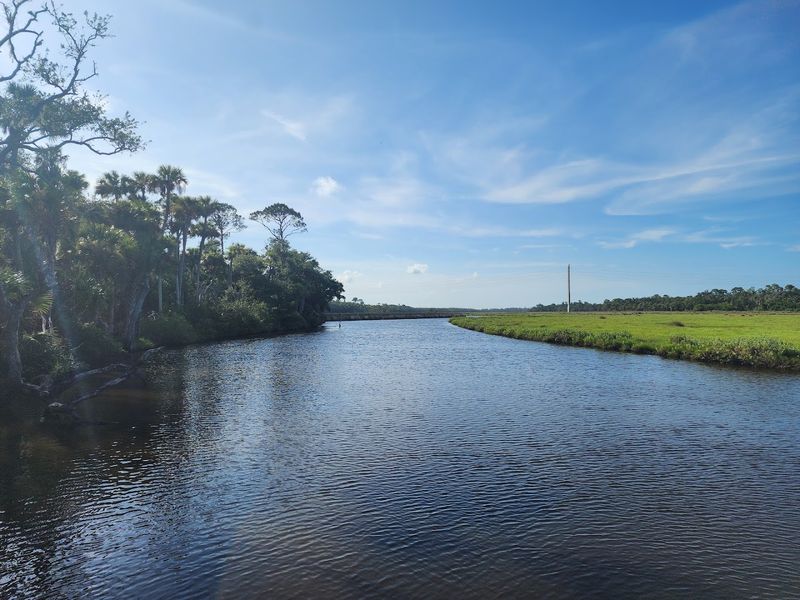
The loop hugs the Halifax River for a significant stretch, offering wide-open water views that contrast beautifully with the dense forest sections. One minute you’re under a canopy of trees, the next you’re staring across a glassy river dotted with kayakers and fishing boats. The marshlands along the edges teem with wildlife—herons standing perfectly still, egrets swooping low, and if you’re lucky, dolphins breaking the surface.
Several pull-off spots let you park and just watch the water. Seabridge Riverfront Park is a favorite stop, where you can stretch your legs and explore the ruins of an old sugar and rum plantation mill. The historical marker tells the story, but honestly, just standing there imagining the area 200 years ago is wild enough.
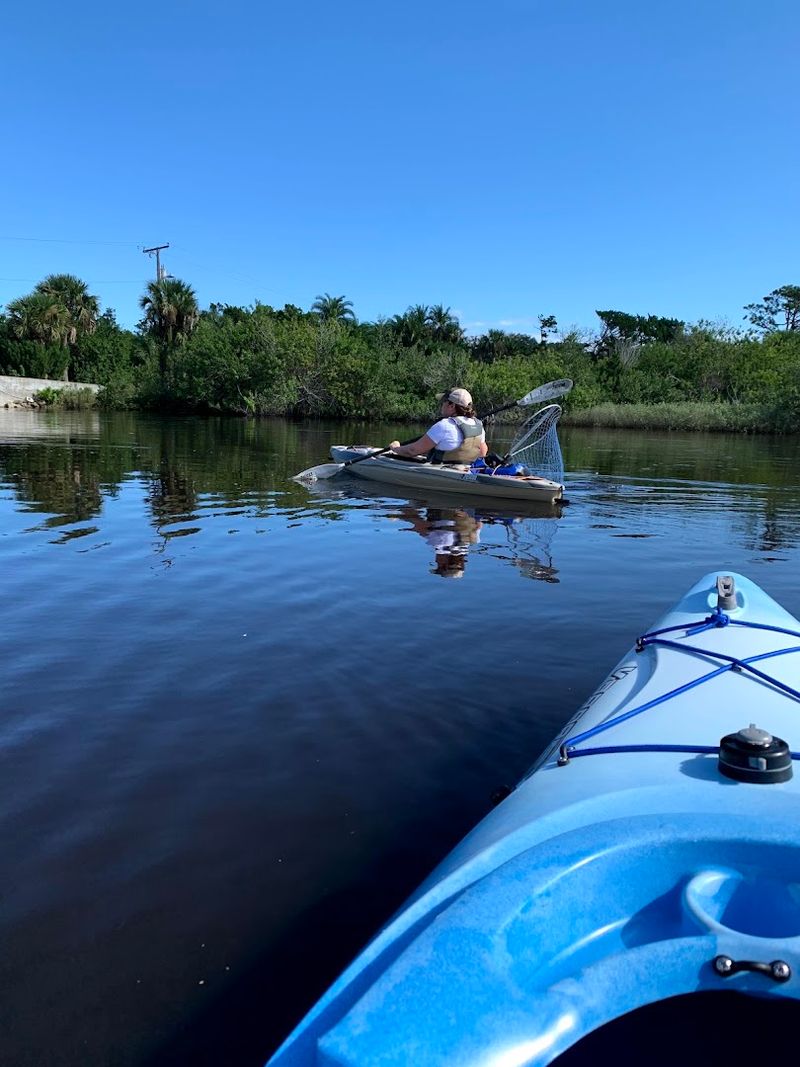
Fishermen love casting lines from the shore here, and the reviews aren’t lying when they say it’s a peaceful spot to relax. The water stays relatively calm, making it perfect for paddling if you’ve brought a kayak. Some visitors report seeing manatees during cooler months, though they’re not guaranteed guests.
The riverfront sections also catch the best breezes, which is clutch during summer drives when the humidity tries to melt you into your car seat.
3. Tomoka State Park Connection and Ancient Oak
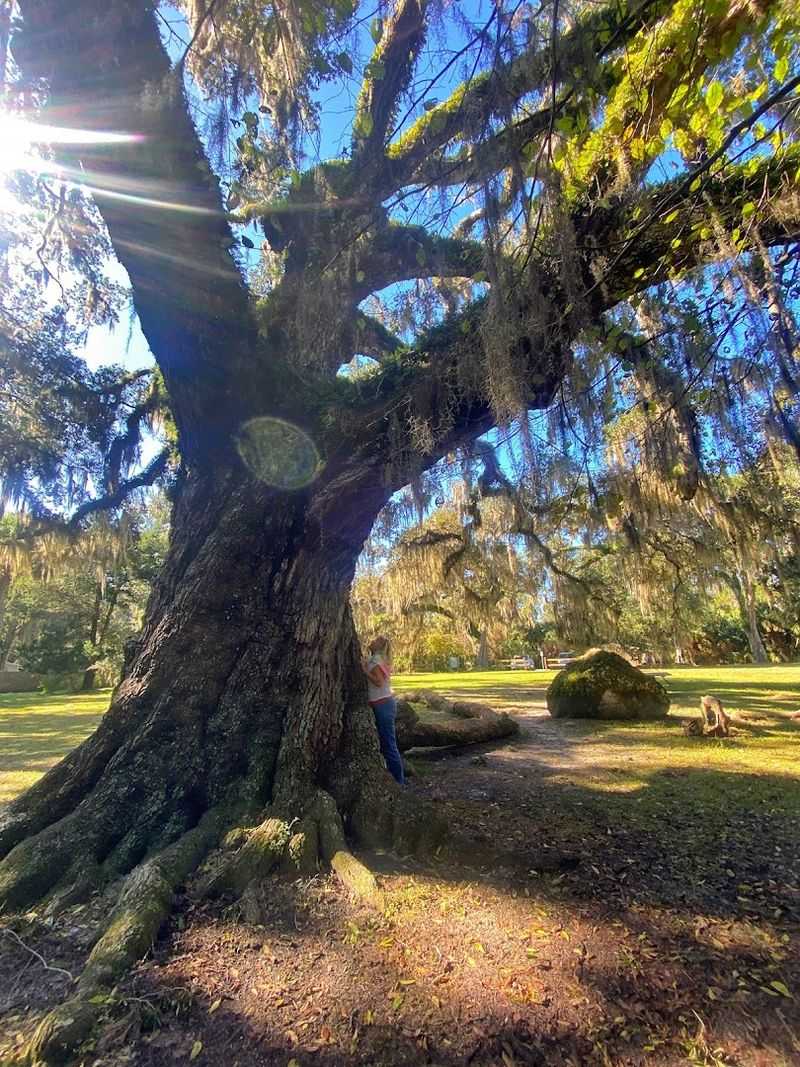
The scenic loop leads directly to Tomoka State Park, home to one of Florida’s most humbling natural wonders—a 2,000-year-old oak tree. Yeah, you read that right. This tree was already ancient when Europeans first arrived in the Americas.
Standing beneath its massive branches feels like touching history, and visitors often report an almost spiritual connection when they place their hands on the bark.
The park itself offers hiking trails, camping spots, and kayak launches, making it easy to extend your loop adventure into a full day outdoors. The trails wind through coastal hammock and along the river, with interpretive signs explaining the area’s ecological importance. Watch where you step though—reviews mention snakes are common on the trails, especially during warmer months.
Entry to Tomoka State Park costs just $4 per vehicle, which is a steal considering what you get access to. The park connects seamlessly with the scenic loop, so you can drive straight through or park and explore on foot. Campers rave about the peaceful atmosphere and the chance to wake up surrounded by Old Florida.
Early morning visits offer the best lighting and fewer crowds, plus you might catch wildlife being more active before the heat sets in.
4. John Anderson Drive’s Historic Charm
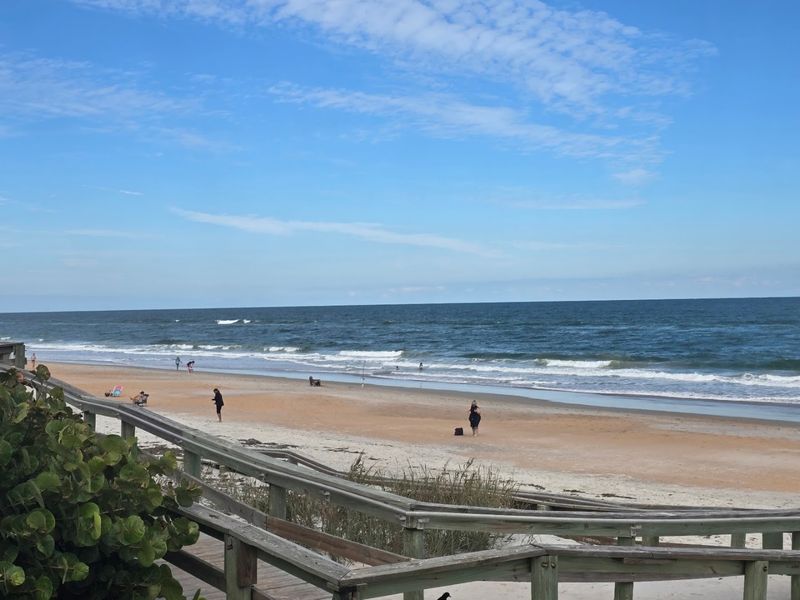
John Anderson Drive forms part of the loop and carries its own slice of local history. For thirty years, one visitor’s father delivered mail along this route, and driving it now brings back memories of a quieter Florida era. The street features a mix of historic homes and natural areas, with the river never far from view.
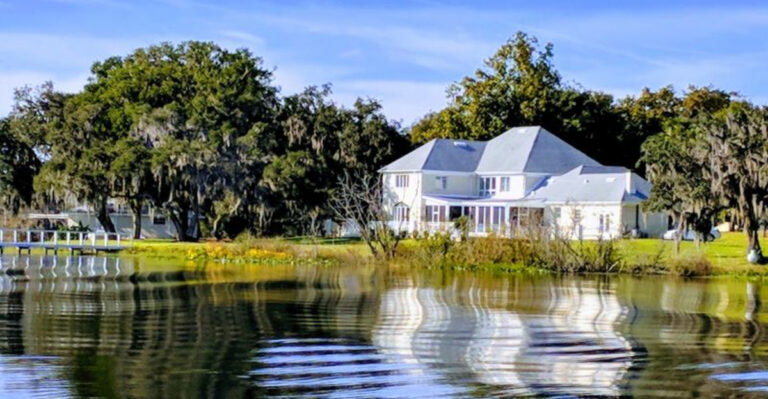
What makes this section special is how it balances residential charm with natural beauty. You’re not driving through a dense neighborhood—instead, homes are spaced out with plenty of greenery between them, and the architecture leans toward Old Florida style rather than modern cookie-cutter developments. Some properties have been there for generations, their sprawling yards filled with mature trees and native plants.
The drawbridge crossing is a highlight, especially if you catch it opening for boat traffic. There’s something nostalgic about waiting for a bridge to lower, watching sailboats glide underneath while pelicans perch on the railings. It’s a forced pause that actually feels welcome rather than annoying.
This stretch also tends to be less crowded than other parts of the loop, making it ideal for a leisurely cruise. Roll down the windows, turn off the radio, and just enjoy the view without distractions.
5. Wildlife Spotting Opportunities Around Every Bend
Bring binoculars because the Ormond Scenic Loop is basically a drive-through wildlife show. Herons and egrets are practically guaranteed sightings, often standing statue-still in the shallows waiting to spear fish. Tiny crabs scuttle across the road near water crossings, earning enthusiastic mentions in reviews from visitors who found them unexpectedly adorable.
Dolphin sightings happen more often than you’d expect, especially along the river sections where the water deepens. They tend to surface in the early morning or late afternoon, their fins slicing through the calm water. Some lucky visitors have watched entire pods playing near the shore, though patience is required since dolphins follow their own schedule.
Gator spotting is hit or miss—some people see them sunning on banks, others drive the entire loop without a single sighting. They’re definitely there, just not always visible. Manatees sometimes make appearances during cooler months when they migrate to warmer waters, their gentle bulk surprisingly stealthy until they surface to breathe.
The diversity of birds alone makes the drive worthwhile for nature lovers. Ospreys nest in tall trees, woodpeckers hammer away at dead trunks, and various wading birds stalk the marshes. It’s like a free nature documentary unfolding in real time.
6. Perfect for Biking, Not Just Driving
Multiple reviewers swear the loop is even better experienced on two wheels than four. Biking lets you move at a pace where you actually notice details—the sound of wind through moss, the smell of salt air mixing with earth, the way temperature shifts between sunny and shaded sections. Plus, you can stop anywhere without worrying about pulling a car over safely.
The 34-mile distance is totally manageable for intermediate cyclists, with gentle terrain and minimal traffic on most sections. Serious riders knock it out in under two hours, while casual pedalers take their time, stopping for photos and water breaks. Sunset rides are particularly magical when the sky turns pink and purple through the tree canopy.
The loop also connects to other trail systems, so you can extend your ride if you’re feeling ambitious. Local cyclists treat it as a regular training route, which means you’ll see plenty of fellow riders, especially on weekend mornings. There’s an unspoken camaraderie among loop regulars who exchange waves and nods.
Just remember to bring water, sunscreen, and maybe a basic repair kit. While the route isn’t technically challenging, Florida heat can be brutal, and you’re far enough from conveniences that being prepared matters.
7. Occasional Flooding Adds Adventure (or Inconvenience)
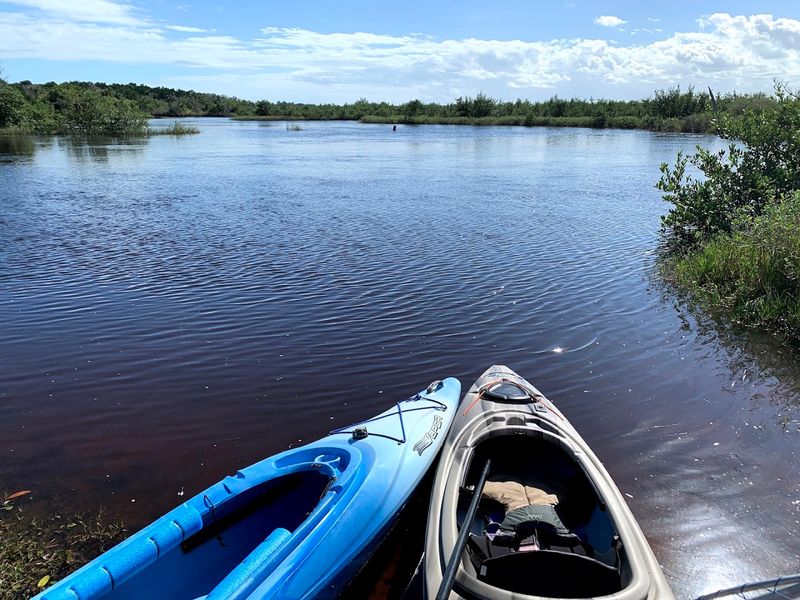
Fair warning—some sections occasionally flood after heavy rains, creating shallow water crossings that range from puddle-depth to a few inches deep. Most vehicles handle it fine, but if you’re in a low-clearance sports car, you might want to check conditions first. One reviewer gleefully drove their rental through flooded sections with a “what the heck” attitude that perfectly captures the adventurous spirit required.
The flooding typically happens in the lower-lying areas near marshlands and usually recedes within a day or two of dry weather. It’s more common during summer rainy season or after tropical systems pass through. Locals barely notice it, but visitors sometimes get surprised by water where pavement should be.
Honestly, the flooded sections add a certain wild Florida charm to the experience. You’re driving through an area that’s still connected to natural water cycles, not completely tamed and controlled. The water reflects the sky and trees, creating mirror-like surfaces that photographers actually seek out intentionally.
If you encounter flooding, assess the depth carefully before committing. Watch if other cars are making it through successfully. And maybe don’t attempt it in a borrowed vehicle unless you’re feeling particularly bold or don’t mind explaining water damage to the rental company.
8. Open 24 Hours for Sunrise and Sunset Magic
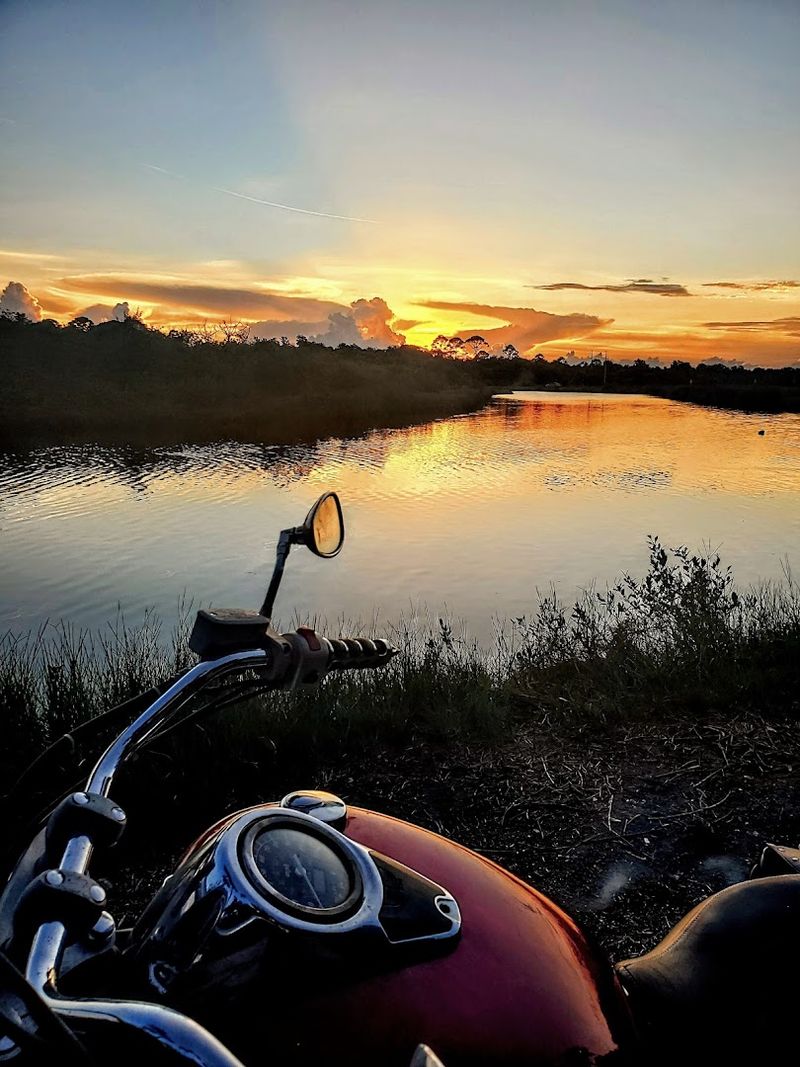
The loop stays open around the clock, which means you can time your drive for the absolute best lighting conditions. Sunrise brings soft golden light and active wildlife, with mist sometimes rising off the water in cooler months. The world feels brand new and quiet, with few other vehicles sharing the road.
Sunset drives are equally spectacular, especially when the sky explodes into pink and purple hues that filter through the tree canopy. One reviewer specifically recommended the 6-7pm time slot when the sun starts dropping, creating that magical hour photographers obsess over. The temperature cools slightly, the harsh midday glare softens, and everything just looks better.
Nighttime drives offer their own appeal for locals who know the route well. The darkness under the canopy becomes almost complete, with only headlights and occasional moonlight breaking through. It’s peaceful in a way that daylight drives can’t match, though obviously wildlife spotting becomes nearly impossible.
The 24-hour access also means you can visit on a whim without worrying about gate hours or closing times. Feeling restless at dawn? Go drive the loop.
Need to clear your head at midnight? The road is waiting. This flexibility makes it easy to fit into any schedule.